As Krav Maga continues to gain popularity as a self-defense system, one question often arises: Does it incorporate katas or traditional forms? Understanding this distinction is vital for practitioners seeking effective self-defense techniques rooted in real-world application. While many martial arts rely on katas for repetition and skill refinement, Krav Maga focuses on immediate, practical responses to threats without the need for choreographed movements. This approach not only emphasizes safety and effectiveness but also mirrors the unpredictable nature of real confrontations.
For those new to martial arts or considering Krav Maga, it’s essential to grasp how this system’s lack of traditional forms impacts training and real-life self-defense scenarios. By exploring the pros and cons of this methodology, you can better appreciate how Krav Maga prepares you for genuine situations. Continue reading to uncover the nuances between traditional martial arts and this modern self-defense system, and discover how you can enhance your personal safety with focused training that prepares you for any eventuality.
Understanding Krav Maga: The Basics of Traditional Forms
Understanding the fundamentals of Krav Maga, especially in relation to traditional forms, is essential for anyone interested in self-defense. Unlike many traditional martial arts that emphasize Kata-pre-arranged forms or patterns of movement-Krav Maga focuses on practical application in real-world situations. The absence of Kata in Krav Maga reflects its commitment to addressing immediate threats in a straightforward manner. This system is derived from military training, emphasizing techniques that are efficient and adaptable to various scenarios, which often deviates from the structured routines found in classical martial arts.
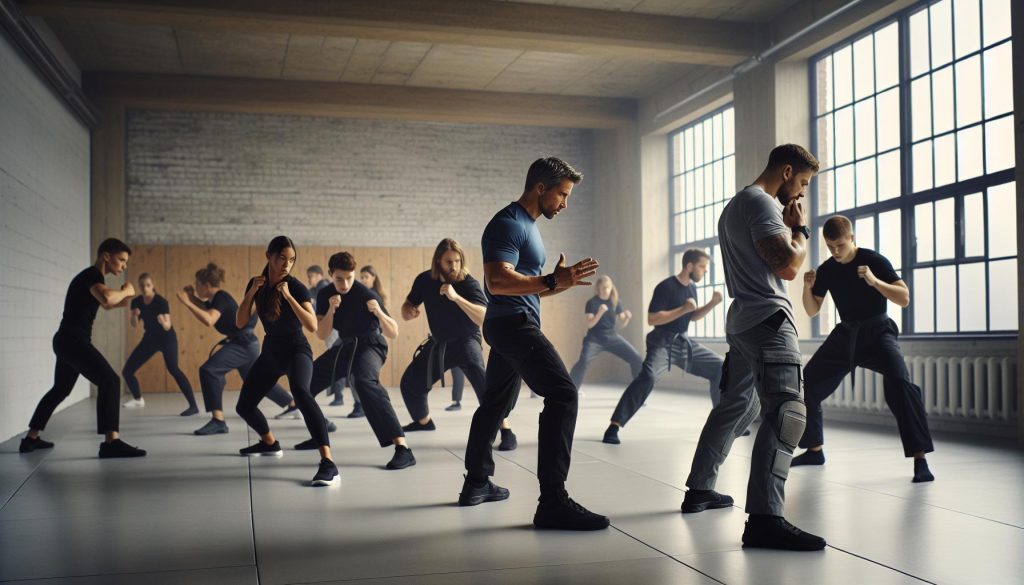
Training in Krav Maga typically involves real-time drills and simulations rather than memorizing sequences of movements. Practitioners learn to respond instinctively to attacks using an assortment of strikes, defensive techniques, and counter-attacks that are effective against multiple kinds of threats, including assaults with weapons. This approach fosters a dynamic learning environment where students develop their reflexes and decision-making skills under pressure, crucial elements that would not be as effectively trained through traditional Kata.
Krav Maga instructors emphasize the importance of awareness, de-escalation tactics, and ethical use of force, highlighting the legal and moral implications of self-defense. Each training session encourages practitioners to think critically about their options in a confrontation, making choices that prioritize safety and control. Through this lens, even without Kata, the foundational aspects of technique, stance, and movement remain integral-adapted to the necessity of immediate, effective response to violence. By focusing on functionality over form, Krav Maga students cultivate confidence in their abilities while understanding the weight of their actions in high-stakes situations.
Kata in Martial Arts: Definition and Importance
Kata plays a fundamental role in many traditional martial arts, serving as a systematic approach to training that emphasizes discipline, rhythm, and retention of complex movements. In these contexts, kata refers to pre-arranged forms or sequences of techniques that simulate combat scenarios, allowing practitioners to internalize skills and develop muscle memory. Through repeated practice of these forms, martial artists cultivate not only technical proficiency but also appreciation for the philosophical aspects of their disciplines, such as respect, self-control, and the path to mastery.
Importance of Kata in Traditional Martial Arts
Kata serves various vital functions within traditional training. It provides a structured framework for learning, enabling students to develop a solid foundation before advancing to more complex applications. Additionally, these choreographed movements facilitate refinement of techniques in a controlled environment, allowing practitioners to focus on mechanics without the unpredictability of a real encounter. In competitions, kata also allows martial artists to showcase their skills, precision, and artistic expression.
Despite its benefits, it’s essential to understand that kata is rooted in a different training philosophy compared to more combat-centric systems like Krav Maga. Traditional martial arts often emphasize adherence to prescribed movements, thus reinforcing tradition and cultural significance. However, as practitioners engage in real-world scenarios, the importance of adaptability and the ability to improvise become apparent-qualities that kata does not inherently foster.
In essence, while kata offers invaluable lessons in form, discipline, and technique, it contrasts sharply with Krav Maga’s philosophy, which prioritizes real-time decision-making and the need to respond efficiently to a variety of threats. This distinction highlights the broader conversation around the relevance of traditional forms in a contemporary context focused on practical self-defense. Understanding these differences empowers students to choose the martial art that aligns best with their self-defense goals and personal philosophies.
The Role of Kata in Traditional Training
Practicing martial arts without understanding the foundational role of kata can leave students missing crucial elements of their training. Kata, representing a series of choreographed movements, is not merely a ritualistic performance; it serves as an essential tool in developing discipline, technique, and a deep understanding of one’s martial art. In contrast to Krav Maga, which focuses on practical self-defense by encouraging improvisation in real threats, traditional kata emphasizes rigid forms that foster distinct benefits.
Through the repetition of kata, practitioners refine their techniques in a controlled setting. This structured framework allows for in-depth analysis of body mechanics, balance, and timing. The mental and physical discipline gained from engaging in kata translates effectively to sparring and real-world scenarios. For instance, a karateka might practice a kata that includes defensive maneuvers, allowing them to internalize those movements and apply them instinctively in a confrontation, regardless of the unpredictability of an altercation.
Moreover, kata can imbue a sense of cultural appreciation and respect for the martial art being practiced. Each movement often has historical significance or reflects the intent of the martial form. However, it’s essential for practitioners to recognize that, while kata offers significant value, its reliance on form can sometimes lead to a detachment from the visceral nature of self-defense. In situations where quick, adaptive responses are needed-such as those encountered in Krav Maga-the practitioner may find that kata does not readily translate into effective defenses against actual threats.
Ultimately, while kata is invaluable in cultivating foundational skills and mental focus, it is less about direct confrontation and more about the journey toward mastery. Awareness of these distinctions between traditional forms and modern training is crucial for students to align their training with their personal goals in self-defense and martial arts practices. By understanding both the benefits and limitations of kata, practitioners can better support their development in martial disciplines.
Examining Krav Maga’s Approach to Technique
Krav Maga stands apart from traditional martial arts in its emphasis on real-world applicability over forms or kata. Developed for the Israeli Defense Forces, its primary aim is to equip practitioners with practical self-defense techniques that can be used effectively in unpredictable situations. This method focuses on instinctive movements that can be executed quickly and without hesitation-key characteristics that prioritize survival and safety in dangerous encounters.
Krav Maga training incorporates realistic scenarios, allowing students to practice techniques against various threats-such as strikes, grabs, and weapons. For instance, practitioners might simulate an attack and learn to respond with a series of defensive maneuvers that blend aggression with effective counter-attacks. This approach not only enhances situational awareness but also builds muscle memory for appropriate responses under pressure. Unlike kata, which are choreographed and often performed solo, Krav Maga prioritizes adaptability: movements are fluid and can change based on the unfolding dynamics of a confrontation.
Moreover, Krav Maga techniques are grounded in principles of efficiency and effectiveness. Students are often taught to target vulnerable areas of the attacker’s body, such as the eyes, throat, and groin, maximizing the potential for a successful defense. This strategic focus underscores the importance of understanding the threat level and utilizing appropriate force. Krav Maga teaches that the objective is to neutralize the threat, ensuring the safety of oneself and possibly others, while remaining aware of legal and ethical responsibilities that arise during a self-defense scenario.
Ultimately, while traditional forms like kata serve an important role in developing technique and discipline, Krav Maga’s approach is tailored to meet the immediate needs of self-defense. Its training methodologies are reflective of the importance of quick-thinking and adaptability, emphasizing realistic experiences to prepare practitioners for potential confrontations in the complex landscape of modern life. Understanding this distinction not only aids in selecting the right training style but also empowers individuals to make informed choices regarding their personal safety.
Comparing Krav Maga to Traditional Martial Arts
Krav Maga distinguishes itself sharply from traditional martial arts through its focus on practicality and real-world application. While many martial arts, such as Karate or Taekwondo, emphasize techniques that are often practiced through pre-arranged forms known as kata, Krav Maga is a system designed for survival in volatile situations. This system prioritizes instinctive responses, allowing individuals to react quickly and effectively when faced with danger. Unlike choreographed movements in kata that are rehearsed repeatedly, Krav Maga training involves dynamic scenarios that simulate actual confrontations, fostering adaptability and situational awareness.
In traditional martial arts, kata serves multiple purposes: it helps practitioners refine their techniques, develop their forms, and cultivate a disciplined mindset. These structured patterns guide students in learning the fundamentals of their art and improving their movements through repetition. The focus on kata can instill a sense of tradition, discipline, and respect for the art form, but it may not always translate into effective self-defense skills in real-life situations. Practitioners of traditional martial arts often spend significant time mastering forms that may not apply directly to spontaneous threats.
Krav Maga, originating from the Israeli Defense Forces, eliminates the need for kata. Instead, it emphasizes techniques that are simple, efficient, and based on natural body movements. Training typically involves realistic scenarios where students practice responding to various attacks, whether unarmed or armed. This results in practitioners learning to identify threats quickly, use effective self-defense techniques, and understand the legal and ethical implications of their actions. For instance, targeting vulnerable areas of an assailant’s body becomes an essential skill in Krav Maga, prioritizing quick neutralization of the threat while ensuring the safety of oneself.
This approach may seem more suitable for those looking for practical self-defense skills over artistic expression. However, it is essential to bear in mind that while Krav Maga focuses on immediate defense, traditional martial arts provides a rich framework of philosophy and cultural heritage. The choice between the two styles should align with the individual’s objectives – whether to gain practical skills for self-protection or to explore the deeper meanings and traditions of martial arts practice. Understanding these differences helps practitioners make informed decisions about their training paths, balancing personal safety with respect for martial arts as a cultural and ethical discipline.
Modern Training Methods in Krav Maga
The evolution of training methods in Krav Maga reflects its foundational philosophy: effective self-defense in real-world situations. Unlike traditional practices that often rely on kata-choreographed movements rehearsed for precision-Krav Maga embraces a more fluid and adaptive approach. The focus here is on developing instinctive reactions to unpredictable attacks, which demands dynamic training methods that simulate actual confrontations.
One of the primary modern training methods involves scenario-based simulations, where practitioners face realistic attack scenarios. This could range from defending against a surprise attack in a crowded area to countering an armed assailant. Such drills enhance situational awareness and decision-making under pressure. Students learn not merely to execute techniques but to assess threats and react appropriately, understanding the legal implications of their actions.
Additionally, the training often incorporates pressure testing, where students practice techniques under stressful conditions, mirroring the adrenaline and stress of a real confrontation. This method builds confidence and helps individuals learn how to control their fear and anxiety, which are vital for effective self-defense. Drills might include working with multiple attackers or struggling with limited mobility, requiring adaptability and quick thinking.
Moreover, modern Krav Maga training increasingly recognizes the importance of mental resilience and de-escalation strategies. Instructors teach techniques that prioritize avoidance or deflection of conflict when possible. Understanding conflict resolution and verbal de-escalation can often prevent physical confrontation, keeping both the defender and the aggressor safe.
These progressive training methods highlight Krav Maga’s commitment to creating capable self-defenders who can respond to diverse threats with confidence. Rather than focusing on repetitive forms, the modern Krav Maga curriculum invests in skills that practitioners can apply in various contexts, ensuring they are well-prepared for unexpected encounters while being aware of the ethical implications of their actions.
Benefits of Incorporating Kata in Self-Defense Training
Incorporating kata into self-defense training, despite its absence in Krav Maga, can provide practitioners with numerous benefits. Kata, traditional forms practiced in many martial arts, offers structured movement patterns that help in honing techniques. This practice aids muscle memory, allowing individuals to react instinctively in high-pressure situations. For instance, executing kata can enhance a student’s ability to understand distancing, balance, and timing, crucial elements in any self-defense scenario.
Moreover, practicing kata emphasizes discipline and focus. As practitioners engage in repetitive motions, they develop mental clarity that translates into greater situational awareness during real-life confrontations. This mental preparation is invaluable. It fosters a proactive mindset-teaching practitioners not just to respond to aggression but also to anticipate and avoid potential threats through awareness.
Another significant advantage is the physical conditioning kata provides. The fluid movements involve strength, flexibility, and cardiovascular endurance-attributes that are beneficial for effective self-defense. A strong, agile, and coordinated body is more adept at handling unexpected physical challenges. Additionally, the routine helps improve coordination and body mechanics, essential for executing complex defensive techniques effectively.
While Krav Maga emphasizes adaptability and spontaneity, elements of structured practice, like kata, can enhance a practitioner’s overall skill set. This combination of modern application through Krav Maga’s realistic training methods and traditional practices can create a well-rounded self-defender. It underscores the importance of blending physical skills with mental preparedness and discipline-factors that contribute significantly to effective self-defense and the ability to handle real-world situations judiciously.
Debunking Myths: Does Krav Maga Need Kata?
Krav Maga, the self-defense system developed for the Israeli Defense Forces, prioritizes real-world effectiveness over traditional forms, or kata, commonly found in other martial arts. This focus on practicality leads many to question whether kata has any place in Krav Maga training. While some purists may argue that kata is unnecessary in a system designed for immediate and instinctual response, it is crucial to clarify that the absence of formal kata in Krav Maga does not imply that practitioners do not benefit from structured training.
One significant myth is that without kata, Krav Maga lacks the depth and rigor of traditional martial arts. In reality, Krav Maga’s approach is uniquely tailored to enhance survival skills under pressure. The system employs rigorous sparring, scenario training, and drills that simulate real-life confrontations. This practical application equips students with the ability to adapt instantly to their environment and effectively deal with various threats. Unlike kata, which emphasizes memorized movements, Krav Maga focuses on the fluidity and adaptability necessary to respond to unpredictable situations.
Moreover, integrating elements reminiscent of kata-such as repetitive drills focusing on basic strikes, defenses, and counters-can enhance motor skills and muscle memory. This structured practice allows students to instinctively recall techniques in high-pressure scenarios, marrying the benefits of kata’s discipline with the dynamic needs of a self-defense system. For instance, drilling specific defensive maneuvers against common attacks can improve timing, distance, and placement, essential components in real confrontations.
Ultimately, while Krav Maga does not require kata, understanding its principles can enrich a practitioner’s ability to defend themselves effectively. By focusing on realism, adaptability, and practical skills, learners develop a robust foundation for self-defense that is attuned to the complexities of real-world threats. Recognizing the strengths of both approaches allows for a more comprehensive view of martial arts training, one that respects tradition while emphasizing the necessity of modern adaptations for effective self-defense.
Real-World Application: Kata vs. Improvised Techniques
In self-defense scenarios, the difference between techniques learned through kata and those that are improvised can be the deciding factor in an encounter. Kata, with its structured movements and predefined sequences, serves primarily to instill discipline, enhance motor skills, and build muscle memory. However, in a real-world confrontation, when one is under duress, the rigidity of kata can sometimes hinder immediate adaptability, where split-second decisions matter most. In contrast, improvisation encourages practitioners to respond fluidly to unpredictable situations, utilizing skills in a more organic manner.
Krav Maga’s method emphasizes this adaptability. Unlike traditional martial arts that might rely heavily on kata, Krav Maga practitioners are trained to understand the underlying principles of movement and combat. This understanding allows them to improvise and tailor their responses based on the specific circumstances of a confrontation. For example, if an assailant throws a punch, a Krav Maga student might react with an unexpected defensive maneuver that draws on their training while also considering the environmental context-something that rehearsed kata might not effectively prepare them for.
The focus on realistic scenarios in Krav Maga training prepares students for the chaos of a real fight. Techniques are not merely memorized but practiced in varied drills that simulate the dynamic nature of actual confrontations. This develops not just technique but also the mental agility needed to make quick decisions under pressure. While kata can enhance foundational skills, the emphasis on improvisation in Krav Maga ensures that practitioners can fluidly transition between techniques and tactics, often blending elements that would be compartmentalized in more traditional practices.
It is vital for self-defense instructors and students alike to recognize the legal implications of their actions during a confrontation. The appropriateness of force and the necessity of de-escalation should always be at the forefront of any defensive response. By training in both the structured methodologies of kata and the improvisational nature of systems like Krav Maga, practitioners cultivate a well-rounded skill set that prioritizes safety and effectiveness, ultimately preparing them to respond appropriately in varied situations. While there is merit to the methodology of kata, an emphasis on improvisation in self-defense training aligns more closely with the unpredictable nature of real-world encounters.
Safety Considerations in Krav Maga Training
In the realm of self-defense, understanding the safety considerations during training is crucial for both effective practice and legal compliance. Krav Maga, as a system designed for real-world situations, prioritizes safety in its training methodologies. One of the primary focuses of Krav Maga is to equip practitioners with the ability to defend themselves without escalating the situation unnecessarily. This means that training should always emphasize de-escalation tactics alongside physical techniques.
When engaging in Krav Maga training, it’s essential to be mindful of the legal framework governing self-defense. The use of force must always be proportional to the threat faced. Practitioners should be aware of the legal stipulations regarding self-defense in their particular jurisdiction. For instance, in many states, a person is allowed to defend themselves against an imminent threat but is also required to retreat if safe to do so. Understanding these legal boundaries helps ensure that students not only protect themselves but also avoid potential legal repercussions.
In terms of physical safety, proper equipment is vital during training sessions. Participants should wear appropriate gear, such as mouthguards, and pads for specific body parts, to minimize the risk of injury during sparring or drill exercises. Additionally, instructors should establish clear protocols for controlled sparring, ensuring that all participants are aware of each other’s limits and are encouraged to communicate openly about comfort levels. This fosters a safe training environment where individuals can learn effectively without fear of injury.
It’s equally important to remember that realistic training scenarios should not glorify violence. Instructors must instill an ethical mindset in their students, stressing that self-defense is an option of last resort. Emphasizing self-control, avoidance of conflict, and the importance of assessing a situation before reacting can fundamentally shift the training scope from aggression to responsible self-defense. In practicing Krav Maga, the goal is not merely to win a fight but to emerge from any confrontation safely and legally.
By integrating these safety considerations into Krav Maga training, practitioners can build confidence in their abilities while operating within legal and moral confines. This balanced approach not only prepares them for unexpected encounters but also instills a sense of responsibility in their self-defense practices.
Cultural Perspectives: Kata’s Place in Different Martial Arts
In the world of martial arts, kata holds a significant place, serving as a bridge between tradition and modern practice. This structured series of movements is designed to enhance the practitioner’s technique, rhythm, and understanding of combat principles. While traditional martial arts such as karate and judo incorporate kata extensively, Krav Maga takes a different path. The question arises: does the absence of kata in Krav Maga diminish its effectiveness as a self-defense system, or does it highlight a more pragmatic approach to training?
Kata serves multiple purposes in traditional martial arts. It enables practitioners to internalize movements, develop muscle memory, and foster a deep connection with the art’s philosophy. For instance, in karate, students often engage in kata to learn defense strategies, balance, and timing in a controlled environment. Some martial artists believe these practices instill discipline, respect, and a deepened understanding of their craft, nurturing a holistic martial spirit.
In contrast, Krav Maga emphasizes real-world applicability over traditional forms. It focuses on effective responses to potential threats, training students to handle unexpected situations with improvisation rather than memorized sequences. This dynamic approach reflects the system’s origins, developed for military contexts where adaptability is crucial. As such, practitioners are trained in various techniques, including escaping holds, defending against strikes, and countering armed attacks through scenario-based training. The absence of kata allows for a more fluid learning environment, prioritizing principles over memorization, which aligns with Krav Maga’s ethos of immediate, practical self-defense.
Despite the differences, there is value in discussing the potential benefits of incorporating elements similar to kata into Krav Maga training. Some practitioners advocate for revisiting fundamental movements and integrating them into drills for a balanced skill set. This could lead to improved understanding of techniques through repetition while maintaining the core focus on adaptability and real-world applicability. Ultimately, both traditional forms and modern methodologies have their own merits, and educators can benefit from recognizing the strengths of each approach to enhance their training programs.
As practitioners consider their training methods, it’s vital to remain aware of the legalities and ethical weight of their actions. Understanding the context of one’s training, whether rooted in tradition or modern application, paves the way for responsible self-defense practice that respects both self and others.
Future Trends: Evolution of Krav Maga Training Methods
The world of self-defense is evolving rapidly, driven by technological advancements and the growing understanding of human behavior in crisis situations. As Krav Maga continues to adapt to modern needs, several trends are emerging that enhance its training methodologies and broaden its appeal. With its foundation rooted in practical self-defense, Krav Maga is increasingly incorporating innovative approaches that blend traditional principles with contemporary techniques.
Integration of Technology
Modern training methods in Krav Maga are increasingly utilizing technology to enhance learning experiences. Virtual reality (VR) and augmented reality (AR) are being explored for simulating real-world scenarios, allowing practitioners to train in immersive environments without the risks associated with traditional sparring. These technologies can emulate various attack scenarios, providing students with the chance to practice decision-making and reaction times under pressure. In addition, mobile apps designed for self-defense training launch instructional videos and practice drills right into practitioners’ hands, facilitating on-the-go learning.
Focus on De-escalation Techniques
As awareness of the legal and ethical dimensions of self-defense grows, Krav Maga instructors are placing more emphasis on de-escalation techniques. Training now often includes role-playing exercises to teach students how to defuse potentially violent encounters without resorting to physical confrontation. This approach not only empowers students to avoid altercations but also aligns with legal standards that emphasize the proportionality of response in self-defense situations. By fostering situational awareness and conflict resolution skills, practitioners can effectively navigate tense scenarios more safely.
Community and Mental Preparedness
Moreover, as martial arts training continues to focus on holistic development, there is a growing recognition of the importance of mental preparedness in Krav Maga. Programs are being developed to address the psychological aspects of confrontation, including stress management and emotional regulation. Workshops on mindfulness techniques and situational awareness are becoming common, equipping students with the tools to remain calm and focused during potentially dangerous encounters. This trend encourages practitioners to understand their limits and empowers them to choose when to disengage or seek help.
As the landscape of self-defense training evolves, the versatility of Krav Maga remains its hallmark. By embracing these future trends-technological integration, de-escalation techniques, and mental preparedness-practitioners can cultivate a well-rounded skill set that prioritizes safety, legal compliance, and ethical decision-making. Engaging with these developments not only enhances individual training experiences but also contributes to the broader conversation surrounding responsible self-defense practices in today’s world.
Frequently Asked Questions
Q: Does Krav Maga use kata in its training?
A: No, Krav Maga does not use kata. It is a practical self-defense system focused on real-world situations rather than traditional forms. Instead of kata, training emphasizes techniques applicable to unpredictable combat scenarios, enhancing efficiency and effectiveness.
Q: What is the purpose of kata in traditional martial arts?
A: Kata serves as a structured practice form in traditional martial arts, helping practitioners learn movement, technique application, and self-discipline. It allows for the exploration of techniques in a controlled environment, which is not the focus in Krav Maga’s pragmatic approach.
Q: How do Krav Maga techniques differ from traditional kata training?
A: Krav Maga techniques prioritize immediate reaction and adaptability in real-life situations, contrasting with kata’s focus on repetition of predefined movements. This difference is crucial for those seeking effective self-defense skills suited to dynamic environments.
Q: Can incorporating kata improve self-defense skills in Krav Maga?
A: While kata can enhance muscle memory and understanding of movements, it may not directly correlate with Krav Maga’s objectives. Modern Krav Maga training prefers scenario-based drills that prepare students for actual confrontations, which are more relevant for self-defense.
Q: Why doesn’t Krav Maga include kata?
A: Krav Maga was designed for practicality and effectiveness in real combat situations, rendering kata unnecessary. The system emphasizes adaptability, fast responses, and techniques that can be used under pressure, making traditional forms irrelevant to its training methodologies.
Q: What are the benefits of modern training methods in Krav Maga?
A: Modern training methods in Krav Maga focus on realistic scenarios, allowing practitioners to develop quick reactions, situational awareness, and practical self-defense skills. These methods help students prepare for unpredictable attacks rather than memorizing traditional forms.
Q: How can a student transition from traditional martial arts to Krav Maga?
A: Transitioning from traditional martial arts to Krav Maga involves focusing on functional techniques and realistic sparring. Students should adapt to the fast-paced, pressure-oriented training environment and set aside the structure of kata for a more fluid approach to self-defense.
Q: What are common misconceptions about Krav Maga and kata?
A: A common misconception is that all martial arts require kata for proficiency. Krav Maga relies instead on instinctive reactions and practical defense techniques, emphasizing that success in self-defense comes from understanding and application, not rote memorization of forms.
Wrapping Up
In conclusion, understanding the role of kata in Krav Maga illuminates the balance between traditional methods and modern self-defense techniques. While traditional forms offer valuable lessons in discipline and muscle memory, Krav Maga focuses on practical application in real-world scenarios. If you’re interested in enhancing your training, consider exploring our detailed guides on techniques for self-defense, or even check out our newsletter for upcoming workshops and events.
We encourage you to share your thoughts in the comments-how do you feel about the use of kata in your training? For more insights on martial arts, check out our articles comparing Krav Maga with other disciplines like BJJ. Remember, effective self-defense is about preparation and knowledge, so take the next step in your journey today. Your safety is paramount; empower yourself with the best tools and information!