
Skip to content
  • Home
  • Krav Maga
    • Krav Maga Basics
    • Krav Maga Effectiveness
    • Training Requirements
  • Martial Arts
    • Beginner Questions
    • Martial Arts Comparison
    • Punching Bag Training
    • Punching Techniques
    • Training and Techniques
  • Self Defense
    • Definitions and Concepts
    • Insurance and Resources
    • Training Costs
  • Self Defense Laws
    • Ethical Questions
    • Justification and Rights
    • Legal Consequences
    • Lethal Force Laws
    • State-Specific Laws
  • Self Defense Weapons
    • Firearms and Calibers
    • Non-Lethal Weapons
    • Weapon Effectiveness
    • Weapon Legality
  • About
  • Home
  • Krav Maga
    • Krav Maga Basics
    • Krav Maga Effectiveness
    • Training Requirements
  • Martial Arts
    • Beginner Questions
    • Martial Arts Comparison
    • Punching Bag Training
    • Punching Techniques
    • Training and Techniques
  • Self Defense
    • Definitions and Concepts
    • Insurance and Resources
    • Training Costs
  • Self Defense Laws
    • Ethical Questions
    • Justification and Rights
    • Legal Consequences
    • Lethal Force Laws
    • State-Specific Laws
  • Self Defense Weapons
    • Firearms and Calibers
    • Non-Lethal Weapons
    • Weapon Effectiveness
    • Weapon Legality
  • About
Contacts

Category: Punching Bag Training

Parent Topic Hub: Martial Arts

Punching bag training is a martial arts and self-defense conditioning method using heavy bags (40 to 200 lbs) or speed bags to develop striking power, accuracy, endurance, and hand-eye coordination through repeated impact drills — a core component of boxing, Muay Thai, Krav Maga, and MMA conditioning programs.

Protocol Matrix ↓Workflows ↓Practical FAQs ↓

Effective punching bag training combines proper installation (structural anchoring rated for dynamic load — typically 1.5x the bag weight), correct hand protection (180-inch cotton wraps under 12 to 16 oz boxing gloves), and structured workout protocols (3 to 5 two-minute rounds with 1-minute rest) to maximize conditioning without risking wrist, knuckle, or shoulder injury. The resources below cover bag selection by weight and fill material, ceiling and wall mounting with load calculations, and progressive training routines for beginners through advanced practitioners.

Key Entity Attributes:punching bag weight selection (40–200 lbs) heavy bag ceiling mount load rating hand wraps for punching bag (180-inch cotton) punching bag training routine (rounds/rest) how to fill a punching bag punching bag wall bracket installation punching bag training benefits (caloric expenditure) how to hang a punching bag safely

Step-by-Step Implementation & Protocol Matrix

The step-by-step implementation and protocol matrix below map actionable workflows, structural benchmarks, and execution stages.

Punching Bag Training — Step-by-Step Implementation & Protocol Matrix
Implementation GuideActionable Protocol & BenchmarksWorkflow Stage
How to Hang a Punching Bag: Complete Installation GuideCeiling joist load rating, hardware specifications (eyebolt grade and length), suspension chain setupInstallation Reference
How to Use a Punching Bag: Beginner's Complete Workout GuideRound structure (2 min on/1 min rest), beginner combinations, session frequency recommendationsTraining Program Guide
How to Select a Quality Punching Bag: Buyer's GuideWeight-to-bodyweight ratio, fill material (water, sand, synthetic fiber), shell material comparisonPurchase Decision Guide

Applied Workflows & Execution Guides

Applied workflows and execution guides cover step-by-step preparation, structural refinement, and common error resolution.

Punching Bag Installation & Setup

  • How to Put Up a Punching Bag: Installation Made Easy — Step-by-step ceiling joist location, eyebolt installation, and chain length configuration guide.
  • How to Hang Up a Punching Bag: Secure Installation Tips — Covers hardware weight ratings, lag screw depth (minimum 2.5 inches into joist), and swivel selection.
  • How to Mount a Punching Bag Ceiling: Safe Setup Guide — Addresses concrete ceiling anchoring with expansion bolts and garage beam installation alternatives.

Punching Bag Maintenance & Training Progression

  • How to Fill a Punching Bag: Best Materials for Training — Compares sawdust, sand, fabric, and water fill materials by firmness, impact quality, and injury risk.
  • How to Fix a Punching Bag: Common Problems Solved — Addresses seam splitting, chain ring wear, fill compaction, and shell cracking repair techniques.
  • How to Wrap Your Hands for a Punching Bag: Protection Guide — Demonstrates 180-inch cotton wrap technique protecting metacarpals, wrists, and knuckles during bag work.
  • How to Work a Punching Bag: Effective Training Routine — Provides 12-week progressive bag training plan with round structure, combination sequences, and rest periods.

Additional Specialized Guides & Case Studies

  • How to Get Turnip Punching Bag: Acquisition Guide
  • How to Kick a Punching Bag: Powerful Striking Drills
  • How to Make a Punching Bag Stand: Build Your Own
  • How to Make a Punching Bag: DIY Fighter’s Guide
  • How to Punch a Punching Bag: Techniques That Work
  • How to Punch Bag Training: Complete Workout System

Practical Implementation Questions

Practical implementation questions clarify preparation requirements, execution intervals, and quality benchmarks.

How heavy should a punching bag be for an adult beginner?

For an adult beginner, the standard recommendation is a heavy bag weighing approximately half your bodyweight — so a 160-pound practitioner would use an 80-pound bag. This weight provides sufficient resistance to develop power without overwhelming a beginner's technique. A bag that is too light swings excessively after impact, disrupting combination rhythm; a bag that is too heavy increases injury risk to wrists and shoulders before proper striking mechanics are established. Most martial arts instructors recommend a 70 to 100-pound bag for adult general use, with water-core bags being slightly more forgiving for beginners due to their shock-absorbing properties.

How do you properly mount a punching bag to a ceiling?

Proper ceiling-mount installation for a heavy bag requires: (1) locate ceiling joists using a stud finder and verify the joist is rated for dynamic load — typically 1.5x the bag's weight; (2) drill a pilot hole and install a 3/8-inch diameter lag eyebolt with a minimum 2.5-inch thread engagement into solid wood joist; (3) attach a swivel hook rated for 400-plus pounds to the eyebolt to allow rotation and reduce chain stress; (4) connect a 14-gauge or heavier chain to the bag's mounting D-rings with locking carabiner clips; (5) inspect all mounting hardware monthly for wear, rust, or loosening. Concrete ceilings require sleeve-type expansion anchors rated for the dynamic load.

What is the proper workout structure for punching bag training sessions?

The standard boxing and Muay Thai-derived punching bag workout structure uses 2 to 3-minute rounds with 1-minute rest intervals, mimicking competitive round lengths. Beginners should start with 4 to 6 rounds per session (8 to 18 minutes of active bag work) two to three times per week, allowing 48 hours of recovery between sessions for tissue adaptation. Intermediate practitioners progress to 8 to 10 rounds. Each round should alternate between power combinations (jab-cross-hook, jab-cross-body-hook-cross) and footwork-emphasis intervals, maintaining continuous movement and preventing static standing while punching — which produces poor mechanics and reduced conditioning benefit.

How to Put Up a Punching Bag: Installation Made Easy
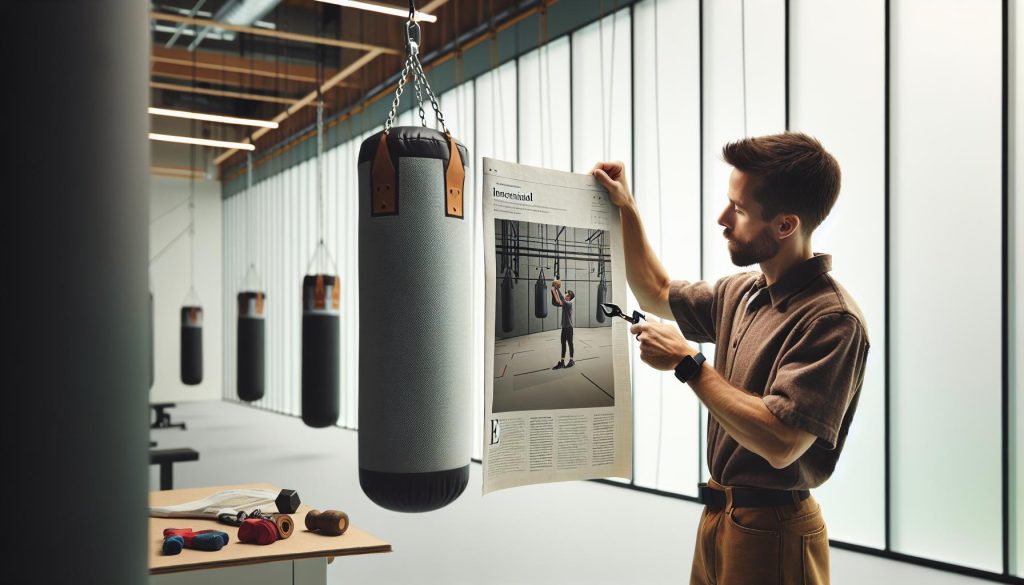
How to Put Up a Punching Bag: Installation Made Easy

Learn how to put up a punching bag with our easy guide! Discover essential tips and safety protocols for a secure installation. Get started today!

How to Hang Up a Punching Bag: Secure Installation
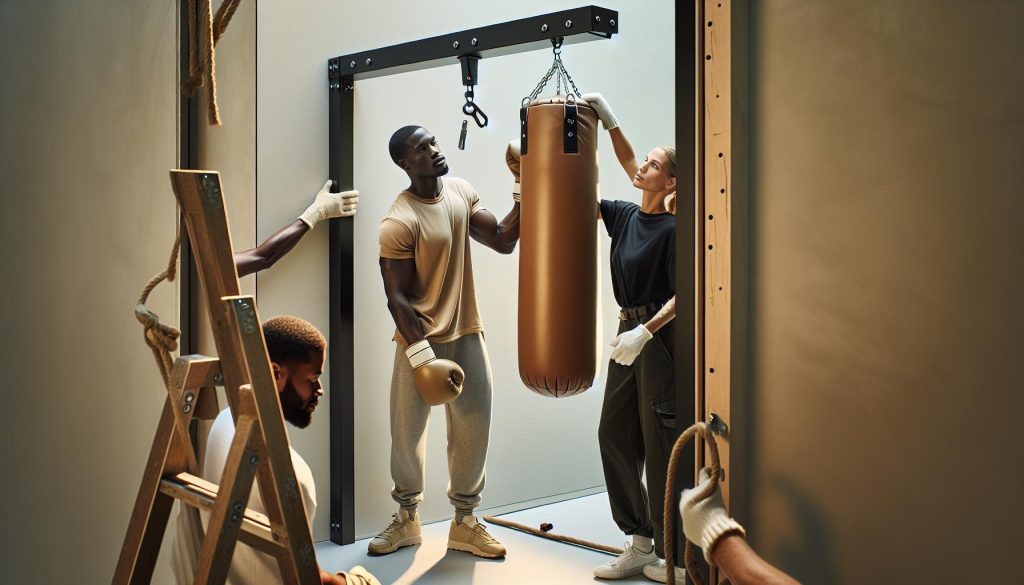
How to Hang Up a Punching Bag: Secure Installation

Discover how to hang up a punching bag securely with our step-by-step guide. Ensure safe installation and maximize your training today! Don’t miss out!

How to Mount a Punching Bag Ceiling: Safe Setup Guide
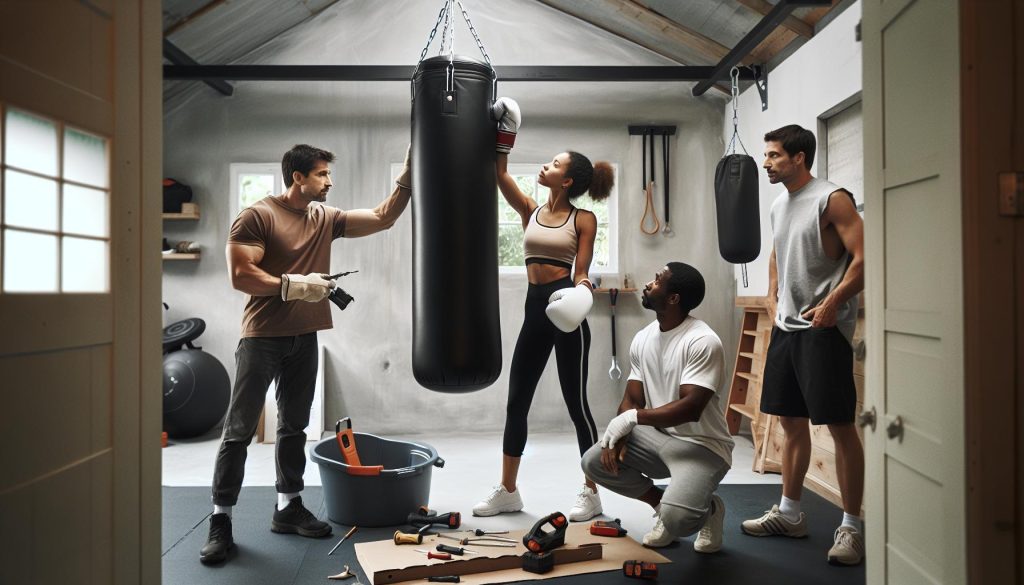
How to Mount a Punching Bag Ceiling: Safe Setup Guide

Secure your punching bag overhead! Learn how to mount a punching bag to the ceiling safely with our expert guide. Get tips for a sturdy, reliable setup now!

How to Use a Punching Bag: Beginner’s Complete Workout
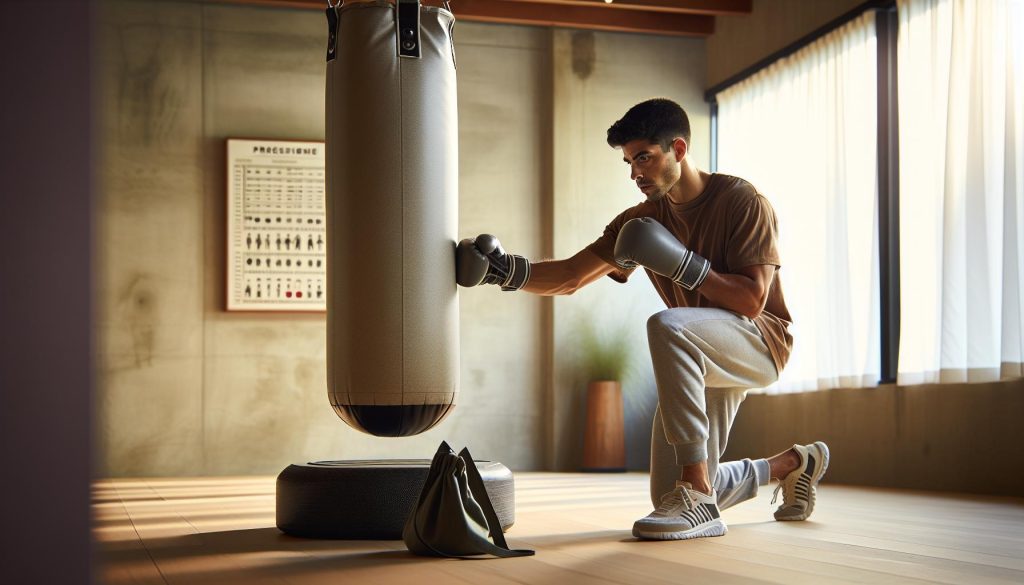
How to Use a Punching Bag: Beginner’s Complete Workout

Unlock your fitness potential with “How to Use a Punching Bag: Beginner’s Complete Workout.” Discover essential techniques and transform your training today!

How to Select a Quality Punching Bag: Buyer’s Guide

How to Select a Quality Punching Bag: Buyer’s Guide

Discover how to select a quality punching bag with our comprehensive buyer’s guide. Get expert tips for your perfect fit-don’t miss out on the best choice!

How to Fill a Punching Bag: Best Materials for Training

How to Fill a Punching Bag: Best Materials for Training

Unlock your training potential! Discover the best materials for filling a punching bag and elevate your workouts. Get started today for unbeatable results!

How to Fix a Punching Bag: Common Problems Solved

How to Fix a Punching Bag: Common Problems Solved

Fix your punching bag now! Discover how to tackle common issues with simple solutions. Get back to training effectively with our expert tips!

How to Get Turnip Punching Bag: Acquisition Guide

How to Get Turnip Punching Bag: Acquisition Guide

Unlock your potential with the Turnip Punching Bag! Discover expert tips and step-by-step guidance to acquire and elevate your training. Don’t miss out!

How to Work a Punching Bag: Effective Training Routine

How to Work a Punching Bag: Effective Training Routine

Transform your training with our effective punching bag routine! Discover comprehensive techniques, tips, and safety protocols to maximize your workouts and unleash your power.

How to Hang a Punching Bag: Complete Installation Guide

How to Hang a Punching Bag: Complete Installation Guide

Master the art of self-defense with our comprehensive guide on how to hang a punching bag. Discover essential tips for safe installation and get started today!

Next →
  • Homepage
  • Blog
  • About us
  • FAQ
  • Contact Us
  • Privacy Policy
  • Homepage
  • Blog
  • About us
  • FAQ
  • Contact Us
  • Privacy Policy

© 2026 SelfDefenseGuides.info. All rights reserved.

AI Editorial Policy