
Skip to content
  • Home
  • Krav Maga
    • Krav Maga Basics
    • Krav Maga Effectiveness
    • Training Requirements
  • Martial Arts
    • Beginner Questions
    • Martial Arts Comparison
    • Punching Bag Training
    • Punching Techniques
    • Training and Techniques
  • Self Defense
    • Definitions and Concepts
    • Insurance and Resources
    • Training Costs
  • Self Defense Laws
    • Ethical Questions
    • Justification and Rights
    • Legal Consequences
    • Lethal Force Laws
    • State-Specific Laws
  • Self Defense Weapons
    • Firearms and Calibers
    • Non-Lethal Weapons
    • Weapon Effectiveness
    • Weapon Legality
  • About
Contacts

Category: Self Defense Laws

Specialized Sub-Categories: Ethical Questions, Justification and Rights, Legal Consequences, Lethal Force Laws, State-Specific Laws

Self-defense laws are state and federal statutes that define the legal conditions — including imminence, proportionality, and reasonableness — under which a person may use physical force, including lethal force, to protect themselves or others from criminal attack without incurring criminal liability.

Reference Matrix ↓Sub-Clusters ↓Analytical FAQs ↓

The United States operates under a patchwork of self-defense statutes: 38 states have enacted Stand Your Ground laws eliminating the duty to retreat in public; Castle Doctrine applies in all 50 states for home defense; and justified homicide thresholds vary by state. The guides below map these distinctions state by state, covering affirmative defense standards, shooting aftermath protocols, and what happens legally when defensive force is used.

Key Entity Attributes:Stand Your Ground laws (38 states) Castle Doctrine (all 50 states) duty to retreat affirmative defense standard justified homicide threshold reasonable belief of imminent harm self-defense laws by state lethal force legal requirements

Core Framework Specifications & Reference Matrix

The core framework specifications and reference matrix below compare primary parameters, structural standards, and empirical applications across foundational guides.

Self Defense Laws — Core Framework Specifications & Reference Matrix
Reference Study / GuideKey Parameters & Empirical ScopePrimary Application
What States Have Self Defense Laws? Complete State-by-State Map50-state Stand Your Ground vs. duty-to-retreat map, Castle Doctrine applicability by jurisdictionLegislative Reference
Is Self Defense an Affirmative Defense? Legal Strategy ExplainedBurden of proof in affirmative defense claims, prosecutorial rebuttal standards, case strategy implicationsLegal Strategy Reference
Is Shooting a Flare Gun Illegal? Maritime Distress vs. Self-Defense LawFederal maritime signal device regulations, reckless discharge statutes, self-defense exception analysisSpecific Weapons Law
What Is Self Defense in Law? Legal Definition & RequirementsFour legal elements: imminence, proportionality, reasonableness, and non-aggressionFoundational Legal Definition

Specialized Sub-Domains & Analytical Guides

Specialized sub-domains and analytical guides organize secondary protocols, structural methods, and targeted evaluations.

Shooting in Self-Defense: Legal Aftermath & Protocols

  • What Happens If You Kill Someone in Self Defense? Legal Aftermath — Traces the legal sequence from police arrival through grand jury review and potential criminal trial.
  • If You Shoot Someone in Self Defense: Full Legal Breakdown — Details immediate obligations, Miranda rights, and the self-defense claim invocation timeline.
  • If I Shoot Someone in Self Defense: Immediate Steps to Take — Provides the critical 10-step protocol covering 911 call, weapon holstering, and legal representation.
  • How Many Times Can You Shoot in Self Defense? — Explains the 'until the threat stops' legal standard and excessive force line under case law.

Self-Defense Legal Tests & Justification

  • Does Oregon Have a Self Defense Law? OR Legal Protections — Analyzes Oregon's duty-to-retreat requirement and its exceptions for home and vehicle defense.
  • In What Circumstances Can Self-Defense Be Justified? Legal Tests — Applies the Model Penal Code subjective-honest-belief vs. common law objective-reasonableness test.
  • Is It Self Defense to Protect Another Person? Third-Party Rules — Covers defense of others doctrine, alter ego rule, and reasonable appearance standard by state.

Additional Specialized Guides & Case Studies

  • How to Do Punch Biopsy: Medical Procedure Explained
  • How to Use a Punch Down Tool: Networking Basics

Core Analytical & Methodological Questions

Core analytical and methodological questions address primary structural rules, operational standards, and verification criteria.

What is the legal difference between Stand Your Ground and Castle Doctrine?

Castle Doctrine, recognized in all 50 states, eliminates the duty to retreat when using force within one's home, vehicle, or in some states one's workplace. Stand Your Ground laws, enacted in 38 states, extend this no-retreat principle beyond the home to any location where a person has a legal right to be. In duty-to-retreat states (12 states including New York and Massachusetts), a person must attempt to safely retreat before using lethal force outside the home unless retreat is impossible or would increase danger.

What happens legally immediately after shooting someone in self-defense?

After a defensive shooting, the immediate legal sequence is: (1) call 911 and identify yourself as the victim; (2) do not move the attacker or disturb the scene; (3) holster your firearm before police arrive; (4) state that you were in fear for your life and acted in self-defense, then immediately invoke your right to remain silent and request an attorney; (5) cooperate with evidence collection but make no recorded statements without legal counsel present. Grand jury review typically determines whether charges are filed within 30 to 90 days.

Is self-defense an affirmative defense in criminal law?

Yes. Self-defense is an affirmative defense, meaning the defendant acknowledges the act but asserts a legal justification for it. In most states, once a defendant raises self-defense, the prosecution must disprove the claim beyond a reasonable doubt. The affirmative defense succeeds when the jury finds the defendant faced an imminent threat, used proportional force, and acted as a reasonable person would under the same circumstances.

Is Shooting a Flare Gun Illegal? Maritime Distress Signaling vs. Reckless Discharge and Self-Defense
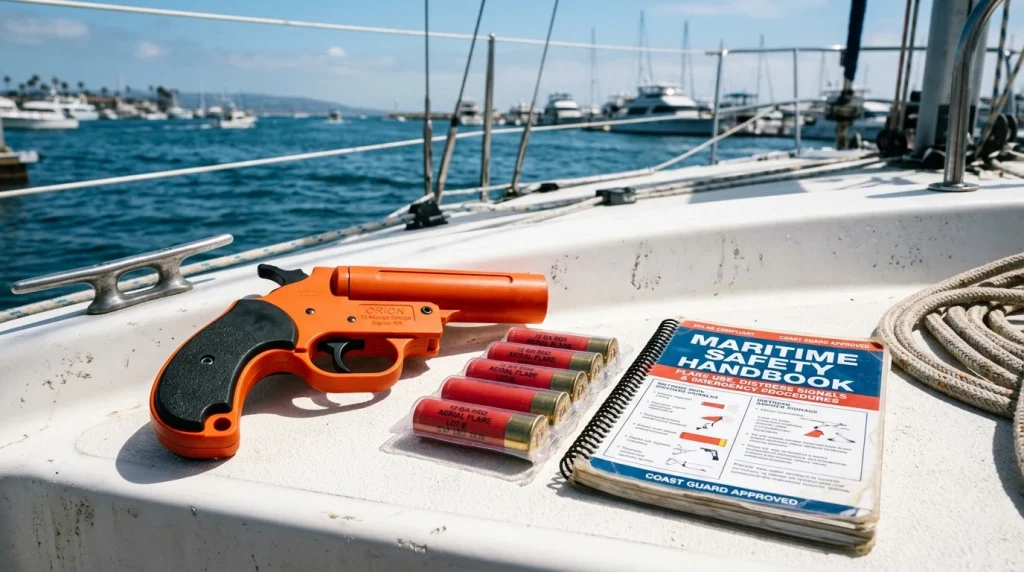
Bright orange emergency flare launcher and cartridges on boat deck

Shooting a flare gun is legal exclusively for bona fide maritime emergencies, distress signaling, or certified safety training under US Coast Guard regulations (33 CFR § 175.140). Discharging a flare gun in non-emergency situations, into crowds, or at humans constitutes federal signal misuse, reckless endangerment, or aggravated assault with a deadly weapon. Every year, recreational […]

If I Shoot Someone in Self Defense? Immediate Steps to Take

If I Shoot Someone in Self Defense? Immediate Steps to Take

Learn essential steps to take if you shoot someone in self-defense. Discover legal limits, effective strategies, and vital safety protocols for your protection.

What Happens If You Kill Someone in Self Defense? Legal Aftermath

What Happens If You Kill Someone in Self Defense? Legal Aftermath

Discover what happens if you kill someone in self defense. Learn the legal aftermath, key self-defense laws, and what you need to know to protect yourself safely.

What Is Self Defense in Law? Legal Definition & Requirements

What Is Self Defense in Law? Legal Definition & Requirements

Discover the legal definition of self-defense and learn critical requirements for safe, justified actions. Empower yourself with knowledge for real-life scenarios!

If You Shoot Someone in Self Defense What Happens? Full Breakdown

If You Shoot Someone in Self Defense What Happens? Full Breakdown

Discover what happens if you shoot someone in self-defense. Learn vital legal insights, emotional impacts, and essential safety protocols for your protection.

How Many Times Can You Shoot Someone in Self Defense? Until Safe

How Many Times Can You Shoot Someone in Self Defense? Until Safe

How many times can you shoot someone in self defense? Until safe! Discover the legal limits and essential self-defense strategies to protect yourself effectively.

In What Circumstances Can Self-Defense Be Justified? Legal Tests

Discover when self-defense is legally justified! Learn essential legal tests, scenarios, and safety protocols to protect yourself effectively and responsibly.

Is It Self Defense to Protect Another Person? Third-Party Rules

Is It Self Defense to Protect Another Person? Third-Party Rules

Learn if it’s self-defense to protect another person. Discover critical third-party rules, legal limits, and real scenarios to make informed decisions.

How to Eliminate Buddy Punching at Construction Projects: Solutions

How to Eliminate Buddy Punching at Construction Projects: Solutions

Eliminate buddy punching at construction sites! Discover effective solutions to boost attendance integrity and maximize productivity. Act now for a stronger team!

What Self-Defense Weapons Can a Felon Own? Restricted Options

Discover what self-defense weapons a felon can own and the restricted options available. Learn crucial legal limits and safe use today for effective protection!

Next →
  • Homepage
  • Blog
  • About us
  • FAQ
  • Contact Us
  • Privacy Policy
  • Homepage
  • Blog
  • About us
  • FAQ
  • Contact Us
  • Privacy Policy

© 2026 SelfDefenseGuides.info. All rights reserved.