
In a world where conflict can arise unexpectedly, learning how to take a punch goes beyond mere physical readiness; it’s about mental strength and resilience. Understanding the principles of toughness training is essential not only for self-defense but also for personal empowerment. Whether you find yourself facing a physical confrontation or navigating high-pressure situations in daily life, the ability to withstand impact-both literally and metaphorically-can make a significant difference. This guide will explore effective techniques for building mental and physical toughness, emphasizing safety and ethical considerations. By cultivating this resilience, you can approach life’s challenges with confidence and composure, equipped to respond thoughtfully rather than react impulsively. Dive into the essentials of toughness training and strengthen your ability to face whatever comes your way.
Understanding the Importance of Toughness Training
Understanding how to endure physical confrontation is crucial for anyone considering self-defense training. Toughness training equips you not just with the ability to withstand pain, but also enhances your mental resilience, helping you to face unexpected situations with confidence and composure. When facing violence, the psychological aspect can often prove as important as the physical; thus, developing both facets is essential for effective self-defense.
Continuous exposure to realistic scenarios in training helps build mental toughness. Whether through controlled sparring sessions or self-defense drills, you learn to manage adrenaline, maintain focus, and execute techniques even under duress. Moreover, training builds familiarity with physical contact, reducing fear when it matters most. Techniques such as taking a punch not only improve your reaction to being struck but also mentally prepare you to engage, rather than freeze, during unexpected encounters.
Additionally, understanding the legal implications of physical confrontations is paramount. Each action taken in a self-defense situation is scrutinized and must be justifiable within legal frameworks. Emphasizing the importance of de-escalation, it is crucial to recognize that not all conflicts require a physical response. Training should include strategies for avoiding confrontation, thereby reducing the need for toughness in real scenarios. Empowering yourself with this knowledge fosters both confidence and a sense of responsibility when faced with self-defense situations, ensuring that your approach remains ethical and grounded in a commitment to safety.
Essential Mindset: Building Mental Resilience
In the realm of self-defense training, cultivating a resilient mindset is as crucial as physical preparedness. When faced with the prospect of a confrontation, it’s not only your physical skills that will determine the outcome but your mental state. Mental resilience allows you to face unexpected situations with composure, effectively managing fear and anxiety while making sound decisions. This essential mindset can be developed through various training techniques designed to enhance focus, adaptability, and emotional control.
Continuous exposure to controlled sparring scenarios is pivotal. Not only does it familiarize you with physical encounters, but it also trains your mind to handle high-pressure situations. During these drills, practice the art of breathing techniques that help regulate your adrenaline response. Understanding that every encounter has a psychological component equips you with the tools to remain calm. Use visualization strategies to picture yourself successfully navigating confrontations which prepares your mind for real-life scenarios, reinforcing a positive and resilient outlook.
Furthermore, embracing a philosophy centered around de-escalation can significantly enhance your preparedness. Training should not solely focus on combating an opponent but also on employing tactics that can help diffuse a situation before it escalates. Such an approach fosters not just the ability to endure physical confrontation but also the wisdom to recognize when physical action is necessary. This understanding empowers you to act ethically and responsibly, instilling confidence in your decisions. Recognizing the legal implications of your actions in self-defense situations is equally important; understanding the boundaries helps you navigate the moral and ethical landscape of self-defense, ensuring that your responses are proportionate and justified.
Ultimately, nurturing a resilient mindset through these practices cultivates a strong self-defense foundation. As you engage in this training, remember to balance confidence-building with a respectful acknowledgment of the potential consequences of physical confrontation. Each scenario can teach valuable lessons in mental fortitude, preparing you not just to take a punch, but to emerge from the experience more resilient and prepared for whatever challenges you may face.
Physical Preparation: Strengthening Your Body
To effectively prepare your body for the rigors of self-defense, understanding the mechanics of physical strength and resilience is vital. This foundation not only empowers you to take a punch but also minimizes injury risk and enhances overall performance in stressful situations. Strengthening your body involves a multifaceted approach that incorporates strength training, cardiovascular conditioning, and practical skill drills tailored for self-defense scenarios.
Engaging in strength training is essential for building a resilient physique. Focus on compound exercises that work multiple muscle groups, such as squats, deadlifts, and bench presses. These exercises enhance functional strength, vital for delivering powerful strikes and withstanding impacts. Aim for three to four sessions per week, gradually increasing weights and intensity to avoid injury. Additionally, integrating exercises that improve core stability, such as planks and rotational movements, greatly enhances your balance and control during physical confrontations.
Cardiovascular Conditioning
Cardiovascular fitness is just as critical in self-defense as strength. Incorporate activities like running, cycling, or high-intensity interval training (HIIT) to boost your aerobic capacity and endurance. A well-conditioned cardiovascular system allows you to remain agile and responsive, especially in prolonged confrontations. Just as importantly, a healthy heart achieves better blood circulation, which in turn can shorten recovery time after an encounter.
Practical Skill Drills
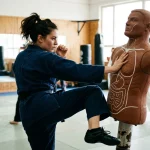
Integrating practical drills into your training regimen is where theory meets reality. Engage in sparring sessions with protective gear such as headgear and mouthguards to simulate real-life situations while minimizing injury risk. Practicing various self-defense movements will enhance your reaction time and muscle memory, which are crucial when you need to respond quickly. Incorporate environment-specific drills, such as practicing near walls or in confined spaces, to familiarize your body with navigating diverse conditions.
To solidify your physical preparation, remember to respect the legal implications of self-defense. Your training should emphasize restraint and ethical considerations in combative situations. A well-rounded approach to physical preparation not only equips you to take a hit but fosters a deeper understanding of the responsibilities that come with self-defense training. This balance between physical conditioning and ethical awareness empowers you to handle potential confrontations confidently and responsibly.
Basic Techniques for Taking a Punch
To effectively absorb a punch, understanding the mechanics of impact absorption and body positioning is crucial. When faced with a strike, it’s not just about enduring the hit but doing so in a manner that reduces the likelihood of serious injury while maintaining your stability and readiness for a counteraction.
One of the fundamental techniques is to relax your body upon impact. Tensing up can lead to greater injury compared to a relaxed stance, which enables your body to absorb and dissipate the force. When you see a punch coming, try to stay loose. If you tense up, your muscles become rigid and more susceptible to damage upon impact. Instead, draw on your core strength, keeping your body stable and minimizing the impact.
Next, angle your body away from the punch. This involves turning slightly or shifting your weight to deflect part of the blow. By doing so, you convert a portion of the straight force into a glancing impact, which is usually less damaging. For example, if a punch is aimed at your jaw, rotating your head away while leaning back slightly can reduce the direct force that reaches you.
Additionally, turn your head with the punch. This technique helps to create a bit of separation between your skull and the striking arm, again making the impact less severe. The goal is to blend your own movement with the incoming force, thus creating a natural flow that decreases the force of the punch. Consider it akin to moving with the waves while surfing instead of resisting them.
Wise use of protective gear during training can’t be overstated-using headgear, mouthguards, and gloves not only prepares you for real impacts but reinforces the ability to practice these techniques without the fear of injury. Practicing these techniques regularly in a controlled environment simulates real-life scenarios, enabling you to react instinctively when it matters most.
Always remember that while training techniques for taking a punch, the priority lies in your safety. Being prepared for physical encounters also means being aware of how to de-escalate situations and understanding the legal implications of self-defense actions. Ultimately, toughness training encompasses not only physical resilience but also a clear sense of ethical responsibility in confrontation scenarios.
Protective Gear: What You Need to Train Safely
Engaging in toughness training equips you to handle physical confrontations effectively, but preparation starts not just with technique – it begins with the right protective gear. The right equipment can shield you from potential injuries, allowing you to focus on skill development without fear. As such, investing in quality protective gear is paramount in any training regimen focused on taking punches and enduring blows.
Essential Protective Equipment
When preparing for rigorous training sessions, consider incorporating the following essential gear to maximize your safety:
- Headgear: Crucial for protecting your skull and brain from striking impacts, headgear should fit snugly and provide ample padding without impairing visibility.
- Mouthguards: Protecting your teeth and jaw from damage during training is vital. A well-fitted mouthguard also minimizes the risk of concussions by cushioning the bite.
- Gloves: Whether for boxing, Muay Thai, or mixed martial arts, wearing appropriate gloves ensures that your hands are shielded from trauma while also offering some protection to your opponent.
- Shin Guards: Essential for kickboxing or any striking art, shin guards prevent bruises and fractures during impact with both heavy bags and opponents.
Using gear not only enhances safety but also aids in mental preparation. By training with proper equipment, you become accustomed to the feel of simulated confrontation, building confidence.
Benefits of Using Protective Gear
Practicing with protective gear encourages more realistic training scenarios, fostering responsiveness to real-life situations without the constant worry of injury. By maintaining a safe training environment, you can explore techniques like taking a punch with more focus and earnestness.
Moreover, high-quality protective gear is specifically designed to absorb and distribute impact forces, greatly reducing the likelihood of injury. For instance, brands like RDX Sports provide a plethora of options designed for martial artists, ensuring your safety is at the forefront of your training regimen [[2]]. Products such as shin guards, cloth forearm and elbow guards, and hand wraps can help create a comprehensive protective environment [[1]].
In summary, training for toughness doesn’t just hinge on physical resilience; it’s equally about safeguarding your well-being through the appropriate use of protective gear. As you develop your skills in taking punches, such precautions will enable you to continue your journey in self-defense with confidence and responsibility. This practice ensures that you can focus more on mastering techniques while understanding the absolute necessity of safety in every aspect of your training.
Learning from Real-Life Scenarios
Understanding how to navigate real-life confrontations is critical for anyone studying toughness training. A sobering reality is that physical encounters often unfold rapidly and unpredictably. In various scenarios, individuals have benefitted from rigorous training not only in physical techniques but in their ability to assess situations before they escalate to violence.
In one notable instance, a martial arts practitioner found themselves confronted by an aggressive individual. Thanks to their conditioning, they employed de-escalation tactics initiated by calm communication while maintaining a defensive posture. This engagement revealed the pivotal importance of recognizing non-verbal cues and assessing the emotional state of the aggressor. Practitioners should continuously evaluate body language and tone to discern the potential for violence before it erupts.
Understanding the legal implications of self-defense is also crucial. In most jurisdictions, the use of physical force is permissible only when individuals feel threatened and must act to protect themselves. For instance, a person facing an imminent threat can legally respond with appropriate force, but they must avoid excessive or retaliatory means that could lead to legal complications. Engaging in scenario-based training, such as role-playing exercises, can effectively enhance one’s ability to respond appropriately under pressure while retaining awareness of the legal limits of self-defense.
Lastly, it is vital to learn from those who have experienced real confrontations. Listening to stories from others can highlight the nuances of applying self-defense principles in real-world settings, emphasizing that each situation requires unique judgment and response. This empowers learners to build resilience, incorporate ethical considerations into their training, and understand the weight behind each action taken in the heat of the moment.
De-escalation Tactics: Avoiding Confrontation
In high-tension situations, the ability to de-escalate conflict can mean the difference between a peaceful resolution and a potential confrontation. Understanding the dynamics of aggression is fundamental for anyone involved in toughness training. Many conflicts arise from misunderstandings, emotions, or external stresses, making proactive de-escalation tactics vital. Practicing these skills helps not only in avoiding physical altercations but also in building mental resilience.
One of the most effective strategies in de-escalation is maintaining a calm demeanor. When faced with aggression, take a deep breath and consciously lower your tone and body language. Adopting a non-threatening posture-such as keeping your hands visible and using open body language-can significantly reduce the other person’s anxiety and hostility. Acknowledging their feelings without judgment can further assist in diffusing tension. For instance, phrases like, “I see you’re upset, and I want to understand” show empathy, which can often redirect their emotional state toward a more constructive dialogue.
Recognizing non-verbal cues is also crucial. Body language often communicates more than words, and being aware of signs of agitation can provide vital context for the conversation. For example, if someone appears fidgety, avoiding eye contact, or clenching their fists, these may be indications of escalating anger. In such cases, it is prudent to create physical space, ensuring both parties feel less cornered. This helps to lessen the intensity of the confrontation, paving the way for a more rational discussion.
Remember that every situation is unique, and the response should be appropriately tailored. Engaging in role-playing scenarios during training can enhance your ability to assess real-life situations effectively. Practicing with partners or groups can help you learn how to respond calmly and assertively. Legal considerations must remain at the forefront; responding to aggression with excessive force can lead to significant legal repercussions. Empowering yourself with knowledge about the laws surrounding self-defense in your jurisdiction will not only keep you safe but also ensure that your actions are justifiable, should a situation escalate. The balance between confidence and caution is key in all self-defense training, always prioritizing de-escalation above physical confrontation.
Legal Considerations in Self-Defense
Understanding the legal landscape surrounding self-defense is crucial for anyone involved in toughness training. A well-informed martial artist not only enhances their physical capabilities but also learns when and how to apply their skills responsibly and legally. In general, self-defense laws allow for the use of reasonable force when a person believes that unlawful force is imminent. However, the legal definition of what constitutes “reasonable” can vary significantly by jurisdiction.
The Importance of Proportional Response
In self-defense scenarios, the use of force must be proportional to the threat faced. For instance, if you are confronted with an unarmed attacker, responding with lethal force could lead to serious legal consequences. Most legal systems require individuals to escape or de-escalate before resorting to physical confrontation, underscoring the value of de-escalation tactics learned in training. In many jurisdictions, if a trained fighter feels genuinely threatened by someone known to have martial arts proficiency, that individual may need to evaluate the situation carefully before reacting, as the law might categorize their abilities as a “deadly weapon” due to their training level[[2]](https://www.ittendojo.org/articles/self-defense-law).
State-Specific Legal Guidance
It’s vital to understand the self-defense laws specific to your state or region. For example, some states have “stand your ground” laws that permit individuals to use deadly force without duty to retreat under certain circumstances, while others require a reasonable belief of imminent harm and a willingness to flee if possible. An example includes Pennsylvania’s provision allowing non-deadly force to prevent unlawful entry or attack on one’s dwelling[[2]](https://www.ittendojo.org/articles/self-defense-law). Familiarizing yourself with local laws not only protects you in confrontational scenarios but empowers you with the knowledge to act within legal boundaries confidently.
Real-World Considerations
Situational awareness and assessment play a pivotal role in any confrontation. Prioritizing the avoidance of physical altercations over engaging them is integral to both your safety and legal standing. Training in martial arts should emphasize the importance of recognizing when to disengage rather than escalate. Courses that integrate legal education into their curriculum often provide clear examples and case studies to illustrate the consequences of both justified and excessive force. This knowledge can prevent not just physical harm but also the ensuing legal battles that may follow a confrontation.
In sum, rigorously assessing the situation, understanding your legal rights, and integrating de-escalation tactics into your training can empower you to navigate the complexities of self-defense with wisdom and responsibility. Always remember: the primary goal is to ensure safety without compromising your legal standing.
Comparing Fighting Styles: What Works Best?
Understanding the nuances between different fighting styles can greatly enhance your ability to prepare for and respond to confrontational scenarios. Various martial arts disciplines offer unique benefits, each tailored to specific situations and individual needs. For instance, styles like Krav Maga focus on practical combat scenarios that emphasize real-world self-defense, teaching techniques to neutralize threats swiftly and effectively. It prioritizes awareness, de-escalation, and counter-attacks against armed and unarmed opponents, making it ideal for urban environments where the risks are often unpredictable.
In contrast, Brazilian Jiu-Jitsu (BJJ) emphasizes ground fighting and grappling techniques, focusing on leverage and technique over brute strength. This art is particularly effective for self-defense, as it trains practitioners to control an opponent on the ground, which can be crucial in one-on-one confrontations, especially against larger adversaries. However, BJJ does rely heavily on the assumption that the fight goes to the ground, which may not always be advantageous in every confrontation.
Moreover, when evaluating fighting styles, consider aspects such as legal implications and situational effectiveness. For example, striking arts such as boxing or Muay Thai can be effective for those comfortable with stand-up combat, but they also come with a responsibility regarding the application of force. In many jurisdictions, the use of striking techniques must be proportional to the threat faced, reinforcing the need for practitioners to understand the legal ramifications of their actions.
Ultimately, the best fighting style for you may depend on personal preferences, physical capabilities, and the specific contexts in which you anticipate needing self-defense. It is essential to assess not only the technical aspects of each style but also their applicability in real-life situations, always prioritizing de-escalation and personal safety over the actual fight. Balancing training in various disciplines may provide the most comprehensive preparation, empowering you with a well-rounded skill set that aligns with both effective defense and ethical considerations in self-defense scenarios.
Integrating Toughness Training into Your Routine
Integrating toughness training into your regular workout routine is essential for developing the resilience needed to handle confrontations effectively. Toughness training encompasses not just physical preparation but also mental conditioning, which allows you to endure the realities of self-defense scenarios. To create a balanced program, consider incorporating a variety of exercises that enhance not only your skills but also your ability to absorb impacts both physically and mentally.
Practical Exercises
Begin with drills that simulate real-life scenarios. For example, practice absorbing hits with controlled sparring sessions or use focus mitts to enhance your reaction time while developing the ability to take a punch. Focus on the following:
- Pad Work: Working with a partner, practice striking pads while introducing occasional light contact to simulate being hit.
- Conditioning Drills: Engage in bodyweight exercises such as burpees or plyometric push-ups that not only build strength but also prepare your body for the physical demands of a confrontation.
- Circuit Training: Create a circuit that combines strength, agility, and endurance workouts. This can include kettlebell swings, jump squats, and rope work to develop both mental and physical toughness.
The goal is to make your training as realistic as possible while still prioritizing safety and legal considerations. Always be mindful of the amount of force used during training, ensuring it aligns with the principles of proportionality and controlled practice.
Building Mental Resilience
Mental toughness is just as crucial as physical conditioning. Incorporate mindfulness techniques or stress management exercises into your routine. Practicing visualization can prepare you mentally for potential confrontation scenarios; imagine yourself responding calmly and effectively under pressure. Additionally, developing a strong support network through training partners or local self-defense classes can provide both camaraderie and motivation.
By regularly practicing these strategies, you’ll not only improve your ability to take a punch but also enhance your overall effectiveness in self-defense situations. Always remember the importance of legal knowledge regarding self-defense actions, ensuring you understand the limits and responsibilities of using physical force. Regularly revisiting these aspects will empower you to train with confidence while approaching self-defense with the seriousness it deserves.
Common Mistakes in Toughness Training
Mistakes in toughness training can hinder not only physical development but also mental preparedness. One common error is neglecting the importance of gradual exposure. Many participants jump into high-impact sparring without adequate preparation, risking injury and discouragement. It’s vital to start with lighter contact and progressively increase intensity as confidence and skill grow. This approach not only builds physical resilience but also instills a sense of control and capability over time.
Another frequent pitfall is overlooking the mental aspect of toughness training. While physical conditioning is essential, relying solely on physical strength without fostering mental resilience can leave individuals unprepared for real-world confrontations. Mindfulness techniques and stress management practices should be incorporated into training sessions to enhance mental fortitude. Visualization exercises, where you imagine successfully navigating a confrontation, prepare you for high-pressure situations and reinforce a calm mindset when facing adversity.
Additionally, many trainees ignore the importance of legal considerations surrounding self-defense. Engaging in physical training without understanding the laws governing self-defense can lead to unintended consequences. Being aware of your legal rights and responsibilities when reacting to a threat is paramount. This understanding will allow you to train with a sense of responsibility, reinforcing the necessity of proportional response and de-escalation techniques to avoid confrontation altogether.
Lastly, individuals often misjudge their own limits, pushing themselves too hard or too fast. Training should be a balanced mix of challenge and safety. Overexertion can lead to burnout or injuries, which derail long-term progress and negatively affect mental well-being. Establishing a structured training regimen that prioritizes safety, legality, and personal limits will foster a more effective and sustainable approach to toughness training. Always listen to your body and adjust your routine to ensure continual growth without unnecessary risk.
Resources for Continued Learning and Practice
Understanding how to take a punch is a crucial element of toughness training, but it’s only the beginning. To advance your skills and understanding, it’s important to engage with various resources that can enhance both your physical and mental preparedness. Whether you’re looking for structured training or simply want to deepen your knowledge of self-defense, consider the following avenues for continued learning and practice:
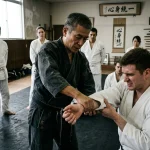
- Self-Defense Classes: Engaging in classes offered by experienced instructors not only provides practical skills but also a supportive learning environment. Look for classes that emphasize realistic scenarios, and offer a variety of techniques, such as those found at local martial arts academies.
- Online Training Programs: Platforms like Industrial Strength Gym offer online self-defense courses that can be taken at your own pace. These courses often include videos and drills that cater to different skill levels, making it easier for you to integrate training into your schedule [[2]].
- Books and Guides: There are numerous books on self-defense and toughness training that provide insights into both physical techniques and mental strategies. Titles focusing on the psychology of fighting or martial arts philosophy can broaden your understanding and preparedness.
Incorporating real-life scenarios into your training can also be invaluable. Participate in workshops that simulate high-pressure situations, allowing you to practice de-escalation tactics while receiving feedback from instructors. As you raise your confidence and skills, remember that safety is paramount; invest in protective gear that allows you to practice punches and defense moves without risking injury.
It’s essential to remain informed about the legal aspects of self-defense within your specific location, as laws can vary widely. Resources like local self-defense workshops or seminars often include legal guidance, helping you understand your rights and responsibilities when it comes to self-defense actions. Websites like Kidpower International provide practical advice and videos specifically designed to instill safety and awareness in various contexts [[1]].
By continually engaging with diverse resources and practicing regularly, you will not only be better equipped to take a punch but also prepared to handle the mental and emotional aspects of confrontations responsibly.
Frequently Asked Questions
Q: What are the best techniques to help me absorb a punch?
A: To effectively absorb a punch, focus on relaxing your body and using your legs to absorb impact. Additionally, practice proper head movement and shoulder positioning. Engage in drills that simulate impacts, gradually increasing the force to build tolerance and response. For more techniques, refer to the Basic Techniques for Taking a Punch section of the article.
Q: How can I mentally prepare myself to take a hit?
A: Mental preparation involves building resilience and focus. Visualization exercises can help you anticipate and react calmly to impacts. Incorporating stress exposure training in a controlled environment also aids in familiarizing yourself with the sensation of being hit, which you can find more about in the Essential Mindset: Building Mental Resilience section.
Q: Is strength training important for taking punches?
A: Yes, strength training is crucial for enhancing your body’s ability to withstand punches. Focus on core and upper body workouts to develop better muscle support and shock absorption. Incorporate exercises like squats, deadlifts, and planks to improve overall stability and strength, as discussed in the Physical Preparation: Strengthening Your Body section.
Q: What protective gear should I wear during toughness training?
A: Utilizing the right protective gear is essential for safety. A quality mouthguard, headgear, and boxing gloves can help reduce injury risk. Ensure your gear is well-fitted and suitable for the type of training you’re doing, as highlighted in the Protective Gear: What You Need to Train Safely section.
Q: How can I safely increase my pain tolerance?
A: Gradually increasing your exposure to discomfort will help build pain tolerance. Start with light sparring and progressively increase intensity. Consistent practice in safe environments allows your body to adapt, which is further elaborated in the Integrating Toughness Training into Your Routine section.
Q: How do fighting styles affect ability to take a punch?
A: Different fighting styles have unique approaches to taking punches. For instance, boxing emphasizes head movement and footwork to evade hits, while MMA combines striking with grappling to minimize damage. Understanding these differences can help you choose a style that suits your ability and training goals, as discussed in the Comparing Fighting Styles: What Works Best? section.
Q: What common mistakes should I avoid when training to take a punch?
A: Avoid underestimating the importance of technique and safety. Many trainees neglect proper form or skip protective gear, which risks injury. Ensure you focus on both mental and physical aspects of training to maximize effectiveness and safety, as referenced in the Common Mistakes in Toughness Training section.
Q: Can learning from real-life experiences improve my punching resilience?
A: Yes, analyzing real-life scenarios can enhance resilience. Understanding how others respond in confrontations provides insights into effective defense strategies and psychological preparedness. Study these situations and apply lessons learned to your training, as noted in the Learning from Real-Life Scenarios section.
In Retrospect
Now that you’ve explored the essentials of how to take a punch and build mental toughness, don’t wait to implement these insights. Remember, developing your resilience in the face of adversity is just as crucial as physical preparation. To further enhance your skills, check out our articles on 8 Ways to Develop Mental Toughness and Simple Strength for Difficult Times for structured training plans that adapt to any environment.
Feeling unsure about the next steps? Engage with our community by sharing your thoughts and experiences in the comments below, and consider signing up for our newsletter to stay updated on the latest self-defense strategies and tips. Remember, every punch you take is an opportunity to grow stronger-take action today and turn your fears into confidence!
Get our latest guides, news, and insights highlighted in your Google Search & AI Overviews.