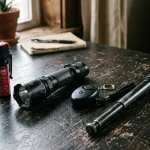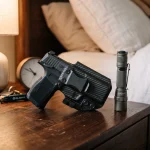

Understanding the legal distinctions between self-defense and murder is crucial for anyone interested in personal safety and the law. Did you know that a self-defense claim hinges on the necessity and proportionality of the response? This topic is vital not only for those practicing self-defense techniques but also for anyone concerned about the legal ramifications of using force in dangerous situations. As threats become more prevalent in our society, knowing when you can legally protect yourself without crossing into criminal behavior is essential. In this article, we will delve into the complex legal framework surrounding self-defense, unpacking the nuances that differentiate it from murder. By equipping yourself with this knowledge, you empower your ability to respond effectively in life-threatening situations while remaining within the bounds of the law. Join us as we explore these critical distinctions that could make all the difference in a moment of crisis.
Understanding Self Defense: Legal Framework Explained
Understanding the legal framework surrounding self-defense is crucial for anyone who may find themselves in a threatening situation. Each state has its unique laws that determine when and how individuals may legally use force to protect themselves. At the core of self-defense laws is the principle that individuals are allowed to use reasonable force to prevent imminent harm. However, what constitutes “reasonable” can vary significantly based on the circumstances and the jurisdiction.
The key legal concepts in self-defense revolve around the notions of necessity and proportionality. The use of force must be necessary to avert an immediate threat, and the level of force must be proportionate to the threat faced. For example, if an individual is confronted with a verbal threat that does not involve a weapon, responding with lethal force would typically be seen as excessive and unreasonable. Conversely, if one is confronted with an armed attacker, using deadly force may be justified under many self-defense statutes, especially if retreating to safety is not an option.
State-specific laws play a significant role in determining how self-defense is invoked. Some states have “stand your ground” laws that allow individuals to use force without a duty to retreat when threatened, while others require individuals to flee if it is safe to do so. Understanding these legal nuances is essential not only for legal defense but also for making informed decisions during high-stress encounters. Engaging in self-defense practices and education can prepare individuals legally and physically, enabling them to react appropriately when safety is at stake.
In practice, legal consequences arise from failure to adhere to these frameworks-misusing self-defense claims can lead to severe criminal charges, including murder. Therefore, it’s imperative to approach self-defense with a mindset focused on de-escalation and preserving life whenever possible. Proper training and awareness of one’s surroundings can significantly increase the chances of safely navigating dangerous situations, aligning with the legal standards set by various jurisdictions.
Defining Self Defense: Key Legal Principles
Understanding the nuances of self-defense law starts with grasping its fundamental legal principles. At its core, self-defense is framed around two pivotal concepts: necessity and proportionality. These principles dictate that individuals can legally protect themselves from imminent harm, but only under conditions where such force is absolutely necessary and appropriate to the threat they face. For instance, responding to a verbal threat with lethal force would generally be considered excessive and unlawful. Conversely, if you are faced with a physical attack from an armed assailant, the use of deadly force may be justified, particularly if retreating safely is not an option.
Key Legal Aspects of Self-Defense
A few legal principles guide self-defense claims, including:
- Imminent Threat: The threat faced must be immediate and unavoidable. If the danger is perceived but not immediate, the right to self-defense may not apply.
- Proportional Response: The level of force used in self-defense must match the level of threat. An appropriate response involves using only as much force as necessary to neutralize the threat.
- Duty to Retreat: In certain jurisdictions, individuals are required to retreat if it is safe to do so before resorting to physical force. However, this duty varies significantly across states.
- Aggressor Status: An individual who provokes or escalates a confrontation typically cannot claim self-defense if the situation turns violent.
Intent and Self-Defense
The intent behind an action plays a critical role in self-defense claims. If a person purposely instigates a conflict with the intent of using force, they may lose their right to claim self-defense. This is crucial for legal judgments, as courts assess the motives and actions of individuals involved in such incidents.
By comprehending these key legal principles, individuals can better navigate the serious implications surrounding self-defense. Awareness of the laws specific to your state is essential for ensuring that any defensive action taken aligns with legal standards. Self-defense training should emphasize not just physical techniques but also a strong understanding of your legal rights and responsibilities, enhancing your ability to act wisely and safely under pressure.
The Thin Line: Distinction Between Self Defense and Murder
Understanding that the distinction between self-defense and murder can significantly impact the legal outcomes of violent confrontations is essential for anyone concerned about personal safety. In legal terms, self-defense justifies the use of force when faced with an imminent threat, while murder entails the unlawful killing of another person without such justification. This fundamental difference hinges on the concepts of necessity, proportionality, and intent, which must be thoroughly understood by those who seek to protect themselves legally and ethically.
Understanding the Legal Distinction
At its core, self-defense requires that the response to a threat be both necessary and proportional. This means that if you are attacked, you have the right to defend yourself, but the force used must be limited to what is needed to neutralize the threat. If the response exceeds what is necessary-such as using lethal force against an unarmed assailant-the act may cross into the realm of murder. For instance, if an individual is punched and retaliates with a lethal weapon, this disproportionate response could be classified as murder, as it does not align with the principles of self-defense.
Additionally, the intent behind the actions is crucial in differentiating self-defense from murder. A person who engages in a fight intending to provoke violence can potentially forfeit their right to claim self-defense. Courts often examine the circumstances surrounding the incident, including prior actions and statements, to determine whether there was a genuine belief that the force used was necessary to prevent greater harm.
Real-World Implications
In real-life scenarios, the nuances of self-defense law can mean the difference between life-changing consequences. For example, consider a situation where an individual feels threatened in a public space. If they use reasonable force to disengage from an assailant-such as using pepper spray during an aggressive advance-they are likely protected under self-defense laws. Conversely, if they escalate a confrontation by drawing a firearm when the situation has not warranted lethal force, they could find themselves facing serious criminal charges.
Ultimately, the thin line between self-defense and murder underscores the importance of understanding local laws. Different jurisdictions have varied regulations regarding the duty to retreat, the use of deadly force, and defending oneself in public versus private spaces. It is crucial to familiarize yourself with these laws to ensure that your protective measures align with legal standards and ethical considerations. Always prioritize de-escalation and the avoidance of violence whenever possible, as these actions not only reflect a commitment to personal safety but also demonstrate a respect for the legal frameworks designed to protect individuals and society as a whole.
State-Specific Laws on Self Defense
In the realm of self-defense, understanding state-specific laws is crucial, as these laws establish clear parameters regarding when and how individuals can protect themselves. In Arizona, for instance, the self-defense framework is entrenched in the Stand Your Ground laws. These provisions allow individuals to use reasonable force, including lethal force, to defend against certain enumerated crimes without a duty to retreat, provided they are in a location where they have the legal right to be and are not engaged in unlawful activities [[1]](https://www.findlaw.com/state/arizona-law/arizona-stand-your-ground-and-self-defense-laws.html).
Under Arizona Revised Statutes § 13-411, individuals facing an imminent threat have the legal right to utilize force appropriate to counter that threat. This law specifically allows self-defense against intruders in one’s home or place of business, acknowledging the fundamental right to protect one’s personal domain [[2]](https://www.jacksonwhitelaw.com/resources/criminal-defense-law/arizona-self-defense-laws/). It’s vital to remember that while you have the right to defend yourself, the response must be proportional to the threat. For example, using lethal force against someone who is unarmed and posing a minimal threat could potentially lead to charges of murder instead of self-defense.
Moreover, the interpretation of what constitutes “reasonable” or “necessary” force varies by jurisdiction. Situations differ significantly between private spaces, like homes, and public areas, where the legal thresholds may shift. In public scenarios, the justification for using lethal force is scrutinized more closely, emphasizing the importance of de-escalation techniques and restraint. For individuals trained in self-defense or martial arts, the priority should not only be to neutralize a threat but to assess the situation critically and respond in a way that aligns with legal standards[[3]](https://rallswillelaw.com/blog/understanding-self-defense-laws-in-the-state-of-arizona-your-right-to-protect-yourself/).
Ultimately, understanding and abiding by state-specific laws is essential for anyone concerned about personal safety. It empowers individuals to protect themselves while remaining aware of the impactful legal and ethical implications of their actions. Always seek to prioritize alternatives to violence and approach self-defense situations with a mindset focused on safety and the legal ramifications of your choices.
Types of Force: What Constitutes Appropriate Self Defense?
In self-defense situations, the type of force that can be deemed appropriate is crucial to understanding the thin line between legitimate protection and potential criminal charges. The principle of proportionality governs how much force can be used in defense against an attack. If someone is facing an imminent threat-such as being physically assaulted-the law allows them to use reasonable force to counter that threat. However, it’s important to note that using excessive force can lead to serious legal repercussions, including charges of murder or manslaughter.
Defining Appropriate Force
Appropriate force is generally categorized into three types: non-lethal, lethal, and psychological.
- Non-lethal Force: This includes techniques like verbal de-escalation, physical restraint, or defensive maneuvers that do not cause permanent harm. For example, using blocking techniques in martial arts to prevent an attack can be justified as a reasonable response.
- Lethal Force: This is reserved for life-threatening situations, where the defender reasonably believes they or another person is at imminent risk of serious bodily harm or death. The use of a firearm, for instance, is only justifiable when no other reasonable options are available.
- Psychological Force: This can involve assertively confronting an aggressor without physical contact. Sometimes, simply showing confidence and assertiveness can defuse a volatile situation, making this an effective first strategy.
Understanding the context is essential. In Arizona, for example, state law allows individuals to stand their ground under certain circumstances without a duty to retreat, but this does not provide carte blanche to use lethal force whenever one feels threatened [[1]](https://www.findlaw.com/state/arizona-law/arizona-stand-your-ground-and-self-defense-laws.html). The legality of the force used will be judged based on whether the response was necessary and proportional at the moment the defense was initiated.
Assessing Threat Levels
Prioritizing safety involves recognizing the level of the threat. A useful approach is to assess the following factors:
- Immediacy: Is the threat imminent? If the danger involves someone moving toward you aggressively, you may need to respond quickly.
- Magnitude: What is the severity of the threat? A person with a weapon poses a significantly different threat level compared to an unarmed individual.
- Options: Are there avenues to de-escalate the situation? Always consider attempting to diffuse hostility verbally or retreat if safe to do so before resorting to force.
Every situation is unique, and understanding the legal implications of your choices is vital. You must focus on de-escalation and using only the amount of force that is reasonable and necessary to protect yourself. Engaging in violent confrontations should always be a last resort after all other measures have been considered.
Real-Life Scenarios: Analyzing Self Defense Cases
In the realm of self-defense, real-life scenarios illustrate the complex interactions between immediate threat and the legal definition of justified force. Consider a situation in which an individual, Sarah, is confronted by an aggressor in a dark alley who brandishes a knife and advances toward her threateningly. In this context, Sarah’s right to defend herself comes into sharp focus. If she perceives the attack as imminent and lethal, using reasonable force-such as pepper spray or physical restraint-may be legally justified. However, if she were to escalate to lethal force by drawing a firearm without attempting other measured responses, she could potentially face charges of excessive force, raising the question of whether her actions were legally defensible or amounted to murder.
It’s crucial to understand how jurisdiction-specific laws, such as Arizona’s “stand your ground” law, influence outcomes in these scenarios. In states without a duty to retreat, individuals like Sarah can defend against imminent threats without first trying to escape. However, the law still expects that the force used in self-defense should be proportional to the threat faced. If another hypothetical instance involved Sarah confronting an unarmed person yelling insults at her, any physical response beyond minimal defensive action (like blocking or evading) could be considered unwarranted, potentially leading to severe legal ramifications.
Another notable aspect is the role of intent. In situations where someone, John, intervenes on behalf of a friend being attacked, the legal justification of his actions hinges on his perception of the threat level and the immediacy of harm. If John intervenes using reasonable force to stop the attack, he may be protected under self-defense laws. Conversely, if he escalates the confrontation disproportionately-attacking the assailant with a weapon-he risks criminal charges, as his intent may be seen more as retaliation than self-defense.
These scenarios highlight the importance of assessing each situation critically and understanding the legal boundaries governing self-defense. Engaging in confrontations should always be the last resort, and individuals are encouraged to prioritize de-escalation tactics and avoid violence whenever possible. Navigating the legal landscape of self-defense is complex; thus, individuals should seek guidance and training to understand their rights and responsibilities fully.
Legal Consequences of Misusing Self Defense Claims
Misusing a self-defense claim can lead to severe legal repercussions, transforming a potential justification for protective actions into criminal liability. The crucial factor in determining the legality of self-defense is the perception of an imminent threat and the proportionality of the response. If a person exaggerates a perceived danger or responds with excessive force, they may find themselves facing charges ranging from assault to murder. The key is that self-defense must be immediate, necessary, and aligned with the level of threat faced.
It’s important to understand that laws governing self-defense vary significantly by state. For instance, in Maryland, the duty to retreat before using deadly force is an important legal nuance; failing to first attempt de-escalation might lead to prosecution if lethal force is later deemed unjustified. Similarly, misidentifying an altercation as life-threatening in jurisdictions that follow “stand your ground” laws can erode the legitimacy of self-defense claims if the response exceeds what is deemed reasonable under the circumstances.
When self-defense claims are misused, not only does the individual risk facing criminal charges, but they also expose themselves to civil liabilities. For example, if a person uses a firearm against an unarmed attacker when not in immediate danger, they could be sued for wrongful death or assault. Such scenarios underscore the importance of situational awareness and measured responses-using merely what is necessary to neutralize a threat rather than seeking retribution or escalating violence.
Recognizing the legal and moral implications tied to self-defense claims is vital. One must approach every potential confrontation with the understanding that defending oneself or others should be a last resort, prioritized by attempts at de-escalation. Individuals should engage in comprehensive training and education on self-defense laws within their specific jurisdiction to ensure that they can protect themselves legally and ethically. Ultimately, self-defense is not merely about responding to threats; it is about understanding the weighty consequences that accompany the actions taken in the heat of the moment.
Evidence and Burden of Proof in Self Defense Cases
In any self-defense case, the evidence presented can be the most critical factor determining the outcome, often swaying a jury’s perception of whether the actions taken were justifiable. Understanding the burden of proof is essential for anyone considering a self-defense claim. Generally, the defendant claiming self-defense is responsible for establishing that their actions met the necessary legal criteria-specifically, the perception of an imminent threat and the proportionality of their response to that threat.
When it comes to self-defense cases, eyewitness testimony, physical evidence, and audio or video recordings can all play vital roles in corroborating claims. Accurate documentation of the incident, such as police reports and medical records, can provide significant backing. For example, if an individual can produce video evidence that clearly illustrates an attack occurring that necessitated their defensive actions, this can strengthen their defense significantly. Moreover, establishing a timeline of events can prove instrumental; circumstances involving delay or confrontation escalation can sway the interpretation of necessity and reasonableness.
Understanding the Standard of Proof
In criminal cases, the prosecution does bear the initial burden of proof, which is “beyond a reasonable doubt.” This means that the defense does not have to prove innocence but rather to show that there is sufficient doubt regarding the prosecution’s claims. In many jurisdictions, once a self-defense claim is introduced, the responsibility may shift slightly-leaving it up to the prosecution to disprove the validity of the self-defense argument. This creates a unique dynamic where the quality and nature of the evidence provided by the defendant can significantly influence the case’s direction.
It’s crucial for individuals to recognize the difference between using a defensive claim and proving it effectively in court. Mere assertion of self-defense is not enough; it must be supported by compelling evidence that clearly delineates the fear of imminent danger and justifies the actions taken. For instance, if someone responds with lethal force against a non-threatening individual, that disproportionate response could turn the narrative from self-defense into unlawful homicide, demonstrating how pivotal evidence is in establishing the context of the encounter.
Realizing the weight of the burden of proof emphasizes the importance of preparedness. Educating oneself on local self-defense laws, documenting incidents accurately, and even planning for potential legal consequences can empower individuals with the knowledge necessary to navigate the complexities of self-defense cases. Engaging in conversations with legal professionals about previous cases or outcomes based on different types of evidence can further enhance understanding, ultimately providing a more robust defense in the event of an altercation.
Self Defense Myths Debunked: What You Need to Know
Misunderstandings surround self-defense, often leading individuals to believe myths that can have serious legal consequences. One prevalent myth is that self-defense is an absolute right, allowing any level of force without repercussions. However, the reality is that self-defense claims must meet specific legal criteria, including the necessity for proportionality and the presence of an imminent threat. A forceful response is only justified when it is directly related to the level of threat faced; using lethal force against a non-lethal threat can quickly cross the line into unlawful actions like murder.
Another common misconception is that anyone can claim self-defense in any situation. This belief is misleading. Self-defense laws vary significantly between states, with many jurisdictions requiring that the individual be in a lawful position, such as being at home or in a public space without engaging in illegal activity. Therefore, if someone instigates a confrontation and then reacts with violence, their self-defense claim may be invalid. It’s crucial to understand local laws and how they apply to self-defense scenarios.
Additionally, people often think that using weapons for self-defense is an unrestricted choice. In reality, legal implications regarding the types of weapons and their use can be complex. For example, while pepper spray may be legal for personal protection in many areas, certain types of firearms or knives may require permits or have restrictions. It’s essential for individuals to familiarize themselves with the laws pertaining to the defensive tools they choose.
Lastly, the idea that self-defense can be claimed after the fact, without proper evidence or in the heat of the moment, is inherently flawed. Legal claims require substantiation, such as eyewitness accounts, video footage, and detailed incident reports. Without this evidence, a self-defense claim may hold little weight in court, further emphasizing the need for individuals to be prepared and educated about both the use of force and the surrounding legal ramifications. Understanding these myths and adhering to the realities of self-defense laws can significantly affect the outcomes of altercations and the legal repercussions that follow.
The Role of Intent in Self Defense Situations
Understanding the intent behind an action can significantly affect the legal interpretation of self-defense situations. Intent plays a crucial role in differentiating between justified self-defense and unlawful actions that could be classified as murder. When evaluating self-defense claims, courts often scrutinize not just the actions taken but the motivation behind those actions. For instance, if an individual uses force to protect themselves from an immediate and known threat, the intent is typically considered defensive. However, if the force used exceeds what is necessary to neutralize the threat, or if the intent shifts toward inflicting harm rather than merely defending oneself, the legal justification may evaporate.
In many jurisdictions, a key element in defining the legality of self-defense is whether the individual acted with a reasonable belief that they were in imminent danger. This highlights the importance of perception and interpretation of the threat levels. An individual who perceives a danger where none exists-perhaps due to heightened emotions or a misunderstanding-may still face serious legal consequences if they resort to violence. For example, in cases where a person preemptively attacks someone they fear might harm them (but who poses no actual threat), the intent clearly crosses the line into unnecessary aggression, which can lead to murder charges rather than self-defense claims.
Legal principles also emphasize the need for proportionality in responding to a threat. This means that the response must be appropriate to the level of the threat faced. If someone uses lethal force in a situation that only warranted a non-lethal response, the courts may determine that the intent was not solely defensive but rather aggressive and excessive, thus nullifying claims of self-defense. This reinforces the necessity for individuals to assess situations calmly and make decisions about force that align directly with the nature of the perceived threat.
In summary, intent shapes the legal landscape of self-defense claims. It is paramount for individuals to remain aware not only of the circumstances prompting a defensive response but also of their motivations and the appropriateness of their reactions. Ensuring clarity in intention helps protect one’s legal standing in self-defense situations and underscores the moral weight accompanying the decision to use force in any capacity. Engaging in de-escalation techniques and seeking to avoid confrontation can often serve as a more viable course of action than relying solely on physical self-defense.
Best Practices for Self Defense: Legal and Ethical Considerations
A critical aspect of self-defense is recognizing that the use of force, even in defense of oneself, carries significant legal and ethical responsibilities. Understanding these responsibilities is crucial for anyone considering self-defense as an option. In many jurisdictions, the law stipulates a duty to retreat, where, if possible, individuals are obligated to avoid confrontation and seek help rather than resorting to force. This obligation highlights the importance of de-escalation techniques-strategies designed to calm a tense situation before it spirals out of control. For example, in a verbal dispute, employing a calm tone and respectful dialogue can often diffuse potential violence without physical confrontation.
Legal Framework
Before resorting to physical self-defense, it’s vital to understand specific legal principles such as necessity and proportionality. The response must be measured based on the threat level. If faced with a non-lethal threat, such as verbal intimidation or a physical shove, responding with lethal force could lead to severe legal consequences, including murder charges. Conversely, if you are confronted with an imminent threat to your life, a justified response may include the use of force-however, it must be proportional.
- Educate Yourself: Be aware of your state’s self-defense laws, including stand-your-ground statutes and duty-to-retreat requirements. Each state has specific legislation that defines the boundaries of acceptable self-defense.
- Assess the Situation: Evaluate whether you genuinely perceive immediate danger and respond accordingly, ensuring the force used is appropriate for the threat faced.
- Document Incidents: If you find yourself in a defensive situation, gather evidence. Witnesses, video footage, and police reports can all support your claim of self-defense.
Ethical Considerations
Beyond legality, the ethics of self-defense must be contemplated. The goal should always be to protect oneself without resorting to unnecessary violence. It’s essential to prioritize non-violent resolutions whenever possible. For instance, if conflict arises, exploring options like leaving the situation or contacting authorities could be more beneficial than engaging in physical self-defense. This perspective emphasizes a moral obligation to minimize harm, both to oneself and others. As an illustration, many martial arts programs teach students to use their skills only as a last resort, encouraging the avoidance of violence to protect others rather than merely oneself.
Empowering oneself with knowledge about legal limitations and ethical use of force fosters a responsible approach to self-defense. Remember, while it is your right to defend yourself, it is also your duty to ensure that any response is not only legally justifiable but morally sound. Proper awareness leads to confidence in handling dangerous situations while maintaining respect for human life and adhering to the law. This cautious mindset will not only protect your legal standing but also ensure that ethical considerations remain at the forefront of your actions.
Resources for Legal Help in Self Defense Matters
Understanding the intricacies of self-defense laws is critical, especially when legal situations arise from altercations. Knowing where to seek legal help can provide crucial support. Legal assistance can encompass a variety of resources, from finding knowledgeable attorneys to local advocacy groups dedicated to self-defense issues. These resources not only clarify your legal rights but can also help you navigate the complexities of potential charges stemming from defensive actions.
Connecting with a qualified attorney who specializes in self-defense cases is essential. When looking for legal counsel, prioritize professionals who have experience in criminal defense and understand the nuances of self-defense laws in your state. Many state bar associations have referral services to help individuals find reputable lawyers. It is also beneficial to seek out legal professionals who are familiar with local statutes, like stand-your-ground laws, which may significantly impact your case.
Community Resources
In addition to legal counsel, numerous organizations provide resources and support for those concerned about self-defense situations. Consider the following options:
- Self-Defense Associations: Many states have organizations that focus on educating the public about self-defense laws and providing seminars or workshops.
- Legal Aid Organizations: Non-profit organizations often offer legal support, especially for low-income individuals facing criminal charges.
- Online Legal Resources: Websites like the National Conference of State Legislatures offer guides and summaries of self-defense laws by state, which can help you quickly understand your rights and obligations.
Documentation and Support
When engaging with legal resources, ensuring you have documented any incidents carefully is vital. Collect evidence such as witness statements, photographs, and any relevant police reports. This documentation can bolster your defense and clarify the circumstances surrounding the incident.
Remember, the goal of accessing legal resources is not only to prepare for potential legal battles but to understand your rights fully. Equip yourself with knowledge and support to ensure that any self-defense actions remain within legal boundaries. This proactive approach can provide peace of mind, knowing you’re informed and prepared should a situation arise.
Frequently asked questions
Q: What is the legal definition of self-defense?
A: The legal definition of self-defense typically involves the use of reasonable force to protect oneself from imminent harm. To qualify, there must be a perceived threat, and the force used should be proportional to that threat. This concept varies by state law, so always consult local statutes for specifics.
Q: How does intent play a role in self-defense cases?
A: Intent is crucial in self-defense cases; it determines whether the defendant acted with the motivation to protect themselves or with malicious intent. If proven that the force was used to inflict harm rather than protection, a self-defense claim may not hold.
Q: Can self-defense claims be misused?
A: Yes, self-defense claims can be misused. If someone exceeds reasonable force or fabricates a threat, they may face legal consequences. Courts evaluate evidence and intent to differentiate legitimate self-defense from aggression disguised as protection.
Q: What are the different types of force permissible in self-defense?
A: Types of force in self-defense range from physical restraint to lethal force, depending on the perceived threat. Most jurisdictions require that the force be proportional to the threat level, which often excludes excessive or retaliatory actions.
Q: Are there state-specific laws regarding self-defense?
A: Yes, state-specific laws significantly impact the application of self-defense. Some states have “stand your ground” laws that allow individuals to use force without retreating, while others enforce a “duty to retreat” unless in one’s home. Always check local laws for precise regulations.
Q: How can one prepare for a self-defense situation legally?
A: To prepare legally, familiarize yourself with your state’s self-defense laws, participate in self-defense training, and understand the legal limits of force. Practicing de-escalation techniques can also be beneficial to avoid confrontations altogether.
Q: What are common misconceptions about self-defense?
A: Common misconceptions include the belief that any force used in self-defense is justifiable, or that self-defense claims can’t be challenged. In reality, the use of force must always be reasonable and measured against the circumstances.
Q: How is burden of proof handled in self-defense cases?
A: Typically, the burden of proof lies with the defense to establish that a self-defense claim is valid. This means they must provide sufficient evidence that their actions were necessary and reasonable under the circumstances to justify the use of force.
Final Thoughts
Understanding the legal boundaries of self-defense is crucial for anyone considering personal safety measures. Remember, the key takeaway is that self-defense is about responding to threats legally and proportionally while prioritizing de-escalation whenever possible. If you found this discussion helpful, explore our additional resources on self-defense techniques and state-specific laws to equip yourself further.
Don’t forget to sign up for our newsletter for the latest insights and updates on self-defense strategies! Join our community, where learning never stops. For those looking to practice, check out our comprehensive guide on “Effective Self-Defense Techniques” and learn how to navigate the complexities of defensive situations in a legally sound manner. Your safety is paramount-take the next step towards empowerment today!
Get our latest guides, news, and insights highlighted in your Google Search & AI Overviews.