
Many people wonder if age is a barrier to starting Krav Maga, a powerful self-defense system renowned for its practicality and effectiveness. The truth is, age is just a number when it comes to learning this vital skill. Whether you’re in your 20s or your 60s, the benefits of Krav Maga-such as increased self-confidence, physical fitness, and the ability to protect yourself-are accessible to all. Engaging with this martial art can significantly impact your life, regardless of past experiences or fitness levels. In this article, we’ll explore how Krav Maga caters to individuals of all ages, debunk common myths regarding age restrictions, and highlight the empowering journey of learning to defend oneself. Stay with us to discover how you can take that crucial step towards greater safety and self-empowerment, no matter what stage of life you’re in.
Am I Too Old to Learn Krav Maga? Understanding Your Readiness
Many individuals wonder if their age is a barrier to learning Krav Maga, but the truth is that readiness is less about age and more about mindset and physical condition. Unlike traditional martial arts that often emphasize long-term commitment and rigorous physical demands, Krav Maga is designed with practicality and real-world application in mind, making it accessible to individuals of various ages and fitness levels. If you are in decent health and able to engage in physical activity, age should not deter you from exploring this empowering self-defense system.
Before starting your Krav Maga journey, evaluate your current fitness level and any existing health concerns with a healthcare professional. It’s important to approach training with an understanding of your body’s capabilities and limitations. Many schools offer beginner classes specifically tailored for newcomers, including older adults. These classes focus on foundational techniques and work at a comfortable pace, gradually building strength and skills without overwhelming participants.
Krav Maga training encourages a supportive environment tailored to the individual. Many practitioners have found that the camaraderie and encouragement from their peers can significantly enhance their confidence and enjoyment of the practice. Engaging in self-defense can also provide a sense of empowerment that is beneficial at any age. Whether for personal safety or simply to gain a new skill set, committing to this training can significantly enrich your life. Remember, it’s never too late to learn something new and develop practical self-defense skills that can help you navigate the world with greater confidence.
The Benefits of Krav Maga for All Ages
Krav Maga is an empowering self-defense system that offers numerous benefits to individuals of all ages. Not only is it a practical tool for personal safety, but it also promotes physical well-being and mental fortitude. Engaging in Krav Maga training can significantly improve physical fitness, enhance self-confidence, and cultivate a resilient mindset, making it a valuable pursuit for young and older practitioners alike.
One of the key advantages of Krav Maga is its focus on real-world applicability. Unlike traditional martial arts that may emphasize competitions or rigid forms, Krav Maga teaches straightforward techniques designed for immediate effectiveness against various threats. This approach is especially crucial for older adults, as it allows them to learn self-defense without needing to engage in high-impact sparring or complex maneuvers that could lead to injury. In a supportive training environment, individuals can progress at their own pace, embracing the skill set that suits their strengths and limitations.
Another notable benefit is the positive impact on mental health. Learning self-defense can alleviate feelings of vulnerability, instilling a sense of empowerment and control. As practitioners grasp effective techniques and understand their legal rights regarding self-defense, they build greater confidence in their ability to protect themselves and their loved ones. Moreover, the social aspect of training fosters camaraderie and support among peers, creating a community where members encourage and motivate one another.
In summary, the benefits of Krav Maga extend far beyond mere self-defense. Participants can improve their physical fitness, boost their self-esteem, and enhance their mental resilience. Whether just starting their journey or looking to build on existing skills, individuals of any age will find value in this dynamic and adaptable martial art. As always, safety should remain a priority, and practitioners should approach their training with mindfulness about the legal and ethical implications of their actions.
Common Misconceptions About Age and Martial Arts
Many individuals interested in Krav Maga often ask themselves if they are too old to start training. Not only is this a common concern, but it also reflects broader misconceptions about age and martial arts. One prevalent myth is that martial arts are exclusively for younger individuals, reinforcing the idea that physical capability diminishes with age. However, the reality is quite the opposite-Krav Maga can be an excellent fit for practitioners well beyond their youth. In fact, anyone aged 3 to 80 can participate in this practical self-defense system, adapting it to their fitness levels and personal goals [[1]].
Another misconception revolves around the intensity and physicality of training. Many believe that Krav Maga demands extreme fitness or agility, deterring potential older students. While it’s true that the techniques can be intense, the training is designed to be adaptable and accessible. Older adults can benefit from graduated drills, focusing on technique, timing, and strategic responses rather than raw physical power. This approach not only minimizes injury risks but also emphasizes the mental aspects of self-defense, such as awareness and de-escalation strategies.
It’s essential to recognize that Krav Maga promotes an empowering mindset. Through training, older practitioners can cultivate confidence and assertiveness. Furthermore, they often find that learning self-defense skills contributes to a heightened sense of security in daily life. As individuals engage with peers in a supportive environment, they can challenge their self-imposed limitations, discover new capabilities, and foster camaraderie among training partners of all ages.
In summary, age should not be a barrier to learning Krav Maga. Instead, it can be an opportunity to enrich one’s life through physical fitness, self-defense skills, and community engagement. By addressing and dismantling these misconceptions, older adults can feel encouraged and empowered to pursue martial arts and reframe their perceptions about what it means to train at any age.
Physical Requirements: What You Need to Know
Many prospective students wonder about the physical demands required for Krav Maga training, especially as they age. Unlike traditional martial arts that may emphasize strength and flexibility, Krav Maga incorporates a focus on practical self-defense suitable for any age or fitness level. This adaptability means that older practitioners are not only welcome but can often thrive in the environment that Krav Maga presents.
It’s essential to understand that Krav Maga prioritizes technique over brute strength. Training often begins with fundamental movements, allowing students to progress at their own pace. Older adults can benefit significantly from this approach, as the emphasis on timing, distance, and awareness reduces the focus on physical power. This means that even those who may not be in peak physical condition can learn effective self-defense techniques. Here are some key considerations:
- Individual Assessment: Before starting, it’s advisable to undergo a personal assessment to determine your current fitness level and any limitations. Many schools offer preliminary evaluations to tailor training programs to individual needs.
- Injury Awareness: Being mindful of existing injuries is crucial. Discuss any physical concerns with your instructor to adapt techniques accordingly and avoid exacerbating conditions.
- Gradual Progression: Training sessions should begin with basic drills and gradually increase in intensity as comfort and skill levels rise. This ensures that older practitioners build confidence without overexerting themselves.
Additionally, the environment created in Krav Maga classes is supportive and encouraging. Older students may find camaraderie with fellow learners who share similar goals and experiences. This not only fosters a sense of community but also motivates individuals to push their boundaries responsibly, enhancing both physical capabilities and mental resilience.
Remember, safety is paramount in any self-defense training program. Always respect your own limits, and when in doubt, consult with your coach or instructor about any concerns regarding your physical capacity for training. By approaching Krav Maga with the right mindset and preparation, individuals of all ages can benefit tremendously, gaining not only practical skills but also confidence and a sense of empowerment.
Adapting Techniques for Older Practitioners
in Krav Maga is not just about modifying movements; it’s about recognizing the unique strengths and challenges that come with age. Older adults often possess a wealth of life experience and situational awareness that can be leveraged in self-defense scenarios. The focus should be on enhancing these attributes while making necessary adjustments to ensure safety and effectiveness during training.
One critical aspect is modifying physical movements to accommodate various levels of mobility, strength, and fitness. For example, older practitioners may need to perform techniques at a slower pace or use lighter strikes to avoid overexertion or injury. Training can incorporate more controlled drills that focus on precision rather than force, allowing students to master the essential principles of self-defense without unnecessary risk. Techniques such as wrist grabs or defending against common attacks can be practiced with varied intensity based on each individual’s comfort level and physical ability.
Furthermore, emphasizing situational and environmental awareness is invaluable for older students. Unlike younger practitioners who may rely more on athleticism, older adults can capitalize on their experience to assess potential risks effectively. Instruction should focus on de-escalation tactics, conflict resolution skills, and identifying escape routes rather than only physical confrontation. For instance, learning to recognize warning signs of aggression can help avoid confrontation altogether, reinforcing the philosophy that self-defense is first and foremost about safety, not violence.
Lastly, the importance of fostering a supportive training environment cannot be overstated. Class settings should encourage collaboration, where older practitioners are paired with peers of similar experience levels. This camaraderie can bolster self-confidence and facilitate open discussions about limitations and fears. Encouraging a culture of respect helps participants feel empowered to share their concerns and seek modifications when needed, ultimately fostering a positive learning experience that prioritizes safety and personal growth.
By embracing these adaptations, older practitioners can thrive in Krav Maga, harnessing their strengths and preparing themselves for real-world self-defense situations. Remember, training should be a journey of empowerment, with the goal of enhancing personal safety while promoting ethical considerations of force and conflict resolution.
Finding the Right Krav Maga Class for You
Finding a Krav Maga class that accommodates your age and fitness level can greatly enhance your training experience and ensure your safety during practice. Start by researching local studios, focusing on those that offer beginner classes specifically tailored to older adults or those new to martial arts. Ask about the instructors’ qualifications and experience in teaching diverse age groups, as a knowledgeable instructor will better understand how to adapt techniques and training methods for varying physical capabilities and mobility.
Considerations When Choosing a Class
When evaluating potential classes, pay attention to the following factors:
- Class Size: Smaller classes may offer more personalized attention, allowing for individualized instruction and modifications based on personal needs.
- Instructor Credentials: Look for instructors who are experienced in teaching Krav Maga to older adults, including knowledge of injury prevention and adaptive techniques.
- Class Structure: Consider how the class is organized. Classes should include a focus on self-defense techniques, but also on situational awareness, de-escalation strategies, and physical conditioning tailored to the abilities of older adults.
- Environment: A welcoming, respectful training environment is crucial. A positive atmosphere can foster confidence and make learning more enjoyable.
Trial Classes and Feedback
Take advantage of trial classes when available. This gives you a firsthand experience of the class dynamics and teaching style. After attending a class, reflect on your comfort level and how well the techniques were adapted to your physical capabilities. It’s essential to feel safe, both physically and emotionally, as you navigate your Krav Maga journey. Seek feedback from the instructor about your performance and any potential modifications that could enhance your training.
Ultimately, finding the right Krav Maga class is about aligning your personal needs with the instructional style. Open communication with your instructor will allow you to establish modifications based on your comfort and ability. Remember, training should empower you, bolster your self-defense skills, and enhance your overall well-being while respecting the inherent risks of self-defense practices.
The Importance of Safety in Self-Defense Training
Personal safety is paramount in self-defense training, especially for older adults who may be more vulnerable in confrontational situations. The focus should always be on developing skills that empower practitioners without glorifying violence. Understanding the importance of safety involves not only physical techniques but also a mindset geared towards de-escalation and risk management. Recognizing that age is just a number, the right training environment can help individuals of any age feel secure as they learn how to protect themselves.
When engaging in Krav Maga, practitioners must be aware of their physical limits and the legal implications of self-defense actions. It is crucial to learn techniques that are not only effective but also appropriate for one’s age and fitness level. Training should prioritize situational awareness, avoidance strategies, and the understanding of when to de-escalate a conflict rather than resorting to physical confrontation. This awareness helps cultivate a mindset that values safety over aggression.
Instructors play a vital role in ensuring the safety of all participants, especially older practitioners. They should tailor classes to accommodate varying physical capacities, focusing on adaptive techniques that respect individual limitations. A supportive, respectful training environment enhances learning and fosters confidence. Utilize smaller class sizes to allow for personalized instruction and modifications that prioritize safety without sacrificing the effectiveness of techniques taught.
To further ensure safety, always engage in a full discussion with your instructor regarding your concerns and any previous injuries. Your instructor can provide tailored advice and modifications to techniques based on your experiences. Understanding that defensive actions carry legal and ethical responsibilities is essential, imparting a sense of respect for the potential consequences of responding to aggression. By emphasizing both practical self-defense skills and the serious nature of physical confrontations, practitioners are better prepared to navigate the complexities of self-defense responsibly and ethically.
Empowering Mindset: Building Confidence in Your Skills
The journey of learning Krav Maga can be a transformative experience, especially for older practitioners. Engaging in self-defense training not only provides essential skills for personal safety but also significantly boosts self-esteem and confidence. The very act of stepping onto the mat affirms your commitment to self-improvement and resilience, challenging the narrative that age limits your ability to learn and adapt. Each session builds on your skills and strengthens your belief in your capability to handle confrontational situations.
A strong mindset is crucial in martial arts, guiding your focus on self-defense principles that prioritize safety and de-escalation over aggression. Instructors can nurture this mindset by emphasizing the importance of situational awareness and the legal implications of self-defense. This understanding helps you respond proportionately and ethically in real-life scenarios. For instance, rather than concentrating on the strength of a physical strike, Krav Maga teaches you to assess situations critically, reinforcing the idea that using avoidance strategies often mitigates potential conflict.
Moreover, success stories of older adults thriving in Krav Maga further illustrate the empowering atmosphere fostered in training environments. Many who begin their training later in life discover newfound confidence, not only in their physical capabilities but in their ability to face challenges head-on. Regular participation can lead to significant improvements in both physical and mental resilience, ensuring you not only feel safer but grow in assertiveness and self-assurance over time.
Ultimately, the effect of Krav Maga extends beyond self-defense. The skills learned cultivate a sense of community and friendship among practitioners, transcending age barriers. It’s about challenging what you think is possible, redefining your limits, and understanding that every class is a step towards greater confidence, empowerment, and self-protection. Embrace the journey, knowing that every practitioner, regardless of age, contributes to a rich tapestry of shared experiences and growth.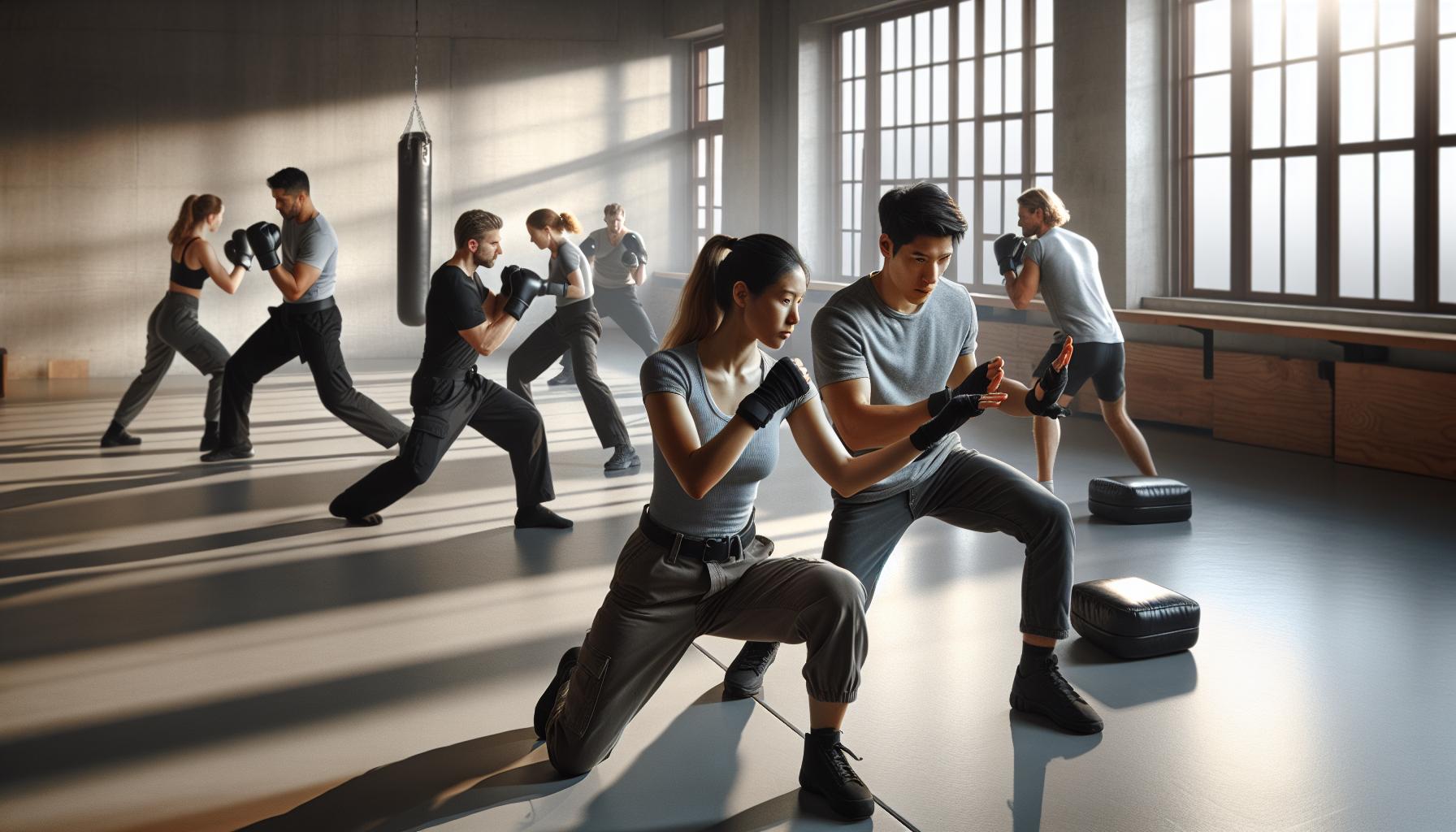
How Krav Maga Enhances Mental Resilience
Engaging in Krav Maga training is like putting on a mental armor that fortifies resilience against life’s challenges-not just physical confrontations but also emotional hardships. This martial art focuses on the symbiotic relationship between mind and body, emphasizing how mental clarity is essential for effective physical action. As practitioners, particularly those older in age, immerse themselves in Krav Maga, they find themselves continuously pushed beyond their perceived limits, which fosters an unwavering mental toughness.
The progressive nature of training instills a sense of achievement. Every small success, whether learning a new technique or mastering a defensive move, builds confidence and reinforces the belief that improvement is possible, regardless of age. This cumulative effect empowers individuals to tackle not just the practice mat but various life stresses with a sharpened focus and resilience. Practitioners learn to embrace discomfort as a part of growth, understanding that real strength lies in perseverance and adaptability. As they face progressively complex scenarios during training, they cultivate not only physical skills but also the cognitive flexibility necessary to navigate real-life situations effectively.
Moreover, Krav Maga’s emphasis on situational awareness is key to enhancing mental resilience. Learners are taught to assess potential threats critically and respond appropriately, often using de-escalation techniques. This prioritization of a balanced response rather than an aggressive one nurtures a mindset that values safety and legality. Instructors guide individuals through realistic scenarios, reinforcing the importance of ethical considerations in self-defense, which further develops a practitioner’s ability to respond thoughtfully rather than reactively.
By interacting with a diverse community of practitioners, older adults also benefit from shared experiences and support systems, breaking down age barriers. Success stories abound, as individuals who once doubted their physical capability discover not just resilience but a thriving sense of community. The collaborative effort in learning-where each member’s progress contributes to the group dynamic-becomes a testament to the enriching environment that Krav Maga offers. Through its comprehensive focus on both mind and body, Krav Maga serves as a powerful tool for enhancing mental resilience, proving that the journey of self-improvement and empowerment is indeed ageless.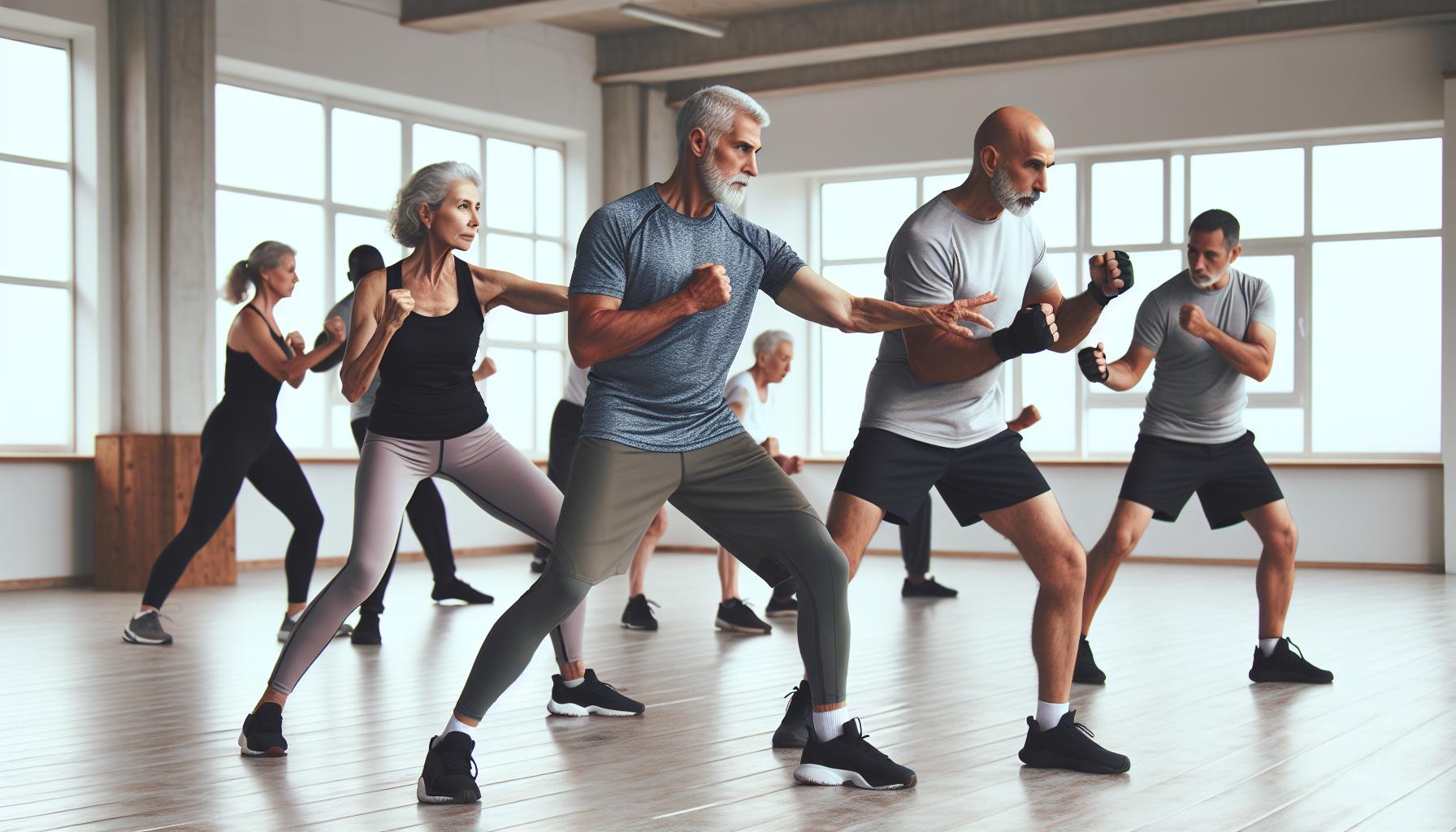
Stories of Success: Older Adults Thriving in Krav Maga
Many older adults have found newfound strength and confidence through Krav Maga training, defying stereotypes about aging and physical capability. Consider the story of John, a 65-year-old retiree who began his Krav Maga journey seeking a way to stay active after years of sedentary living. Initially hesitant due to concerns about injuries or not keeping up with younger students, he soon discovered that the supportive environment of his class was tailored for individuals of all fitness levels. John rapidly gained strength, improved his coordination, and became not just a participant but a mentor for newer students. His experience highlights that age does not dictate one’s ability to learn or grow; rather, a positive mindset and a supportive community can lead to remarkable personal transformations.
Similarly, Maria, a 72-year-old grandmother, sought Krav Maga as a means to regain her independence after a recent health scare. With each lesson, she learned techniques that empowered her not only to defend herself but also to trust her instincts and foster situational awareness in everyday life. Maria’s progression from initial self-doubt to demonstrating advanced techniques illustrates how the discipline and focus demanded by Krav Maga can enhance both physical and mental resilience. Her enthusiasm has since inspired others in her age group to join, proving that the journey to empowerment and confidence is available at any age.
- Community Support: Older practitioners often bond through shared experiences, forming supportive friendships that enhance their training journeys.
- Personal Growth: Achievements, no matter how small, build confidence and a sense of belonging among classmates.
- Empowerment Through Knowledge: Learning self-defense skills enables older adults to navigate the world with a greater sense of security.
These stories reiterate a crucial point: stepping onto the mat for the first time, regardless of age, can open doors to not only physical fitness but also a fulfilling supportive community. The benefits of Krav Maga extend far beyond self-defense techniques; they encourage older adults to challenge their limits and continue their growth. The collective experiences of practitioners like John and Maria stand as testaments that age is merely a number, and the path to mastery and empowerment is accessible to all.
Age and Recovery: What to Expect in Training
As you embark on your Krav Maga training journey, it’s essential to understand how age impacts recovery and adaptation in martial arts practice. Older adults may experience a different recovery process compared to younger practitioners; however, this doesn’t preclude the opportunity for significant physical and mental growth. Recognizing that your body might need more time to recuperate after training sessions is a crucial aspect of ensuring longevity in your practice.
Understanding Recovery Needs
Recovery is a vital component of any physical training program, and it’s even more critical for older adults. Generally, older practitioners may find that they require longer rest periods between intense workouts. This could mean scheduling lighter training sessions or incorporating more recovery days into your weekly routine. A well-structured program that balances practice and recovery will promote longevity and minimize the risk of injury.
A supportive community can also dramatically affect recovery. The camaraderie found in Krav Maga classes can provide both emotional encouragement and motivation. Many older practitioners often share their experiences regarding certain exercises or rest periods, fostering an environment where everyone’s well-being is prioritized. It’s essential to communicate with your instructor about your needs-this helps tailor the training intensity to suit your individual recovery pace.
Listening to Your Body
Being in tune with your body is fundamental, particularly as we age. If you notice persistent soreness or fatigue, it serves as a signal to reassess your training schedule. Incorporating flexibility and mobility work into your routine will enhance recovery, maintain joint health, and improve overall performance. Techniques such as yoga or dedicated stretching sessions before and after training can prove to be beneficial.
Furthermore, proper nutrition plays a critical role in recovery. Consuming foods rich in protein, healthy fats, and vitamins can support muscle repair and reduce inflammation. Staying hydrated is equally important; water aids in recovery by helping flush out toxins and delivering nutrients to your muscles. For those new to Krav Maga or returning after a break, being mindful of these practices can enhance your training experience and empower you to progress steadily.
In conclusion, while age may bring certain challenges, it also provides a unique opportunity to learn how to recover effectively and embrace a more patient and strategic approach to training. Through mindful practices, open communication, and a supportive community, older adults can thrive in their Krav Maga journey, gaining both confidence and self-defense skills along the way.
Legal and Ethical Considerations in Self-Defense
Understanding the legal and ethical landscape surrounding self-defense is crucial for anyone considering Krav Maga training, especially older practitioners. Self-defense is often a complex interplay of personal rights and legal boundaries. The fundamental principle is that you have the right to defend yourself against imminent threats. However, the response must be proportionate to the threat faced. Knowing when and how much force can be legally justified is essential, as it varies significantly from one jurisdiction to another.
Legal Limits of Self-Defense
In many areas, the law permits the use of reasonable force in self-defense, which means that your actions must align with the level of danger encountered. It’s vital to be aware of the specific laws in your state or country, as they dictate the acceptable limits of self-defense. For instance, using lethal force may be justified in situations where there is a direct threat to life. However, using excessive force against a non-life-threatening situation could lead to legal consequences, including criminal charges or civil lawsuits.
Emphasizing De-Escalation
A significant aspect of self-defense training is learning how to avoid physical confrontation when possible. De-escalation techniques are just as important as physical skills in Krav Maga. These might include verbal skills to calm an aggressor or strategies to exit a potentially dangerous situation. As experienced instructors emphasize, self-defense should not merely be about engaging an opponent but also about recognizing the right moments to disengage and resolve conflicts peacefully.
Ethical Responsibility
Every practitioner of martial arts carries an ethical responsibility not to misuse their skills. This is particularly important for older adults, who may have a mindset more focused on self-protection than aggression. Practicing Krav Maga empowers individuals, but this power comes with the duty to act judiciously and ethically. Ensuring that your training does not lead to intimidation or bullying is critical. By understanding the ethical implications of self-defense, practitioners can better prepare themselves mentally for the weight of their actions in real-life scenarios.
Ultimately, while Krav Maga equips you with effective self-defense techniques, it is equally essential to grasp the legal and ethical implications of applying these skills in real-world situations. Empowerment through knowledge and restraint will not only enhance your confidence but also ensure your actions remain within legal and moral boundaries. With careful consideration and respect for these principles, practitioners of all ages can effectively train in Krav Maga and protect themselves while understanding the gravity that accompanies their newfound abilities.
Frequently Asked Questions
Q: What are the benefits of learning Krav Maga at an older age?
A: Learning Krav Maga as an older adult offers numerous benefits including improved physical fitness, enhanced self-defense skills, and increased confidence. It also fosters social connections in class settings and can lead to better mental resilience. Embracing this practice can greatly enhance your overall well-being.
Q: How does Krav Maga training accommodate older adults?
A: Krav Maga training for older adults is adaptive and focuses on individual capabilities. Instructors modify techniques to fit varying fitness levels and physical limitations, ensuring that everyone can participate safely. Classes often emphasize technique over strength, making it accessible for all ages.
Q: Are there specific age limits for starting Krav Maga?
A: There are generally no age limits for starting Krav Maga. Most schools welcome adults of all ages, understanding that age is just a number. Those interested should check local class offerings, as some programs specifically cater to older beginners.
Q: What should older beginners expect in their first Krav Maga class?
A: Older beginners can expect a welcoming, supportive environment in their first Krav Maga class. Classes typically start with a warm-up, followed by instruction on basic techniques. It’s important to communicate any physical concerns to the instructor to ensure a safe experience.
Q: How can older adults enhance their recovery after Krav Maga training?
A: To enhance recovery after Krav Maga training, older adults should focus on hydration, proper nutrition, and stretching exercises. Incorporating rest days and light activities like walking or yoga can also aid in recovery, reducing stiffness and improving flexibility.
Q: Is Krav Maga suitable for individuals with previous injuries?
A: Yes, Krav Maga can be suitable for individuals with previous injuries, but modification is key. It’s essential for practitioners to inform their instructor about any injuries so techniques can be adjusted to prevent further damage while still providing effective training.
Q: Does Krav Maga training help with mental clarity and focus in older adults?
A: Yes, Krav Maga training contributes to better mental clarity and focus. The discipline required in training promotes cognitive engagement, which can enhance mental sharpness. Additionally, the self-defense techniques taught provide a sense of empowerment that can boost self-esteem.
Q: What personal qualities can older adults gain from learning Krav Maga?
A: Older adults can gain qualities such as discipline, resilience, and confidence through learning Krav Maga. The process of mastering skills helps in building a strong mindset, fostering a greater sense of achievement and personal growth over time.
For more in-depth insights and information on starting your Krav Maga journey, please explore the sections on finding the right class for you and empowering mindset in our main article.
In Retrospect
As you’ve seen, age is just a number when it comes to learning Krav Maga. This dynamic martial art offers people of all ages a pathway to empowerment, self-defense, and improved fitness. Whether you’re looking to boost your confidence or acquire critical self-defense skills, now is the perfect time to start your journey. Don’t let age hold you back-join a local class today and discover what you’re capable of!
For those interested in the legal aspects of self-defense or comparing Krav Maga to other martial arts, check out our in-depth articles on self-defense laws and the differences between Krav Maga and Brazilian Jiu-Jitsu. And if you want to stay updated on the latest tips and techniques, subscribe to our newsletter where we share valuable insights and resources tailored to your self-defense journey.
Take action now, explore further, and connect with a community that shares your drive for self-improvement. Remember, the skills you gain can be lifesaving, so don’t wait-step onto the mat and begin your training journey today!