

When exploring the world of self-defense, many practitioners wonder whether traditional forms, or kata, play a role in Krav Maga. Unlike many martial arts that incorporate these choreographed patterns to teach techniques and mindset, Krav Maga focuses solely on practical and immediate solutions to real-world threats. This distinction highlights the essence of Krav Maga: efficiency and adaptability in high-stress situations. For those interested in martial arts or self-defense, understanding this difference is crucial in choosing a training style that aligns with their goals of safety and effectiveness. Keep reading to discover how the lack of kata in Krav Maga emphasizes its unique approach to self-defense, prioritizing functional techniques over formalized movements.
Are Kata Essential in Krav Maga Training?
Krav Maga, known for its straightforward and efficient approach to self-defense, does not incorporate kata or forms, which are commonly found in traditional martial arts. Kata is often utilized in other disciplines to help practitioners memorize techniques, understand their applications, and develop fluidity in movements. In contrast, Krav Maga emphasizes real-world scenarios and practical techniques designed for immediate application in the unpredictable nature of street confrontations. This is a defining feature, as the focus remains on function over form.
Instead of structured forms, Krav Maga training revolves around imparting reflexive responses and instilling the mindset necessary for self-defense. Techniques are simplified to facilitate learning, allowing practitioners to spend more time on situational awareness, adaptability, and instinctive responses, rather than memorizing sequences. As a result, the effectiveness of Krav Maga lies in its utility; practitioners learn to react decisively and appropriately to threats rather than perform choreographed movements.
For individuals seeking to build confidence in their ability to handle potential dangers, this method enables rapid acquisition of skills that can be employed effectively in real life. By honing instinctual responses through drills and sparring rather than traditional forms, students can develop a strong sense of self-efficacy and readiness, effectively preparing themselves for potential confrontations and enhancing their safety awareness.
In summary, while kata serves a purpose in various martial arts, it is not essential to Krav Maga training. The absence of formalized forms allows Krav Maga practitioners to focus on the practical application of techniques, ensuring they are well-equipped to handle real-world self-defense scenarios.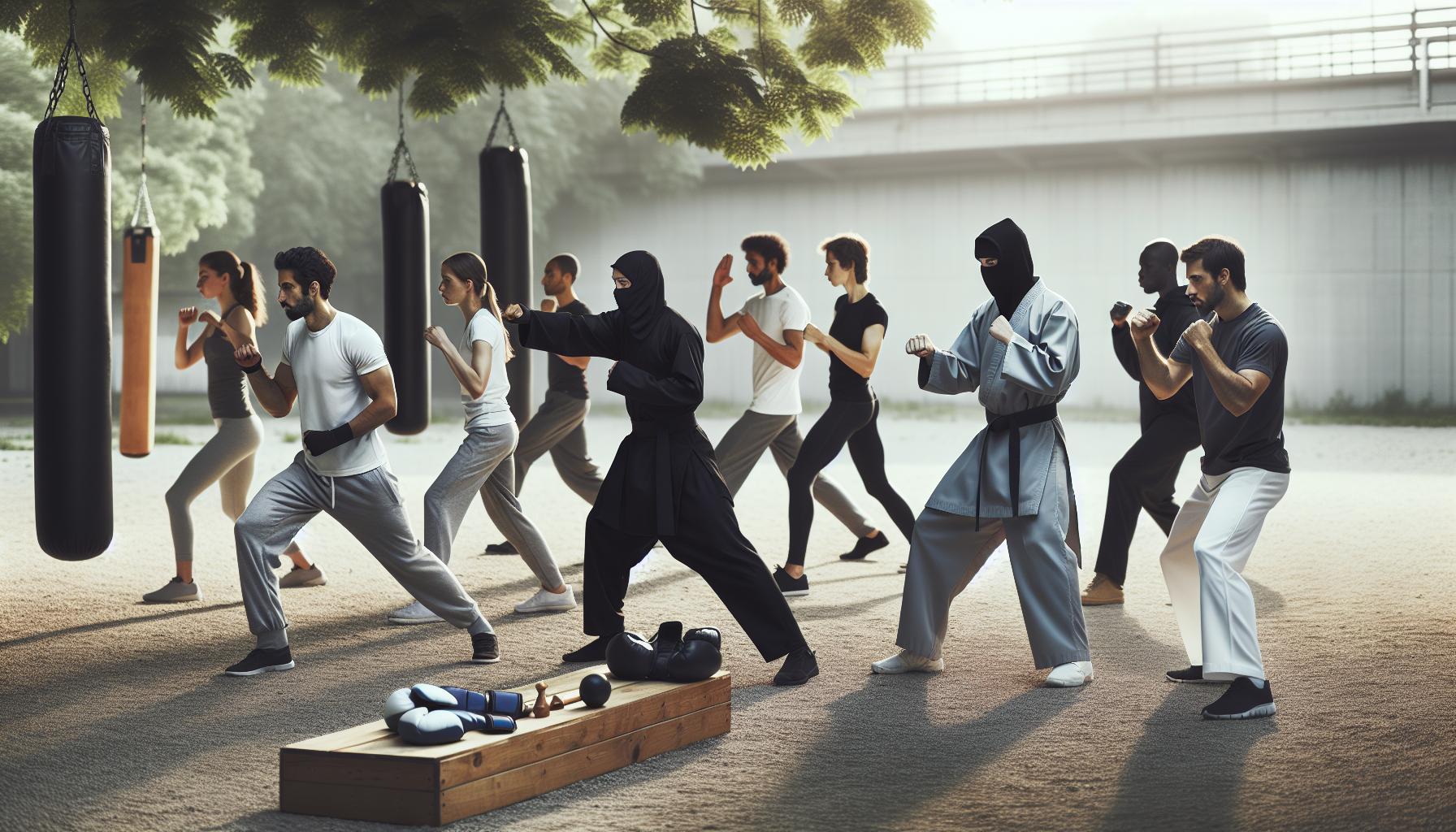
Understanding the Role of Forms in Self-Defense
In the realm of self-defense, the effectiveness of techniques often outweighs the aesthetics of how they’re performed. Unlike traditional martial arts that rely heavily on the practice of kata, Krav Maga is unapologetically practical, prioritizing immediate application of techniques over memorized sequences. This approach reflects a fundamental understanding of self-defense: in real-life confrontations, it’s not about executing perfect forms, but rather about how quickly and effectively one can respond to an imminent threat.
Many self-defense practitioners recognize the importance of repetitive practice to develop muscle memory. However, forms, or kata, aren’t the sole means of achieving this. In Krav Maga, practitioners engage in drills that simulate real-life scenarios, allowing them to develop reflexes and instincts needed in stressful situations. For example, encountering an attacker requires swift decision-making and action; practicing these responses in dynamic environments is far more beneficial than performing choreographed movements. These drills enhance situational awareness and adaptability, preparing individuals not only to defend effectively but also to de-escalate when possible-a critical skill in avoiding violence when feasible.
While some argue that incorporating forms could improve muscle memory and fluidity, the reality is that Krav Maga’s emphasis on direct and functional techniques equips practitioners to react intuitively. This focus aligns with the legal and ethical responsibilities of self-defense; understanding when to use force proportionally can prevent unnecessary escalation. Thus, the absence of kata in Krav Maga does not diminish its training effectiveness; instead, it serves as an affirmation of the system’s core philosophy: survival through practicality and decisiveness in the face of danger.
Ultimately, the choice of training methods reflects individual needs and preferences. While forms may enrich certain martial arts experiences, those seeking straightforward, applicable skills in self-defense will find that Krav Maga’s structure and training philosophy offer robust preparation for real-world confrontations, emphasizing readiness and responsible action over stylistic proficiency.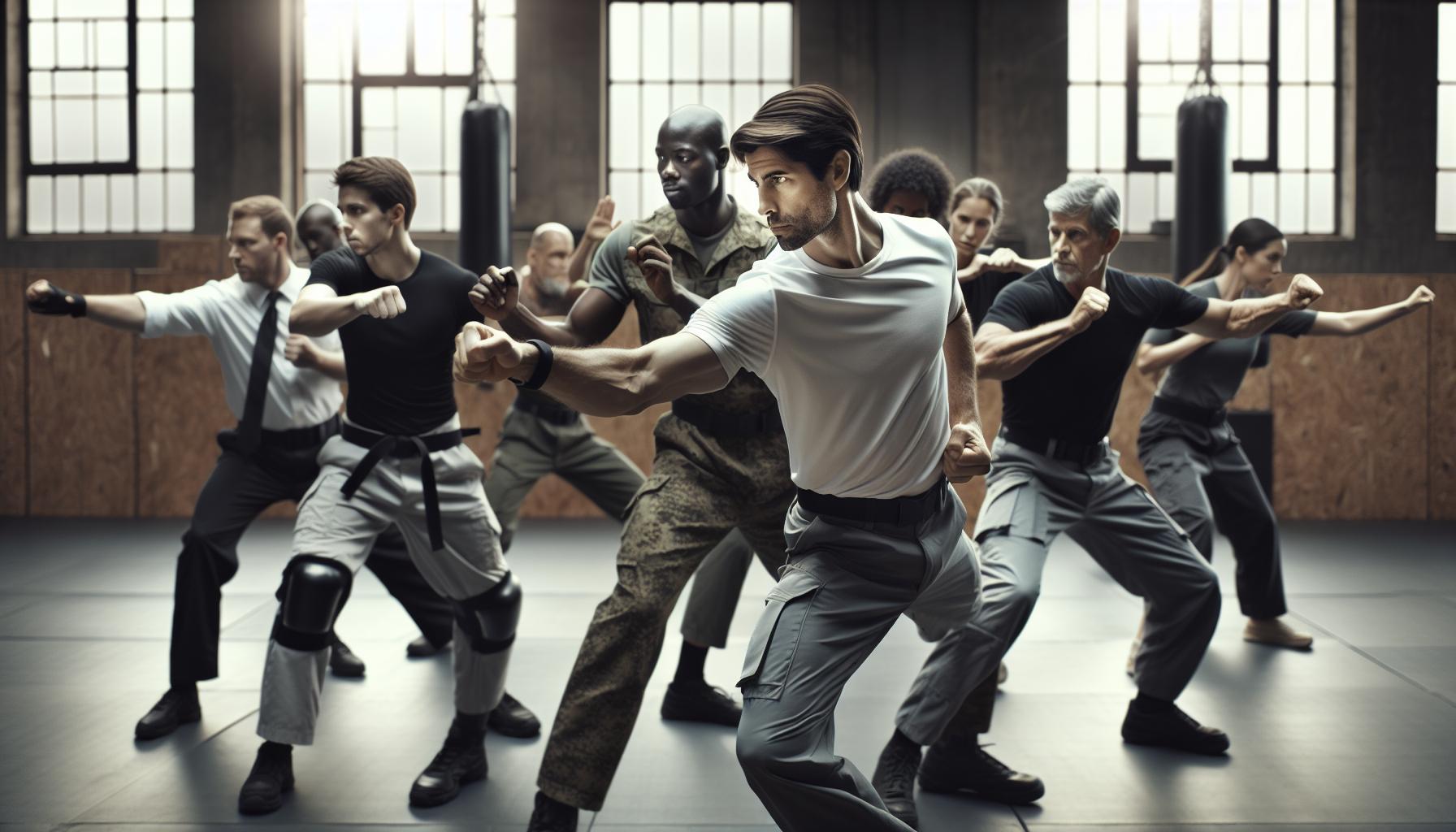
Krav Maga Techniques: Function Over Form
In the world of self-defense, the emphasis on practicality over form is a defining trait of Krav Maga. Unlike traditional martial arts that often incorporate kata-set patterns of movements whose primary purpose is to teach discipline and form-Krav Maga is rooted in a starkly realistic approach. The system was developed with the goal of enabling practitioners to defend themselves swiftly and effectively in real-world scenarios, without the constraints of memorizing intricate sequences of movements.
One of the key philosophies of Krav Maga is that techniques must be functional. This means that every movement is designed to be executed quickly and under pressure, accommodating the uncertainty and chaos of actual confrontations. Practitioners engage in drills that simulate various attack scenarios, fostering the ability to respond instinctively. For example, during training, individuals might practice defending against a surprise assault in a controlled environment. Such exercises not only build muscle memory but also develop critical thinking and decision-making skills that are essential during a crisis.
A focus on function over form allows Krav Maga practitioners to adapt their responses based on the situation at hand. The techniques taught are straightforward, enabling quick recognition and application in high-stress environments. This is significant because, in many self-defense situations, there is no time to think about executing the perfect movement. Instead, what truly matters is the ability to react decisively and effectively, which is a fundamental training objective within the Krav Maga framework.
Ultimately, the absence of kata in Krav Maga reinforces its identity as a practical self-defense art. While some may argue for the inclusion of forms to enhance fluidity and muscle memory, the reality is that the system thrives on direct, no-nonsense techniques that empower individuals. By prioritizing functional skills, Krav Maga not only prepares practitioners for physical encounters but also instills a deep understanding of the legal and ethical implications of using force, ensuring they are equipped to navigate the complexities of real-world confrontations responsibly.
Comparing Krav Maga to Traditional Martial Arts
Krav Maga distinguishes itself from traditional martial arts primarily through its emphasis on real-world practicality over aesthetic form. While many traditional martial arts, such as Karate or Taekwondo, incorporate kata-set patterns of movements designed to teach precision, balance, and discipline-Krav Maga is focused squarely on preparing practitioners for immediate defensive action in unpredictable confrontations. In this system, every technique is aimed at survival and efficiency, prioritizing effective response over perfect execution of forms.
One of the criticisms of traditional martial arts involves the time spent perfecting kata, which may not directly translate to real-life self-defense scenarios. In contrast, Krav Maga techniques are developed with input from various fighting disciplines, emphasizing direct, no-nonsense approaches. For instance, drills in Krav Maga involve situational training such as defending against multiple attackers or handling armed assailants, simulating the chaotic nature of actual confrontations. This immersive training not only hones reflexes but also instills a mindset geared towards survival, urging practitioners to focus on functional skill sets that can be executed under stress.
Moreover, practitioners of Krav Maga are trained to think critically and decisively during encounters, employing techniques that allow them to adapt rapidly to changing situations. The absence of kata in this practice means there is no time wasted on memorizing forms that might not be applicable in a high-pressure scenario. The focus remains on instinctive responses, with an understanding that in a self-defense situation, reaction time can be the difference between safety and harm. This stark divergence addresses the critical question of whether kata can enhance a self-defense system; proponents may argue for their role in developing muscle memory and fluid movement, yet the reality in Krav Maga places far greater value on the ability to act decisively when faced with immediate threats.
In understanding this practical divergence, it is crucial to appreciate the legal and ethical dimensions of using force in self-defense. Krav Maga training incorporates these elements, helping practitioners navigate the moral complexities associated with defensive techniques. The goal is not simply to engage in combat-but to empower individuals with the knowledge and skills needed to protect themselves while understanding the gravity of their actions in any given situation. Thus, while traditional martial arts may celebrate the artistry of kata, Krav Maga’s stark focus on functionality serves a deeply practical and necessary purpose in self-defense training.
The Effectiveness of Krav Maga in Real-World Scenarios
In the world of self-defense, the practicality of a system can often be measured by its effectiveness in real-world scenarios. Krav Maga, developed for military and law enforcement purposes, stands out as a survival-oriented approach, prioritizing immediate action over aesthetic form. By focusing on how to manage sudden confrontations, practitioners learn to respond to threats with decisive movements designed to neutralize aggressors quickly and efficiently.
Krav Maga teaches a variety of techniques that are applicable in chaotic situations, ranging from defending against armed assailants to escaping holds or multiple attackers. The training simulates realistic attacks, allowing students to practice under conditions that mirror actual confrontations. This practical experience aids in developing muscle memory and cultivating a mindset geared towards survival rather than competition. For example, drills involving defense against armed threats include pressure testing scenarios where students must react instinctively, honing their ability to apply techniques rapidly when it matters most.
While traditional martial arts often emphasize forms or kata to instill discipline and precision, these structured movements may not always translate effectively in life-threatening situations. In contrast, Krav Maga’s lack of formalized kata allows for a greater emphasis on spontaneous response, enabling practitioners to adapt their techniques to the fluidity of real combat. This distinction is crucial; in self-defense, the priority is survival, and the ability to act decisively often outweighs the need for perfect execution of otherwise stylized movements.
Moreover, understanding the legal and ethical implications of using force is integral to Krav Maga training. Students are educated not only in the physical techniques but also in recognizing appropriate responses under the law. This education fosters a responsible approach to self-defense, where empowerment is balanced with the sober responsibility of engaging in physical confrontation. Therefore, practitioners are prepared not just to defend themselves but to navigate the complexities that arise from defending oneself in today’s legal landscape. Krav Maga empowers individuals with the skills necessary to protect themselves while fully understanding the weight of their choices in any given scenario.
Safety Protocols in Krav Maga Training
In the world of self-defense, adhering to a strict set of safety protocols is paramount-not just for the protection of practitioners but also for the integrity of the training environment itself. Krav Maga, with its emphasis on practical techniques designed for real-world scenarios, places a significant focus on safety measures during training sessions. From ensuring proper protective gear to establishing clear communication during drills, these protocols are essential in fostering a safe learning atmosphere.
To begin with, the use of appropriate safety equipment cannot be overstated. Practitioners should wear protective gear such as gloves, mouthguards, and shin guards, especially during sparring or partner exercises that simulate realistic confrontations. This minimizes the risk of injury while allowing for dynamic training that still reflects the pressure of actual self-defense situations. Before each class, instructors should conduct quick checks to ensure that all equipment is in good condition and correctly worn.
Additionally, clear rules regarding the techniques practiced are essential. Instructors must communicate specific boundaries and safety parameters, emphasizing controlled execution over mere aggression. For instance, when practicing strikes, students should focus on accuracy and control, rather than power. This priority not only reduces the chance of injury among trainees but also reinforces the principle of responding effectively without escalating violence unnecessarily.
Moreover, creating a respectful training environment helps cultivate a mindset oriented toward de-escalation. Instructors should encourage open dialogue about fears, concerns, and ethical considerations surrounding self-defense. For example, discussions about the legal implications of using physical force should be integrated into training, ensuring practitioners understand the moral and legal responsibilities that accompany their skills. By aligning physical training with ethical reflection, students can better appreciate the gravity of confrontation while feeling empowered to act responsibly when necessary.
Ultimately, robust not only protect practitioners but also enhance their learning experience. By establishing a foundation built on respect, responsibility, and practical skills, instructors can better prepare their students for the realities of self-defense, ensuring they are ready to handle confrontations safely and effectively.
Integrating Kata for Enhanced Muscle Memory
Integrating repetitive movements in training can significantly enhance muscle memory, an essential component in self-defense situations where quick reactions are crucial. While traditional martial arts often utilize kata or forms as structured methods for practicing techniques, Krav Maga takes a different approach, focusing on real-world applications and responding to immediate threats. However, the concept of repetitive training is universal and can be adapted to improve performance in Krav Maga.
Practitioners of Krav Maga can benefit from a type of structured practice that mimics kata without following strict traditional forms. This could involve repetitive drills focused on specific techniques such as strikes, defenses, or counterattacks against various scenarios. By practicing these techniques repeatedly, students develop automaticity in their responses, improving reaction times under stress. The goal is to create a fluid, instinctive reaction to threats, which is vital in high-pressure situations.
Moreover, integrating a form of ‘kata-inspired’ drills can also enhance the practitioner’s understanding of rhythm and flow in combat. For instance, working on combinations that merge striking and grappling techniques helps in solidifying transitions between various combat scenarios. Although Krav Maga emphasizes practical application over tradition, these repetitive practices can instill confidence and mastery, providing a clear, structured pathway for developing essential skills.
Ultimately, while kata as formally defined in traditional martial arts may not exist in Krav Maga, the essence of repetitive practice remains invaluable. By incorporating focused, repetitive exercises into training, practitioners can enhance muscle memory and prepare themselves for real-world encounters, making their responses effective and instinctual when it matters most.
Debunking Myths: Kata in Practical Self-Defense
In the debate about the relevance of kata in practical self-defense, especially within the context of Krav Maga, misconceptions abound. Many believe that the absence of traditional kata means a lack of structured training, but this cannot be further from the truth. Krav Maga is designed with a clear focus on real-world applicability, emphasizing techniques that authentically prepare practitioners to respond to immediate threats. Unlike traditional martial arts that rely on rehearsed forms, the methodology in Krav Maga evolves around realistic scenarios and instinctive reactions, debunking the myth that kata is essential for effective training.
One of the primary arguments against kata is the concern that practicing pre-set routines can become rote and disconnected from actual combat scenarios. In contrast, Krav Maga utilizes drills that closely simulate potential real-life confrontations. This ensures that while techniques may be practiced repeatedly, they remain relevant and applicable to various situations. Rather than following a choreographed sequence, practitioners engage in realistic sparring and situational drills, allowing them to develop critical thinking and adaptability during high-pressure encounters.
Moreover, it’s essential to acknowledge the psychological benefits of repetition in any form. Although Krav Maga may not use traditional kata, it incorporates repetitive training methods that serve a similar purpose. By consistently practicing specific techniques, such as blocks, strikes, and counter-attacks, students build muscle memory and prepare themselves for no-nonsense actions during conflicts. This ‘kata-like’ focus on repetition reinforces effective responses without adhering to the formalized structure of traditional forms.
Ultimately, the effectiveness of Krav Maga in self-defense hinges on its practical approach rather than its adherence to tradition. Instructors stress the importance of safety, legality, and de-escalation, ensuring that students are equipped not just physically, but mentally too. Understanding the legal implications of defensive actions, maintaining proportional responses, and utilizing clear techniques fosters a balanced perspective toward self-defense. By continuing to address these realities, practitioners can empower themselves while remaining mindful of the serious implications of physical confrontations.
Advanced Training Techniques in Krav Maga
In the realm of self-defense, practitioners must prioritize realistic, applicable training methods to effectively prepare for unpredictable situations. emphasize adaptability, instinctive responses, and the ability to read real-time situations, setting it apart from traditional martial arts that often rely on forms or kata. For those engaged in Krav Maga, developing a skill set tailored to real-world encounters is paramount.
One effective approach involves scenario-based training, where students simulate various attack and defense situations. This method not only hones technique but also fosters critical thinking under pressure. For instance, during these drills, practitioners might practice defenses against grabs, strikes, or weapons, replicating the stress of an actual encounter while focusing on maintaining composure and making quick decisions. Practitioners are encouraged to respond dynamically rather than follow a pre-set pattern, thereby reinforcing their instincts and enhancing their reaction time.
Additionally, advanced techniques such as partner drills and controlled sparring provide valuable opportunities for students to apply their skills in a cooperative environment. Partner drills allow for the repetition of specific scenarios, promoting muscle memory and enhancing one’s ability to execute techniques correctly under pressure. Controlled sparring incorporates a moderate level of contact, allowing practitioners to test their skills in a safe setting while learning to control their reactions and responses-vital aspects when facing a real threat.
Krav Maga also integrates supplemental training methods, such as strength and conditioning exercises, mindfulness practices, and situational awareness techniques. These augment the physical skills gained during class, focusing on overall preparedness in a conflict. Understanding how to maintain a calm demeanor, assess threats quickly, and respond appropriately is essential for any self-defense practitioner.
Ultimately, the focus on function over form in Krav Maga provides practitioners with a toolkit designed for effective self-defense, without the constraints of traditional kata. By embracing advanced training techniques that prioritize instinct, adaptability, and scenario-based practice, students can feel empowered, equipped, and ready to face confrontations safely and responsibly.
Legal Considerations and Ethical Use of Force
Understanding the legal implications of self-defense actions is crucial for anyone engaged in Krav Maga or any martial arts. Self-defense laws can vary widely by state or country, but the principle that governs the legality of defensive actions is generally the same: the response must be proportionate to the threat faced. It is essential for practitioners to recognize not only when to employ self-defense techniques but also the legal boundaries that define acceptable use of force.
In most jurisdictions, the use of force is justified when an individual reasonably believes that they are facing an imminent threat of physical harm. However, the force applied must be proportional; using excessive force can lead to legal repercussions. This often requires practitioners to make split-second decisions under pressure, emphasizing the importance of training that prepares them for real-world scenarios where assessing threat levels is critical. For example, responding to a minor push with severe physical retaliation could be seen as disproportionate, potentially leading to criminal charges.
To navigate these grey areas, many self-defense instructors recommend focusing on de-escalation strategies as a first line of response. Engaging the aggressor verbally to defuse the situation or creating distance can often prevent confrontation altogether. In scenarios where physical self-defense becomes necessary, practitioners should aim to use the minimal force required to escape the threatening situation rather than to incapacitate or punish the aggressor.
Moreover, understanding the legal definitions of “reasonable force” and “self-defense” within one’s jurisdiction is vital. Some states mandate a duty to retreat, where feasible, before using force. Being informed about these laws not only aids practitioners in making sound decisions during altercations but also helps them articulate their actions should the need arise in a legal context. In cases where weapons are involved, knowing the local laws surrounding their use-such as the legality of carrying pepper spray or other defensive tools-is equally important to ensure compliance and safety.
In summary, legal considerations are a cornerstone of responsible self-defense training. Recognizing the weight of potential consequences emphasizes the importance of proportional response, de-escalation tactics, and thorough knowledge of the law, empowering practitioners to protect themselves effectively while remaining within legal parameters.
Building Confidence through Realistic Sparring
Engaging in realistic sparring is essential for building confidence in Krav Maga practitioners. Unlike traditional martial arts that may emphasize forms or kata, Krav Maga focuses on practical self-defense techniques designed to be effective in real-life scenarios. This emphasis on functionality means that practitioners benefit greatly from partnered training, where they can apply techniques against a resisting opponent. In doing so, they not only learn how to execute defensive maneuvers but also understand the timing, distance, and psychological aspects of a confrontation.
Realistic sparring sessions create an environment where students can experience the unpredictability of an actual encounter. Practitioners discover their strengths and weaknesses under pressure, learning to react quickly and appropriately. Sparring encourages agile thinking and adaptability, valuable traits when facing an aggressive assailant. Moreover, by simulating stress and adrenaline, sparring helps individuals perform under pressure, thus increasing their capacity to respond effectively in real-world situations.
To maximize the benefits of sparring, instructors often emphasize safety protocols. Participants must wear appropriate protective gear, such as gloves and mouthguards, to minimize the risk of injury. This safety-first approach allows students to fully immerse themselves in the training, ultimately enhancing their confidence without the fear of severe outcomes. Building this confidence through sparring also involves encouraging students to practice de-escalation techniques that can help diffuse a potential conflict before it escalates to physical confrontation.
In addition to physical skills, sparring cultivates mental resilience. Students learn to control their emotions, respond to unexpected scenarios, and maintain composure when faced with a challenging opponent. This mental fortitude is crucial in self-defense situations, where acting calmly can make all the difference. Through practice and experience on the mat, students are equipped not only with practical skills but also with the mindset necessary for effective self-defense, preparing them to handle real-world challenges ethically and responsibly.
The Future of Kata in Modern Krav Maga Training
In the realm of martial arts, raises important questions about functionality and practical application. Unlike traditional martial arts that often emphasize forms or kata for technical perfection and memorization, Krav Maga focuses primarily on self-defense tactics that directly address real-world scenarios. However, as practitioners seek to enhance their skills, the idea of integrating kata-like exercises has emerged, albeit in a different context.
Utilizing simplified sequences that mimic kata could provide specific benefits in muscle memory and instinctual reactions. For instance, structured movements can help students internalize essential techniques and transitions. This could be beneficial in high-stress situations where quick and decisive actions are necessary. Incorporating these elements into training, however, should not detract from the core Krav Maga principles-efficiency and adaptability. Practitioners should prioritize drills that replicate realistic threats and encourage dynamic responses rather than rote memorization.
It’s essential to remain focused on safety and legality when considering kata-influenced training. Any incorporation of form should emphasize controlled environments where students can sharpen their responses without falling into the trap of tradition for the sake of tradition. The guidance of experienced instructors can ensure that any kata-like practice aligns with ethical self-defense principles and promotes the right mindset. De-escalation techniques and proportional responses must remain at the forefront of training, as understanding the legal implications of using physical force is crucial for responsible practitioners.
As Krav Maga continues to evolve, the dialogue around kata will likely expand. Emphasizing adaptation and the practical application of techniques can lead to innovative ways of enhancing training while respecting the art’s origins. For practitioners interested in this approach, it’s advisable to seek courses or instructors who understand how to balance these different aspects, ensuring their training remains relevant to modern self-defense needs while exploring new frontiers in martial arts practice.
Frequently asked questions
Q: What exactly are kata in martial arts?
A: Kata are pre-arranged forms or sequences of movements practiced in martial arts to develop technique, precision, and muscle memory. Unlike Krav Maga, traditional martial arts, such as Karate or Taekwondo, emphasize kata as a core training element.
Q: Why doesn’t Krav Maga use kata?
A: Krav Maga prioritizes practical self-defense techniques over traditional forms. Since it focuses on real-world scenarios and efficiency, practitioners train in dynamic environments rather than memorizing choreographed movements, which do not directly apply to self-defense situations.
Q: How does technique retention differ between kata and Krav Maga training?
A: In traditional martial arts, kata helps reinforce techniques through repetition and form. In Krav Maga, techniques are reinforced through sparring and scenario-based training, enhancing adaptability and reaction in high-stress situations.
Q: Can integrating kata improve muscle memory in Krav Maga?
A: While Krav Maga does not typically use kata, some instructors advocate for supplemental training that includes forms to improve muscle memory and movement efficiency. Such integration must still align with the art’s practical, dynamic approach.
Q: What benefits do traditional martial arts gain from kata that Krav Maga does not?
A: Traditional martial arts benefit from kata by building discipline, focus, and a deep understanding of techniques within a static context. Krav Maga, however, emphasizes adaptability and immediate response to unpredictable threats.
Q: Are there any modern adaptations of kata in Krav Maga?
A: Some Krav Maga practitioners explore simplified forms or sequences to enhance training efficiency, but these adaptations remain focused on practicality rather than traditional kata. This approach seeks to combine muscle memory with effective self-defense strategies.
Q: How do Krav Maga techniques adapt to different scenarios without kata?
A: Krav Maga relies on scenario-based training that emphasizes reaction and adaptability. Techniques are practiced under various conditions, allowing practitioners to learn how to apply skills in real-life situations without the structure of forms like kata.
Q: What role does sparring play in Krav Maga compared to kata practices?
A: Sparring in Krav Maga serves to enhance practical application and reaction skills under stress, whereas kata in traditional martial arts focuses on perfecting forms and technique. Ultimately, sparring cultivates readiness for actual confrontations.
The Conclusion
Understanding the differences between kata and functional techniques in Krav Maga enables you to make informed decisions about your self-defense training. While forms can provide structure, the essence of Krav Maga lies in its real-world applicability and adaptability. If you’re eager to enhance your skills and personal safety, consider exploring our guide on the Top 10 Krav Maga Moves for Self-Defense, where you can discover techniques that align with the principles discussed in this article.
Don’t miss our in-depth resources covering martial arts ethics and effective self-defense strategies. Want to stay updated on the latest self-defense tips? Sign up for our newsletter today! Remember, being prepared is key. Engage in ongoing training, and feel free to share your thoughts or questions in the comments-we value your insights. Revisit us for more practical tips on empowering yourself with knowledge and skills to navigate real-life scenarios safely and ethically.