

Krav Maga combines self-defense techniques and practical tactics, making it accessible to beginners, even if you have no prior experience. This martial art emphasizes real-world scenarios, equipping you with the skills necessary to protect yourself while understanding the gravity of defensive actions. With today’s growing concerns about personal safety, many are seeking reliable ways to enhance their security. This guide will explore how anyone, regardless of fitness level or background, can learn Krav Maga from scratch. From the fundamentals of striking to situational awareness, you’ll discover how to build confidence and effectiveness in self-defense. Join us as we demystify the process, so you can navigate your path to empowerment with knowledge and safety at the forefront.
Can Anyone Start Krav Maga? Understanding the Basics
Krav Maga is designed to be accessible to anyone, regardless of age, fitness level, or prior martial arts experience. This self-defense system focuses on practical techniques that can be adapted for various scenarios, making it suitable for beginners. One of the key tenets of Krav Maga is its emphasis on instinctive movements and reactions, which means that individuals can start from zero and gradually build their skills in a supportive environment.
When starting Krav Maga, it’s essential to approach your training with an open mind and a willingness to learn. Classes typically begin with the basics, such as stances, footwork, and fundamental strikes. These skills serve as the foundation upon which more complex techniques are built. Instructors often emphasize the importance of situational awareness and de-escalation techniques, which are critical for preventing confrontations before they escalate. This mindset is crucial for all trainees, as it fosters a sense of responsibility regarding the legal and ethical implications of self-defense.
As you progress, you will learn a variety of techniques, including defenses against different types of attacks, holds, and counters. Training often simulates real-life scenarios, allowing you to practice under pressure in a safe setting. It’s important to remember that while Krav Maga is rooted in self-defense, it should never be used to escalate violence or provoke conflict. The curriculum also includes discussions on legal repercussions of self-defense actions, helping students understand their rights and responsibilities when it comes to physical encounters. Therefore, not only can anyone start learning Krav Maga, but through this training, they also gain valuable skills in awareness, responsibility, and decision-making crucial for real-world applications.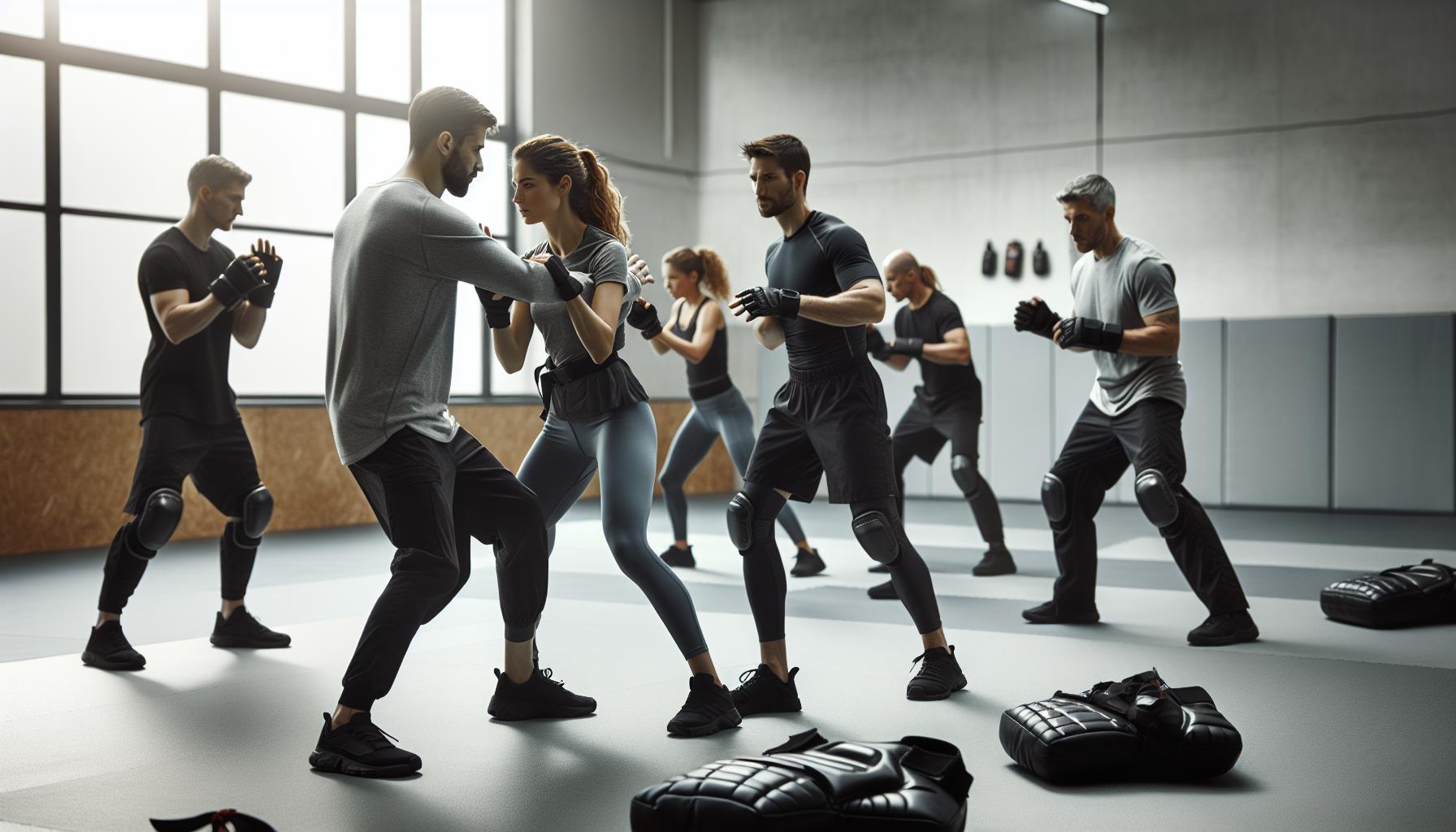
The Essential Benefits of Learning Krav Maga
Learning Krav Maga offers numerous benefits that extend well beyond mere physical self-defense. This practical and adaptable martial art focuses on real-world scenarios, equipping beginners with essential skills that can enhance their confidence and overall well-being. One of the most significant advantages is the development of situational awareness. Individuals training in Krav Maga are taught to assess their environment continuously, recognize potential threats, and make informed decisions to avoid confrontations altogether. This proactive approach not only helps in defending oneself but also fosters a mindset of responsibility and caution.
Another key benefit of Krav Maga training is the improvement in physical fitness. Classes often integrate various forms of exercise, including strength training, agility drills, and cardiovascular conditioning. This multifaceted workout regimen not only prepares students for physical confrontations but also promotes overall health and longevity. Engaging in regular training can lead to weight loss, increased stamina, and enhanced muscle tone, which are positive outcomes for anyone looking to improve their fitness levels.
Empowerment Through Knowledge
Moreover, Krav Maga emphasizes knowledge about legal rights and ethical considerations surrounding self-defense. Trainees learn about the legal implications of using force in various situations, which fosters a sense of empowerment without glorifying violence. This education ensures that students understand the importance of using self-defense techniques responsibly and effectively. For instance, knowing when to disengage rather than escalate a confrontation is crucial in real-life situations and forms a central part of Krav Maga training.
Ultimately, learning Krav Maga provides individuals with practical skills, a heightened sense of awareness, and the confidence to navigate various situations safely. These benefits collectively contribute to personal growth, equipping beginners not only to defend themselves but also to approach life with a more assured and responsible mindset.
Finding the Right Class for Beginners
Choosing the right Krav Maga class is crucial for beginners aiming to develop self-defense skills effectively and safely. With various training facilities available, it’s essential to consider several factors that ensure the class aligns with your goals and comfort level. Look for schools that prioritize safety and legal aspects of self-defense. A class should start with a comprehensive orientation that outlines the principles of de-escalation and the legal ramifications of using force, instilling a serious perspective on its practice.
Another key aspect is instructor qualifications. Seek classes taught by experienced instructors who have backgrounds in personal safety and real-world application. Instructors should possess certifications from recognized Krav Maga organizations, ensuring they have the skills to teach effectively and ethically. They should be approachable, encouraging students to ask questions about techniques and the underlying philosophy of Krav Maga. Look for schools that emphasize a supportive and respectful environment, making it easier to address any fears or concerns.
It’s valuable to attend a few introductory classes or workshops. Many schools offer trial lessons, allowing beginners to gauge their comfort with the training style and community. During these sessions, observe the structure of the class: how warm-ups are conducted, which techniques are covered, and the overall atmosphere. Pay attention to how the instructor addresses safety protocols and the importance of practicing techniques at a pace that respects individual capabilities.
Moreover, consider the class size and the instructor-to-student ratio. Smaller classes often provide more personalized attention, which can be vital for beginners to refine their techniques safely. A good training environment prioritizes feedback, allowing newcomers to improve while feeling secure. With the right class, beginners can build confidence, acquire practical skills, and develop a responsible mindset towards self-defense.
Krav Maga Techniques: What to Expect as a Newcomer
Krav Maga techniques are designed to be practical, effective, and straightforward, making them approachable for newcomers. As a beginner, you can expect to learn a foundational set of skills that focus on self-defense in real-life scenarios. The training typically begins with the basics-striking techniques such as punches and kicks, as well as defensive maneuvers like blocking and evasive actions. Each technique is based on natural body movements, enabling effective responses under duress.
Core Techniques
- Punching and Kicking: Newcomers will quickly get familiar with various striking techniques. Focus is placed on delivering powerful punches, kicks, and knee strikes while minimizing the risk of injury.
- Defensive Tactics: Learning to block and evade attacks is critical. Beginners practice using their arms and legs to defend against incoming strikes.
- Escapes and Grappling: You will also explore how to escape grabs and holds, emphasizing techniques that allow you to free yourself in moments of danger.
- Weapon Defense: Basic awareness of handling threats posed by knives or firearms may be introduced, stressing the importance of de-escalation and avoidance whenever possible.
The initial focus in Krav Maga is on building confidence and situational awareness. Instructors often use controlled scenarios to simulate potential threats, which helps students understand both the physical and psychological aspects of confrontations. This valuable training also includes discussions on the legal implications of self-defense. Understanding the boundaries of legal force is crucial, as it ensures your response is both effective and rightfully justified.
As you progress, you will engage in partner drills, which emphasize timing and control, creating a safe environment to practice your skills. Expect constructive feedback and learn to recognize the progressive stages of intensity during training. Ultimately, the goal of these techniques is not just about physical prowess; it’s about developing the mindset needed to navigate challenging situations thoughtfully and responsibly.
Building Physical Fitness for Krav Maga
Physical fitness is an essential component for anyone looking to succeed in Krav Maga, particularly beginners starting from scratch. Engaging in this form of self-defense is not just about mastering techniques; it’s about preparing your body to handle the physical demands that training and eventual confrontations bring. One way to think about this is that Krav Maga requires a blend of strength, agility, endurance, and flexibility, all of which can be cultivated through targeted fitness routines.
To effectively build the necessary physical fitness for Krav Maga, consider incorporating the following elements into your training regime:
- Cardiovascular Endurance: Engaging in activities such as running, cycling, or interval training can greatly improve your stamina. A solid cardiovascular base will enhance your ability to perform techniques during longer training sessions and in high-pressure situations.
- Strength Training: Focusing on bodyweight exercises like push-ups, squats, lunges, and planks helps build functional strength that’s vital for executing Krav Maga techniques. Incorporating weight training can further boost muscle development and overall power.
- Flexibility and Mobility: Regular stretching and mobility exercises not only prevent injuries but also improve your range of motion, which is crucial for performing striking and defensive moves effectively. Yoga or dedicated stretching routines can be beneficial.
- Functional Movement Drills: Practicing movements that mimic the actions in Krav Maga, such as footwork drills and defensive maneuvers, develops body awareness and prepares your muscles for training specific to self-defense scenarios. Functional training can include shadowboxing or working with a partner on basic strikes.
As you embark on your Krav Maga journey, remember that the objective is not to compete in traditional martial arts tournaments but to develop skills that may one day help you protect yourself or others. Use your training to build not just physical fitness, but also mental resilience. Understanding your body’s capabilities will foster confidence, allowing you to approach potential confrontations with a clear mind and readiness to respond appropriately.
Not only will improved physical fitness enhance your Krav Maga practice, but it also contributes to your overall well-being. You’ll find that regular exercise boosts not just your physical capacity, but your mental clarity, focus, and stress management. However, always be mindful of your limits and consult with instructors regarding any concerns about physical conditioning, ensuring you’re preparing yourself safely and responsibly for the challenges ahead.
Mental Preparation: Developing the Right Mindset
Training in Krav Maga involves not just physical preparation but also significant mental fortitude. The first step in developing a warrior’s mindset is understanding that real self-defense is as much about awareness and avoidance as it is about physical confrontation. This philosophy requires a shift in thinking: instead of seeking to dominate an opponent, practitioners must focus on de-escalation, situational awareness, and personal safety.
One key aspect of mental preparation is recognizing and managing fear. Fear is a natural response to confronting danger, but how one reacts to fear can make a critical difference in survival situations. Practicing scenarios in training can help desensitize the fear response, allowing individuals to think clearly under pressure. Additionally, visualization techniques can be helpful. Imagine yourself successfully navigating a confrontation-this mental rehearsal can instill confidence and prepare you for the unpredictable nature of real-life situations.
It’s also vital to set realistic expectations about what learning Krav Maga entails. Beginners often envision themselves as quick martial arts experts, mastering complex techniques overnight. In reality, progress comes with consistent practice and an understanding of the principles underlying the techniques. Acknowledging this journey fosters patience and encourages continuous learning. You should remind yourself that every expert was once a beginner; each small victory in training builds toward greater competence.
Another essential component of your mental preparation is embracing the legal implications of self-defense. Understanding the laws surrounding self-defense in your area is crucial to ensure that your actions remain within legal bounds. Always approach your training with the mindset of using the minimum necessary force to protect oneself. This approach not only ensures safety but also respects the ethical dimensions of applying Krav Maga techniques in real-life situations.
Ultimately, developing the right mindset in Krav Maga means balancing confidence with caution. Strive to empower yourself not just with combat skills but with the wisdom that comes from understanding the mental, emotional, and legal aspects of self-defense. This mindset will serve as your strongest asset when faced with conflict, ensuring that you are prepared to react decisively and responsibly.
Legal Implications of Self-Defense Training
Understanding the legal landscape surrounding self-defense training is crucial for anyone beginning their journey in Krav Maga. Navigating the intricacies of self-defense laws can be daunting but is essential for responsible practice. In many jurisdictions, self-defense is legally justified only when a person believes they are facing imminent harm. This principle underscores the importance of being well-versed in the specific laws that apply in your area. For instance, some states enforce “stand your ground” laws, while others require individuals to retreat, if safely possible, before using force.
Before stepping onto the mat, beginners should internalize the concept of proportional response. Self-defense techniques should align with the level of threat faced. Engaging a potential attacker with severe force can result in legal repercussions, especially if the situation was avoidable or exaggerated. Practitioners must prioritize de-escalation strategies, utilizing skills learned in Krav Maga to diffuse tension without resorting to physical confrontation whenever possible.
Many newcomers cite concerns about the legality of using techniques learned in training during real-life encounters. It is vital to understand that martial arts training does not grant permission to use force whimsically. Clear distinctions exist between training and real-world application. For example, if a practitioner utilizes pressure points or striking techniques in a life-threatening scenario, they need to demonstrate that their actions were necessary to prevent harm, adhering to the concept of using the minimum necessary force.
Finally, cultivating an awareness of the legal consequences of self-defense actions can empower practitioners. Understanding local laws equips students not just for legal compliance, but also for effectively protecting themselves during high-stress situations. Being educated about these standards leads to responsible decision-making when trained skills must be applied, ensuring that self-defense remains a means of personal safety and not an impulsive reaction born from anxiety or fear.
Krav Maga vs. Other Martial Arts: A Comparison
Krav Maga is often recognized for its no-nonsense approach to self-defense, drawing on techniques designed to neutralize threats quickly and efficiently. But how does it stack up against traditional martial arts like Brazilian Jiu-Jitsu (BJJ), Karate, or Muay Thai? Each of these disciplines offers unique benefits and focuses, catering to various personal safety philosophies and physical conditioning goals.
Focus and Philosophy
Krav Maga emphasizes real-world self-defense scenarios, prioritizing quick responses to imminent threats. Its principles are rooted in situational awareness and the ability to adapt techniques to various situations, whether standing or on the ground. In contrast, many traditional martial arts, such as Karate and Taekwondo, emphasize structured forms (katas) and controlled sparring, focusing on discipline, respect, and competitive sportsmanship. For instance, BJJ specializes in ground fighting and submissions, fostering the philosophy that a smaller, weaker practitioner can defend against a stronger opponent through leverage and technique. While all martial arts carry self-defense benefits, Krav Maga’s primary intent is self-preservation in life-threatening situations.
Techniques and Training Environment
The nature of training in Krav Maga versus traditional martial arts can vary significantly. Krav Maga training typically involves realistic scenarios and often incorporates workout intensity to simulate high-stress situations. For example, practitioners might engage in drills that replicate surprise attacks or multiple assailants. Conversely, traditional martial arts classes may focus more on structured drills, improving form and technique over spontaneous application. This difference means that while Krav Maga practitioners train to respond instinctively to danger, martial artists may enhance their skill sets through gradual and methodical practice.
Legal and Ethical Considerations
A critical aspect of self-defense training is understanding the legal implications of using force. With Krav Maga, students are educated on using proportional responses. This is an essential factor when comparing it to other martial arts, where students might not receive the same emphasis on the legalities surrounding self-defense. For example, in scenarios where an individual uses excessive force, whether learned from Krav Maga or another form, legal repercussions could arise. Therefore, it’s vital for practitioners, especially beginners, to grasp the importance of de-escalation techniques across all martial arts to mitigate potential conflict.
Practical Applications and Effectiveness
When considering the practical applications of Krav Maga against others, the approach to physical confrontation and defense scenarios stands out. Techniques from disciplines such as Muay Thai and kickboxing provide valuable striking skills useful in self-defense; however, they often require a different mind-set that may not prioritize immediate de-escalation or avoidance of conflict. On the other hand, Krav Maga equips beginners with immediate, practical skills tailored for self-defense that can be useful in everyday environments-whether you’re in a parking lot or a crowded subway.
In conclusion, while each martial art offers unique advantages, Krav Maga stands out for its direct approach to self-defense, legal perspectives, and situational adaptability. Beginners should carefully consider these differences to choose a path aligned with both their physical capabilities and personal safety goals. Always remember: a well-trained martial artist understands that the true art lies in avoiding confrontation whenever possible.
Common Misconceptions About Krav Maga
Krav Maga is often mischaracterized as a brutish approach to fighting, leading many to believe that it glorifies violence or encourages aggressive behavior. In reality, this martial art emphasizes self-defense and personal safety, designed primarily to equip students with the skills they need to protect themselves without escalating situations unnecessarily. Understanding this fundamental principle is crucial for beginners considering Krav Maga.
Another common misconception is that only physically fit individuals can learn Krav Maga. While physical fitness can enhance training, this discipline is accessible to everyone, regardless of their current fitness level. The training methods and techniques can be adapted to suit individual abilities, ensuring that all practitioners, including beginners, can effectively participate and grow. The focus is on building self-confidence and competence over time, not on achieving perfection from the outset.
Moreover, some people believe that Krav Maga techniques are impractical for real-life situations due to their intensity or the assumption that they might only work in a controlled environment. In truth, Krav Maga is rooted in scenarios that are meant to simulate real-world encounters, training students to respond efficiently and effectively under stress. Techniques are designed to help practitioners escape dangerous situations quickly, emphasizing situational awareness and de-escalation rather than engaging in prolonged conflict.
Finally, the idea that Krav Maga training leads to an increased propensity for violence is simply incorrect. The philosophy of Krav Maga instills a strong ethical foundation that prioritizes de-escalation and proportional response. Practitioners are taught to assess situations carefully and to use only the amount of force necessary to neutralize a threat. This focus on legal and moral considerations is a key part of Krav Maga training, helping students become not just effective self-defense practitioners but also responsible and aware individuals.
Choosing the Right Gear for Training
Choosing the appropriate gear for Krav Maga training is a vital part of ensuring a safe and effective experience, particularly for beginners who may be uncertain about what they need. Having the right equipment not only enhances your training but also helps protect you during potentially intense practice sessions. A well-equipped student can focus on learning techniques rather than being overly concerned with injuries or discomfort.
The basic gear required for Krav Maga includes:
- Comfortable Training Attire: Wear athletic clothing that allows for maximum movement, such as moisture-wicking shorts or pants and a fitted top. Avoid loose clothing to minimize the risk of snagging during techniques.
- Footwear: Choose training shoes with good grip and support. Some practitioners prefer training barefoot, but if you do so, be mindful of hygiene and safety.
- Protective Gear: Begin with essentials, such as shin guards and mouthguards. These protect sensitive areas during sparring and drills, allowing you to train more confidently.
- Gloves: Light sparring gloves can provide hand protection while allowing you to practice striking techniques effectively.
- Water Bottle: Staying hydrated is crucial, especially during intense training sessions. Always bring a water bottle to class.
Preparing physically and mentally can be just as important as having the right gear. Before you start, familiarize yourself with the basic concepts of Krav Maga, its legal considerations regarding self-defense, and the principles of proportional response. This understanding will help reinforce the importance of using skills responsibly, empowering you to engage with confidence and care.
Ultimately, the goal of selecting the right gear is to build a foundation for a successful Krav Maga journey, allowing you to focus on learning and skill development without distractions or unnecessary risks.
Progressing from Beginner to Advanced in Krav Maga
As you embark on your Krav Maga journey, you might be surprised to learn how quickly you can transition from a novice to a more advanced practitioner. Krav Maga is designed to enable students to learn practical self-defense skills efficiently, regardless of their prior martial arts experience. Although everyone progresses at their own pace, understanding the key components that facilitate advancement can help you set realistic milestones and expectations.
To move from the beginner to advanced levels, consistent practice is crucial. Regular attendance at classes will reinforce techniques learned, allowing muscle memory to develop. Newcomers typically start with basic strikes, defensive moves, and understanding of situational awareness. As you gain confidence, focus on refining your techniques and applying them in controlled sparring situations. This mirrors real-life scenarios and helps you adapt under pressure. A key aspect of Krav Maga training is the emphasis on stress drills, which simulate high-pressure environments, teaching you to maintain composure and respond effectively.
Building on Fundamentals
Advancing in Krav Maga also requires a solid grasp of foundational skills. Beginners should engage in drills that enhance striking accuracy, footwork, and defensive maneuvers, gradually introducing more complex techniques like clinches, ground defense, and weapon disarms. Continued training not only boosts your skill level but also prepares you for higher-intensity classes focused on real-world application. Breaking down techniques into manageable steps during practice allows for incremental improvements.
Additionally, consider supplementing your training with physical fitness routines that enhance strength, agility, and endurance. Regular cardiovascular and strength workouts improve your overall physical condition, making you more effective in Krav Maga. Aim to incorporate exercises such as interval training, weight lifting, and flexibility routines into your regimen, optimizing your readiness for more rigorous training sessions.
Mental Resilience and Situational Awareness
An often-overlooked aspect of Krav Maga growth is the mental component. Developing a combat mind-set and understanding the legal implications of self-defense can significantly influence your progression. As you grow, reflect on the ethical considerations of using self-defense skills, emphasizing de-escalation where possible. Understanding the legal framework surrounding self-defense prepares you psychologically and ethically for real-life situations.
By embracing these principles and consistently pushing your limits in training, you’ll find yourself progressing from a beginner to an advanced practitioner. Keep an open line of communication with your instructors, solicit their feedback, and embrace the challenges of learning. Each step in this journey is one of empowerment, equipping you with the necessary skills to defend yourself and others responsibly and thoughtfully.
Frequently Asked Questions
Q: Is Krav Maga suitable for all age groups?
A: Yes, Krav Maga is designed to be accessible for individuals of various ages. Classes often cater to different age groups, ensuring that training is appropriate and safe. Younger enthusiasts and seniors can benefit greatly, as the techniques are adaptable to individual capabilities. For more information, refer to the section on Finding the Right Class for Beginners.
Q: How long does it take to learn Krav Maga as a beginner?
A: The timeline for mastering Krav Maga varies by individual commitment and practice frequency. Typically, beginners might take 3-6 months to grasp fundamental techniques adequately. Consistent attendance and practice significantly speed up progress. For detailed technique expectations, see Krav Maga Techniques: What to Expect as a Newcomer.
Q: What should beginners wear to their first Krav Maga class?
A: Beginners should wear comfortable athletic attire that allows for movement. Recommended gear includes moisture-wicking shirts, sports pants, and proper footwear. Prioritize clothing that won’t restrict mobility. For gear specifics, check the section on Choosing the Right Gear for Training in your article.
Q: Can I learn Krav Maga online as a beginner?
A: Yes, many platforms offer online Krav Maga courses suitable for beginners. These can include video tutorials and virtual classes. However, attending in-person sessions can provide better guidance and immediate feedback. To explore this further, see the section on Finding the Right Class for Beginners.
Q: What are the basic techniques a beginner will learn in Krav Maga?
A: Beginners typically start with fundamental strikes, defenses, and evasions. These include punches, kicks, and basic self-defense maneuvers against common attacks. For more on what to expect, refer to Krav Maga Techniques: What to Expect as a Newcomer.
Q: How does Krav Maga help with personal safety?
A: Krav Maga equips individuals with practical self-defense techniques that can be utilized in real-life situations. It emphasizes situational awareness and teaches effective responses to threats, enhancing personal safety. For a deeper understanding, review the safety-related sections in your article.
Q: Are there any risks associated with learning Krav Maga?
A: Like any physical activity, there is a risk of injury when learning Krav Maga. However, proper training, warming up, and using appropriate protective gear can minimize these risks significantly. It’s essential to understand safety protocols, as outlined in the section on Safety First: Understanding Risks and Precautions.
Q: What mindset should a beginner develop in Krav Maga?
A: A beginner should cultivate a positive and open mindset that embraces challenges. Focusing on personal growth and mental resilience will enhance the learning experience. To delve deeper into mindset preparation, see the section on Mental Preparation: Developing the Right Mindset.
To Conclude
Are you ready to take the next step in your self-defense journey? Remember, Krav Maga offers practical techniques that can empower anyone, regardless of their starting point. By learning how to identify risks and respond effectively, you’re investing not just in skills but in your safety and confidence. Don’t hesitate to explore our comprehensive resources on Krav Maga principles or join a local class-every step counts!
If you still have questions about training, feel free to check out our FAQs on self-defense techniques or our blog for more tips on staying safe. Join our newsletter for exclusive insights, training updates, and success stories from fellow beginners. It’s time to move forward; your journey to becoming a confident self-defender starts today!