
Krav Maga, known for its practical self-defense techniques, is not just for the able-bodied; it’s a system that can be adapted for anyone, including individuals with disabilities. Understanding how adaptive methods can empower those with varied physical capabilities is crucial. This exploration into inclusive training methods highlights the importance of self-defense for people of all abilities-enhancing personal safety and boosting confidence. With the right techniques and skilled instructors, individuals with disabilities can learn how to protect themselves effectively while understanding the legal and ethical considerations involved in self-defense. This article will delve into the adaptive approaches to Krav Maga training, illustrating how it can transform lives and foster resilience in the face of challenges. Your safety should never be compromised, and learning adaptive self-defense can provide essential skills to navigate real-world threats.
Can Krav Maga Be Adapted for Disabled Practitioners?
Krav Maga, a self-defense system rooted in practical techniques, can indeed be adapted for disabled practitioners, making it accessible to a wider audience. With its foundational focus on real-life scenarios and personal safety, Krav Maga’s principles can be modified to suit individual movement capabilities, enabling disabled individuals to build confidence and skills in self-defense.
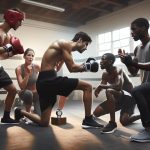
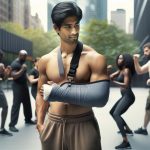
To start, understanding the specific disabilities and movement limitations of participants is crucial. Each individual presents unique challenges, whether related to mobility, vision, or hearing impairments. By conducting thorough assessments, instructors can tailor training regimens that consider these limitations, ensuring that techniques are effective and accessible. For example, practitioners who use wheelchairs may focus on upper body strikes and defense strategies that leverage their mobility devices.
Adaptive techniques can include specific strikes that allow for effective defense while minimizing required movement, reinforcing the idea that self-defense is about using one’s advantages. Instructors can teach practitioners to utilize their environment creatively. This can include employing objects nearby for leverage or as defense tools. Moreover, drills can focus on situational awareness, verbal de-escalation techniques, and escape strategies, which are invaluable for all practitioners but particularly essential for those who may feel more vulnerable.
Overall, creating an inclusive atmosphere in Krav Maga training not only empowers disabled individuals but also promotes a broader understanding of self-defense dynamics. Emphasizing safety and realistic scenarios can prepare all students, regardless of their physical abilities, to respond effectively when confronted with threats. With the right adaptations, Krav Maga can open doors for disabled practitioners, allowing them to embrace their strength and capabilities within the realm of self-defense.
Understanding Disability and Movement Limitations
Understanding the unique challenges that disabled individuals face is essential for adapting Krav Maga training effectively. Disabilities can impact various aspects of movement and sensory perception, which necessitates a tailored approach to self-defense. For example, individuals may deal with mobility impairments, visual or hearing limitations, or cognitive challenges. Each of these factors can influence not only how techniques are executed but also how they are perceived by practitioners and instructors alike.
When assessing a practitioner’s abilities, instructors should take the time to evaluate their specific limitations and strengths. For instance, a student who uses a wheelchair may possess upper body strength that can be leveraged in striking techniques, while someone with a visual impairment might excel in listening and spatial awareness strategies. This individualized attention creates an inclusive training environment, where the diverse capabilities of all participants are recognized and championed.
Additionally, communication is key. Instructors should foster an open dialogue with all disabled practitioners, allowing them to express their comfort levels, concerns, and any adaptations they might need. Such an approach not only enhances trust but also ensures that self-defense techniques are both safe and practical. This understanding enables practitioners to focus not just on physical techniques but also on mental resilience and situational awareness-skills crucial for effective self-defense under any circumstances. By embracing these adaptations, Krav Maga can serve as a powerful tool for empowerment, equipping individuals with the skills and confidence to navigate potentially dangerous situations safely and effectively.
Adaptive Techniques in Krav Maga Training
can play a crucial role in making self-defense accessible and effective for disabled practitioners. One of the fundamental principles of Krav Maga is its focus on real-world scenarios and the maximization of individual strengths. This adaptability makes it possible for instructors to create tailored training programs that harness the unique abilities of each student while accommodating their specific needs.
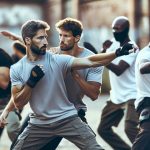
For instance, individuals with upper body mobility can engage in striking and defensive techniques that rely on hand and arm movements, while those with limited lower body movement might focus on leveraging their upper body strength for support and defense. Techniques such as blocking and redirecting an attack can be adapted to suit various physical capabilities, ensuring that all practitioners can participate meaningfully.
To facilitate this process, instructors can employ drills that emphasize situational awareness and tactical decision-making. For example, practitioners can practice awareness and communication drills that simulate real-life confrontations, allowing them to respond effectively without physical confrontation if possible. Role-playing scenarios in a controlled environment can also help build confidence and instinctive reactions to threats while respecting each person’s physical limitations.
Another important consideration is the integration of technology and tools designed to aid training-interactive software, video analyses, or even mobility aids that assist in practice sessions can enhance learning experiences. However, instructors must ensure that any adaptations maintain the integrity of Krav Maga principles, encouraging practitioners not only to defend themselves but to assert their confidence and autonomy in challenging situations.
Success Stories: Disabled Individuals in Krav Maga
Many inspiring success stories highlight the transformative impact of Krav Maga training on individuals with disabilities. These narratives demonstrate not only the adaptability of the martial art but also the empowerment it offers to practitioners as they enhance their physical and mental well-being.
One notable example is a participant who uses a wheelchair due to a spinal cord injury. Through tailored instruction, they learned techniques that enable them to defend themselves effectively while seated. This training not only improved their physical strength but also greatly boosted their confidence in navigating social situations. Adaptations included using arm movements for defensive postures and developing strategies to utilize the wheelchair as a tool for protection rather than a limitation.
In another instance, a visually impaired practitioner found encouragement through Krav Maga’s emphasis on situational awareness and communication. With a trained partner, they practiced echolocation techniques to gauge distance and the positioning of potential threats, allowing them to react swiftly and confidently. This unique adaptation not only highlighted their ability to overcome challenges but also reinforced the value of trust and collaboration in self-defense training.
Such stories underscore that Krav Maga is adaptable, focused on individual strengths, and capable of fostering a sense of community among practitioners. Instructors play a crucial role by customizing training methods based on the specific needs and abilities of each student, ultimately leading to personal empowerment and increased self-defense capability. As these practitioners continue to share their journeys, they inspire others with disabilities to explore martial arts and discover their own paths to resilience and confidence.
Essential Gear and Modifications for Adaptive Training
Adaptive training in Krav Maga necessitates essential gear and modifications tailored to the specific needs of practitioners with disabilities. Utilizing the right equipment can significantly enhance comfort, safety, and effectiveness during training. Whether for those who maneuver using wheelchairs, crutches, or simply require additional support, customizing gear ensures that every student can engage meaningfully in their self-defense training.
One essential aspect includes protective gear that accommodates various mobility aids. For instance, a practitioner using a wheelchair may benefit from padded gloves, knee guards, and reinforced wrist wraps to prevent injury during training and practice of techniques. Additionally, lightweight, breathable clothing allows for greater movement and comfort, promoting an inclusive atmosphere.
Moreover, instructors can incorporate adaptations like using modified training partners or props to simulate scenarios that practitioners might face in real-life situations. For example, mobility aids can be transformed into defensive tools. A cane could be used in training as a striking device or to maintain distance from an aggressor. Understanding how to maneuver safely while using these aids in self-defense situations is vital.
In terms of modifications, proper adjustment of training environments is equally important. Creating spaces that are accessible and free of hazards assures that all participants can train without fear of injury. This might include ensuring mats are non-slip and that the training area is easy to navigate for those using assistive devices. By focusing on these adjustments, practitioners not only learn valuable self-defense skills but also build confidence in their abilities, fostering a sense of empowerment and community.
Creating a Safe Training Environment for All
Creating a safe training environment is paramount for all practitioners, particularly for those with disabilities. Safety measures not only prevent injuries but also foster an inclusive atmosphere where confidence can blossom. An effective approach begins with assessing the training space to ensure it caters to various mobility needs. This includes having ample room for movement and ensuring that the flooring is non-slip and free of obstacles that could pose risks to individuals using assistive devices like wheelchairs or crutches.
Instructors should take proactive steps in adapting the training space. Consider the following aspects:
- Accessibility: Ensure that entrances, exits, and restrooms are accessible to all, including those with physical limitations.
- Equipment Modification: Use pads or mats to cushion falls and prevent injuries. Ensure that protective gear is appropriately sized and accessible for everyone.
- Emergency Protocols: Establish clear communication channels and emergency procedures that account for the specific needs of practitioners with disabilities.
Beyond physical space modifications, effective teaching techniques are crucial. Instructors should offer clear, concise demonstrations, allowing practitioners to visualize techniques without unnecessary physical strain. Encouraging peer support and buddy systems can also enhance safety, as higher-level students can assist newcomers with specific needs during drills or exercises.
Finally, incorporating feedback from participants about their experiences can illuminate areas for improvement, enhancing the safety and efficacy of the training environment. Empowering disabled practitioners through a well-structured, safe training environment ensures that everyone can learn valuable self-defense skills, gaining both competence and confidence in their abilities.
Incorporating Mental Strategies in Self-Defense
In the realm of self-defense, mental preparedness is often just as critical, if not more so, than physical techniques. The mental strategies an individual adopts can significantly influence their response during confrontational scenarios, especially for those with disabilities who may face unique challenges. Understanding and incorporating these strategies can enhance confidence, improve decision-making under pressure, and ultimately foster a sense of empowerment in self-defense training.
One powerful mental strategy is visualization. Practitioners can mentally rehearse the techniques they learn, picturing themselves executing moves successfully and effectively managing potential threats. This mental practice not only helps reinforce physical training but also prepares the mind to act decisively in stressful situations. For example, a person who uses a wheelchair might visualize how to move their wheelchair strategically to escape an aggressor, emphasizing the importance of adapting techniques to their specific needs rather than relying solely on physical strength.
Another essential aspect of mental strategy is developing a heightened situational awareness. Understanding one’s environment-identifying exits, obstacles, and potential resources-enables practitioners to make informed decisions quickly. This is particularly vital for those with disabilities, as awareness can facilitate smoother movement and interaction with the environment during an actual confrontation. Instructors should encourage this practice by incorporating drills that focus on situational awareness alongside physical training. For instance, training scenarios can include navigating crowded spaces or responding to verbal confrontations, allowing practitioners to refine both their mental and physical responses.
Finally, emphasizing de-escalation techniques as part of the mental strategy is paramount. Real-life confrontations often escalate from verbal disagreements before resorting to physical altercations. By teaching practitioners how to assess situations and employ de-escalation strategies, instructors can instill a mindset that prioritizes safety over aggression. Practitioners can learn phrases or approaches that help diffuse tension and acknowledge their rights and feelings without escalating conflict, reinforcing the idea that self-defense does not mean resorting to violence but rather finding a way to maintain personal safety.
Incorporating these mental strategies ensures that practitioners, regardless of their physical abilities, are equipped with the cognitive tools necessary to navigate self-defense scenarios effectively. By fostering this mental preparedness, Krav Maga becomes not only a physical discipline but also a means to enhance overall resilience and self-confidence in facing life’s challenges.
Krav Maga vs. Other Adaptive Martial Arts
The adaptability of Krav Maga positions it as a distinctive choice among martial arts, particularly for practitioners with disabilities. Unlike traditional martial arts that may emphasize physical competition and specific stances or techniques, Krav Maga focuses on real-world self-defense scenarios, making it inherently broader and more inclusive. This practical approach lends itself well to modifications that cater to individual needs, from seated techniques for wheelchair users to adaptations for those with limited mobility.
When comparing Krav Maga to other adaptive martial arts, several factors come into play:
Flexibility in Techniques
Krav Maga’s emphasis on instinctive responses allows for a more flexible adaptation of techniques. Practitioners can modify moves based on their personal circumstances, focusing on leverage, timing, and awareness rather than strength. In contrast, martial arts such as Brazilian Jiu-Jitsu (BJJ) may require practitioners to engage on the ground, which could pose challenges for those unable to maneuver comfortably.
Focus on Situational Self-Defense
Another critical difference lies in the focus on situational awareness and de-escalation techniques. While many martial arts place a heavy emphasis on sparring and physical confrontation, Krav Maga teaches practitioners to defuse situations before they escalate into violence. This is particularly empowering for individuals with disabilities, as it promotes confidence without the need to engage in physical altercations unless absolutely necessary.
Training Environment and Community Support
Additionally, the training environment is instrumental in the success of adaptive practitioners. Many Krav Maga instructors prioritize an inclusive culture, adapting their teaching methods to cater to diverse needs. Comparing this with some traditional martial arts studios, which might not always have the resources or understanding to implement adaptive techniques, it becomes clear that Krav Maga often shines in providing accessible and supportive environments.
In summary, the blend of instinctual movement, situational management, and a strong support network makes Krav Maga a profoundly empowering choice for individuals with disabilities pursuing self-defense training. By opting for a program that values adaptability and awareness, practitioners can gain effective skills tailored to their unique requirements, enhancing both their self-defense capabilities and their overall sense of empowerment.
The Role of Instructors in Adaptive Krav Maga
Instructors play a pivotal role in facilitating Krav Maga training for individuals with disabilities. Their expertise not only shapes the curriculum but also fosters an inclusive atmosphere that empowers all students. Effective instructors must possess a deep understanding of both the principles of Krav Maga and the unique challenges faced by disabled practitioners. This combination enables them to customize training methods that meet individual needs while ensuring safety and promoting confidence.
The adaptability of techniques is primarily influenced by instructors who are skilled in recognizing the various movement limitations of their students. For instance, an instructor might develop specialized drills for wheelchair users that focus on leveraging upper body strength and implementing effective striking methods from a seated position. By utilizing creative thinking and experience, instructors can tailor their teaching approaches to account for different abilities, whether that means modifying stances, simplifying movements, or emphasizing strategic thinking over physical force.
Additionally, instructors must emphasize the importance of de-escalation in self-defense scenarios. This empowers disabled practitioners not only to defend themselves physically but also to navigate potentially dangerous situations with awareness and calmness. Instructors can draw on realistic scenarios that challenge students to think critically about their responses. This focus on mental strategies complements physical training and encourages all practitioners to prioritize safety and responsible behavior over unnecessary confrontation.
A supportive instructor can also help cultivate a robust community within the training environment, where students feel safe and accepted. Regular awareness and sensitivity training for instructors can further enhance their ability to assist adaptive practitioners. By integrating feedback from students and fostering open communication, instructors can continuously evolve their teaching methods, ensuring every individual feels valued and capable of mastering the skills needed for self-defense. Such supportive environments not only elevate the practice of Krav Maga but also foster a sense of belonging among all practitioners, reinforcing the martial art’s core ethos of empowerment through self-defense.
Legal Considerations for Self-Defense in Adaptive Scenarios
To navigate the complex landscape of self-defense, it is vital to understand the legal implications surrounding the actions of individuals, particularly those practicing adaptive martial arts such as Krav Maga. In instances where self-defense is employed, the principle of proportionality and the concept of reasonable force become critical. Each state has its laws regarding self-defense, and individuals should familiarize themselves with these statutes to ensure their actions comply with legal standards.
When assessing a self-defense situation, individuals must consider several factors:
- Immediacy of Threat: The perceived threat to oneself must be imminent. If an individual feels they cannot escape a dangerous situation safely, the justification for a defensive response increases.
- Proportional Response: The level of force used in self-defense must be proportionate to the threat faced. This means if someone is physically attacked, a disabled individual should only respond with the amount of force necessary to escape the threat, avoiding escalation.
- Retreat vs. Stand Your Ground: Some regions have ‘stand your ground’ laws allowing individuals to defend themselves without retreating, while others require a duty to retreat if safe to do so. Understanding local legislation is paramount.
For practitioners with disabilities, the context of the encounter can significantly influence the assessment of reasonable force. For instance, a wheelchair user may have different thresholds for perceived threats and necessary actions. Instructors can help disabled practitioners anticipate potential scenarios they might face, allowing them to prepare mentally and physically for varied situations while remaining within legal bounds.
Importantly, practitioners should also be educated about the legal repercussions of using self-defense techniques that result in injury or harm. This highlights the responsibility that comes with the ability to defend oneself and reinforces the importance of employing de-escalation tactics. Moreover, maintaining clear documentation and understanding when to contact law enforcement can safeguard practitioners and clarify their position post-incident.
In sum, while self-defense is a fundamental right, navigating the legalities surrounding it requires both education and mindfulness. By training under experienced instructors who emphasize ethical considerations alongside physical techniques, adaptive practitioners can ensure they are equipped to protect themselves while respecting the legal and moral framework of self-defense.
Community and Support Networks for Adaptive Practitioners
Building a robust community and support network is essential for disabled practitioners in Krav Maga. These networks not only provide a sense of belonging but also facilitate access to resources, information, and shared experiences, which can enhance training and personal growth. Connecting with others facing similar challenges creates an environment where practitioners feel empowered and supported, fostering resilience and confidence in their self-defense journey.
Community organizations, online forums, and local martial arts schools often host adaptive classes or workshops tailored for individuals with disabilities. These sessions are designed not just to impart skills but to cultivate camaraderie among participants. Connecting with fellow practitioners can lead to valuable friendships and mentorship opportunities. Instructors should emphasize the importance of networking, guiding students to local or online resources where they can engage meaningfully with others in the adaptive martial arts scene.
Moreover, participating in competitions, seminars, or self-defense events geared toward adaptive practitioners can significantly enhance skill development. These settings not only allow for practical application but also help practitioners witness diverse approaches to technique adaptation. Individuals can learn from one another’s experiences, sharing adaptations that have worked well for them and contributing to a collective knowledge base.
Support networks also play a vital role in addressing the emotional and psychological aspects of self-defense. Practitioners may struggle with confidence or face societal stigma; being part of a community can mitigate these feelings. Peer support, whether through online groups or in-person meetups, can serve as a crucial outlet for sharing challenges and celebrating achievements. A strong community reinforces the idea that adaptive self-defense is not just about physical capability, but about embracing personal empowerment and resilience.
Encouraging Empowerment Through Adaptive Self-Defense
Adaptive self-defense training is not just about learning techniques; it’s about empowering individuals to feel confident and secure in their ability to protect themselves. The relevance of this empowerment boosts self-esteem, cultivates resilience, and fosters a profound sense of community among practitioners. For individuals with disabilities, finding adaptive methods within Krav Maga can open doors to newfound independence, capability, and a supportive network.
A significant aspect of empowering disabled practitioners lies in modifying techniques to match each individual’s unique abilities and limitations. Empowerment is enhanced when instructors focus on a student’s strengths and personalizing training to fit their specific needs. For example, individuals with limited mobility may benefit from emphasizing situational awareness and verbal de-escalation tactics, which can often prevent a confrontation from escalating. Additionally, using props or accessible tools can help distill techniques into forms that are manageable and effective, such as using a cane for leverage or integrating handheld personal alarms.
The journey toward empowerment is not merely physical; it includes mental strategies that address the emotional landscape of self-defense. Training can incorporate visualization techniques or mental rehearsals that allow practitioners to simulate potential scenarios mentally, preparing them for actual situations without physical confrontation. Practitioners learn to approach situations with confidence, equipped not just with physical tools but with mind-body awareness that might make all the difference in critical moments. This holistic approach encapsulates the essence of adaptive self-defense: by understanding and respecting each individual’s journey, the training fosters resilience and promotes a greater sense of agency in personal safety.
Moreover, the camaraderie developed within adaptive Krav Maga classes amplifies this empowerment. Support from peers who share similar challenges can facilitate personal growth and inspire practitioners to strive for their goals. Celebrating small victories, whether mastering a specific technique or achieving a personal milestone, reinforces the collective belief that empowerment through self-defense is achievable for everyone. The interconnectedness of these experiences while practicing in a respectful, supportive environment ensures that every participant acknowledges their value and worth, which is pivotal in their empowerment journey.
Frequently asked questions
Q: Can individuals with physical disabilities effectively train in Krav Maga?
A: Yes, individuals with physical disabilities can effectively train in Krav Maga. Adaptive techniques allow practitioners to modify movements to fit their abilities, ensuring that training remains effective and empowering. Instructors trained in adaptive methods can personalize the training experience, focusing on safety and individual capabilities.
Q: What are the most common adaptive techniques used in Krav Maga for disabled practitioners?
A: Common adaptive techniques in Krav Maga include modified striking practices, the use of assistive devices, and training that emphasizes mental strategies over physical strength. By tailoring techniques to fit physical limitations, practitioners can learn self-defense while enhancing confidence and skills.
Q: How can Krav Maga training help improve confidence in individuals with disabilities?
A: Krav Maga training can significantly boost confidence in individuals with disabilities by developing self-defense skills, promoting physical fitness, and fostering a sense of empowerment. Practicing adaptive techniques helps participants overcome challenges and build resilience in safe training environments.
Q: Are there specific gear modifications recommended for disabled practitioners in Krav Maga?
A: Yes, gear modifications may include using padded supports, custom fittings, and lighter equipment to accommodate mobility needs. Instructors can recommend gear that is tailored to the practitioner’s requirements, ensuring safety and comfort during training.
Q: What should instructors consider when teaching Krav Maga to disabled students?
A: Instructors should consider the individual’s specific disabilities, abilities, and comfort levels when teaching. They must adapt techniques, employ effective communication, and foster an inclusive environment to ensure every student feels safe and engaged.
Q: Are there success stories of disabled individuals thriving in Krav Maga?
A: Yes, many disabled individuals have shared success stories of their experiences in Krav Maga, showcasing improvement in both physical skills and personal confidence. These stories inspire others and highlight the effectiveness of adaptive martial arts for various abilities.
Q: How does Krav Maga for disabled persons compare to other adaptive martial arts?
A: Krav Maga differs from other adaptive martial arts in its focus on real-world self-defense techniques and rapid adaptation to various situations. While many martial arts offer adaptive programs, Krav Maga emphasizes practical skills that are relevant to self-defense scenarios.
Q: What mental strategies can be incorporated into Krav Maga training for disabled practitioners?
A: Incorporating mental strategies such as situational awareness, de-escalation techniques, and confidence-building exercises can benefit disabled practitioners in Krav Maga. These strategies enhance decision-making skills vital in self-defense situations, complementing physical training techniques.
In Conclusion
As we wrap up our exploration of whether a disabled person can be trained in Krav Maga, remember that adaptive methods make self-defense accessible to everyone, regardless of physical limitations. The key takeaway is that with the right training and adjustments, effective self-defense is within reach for individuals of all abilities.
If you’re considering taking the next step, we invite you to explore related topics like “Krav Maga for Different Abilities” and “Self-Defense Techniques for All.” Don’t hesitate to share your thoughts in the comments or connect with our community for more insights.
Empower yourself today by signing up for our newsletter for tips on self-defense and personal safety, ensuring you stay informed. Remember, self-defense is not just about techniques; it’s about understanding your options and navigating dangerous situations safely and effectively. Let’s continue this journey together-your safety is our priority!