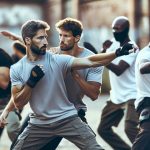

Krav Maga is often hailed as an accessible self-defense system for individuals of all backgrounds and fitness levels. Its emphasis on practical techniques and real-world scenarios makes it appealing to those seeking effective ways to protect themselves. However, you might wonder, “Is it truly for everyone?” Understanding the accessibility and requirements of Krav Maga is crucial, especially if you’re considering it for self-defense, fitness, or personal empowerment.
This exploration will address common concerns about physical limitations, prior experience, and the overall environment of Krav Maga training. By shedding light on what it takes to get started, we aim to empower you with the knowledge to confidently embark on your Krav Maga journey. Whether you’re seeking to enhance your personal safety or simply curious about martial arts, this guide will equip you with the insights needed to determine if Krav Maga is the right fit for you. Join us as we dive into the key aspects that make this self-defense system both unique and attainable.
Can Anyone Practice Krav Maga? Understanding Accessibility
Krav Maga is a martial art known for its practicality and effectiveness in real-world self-defense situations, attracting a diverse range of practitioners. One of its core strengths is its accessibility; these classes cater to individuals of all ages, backgrounds, and fitness levels. The essential requirement for joining a Krav Maga class is a willingness to learn and to commit to the training. Whether you are a beginner with no prior martial arts experience or someone looking to enhance their skills, Krav Maga offers a framework that adjusts to various needs.
Instructors often emphasize that the training is designed to be progressive. This means that students can start at their own pace, gradually improving their skills and fitness. Many schools offer beginner classes specifically tailored to newcomers, focusing on foundational techniques and self-defense principles. This approach ensures that individuals do not feel overwhelmed and can build confidence as they progress. Additionally, for those with disabilities, many reputable Krav Maga schools are equipped to adapt training methodologies, providing personalized instruction to ensure that everyone has the opportunity to learn and train safely.
Moreover, community support within Krav Maga classes fosters an inclusive environment. Practitioners are encouraged to support one another, creating a positive atmosphere where students can thrive despite varying skill levels and personal challenges. Participating in a supportive community can enhance motivation, making it easier to overcome initial apprehensions about starting.
Ultimately, the key takeaway is that Krav Maga is not just for the physically elite; it is a versatile self-defense system open to anyone motivated to learn. Empowering yourself through this training can lead to improved physical fitness, increased self-esteem, and enhanced personal safety, making Krav Maga a valuable pursuit for many.
Essential Requirements for Joining Krav Maga Classes
The first step to joining a Krav Maga class is a strong commitment to learning. It is essential for prospective students to approach the training with an open mind and a willingness to engage fully with the curriculum. Unlike traditional martial arts that may focus on competition, Krav Maga emphasizes real-world self-defense and personal safety, which requires participants to be mentally prepared for realistic scenarios.
While there are no strict prerequisites for physical fitness, a basic level of health will enhance the experience. Beginners are encouraged to participate regardless of their current fitness levels. Krav Maga training is adaptable; instructors are skilled in modifying techniques to suit individual capabilities. Training usually begins at a comfortable pace to build awareness and foundational skills, allowing each participant to gradually improve their physical condition and self-confidence.
As you consider joining, it’s beneficial to research local schools or instructors who emphasize a supportive training environment. Inquire if they have experience working with diverse groups, including those with varying fitness levels or disabilities. A positive, inclusive atmosphere not only fosters growth but can also ease initial apprehensions. It’s crucial to ensure the school aligns with your values regarding safety and ethical self-defense practices, focusing on the importance of de-escalation and responsible force application.
To set clear expectations, acknowledge that Krav Maga training can be physically demanding. However, effective instructors will establish safety protocols to minimize injury risks, ensuring that all students understand their responsibilities during training. Entering this martial art can be a transformative decision, leading to improved physical fitness, self-esteem, and preparedness for real-life threats. Ultimately, anyone motivated to learn can find a place in a Krav Maga class, where the journey of self-discovery and empowerment begins.
Age and Physical Fitness Considerations in Krav Maga
Krav Maga is a martial art developed for self-defense that emphasizes practicality, efficiency, and real-world application. Interestingly, its adaptability means that practitioners of all ages and fitness levels can find a place within its ranks. Whether you are a teenager looking to build confidence or an older adult wishing to learn self-defense tactics, Krav Maga can accommodate different needs and abilities.
Age is a significant factor in developing the right training approach. Younger participants might benefit from high-energy drills that build agility and reflexes, while older practitioners may require a focus on technique that emphasizes safety and injury prevention. Instructors skilled in Krav Maga are trained to modify exercises so that they are approachable regardless of physical condition. This can include breaking down movements into manageable steps and prioritizing foundational techniques that all students can master at their own pace.
Another essential consideration is physical fitness. Although a high level of fitness can enhance the training experience, it is not a prerequisite to start. Many schools welcome beginners by providing classes tailored to varying fitness levels. Those who may be apprehensive about their physical capabilities often find that regular training leads to significant improvements not only in strength and fitness but also in mental resilience. For example, someone who may feel out of shape can gradually build endurance through consistent practice, often reporting enhanced confidence and satisfaction as their skills and fitness improve.
Ultimately, Krav Maga values the journey of self-discovery, offering opportunities for personal growth and empowerment. As practitioners engage with the training environment, they learn not only self-defense techniques but also valuable life skills such as discipline and respect. This martial art teaches individuals how to protect themselves effectively while maintaining an awareness of ethical considerations and the legal implications of self-defense actions. In fostering an inclusive and supportive training atmosphere, students of all backgrounds can embark on their Krav Maga journey while enjoying the many benefits that come with it.
Krav Maga for Individuals with Disabilities
Krav Maga is uniquely designed to be inclusive, offering adaptations that allow individuals with disabilities to participate effectively. The core philosophy of Krav Maga emphasizes practicality and efficiency, which inherently supports the needs of practitioners with varied physical abilities. Instructors trained in adaptive techniques can modify movements and drills to ensure they are accessible while maintaining the integrity of the self-defense training. For instance, individuals with limited mobility can focus on defense strategies that utilize upper body strength or situational awareness rather than relying on traditional footwork.
Individualized Training Approaches
The effectiveness of often hinges on personalized training approaches. Instructors should take the time to understand each student’s unique circumstances and goals. This may involve:
- Assessing physical capabilities and limitations to create a tailored training plan.
- Utilizing adaptive equipment such as chairs or modified pads for those unable to stand for long periods.
- Incorporating verbally guided techniques or visual demonstrations for students with hearing or vision impairments.
Including these adaptations not only opens the door for participation but also enhances the learning experience, allowing all individuals to develop confidence and skills crucial for self-defense.
Building Confidence and Community
Krav Maga provides not only physical skills but also a sense of community and empowerment. Many students with disabilities report that participating in a supportive environment helps combat feelings of isolation. In class, they learn self-defense techniques, improve their physical fitness, and develop mental resilience. Furthermore, practitioners can engage in valuable discussions regarding legal and ethical implications surrounding self-defense, ensuring they are well-informed about their rights and responsibilities.
Ultimately, through adaptive Krav Maga training, individuals with disabilities can gain proficiency in self-defense while participating in a community that respects their capabilities and promotes their growth. This approach goes beyond mere techniques; it fosters an inclusive atmosphere where every practitioner can feel empowered to protect themselves and navigate their world.
Finding the Right Krav Maga School or Instructor
Choosing the right Krav Maga school or instructor can significantly impact your training experience and overall progress. With the practical nature of Krav Maga, which emphasizes real-world self-defense scenarios, it’s crucial to find an instructor who not only has the required technical skills but also values safety, legality, and ethical self-defense practices. Ensure that potential instructors are appropriately certified, as reputable schools often require their instructors to complete a rigorous certification process, including completion of first aid training and background checks.
When selecting a school, consider the instructor’s experience and teaching style. Look for someone who demonstrates an understanding of individual needs, especially if you have specific requirements related to disabilities or physical limitations. A good instructor will assess your abilities and adapt training techniques to ensure everyone feels included and empowered. You can gauge their approach by attending a trial class, asking about their philosophy on self-defense, and how they accommodate varying physical abilities.
It’s also essential to evaluate the training environment. A supportive, respectful atmosphere promotes learning and growth. Engage with current students to get honest feedback about their experiences. Check if the school fosters a sense of community, as this can help combat isolation and build confidence among practitioners.
Lastly, inquire about the school’s policies on safety and risk management. Effective training should always prioritize safety, including clear guidelines on legal considerations surrounding self-defense actions. A responsible school will educate its students on the legal and ethical implications of their techniques, providing an understanding of when and how to apply what they’ve learned in real-life situations. By focusing on these aspects, you can find a Krav Maga school that meets your specific needs, ensuring a productive and empowering training journey.
Comparing Krav Maga to Other Martial Arts
Krav Maga stands out amongst martial arts for its focus on practical self-defense and real-world scenarios. While traditional martial arts often emphasize forms, discipline, or competitions, Krav Maga prioritizes efficiency and effectiveness, making it accessible to a broad audience. Practitioners can vary significantly in age, fitness level, and experience, yet they are all taught to defend against attacks with techniques that are straightforward and adaptable to various situations.
One of the most notable differences between Krav Maga and other martial arts, such as Brazilian Jiu-Jitsu (BJJ) or Karate, lies in its approach to training. BJJ, for instance, heavily focuses on ground fighting and grappling techniques, while Karate may center around striking and kata forms. Krav Maga, on the other hand, integrates elements from multiple martial arts, allowing practitioners to learn how to handle various types of attacks – whether from standing or ground positions. This holistic approach makes it easier for individuals, particularly beginners or those with limited physical capabilities, to grasp and apply techniques quickly, promoting confidence and effectiveness in self-defense situations.
Moreover, Krav Maga places a strong emphasis on situational awareness and self-defense strategies rather than merely techniques. The training includes de-escalation tactics and understanding legal considerations regarding self-defense, which can help practitioners navigate the moral implications of their actions. This ethical framework is crucial for individuals looking to use self-defense responsibly, reinforcing the idea that physical confrontation should be a last resort.
When compared to other martial arts, Krav Maga is designed to be practical and inclusive. Unlike styles that may require years to master basic techniques, the accessibility of Krav Maga allows individuals to walk away from their first class with tools they can use immediately. As a result, it attracts a diverse group of practitioners who might have previously felt hesitant about engaging in traditional martial arts due to physical limitations or previous experiences. With appropriate guidance and support, anyone can cultivate the skills necessary to defend themselves effectively, illustrating the power of accessible self-defense training.
Safety Measures and Risk Management in Krav Maga
Understanding how to safely practice Krav Maga is crucial for anyone considering joining classes, especially as this martial art often involves close-contact drills and scenarios that simulate real-life confrontations. A significant aspect of Krav Maga training is ensuring that participants remain safe while effective techniques are learned. This involves a combination of appropriate safety gear, well-defined training guidelines, and a focus on injury prevention.
To begin with, protective equipment is essential in any martial arts class, and Krav Maga is no exception. Practitioners should wear gear that guards against common injuries during training sessions. Basic protective gear typically includes gloves, mouthguards, and shin guards. In some instances, instructors may also recommend padded suits for sparring based on the intensity of the class. Moreover, a diligent instructor will monitor sparring matches closely, stepping in when necessary to prevent dangerous moves or excessive force.
Training Environment and Protocol
Creating a safe training environment is another pivotal element. Classes should be conducted in a space free of hazards, and instructors should implement strict protocols. This includes thorough warm-up sessions to prepare muscles and joints for the demands of training. Just as important is establishing boundaries regarding technique execution-practitioners should always prioritize control and respect, especially when training with partners.
Additionally, Krav Maga emphasizes situational awareness, helping practitioners discern when to employ techniques and when to seek non-violent resolutions. This de-escalation approach underscores the distinction between self-defense and aggression, aiming to avoid confrontational escalation whenever possible. Learning to read situations not only enhances personal safety but also fosters a responsible understanding of the legal implications involved in self-defense.
Legal and Ethical Considerations
It’s vital for practitioners to be aware of the legal matrix around self-defense laws in their area. Each jurisdiction has defined parameters regarding what constitutes reasonable force. Educating students about these legal considerations is part of a comprehensive safety curriculum, ensuring that when defensive measures are necessary, they are appropriately justified and proportionate. Keeping abreast of local laws enables practitioners to safeguard themselves legally while empowering them to act confidently in self-defense scenarios.
Implementing these safety measures allows students from diverse backgrounds-including those with varying physical abilities-to engage in Krav Maga effectively. By respecting each individual’s limits while encouraging gradual skill advancement, practitioners can build a supportive community that prioritizes safety. Ultimately, a well-rounded approach to safety in Krav Maga not only helps mitigate risks but also cultivates a respectful and responsible training atmosphere where effective self-defense can flourish.
What to Expect in Your First Krav Maga Class
Entering your first Krav Maga class can be both an exciting and nerve-wracking experience. For many, the thought of engaging in a martial art focused on practical self-defense can evoke both fear and curiosity. It’s essential to approach this initial class with an open mind and a clear understanding of what to expect. You won’t just learn techniques; you’ll also gain insights into the mental aspects of self-defense and the importance of ethical considerations.
On your first day, you can expect a structured environment that prioritizes safety while fostering a sense of community among participants. Most classes start with a comprehensive warm-up designed to prepare your body for strenuous activity, which can include dynamic stretches and light cardiovascular exercises. Following this, instructors will introduce fundamental techniques. These may include basic stances, striking methods, and simple defensive moves. Training partners are often assigned, and you may find yourself paired with someone at a similar skill level, allowing for a supportive training atmosphere.
Essential Components of the Class
Classes typically break down into several components:
- Warm-Up: Essential for injury prevention, the warm-up loosens muscles and increases heart rate.
- Technique Instruction: Focus on fundamental self-defense techniques. Instructors emphasize the importance of control and effectiveness.
- Drills: Practicing techniques in a controlled environment with partners to enhance muscle memory and confidence.
- Safety Protocols: Your instructor will reinforce the necessity of translating skills into real-life situations responsibly, emphasizing the legal implications of self-defense actions.
- Cool Down: Stretching and relaxation exercises to aid recovery post-training.
Mentorship and Community
Additionally, expect to interact with instructors and fellow students who are eager to support and guide you. Many schools pride themselves on creating a welcoming environment where everyone, regardless of fitness level or experience, can learn at their own pace. Instructors often share personal stories and insights, which can demystify the techniques and build a sense of camaraderie within the group.
As you engage with the class, remember that the focus is not solely on physical confrontations but also on developing situational awareness, de-escalation techniques, and understanding the ethical responsibilities associated with self-defense. This comprehensive approach ensures that you are not only learning how to protect yourself but also how to think critically about the circumstances that warrant those skills.
Embarking on this journey can be transformative, providing not just physical defense tools, but a sense of empowerment and respect for the art of self-defense. Take it one step at a time, embrace the learning process, and remember, safety and ethical considerations are at the heart of your training.
Legal Considerations and Responsible Self-Defense
Understanding the legal landscape of self-defense is crucial for anyone training in Krav Maga. Engaging in self-defense techniques involves not just the physical application of skills, but also a strong awareness of the moral and legal implications of using those skills. Knowing when it is appropriate to resist an aggressor, what constitutes reasonable force, and the potential consequences of your actions can be the difference between a justified defense and legal repercussions.
In many jurisdictions, self-defense laws allow for the use of reasonable force to protect oneself from imminent harm. This often means that one can defend against an aggressor as long as the response is proportional to the threat faced. For instance, if confronted with a non-lethal threat, responding with extreme force may not be justified. It’s essential to understand the fine line between self-defense and retaliation, as laws vary widely depending on the state or country. Before engaging in training, familiarize yourself with your local laws regarding self-defense. Resources such as local law enforcement or legal experts can provide clarity on what is permissible in your area.
Another crucial aspect of responsible self-defense is the concept of de-escalation. Krav Maga emphasizes using skills not just to combat threats, but to avoid conflict whenever possible. This might involve verbal techniques to diffuse a situation or the use of movement to escape rather than engage. A trained practitioner knows that effective self-defense does not always mean strong physical confrontation; often, the best defense is to avoid an altercation altogether.
Understanding the implications of weapon use is equally vital. If you choose to carry self-defense tools, such as pepper spray or personal alarms, it’s important to know the legal standing of these items in your jurisdiction. For example, while pepper spray may be legal to carry in many places, there may be restrictions on the size and strength of the canister. Engaging in self-defense training should, therefore, include discussions about the tools you choose to carry and how they operate within the legal framework.
Overall, as you progress in your Krav Maga training, continually reflect on the ethical dimensions of your skills. Empowerment through self-defense should carry an understanding of the responsible use of force and a commitment to respecting the life and well-being of others. Training in Krav Maga offers not just physical techniques but a deeper understanding of how to navigate potential confrontations with honor and legality in mind.
Equipment Requirements for Effective Training
Training in Krav Maga requires more than just ambition and willingness; it also necessitates the right equipment to ensure safety, effectiveness, and an optimal learning experience. Whether you’re a beginner or have prior experience in martial arts, understanding the essential gear can significantly enhance your training sessions and prepare you better for real-life applications.
One of the fundamental pieces of equipment for anyone starting Krav Maga is a reliable pair of training shoes. Proper footwear should provide good support, traction, and flexibility to allow for quick movements and changes in direction. Avoid shoes with thick soles as they can impair your ability to feel the ground beneath you, which is crucial in this martial art. Additionally, it’s wise to select shoes that you don’t mind getting a bit worn out, as Krav Maga training involves a lot of footwork on mats as well as hard surfaces.
Protective gear is another critical consideration. During sparring sessions or drills, wearing shin guards, mouthguards, and groin protectors is highly recommended. These items help minimize injuries during contact training and build your confidence, knowing that you can practice techniques at a higher intensity without the risk of serious harm. Similarly, while headgear may be optional in non-competitive environments, it’s worth considering as you progress to sparring or more advanced classes.
Additionally, some instructors may encourage the use of padded gloves or MMA-style gloves. These allow you to practice striking techniques safely while still being able to perform grappling and joint lock moves effectively. Keep in mind that the requirements might differ depending on your school, so always check with your instructor about their recommended gear before investing.
When it comes to personal self-defense tools, these may also play a role in your training. While Krav Maga emphasizes using your body as a weapon, understanding the use and legal implications of personal defense tools such as pepper spray or tactical flashlights can be beneficial. However, it’s essential to ensure that you are familiar with local laws concerning these items-what is permissible in one state may not be legal in another.
As you prepare for your Krav Maga journey, consider these equipment essentials to create a safe and effective training environment. Investing in the right gear not only supports your physical training but also reinforces the critical aspects of responsible self-defense, such as ensuring that you can carry out techniques effectively while being fully prepared for the ethical dimensions surrounding their use.
Overcoming Common Barriers to Starting Krav Maga
Many individuals hesitate to start Krav Maga due to common barriers such as perceived physical limitations, fear of injury, or the intimidation of joining a class full of experienced practitioners. It’s essential to recognize that Krav Maga is designed to be accessible, emphasizing self-defense for all, regardless of age, size, or fitness level. To break through these barriers, understanding the various aspects of training and finding the right environment is crucial.
Firstly, potential students often worry about their physical fitness level. It’s a common misconception that only highly fit individuals can begin Krav Maga training. In reality, most schools welcome beginners with varying levels of fitness. Many classes focus on building strength, coordination, and endurance through gradual progression. Starting slowly allows individuals to develop at their own pace. Instructors commonly offer modifications for techniques, ensuring that everyone can participate safely and effectively.
Another significant factor that deters many is the fear of injury. Like any contact sport or martial art, there is inherent risk involved, but proper training and safety protocols significantly reduce this. Aspiring students are encouraged to communicate openly with their instructors regarding concerns about safety and injury. Classes typically include warming up and cooling down sessions, along with protective gear usage, which aids in minimizing injuries. Additionally, engaging in controlled practice scenarios, rather than actual combat, can help build confidence and alleviate concerns about getting hurt.
Lastly, the intimidation factor cannot be overlooked. Walking into a Krav Maga class for the first time may be daunting, especially if surrounded by seasoned practitioners. To overcome this, prospective students should consider trying out introductory classes or seminars specifically designed for beginners. These environments foster a sense of community and support, often filled with individuals who are just as nervous and eager to learn. Connecting with fellow students can provide motivation and build friendships, further easing the transition into regular training.
By addressing these barriers with understanding and encouraging practical steps, anyone can join the ranks of those empowered through the practice of Krav Maga. It’s a path towards not only learning physical self-defense but also enhancing self-esteem and resilience in the face of challenges.
Success Stories: Transformations through Krav Maga Training
Many individuals have transformed their lives through the practice of Krav Maga, experiencing not just improvements in their physical abilities but also significant boosts in self-confidence and mental resilience. For instance, one student, initially hesitant due to a lack of fitness, started her journey at a local studio. Within weeks, she found herself not only gaining strength but also mastering essential self-defense techniques that made her feel empowered. Her story reflects a common narrative: beginners often underestimate their capacity to grow in this discipline.
Furthermore, Krav Maga’s adaptable nature makes it an ideal choice for diverse practitioners. A young man with a disability faced challenges in traditional martial arts classes, where many techniques were not tailored to his needs. However, he discovered a Krav Maga school that emphasized inclusivity. With personalized instruction, he learned to utilize his unique abilities effectively, turning perceived limitations into strengths. His success illustrates how the emphasis on empowerment in Krav Maga allows individuals to push beyond their boundaries, reinforcing that anyone can embrace this form of self-defense.
Beyond physical transformations, many practitioners report changes in their mental fortitude. A middle-aged teacher, after signing up for classes, found that training helped him cope with daily stressors. The discipline and focus required in Krav Maga translated into improved concentration and calmness in his personal and professional life. This highlights how Krav Maga can serve not only as a means of self-defense but as a holistic approach to better mental health and well-being.
In summary, the success stories from Krav Maga practitioners show that the journey in this martial art is rich and varied. Whether overcoming personal barriers, gaining physical strength, or enhancing mental toughness, the impact of training is profound. The ethos of Krav Maga encourages participants to grow, adapt, and thrive, proving that anyone can take this path toward empowerment and self-improvement.
Faq
Q: Can beginners practice Krav Maga without prior martial arts experience?
A: Yes, beginners can practice Krav Maga without any prior martial arts experience. Krav Maga is designed for everyone, regardless of fitness level or background. Most classes accommodate beginners by gradually introducing techniques and self-defense principles, ensuring a supportive learning environment.
Q: What is the typical age range for starting Krav Maga training?
A: Individuals as young as 13 can start training in Krav Maga. Most schools offer programs tailored for teens and adults. However, it’s crucial to choose a school that aligns the training with the student’s age and physical ability. Check the article section on age considerations for more details.
Q: Are there specific physical fitness requirements for Krav Maga?
A: There are no strict physical fitness requirements to join Krav Maga classes. However, a basic level of fitness can enhance your training experience. Many schools offer fitness sessions alongside martial arts techniques to help participants improve their physical readiness.
Q: What types of disabilities can Krav Maga accommodate?
A: Krav Maga can accommodate various disabilities, including mobility challenges, visual impairments, and more. Instructors with experience in adaptive techniques can modify exercises to ensure inclusivity. Reach out to local schools to discuss specific needs before starting.
Q: How long does it usually take to become proficient in Krav Maga?
A: Proficiency in Krav Maga varies per individual, but most practitioners see significant improvement within 3 to 6 months of consistent training. Commitment to classes and practice outside of formal training will accelerate your learning.
Q: What should I wear to my first Krav Maga class?
A: Wear comfortable athletic clothing and sturdy shoes to your first Krav Maga class. It’s best to avoid overly baggy or loose items that could hinder movement. A water bottle and towel may also be helpful. For specific gear recommendations, check the equipment section of the article.
Q: Can Krav Maga be practiced safely in an urban environment?
A: Yes, Krav Maga can be practiced safely in urban environments. Training often includes real-world scenarios, teaching techniques that are applicable in everyday situations. Schools prioritize safety through controlled environments and supervised practice, minimizing risks while maximizing learning.
Q: What if I feel nervous about starting Krav Maga?
A: Feeling nervous is completely normal when starting Krav Maga. Many practitioners share the same experience. Consider attending an introductory class or reaching out to instructors beforehand to discuss your concerns. This can help ease anxiety and prepare you for your first experience.
For more information on Krav Maga accessibility, consult our “Essential Requirements for Joining Krav Maga Classes” section. Ready to dive in? Join a local class and start your empowering journey today!
To Conclude
Krav Maga is designed for everyone, regardless of age or fitness level, emphasizing practical self-defense techniques that are accessible to all. Understanding how to navigate the nuances of safety, legality, and effective execution can empower you to protect yourself while also respecting ethical boundaries. If you’re curious about beginning your journey, explore our articles on basic self-defense principles or the legal aspects of personal protection to enhance your knowledge further.
Don’t wait-take the first step towards gaining confidence and security today! Join a local Krav Maga class or visit our resources page for a curated list of tools and training materials. Feel free to share your thoughts or ask questions in the comments section below; your perspective is valuable to our community. Remember, preparation is key, and the best way to defend yourself is to stay informed and engaged.