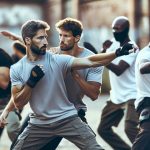

In a world where personal safety is a growing concern, the thought of learning self-defense can be empowering yet daunting. This brings us to an essential question: Can one truly learn Krav Maga by oneself? While the allure of solo training often sparks motivation and independence, it raises critical concerns about effectiveness, safety, and legality. In this article, we will delve into the realities of mastering this rigorous martial art alone-exploring both the potential benefits and significant limitations. You’ll discover practical insights tailored to your unique situation, allowing you to make informed decisions on your self-defense journey. As you read on, consider how these insights can shape your approach to Krav Maga and enhance your personal safety skills.
Can I Train in Krav Maga Alone? Exploring Solo Options
Training in Krav Maga alone can be a rewarding yet challenging endeavor. While the essence of Krav Maga lies in its practical application against real-life threats, many practitioners wonder if they can effectively learn and practice these techniques without a partner. The truth is, solo training is possible, but it requires a structured approach and a strong commitment to safety and realism.
One of the significant advantages of training alone is the flexibility it offers. You can practice techniques, drills, or conditioning at your own pace and schedule. This includes working on striking fundamentals, movement drills, and physical conditioning routines that are integral to Krav Maga. However, it’s crucial to emphasize that self-defense training, especially in a martial art designed for combat scenarios, greatly benefits from live practice with partners. Solo training should supplement, not replace, in-person training where you can experience the dynamics of a high-stress encounter.
Start by focusing on the basics-shadowboxing is a great way to practice form and technique without a partner. Visualize an opponent to refine your strikes and movements. Utilize online resources such as instructional videos and online courses, which can guide you through solo drills. Remember, consistency is key. Set aside regular time for your practice sessions, and ensure you maintain proper safety protocols to prevent injuries, especially when practicing striking techniques against hard surfaces or with resistance tools.
In summary, while it’s feasible to train in Krav Maga alone, balancing this with partner training sessions, when possible, will improve your understanding of timing, distance, and the unpredictability of real confrontations. Embrace the challenge, but remain mindful of the importance of practical application and safety when venturing into solo training.
Understanding the Basics of Krav Maga for Beginners
Understanding the foundational aspects of Krav Maga can greatly enhance your solo training experience. This self-defense system, renowned for its effectiveness in real-world situations, emphasizes practical techniques designed to address various violent confrontations. For beginners embarking on this journey, grasping the core principles is essential.
Krav Maga integrates strategies from different martial arts, focusing on straightforward actions that prioritize survival, speed, and efficiency under stress. At its core, the system teaches striking (such as punches and kicks), grappling, and defenses against attacks, including weapons. Because Krav Maga is grounded in realistic scenarios, understanding the following basics will help in your solo practice:
- Movement & Footwork: Mastering footwork is critical. Practice basic stances and movements, ensuring agility and balance. Shadowboxing can help solidify these concepts.
- Striking Techniques: Begin with fundamental strikes, such as jabs, crosses, elbows, and kicks. Integrate these strikes into your shadowboxing routines to simulate an opponent.
- Defensive Maneuvers: Learn how to block and evade attacks effectively. Practicing these techniques alone can build muscle memory, which is crucial in high-pressure situations.
- Situational Awareness: Develop your ability to read potential threats and react appropriately. This can involve mental visualization exercises to prepare for various confrontation scenarios.
As you delve into solo training, remember that safety is paramount. Regularly review the legal implications of using force in self-defense situations to ensure your practices align with ethical standards. Krav Maga is not just about physical confrontation; it’s also about making informed decisions. Equip yourself with knowledge about de-escalation techniques and the legal framework surrounding self-defense in your region.
With a structured approach to these basics, your solo training can be both enriching and empowering. Regular practice, careful reflection on your techniques, and a focus on personal safety will enhance your confidence and effectiveness in real-world situations while respecting the seriousness of self-defense.
The Effectiveness of Self-Taught Krav Maga Techniques
The decision to teach yourself Krav Maga can be both empowering and daunting. Many practitioners are drawn to this self-defense system because of its practical approach to real-world situations. However, self-taught techniques can sometimes lack the nuance and contextual understanding that comes with formal training. It is crucial to recognize that while self-learning can offer a foundational grasp of techniques, it also poses unique challenges in developing proficiency.
To maximize , start by focusing on essential skills such as movement, striking, and defensive maneuvers. Watching instructional videos or online courses can provide valuable demonstrations of these techniques. Dedicate time to practice fundamentals, and seek to replicate movements accurately, as incorrect form may lead to ineffective self-defense responses or even injury. Consider integrating shadowboxing into your routine to simulate scenarios where these techniques might be applied, reinforcing muscle memory and fluidity in execution.
Alongside technique work, situational awareness and de-escalation strategies are integral to Krav Maga. Self-taught practitioners should engage in mental exercises that allow them to visualize potential confrontations and formulate responses. This mental preparation is vital for recognizing threats and avoiding dangerous situations, which often is the best form of self-defense. Additionally, understanding local laws regarding self-defense can guide your training decisions and behavioral responses during potential confrontations.
Finally, supplement solo training with periodic professional instruction when possible. Attending workshops or classes can provide critical feedback on your techniques, helping to correct any detrimental habits early in your training journey. The balance of self-learning and guidance ensures that you are developing effective techniques while maintaining an understanding of the legal and ethical implications of self-defense. This holistic approach transforms solo practice into a valuable and responsible preparation tool, enhancing both your skills and your confidence in self-defense situations.
Essential Gear for Solo Krav Maga Training
To effectively train in Krav Maga solo, having the right gear is essential. The right equipment not only supports your learning process but also helps ensure your safety while practicing techniques. A well-rounded training kit can include a mix of protective gear, training tools, and supportive accessories, making your independent practice not just effective but also enjoyable.
Protective Gear
When practicing solo, safety should always be your top priority. While you may not be sparring with a partner, wearing protective gear can still prevent injuries from self-inflicted strikes. Consider the following items:
- Hand Wraps or Gloves: These help protect your hands and wrists during striking practice, ensuring that you maintain proper form without risking injury.
- Shin Guards: When practicing kicks, shin guards can help absorb impact and protect against bruising.
- Headgear: While often used in controlled environments, wearing a light headgear during intense solo training can protect against accidental blows to yourself, especially when practicing high-impact moves.
Training Tools
Incorporating specific training tools into your routine can enhance your effectiveness. Here are a few essential items:
- Heavy Bag: A sturdy heavy bag is ideal for practicing punches, kicks, and combinations. It simulates a real opponent, allowing you to gauge power and technique.
- Focus Mitts: While ideally used with a partner, focus mitts can be effective when attached to a secure surface to improve striking accuracy and precision.
- Training Dummies: These can serve as a stand-in for grapple and close-range techniques, providing a safe and stable object for practicing throws and holds.
Supportive Accessories
In addition to protective gear and training tools, supportive accessories can help maintain your training consistency and comfort:
- Phone or Tablet Stand: Positioning your device for easy viewing during online tutorials or instructional videos can greatly enhance learning.
- Hydration System: Keeping hydrated is crucial, especially during intense training sessions. A water bottle or hydration pack ensures you don’t have to interrupt your practice to stay hydrated.
- Training Mat: A durable training mat can provide comfort and safety when practicing ground techniques or transitions.
Equipping yourself with the proper gear enables a productive and safe training environment, allowing you to focus on developing your Krav Maga skills independently. As you prepare for self-directed practice, remember that while solo training can build foundational skills, supplementing it with professional guidance is invaluable for advancing your technique and understanding of self-defense principles.
Safety Considerations When Practicing Alone
Practicing Krav Maga solo can be a fulfilling way to build self-defense skills, yet it poses unique safety challenges. Before you embark on your independent training journey, it’s vital to be aware of the risks involved and take proactive steps to mitigate them. One key principle to keep in mind is that safety should always come first-your physical and mental well-being is paramount.
To minimize the risk of injury while training alone, make sure your training environment is conducive to practice. Choose a spacious, clutter-free area with adequate flooring, preferably a mat to cushion falls. It’s also wise to warm up properly before starting your routine and cool down afterward to avoid muscle strain. Start with basic movements and gradually introduce more complex techniques as your comfort and skill level increase. This incremental approach helps prevent both physical injuries and mental overwhelm.
Another essential aspect of safety in solo training is awareness of your surroundings. This includes being mindful of potential hazards that could lead to accidents. For instance, be cautious of furniture edges or sharp objects nearby. If you’re practicing outside, take into account natural elements like uneven terrain or changes in weather, which could affect your training or lead to slips and falls. Staying safe means being vigilant and making smart choices about where and how you train.
Additionally, consider the emotional dimension of training alone. Spending time in solitude while engaged in intense physical practice can sometimes lead to feelings of loneliness or discouragement. Set specific, realistic goals to keep your motivation high. Furthermore, consider recording your sessions or using a mirror to evaluate your form. Engaging with online communities or virtual classes can also provide a sense of connection and feedback, enabling you to stay grounded in your training progress-all while keeping safety and self-care at the forefront of your practice.
Creating a Structured Training Plan for Solo Practice
is essential for anyone looking to learn Krav Maga independently. Unlike traditional martial arts training that takes place in a dojo with an instructor and peers, solo training requires a disciplined approach to ensure progress and safety. A well-organized schedule will help you stay focused, maintain motivation, and build upon your skills effectively.
Begin by setting specific goals for your training sessions. For instance, you might decide to work on basic striking techniques, defensive maneuvers, or scenario-based training each week. To keep your practice diverse and engaging, consider organizing your sessions into a routine that covers various fundamentals. A typical week might include:
- Day 1: Basic strikes (punches, kicks, and elbow strikes).
- Day 2: Defensive techniques (blocks, evasion, and counters).
- Day 3: Ground techniques and falls.
- Day 4: Scenario training (imagine how to handle different attacks).
- Day 5: Conditioning and flexibility exercises.
Each session should include a thorough warm-up to prepare your body, followed by specific drills and techniques. Incorporate shadowboxing to practice movement and striking fluidity without a partner. Additionally, recording your sessions or using a mirror can help you analyze your form and technique, allowing for self-correction and improvement.
It’s also crucial to dedicate time for debriefing after each practice. Assess what you learned, what areas require more focus, and how well you executed techniques. By reflecting on your progress, you’ll find opportunities to adapt your training plan based on personal strengths and weaknesses. Remember, training alone can be empowering, but it demands a structured approach to gain the most benefit. Always prioritize safety and legality in your self-defense training, ensuring that you’re prepared mentally and physically for real-world scenarios.
The Role of Online Resources in Self-Training
Online resources play a crucial role for individuals interested in self-training in Krav Maga. The internet provides a wealth of information ranging from instructional videos to expert forums, creating a virtual dojo that many aspiring practitioners can access from home. This accessibility allows you to learn at your own pace and tailor your training experience to fit your specific needs and goals.
Utilizing platforms like YouTube can be particularly effective for visual learners. Many experienced instructors share detailed tutorials covering everything from basic strikes to advanced techniques. Following along with these videos allows you to see the movements executed in real-time, making it easier to grasp complex concepts. Additionally, online courses offered by reputable martial arts schools can provide structured lesson plans and assessments to ensure you’re on the right path. Look for courses that emphasize the importance of safety and legal considerations in self-defense, as understanding these elements is vital.
Forums and social media groups dedicated to Krav Maga training also foster a sense of community. Here, you can ask questions, share experiences, and receive feedback from others who are on similar journeys. Engaging in discussions about techniques, challenges, or safety tips with fellow practitioners can enhance your understanding and motivate you to overcome obstacles in your training. However, always remain cautious and critical of the information you consume, as not all advice is created equal. Prioritize input from verified sources or experienced instructors, ensuring that the techniques you adopt are effective and safely executed.
Incorporating these online resources into your training regimen can significantly enhance your skill set and broaden your understanding of Krav Maga. Consistently practice what you learn through these channels, and don’t forget to assess your progress regularly. By creating a balanced combination of self-study and practical application, you can grow more confident in your abilities to protect yourself while also recognizing the real-world implications of the techniques you choose to practice.
Incorporating Sparring and Real-World Scenarios
While practicing Krav Maga alone can provide foundational skills and techniques, incorporating sparring and realistic scenarios is vital for developing a comprehensive understanding of self-defense. Sparring, even in a controlled environment, allows practitioners to experience the unpredictability of a real confrontation. It helps hone decision-making under pressure, which is a crucial skill for any self-defense situation.
One effective way to simulate sparring solo is through shadow fighting, where you visualize an opponent and practice your strikes, footwork, and defensive maneuvers as if engaging in combat. This exercise enhances muscle memory and reflexes, making movements feel more instinctive during a real encounter. You can also utilize grappling dummies or heavy bags to practice throws, strikes, and takedowns, which help reinforce technique without the risk of injury to another person.
Real-World Scenario Training
To further bridge the gap between technique and application, create scenarios based on common real-life situations. For instance, simulate the environment of a potential confrontation by having family members act out aggressive roles, allowing you to respond accordingly. Focus on the importance of de-escalation-verbal skills can often prevent a physical encounter altogether.
Moreover, be mindful of the legal implications associated with self-defense. Understand your local laws regarding self-defense, including what constitutes proportional response and the necessity of retreat if possible. Use scenarios that require a nuanced understanding of these concepts, emphasizing that self-defense should always be the last resort.
Safety and Realism
When practicing sparring or scenario-based training alone, it’s crucial to prioritize safety. Always ensure your training area is free from hazards to prevent injury. Begin slowly to allow yourself to acclimate to techniques and scenarios before increasing intensity. Given the unpredictable nature of physical confrontations, deploying safety equipment such as headgear or gloves during practice can further mitigate risks while enhancing realism.
Balancing practical training with ethical considerations is essential. Always approach sparring and real-world application with respect for the gravity of self-defense. Recognize that the aim is to protect oneself and de-escalate situations, not to glorify violence. By fostering a responsible mindset, you become better prepared to handle real-life challenges effectively and ethically.
Legal and Ethical Considerations in Self-Defense
Understanding the legal and ethical considerations of self-defense is crucial for anyone engaged in self-defense training, including those practicing Krav Maga. The laws governing self-defense vary significantly by jurisdiction, emphasizing the importance of knowing the specific regulations in your area. Generally, self-defense is justified when individuals use reasonable force to protect themselves against an imminent threat. However, what constitutes “reasonable” can differ widely across states. For instance, the concept of “duty to retreat”-the requirement to avoid using force if safely possible-is applicable in some states but not in others.
When training alone, it’s vital to focus on de-escalation techniques. Self-defense is not solely about physical engagement; it often begins with an attempt to defuse a situation verbally. Encouragingly, many conflicts can be avoided entirely through effective communication and situational awareness. Practicing scenarios that emphasize de-escalation can help embed these critical skills. It is essential to remember that while Krav Maga teaches effective techniques to neutralize threats, the goal should always be to escape or avoid confrontation whenever feasible.
Moreover, practitioners should remain aware of their responsibilities should a self-defense situation arise. Using excessive force can lead to legal repercussions, including charges of assault. Understanding the proportional response-using only the level of force necessary to protect oneself-is paramount. For example, responding physically to an aggressor who is verbally threatening may not only be unnecessary but could also escalate the situation further, drawing legal scrutiny. This highlights the importance of training that balances physical defense techniques with sound legal knowledge and ethical considerations.
Lastly, it’s wise to stay informed about local laws and attend workshops or consult with legal experts when possible. Additionally, many Krav Maga schools provide resources discussing legal aspects relevant to self-defense. This multifaceted approach helps ensure that your training is effective and responsible, preparing you to face real-world situations with confidence and caution. Always remember that your actions have consequences; being equipped with both the physical ability and the ethical mindset to navigate potential confrontations is the ultimate goal of self-defense training.
Common Mistakes in Solo Krav Maga Training
Training in Krav Maga independently can be an empowering endeavor, allowing you to develop skills at your own pace. However, this approach is fraught with potential pitfalls that could lead to ineffective practice or even unsafe situations. Here are some common mistakes made during solo training, along with insights on how to avoid them.
One major mistake is neglecting proper technique and form. Without a partner or instructor to provide feedback, it’s easy to develop bad habits, such as improper strikes or stances. To ensure your training remains effective, recording yourself can help. Watch the playback to analyze your form, or better yet, seek out instructional videos from reputable Krav Maga sources. This can aid in reinforcing correct movements while providing a visual benchmark for improvement.
Another critical oversight is overemphasizing physical training without considering the mental aspects of self-defense. Many practitioners focus solely on combative techniques, neglecting crucial skills such as situational awareness and de-escalation tactics. Remember that avoiding a physical confrontation should always be the priority. Engage in mental exercises that involve visualizing potential scenarios and practicing verbal de-escalation techniques. For instance, role-play dialogues where you calmly confront an aggressor without resorting to force. This helps embed essential skills that a purely physical regimen may overlook.
Neglecting Safety Protocols
When practicing alone, many practitioners overlook safety protocols, which can lead to injuries. For example, doing high-impact drills without proper gear or in non-ideal environments can be dangerous. Always ensure you have the right protective equipment, like mouthguards or padded gloves, and choose a safe practice space that is clear of obstacles to prevent accidents. Make it a habit to perform a risk assessment of your surroundings before beginning any intense training session.
Inadequate assessment of personal progress is another frequent mistake in solo training. Without a coach to provide feedback, it’s easy to lose perspective on your development. Set measurable goals and maintain a training log to track your progress. For instance, note down the techniques you practice and any areas where you feel improved or struggle. This self-reflection can both motivate you and highlight the need for targeted practice.
Finally, ensure you’re informed about legal implications regarding self-defense techniques you practice. Understanding the limits of reasonable force and proportional response is paramount. For example, practicing a technique meant to incapacitate should not translate into aggression in real situations where lesser responses might suffice. Engage in discussions about legal self-defense boundaries and ensure your training reflects an ethical approach to conflict resolution. Always remember that Krav Maga should enhance your ability to protect yourself without glorifying violence.
By avoiding these common mistakes and approaching solo training thoughtfully and responsibly, you can cultivate a robust Krav Maga practice that empowers you both physically and ethically.
Alternatives to Solo Training: Pros and Cons
Training in Krav Maga is an avenue that many choose to explore due to its focus on practical self-defense techniques. While solo training can provide flexibility and convenience, there are noteworthy alternatives that come with their own sets of advantages and disadvantages. Engaging with a partner or instructor can significantly enhance your learning experience compared to training alone.
One of the most significant benefits of joining a class or training with a partner is the realistic practice you gain. Training with others simulates actual confrontations, enabling you to practice techniques in dynamic situations where timing, distance, and reaction speed matter. For instance, sparring with a partner helps you understand how to execute a technique under pressure, something that is often lacking in solitary practice. Additionally, an experienced instructor can provide immediate feedback, correcting errors in form or technique that might lead to ingraining bad habits.
However, the alternative of structured classes comes with considerations such as cost and time commitment. Joining a gym or enrolling in classes can require a significant financial investment along with the need to adhere to a schedule. This might not always be feasible for those with busy lifestyles or financial constraints. For individuals new to Krav Maga, the class environment can foster camaraderie and support, easing anxiety and providing motivation that is sometimes harder to find when training alone.
On the flip side, group training may also have its drawbacks. The pace might not be tailored to every individual’s learning curve-some may find themselves left behind or feeling overwhelmed. Additionally, if classes are large, personal attention from instructors may be limited, which can hinder your development in the long run.
Ultimately, whether you lean towards solo training or prefer the dynamics of a group setting, the key is to align your choice with your goals and learning style. The understanding of legal and ethical responsibilities surrounding self-defense remains crucial regardless of how you train. Assessing these alternatives can provide a more comprehensive skillset and a deeper understanding of Krav Maga, enhancing your ability to protect yourself effectively.
How to Assess Your Progress in Self-Training
Progress in self-training for Krav Maga can be subtle and nuanced, making it essential to employ a structured approach to assessment. One effective way to evaluate your development is by regularly recording and reflecting on your training sessions. Keeping a training journal allows you to document your techniques, workouts, and any insights or challenges you encounter. This practice not only helps track your skills over time but also reveals patterns in your learning, such as areas needing improvement or techniques that become easier with repetition.
Another method to assess your growth is through video analysis. Filming your training sessions provides visual feedback that can be invaluable. By reviewing your performance, you can identify specific areas where your technique may be lacking, such as footwork, stance, or execution of techniques. This approach also allows you to compare your progress over weeks or months, giving a clearer picture of how much you’ve improved. Additionally, seeking feedback from experienced practitioners through forums or online communities can offer new perspectives and constructive criticism.
To ensure that your training remains effective, set measurable goals that align with your overall self-defense objectives. These goals should be specific, attainable, and time-bound. For example, aim to master a particular technique within a certain timeframe or increase your speed and accuracy in executing a series of movements. Regularly revisiting these goals will help maintain focus and motivation, providing a framework to evaluate your progress.
Lastly, simulate real-world scenarios as part of your training. Practicing techniques against a heavy bag or during shadow fighting can help you gauge your readiness and application in high-pressure situations. Periodically assess your responses and adaptability during these simulations. Understanding your mental and physical reactions in these training scenarios is crucial for effectively translating your skills to real-life self-defense situations. Emphasizing practical application alongside technical drills reinforces the importance of not just knowing techniques, but being able to apply them effectively under stress.
FAQ
Q: Can I learn Krav Maga effectively on my own?
A: Yes, you can learn Krav Maga on your own, but it requires discipline and access to quality resources. Focus on online tutorials, instructional videos, and practice drills. It’s essential to supplement solo training with occasional professional guidance to refine techniques and ensure effectiveness.
Q: What online resources are best for self-learning Krav Maga?
A: The best resources include online training platforms like YouTube channels focused on martial arts, Krav Maga apps, and structured courses from credible organizations. These can provide technique breakdowns, training drills, and situational awareness tips that are crucial for solo practice.
Q: How can I practice sparring alone in Krav Maga?
A: While true sparring requires a partner, you can simulate sparring by using a heavy bag or shadowboxing. Focus on combining techniques, footwork, and timing. Record your practice sessions to analyze and improve your movements and responses to imagined attacks.
Q: What should be in my Krav Maga training gear for solo practice?
A: Essential gear for solo Krav Maga training includes a heavy bag, hand wraps, protective gear (gloves, mouthguard), and appropriate workout clothing. This equipment ensures safety during practice and allows you to work on striking and movement techniques effectively.
Q: What are common mistakes to avoid when training Krav Maga alone?
A: Common mistakes include neglecting safety precautions, failing to warm up properly, and practicing techniques without understanding their proper execution. To avoid these, always begin sessions with a warm-up, and refer to instructional resources to ensure techniques are practiced correctly.
Q: How can I assess my progress in self-training Krav Maga?
A: Assess your progress by setting measurable goals, such as mastering specific techniques or increasing speed and power. You can also create training logs to track progress over time and seek feedback from instructors when possible to refine your skills.
Q: Are there legal concerns to consider when practicing Krav Maga alone?
A: Yes, it’s essential to understand self-defense laws in your area, as they govern the acceptable use of force. Practicing techniques should always align with legal standards for self-defense, emphasizing de-escalation and proportional response to threats.
Q: What are the benefits of attending Krav Maga classes versus solo training?
A: Attending classes offers immediate feedback, accountability, and a structured learning environment that can be difficult to replicate alone. Classes also provide the opportunity for controlled sparring and real-time scenario training, essential for developing effective self-defense skills.
Key Takeaways
While learning Krav Maga by yourself can be a valuable first step, it’s crucial to recognize the limits of solo training. Personal safety and effective self-defense depend on grasping techniques through practice and real-life scenarios. If you’re ready to enhance your skills, consider enrolling in a structured class or workshop to connect with experienced instructors who can guide you in applying these techniques responsibly and safely.
For further learning, explore our in-depth resources on self-defense scenarios and legal guidelines surrounding martial arts practice. Join our newsletter for tips and updates, or check out related posts like “Top Self-Defense Techniques for Beginners” and “Understanding the Legal Aspects of Self-Defense.” Don’t wait-your safety journey starts now. Share your thoughts in the comments, and let’s empower each other to take the next step in self-defense education!