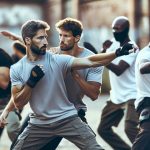

In a world where personal safety can feel increasingly uncertain, many wonder if they can effectively learn self-defense techniques like Krav Maga on their own. While self-study can provide foundational knowledge, it often lacks the depth, context, and practical application needed for real-world scenarios. Engaging with a qualified instructor offers not only technique refinement but also critical insights into legal and ethical considerations vital for any serious practitioner. This article will explore the realities of self-studying Krav Maga, highlighting the importance of proper guidance, practice, and the awareness required to navigate the complexities of self-defense responsibly. Understanding these elements will empower readers, helping them make informed decisions about their training paths while prioritizing safety and legality.
Can I Truly Learn Krav Maga Alone?
Learning Krav Maga independently is an enticing prospect for many, offering the freedom to train at one’s own pace and schedule. However, the reality of self-directed training presents both opportunities and significant challenges. While the basics of Krav Maga-such as stance, movement, and simple strikes-can be practiced alone, mastering more complex techniques and strategies often requires a more structured approach and feedback from experienced instructors.
One of the primary concerns for self-learners is the risk of developing incorrect habits. Without the guidance of a qualified instructor, practitioners may inadvertently misinterpret techniques, which could lead to ineffective or unsafe practices during actual confrontations. This emphasizes the importance of setting a solid foundation in the art of self-defense through professional training before engaging in solo practice. Even seasoned martial artists benefit from having a coach or partner to provide real-time corrections and insights, reinforcing the idea that self-study should complement traditional training rather than replace it.
Moreover, the psychological aspect of self-defense training cannot be understated. Engaging in Krav Maga requires not just physical skills but also a deep understanding of situational awareness and the mental fortitude to respond appropriately under stress. This typically flourishes in scenarios that involve a partner or a group setting, where practitioners can simulate real-life situations and learn the subtleties of body language and intent.
While it’s possible to learn some aspects of Krav Maga on your own, the most effective approach combines self-study with professional instruction, ensuring safety, proficiency, and a well-rounded understanding of self-defense principles. Emphasizing safety protocols and legal implications in practice is crucial, as skills learned in isolation must align with ethical and legal standards in any self-defense situation. For those determined to embark on the journey of self-directed training, choosing the right resources, maintaining a disciplined practice schedule, and connecting with a community of practitioners will enhance their learning experience significantly.
The Reality of Self-Directed Training
Learning to defend oneself through Krav Maga can feel empowering, but carries complexities that every practitioner should consider. Many are drawn to the idea of training alone, enjoying the flexibility that comes with it. However, this freedom can also lead to pitfalls that may hinder your effectiveness in real-world situations. While foundational techniques-such as striking, footwork, and basic movements-can be practiced solo, many critical aspects of Krav Maga depend on feedback and interaction with other people.
A prominent risk of self-study is the potential development of bad habits. In the absence of an experienced instructor, you might misinterpret techniques, leading to practices that could be ineffective or even dangerous. Correcting these bad habits later can be difficult and time-consuming. It’s essential to seek qualified instruction during the initial learning phase. Professional trainers can offer necessary corrections and insights that only come from hands-on experience, reinforcing the importance of a building solid foundation.
Moreover, the psychological dimensions of self-defense cannot be ignored. Krav Maga is not just about physical prowess; it is also about mental agility and situational awareness. These skills are often honed through real-time practice with partners, where you can simulate various scenarios and learn to read body language, intent, and context. Practicing alone can limit these experiences, which are crucial for developing the confidence and composure needed in high-stress situations.
To ensure a balanced training approach, integrating self-study with professional guidance is recommended. Set specific goals, create a structured regimen, and utilize reputable resources for learning techniques. It’s equally important to stay informed about the legal and ethical ramifications of self-defense, especially when training in isolation. By understanding the responsibilities that come with self-defense training, individuals can better prepare themselves to protect not only themselves but also their communities responsibly.
Key Principles of Krav Maga Explained
Krav Maga is not just another martial art; it embodies a philosophy of self-defense aimed at survival in real-world situations. Its principles are straightforward but powerful, making them accessible to practitioners of all backgrounds, regardless of prior experience. The core tenets of Krav Maga are based on instinctual movements, efficiency, and a no-nonsense approach to combat, emphasizing the importance of both physical techniques and mental preparedness.
One essential principle is the focus on realism and practicality. Krav Maga techniques are designed to be effective against various threats, whether unarmed or involving weapons. This emphasis on realistic scenarios ensures that skills are transferable to real-life situations. Practicing how to handle an attack or assault in controlled environments can better prepare individuals to respond to unpredictable encounters. Examples of techniques include defenses against grabs, chokes, and strikes, often culminating in simple but effective counterattacks that prioritize escape and safety over prolonged confrontation.
Another fundamental aspect is situational awareness. Understanding your environment and potential threats is critical. Training in Krav Maga encourages practitioners to remain aware of their surroundings, assess situations quickly, and develop the ability to react under pressure. This foresight can often eliminate the need for physical confrontation altogether. Integrating self-defense training with an emphasis on awareness helps individuals not only recognize dangers but also avoid them.
De-escalation and proportional response are also significant components of the Krav Maga philosophy. Practitioners learn that the goal is not to escalate violence but rather to use force appropriately and only when necessary. This principle is crucial from a legal perspective, as self-defense laws vary by region and promote a responsible approach to personal safety. By understanding the legal implications of defensive actions, individuals can prepare effectively without crossing ethical boundaries.
In summary, the key principles of Krav Maga-realism, situational awareness, and ethical use of force-are designed to empower individuals while prioritizing their safety and the safety of others. Remember that while self-study offers many opportunities for growth, these principles are best absorbed in conjunction with guidance from experienced instructors who can provide feedback and refine your understanding.
Essential Equipment for Home Practice
In the pursuit of mastering Krav Maga at home, having the right equipment is essential to ensure a comprehensive and effective training experience. Whether you are a complete beginner or someone looking to refine your skills, the tools you choose can greatly influence your practice. Investing in quality self-defense gear can help simulate real-life scenarios while maintaining safety and effectiveness.
Basic Training Equipment
To start, consider acquiring some fundamental items that can enhance your training:
- Heavy Bag: A sturdy heavy bag allows you to practice strikes and kicks while building strength and accuracy. Choose a bag that is appropriately weighted for your size and strength to prevent injuries.
- Focus Mitts: If you have a partner or a friend who can train with you occasionally, focus mitts provide an excellent way to practice accuracy and speed with punches and kicks.
- Self-Defense Dummy: This can be a useful way to practice defensive maneuvers against a physical target, allowing you to improve your techniques safely.
Protective Gear
Safety should always remain a top priority, even during solo practice. Using protective gear helps minimize risks during your training sessions:
- Groin Protector: Essential if you’re working with striking techniques to avoid injury.
- Mouthguard: Protects your teeth and minimizes the risk of injury during practice, particularly while striking.
- Hand Wraps and Gloves: Hand wraps provide necessary support to your wrists and knuckles, while gloves cushion impacts when training against a heavy bag.
Supplementary Tools
To further enhance your home practice, these additional items can also be beneficial:
- Mirror: A full-length mirror allows you to observe your form and technique, enabling self-assessment during practice.
- Training Videos or Online Classes: Many experienced instructors provide valuable resources that can guide you through techniques and training routines.
- First-Aid Kit: Always keep a first-aid kit handy to treat any minor injuries that may occur during training.
Incorporating these tools thoughtfully can provide a structured approach to learning Krav Maga independently while addressing the legal and ethical aspects of self-defense. Remember, while solo training is effective, it should complement guided instruction whenever possible to refine techniques responsibly and safely. Always prioritize legality and ethics in self-defense practices, ensuring that your training prepares you not only physically but also mentally for real-life scenarios.
Understanding the Legal Implications of Self-Defense
Understanding the legal landscape surrounding self-defense is crucial for anyone practicing martial arts, including Krav Maga. In many jurisdictions, self-defense is permissible when used to protect oneself from imminent harm. However, the laws governing the use of force can vary significantly from one location to another and often dictate the extent to which force can be applied. It’s important to consider the key principles of legality in self-defense to ensure that your training aligns with acceptable practices.
Generally, self-defense laws prioritize the need for a reasonable response to a threat. This means that any actions taken must be proportionate to the perceived danger. For example, if faced with a verbal confrontation, resorting to lethal force could be viewed as excessive and escalate a minor situation into serious legal trouble. Thus, understanding the concept of “proportional response” is essential. Here are some critical points to consider:
- Imminent Threat: You must believe that an immediate threat exists. This won’t justify both preemptive and retaliatory strikes in many jurisdictions.
- Proportionality: The force used must match the threat faced. For instance, using a weapon against an unarmed aggressor is usually seen as disproportionate.
- Duty to Retreat: Some areas have laws requiring individuals to retreat from a threat when safely possible before resorting to defensive measures.
It’s also advisable to research and familiarize yourself with state-specific laws, as they can greatly influence your actions during a confrontation. For example, some states adopt “stand your ground” laws that allow individuals to defend themselves without a duty to retreat, while others enforce a stricter “castle doctrine,” which applies mainly in one’s home. Consultation with legal experts or local law enforcement can provide insights specific to your area, ensuring your training adheres to local regulations.
As you navigate your Krav Maga training, remember that effective self-defense is not just about physical techniques but also understanding the ethical and legal implications of your actions. Proper training should emphasize the importance of conflict de-escalation and non-violent resolutions whenever possible. Recognizing the moral weight of using force can empower you to handle potential threats with greater awareness and responsibility, preparing you for real-life scenarios without glorifying violence or fostering a mindset of aggression.
Common Challenges in Self-Studying Krav Maga
Self-training in Krav Maga, while empowering, presents several challenges that can hinder your progress and effectiveness. One primary obstacle is the lack of immediate feedback. In a traditional training environment, instructors provide corrections and guidance that are crucial for mastering techniques. Without this, it’s easy to develop habits that could be detrimental in a real-life situation. Accurate timing, distance management, and technique precision are crucial components of Krav Maga that often require a trained eye to refine. To combat this, consider recording your practice sessions and reviewing them for mistakes, or better yet, seek occasional feedback from a qualified instructor when possible.
Another significant hurdle is the inherent difficulty in replicating the dynamic environment of an actual confrontation. Krav Maga emphasizes responding to unpredictable scenarios, which can be challenging to mimic alone. Training without a partner limits your ability to practice concepts like timing, distance, and the psychological component of facing an opponent. To address this, focus on solo drills that enhance attributes such as speed and agility, but also utilize shadowboxing and visualization techniques to simulate interactions with an attacker. Mental rehearsal can prepare you to react appropriately under pressure.
Additionally, motivation can wane when training alone. Unlike classes where camaraderie builds enthusiasm, solitary practice can feel isolating. Setting clear goals and a structured schedule can help maintain your focus. Integrate varied training methods to keep things interesting-switch between physical conditioning, technique practice, and studying theoretical aspects of self-defense to create a well-rounded approach.
Finally, safety is paramount. When training solo, you must be acutely aware of your environment to avoid accidents. Ensure your practice space is free from hazards and consider using protective gear even when training alone, to minimize the risk of injury. Remember, the goal of self-defense training is not only to prepare you physically but to build the awareness and mental acuity necessary to navigate potentially dangerous situations effectively. Balancing solo practice with safety precautions will ultimately aid in your journey of mastering Krav Maga on your own.
Proven Resources for Effective Self-Study
To effectively self-study Krav Maga, utilizing a variety of resources can significantly enhance your practice and understanding of this self-defense system. One of the best avenues to explore is online instructional videos and platforms. Many experienced instructors offer detailed tutorials on YouTube and specialized martial arts websites, covering practical techniques ranging from basic stances to advanced defensive maneuvers. Look for channels that emphasize clear instruction and safety, as these can provide visual cues that are crucial when you are practicing solo. Engaging with content that reviews general principles of Krav Maga-including psychological preparedness and situational awareness-can deepen your comprehension of the material beyond mere physical execution.
Books and manuals dedicated to Krav Maga are another valuable asset. They often include step-by-step photos or illustrations, along with explanations of principles that govern the techniques. Consider titles written by established practitioners that not only teach specific movements but also the philosophy behind Krav Maga’s approach to self-defense. This theoretical knowledge can enhance your training, allowing you to adapt techniques to real-life scenarios more effectively.
Online Communities and Forums can provide support and additional insights. Platforms such as Reddit and Facebook groups focused on martial arts and Krav Maga have thousands of enthusiasts and practitioners who share tips, training schedules, and personal experiences. Participating in these discussions can not only motivate you but also introduce you to different training methods and resources. When you face challenges, you can seek advice from others who might have encountered similar issues during their own self-study journeys.
Lastly, integrating technology can elevate your self-study efforts. Consider using fitness apps that track your progress and performance. Some apps even allow you to set reminders for training sessions or guide you through workout routines that include Krav Maga techniques. Utilizing video analysis tools can help you assess your movements by comparing them against professional examples, enabling you to identify areas for improvement.
Utilizing these resources thoughtfully can empower you in your self-directed Krav Maga training, facilitating a more comprehensive understanding and practice of effective self-defense techniques while prioritizing safety and ethical considerations at every step.
How to Assess Your Progress Independently
To accurately assess your progress in self-directed Krav Maga training, establishing a systematic approach is crucial. Without regular feedback from instructors or peers, it can be challenging to measure growth in techniques and understanding. One effective method of evaluation involves recording your practice sessions. Consider filming your drills and techniques, reviewing the footage to identify areas needing improvement. Pay attention to your stance, footwork, and the execution of strikes-visual feedback can reveal deficiencies in form or speed that you might not detect in real-time.
Another valuable practice is to create a training journal. Document your sessions, including what techniques you worked on, your thoughts on their execution, and any difficulties encountered. This written record helps you track consistency and progress over time. It also allows for reflection on your training goals and how they evolve. Set specific, quantifiable objectives for each week or month. Whether it’s mastering a new technique or improving your reaction time, having clear goals keeps you focused and motivated.
Moreover, joining online communities or forums can provide an external gauge of your abilities. Engaging in discussions, sharing your videos for critique, or asking for feedback from experienced practitioners exposes you to diverse perspectives and insights. Remember to approach this feedback constructively, using it to refine your skills and techniques further. Surrounding yourself with a supportive network not only enhances motivation but also creates opportunities for additional learning and growth, ensuring you stay on the right course in your self-study journey.
Finally, consider periodically testing your skills in controlled environments, such as sparring with a partner or attending seminars. This real-world application of your self-taught techniques can provide immediate feedback and a reality check on your readiness. As with all self-defense training, maintaining a focus on safety and legal considerations during these assessments is paramount. Use these experiences to refine your application of techniques while keeping ethical and legal standards at the forefront.
Safety Protocols for Solo Training Sessions
Training in Krav Maga at home can be empowering, but it demands a strict adherence to safety protocols to mitigate risks. One key aspect of safety is understanding your physical environment. Ensure you have adequate space to move freely, without obstructions that could lead to injuries or distractions. Establish a designated training area-this not only keeps you safe but also helps to mentally prepare you for serious practice. Remove any furniture or objects that could interfere with your movements, and consider using padded surfaces or mats to cushion falls or strikes.
Beyond the physical setup, it is critical to approach training with a mindset that prioritizes caution and controlled practice. Begin each session with a thorough warm-up to prevent injuries. Understand your limits; don’t push your body beyond what is comfortable. Progress gradually, focusing on timing and precision rather than speed or brute force. It might also be beneficial to wear protective gear, such as gloves, shin guards, or a mouthguard, especially when practicing strikes against heavy bags or pads-this simulates a more realistic training scenario with a layer of safety.
Legal considerations also play a vital role in solo training. As you practice techniques, keep in mind that the effectiveness of self-defense varies greatly depending on the situation and local laws regarding self-defense and use of force. Understanding these legal boundaries ensures that you stay within ethical limits while training. Remember, the goal of Krav Maga is not to promote violence but to prepare for potential threats. Always mentally rehearse de-escalation techniques alongside physical maneuvers.
Finally, consider documenting your training sessions. Keeping a record will help not only with tracking your progress but also with identifying any risky patterns or practices. As you review your footage, assess your technique, but also ensure that you’re adhering to safety measures. Always stay aware of your surroundings and consider safety as your top priority to foster a positive and effective self-study environment in Krav Maga.
Krav Maga Techniques You Can Practice Alone
Training alone in Krav Maga can be both a rewarding and challenging endeavor. While self-study offers flexibility, it also requires a strong commitment to personal discipline and safety. Practicing techniques on your own not only builds confidence but allows you to refine your skills at your own pace-key skills that can be invaluable in real-life situations.
Start with basic techniques that require no partner or equipment, focusing on strikes, basic movements, and defensive postures. Here are a few fundamental techniques you can practice alone:
Essential Techniques to Master Alone
- Basic Strikes: Focus on practicing punches, elbows, and knee strikes. Shadow boxing can help you develop fluid movement and accuracy. Make sure to visualize an opponent to simulate realistic scenarios.
- Footwork Drills: Movement is crucial; practice stepping, pivoting, and advancing or retreating in various directions. Use cones or marks on the ground to navigate around, enhancing your spatial awareness.
- Defense Techniques: Work on blocking and evasive maneuvers. Practice slipping punches and moving offline to avoid attacks, which can be done using a mirror or by visualizing incoming strikes.
- Self-Defense Scenarios: Mentally rehearse de-escalation techniques and self-defense responses. Visualizing possible scenarios can be just as beneficial as physical practice.
To put your skills to the test, employ a heavy bag or focus pads if available. This will allow you to practice striking power and technique while adhering to safety protocols. Always wear your protective gear, even in solo training, as this simulates a more realistic environment.
Integrate Safety and Awareness
As you advance your practice, remember that safety should always be your top priority. Maintain a clear space and be aware of your surroundings to prevent any injuries. Regularly assess your performance by recording your sessions; this enables you to review and analyze your technique critically, ensuring you address any weaknesses or unsafe practices.
Combining mindfulness with physical techniques solidifies your learning experience, empowering you to respond appropriately should the need arise. While self-training is a valuable tool, consider complementing your practice with occasional professional instruction, as this can provide tailored feedback and support in your journey of mastering Krav Maga.
Comparing Self-Study to Professional Training
Training in Krav Maga offers distinct benefits whether approached through self-study or professional instruction. For individuals considering self-directed training, it’s essential to understand the strengths and limitations of this method compared to formal classes. Professional training typically provides structured environments with experienced instructors who guide students through complex techniques, ensuring proper form, safety protocols, and nuanced understanding of scenarios. This is particularly important in Krav Maga, where the effectiveness of techniques often hinges on execution and timing, which can be difficult to assess without oversight.
In contrast, self-study allows for flexibility in scheduling and the opportunity to train at one’s own pace, but it comes with challenges. Practitioners might miss the critical feedback that only an experienced instructor can provide, leading to the development of improper techniques or bad habits. Additionally, the lack of realistic sparring opportunities in solo practice can leave individuals unprepared for actual confrontation situations. While solo drills can enhance physical conditioning and reinforce fundamental movements, they often lack the dynamic element of working with partners who can mimic realistic attacks, which is fundamental to mastering defensive maneuvers.
Ultimately, both self-training and professional instruction can be beneficial in learning Krav Maga. Many experts recommend a hybrid approach: actively practicing techniques alone to reinforce skillsets and maintaining periodic attendance in classes to receive vital corrective feedback and engage in supportive community learning. This balanced strategy can empower individuals by building confidence through self-directed training while ensuring they progress safely and effectively under professional guidance.
Real-Life Scenarios: Applying Techniques Safely
In self-defense situations, knowing how to apply Krav Maga techniques safely and effectively is crucial. Training in this martial art equips you with tools to handle physical confrontations, but these skills must be applied judiciously, considering the legal and ethical implications involved. Understanding how to react in various scenarios can help you respond appropriately to threats without escalating violence unnecessarily.
Real-life scenarios often involve varying degrees of danger and aggression. In many cases, the goal should be to de-escalate the situation rather than engage in a physical confrontation. This means employing verbal techniques to diffuse tension before resorting to physical responses. For example, if approached aggressively, a calm, assertive tone can often defuse a would-be attacker’s intent, allowing you time to assess your options or seek help. Practicing such verbal strategies alongside physical techniques can significantly enhance your self-defense capability.
When physical confrontation is unavoidable, Krav Maga emphasizes proportional response. This principal holds that the force used in self-defense should correspond to the threat level. If facing an unarmed assailant who is shoving or threatening, using simple defensive maneuvers-like maintaining distance and employing blocks or evasive movements-can effectively neutralize the threat without causing serious harm. It’s vital to understand the legality of self-defense in your state, particularly regarding when and how much force is justified. Most laws dictate that the use of force must be reasonable and necessary based on the circumstances.
Lastly, practical skills should always be practiced with safety in mind. Solo training can include shadowboxing techniques, practicing strikes on a heavy bag, or visualizing scenarios where you employ defensive maneuvers in response to imaginary threats. However, this limited practice should not replace the crucial feedback and sparring provided in professional classes, which simulate real-life encounters more realistically. By engaging in self-study while complementing it with professional training, you can develop confidence and competence in applying Krav Maga techniques safely in real-life scenarios.
FAQ
Q: Is it possible to effectively learn Krav Maga without a trainer?
A: Yes, you can learn the basics of Krav Maga on your own through online resources, videos, and guidebooks. However, professional training is crucial for mastering techniques and ensuring safety. Begin with foundational techniques and gradually incorporate shadow training and solo drills for practice.
Q: What resources are the best for self-studying Krav Maga?
A: High-quality online courses, instructional videos, and books dedicated to Krav Maga are great resources. Look for materials that emphasize safety protocols and include step-by-step breakdowns of techniques. Combining different resources ensures a comprehensive understanding.
Q: Can I practice Krav Maga safely at home?
A: Practicing Krav Maga at home can be safe if you follow safety protocols, such as ensuring adequate space, warming up before workouts, and using protective gear when necessary. Focus on solo drills that do not involve striking hard surfaces or complex moves without guidance.
Q: How do I measure my progress in self-studying Krav Maga?
A: Self-assessment can involve setting clear goals, conducting regular drills, and filming your practice sessions to identify areas for improvement. Compare your performance to instructional materials, or find a training partner for feedback on technique.
Q: What are the common mistakes people make when learning Krav Maga independently?
A: Common mistakes include improper technique execution, neglecting physical conditioning, and failing to practice safety protocols. Ensuring regular review of instructional materials and engaging in fitness activities can help mitigate these issues.
Q: How does self-study compare to taking professional Krav Maga classes?
A: Self-study allows for flexibility and personal pacing, but lacks the immediate feedback and supervision provided in professional classes. Professional training often enhances skill development and ensures safety through supervised practice.
Q: What initial techniques should I focus on for self-study in Krav Maga?
A: Beginners should focus on basic strikes (like punches and kicks), defensive techniques (such as blocking and evading), and situational awareness. Mastering these fundamentals lays a solid groundwork before advancing to more complex techniques.
Q: Are there any legal issues I should be aware of when practicing self-defense techniques?
A: Yes, understanding the legal implications of self-defense in your area is crucial. Stay informed about what constitutes reasonable force and the legal limitations of self-defense to avoid potential legal repercussions.
Final Thoughts
While self-studying Krav Maga can provide valuable techniques and insights, remember that hands-on experience and guidance from a qualified instructor are crucial. Empower yourself by exploring local classes or training partners, and consider our in-depth guide on “Finding the Right Krav Maga School” for more information. Additionally, check out our article on “Self-Defense Basics” to complement your learning journey.
Now is the time to take action! Don’t hesitate to dive deeper into self-defense training. Every moment spent learning increases your confidence and readiness. If you have concerns about techniques or legal implications, consult with professionals or experienced practitioners. Your safety is paramount-understand the ethical responsibilities that come with self-defense.
We’d love to hear your thoughts-drop a comment below or share your journey with us! Keep exploring our resources for a comprehensive approach to self-defense, and remember, preparation leads to empowerment.