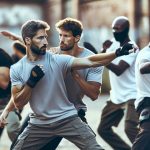

When it comes to the safety and empowerment of our children, teaching them self-defense can be invaluable. Krav Maga, a practical martial art designed for real-world situations, is gaining popularity among young fighters. Not only does it build physical fitness and discipline, but it also equips kids with essential skills to handle conflicts and avoid dangerous situations. Parents often wonder about the safety and appropriateness of teaching their children such techniques. The truth is, with the right guidance, Krav Maga can foster confidence and resilience while instilling important life lessons about respect and self-control. In this article, we will explore the benefits of Krav Maga for kids, what to expect in training, and how to ensure their safety as they learn to defend themselves. Understanding these points will help you make an informed decision about whether this martial art is a good fit for your child.
Understanding the Philosophy of Krav Maga for Kids
Krav Maga is not just a combat system; it’s a philosophy rooted in practical self-defense concepts that can tremendously benefit children. This approach cultivates awareness, confidence, and resilience, aligning perfectly with the developmental needs of young learners. The essence of Krav Maga lies in its focus on real-world scenarios, teaching children to assess threats accurately and respond proportionately without resorting to aggression. Understanding this philosophy is crucial for both instructors and parents, as it frames the training within a context of empowerment and safety.
At its core, the philosophy of Krav Maga emphasizes awareness and prevention. Children are taught to recognize potentially dangerous situations, promoting a sense of vigilance that can be instrumental in avoiding conflicts altogether. This proactive mindset helps to reduce fear and anxiety about safety, allowing children to engage confidently in social environments. Moreover, Krav Maga teaches students that physical confrontation is a last resort, aligning with the principles of de-escalation and proportional response. This understanding is vital in nurturing not just skilled practitioners but also responsible individuals who respect the legal and moral implications of their actions.
Another integral aspect of Krav Maga’s philosophy for kids is the emphasis on adaptability. Training involves a variety of scenarios that require quick thinking and flexibility, allowing children to develop problem-solving skills in high-pressure situations. Instructors typically create a controlled environment where kids can practice techniques safely and learn the limits of their own abilities. By experiencing challenges in practice, young learners gain a clearer understanding of their strengths and weaknesses, fostering self-improvement and resilience.
By incorporating these principles, Krav Maga training lays the groundwork for a comprehensive approach to personal safety and self-defense. It prepares children not only to handle physical threats but also to navigate life’s challenges with confidence, discipline, and respect for others. The philosophy of Krav Maga serves as a robust framework that empowers young learners to thrive both on and off the mat.
Benefits of Krav Maga Training for Young Learners
Krav Maga training for young learners offers a multifaceted approach to personal development and safety that goes far beyond physical self-defense. Engaging in this martial art not only empowers children to defend themselves, but also equips them with essential life skills that can significantly enhance their overall well-being. From building physical fitness to improving mental resilience, the benefits are profound and far-reaching.
One of the primary advantages of Krav Maga for kids is the improvement in physical fitness. The training involves cardiovascular exercises, strength building, and agility drills, which can help children develop a healthier lifestyle and maintain physical wellness. As they progress, they gain better coordination and body awareness, which are crucial for overall development. Moreover, this physical engagement can lead to greater self-esteem and confidence, particularly as children notice improvements in their abilities and skills.
In addition to the physical benefits, Krav Maga fosters mental toughness and discipline. Children learn to face challenges head-on, practicing techniques that require focus and determination. This environment nurtures a mindset that views obstacles as opportunities for growth, instilling a sense of resilience that can translate into other areas of life, such as academics and social interactions. By emphasizing the importance of self-control and respect for others, Krav Maga helps children understand the ethical implications of self-defense, teaching them that physical confrontation is a last resort and should be approached with responsibility.
Krav Maga training also emphasizes situational awareness and de-escalation techniques, essential tools in today’s world. Through scenario-based training, kids become adept at recognizing potential threats and responding appropriately without resorting to violence. This empowers them to make sound decisions in high-pressure situations, enhancing their ability to navigate various social settings safely and responsibly. Ultimately, the skills learned through Krav Maga do not merely prepare children for confrontation; they create a foundation for thoughtful and precise responses to life’s challenges.
In summary, Krav Maga provides young learners with a comprehensive skill set that promotes physical health, mental resilience, and ethical self-defense practices. As children navigate their formative years, these benefits contribute to their growth as confident, capable individuals prepared to face the world around them.
Safety Considerations When Teaching Kids Krav Maga
Teaching kids Krav Maga demands a careful approach to ensure their safety and well-being. As an instructor, understanding the unique considerations for young learners is crucial in fostering a positive learning environment while instilling effective self-defense skills. By emphasizing safety protocols and ethical practices, instructors can guide children through their training journey with confidence and care.
First and foremost, it’s essential to prioritize supervision at all times during training sessions. Qualified instructors should monitor all activities closely, providing guidance on technique execution and enforcing safety rules to prevent injuries. This includes ensuring a proper warm-up routine to prepare their bodies, a critical step in reducing the likelihood of strains or sprains. Additionally, instructors should establish a culture of respect and responsibility, where students are encouraged to support one another and understand the seriousness of their training.
Next, age-appropriate training methods must be integrated into the curriculum. Children should learn techniques suited for their developmental stage, both physically and mentally. For example, simpler techniques focusing on body awareness and basic defensive moves can be effective for younger children, while older students may engage in more complex scenarios. An emphasis on de-escalation techniques and situational awareness is vital-kids should be taught to avoid conflict and recognize when to seek help rather than relying solely on physical confrontations.
A thorough understanding of the legal implications surrounding self-defense actions is equally important. Children should be educated about the limits of reasonable force and the moral responsibilities that accompany self-defense. Discussing real-life scenarios helps them comprehend when it is appropriate to apply the techniques they learn, fostering not just physical skills but also critical thinking skills. Instructors should also ensure that parents are involved in understanding these concepts, equipping them to reinforce these lessons at home.
In conclusion, a responsible approach to teaching Krav Maga to kids involves a blend of rigorous safety measures, age-appropriate curricula, and ethical discussions about self-defense. By cultivating an environment that values these aspects, instructors empower young fighters to gain confidence and skills without glorifying violence, preparing them both physically and mentally for the challenges they may face.
Age-Appropriate Krav Maga Techniques for Children
Children excel when they are taught age-appropriate techniques that align with their physical and cognitive development. In the context of Krav Maga, this means introducing fundamental concepts that empower young learners without overwhelming them. Start with basic self-defense movements that are easy to understand and execute, such as escaping holds, basic striking techniques, and proper stance adaptations. By focusing on simplicity, children can build a foundation that fosters both confidence and skill.
Essential Techniques for Young Learners
- Escaping Grabs: Teaching children how to break free from wrist grabs using simple rotational motions can be highly effective. This not only builds muscle memory but also instills the importance of movement in self-defense.
- Basic Strikes: Initially, children should learn how to deliver simple strikes, like palm heels or front kicks. These strikes are less likely to cause unintended harm and are practical in various scenarios.
- Body Awareness: Exercises focusing on spatial awareness can help children understand their surroundings, a critical aspect of avoiding conflict. These drills might include recognizing safe escape routes and practicing proper distance management.
- Verbal De-escalation Techniques: It’s crucial to encourage kids to use their words to defuse a situation. Practicing assertive communication helps them articulate their feelings and intentions clearly.
Children also thrive on structured environments that reinforce their learning. Incorporating games that focus on these techniques can enhance engagement while maintaining a fun atmosphere. For instance, obstacle courses that require them to apply escapes and strikes can turn practice into an enjoyable challenge, ensuring that students remain excited about their training.
Gradual Advancement
As children progress, introduce more complex techniques aligned with their growing abilities. For instance, older or more advanced students can start learning about defensive tactics against different types of attacks or have controlled sparring sessions. Always ensure that practice sessions emphasize safety and respect, reinforcing that the goal of Krav Maga is to protect oneself while avoiding unnecessary confrontation.
In every technique taught, remember to balance empowerment with an understanding of the legal and moral responsibilities of self-defense. Discussions around the concept of reasonable force help kids comprehend the serious nature of their training. This comprehensive approach not only equips young fighters with the skills they need but also prepares them mentally for real-life scenarios.
Krav Maga vs. Other Martial Arts for Kids
Krav Maga stands out from other martial arts for kids, particularly in its focus on real-world self-defense, practical techniques, and a philosophy centered on personal safety. While many traditional martial arts emphasize forms, competition, and discipline, Krav Maga is designed to prepare students for genuine threat scenarios. This pragmatic approach is crucial for young learners, who benefit from skills that can be applied in real-life situations rather than theoretical combat.
Krav Maga’s training is straightforward and adaptable, making it accessible to children of various ages and skills. Unlike others that may require years of practice to master specific techniques, Krav Maga equips kids with fundamental self-defense methods they can use almost immediately. For example, children learn efficient escapes from common holds and how to defend against typical attacks without needing to commit years to achieve proficiency. This immediacy helps instill confidence and a sense of readiness in young practitioners.
In contrast to styles like Brazilian Jiu-Jitsu or Taekwondo, which often have competitive elements, Krav Maga prioritizes safety. The training emphasizes avoidance of confrontation and teaches de-escalation tactics as a primary response. While builds confidence through physical training, it also stresses that physical confrontation should be a last resort, framing self-defense as a means of protection rather than aggression.
Ultimately, the choice between Krav Maga and other martial arts hinges on a child’s needs and goals. If the objective is to cultivate a sense of security and learn practical self-defense skills quickly, Krav Maga may be the best fit. However, if a child is interested in traditional martial arts forms, sparring, and competition, styles like karate or judo might provide a more engaging long-term experience. It’s essential for parents to consider their child’s personality, interests, and the environment offered by local classes to ensure a positive learning experience.
Choosing the Right Krav Maga Class for Your Child
can be a significant decision that impacts their experience, safety, and development in self-defense. An informed choice begins with understanding the specific offerings of local programs, as these can vary greatly in focus, curriculum, and instructor qualifications. To ensure a positive learning environment, it’s essential to evaluate the following factors:
- Instructor Credentials: Look for instructors who are certified in Krav Maga and have experience teaching children. A solid background in both self-defense and youth training can make a huge difference in how effectively the class is taught.
- Class Structure: Classes should prioritize safety, incorporating techniques that emphasize avoidance and de-escalation over aggression. Ensure the program aligns with your child’s needs and emphasizes respect and discipline in a supportive atmosphere.
- Age Appropriateness: Different programs cater to various age groups with tailored teaching methods. Ensure the class content is suitable for your child’s age and maturity level, using techniques that are physically and emotionally appropriate.
- Class Size: Smaller class sizes often allow for more personalized attention from instructors, ensuring that each child receives the guidance they need to develop skills effectively and safely.
- Trial Classes: Many schools offer trial classes or introductory sessions. Participating in these can provide insight into the teaching style, class environment, and whether your child feels comfortable and engaged.
- Parent Reviews and Feedback: Seek out reviews from other parents whose children have attended the class. This feedback can help gauge the quality of instruction and the overall environment.
Ultimately, the best class for your child will resonate with their interests and needs, creating a positive and empowering experience that teaches practical self-defense skills while fostering personal growth. Remember that your involvement and encouragement play a crucial role in their journey, helping them build confidence and resilience as they learn. Regular conversations about their experiences in class will also deepen their appreciation for the skills they acquire and the importance of responsible self-defense.
Building Confidence and Resilience Through Krav Maga
Through Krav Maga training, children experience a transformative journey that significantly boosts their confidence and resilience. This martial art, known for its practical approach to self-defense, empowers youngsters to face challenges head-on, both on and off the mat. By learning to navigate stressful situations, kids develop a sense of self-assurance that translates into all areas of their lives, from academics to social interactions.
The core of Krav Maga training centers on real-life scenarios that teach children how to remain calm under pressure. They learn to assess threats quickly and respond appropriately, skills that are invaluable whether they encounter a bully at school or navigate unfamiliar environments. As they practice various techniques, kids gain a tangible sense of achievement when mastering each move. This enhanced self-esteem reinforces their belief in their own capabilities, fostering a growth mindset that encourages them to tackle new challenges with optimism and determination.
Krav Maga also emphasizes discipline and respect, which are vital components of building resilience. Instructors encourage children to respect their training partners and themselves, instilling a sense of responsibility for their actions. This respect not only nurtures a supportive community but also teaches kids the importance of ethical behavior and legal boundaries in self-defense situations. By understanding the weight of their training and the moral implications of physical confrontation, children learn to prioritize de-escalation whenever possible, paving the way for mature emotional responses in high-pressure situations.
In an environment that promotes safety and empowers young fighters, the consistent practice of Krav Maga fosters mental toughness. As children face and overcome various challenges during training, they cultivate resilience that empowers them to handle setbacks in their daily lives. This combination of confidence, discipline, and mental strength positions them to handle adversity with grace and composure, preparing them for a balanced and successful future.
The Role of Supervision in Kids’ Krav Maga Training
In the realm of kids’ Krav Maga training, the presence of a knowledgeable and vigilant supervisor is not just a luxury-it’s a necessity. The role of supervision extends beyond mere oversight; it encompasses the responsibility of ensuring a safe, respectful, and supportive training environment. For children embarking on their journey in self-defense, having effective supervision can significantly enhance their learning experience, instill confidence, and minimize risks associated with physical activities.
Children, especially when engaging in spirited activities like martial arts, can easily get carried away. A well-supervised class ensures that safety protocols are adhered to, preventing injuries that might occur during practice. Instructors need to closely monitor sparring sessions, ensuring that participants respect each other’s boundaries and practice techniques with the appropriate level of intensity. This type of supervision not only safeguards physical well-being but also reinforces the importance of ethical behavior and respect among peers. By regularly assessing the dynamics of the class, instructors can intervene promptly if any interactions veer towards aggression or bullying, maintaining a culture of respect that is vital in self-defense training.
Moreover, effective supervision includes facilitating age-appropriate training techniques and scenarios that align with children’s unique developmental stages. Younger students require different oversight compared to teens; thus, instructors must tailor their approaches accordingly. For instance, they may implement more foundational techniques and limit certain sparring practices for younger kids to ensure their safety and comprehension. By creating a structured environment where children can learn progressively, they build confidence while mastering skills at a suitable pace.
Instructors should also emphasize the moral implications of self-defense. Teachings about when it is appropriate to use force and the legal implications of such actions must be part of the curriculum. Strong guidance on these topics fosters responsible decision-making in real-life situations, allowing children to understand the gravity of self-defense rather than glorifying violence.
Proper supervision not only facilitates learning but also nurtures an emotional atmosphere where children feel safe to fail and succeed. When they know that trained professionals are watching and guiding them, kids are more likely to push their limits, try new techniques, and ultimately develop resilience. This nurturing environment cultivated by attentive instructors is where true learning happens, allowing young fighters to grow into confident, respectful individuals both on and off the mat.
Incorporating Self-Defense Concepts into Kid’s Training
Incorporating self-defense concepts into children’s training is crucial for fostering both practical skills and a responsible mindset. Teaching kids Krav Maga goes beyond physical techniques; it requires an understanding of when, why, and how to use these skills appropriately. Emphasis on situational awareness is essential. Kids should learn to identify potential threats in everyday environments, helping them avoid dangerous situations before they escalate. This proactive approach not only enhances their safety but also develops critical thinking skills.
Effective self-defense training must include discussions about de-escalation techniques. Children should understand that not every situation requires physical confrontation. Role-playing various scenarios can help kids practice ways to diffuse tension verbally or navigate away from conflict. For instance, using calming language, maintaining open body language, and recognizing the importance of escape routes are vital skills that can often prevent confrontations altogether.
Additionally, educators must patiently explain the legal implications of self-defense. Children need to recognize that while they are being trained to defend themselves, there are legal limits to the use of force. Instructors should clarify that self-defense should only be a last resort when they or someone else is in imminent danger. Incorporating discussions on legal rights, such as what constitutes self-defense versus aggression, helps instill a sense of responsibility and awareness as they navigate real-life situations.
Lastly, reinforcing the moral and ethical dimensions of self-defense aligns with teaching kids about respect, consent, and appropriate behavior. By engaging in discussions that highlight the weight of using their skills and the ramifications of their actions, children are empowered to stand up for themselves wisely and compassionately. This holistic approach ensures that young learners not only gain confidence in their physical abilities but also develop into respectful individuals who understand the serious nature of self-defense.
Parenting and Participation: How to Support Young Fighters
Supporting your child as they explore Krav Maga can be an enriching experience for both of you, providing valuable life skills that extend beyond the dojo. As parents, engaging in thoughtful discussions and demonstrating active interest can reinforce your child’s commitment to their training while fostering their growth in self-discipline, confidence, and situational awareness.
Start by being involved in the training process. Attend classes where possible, and communicate with instructors to understand the curriculum and training methods. This firsthand experience not only allows you to support your young fighter’s journey but also enables you to better relate to their experiences and challenges. Participate in conversations about what your child learns in class, reinforcing concepts like de-escalation and respect. Your involvement shows that you value their efforts and are invested in their personal development.
It’s also important to foster a dialogue around the ethical implications of self-defense. Help your child understand that learning Krav Maga is not solely about physical combat; it encompasses the responsibility of knowing when to defend oneself and when to seek peaceful resolutions. Emphasize principles such as respect, consent, and the moral weight of using force. Supporting them through these discussions will instill a sense of accountability and make them more reflective about their actions.
Setting realistic expectations is crucial. While Krav Maga provides effective self-defense techniques, mastery takes time and patience. Celebrate small victories, such as progressing through belt ranks or improving in technique, to keep motivation high. Encouragement at home can reinforce the persistence and resilience necessary for success. Additionally, ensure your child knows that setbacks are part of learning, and that it’s okay to ask for help or clarification during their training.
Lastly, promote a balanced approach to martial arts as part of a healthy lifestyle. Encourage regular practice at home, engaging in conditioning exercises or reviewing techniques together. However, keep the training balanced with other activities to support overall development-both physically and emotionally. This holistic support will help your child thrive not only as a martial artist but also as a well-rounded individual, prepared for the complexities of the world around them.
Real-Life Scenarios: Teaching Kids Situational Awareness
Teaching kids situational awareness is a critical component of Krav Maga training, which goes beyond mere physical techniques to instill a mindset of vigilance and caution. Situational awareness empowers children to recognize potential threats before they escalate, enabling them to make informed decisions about whether to engage, de-escalate, or escape a situation. This proactive approach can be crucial in various environments, from school playgrounds to community events.
To effectively teach situational awareness, instructors should incorporate engaging and realistic scenarios during training sessions. For instance, role-playing can help children practice identifying suspicious behavior or understanding how to navigate crowded spaces safely. Set up exercises where kids must evaluate their surroundings, perhaps by identifying exits in a room or recognizing individuals acting unusually. These practical activities enhance their ability to remain aware of changes in their environment, cultivating a safer mindset.
Moreover, it’s essential to emphasize the importance of communication. Encourage children to express their feelings about specific environments or interactions, fostering an open dialogue about their comfort levels. Parents should also play a critical role by discussing everyday experiences and prompting discussions about safety. Simple questions like, “What did you notice on your way to school today?” can engage children in assessing their surroundings critically.
While Krav Maga teaches effective physical techniques for self-defense, the foundation lies in preventing confrontations before they occur. Reinforcing the idea that avoiding conflict is often the best course of action builds both awareness and judgment in children. This balanced approach helps them to understand the legal and ethical dimensions of self-defense, ensuring they are not only prepared physically but also mentally to navigate the complexities of real-world scenarios.
Long-Term Impact of Krav Maga on Child Development
Research consistently highlights that engaging in martial arts like Krav Maga can contribute significantly to a child’s overall development. Over time, students experience improvements not only in their physical well-being but also in their mental and emotional resilience. This holistic benefit is not merely about learning self-defense techniques; it emphasizes nurturing well-rounded individuals equipped to face various life challenges.
One critical area of long-term impact is self-esteem. As children progress in their training, they often gain a strong sense of accomplishment. Achieving milestones-like learning new techniques or successfully practicing sparring-bolsters their confidence. This newfound self-belief typically extends beyond the dojo, influencing their interactions in academic settings and social situations. Parents can further support this development by encouraging children to share their training experiences at home, reinforcing the confidence they build during classes.
Moreover, Krav Maga instills essential life skills that are invaluable for personal growth. These include discipline, respect, and focus. The structured environment of a Krav Maga class teaches kids the importance of consistency and the effort required to improve. By adhering to a regimen, they learn to prioritize their commitments, a skill that translates to better performance in school and extracurricular activities. For example, students who practice regularly often find themselves managing their time more effectively, balancing homework, hobbies, and social life.
From a social perspective, participating in group classes fosters teamwork and communication skills. Children learn to work cooperatively with peers, developing an understanding of healthy interpersonal dynamics. This exposure can help them navigate social challenges, such as conflicts or misunderstandings, with greater empathy and assertiveness. In scenarios where peer pressures may arise, the ability to communicate effectively while maintaining self-control is crucial.
Lastly, it’s crucial to understand that this training emphasizes safety and conflict resolution philosophies. Instructors focus on teaching students to avoid confrontations whenever possible, emphasizing de-escalation techniques. This principle underlines a key societal responsibility: understanding when to intervene and when to step back. As children grapple with these concepts, they grow into conscientious individuals who appreciate the moral implications surrounding self-defense, preparing them for thoughtful decision-making in real-world situations.
Krav Maga, therefore, goes beyond the surface level of physical training. Its long-range benefits foster a generation of confident, disciplined, socially aware, and responsible individuals, ready to tackle life’s uncertainties with poise and integrity.
Frequently Asked Questions
Q: What age is appropriate for kids to start learning Krav Maga?
A: Kids can start learning Krav Maga as young as 4 years old at some schools. Many programs, such as Krav Junior by KMG, cater to children from 6 to 16 years, ensuring age-appropriate training and development of essential skills [1][2].
Q: Is Krav Maga safe for children?
A: Yes, Krav Maga can be safe for children when taught by qualified instructors. Safety protocols, proper supervision, and age-appropriate techniques are essential in minimizing risks while allowing kids to learn self-defense effectively [3].
Q: What are the benefits of Krav Maga for young fighters?
A: Krav Maga provides numerous benefits for kids, including improved physical fitness, enhanced self-confidence, better coordination, and awareness of surroundings. It also teaches discipline and respect, useful life skills that extend beyond training [2].
Q: How are Krav Maga classes structured for kids?
A: Krav Maga classes for kids are structured based on age groups to ensure appropriate training. Classes typically focus on basic self-defense skills, motor coordination, and situational awareness, with tailored techniques that match children’s developmental stages [1].
Q: Can Krav Maga help children with bullying?
A: Yes, learning Krav Maga can empower children against bullying by teaching them effective self-defense techniques and encouraging resilience and confidence. It helps kids understand how to handle confrontations safely and assertively [2].
Q: Are there any specific self-defense concepts kids learn in Krav Maga?
A: Kids learn various self-defense concepts in Krav Maga, including awareness, de-escalation tactics, and how to respond physically to threats proportionately. These lessons are integral in cultivating both fight and flight responses without promoting aggression [1].
Q: How do parents support their children in Krav Maga training?
A: Parents can support their children by encouraging participation, attending classes when possible, and engaging in discussions about what they learn. This involvement can help reinforce skills and values taught in training while boosting children’s motivation [3].
Q: What distinguishes Krav Maga from other martial arts for kids?
A: Unlike many traditional martial arts, Krav Maga is focused on real-world scenarios and practical self-defense techniques rather than forms or competitions. This makes it particularly effective for teaching children how to respond to potential threats [2].
Feel free to explore our article sections on the benefits and philosophy of Krav Maga for further insight!
Future Outlook
In conclusion, empowering children through Krav Maga offers them essential self-defense skills while promoting confidence and discipline. As a parent, ensuring your child’s safety is paramount, and providing them with practical tools to manage challenging situations can be invaluable. Don’t let fear hold them back-enroll your child in a Krav Maga class today, where they can learn vital skills in a safe and controlled environment.
If you’re interested in exploring more about martial arts, check out our articles on the benefits of martial arts for kids and tips for selecting the right self-defense class. Have questions or experiences to share? Leave a comment below-we love hearing from our community! Together, let’s continue to empower the next generation of fighters while fostering a culture of respect and safety.