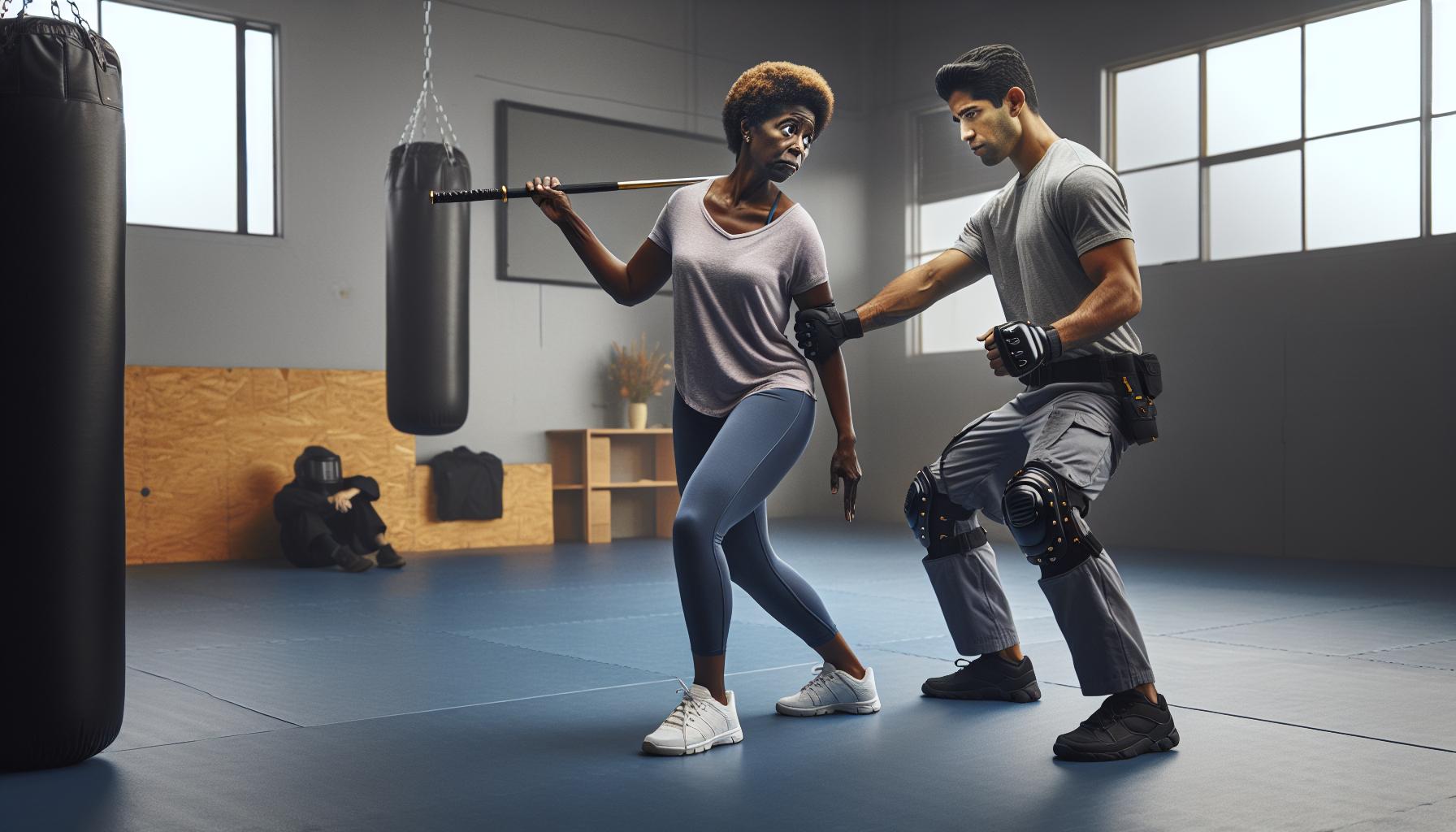
In today’s unpredictable world, understanding how to defend yourself effectively is crucial, especially when faced with potential threats. This article explores the use of a metal rod as an improvised weapon within Krav Maga, a martial art designed for real-life self-defense scenarios. You’ll discover techniques for utilizing everyday objects like metal rods safely and effectively while ensuring you remain within the bounds of the law. Self-defense is not just about physical prowess; it’s also about making ethical decisions in high-stress situations. As you continue reading, you’ll gain insights into the dynamics of confronting an attacker, the legal implications of using a weapon, and how to protect yourself while emphasizing de-escalation. Whether you’re a beginner or seasoned practitioner, this knowledge is vital for preparing to respond appropriately to threats.
Understanding Krav Maga: Fundamentals of Self-Defense
Krav Maga emphasizes practical self-defense techniques that are not only efficient but also adaptable to real-world situations. This combat system prepares individuals to respond effectively under pressure, prioritizing both personal safety and the legal ramifications of defensive actions. A fundamental principle of Krav Maga is the idea of using what’s available in one’s environment as a potential weapon. This approach often extends to improvised weapons, such as a metal rod, which can serve as a powerful tool for self-protection when used correctly.
Understanding the dynamics of self-defense utilizing a metal rod is crucial. Participants learn to effectively wield it to create space, deter aggressors, and even disarm attackers. Training in Krav Maga incorporates techniques that focus on maximizing the rod’s potential while minimizing the risk of escalation. The art emphasizes quick, decisive actions and situational awareness, encouraging practitioners to analyze their surroundings to identify possible threats and opportunities for escape.
Legal considerations are paramount when it comes to using any weapon, including a metal rod. It’s essential for practitioners to be aware not only of self-defense laws in their jurisdiction but also of the consequences of using force. Krav Maga teaches responsible use, urging practitioners to prioritize de-escalation strategies before resorting to physical confrontation. This not only safeguards personal well-being but also protects against legal repercussions.
Ultimately, mastering the fundamentals of Krav Maga equips individuals with the knowledge and skills to handle threats responsibly. By focusing on both physical techniques and the mental aspects of self-defense, practitioners develop the confidence necessary to respond appropriately while understanding the ethical implications of their actions.
The Role of Improvised Weapons in Self-Defense
In self-defense situations, the effectiveness of improvised weapons, such as a metal rod, cannot be overstated. These tools often exist in our environment, making them easily accessible and versatile for personal protection. The principles of Krav Maga emphasize utilizing what is at hand to create a defensive advantage, enabling individuals to respond proactively to threats with minimal preparation. Training with improvised weapons helps practitioners develop the skills necessary to adapt quickly in unpredictable scenarios, allowing them to turn everyday objects into potential life-saving tools.
When incorporating a metal rod as an improvised weapon, it’s critical to focus on several key aspects:
- Control and Technique: Proper techniques are essential. Practitioners learn to wield the rod not just as a means of striking but also as a tool for blocking, parrying, and creating distance from an aggressor.
- Situational Awareness: Understanding your environment is vital. Before engaging, assess the space for exits and obstacles, ensuring you maximize your escape options.
- De-escalation: A primary focus in Krav Maga is to avoid confrontation if possible. Use your improvised weapon only when absolutely necessary, attempting to de-escalate the situation verbally or through body language before resorting to force.
Practicing with a metal rod involves drills that simulate real-life scenarios, enhancing muscle memory and confidence. The focus is on quick, decisive movements that prioritize personal safety. Consider a training scenario where an aggressor approaches aggressively; a well-timed maneuver might involve using the rod to create space while simultaneously aiming to disarm or redirect the attack, further emphasizing the importance of strategic thought over brute force.
Moreover, understanding the legal implications of using a metal rod in self-defense is paramount. Laws governing the use of force can vary widely by location, so it is crucial to be well-versed in local regulations. This knowledge not only equips practitioners to make informed choices in high-pressure situations but also protects them from potential legal repercussions. In essence, the ability to effectively utilize improvised weapons like a metal rod in Krav Maga training provides not only physical skills but also the mental clarity and legal understanding necessary for responsible self-defense.
Safety First: Legal Considerations in Using a Metal Rod
In any self-defense situation involving an improvised weapon like a metal rod, understanding the legal ramifications is paramount. The laws surrounding the use of force can vary significantly not only from state to state but also across different countries. It is essential for practitioners of Krav Maga to comprehend these legalities to navigate potentially perilous situations without incurring legal repercussions.
Self-defense laws generally stipulate that the use of force must be proportional and necessary. This means that if you find yourself threatened, you need to assess whether the response with a metal rod is reasonable under the circumstances. If confronted with an aggressor who is unarmed or poses no immediate threat to your safety, resorting to a weapon may not only be viewed as excessive force, but could also lead to legal consequences. Always prioritize de-escalation strategies and attempt to disengage from the situation whenever possible.
Understanding Self-Defense Laws
It’s crucial to familiarize yourself with your local jurisdiction’s stance on self-defense. In many places, self-defense laws allow the use of reasonable force to protect oneself, but the definition of “reasonable” can be subjective. To protect yourself legally:
- Document the Incident: Always try to gather evidence if an altercation occurs, including photographs of the scene, witness statements, and anything that can substantiate your claims.
- Understand Duty to Retreat: Some jurisdictions require individuals to retreat from a conflict if it is safe to do so before resorting to force.
- Educate Yourself on the Castle Doctrine: In some areas, individuals are allowed to use force to defend their home without the duty to retreat, but this does not always extend to public spaces.
Additionally, practicing with a metal rod for self-defense should always be paired with thorough legal education. Engaging in role-playing drills that simulate real-life scenarios where the legal limits of self-defense are tested can be invaluable. These exercises can enhance not only physical response but also mental preparedness for legal questioning post-incident.
To summarize, the cornerstone of using a metal rod in a self-defense scenario within Krav Maga principles lies in being prepared both physically and legally. Remaining within the boundaries of the law while successfully defending oneself requires informed decision-making grounded in a solid understanding of self-defense rights and responsibilities.
Effective Techniques for Using a Metal Rod
In self-defense scenarios, a metal rod can serve as an effective improvised weapon, but its utility hinges on marrying technique with intent. Knowledge of fundamental techniques empowers individuals to maximize the rod’s potential while adhering to safety principles. Mastery of these techniques not only enhances physical defense capabilities but also reinforces the importance of proportional response and legal considerations.
One fundamental approach is the forward thrust. By gripping the rod in both hands and thrusting it toward an assailant’s midsection or face, you create distance and potentially incapacitate them, depending on the scenario. This technique plays on the element of surprise and quick disengagement rather than seeking to cause severe harm. Focus on maintaining a sturdy stance to enhance power and control during the thrust.
Another critical technique involves the swing or strike. Consider using the rod like a baseball bat-this entails winding up and executing
Comparing Krav Maga with Other Martial Arts
Krav Maga stands out among martial arts for its focus on real-world self-defense and practical techniques. Unlike traditional martial arts that may emphasize forms and competitions, Krav Maga is rooted in situations that individuals may actually face. When comparing it to other martial arts such as Brazilian Jiu-Jitsu (BJJ) or Muay Thai, it’s essential to recognize how Krav Maga’s strategies can effectively incorporate improvised weapons, like a metal rod, into its self-defense curriculum.
In BJJ, the emphasis is on grappling and submissions; practitioners learn to control opponents primarily through techniques that involve body leverage. While these can be incredibly effective for hand-to-hand combat, BJJ does not typically address the use of weapons or the integration of improvised items. On the other hand, Krav Maga teaches individuals to utilize their surroundings effectively, turning everyday objects into defensive tools. This includes not only metal rods but also chairs, belts, or even the ground itself, promoting an adaptive mentality in dangerous situations.
Similarly, while Muay Thai excels in striking and clinch techniques, it doesn’t engage in weapon training like Krav Maga. For instance, a Muay Thai fighter may be extremely adept at using fists, elbows, knees, and shins to defend themselves. However, when faced with the opportunity to use an object such as a metal rod, a Krav Maga practitioner is trained to maintain a flexible and intuitive approach, incorporating such items seamlessly into their defense strategy. This adaptability can be critical in high-stress environments where the advantage of a weapon can deter or incapacitate an attacker.
Ultimately, Krav Maga’s pragmatic emphasis on using improvised weapons not only enhances a practitioner’s capability to defend themselves but also places a premium on the legal and ethical implications of using such force. The ability to execute techniques that are both effective and proportionate is a core principle that distinguishes Krav Maga from other martial arts. The training prepares individuals not only for the physical confrontation but also instills a strong understanding of the moral responsibilities that come with using such tools in self-defense scenarios.
Situational Awareness: Assessing Threats and Using Weapons
In self-defense, situational awareness is often the first line of defense. Understanding your environment and recognizing potential threats can mean the difference between safety and danger. A metal rod-or any object that can be used as an improvised weapon-should not just be viewed as a defensive tool; its application rests heavily on your awareness and judgment of the situation. Practitioners of Krav Maga are trained to maintain vigilance and to assess threats actively, utilizing their surroundings effectively.
To improve your situational awareness, focus on the following strategies:
- Assess Your Environment: Always take stock of your surroundings. Identify exits, potential hazards, and objects that could help or hinder your escape or defense.
- Recognize Signs of Danger: Understand the physiological signs of an impending confrontation, such as aggressive body language or an individual’s unusual behaviors. If something feels off, it often is.
- Practice Observation: Engage in mental exercises, such as recalling details about strangers in a public space or noting exit routes, to hone your observational skills.
- Act on Gut Feelings: Trust your instincts. If you perceive a threat, evaluate your options to disengage or defend appropriately.
When you identify a threat, determining whether to use a metal rod for self-defense involves an ethical and legal analysis. Many jurisdictions permit the use of reasonable force in self-defense, but this force must be proportional to the threat you face. For instance, if an aggressor poses an immediate risk to your safety, using a metal rod may be justified; however, using excessive force could lead to serious legal consequences. Always consider de-escalation tactics first-verbal communication or creating distance can often diffuse a potentially violent situation.
In the moment, if it becomes necessary to utilize an improvised weapon such as a metal rod, be aware that your chosen tool can quickly escalate the confrontation. Approach your defensive actions with caution, aiming to incapacitate or deter the aggressor rather than inflict permanent harm. This balance is crucial not only for your legal protection but also to maintain a moral high ground in self-defense situations.
Training Essentials: Practicing with Improvised Weapons
Practicing with improvised weapons, particularly in the context of Krav Maga, requires not just skill, but a deep understanding of the implications of their use. When training with a metal rod or similar object, focus on developing techniques that emphasize efficiency and control rather than aggression. While the physical aspects of handling such a weapon are essential, the mental framework surrounding their use is equally important.
Begin training by familiarizing yourself with the basic characteristics of your chosen improvised weapon. A metal rod is rigid and can deliver powerful strikes or serve as a barrier against attacks. Practice various grips and stances to determine which positions provide you with optimal control and leverage. For instance, holding the rod near its center can help maintain balance and facilitate swift movements, allowing you to redirect an opponent’s force effectively.
Incorporating scenario-based drills is vital. Create simulations that allow you to practice how to assess threats and decide whether to deploy the rod defensively or offensively. This not only builds muscle memory for the physical actions, such as swinging or thrusting the rod but also reinforces the cognitive decisions involved in real-world confrontations. Use varied training environments to mimic street conditions; this adaptability can be crucial when defending yourself.
Always keep in mind the legal and ethical dimensions of using improvised weapons. Before you engage in any practical training, ensure that you are well-versed in your local laws regarding self-defense. Aim to prioritize de-escalation, using the rod as a deterrent or a shield rather than as a tool for violence. An effective practice combines mental preparedness with physical skills, fostering a balanced approach to self-defense that respects both legal boundaries and personal safety.
Real-Life Scenarios: When to Use a Metal Rod
In the unpredictable world of self-defense, having the right mindset about when to deploy a metal rod can be crucial. Understanding the context in which you might use this improvised weapon not only prepares you physically but also mentally and legally. Importantly, the metal rod should primarily be viewed as a tool for deterrence rather than aggression. The goal is to create space between yourself and an aggressor, allowing you to escape the situation safely.
Consider a scenario where you find yourself in a dimly lit parking lot, and you perceive a potential threat approaching you. Instead of instinctively swinging the metal rod, assess the situation. Could you use the rod to create distance? A strong stance with the rod can serve as a barrier while providing an intimidating presence, potentially de-escalating the situation. Remember that the legal repercussions of using a weapon, even in self-defense, can be severe-it’s crucial to act within the bounds of the law.
In practice, real-life scenarios often require quick critical thinking. If approached aggressively, determine if you need to strike or if blocking the attack creates an opportunity to escape. For instance, thrusting the rod out at an assailant can redirect their momentum away from you while protecting yourself. Training in Krav Maga with a focus on real-life applications teaches you how to read these dynamics instinctively.
When evaluating situations, keep in mind key factors such as the environment, the aggressor’s behavior, and your own ability to de-escalate. Using the metal rod effectively means understanding how to employ it not just as a weapon, but as a psychological tool to avoid conflict. Through proper training, mental preparation, and an emphasis on legal and ethical implications, you can empower yourself to handle confrontations with confidence and prudence, respecting both your safety and the law.
De-escalation Strategies Before Resorting to Force
In any self-defense scenario, the most effective approach often begins with de-escalation rather than confrontation. Before resorting to using a metal rod or any improvised weapon, it’s crucial to adopt strategies that can defuse a potentially dangerous situation while preserving your safety. A calm demeanor and assertive communication can often dissuade aggressors more effectively than physical force.
The following strategies can be integral in de-escalating a confrontation:
- Maintain Distance: Always try to keep a safe distance between you and the potential aggressor. This distance acts as a buffer zone, providing you with the time needed to assess their intentions and respond appropriately.
- Use Body Language: Your body language should convey confidence and assertiveness without hostility. Stand tall, keep your hands visible and relaxed, and avoid aggressive postures that might escalate the confrontation.
- Engage Verbally: Calmly speaking to the aggressor can diffuse tension. Use clear, non-confrontational language to express your desire for peace. Phrases like “I don’t want any trouble” or “Let’s just walk away” can signal that you’re not a threat.
- Acknowledge Emotions: Often, conflicts arise due to misunderstandings or emotional turmoil. Acknowledging the aggressor’s feelings-without validating aggressive behavior-can sometimes help in lowering the hostility of the interaction.
- Look for an Escape Route: Always be aware of your surroundings and identify potential exits. If an altercation seems to escalate, quickly having a plan to leave the situation is often the safest course of action.
If the situation becomes unavoidable and you must employ your weapon, remember that the metal rod should still be considered a means of creating space rather than a tool for aggression. Use it to maintain distance or create a barrier rather than to strike unless absolutely necessary. Legal implications may follow any use of force, and understanding the context and your rights within your state can make a significant difference in the aftermath of an encounter.
In all cases, remember that safety is paramount. Each interaction is unique, and the best outcomes stem from a blend of awareness, presence of mind, and a commitment to resolving conflict without violence whenever possible. Training in Krav Maga not only fortifies your physical skills but also enhances your ability to assess situations rapidly and act accordingly, emphasizing the importance of de-escalation as a pivotal first step.
Mental Preparedness for Self-Defense Situations
In high-stress self-defense situations, mental preparedness can be just as crucial as physical training. The ability to stay calm, focused, and decisive is essential for effectively responding to threats, especially when considering the use of an improvised weapon like a metal rod. With the understanding that fear and adrenaline can cloud judgment, preparing your mind involves not only techniques but also a sound strategy for managing both emotional and cognitive responses in a crisis.
A fundamental aspect of mental preparedness is visualization. Regularly picturing yourself in various confrontational scenarios, from a verbal altercation to the introduction of a weapon, helps create a mental blueprint you can rely on when real situations arise. This practice can lower anxiety and boost confidence. In your visualization exercises, incorporate how you would employ the metal rod-recognizing that it should primarily serve to keep distance between you and the aggressor. Focus on strategies
Maintenance and Care for Your Metal Rod Weapon
Incorporating a metal rod into your self-defense strategy necessitates diligent maintenance and care to ensure reliability during critical moments. Proper upkeep not only prolongs the lifespan of your weapon but also ensures its effectiveness when needed most. Start by inspecting your rod regularly for any signs of wear, damage, or rust, especially if it’s frequently exposed to the elements. A well-maintained weapon signals preparedness and responsibility, aligning with the ethical principles of self-defense.
Cleaning and Storage
Cleaning your metal rod is crucial to prevent corrosion and keep it in optimal condition. Use a soft cloth to wipe it down after each use, removing sweat, dirt, or debris. For deeper cleaning, consider using a gentle soap solution or specialized metal cleaner, ensuring you follow the manufacturer’s guidelines. After cleaning, dry the rod thoroughly, as moisture can lead to rust formation.
When it comes to storage, choose a cool, dry location away from direct sunlight. A padded case can help protect it from physical damage and unauthorized access. If you’re using your rod primarily for training, designate a separate training rod to reduce wear on your self-defense weapon.
Regular Inspections
Conduct regular inspections of your metal rod as part of your self-defense routine. Look for:
- Dents or Bends: Inspect for any deformities that could affect balance and effectiveness.
- Surface Integrity: Check for scratches or corrosion that might compromise the rod’s durability.
- Grip Condition: If your rod has a grip, ensure it is secure and not overly worn, as a stable grip is essential during use.
If you notice any issues during inspections, address them immediately. Consider seeking professional assistance if the damage is beyond simple repairs or maintenance.
By understanding the importance of maintaining your metal rod, you empower yourself to act decisively and responsibly in self-defense situations. The goal is not just to possess a weapon but to engage with it intelligently, always prioritizing safety and legal considerations in its use.
Ethics of Self-Defense: Understanding Proportional Force
In self-defense, understanding the principle of proportional force is critical. It ensures that the response to an attack is not only effective but also legally defensible. This concept emphasizes that the level of force used in defense must be appropriate to the threat faced. For instance, while using a metal rod may be justified in defending against a serious threat, it’s essential to gauge the situation accurately. A defensive action taken must align with the severity of the threat; using excessive force can lead to legal consequences and may escalate violence unnecessarily.
One effective way to frame this principle is through the use of a hypothetical scenario. Imagine walking alone at night when approached aggressively by an individual. If the aggressor brandishes a stick, employing your metal rod to defend yourself might be warranted. However, if the situation allows for it, attempting to de-escalate the encounter or retreating should be considered first. Utilizing your rod to simply fend off an attack is different from using it to inflict harm or retaliate. Understanding this distinction is vital not just for your safety, but for your legal protection afterward.
Furthermore, different jurisdictions have specific laws regarding self-defense, and these often define what constitutes reasonable and proportional force. For example, in some areas, the law may require you to attempt to retreat rather than engage, unless you face an immediate life-threatening situation. Therefore, it’s essential to familiarize yourself with local laws and regulations before making a decision to use an improvised weapon like a metal rod.
Ultimately, the ethics of self-defense hinge on a balanced approach: preparation against potential threats paired with a commitment to minimizing harm. Empowering yourself with self-defense techniques, such as Krav Maga, should complement a mindset focused on safety, where the goal is not to escalate violence but to protect oneself effectively and responsibly. Prioritize de-escalation and smart decision-making to navigate the complexities of self-defense without overstepping ethical or legal boundaries.
Frequently asked questions
Q: Can I use a metal rod as an improvised weapon in Krav Maga?
A: Yes, a metal rod can be used as an improvised weapon in Krav Maga. It is essential to train specifically for handling such objects to ensure effective techniques are employed while maintaining safety and awareness of legal implications. For more on safety considerations, see the Safety First section.
Q: What are effective techniques for using a metal rod in self-defense?
A: Effective techniques include striking, thrusting, and blocking with the metal rod. Practicing these moves provides confidence and proficiency in various self-defense scenarios. Training with experienced instructors is crucial for mastering these techniques safely.
Q: What safety precautions should I take when using a metal rod in Krav Maga?
A: Always ensure you are aware of your surroundings and the legal implications of using an improvised weapon. Practice in a controlled environment and wear protective gear. Refer to the Safety First section for specific legal guidance in your area.
Q: How do I determine when to use a metal rod for self-defense?
A: Consider using a metal rod if you face an imminent threat that cannot be de-escalated. Prioritize situational awareness-if no other options are available, then employ this weapon responsibly and with the intent to disable rather than cause unnecessary harm.
Q: How does the use of a metal rod in Krav Maga compare to other martial arts?
A: Unlike many traditional martial arts, Krav Maga emphasizes practical self-defense, including the use of improvised weapons like metal rods. It focuses on real-life scenarios and effectiveness, which may differ from the techniques taught in other disciplines. Compare insights with the Comparing Krav Maga with Other Martial Arts section for more details.
Q: What training essentials should I focus on for using a metal rod in Krav Maga?
A: Focus on strength, coordination, and technique through drills that simulate real-world scenarios. Regular practice and learning proper grips, strikes, and defensive moves are vital for effectiveness and safety during encounters. Refer to the Training Essentials section for additional strategies.
Q: Can I legally carry a metal rod for self-defense?
A: Legality varies by location. Research local laws regarding the possession and use of metal rods as self-defense weapons. Understanding your rights helps ensure you use them appropriately without legal repercussions. For more detailed guidelines, consult the Legal Considerations in Using a Metal Rod section.
Q: What is the mental preparation needed for using a metal rod in a self-defense situation?
A: Mental preparedness involves assessing threats, knowing when to act, and understanding the ethical implications of using force. Practicing visualization techniques may help enhance confidence and decision-making during high-stress situations. Read the Mental Preparedness for Self-Defense Situations section for more tips.
Final Thoughts
In exploring the use of a metal rod within Krav Maga, we’ve highlighted essential techniques that can bolster your self-defense strategy while underscoring the importance of understanding legal and ethical implications. Remember, effective self-defense is not just about the ability to act, but about knowing when to act, ensuring that your response remains proportional and legally justified. Before you head out to practice, consider delving deeper into related topics. Check out our guides on self-defense legalities or compare Krav Maga with other martial arts to broaden your understanding of effective techniques.
Don’t miss out on essential updates-sign up for our newsletter to receive the latest insights in self-defense training and techniques. You can also explore our comprehensive course offerings to further enhance your skills. Have questions or experiences to share? Join the conversation in the comments below; your thoughts are invaluable to our community. Take control of your personal safety today and empower yourself with knowledge as you navigate the world of self-defense!