
In an era where law enforcement faces increasingly volatile confrontations, the question arises: can police effectively utilize Krav Maga? This martial art, known for its practicality and efficiency in self-defense, equips officers with essential skills for real-world situations, while balancing legal and ethical considerations. Understanding how Krav Maga fits into police training is crucial for both community safety and officer preparedness. By delving into this topic, we’ll explore the effectiveness of Krav Maga in high-pressure scenarios, its alignment with use-of-force policies, and the broader implications for law enforcement practices. Stay with us as we navigate the intersection of martial arts and policing, offering insights that empower both officers and the public to engage with these critical issues responsibly.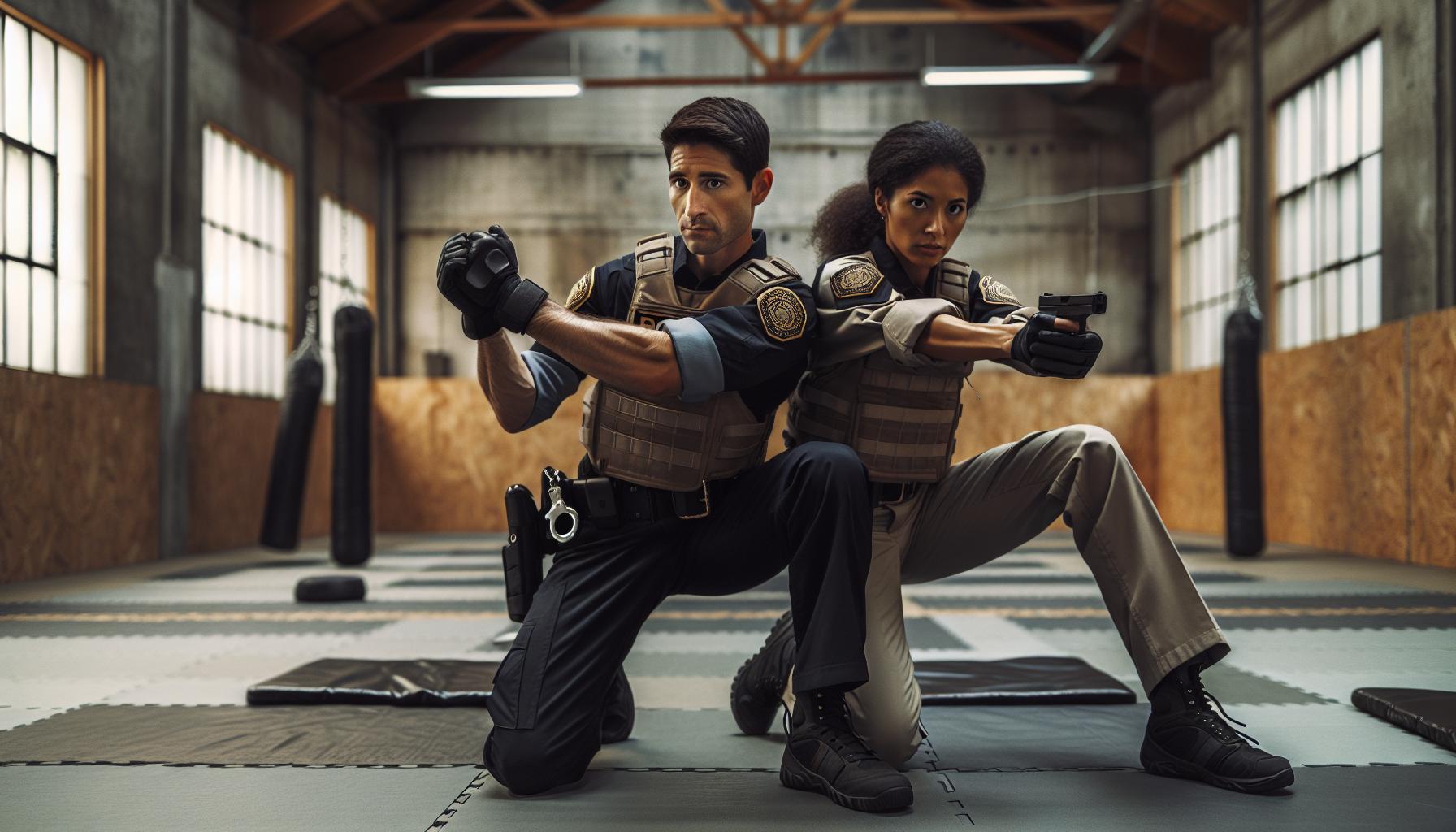
The History and Principles of Krav Maga in Law Enforcement
The origins of Krav Maga as a self-defense system can be traced back to the 1930s in Czechoslovakia, evolving into a practical approach developed by Imi Lichtenfeld. Initially designed to train military personnel, Krav Maga emphasizes real-world applications and efficient responses to threats. Its integration into law enforcement came as police agencies recognized the need for effective techniques that prioritize control over lethal force. This approach aligns with the significant ethical and legal obligations facing law enforcement officers today.
One of the foundational principles of Krav Maga in law enforcement is the focus on de-escalation and proportional response. Rather than escalating confrontations, officers are trained to assess situations and apply only the necessary level of force. This is particularly crucial in an environment where excessive force can lead to legal repercussions and community mistrust. Krav Maga instills the importance of maintaining authority while minimizing harm, training officers to manage conflict through both verbal tactics and physical maneuvers.
Moreover, the effectiveness of Krav Maga techniques has been proven in multiple scenarios encountered by law enforcement. The training enables officers to handle a variety of situations, from unarmed confrontations to armed threats, while maintaining their safety and that of civilians. The adaptability of Krav Maga means officers can tailor techniques to suit the circumstances, ensuring that responses are appropriate to the threats they face. This adaptability is vital in dynamic environments where quick decision-making can mean the difference between control and chaos.
Embedding Krav Maga within police training not only enhances officers’ physical capabilities but also reinforces a psychological framework that encourages responsible engagement with the community. As police departments worldwide look to improve their engagement strategies, the inclusion of Krav Maga serves as a promising method to enhance both safety and accountability in policing practices. By empowering officers with effective self-defense skills and a strong ethical foundation, Krav Maga represents a significant advancement in law enforcement training.
Effectiveness of Krav Maga Techniques for Police
In the high-stakes environment of law enforcement, the need for effective self-defense techniques is paramount, and Krav Maga stands out as a system designed for real-world applications. This martial art integrates principles of efficiency, adaptability, and control, enabling officers to respond effectively even in chaotic situations. The key strengths of Krav Maga lie not only in its combat techniques but also in its emphasis on safety, legality, and responsible use of force.
Krav Maga equips police officers with a variety of techniques suited for diverse scenarios. Whether confronting unarmed suspects or dealing with armed individuals, officers trained in Krav Maga can utilize a mix of striking, grappling, and disarming moves tailored to the circumstances. This adaptability is fundamental, as it allows officers to make quick decisions that align with the legal frameworks governing use of force. Moreover, the training focuses on situational awareness and de-escalation strategies, enabling officers to prevent violence before it escalates. By prioritizing conflict resolution through verbal and physical means, officers can maintain community trust and minimize the risks associated with unnecessary confrontations.
One of the critical aspects of Krav Maga’s effectiveness is its alignment with the ethical obligations of law enforcement. Officers are trained to assess interactions carefully and respond with proportionality. For instance, when faced with a non-compliant individual, the focus is on using the least amount of force necessary to gain control of the situation, thereby reducing the likelihood of injury to all parties involved. This principle not only reflects a commitment to community safety but also helps officers navigate the legal repercussions of their actions, ensuring they operate within the bounds of the law.
Effective training in Krav Maga also incorporates safety protocols and realistic scenarios that officers may encounter in the field. This includes drills that simulate real-life confrontations, providing officers with hands-on experience in a controlled environment. By honing their skills through extensive practice, officers can develop the confidence and competence needed to respond appropriately during tense encounters. The realistic components of Krav Maga training ultimately lead to improved outcomes not just for officers but also for the communities they serve.
In summary, the effectiveness of Krav Maga techniques in law enforcement is a result of their adaptability, ethical foundations, and emphasis on de-escalation. As departments continue to seek effective ways to prepare officers for the challenges they face daily, Krav Maga offers a comprehensive solution that promotes safety, accountability, and effective policing practices.
Legal and Ethical Considerations for Police Use of Force
In the realm of law enforcement, the use of physical force is governed by a complex interplay of legal standards and ethical considerations. Officers must navigate these waters with care, ensuring that any application of force-including techniques learned in Krav Maga-strikes a balance between personal safety and the rights of individuals. The legal framework often requires law enforcement officials to adhere to the principle of proportionality, which dictates that the level of force used must correspond directly to the threat faced.
When discussing the legalities surrounding the use of force, it is essential to understand the notion of “reasonable force.” Officers are trained to respond to threats using a level of force that is deemed appropriate for the situation. This necessitates quick judgment, particularly in high-stress environments where split-second decisions can have lasting consequences. For instance, if confronted by a non-compliant individual, an officer’s response should aim to control the suspect while minimizing the risk of injury. This principle fosters safer outcomes for both officers and civilians alike.
The ethical dimensions of Krav Maga in law enforcement are equally critical. Techniques should never be applied with the intent to punish or intimidate. Instead, officers are educated to focus on de-escalation and conflict resolution techniques that prioritize preserving life and preventing harm. Training in Krav Maga includes scenarios that emphasize de-escalation strategies, empowering officers to utilize communication and negotiation skills effectively in addition to physical techniques.
Moreover, each state has specific legal guidelines that dictate the acceptable use of force by police officers. These laws can vary significantly, impacting how officers apply techniques learned in Krav Maga. For example, what might be considered appropriate force in one state could be unacceptable in another. As such, it is imperative that law enforcement personnel remain informed about their state’s guidelines to ensure compliance and accountability.
In conclusion, the integration of Krav Maga into law enforcement training presents a unique set of challenges and responsibilities. Officers are called not only to master effective self-defense techniques but also to embody the ethical standards and legal obligations inherent in their role. By equipping themselves with a thorough understanding of these factors, law enforcement professionals can navigate the complexities of use-of-force incidents with confidence, ultimately promoting safer interactions with the community they serve.
Krav Maga vs. Other Martial Arts in Law Enforcement
While many martial arts offer valuable techniques for self-defense and physical training, few are as directly applicable to law enforcement as Krav Maga. Developed for the Israel Defense Forces, this system focuses on real-world scenarios rather than traditional sport-based competition, making it a practical choice for police training. The emphasis on efficiency and effectiveness allows officers to neutralize threats swiftly while minimizing risk to themselves and civilians.
Krav Maga distinguishes itself from other martial arts, such as Brazilian Jiu-Jitsu (BJJ) and traditional karate, primarily through its approach to self-defense and confrontation. While BJJ focuses heavily on ground fighting and leverage to control an opponent, Krav Maga addresses multiple attackers, weapons defense, and high-stress environments. This adaptability is crucial for law enforcement officers who may face unpredictable and potentially violent situations. Key differences include:
- Functionality: Krav Maga emphasizes techniques that are directly relevant to potential real-life confrontations, while other martial arts might prioritize competition or forms.
- Integration of tools: Krav Maga training often incorporates weapon disarmament and defense against armed attacks, an area where other systems may place less focus.
- Psychological preparation: The training includes mental conditioning for dealing with high-pressure situations, which is critical for officers making split-second decisions.
Moreover, ethical considerations play a significant role in the application of Krav Maga within law enforcement. Techniques taught should prioritize de-escalation and minimizing harm, aligning with the legal framework governing police conduct. For example, Krav Maga offers skills to control suspects without resorting to excessive force-factors that are increasingly important in today’s scrutiny of police actions. Comparing its real-world application to other systems can help illuminate Krav Maga’s benefits for law enforcement officers aiming to protect and serve their communities effectively.
In integrating Krav Maga into police training programs, departments often recognize its unique strengths, including its tactical applications and simplicity, which allow for rapid learning and retention. The ability to adapt techniques based on the situation’s dynamics further sets Krav Maga apart from many traditional martial arts, showcasing its utility as a versatile tool for modern policing.
Real-World Scenarios: Applying Krav Maga in the Field
In the dynamic arena of law enforcement, the need for effective self-defense techniques is paramount, particularly in high-stress situations. Krav Maga, with its roots in military training, empowers officers by emphasizing practical responses to real-world threats. For instance, consider a scenario where an officer encounters a hostile individual with a knife. Traditional martial arts may center around displacement or grappling, but Krav Maga focuses on immediate disarmament techniques. An officer trained in Krav Maga would learn to divert the initial attack, create a safe distance, and swiftly disengage the weapon, all while staying aware of their surroundings and potential backup.
Krav Maga excels in scenarios involving multiple attackers, an unfortunate reality officers may face on the streets. In these situations, the training instills strategies for quickly identifying escape routes while assessing threats. The principle of “avoidance” is paramount-when the situation escalates, officers are trained not only to defend themselves but also to seek de-escalation wherever possible. The application of techniques learned in Krav Maga includes using the environment as an ally; for example, positioning oneself near objects that can be used defensively or as barriers.
Understanding state-specific legal guidelines is crucial for officers using Krav Maga in the field. Continual education about acceptable force levels ensures that the techniques employed are both effective and legally justifiable. Each encounter should be assessed for the proportionality of response. For instance, should an officer face a non-compliant suspect, the use of joint locks or pressure points may be appropriate to gain control without excessive force-a philosophy ingrained in Krav Maga training.
The practical application of Krav Maga is not only about physical techniques but also about mental preparedness. Officers must learn to remain calm under pressure, making split-second decisions. Regular scenario-based training reinforces this mindset. For example, in controlled environments, officers can practice responses to various threats, reinforcing the importance of situational awareness while honing their reflexes. By embedding these principles deeply into their training, law enforcement officers can better protect themselves and the communities they serve, navigating the fine line between effective enforcement and necessary restraint.
Training Requirements for Police Officers in Krav Maga
To effectively incorporate Krav Maga into law enforcement training, police officers must meet specific training requirements that foster proficiency in self-defense while ensuring compliance with legal and ethical standards. Typically, such training begins with a foundational course in Krav Maga basics, which covers essential techniques like strikes, kicks, and disarmament methods. This introductory phase is crucial for building the officer’s confidence and understanding of how to apply these techniques in high-stress scenarios.
Training requirements often include a mix of physical conditioning and mental preparedness. Officers are required to engage in regular drills that simulate real-world situations, enhancing their ability to react swiftly to varying threats. For example, through scenario-based training, officers practice techniques against an armed assailant or during multiple attacker scenarios. This helps them not only become proficient in the physical techniques but also heightens their situational awareness and decision-making skills during an encounter.
Moreover, legal considerations are woven into the training curriculum. Officers are educated on state-specific legal guidelines regarding the use of force, emphasizing the importance of proportional responses. This aspect of training ensures that the use of Krav Maga techniques aligns with department policies and local laws, which is critical in mitigating legal repercussions stemming from confrontations. Officers must understand the acceptable levels of force and when each technique is appropriate to implement.
Lastly, ongoing training and proficiency evaluations are essential. Many departments require officers to recertify their skills periodically to maintain their proficiency in Krav Maga. This commitment to continuous improvement not only reinforces their capabilities but also strengthens their judgment on the application of force in real-life situations. By adhering to these training requirements, law enforcement officers can employ Krav Maga techniques effectively and ethically, reinforcing their ability to protect both themselves and the communities they serve while respecting the moral and legal implications of their actions.
Safety Protocols for Officers Practicing Krav Maga
Effective training in Krav Maga for police officers relies heavily on rigorous safety protocols to mitigate the risks associated with physical confrontations. Understanding that the goal is not merely to win a fight but to maintain control and ensure all parties’ safety is paramount. Safety does not end on the training mat; it must be ingrained in every practice scenario officers encounter, enabling them to safeguard their well-being and that of the public.
Officers must always engage in drills under controlled conditions, ensuring that techniques are executed at appropriate levels of intensity. This often means using training pads and protective gear, such as gloves and helmets, to prevent injuries. Instructors should preemptively establish safety guidelines, making it clear that certain moves are off-limits or must be practiced with restraint, particularly those that could cause significant harm.
Comprehensive Pre-Training Evaluations
Before participating in advanced Krav Maga training, officers should undergo comprehensive physical fitness evaluations. This helps identify any pre-existing conditions or injuries that may affect performance. A focus on fitness training-not just for strength but also for flexibility and cardiovascular health-prepares officers for the high-energy demands of realistic combat scenarios. Incorporating warm-up routines, cooldowns, and stretching into training sessions can significantly reduce the risk of physical strain and injury.
Continuous Risk Assessment During Training
Instructors and trainees alike must engage in continuous risk assessment throughout training. This process involves evaluating the training environment and adjusting methods as needed. For instance, if an officer is partnering with someone less experienced or if an injury occurs, techniques should be adapted to ensure safety. This proactive approach reinforces the idea that the primary goal is the successful and responsible application of skills learned, rather than mere proficiency in physical techniques.
Finally, the importance of reviewing legal and ethical implications cannot be overstated. Officers should regularly discuss the ethical use of force-even in practice scenarios. This reinforces the principles of proportional response and de-escalation, ensuring that every member of the training unit understands the moral weight of their actions. Establishing a culture of accountability within training sessions promotes safer practices and enhances the overall effectiveness of the techniques being taught, providing officers with not only the skills but also the reasoning behind their use in real-life situations.
Krav Maga Training Resources for Law Enforcement
Krav Maga offers powerful training resources tailored specifically for law enforcement agencies. These resources aim to enhance officers’ self-defense capabilities while focusing on the principles of safety, legality, and ethical conduct. Instruction can take various forms, from specialized training programs to comprehensive online resources that allow for ongoing education and skill refinement.
A pivotal element of effective Krav Maga training for police forces is the availability of certified instructors and structured curriculum. Organizations such as Tactical Krav Maga and other reputable Krav Maga centers provide instructor certification programs designed to equip trainers with the knowledge needed to teach self-defense techniques effectively and responsively. These instructors can ensure that training aligns with the legal frameworks governing police use of force, thereby fostering a culture of responsible practice within law enforcement agencies.
Moreover, law enforcement agencies can benefit from engaging in collaborative workshops and seminars that specialize in applying Krav Maga principles to real-life scenarios. These workshops often include scenario-based training that simulates various situations officers may face in the field, emphasizing the importance of de-escalation techniques, understanding proportionality in force use, and integrating communication skills with physical confrontation tactics.
Access to online resources, including video tutorials and instructional manuals, can further supplement training efforts. These allow officers to review techniques independently, learn at their own pace, and reinforce skills outside formal training sessions. Additionally, ongoing training often incorporates fitness assessments and emphasizes the importance of physical conditioning, ensuring that officers remain capable of performing techniques safely and effectively.
Ultimately, continuous education and robust training programs are essential for law enforcement officers to navigate the complexities of using Krav Maga effectively. Whether through in-person training at designated facilities or through self-paced online learning, agencies should prioritize access to comprehensive training resources, ensuring officers are well-prepared to handle physical confrontations judiciously and ethically.
State-Specific Legal Guidelines for Police Use of Force
The use of force by police officers is a complex issue deeply influenced by state-specific legal guidelines, which govern how and when officers may use techniques like Krav Maga. Each state has its statutes and case law dictating the legal use of force, and law enforcement officials must navigate this framework to ensure their actions are appropriate and justified in any given situation. Understanding these nuances is vital for officers trained in Krav Maga, as it emphasizes effective self-defense while adhering to legal standards.
Understanding Use of Force Continuum
Every state operates under a use of force continuum that helps define acceptable levels of force in different scenarios. This continuum typically ranges from verbal commands to lethal force, with each level requiring an appropriate justification. For instance:
- Presence: The mere presence of an officer can often de-escalate a situation.
- Verbal Commands: Officers are trained to communicate clearly and assertively to gain compliance.
- Non-violent Physical Action: Techniques like Krav Maga can be employed as non-lethal measures for restraining suspects who pose a threat.
- Lethal force: Only justified when there is an imminent threat to life.
It’s crucial that officers using Krav Maga understand how their training fits into their state’s legal framework. Techniques should only be applied when necessary and proportional to the threat faced. Officers must stay vigilant about the legal implications of their actions, as deviations can lead to civil liability for excessive force.
Documentation and Accountability
In many jurisdictions, documentation of the use of force incidents is required to comply with local laws. Officers must be trained not only in the application of Krav Maga techniques but also in the importance of accurately reporting such incidents. Proper documentation can demonstrate compliance with legal standards and help protect officers from liability. This includes precise detailing of the circumstances that led to the use of force, the techniques applied, and the outcomes of those actions.
State-Specific Variability
Legal guidelines also vary significantly across states, which influences how Krav Maga is integrated into police training. For example, some states may have specific statutes defining what constitutes “reasonable” force, while others rely heavily on judicial precedent that interprets these concepts in real-world applications. Officers should be familiar with their respective state laws regarding:
- Use of force statutes
- Requirements for reporting force incidents
- Legal repercussions for excessive force
- Training mandates specific to law enforcement practices
Understanding these legal contexts is crucial, as the application of martial arts techniques like Krav Maga must always prioritize safety and proportionality while conforming to legal obligations.
In conclusion, Krav Maga can be an effective tool for law enforcement, but it comes with an accompanying responsibility to adhere to state-specific legal guidelines regarding the use of force. By emphasizing de-escalation, proper documentation, and adherence to local laws, officers can use their training judiciously and ethically, ensuring community trust and personal accountability.
Integrating Krav Maga into Police Training Programs
Integrating effective self-defense techniques into police training programs is pivotal for modern law enforcement. Krav Maga, renowned for its practical and dynamic approach to combat training, can serve as a key component in equipping officers with the skills needed to handle diverse and potentially dangerous situations. This martial art emphasizes real-world applicability, focusing on techniques that can neutralize threats quickly and efficiently while minimizing risk to officers and civilians alike.
One of the primary benefits of integrating Krav Maga into police training is its emphasis on situational awareness and de-escalation tactics. Officers trained in Krav Maga learn to assess situations rapidly and choose the appropriate response based on the level of threat. This training aligns well with the necessity for law enforcement to maintain public safety without escalating conflicts unnecessarily. For example, practitioners are taught to avoid confrontation when feasible and use verbal commands as the first point of engagement. Should engagement become essential, the techniques learned provide non-lethal options to subdue aggressive individuals while adhering to the principle of proportional response.
Another crucial aspect is the adaptability of Krav Maga to various scenarios. Police officers frequently face unpredictable environments where conventional techniques might fail. Krav Maga training prepares officers to respond effectively to different types of attacks, including armed and unarmed confrontations. This preparedness can significantly lower an officer’s response time in real-world scenarios. Exercises simulating real-life altercations can promote skills such as grappling and disarming, which are essential for officers facing armed suspects or hostile individuals in close quarters.
In addition to physical techniques, it’s important to incorporate safety protocols into the training framework. Officers must be trained not only in offensive and defensive tactics but also in ensuring their actions are compliant with legal and ethical standards. This dual focus helps foster a culture of accountability and responsibility within police departments. Training sessions should include a thorough understanding of state-specific legal guidelines surrounding the use of force, ensuring that officers are equipped to document their actions and decisions in the field accurately.
By thoughtfully , law enforcement agencies can establish a foundation that not only enhances officers’ physical capabilities but also promotes a philosophy of ethical conduct and community safety. Ultimately, the goal is to empower officers to protect themselves and the public effectively, with a clear understanding of the moral and legal implications of their training and actions.
Community Perspectives on Police Use of Krav Maga
The evolving relationship between communities and law enforcement is significantly influenced by the methods and philosophies behind police training, particularly regarding the use of martial arts such as Krav Maga. As public opinion increasingly leans towards demanding accountability and transparency from law enforcement, incorporating effective self-defense techniques must also align with community values and expectations. The adoption of Krav Maga can serve not only as a tool for officers’ safety but also as a means to foster trust and understanding between police and the communities they serve.
Community perspectives often highlight the importance of de-escalation in encounters with law enforcement. Krav Maga’s emphasis on situational awareness and non-lethal techniques resonates with community members who wish to see a focus on preserving life and minimizing harm. For instance, police officers trained in Krav Maga are taught to read situations quickly and use verbal commands before resorting to physical confrontation. This aligns well with community desires for officers to act as guardians rather than aggressors.
Moreover, it is crucial for departments to engage communities in discussions about the use of Krav Maga and other martial arts in training programs. Transparency regarding training methods helps demystify police practices and reinforce the community’s understanding of why certain techniques are necessary. Holding community forums or workshops where officers demonstrate Krav Maga techniques can foster relationships and dispel fears surrounding police interactions. Such initiatives show that law enforcement is committed to not just protecting the community physically but also emotionally by providing them with insights into their operational practices.
Ultimately, incorporating Krav Maga within police training can bridge gaps between law enforcement and community members. When officers are trained to prioritize safety, de-escalation, and ethical use of force, it creates a calm environment that benefits everyone involved. The ongoing dialogue about the appropriateness and implementation of these training techniques is essential for shaping a future where mutual respect and safety are the norms in all interactions between police and the public.
Future Trends in Police Martial Arts Training
The future of police martial arts training is evolving rapidly, reflecting societal shifts toward accountability, community trust, and effective conflict resolution. As law enforcement agencies increasingly seek to mitigate risks during confrontations, the integration of systems like Krav Maga is expected to rise. This approach is not only about self-defense but also about creating a sustainable model of engagement that emphasizes both safety and de-escalation.
Adoption of Technology in Training
Emerging technologies will play a significant role in shaping police martial arts training. Innovations such as virtual reality (VR) and augmented reality (AR) are anticipated to enhance scenario-based training. These technologies allow officers to practice Krav Maga techniques in simulated environments where they can encounter various challenges without the physical risks associated with live training. For instance, VR can recreate high-stress scenarios that require swift decision-making, helping officers develop their skills in real-time, adaptable responses.
Focus on Mental Preparedness
The trend is also shifting towards training that emphasizes mental preparedness alongside physical skills. Police departments may begin to incorporate psychological resilience training as part of martial arts programs like Krav Maga. This training will help officers manage stress and make better decisions under pressure. Understanding emotional responses and practicing mindfulness can foster a more measured approach to confrontations, reducing the likelihood of excessive force being used.
Community Engagement and Training Transparency
As public scrutiny on police practices increases, future training programs will need to emphasize community involvement and transparency. Departments may establish partnerships with local organizations to showcase Krav Maga techniques during public demonstrations or workshops. These engagements not only help demystify police methods but also build trust by showing communities how officers are trained to handle situations safely and effectively. Open discussions about training practices can lead to better relationships between law enforcement and the communities they serve.
Legal and Ethical Responsibility
Finally, ongoing education around the legal and ethical implications of using force will be critical. Future trends will likely include comprehensive instruction on legal limits, focusing on how officers can employ Krav Maga principles responsibly. Ensuring officers understand the balance between the necessity of force and the protection of civil liberties will help shape a law enforcement culture that prioritizes ethical engagement and community safety.
In summary, the trajectory of police martial arts training is headed toward a more integrated, responsible, and community-focused approach. By balancing physical training with mental preparedness and legal education, law enforcement agencies can cultivate a new generation of officers skilled in the art of de-escalation and ethical engagement.
Frequently asked questions
Q: How effective is Krav Maga for police training?
A: Krav Maga is highly effective for police training due to its focus on real-world scenarios and self-defense techniques. It equips officers to confront violent offenders while maintaining a clear understanding of reasonable use of force, making it suitable for various law enforcement situations [2].
Q: What are the legal considerations for police using Krav Maga?
A: Legal considerations for police using Krav Maga include adherence to use-of-force policies and understanding state-specific laws regarding self-defense. Officers must balance effective techniques with ethical obligations to avoid excessive force [1].
Q: Are there specific Krav Maga techniques recommended for law enforcement?
A: Yes, law enforcement is taught specific Krav Maga techniques designed for subduing suspects and controlling confrontations while minimizing harm. Techniques emphasize defensive maneuvers that reduce the risk of injury to both officers and civilians. Explore these in our section on effective techniques [2].
Q: How does Krav Maga compare to other martial arts for police training?
A: Krav Maga focuses on practicality and real-world application, making it generally preferred over traditional martial arts that may emphasize sport aspects. Its incorporation of striking, grappling, and weapon defenses offers well-rounded training for law enforcement [3].
Q: What are the training requirements for police officers to learn Krav Maga?
A: Training requirements for police officers include comprehensive self-defense courses that integrate Krav Maga techniques. This training typically involves physical conditioning, legal education, and scenario-based practices to enhance readiness and compliance with law enforcement standards [1].
Q: Can Krav Maga help with de-escalation in tense situations?
A: Yes, Krav Maga encourages techniques that promote de-escalation, focusing on controlling suspects rather than inflicting harm. Officers are trained to first assess situations and use verbal commands to avoid physical confrontation when possible [2].
Q: What safety protocols should police follow when practicing Krav Maga?
A: Safety protocols for practicing Krav Maga include using protective gear, controlled environments, and supervised training sessions. These measures help prevent injuries and ensure that officers can safely practice techniques before applying them in the field [1].
Q: How can law enforcement agencies integrate Krav Maga into their training programs?
A: Law enforcement agencies can integrate Krav Maga into their training programs by partnering with certified instructors, conducting workshops, and implementing scenario-based exercises that reflect real-life challenges officers may face in the field [3].
For more insights on the effective use of Krav Maga in law enforcement, check out our detailed sections on training requirements and legal considerations. Engaging with community perspectives can also enhance understanding in this area.
In Summary
In conclusion, understanding whether police can effectively use Krav Maga is vital for law enforcement professionals seeking practical self-defense skills that abide by legal and ethical standards. Krav Maga equips officers with techniques to control potentially violent situations while prioritizing de-escalation and safety. If you’re interested in more resources on self-defense training, explore our articles on the differences between Krav Maga and Brazilian Jiu-Jitsu or our comprehensive training guide for law enforcement officers.
Don’t miss out on enhancing your skills-sign up for our newsletter for the latest updates and expert insights on self-defense techniques. Remember, being prepared is crucial; take the first step in empowering yourself today. Share your thoughts in the comments below, or visit our training hub for further exploration of essential techniques and strategies. Proactive learning today can shape a safer tomorrow.