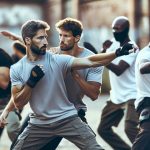

In the world of self-defense, size and stature often spark debate, but when it comes to Krav Maga, height truly does not dictate capability. This effective martial arts discipline was designed to empower individuals of all shapes and sizes, focusing on instinctive movements and practical techniques. Whether you’re short or tall, the skills learned through Krav Maga can level the playing field, teaching you how to handle real-world threats with confidence and efficiency.
As you read on, you’ll discover how Krav Maga emphasizes leveraging your unique strengths, whether through explosive strikes or strategic evasion. Gain insights into overcoming physical limitations and transforming perceived disadvantages into powerful assets. For anyone seeking to fortify their self-defense skills, understanding that size isn’t a barrier is not just encouraging-it’s essential. Let’s delve into how Krav Maga can help you assert your power, irrespective of your height, and equip you with the tools to protect yourself in challenging situations.
Understanding Krav Maga: Is Height a Factor?
In the world of self-defense, height is often perceived as an advantage, but the reality is that proficiency in Krav Maga is not inherently determined by stature. The effectiveness of self-defense techniques lies more in skill, strategy, and the ability to leverage one’s advantages than in physical height. Krav Maga emphasizes practical self-defense in real-world situations, focusing on techniques that can effectively neutralize a threat, regardless of the defender’s size.
One of the key principles of Krav Maga is utilizing an opponent’s force against them. This means that shorter practitioners can excel by adopting strategies such as avoiding confrontation, employing evasion techniques, and using speed and agility. Shorter individuals often have lower centers of gravity, enabling them to remain stable and execute powerful strikes or defensive maneuvers effectively. Additionally, techniques like joint locks and throws can be very effective for those who may not have the reach advantage in a confrontation.
Moreover, real-life scenarios in which the unexpected can occur highlight that size does not dictate the outcome. Many successful self-defense situations have demonstrated that a well-timed technique can neutralize an aggressor, irrespective of the attacker’s size. This empowers shorter practitioners by reaffirming that through consistency in training and understanding their unique strengths, they can navigate challenging situations effectively.
Krav Maga also incorporates mental resilience and adaptability, which are crucial for success in a self-defense context. Practitioners learn to remain calm under pressure, assess situations quickly, and respond appropriately, further mitigating the perceived disadvantages linked to height. Ultimately, the key takeaway is that success in Krav Maga centers around technique, mindset, and the ability to adapt-attributes that can be harnessed and refined, irrespective of one’s height.
The Core Principles of Krav Maga for All Sizes
In the realm of self-defense, particularly through Krav Maga, the core principles affirm that effectiveness is not solely dictated by physical attributes such as height. This martial art technique encourages individuals-regardless of their size-to harness their unique capabilities and effectively engage in self-defense situations. One central tenet is the reliance on leveraging an opponent’s force against them. This principle allows practitioners to use speed, timing, and evasion to counter larger adversaries, enabling them to gain an advantage through skill rather than sheer strength.
A fundamental aspect of Krav Maga is its adaptability, which caters to all body types. Shorter practitioners often possess advantages such as a lower center of gravity, which enhances stability and grounding during movements. This characteristic can be particularly advantageous when executing throws or joint locks, which are key components of Krav Maga. By focusing on agility and quick reactions, shorter individuals can navigate confrontations while maintaining control over their aggressor, illustrating that size does not limit one’s potential for success in self-defense scenarios.
Moreover, Krav Maga emphasizes mental preparedness and situational awareness-qualities that are essential regardless of a practitioner’s height. Training involves not just physical techniques but also strategies for de-escalation and conflict resolution. Practitioners learn to assess threats quickly, make informed decisions under pressure, and respond appropriately while being compliant with legal and ethical standards surrounding self-defense. This mental fortitude reinforces the belief that anyone, regardless of size, can learn to protect themselves effectively.
In conclusion, the principles of Krav Maga empower individuals by emphasizing technique, adaptability, and mental readiness over mere physical advantages. Through consistent practice and a focus on individual strengths, martial artists of all sizes can build confidence, competence, and capability in real-world self-defense situations. The journey in Krav Maga is about personal growth and enhancing one’s ability to respond to various challenges, proving that in this discipline, size truly does not matter.
How Short People Can Excel in Krav Maga Techniques
Shorter practitioners in Krav Maga often find unique advantages that enhance their effectiveness in real-world self-defense scenarios. One immediate strength lies in their lower center of gravity, which contributes to increased balance and stability during movements. This stability is particularly beneficial when executing techniques such as throws, joint locks, or grappling maneuvers, where leveraging body weight provides a significant advantage against larger opponents.
Another critical factor is the speed and agility that many shorter individuals naturally possess. Quick, precise movements can surprise larger adversaries, allowing shorter practitioners to evade attacks and counter effectively. Techniques emphasizing rapid footwork and swift reactions not only increase their chances of success but also enable them to control the pace of an encounter. For instance, using angles to approach an opponent from the side can neutralize height disadvantages while maximizing the effectiveness of techniques like strikes or defensive maneuvers.
Training in Krav Maga specifically helps individuals hone situational awareness and promotes strategic thinking in confrontations. Practitioners are taught to assess threats, identify potential exits, and understand the dynamics of each encounter. This mental preparedness coupled with physical skill empowers shorter fighters to navigate dangerous situations more thoughtfully. They learn to focus on maximizing available opportunities-whether through striking sensitive targets or leveraging leverage techniques that don’t rely solely on brute strength.
Empowerment in self-defense doesn’t come solely from the techniques learned but also from the confidence built through consistent practice. Short practitioners can use their unique body dynamics to develop personalized strategies that suit their physical strengths. Engaging in drills and scenarios regularly can further bolster their skills and mental readiness, proving that regardless of size, effective self-defense is a matter of technique, awareness, and confidence.
Real-Life Scenarios: Size Doesn’t Determine Success
In the world of self-defense and martial arts, many believe that size alone determines the outcome of a confrontation. However, real-life scenarios consistently demonstrate that effective training, technique, and mental strategy often outweigh physical attributes like height or strength. Consider self-defense cases where individuals faced larger attackers but triumphed through clever tactics and agility rather than sheer force.
A striking example is the use of leverage and timing. A shorter individual can apply joint locks, throws, or pressure points effectively by utilizing a lower center of gravity, making it easier to execute techniques that disrupt a larger opponent’s balance. For instance, a well-timed hip throw can send a taller assailant off balance, negating the advantages that their height provides. Moreover, shorter practitioners can employ rapid footwork to create angles and exploit openings that larger individuals might not anticipate. This agility often surprises attackers, allowing these practitioners to evade assaults and launch counteroffensives before the aggressor has a chance to react.
Additionally, Krav Maga emphasizes situational awareness and realistic training scenarios. Environments where practitioners must engage multiple attackers or navigate limited spaces demonstrate that mental acuity and strategic thinking are crucial. A shorter individual trained in Krav Maga learns to assess threats quickly and identify potential safe exits, enabling them to navigate situations wisely. They can use distractions, create diversions, or leverage nearby objects to enhance their defense-strategies that transcend physical dimensions.
Ultimately, the essence of self-defense lies in understanding that success in real-world encounters is not about matching size but rather about adapting tactics, maintaining composure under pressure, and leveraging training. Every practitioner, regardless of height, can utilize the principles of Krav Maga to turn potential vulnerabilities into strengths, ensuring that they can stand their ground when faced with a threat.
Krav Maga Training: Adaptations for Shorter Practitioners
In Krav Maga, training adaptations for shorter practitioners are essential for maximizing effectiveness in self-defense scenarios. Contrary to traditional perceptions that might favor size and strength, Krav Maga empowers individuals to use techniques that capitalize on their unique attributes. Shorter individuals can often achieve remarkable outcomes through agility, speed, and clever application of techniques designed to disrupt larger opponents.
Techniques for Leverage and Balance
Shorter practitioners can excel in executing joint locks, throws, and strikes, adjusting these techniques to take advantage of their lower center of gravity. For instance, the hip throw is particularly effective; it allows a smaller fighter to leverage the opponent’s weight against them by using timing and positioning rather than brute strength. Practicing footwork drills that emphasize lateral movement can also help create angles, making it easier to evade attacks or counter an opponent’s larger reach.
Utilization of Speed and Agility
Quickness is a significant asset for shorter practitioners. In scenarios where rapid movement is required, such as dodging or redirecting an attack, trained agility can provide a crucial edge. Streamlined training focused on improving foot speed, as well as practicing sequences that combine offense and defense in a fluid manner, ensures that shorter fighters remain unpredictable and difficult targets.
Sparring and Realistic Scenarios
Incorporating sparring sessions that simulate encounters with taller opponents can help shorter individuals adapt their strategies. Practicing in a controlled environment where height disparities are introduced prepares them for real-world situations. During these drills, focus on situational awareness is crucial-shorter fighters must learn to assess distances and timed movements to exploit openings effectively.
Safety and Legal Considerations
While training, shorter practitioners should always be aware of the legal implications surrounding self-defense actions. It’s paramount to train in ways that emphasize de-escalation techniques and appropriate responses to threats. Understanding the boundaries of proportional force is vital to ensure ethical engagement in potential confrontations.
These tailored adaptations enable shorter practitioners to leverage their skills effectively within Krav Maga, reinforcing the notion that size is not a barrier to success in self-defense. By focusing on specific techniques, enhancing speed, and employing strategic training approaches, individuals of all heights can become proficient in handling real-world confrontations safely and effectively.
Overcoming Common Myths About Short People in Martial Arts
In the world of martial arts, particularly in disciplines like Krav Maga, common misconceptions often cast doubts on the abilities of shorter practitioners. One prevalent myth is that size and height are the primary determinants of success in self-defense scenarios. However, this assumption overlooks the essential skills that shorter individuals bring to the table, such as agility, speed, and technique. Empowering narratives from successful martial artists illustrate that height does not dictate effectiveness.
Many shorter practitioners can leverage their lower center of gravity to execute powerful techniques that larger individuals might struggle with. For instance, when employing throws or joint locks, a shorter fighter often has the advantage of stability and leverage that comes from being closer to the ground. This unique positioning enables them to apply techniques using their opponent’s weight against them rather than relying solely on strength. The effectiveness of these techniques is not diminished by stature; rather, they are tailored to exploit the specific attributes of smaller fighters.
Negative perceptions about shorter individuals in martial arts can also stem from a lack of visibility in success stories. Many examples exist of shorter fighters excelling in combat sports and martial arts, demonstrating remarkable resilience, strategy, and competency. These individuals often emphasize the importance of mental fortitude, adaptability, and creativity in their training. It becomes crucial to focus on these attributes rather than physical measurements.
Moreover, de-escalation techniques and an understanding of legal boundaries in self-defense training are paramount for all practitioners, regardless of stature. The focus should always be on using self-defense tactics educatively and responsibly, empowering students to effectively navigate real-life confrontations safely and legally. Embracing the belief that martial arts can be accessible to all-irrespective of size-allows communities and individuals to foster a more inclusive and realistic view of self-defense practices.
Safety and Legal Considerations in Self-Defense Training
In the world of self-defense training, understanding the legal implications of your actions is crucial, especially for practitioners of martial arts like Krav Maga. It’s not just about learning to defend oneself; it’s about knowing when and how to apply those skills within the framework of the law. Each state has specific laws governing self-defense, which can vary significantly. For instance, some jurisdictions follow the “Stand Your Ground” laws, while others require that you retreat if it’s safe to do so. Familiarizing yourself with these laws can help you make informed decisions during potentially dangerous situations.
When practicing Krav Maga, shorter individuals can adopt strategies that emphasize awareness and de-escalation over physical confrontation. De-escalation techniques are often taught as part of self-defense training. These skills can be invaluable for short practitioners who may find themselves facing larger opponents. Understanding how to diffuse a situation before it escalates is a powerful tool that should be part of every martial artist’s skill set.
It’s important to remember that self-defense is about proportional response. This means that the level of force used must be appropriate to the threat posed. For example, a verbal threat does not justify a physical response, nor does a minor altercation justify severe physical force. Practitioners should be trained to recognize levels of threat and respond accordingly, helping them navigate real-life confrontations while staying within legal boundaries. Shorter fighters can excel in this area through training focused on awareness, conflict resolution, and using their agility and speed to avoid confrontations altogether.
Building confidence in self-defense techniques must also go hand in hand with a thorough grasp of legal accountability. Martial arts practitioners should regularly engage in discussions about the legal ramifications of their training, including understanding the potential consequences of their actions should a confrontation lead to legal scrutiny. This knowledge not only strengthens your skills but also empowers you to use them responsibly and ethically. Being aware of your rights and the limitations of your self-defense capabilities is essential for any practitioner, and it fosters a culture of respect and responsibility in the martial arts community.
Success Stories: Short Individuals in Krav Maga
In the realm of Krav Maga, success knows no height limitations. Many short practitioners have not only trained effectively but have also triumphed in various self-defense scenarios, proving that determination and strategy can easily outweigh physical stature. Take the example of a petite female instructor who, despite her height, uses her agility and speed to execute techniques that allow her to outmaneuver larger opponents. Her story is a testament to the fact that skill, technique, and mindset are more critical than sheer size.
Short individuals often excel in specific Krav Maga techniques by leveraging their lower center of gravity, which can enhance balance and stability. For instance, techniques that involve grappling or defending against larger opponents can become more effective with the natural advantage of being closer to the ground. Shorter fighters frequently report feeling more confident in their abilities after successfully applying techniques during sparring sessions, demonstrating that their size does not hinder their effectiveness but can actually provide unique advantages in a confrontation.
Moreover, there are numerous success stories shared among the Krav Maga community. One individual shared their experience of facing a would-be attacker in a dark parking lot. Using a combination of verbal de-escalation techniques followed by quick, decisive movements, they managed to diffuse the situation before it escalated. This example illustrates how understanding the principles of Krav Maga can empower shorter practitioners to respond effectively, emphasizing the importance of training that prioritizes mental strategies alongside physical techniques.
In addition to personal victories, the camaraderie and encouragement within Krav Maga schools foster a supportive environment where short individuals can thrive. Training sessions often highlight the successes of shorter members, reinforcing the notion that every body type has its unique strengths. This inclusive culture not only boosts confidence but also inspires practitioners across the board to challenge stereotypes and push their limits in self-defense training, proving that size truly doesn’t matter when it comes to skill and determination in Krav Maga.
Comparative Analysis: Krav Maga vs. Other Martial Arts for Short People
In the world of martial arts, the effectiveness of training is often scrutinized through the lens of physical attributes like height and build. Yet, when comparing Krav Maga with other martial arts such as Brazilian Jiu-Jitsu (BJJ) or Taekwondo, it becomes evident that Krav Maga offers unique advantages for shorter individuals. This system, developed for real-world self-defense scenarios, prioritizes adaptability and practicality. It uses techniques designed to neutralize threats regardless of the practitioner’s size, showcasing that strategy, movement, and psychological readiness are paramount in self-defense engagements.
Krav Maga stands out in its emphasis on using rapid, effective techniques that capitalize on speed and surprise rather than brute strength. Shorter practitioners can leverage their agility, making them less predictable and often harder to target. In contrast, many traditional martial arts might rely more heavily on physical strength or long-range techniques. For example, while Taekwondo specializes in high, powerful kicks that might favor taller students, Krav Maga focuses on close-quarters combat where quick strikes and evasive maneuvers are crucial. This can level the playing field for shorter fighters, who can excel in situations that involve close contact, using their lower center of gravity to maintain balance while executing powerful movements.
Additionally, Brazilian Jiu-Jitsu does offer some benefits for shorter individuals through its ground-fighting techniques, which emphasize leverage over strength. However, Krav Maga integrates these concepts with a broader spectrum of self-defense situations, including defensive tactics against multiple attackers or armed confrontations. This versatility is essential in real-life scenarios where situational awareness and the ability to quickly adapt are vital. Krav Maga’s training encourages shorter fighters to employ mental tactics, situational awareness, and de-escalation techniques, reinforcing the idea that effectiveness in self-defense transcends physical stature.
Ultimately, while other martial arts may provide valuable skills, Krav Maga’s structured approach specifically caters to the reality of violent encounters. This makes it a compelling choice for individuals of all sizes, especially those who might feel at a disadvantage due to height. The community support and focus on practical techniques foster an environment where all practitioners can thrive, proving that in self-defense, size truly does not dictate success.
By understanding these comparative aspects, aspiring practitioners can make informed choices about their martial arts training, ensuring that their unique needs and strengths are effectively utilized, especially when facing realistic threats.
Essential Gear for Short Practitioners in Krav Maga
In the context of Krav Maga, having the right gear is essential for maximizing performance and ensuring safety, especially for shorter practitioners. While it may seem that height affects the ability to effectively train and defend oneself, appropriate gear can help enhance capabilities and compensate for any perceived disadvantages in stature. Here are key considerations when selecting gear suitable for shorter practitioners.
Footwear
Having the right shoes is critical in Krav Maga. Proper footwear offers stability, support, and grip, allowing shorter individuals to maneuver efficiently. Look for shoes that are designed for martial arts or cross-training, which provide:
- Lightweight Construction: These allow for quick movements and shifts in balance.
- Effective Traction: Ensuring good grip on mats or floors can prevent slips during dynamic movements.
- Good Ankle Support: This helps in preventing injuries during rapid footwork or when executing kicks.
Protective Gear
Shorter fighters might feel vulnerable in certain scenarios, making protective gear indispensable. Essential gear includes:
- Headgear: Protects against strikes and helps overcome the fear of head impacts.
- Shin Guards: Vital for minimizing injuries during sparring, enabling shorter individuals to unleash leg techniques without concern.
- Gloves: Ensure your hands are well-protected; look for gloves that allow for mobility while providing adequate padding.
Training Tools
Investing in specific training tools can enhance practice at home or during classes, especially for those who may feel intimidated in wider classes. Consider incorporating:
- Focus Mitts: These can help improve precision in strikes and footwork.
- Sparring Dummies: Useful for practicing techniques without the pressure of a live partner.
These tools encourage continual development, helping practitioners build confidence in their skills.
Ultimately, the appropriate gear can empower shorter individuals, providing them with the tools to train effectively, enhance safety during practice, and cultivate self-assurance in their ability to defend themselves. Tailoring gear to one’s size and personal comfort levels allows any martial artist to excel, proving that in Krav Maga, stature is but one of many factors influencing success.
Building Confidence: Mental Strategies for Short Fighters
Building confidence in self-defense, especially in the context of martial arts like Krav Maga, begins in the mind. Shorter fighters often face self-doubt and insecurity related to their stature, but mental strategies can significantly mitigate these feelings. One key approach is to reframe how you perceive your size. Rather than viewing height as a limitation, recognize it as an opportunity to develop unique strengths. Embrace the qualities typically associated with shorter fighters, such as agility and speed, which can be leveraged during training and real-life self-defense scenarios.
To enhance your confidence, visualization techniques can play a crucial role. Spend time imagining yourself successfully executing techniques, effectively defending against larger opponents, and navigating various self-defense situations. This mental rehearsal can create a positive feedback loop, reinforcing belief in your capabilities. Furthermore, practice mindfulness exercises that focus on breathing and situational awareness. Remaining calm under pressure not only boosts confidence but also improves reaction times in dynamic situations.
In addition, surrounding yourself with supportive training partners and instructors can bolster your confidence. Engaging with others who understand and appreciate your efforts fosters a conducive environment for growth. Seek feedback and encouragement during practice sessions, focusing on your progress rather than your height. Remember, every practitioner has strengths and areas for improvement, and building a network of support can empower you on your journey.
Finally, consistently setting and achieving small goals will gradually build your self-esteem and confidence in your abilities. Celebrate each milestone, whether mastering a specific technique or participating in sparring sessions. Acknowledging your achievements fosters a sense of accomplishment, reinforcing your belief that, regardless of height, you can be effective in Krav Maga and self-defense situations.
Finding the Right Krav Maga School for Your Needs
Choosing the right Krav Maga school is crucial for anyone looking to develop self-defense skills, especially for shorter practitioners who may have unique needs and concerns. When assessing potential schools, consider instructors who demonstrate a strong understanding of how to adapt techniques for individuals of all sizes. A quality instructor will not only teach foundational skills but will also help you see the advantages of your stature, encouraging you to leverage agility and speed over sheer physical strength.
Start by researching schools that emphasize a supportive learning environment. Look for facilities where instructors actively encourage personalized approaches to training. It’s beneficial to observe or participate in a trial class to evaluate how well instructors address students’ unique challenges. During these sessions, focus on how the techniques are adapted for all body types. This hands-on experience can provide insight into the school’s approach and help gauge whether their philosophy aligns with your goals.
Additionally, connect with current students and alumni if possible. They can share their experiences regarding the school’s atmosphere, how inclusive the training environment is, and whether specific needs are met. A supportive community can make a significant difference, especially for those who may feel self-conscious about their size.
Lastly, inquire about the instructor’s qualifications and experience. A background in self-defense that includes diverse size and body type training will likely indicate a more refined approach to helping individuals succeed in Krav Maga. In the end, the right school is one that empowers you, challenges you, and respects the individual journey of each student.
Q&A
Q: Can short people effectively learn self-defense through Krav Maga?
A: Yes, short people can effectively learn self-defense through Krav Maga. The system emphasizes adaptability and technique over physical strength, allowing practitioners of all sizes to defend themselves successfully. For practical guidance, refer to our section on Krav Maga Training: Adaptations for Shorter Practitioners.
Q: What are the benefits of Krav Maga for shorter individuals?
A: Krav Maga offers numerous benefits for shorter individuals, including increased confidence, improved physical fitness, and essential self-defense skills. Training focuses on leveraging technique and strategy, crucial for maximizing effectiveness regardless of size. Explore our Building Confidence: Mental Strategies for Short Fighters section for more insights.
Q: Does height impact performance in Krav Maga competitions?
A: Height can have varying effects in Krav Maga competitions; however, skill and technique are often more significant factors. Shorter practitioners can excel by focusing on agility and strategy to outmaneuver taller opponents. Check our Comparative Analysis: Krav Maga vs. Other Martial Arts for Short People for a detailed comparison.
Q: Are there any special training tips for shorter people in Krav Maga?
A: Yes, shorter practitioners can benefit from focusing on specific techniques like evasion and close-range combat, which play to their strengths. Additionally, emphasize conditioning and flexibility during training sessions. For tailored training advice, see our section on How Short People Can Excel in Krav Maga Techniques.
Q: What should short people consider when choosing a Krav Maga school?
A: When selecting a Krav Maga school, short individuals should consider the instructor’s experience with diverse body types and the curriculum’s adaptability. Look for schools that emphasize inclusive training methods, as discussed in Finding the Right Krav Maga School for Your Needs.
Q: Can shorter individuals be effective in real-life self-defense situations taught in Krav Maga?
A: Absolutely! Krav Maga equips individuals of all heights to effectively handle real-life self-defense situations. The training emphasizes strategies that leverage speed, technique, and situational awareness over size. Real-life application details can be found in our section on Real-Life Scenarios: Size Doesn’t Determine Success.
Q: How does Krav Maga combat the myth that short people can’t succeed in martial arts?
A: Krav Maga actively combats this myth by demonstrating that success depends on skill and adaptability rather than size. Training emphasizes techniques suitable for all body types, debunking stereotypes and inspiring confidence in shorter practitioners. For detailed insights, refer to Overcoming Common Myths About Short People in Martial Arts.
Q: What role does mindset play for short practitioners in Krav Maga?
A: Mindset is crucial for short practitioners in Krav Maga, fostering resilience and a positive attitude toward training. Emphasizing mental strength helps counteract doubts about size and encourages effective performance. For additional strategies, check out Building Confidence: Mental Strategies for Short Fighters.
The Conclusion
In conclusion, Krav Maga is not only accessible for short individuals; it can be a powerful tool for self-defense regardless of size. By emphasizing skill over stature, this martial art teaches techniques that enable anyone to stand their ground and respond effectively in high-pressure situations. If you’re hesitant about getting started, don’t let your height hold you back-embrace the training that enhances confidence and self-sufficiency.
For additional insights, check out our articles on essential self-defense techniques and the differences between Krav Maga and other martial arts. Interested in joining a class? Visit our schedule page to find a session that fits your needs. Remember, mastering Krav Maga not only equips you with practical skills but also fosters a sense of empowerment and safety. Your journey into self-defense begins today-take the first step!