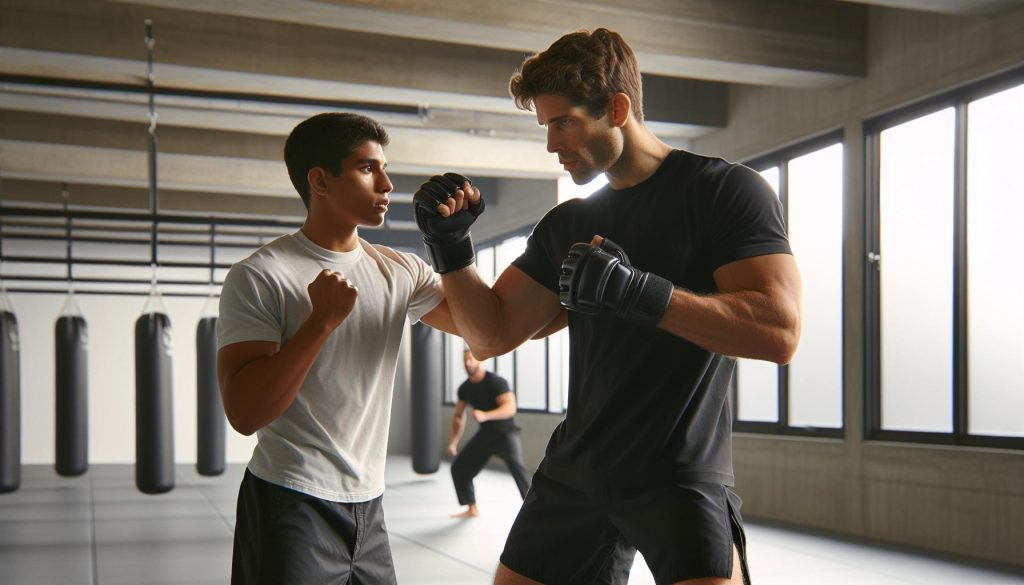
Krav Maga is a martial art renowned for its focus on practical self-defense techniques that emphasize technique over strength. This means that individuals of all sizes, including smaller practitioners, can effectively learn and apply these skills. Many might worry about their physical limitations in combat situations; however, Krav Maga is designed to empower everyone by teaching them how to leverage technique, speed, and awareness in self-defense scenarios. By understanding that self-defense is not solely about physical strength, readers can discover how training can build their confidence and capability, regardless of body type. Whether you’re looking to enhance your personal safety or simply curious about martial arts, the insights gained from Krav Maga can serve as powerful tools in managing conflict and ensuring your safety. Join us as we explore the practical applications of Krav Maga for smaller individuals, highlighting the techniques that foster confidence and preparedness in real-world situations.
Can Small People Succeed in Krav Maga?
It’s a common misconception that physical size dictates success in martial arts. In Krav Maga, smaller practitioners not only succeed but often excel thanks to the emphasis on technique and strategy over brute strength. With a focus on leveraging body mechanics, Krav Maga teaches how to effectively utilize movement to incapacitate an opponent, regardless of one’s physical stature. For those who may feel intimidated by the prospect of self-defense training, it’s crucial to understand that the core principles of Krav Maga specifically empower individuals to defend themselves effectively without relying on size or strength.
Krav Maga utilizes a variety of techniques that are inherently effective for smaller individuals. These include strikes, joint locks, and effective use of the environment to maintain control over a situation. Techniques like the use of leverage and redirecting an opponent’s force can help smaller practitioners to overcome larger adversaries. Moreover, the training encourages situational awareness and de-escalation, which are key skills that enhance a person’s ability to avoid physical confrontation altogether.
To further support smaller practitioners, training environments should prioritize inclusivity and adaptability, emphasizing drills that incorporate various sizes and skill levels. Working alongside more experienced partners or instructors can build confidence and enhance skill application. Engaging in scenario-based training helps in practicing responses to realistic situations, allowing smaller practitioners to embody effective defensive tactics that highlight technique over strength.
Ultimately, Krav Maga is about empowerment, equipping all practitioners-regardless of size-with tools and strategies to protect themselves effectively. Success in this martial art is less about physical strength and more about mastering skills, increasing confidence, and understanding when and how to act decisively.
Understanding the Importance of Technique
In the realm of self-defense, particularly in Krav Maga, the significance of technique cannot be overstated. Many people assume that physical size will determine the outcome of a confrontation, but this is a flawed perspective. Research and experience demonstrate that smaller practitioners can effectively defend themselves using well-honed techniques that emphasize skill over size. For instance, focusing on joint locks and striking vulnerable areas allows smaller individuals to neutralize potential threats without needing to rely on sheer muscle.
Krav Maga is designed to harness body mechanics effectively. For instance, using an opponent’s momentum against them can drastically alter the dynamics of a confrontation. A smaller individual, by employing proper footwork and leverage, can maneuver an opponent into a disadvantaged position. This principle not only levels the playing field but also highlights the importance of practice and technique refinement. The algorithms of attack and defense in Krav Maga provide practitioners with a toolkit they can adapt regardless of their physical attributes.
Moreover, community-centric training environments can foster a supportive atmosphere that cultivates confidence among smaller practitioners. When training alongside individuals of varying skill levels and body types, everyone, including smaller individuals, can successfully practice techniques that showcase their unique advantages. Scenario-based training-where students embody real-life situations-ensures that practitioners understand both the practical applications of their skills and the mental preparedness required during a real encounter.
Understanding and practicing these techniques can lead to a profound shift in mindset. Smaller practitioners learn that they can indeed hold their own against larger opponents by mastering the art of technique. This empowerment goes beyond physical confrontations, building confidence that transcends the dojo. In Krav Maga, the true strength lies not in size, but in the ability to think, adapt, and respond effectively to threats.
Strength vs. Skill: Debunking Myths
In the realm of self-defense, particularly within Krav Maga, the belief that size and strength are paramount is a prevalent misconception. Many individuals assume that larger practitioners hold a definitive advantage in confrontational situations, yet the effective application of technique is often what wins the day. Skillful execution of moves can neutralize an opponent’s physical superiority, allowing practitioners of all sizes, including smaller individuals, to defend themselves successfully.
Krav Maga emphasizes the utilization of body mechanics and strategic movement over brute strength. For instance, a smaller practitioner can capitalize on their agility by executing techniques that divert an attacker’s energy against themselves. This contrasts sharply with traditional martial arts, where strength may sometimes dominate the tactics employed. Techniques such as joint locks, strikes to vulnerable areas, and body positioning are inherently designed to empower individuals regardless of their size, illustrating that success in Krav Maga comes more from understanding and applying effective strategies than from sheer physical might.
To further illustrate this point, consider scenarios where smaller practitioners have outmaneuvered larger opponents by relying on technique and mental acuity. Real-life applications often show that when a smaller individual engages in de-escalation tactics, combined with their learned skills, they can avoid physical conflict altogether. This approach highlights the critical role of mental preparedness and situational awareness, which serve as essential supplements to physical training. Empowerment through knowledge and strategy can prove far more advantageous than relying solely on physicality.
Ultimately, the ethos of Krav Maga reinforces the notion that anyone can defend themselves effectively through diligent practice of technique, regardless of size. This paradigm shift not only builds confidence but also prepares individuals to face real-world confrontations with a sense of empowerment, careful consideration of legal implications, and adherence to ethical guidelines in self-defense. Training environments that focus on mutual support and respect further foster a community where all practitioners can thrive, reinforcing the belief that skill can indeed trump strength.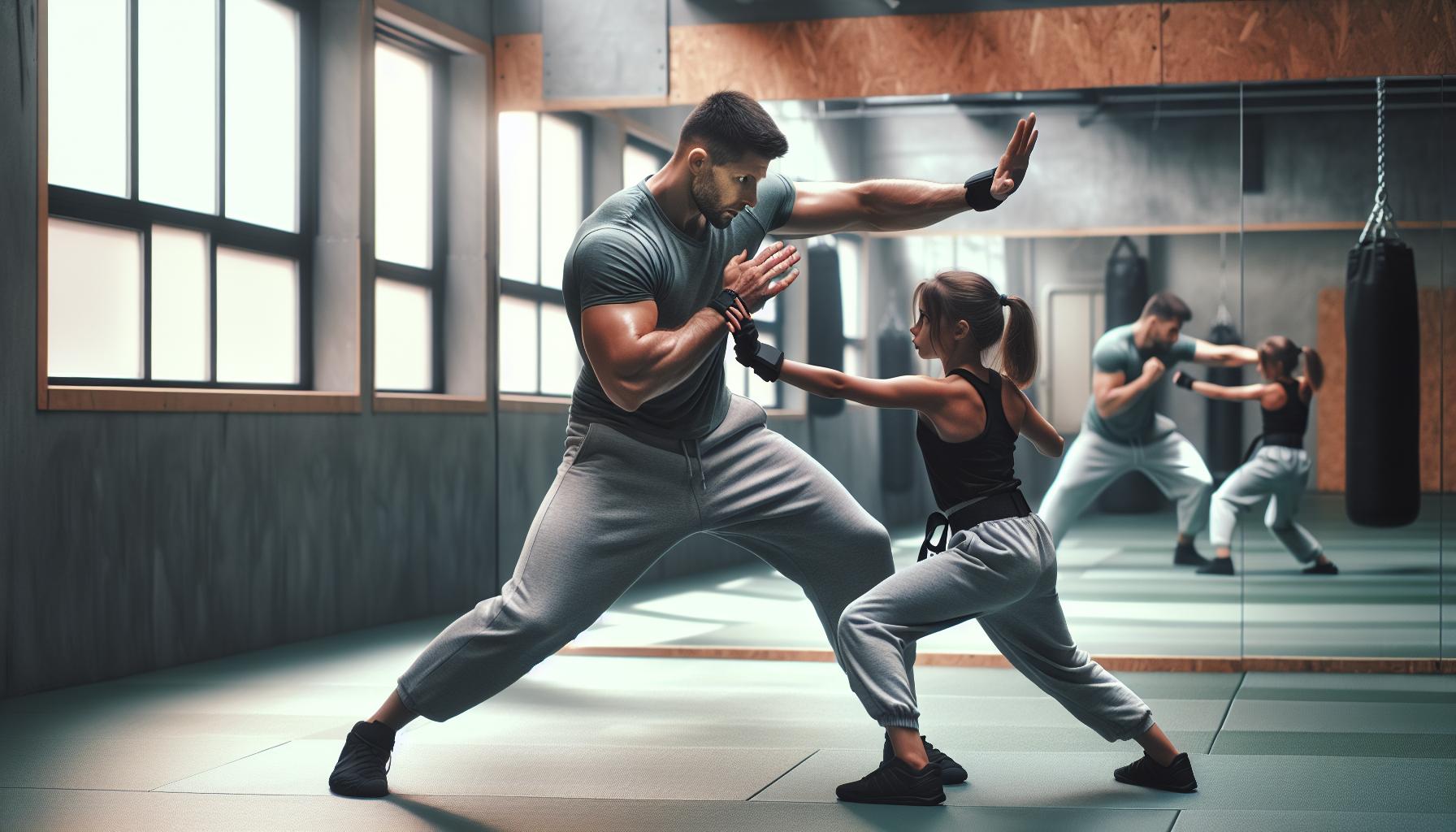
How Krav Maga Empowers Smaller Practitioners
In a world often dominated by the narrative that bigger is better, it’s essential to recognize the unique advantages that smaller practitioners bring to the art of Krav Maga. This self-defense system, rooted in practical techniques, empowers individuals of all sizes by focusing on skill and strategy rather than sheer physical strength. Smaller practitioners can exploit their agility and speed, using movements that larger adversaries may have difficulty countering. This dynamic allows them to turn potential disadvantages into significant advantages, ultimately enhancing their confidence and effectiveness in real-life self-defense scenarios.
Krav Maga teaches smaller individuals to rely on techniques that exploit an attacker’s vulnerabilities. For example, employing strikes to sensitive areas or executing joint locks can neutralize a larger opponent’s advantage. Additionally, the emphasis on situational awareness and mental preparedness equips smaller practitioners to avoid confrontations whenever possible. Learning to read situations and de-escalate them effectively not only preserves physical safety but fosters a sense of empowerment that can significantly boost confidence.
Moreover, training in Krav Maga reinforces the idea that self-defense is as much about mindset as it is about physical ability. Smaller practitioners learn to approach situations with a tactical mindset, developing skills such as timing, distance management, and effective response to threats. This mental edge is crucial; they can assess threats and make informed decisions, possibly preventing the need for physical confrontation entirely.
Ultimately, the supportive environment fostered within Krav Maga training communities encourages smaller practitioners to flourish. Emphasizing cooperation over competition, these settings enable individuals to practice techniques confidently, reinforcing the belief that effective self-defense can be achieved without reliance on physical size. This holistic approach to training ensures that all practitioners, regardless of stature, can cultivate the skills necessary to protect themselves while navigating the complexities of real-world encounters.
Key Techniques for Smaller Practitioners
In Krav Maga, the art of self-defense is not exclusively about brute strength; it’s about strategy and utilizing one’s physicality effectively. For smaller practitioners, mastering certain techniques can enhance their ability to defend themselves against larger attackers. Techniques that focus on precision, leverage, and vulnerability can aid in overcoming the physical disparity that size imposes.
Targeting Vulnerable Areas
Understanding the anatomy of an opponent is crucial. Smaller individuals can effectively use strikes aimed at sensitive areas, such as the eyes, throat, and groin. These targets can incapacitate larger adversaries quickly, enabling smaller practitioners to escape dangerous situations. For example, a well-placed strike to the throat can disrupt an opponent’s breathing, providing an opportunity to disengage or flee.
Utilizing Joint Locks and Control Techniques
Joint locks are another powerful tool for smaller practitioners. They rely on leverage rather than strength, making them ideal for those with less physical power. Techniques such as wrist locks and arm bars can control or neutralize an opponent, regardless of their size. For instance, a small practitioner can execute a wrist lock from a standing position, creating a significant advantage and forcing the attacker to comply or disengage.
Incorporating Movement and Agility
Movement is key in Krav Maga. Smaller practitioners can exploit their agility to evade attacks and create openings for counterattacks. Techniques that involve lateral movement and turning can be particularly effective. Practicing footwork drills helps build this agility. For instance, during a confrontation, using side steps to maneuver out of an attacker’s line can create the necessary space to counter effectively.
Effective Use of Environment
The environment plays a significant role in self-defense. Smaller individuals can use obstacles to their advantage, such as positioning themselves behind objects for cover or leveraging walls and corners to evade attacks. Training in varied environments-urban settings, confined spaces, or open areas-can enhance situational awareness and adaptability.
By integrating these techniques and principles, smaller practitioners of Krav Maga can develop a robust skill set that compensates for physical size, reinforcing the idea that self-defense effectiveness comes from technique, strategy, and mental preparedness rather than sheer strength.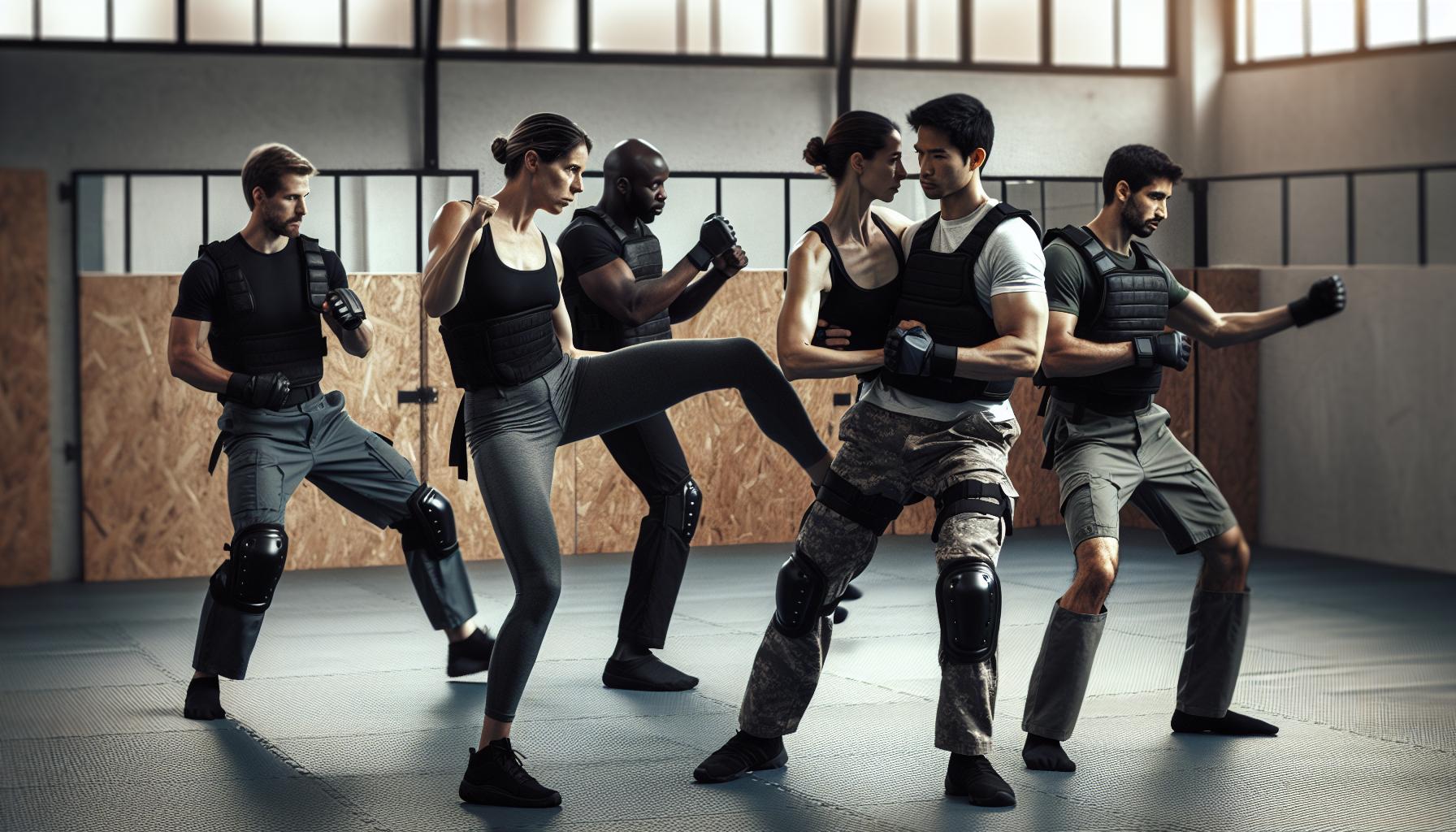
Real-Life Applications of Krav Maga for All Sizes
In real-life situations, the effectiveness of Krav Maga is not determined by the size of the practitioner but rather by their ability to apply learned techniques strategically. Krav Maga emphasizes self-defense that is practical and accessible, enabling individuals of all sizes to protect themselves in various scenarios. For smaller practitioners, this means using their inherent agility, speed, and tactical awareness to leverage advantages over larger attackers.
When faced with a potential threat, understanding how to utilize environment and surroundings becomes crucial. Smaller individuals can position themselves advantageously during a confrontation-using furniture as obstacles or utilizing walls for support can provide critical moments to evade or escape. This situational awareness can be further enhanced through training in diverse environments, which prepares students for real-world encounters in urban settings, crowded spaces, or isolated areas.
Moreover, the principles of Krav Maga teach students the importance of situational de-escalation and awareness. For instance, when confronted with a possible threat, practitioners learn to assess the situation before reacting, minimizing the need for physical confrontation. If physical defense becomes necessary, the focus shifts to precise, targeted strikes aimed at vulnerable areas of an assailant’s body, allowing for effective disengagement without escalating the situation unnecessarily.
Finally, by practicing Krav Maga techniques regularly, even smaller individuals can develop a strong sense of confidence and readiness. This heightened awareness and preparedness can serve as a powerful deterrent against potential aggressors, showing that self-defense effectiveness lies not just in physical strength, but in technique, skill, and mental fortitude. In real-life applications, such principles empower practitioners-no matter their size-to navigate potentially dangerous situations with assurance and clarity, reinforcing the critical connection between training and situational effectiveness.
Training Tips for Smaller Individuals
To excel in Krav Maga as a smaller practitioner, focusing on specific training tips can enhance your effectiveness and confidence in self-defense situations. Krav Maga emphasizes technique, situational awareness, and precision over brute strength, making it an excellent fit for individuals who may not possess the physical power of larger adversaries.
One of the fundamental aspects of training is to develop agility and speed. Smaller practitioners often have the advantage of quicker reflexes, which can be harnessed to evade attacks and create openings for counter-strikes. Incorporating agility drills such as ladder exercises, cone sprints, and lateral movements into your routine can significantly improve your footwork and overall responsiveness. Additionally, practicing focus pads or partner drills that emphasize these attributes can help simulate real-life scenarios where quick reactions are essential.
Understanding your body mechanics is another critical factor. Utilizing your center of gravity effectively can level the playing field. Train to maximize leverage in techniques such as joint locks, chokes, or throws. For instance, using your lower stance can help you have better control over an opponent’s weight. Regular practice of techniques that allow you to pivot and reposition can help you maintain balance while effectively executing strikes or defenses.
Moreover, it’s crucial to adapt your mindset during training. Visualize potential confrontations and consider how to use your environment to your advantage. This could involve engaging with obstacles around you or practicing situational awareness drills that prepare you for various real-world locations. Learning to assess your environment can help you determine the best escape routes or tools to obstruct an assailant.
Always prioritize safety protocols and legal considerations in your training. Familiarize yourself with the legal limits of self-defense in your area, as this knowledge will inform your responses during any real-life confrontations. Understanding when to disengage and recognizing the importance of de-escalation are vital components of responsible self-defense training. Consistently remind yourself that self-defense is about protecting yourself and avoiding conflict when possible.
By focusing on these training tips, smaller practitioners can harness their unique strengths and approach Krav Maga with confidence. With dedication and the right techniques, you can empower yourself physically and mentally to navigate dangerous situations effectively.
Mindset and Confidence: The Mental Edge
The mental aspect of training in Krav Maga is just as crucial as mastering physical techniques, especially for smaller practitioners. A confident mindset not only enhances performance but also prepares individuals to handle unexpected situations with composure. Contrary to the belief that size determines success in martial arts, a powerful mental state can often compensate for physical limitations. Smaller practitioners must cultivate a mindset focused on strategic thinking, resilience, and adaptability-qualities that are essential in real-life self-defense scenarios.
Developing a strong mental edge involves several key components:
- Visualization: Picture successful techniques in various scenarios. Visualizing the execution of moves can enhance muscle memory and instill confidence.
- Positive Self-Talk: Replace doubts and negative thoughts with affirmations. Remind yourself that technique and strategy can triumph over size.
- Controlled Breathing: Practice breathing techniques to maintain calmness during a confrontation. Staying composed under pressure can lead to more effective decision-making.
Furthermore, understanding the ethical and legal ramifications of self-defense is vital. It’s important to know when and how to respond appropriately in a confrontation. Smaller practitioners should focus on using techniques that allow them to escape or defuse a situation rather than engaging in forceful confrontations whenever possible. Familiarize yourself with local self-defense laws to understand your rights and responsibilities, ensuring that your actions are legally justified.
Finally, it’s essential to recognize that every practitioner brings unique strengths to their training. Smaller individuals often develop agility and speed, which can be leveraged effectively in Krav Maga. Engaging with peers and learning from their experiences fosters a supportive training environment where confidence thrives. Embrace the journey, understanding that each training session builds both skill and self-esteem, ultimately empowering you to face any situation with assurance and control.
Finding the Right Training Environment
Finding a suitable training environment is crucial for anyone considering Krav Maga, particularly for smaller practitioners who may face unique challenges. The right school can help enhance your skills, build confidence, and ensure a safe and constructive training atmosphere. With numerous schools and instructors available, individuals should focus on several key factors when selecting the best fit.
Instructor Experience and Philosophy
The instructor’s experience is a pivotal factor. Look for a teacher with a strong background in self-defense and Krav Maga, ideally with experience in teaching individuals of varying sizes. Their approach should emphasize technique over brute strength, encouraging smaller practitioners to focus on skill development. When assessing potential instructors, inquire about their teaching philosophy. A responsible instructor will prioritize safety, ethical use of force, and self-defense laws, avoiding any glorification of violence.
Class Size and Student Demographics
Consider the class size and the demographic of students. Smaller classes typically allow for more personalized attention and adjustments to techniques, providing a tailored learning experience. Additionally, training with a diverse group, including practitioners of similar size, can foster a supportive environment where sharing experiences and techniques is encouraged. Look for schools where different body types and skill levels are represented, as this will help ensure you are learning techniques that can be effective for you.
Facilities and Safety Measures
Safety should always be a priority in any training environment. Investigate the facilities to ensure they are well-maintained and equipped for safe practice. Features such as padded surfaces, proper lighting, and the availability of first aid kits are essential. Schools should also have clear safety protocols in place, including guidelines on controlled sparring and use of protective gear. Understanding emergency procedures, including first-aid protocols, will give you peace of mind during training.
Community and Support
Finally, assess the sense of community within the training environment. Engaging with supportive peers can drastically enhance your learning experience and boost your confidence. Schools that encourage camaraderie and mutual respect often cultivate better learning environments. Take the time to attend a trial class or observe a session to gauge the dynamics among students and instructors. This atmosphere of support can make a significant difference in your journey, empowering you to thrive in your Krav Maga training despite any physical limitations.
Choosing the right training environment tailored to your needs as a smaller practitioner is not just about the physical space but also about the quality of instruction, safety measures, and community support. By taking these factors into account, you can find a setting that allows you to excel in Krav Maga and develop the tools you need for effective self-defense.
Success Stories: Small People in Krav Maga
Many smaller practitioners have achieved remarkable success in Krav Maga, demonstrating that size does not determine one’s ability to defend themselves effectively. One inspiring example is Sarah, a woman who stands at just 5 feet tall. Sarah began her Krav Maga journey to build confidence and learn self-defense after experiencing harassment in public. Through her training, she learned to leverage her agility and speed, turning what many perceived as disadvantages into strengths. By focusing on techniques like escapes and joint locks, Sarah effectively neutralized larger opponents during sparring sessions, proving that skill and strategy often outweigh brute strength in real-life scenarios.
Another noteworthy success story is that of Brian, a 135-pound student who initially doubted his place in the class filled with larger athletes. With persistent training, he excelled in learning how to use leverage and body mechanics to his advantage. One pivotal moment came during a self-defense demonstration at a community event, where he successfully applied techniques he had learned to disarm and subdue a larger assailant in a controlled environment. Brian’s experience highlights the importance of developing confidence through skills, showing that small practitioners can stand their ground when equipped with the right knowledge and training.
Success in Krav Maga is not solely about physical capabilities; it also involves mental resilience. Practitioners like Jessica, who began training after a personal safety scare, emphasize the transformative power of Krav Maga in building both physical and psychological strength. She reports feeling empowered and more aware of her surroundings, cultivating a mindset that prioritizes de-escalation but is also prepared to apply effective self-defense techniques should the need arise.
These stories provide invaluable lessons for those considering Krav Maga, reminding them that with dedication, a focus on technique, and a supportive training environment, it is entirely possible to succeed regardless of size. Empowerment comes from the skills developed through training and the mental fortitude gained from overcoming personal fears and challenges.
Krav Maga vs. Other Martial Arts for Smaller Practitioners
When comparing Krav Maga to other martial arts for smaller practitioners, it’s essential to recognize its unique design as a self-defense system tailored for real-world scenarios. Unlike traditional martial arts, which often emphasize forms, aesthetics, or competition, Krav Maga focuses on practical techniques that prioritize survival and efficiency. This pragmatic approach allows smaller individuals to effectively defend themselves against larger attackers by utilizing a combination of speed, agility, and clever tactics.
Advantages of Krav Maga for Smaller Practitioners
One of the most significant advantages Krav Maga offers is its emphasis on *technique over strength*. Smaller practitioners learn to exploit their agility, utilizing quick movements and strategic targeting of vulnerable areas, such as the eyes, throat, and groin. This contrasts sharply with other martial arts like Brazilian Jiu-Jitsu (BJJ), which, while effective, often requires substantial physical strength and grappling skills that can favor larger individuals during ground combat scenarios.
In Krav Maga, the strategies learned can be applied immediately and effectively, whereas disciplines like Taekwondo or Karate may focus more on striking techniques that are less conducive to self-defense in high-pressure situations. With Krav Maga, the focus is on *neutralizing threats* quickly and escaping, rather than engaging in prolonged combat.
Training Environment and Mindset
Another aspect where Krav Maga excels is its training environment, which is typically more adaptable to various body types and sizes. Classes are usually scenario-based, which means practitioners often face simulated threats that could occur in everyday life. Such an environment fosters confidence, allowing smaller individuals to practice without the intimidation often found in more traditional martial arts dojos.
Furthermore, Krav Maga instills a *mindset of awareness and de-escalation*. Practitioners learn not just to react when attacked, but also to assess situations to avoid confrontations. This is crucial for smaller individuals who may feel vulnerable, as the principles of risk management and strategic thought help empower them and reduce unnecessary confrontations.
Overall, while other martial arts can provide valuable skills, Krav Maga’s emphasis on practical, immediate self-defense techniques uniquely positions it as a highly effective training method for smaller practitioners seeking confidence and safety in their everyday lives. The focus on mental preparedness combined with physical skill development ensures that size does not limit one’s ability to respond effectively to threats.
Safety Considerations and Legal Guidelines in Self-Defense
Self-defense is a vital skill for anyone, particularly for those who may feel physically disadvantaged, such as smaller individuals. However, the journey into self-defense-especially through a martial art like Krav Maga-must always be balanced with a keen understanding of the safety considerations and legal guidelines surrounding its practice. Knowing not just how to defend oneself, but also when and how to apply that knowledge legally and ethically, is crucial to avoid serious repercussions.
In general, the use of force in self-defense must be proportionate to the threat faced. This means that while Krav Maga teaches practitioners to defend themselves effectively against larger aggressors, it is essential to assess the situation critically and respond in a manner that is legally justified. For example, if an attacker poses a credible threat, a smaller practitioner can utilize techniques that target vulnerable areas-like striking the eyes or groin-to neutralize the threat swiftly and escape. However, resorting to excessive force, such as continuing to strike an assailant who is no longer a threat, could lead to legal consequences. Always consider the *principle of proportionality*: respond to the perceived threat without escalating the situation unnecessarily.
Understanding the legal framework for self-defense is also pivotal. Laws can vary significantly by state or country; therefore, it’s important for practitioners to familiarize themselves with the legal standards that apply in their locality. In many jurisdictions, self-defense laws allow for reasonable force but prohibit deadly force unless there is a reasonable belief that one’s life is in danger. Keeping a clear mental record of what constitutes an immediate threat is crucial for the legal defense of any action taken in self-defense.
Practical Tips for Ethical Self-Defense
- De-escalation first: Always attempt to defuse situations verbally and avoid physical confrontation when possible.
- Understand your local laws: Research the self-defense laws in your area, including what constitutes reasonable force.
- Training protocols: Focus on techniques that are designed to incapacitate an assailant quickly but allow for safe exit rather than engagement.
- Documentation: In real-life scenarios, keep mental or physical notes about the incident-details can be helpful in legal proceedings.
Combining skilled self-defense training with a responsible mindset promotes not only personal safety but a deeper sense of empowerment for smaller practitioners. The objective of Krav Maga is to prepare individuals to protect themselves effectively while adhering to a moral and legal framework that respects the dignity of all involved.
Frequently asked questions
Q: Can small people effectively learn Krav Maga techniques?
A: Yes, small people can effectively learn Krav Maga techniques. The focus is on skill, technique, and strategy rather than pure strength. Smaller practitioners can utilize their agility and speed to execute techniques that neutralize larger opponents by targeting vulnerable areas effectively.
Q: What are the best Krav Maga techniques for smaller practitioners?
A: Key techniques for smaller practitioners in Krav Maga include striking vulnerable points (eyes, throat, groin), using leverage in joint locks, and employing effective escapes from grabs. Understanding how to use footwork and positioning can significantly enhance effectiveness against larger attackers.
Q: How does mindset affect smaller individuals in Krav Maga?
A: Mindset is crucial for smaller individuals in Krav Maga. Confidence and a positive attitude can enhance performance during training and in real-life situations. Developing a strong mental edge helps practitioners overcome their size disadvantage by focusing on technique and strategy.
Q: Are there specific training tips for small people in Krav Maga?
A: Yes, training tips for small people include building endurance, focusing on technique over strength, and practicing evasive maneuvers. Additionally, working on flexibility and speed can improve overall effectiveness during training sessions and real-life applications.
Q: What should smaller practitioners consider when joining a Krav Maga class?
A: When joining a Krav Maga class, smaller practitioners should consider the instructor’s experience with diverse body types, the class size, and the training environment’s safety protocols. Learn about the curriculum to ensure it covers techniques appropriate for all sizes.
Q: Can small individuals use Krav Maga for self-defense?
A: Absolutely, small individuals can use Krav Maga for self-defense. The system emphasizes using techniques that leverage one’s own body mechanics against larger opponents, allowing for effective defense without relying solely on physical strength.
Q: How can Krav Maga training improve confidence for small people?
A: Krav Maga training can significantly boost confidence by empowering small individuals with practical self-defense skills. Regular training instills self-assurance, enhances physical fitness, and reinforces mental resilience, enabling practitioners to confront real-life threats effectively.
Q: In what ways does Krav Maga differ from other martial arts for smaller practitioners?
A: Krav Maga differs from other martial arts in its focus on real-world scenarios and practicality. It emphasizes immediate effectiveness, with techniques specifically designed for self-defense, making it accessible and highly relevant for smaller practitioners compared to more traditional martial arts.
Future Outlook
As we’ve explored, Krav Maga emphasizes technique over brute strength, proving that individuals of all sizes, including smaller practitioners, can effectively defend themselves. The key to success lies in mastering the principles of leverage, timing, and awareness. If you’re eager to learn more about effective self-defense, delve into our related articles on self-defense techniques and the best practices for personal safety. Don’t let hesitation hold you back-start your journey in Krav Maga today and empower yourself to respond appropriately in any situation.
For ongoing tips and resources, consider subscribing to our newsletter. Remember, understanding the legal and ethical dimensions of self-defense is just as crucial as the techniques themselves. Share your thoughts or experiences in the comments below, and let’s continue this important conversation about personal safety and empowerment. Stay informed, stay safe, and take the next step toward becoming a more confident you!