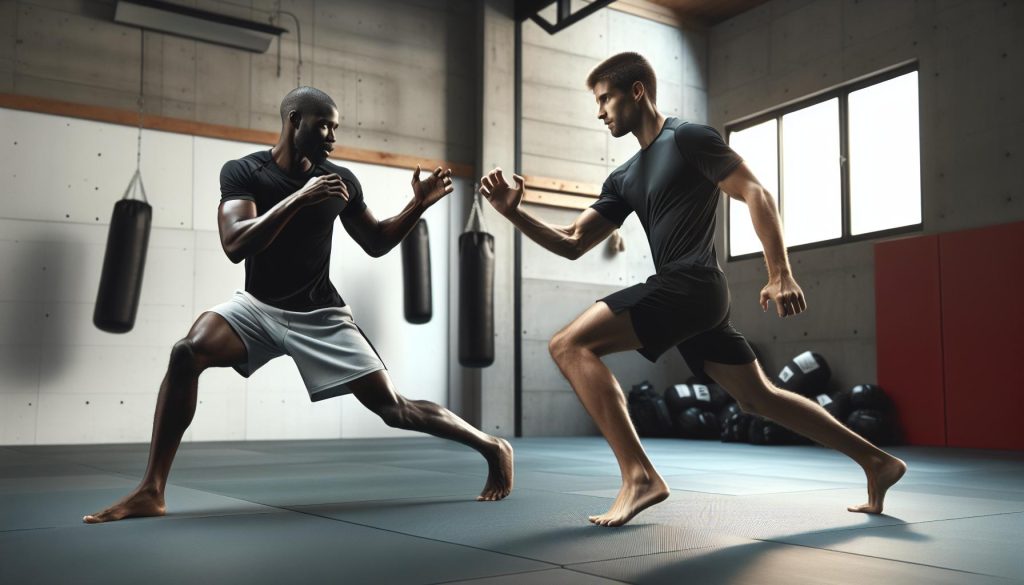
When considering training in Krav Maga, you might wonder if going barefoot is an acceptable option. This question not only touches on comfort and health but also significantly affects your safety and effectiveness in the practice. Proper footwear can enhance traction and provide necessary support, minimizing the risk of injury during rigorous training sessions. In this article, we will explore the footwear requirements for Krav Maga, addressing common concerns and highlighting the benefits of appropriate shoes in self-defense training. Whether you’re a beginner or an experienced practitioner, understanding the role of footwear is crucial in optimizing your performance and ensuring your safety on the mat. Let’s dive into the key aspects of this important topic.
Footwear Considerations for Krav Maga Training
Training in Krav Maga without proper footwear poses significant risks. While some might argue for the benefits of going barefoot to enhance foot strength and connection to the ground, this practice often leads to injuries such as cuts, scrapes, and even fractures, especially on hard or uneven surfaces. The risks increase when you’re practicing techniques that involve footwork and impact, where inadequate protection can result in serious harm.
Opting for appropriate footwear can enhance performance by providing vital support and grip. Proper training shoes designed for martial arts typically have a non-slip sole and adequate cushioning to absorb impact and reduce strain on your joints. Consider footwear that meets the following criteria: good arch support, flexibility to allow natural foot movement, and a sole with traction to prevent slipping, especially on various training surfaces.
In many Krav Maga training centers, there are strict footwear guidelines in place to ensure safety and hygiene. Always check with your instructor or facility regarding their specific footwear policies. Facilities often prohibit: open-toed shoes, sandals, or any footwear that does not provide adequate support. Following these guidelines helps maintain a safe training environment for everyone.
Finally, when choosing the right training shoes, consider how different surfaces impact footwear choice. Training on mats may allow for lighter footwear, while harder surfaces necessitate more protective shoes. Ultimately, the right footwear not only facilitates better movement but also protects you from potential injuries, contributing to a safer and more effective training experience.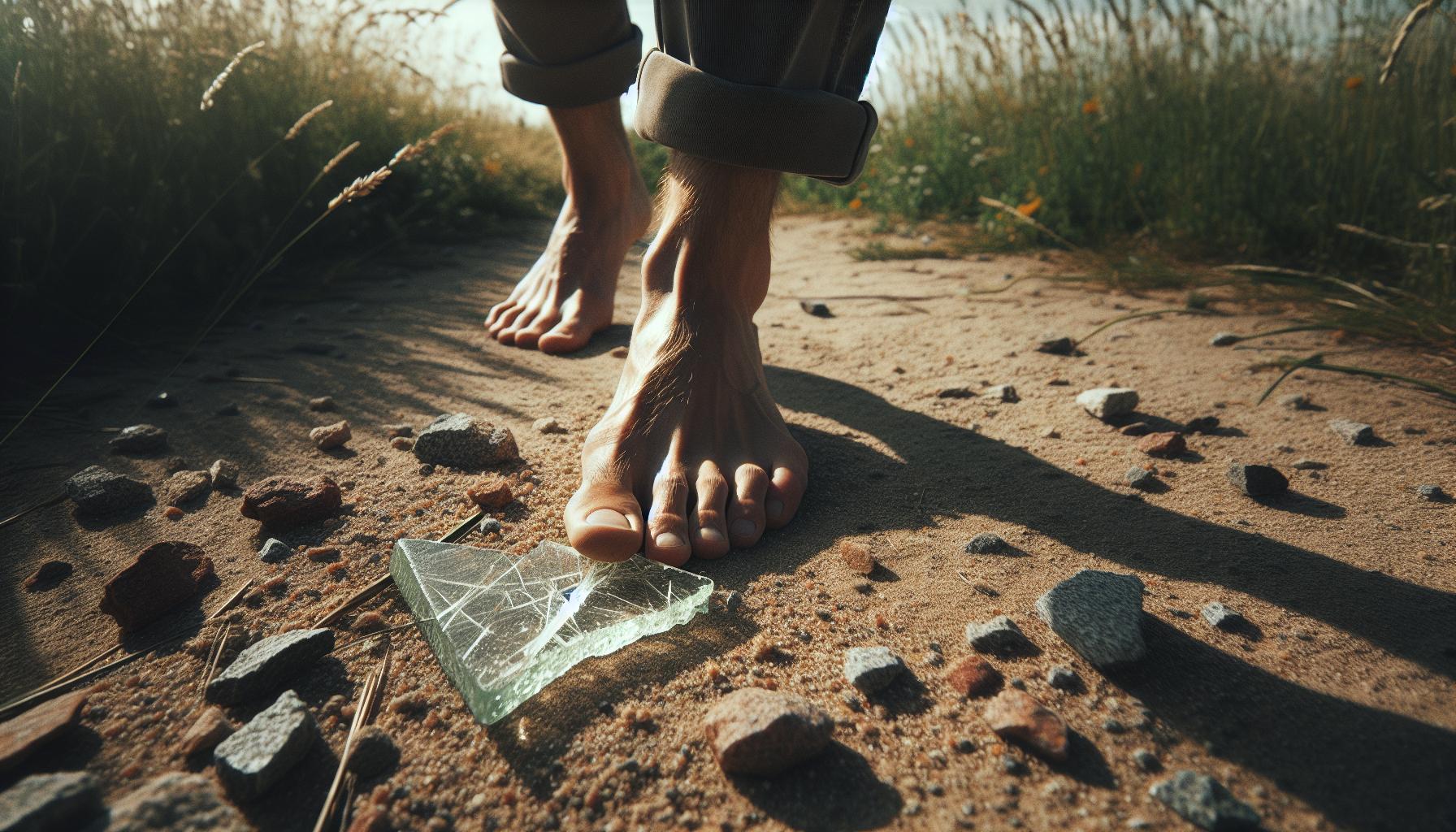
Why Going Barefoot May Not Be Ideal
Training without footwear might seem appealing to some practitioners of Krav Maga who are seeking a greater connection with the ground and an enhancement of foot strength. However, this approach introduces significant risks that can overshadow its perceived benefits. The reality is that many environments where Krav Maga is practiced-such as gym floors or outdoor settings-can harbor sharp objects, debris, or hard surfaces that are unkind to bare feet. Injuries like cuts, scrapes, or even fractures are common consequences when training barefoot, especially during techniques that necessitate agility and rapid foot movements.
Consider the scenario: during a sparring session, a sudden pivot or a defensive maneuver could place undue stress on an unprotected foot, leading to serious injury. Not only does this affect your performance; it could also sideline you from training altogether while you recover. This risk amplifies when considering the potential for slips and falls on polished or uneven surfaces, where proper grip and support are critical. In contrast, appropriate footwear provides the stability needed for explosive movements and can significantly reduce the likelihood of injury.
Moreover, many Krav Maga training centers enforce strict footwear policies designed to protect students and maintain hygiene. These guidelines often prohibit open-toed shoes, sandals, or any footwear that does not adequately support the ankles and arches. Following these policies is essential not only for your safety but also to foster an environment where all practitioners can train with confidence. In summary, while the allure of barefoot training may be tempting, the associated risks and facility regulations make clear that investing in proper footwear is the wiser choice for a safe and effective Krav Maga practice.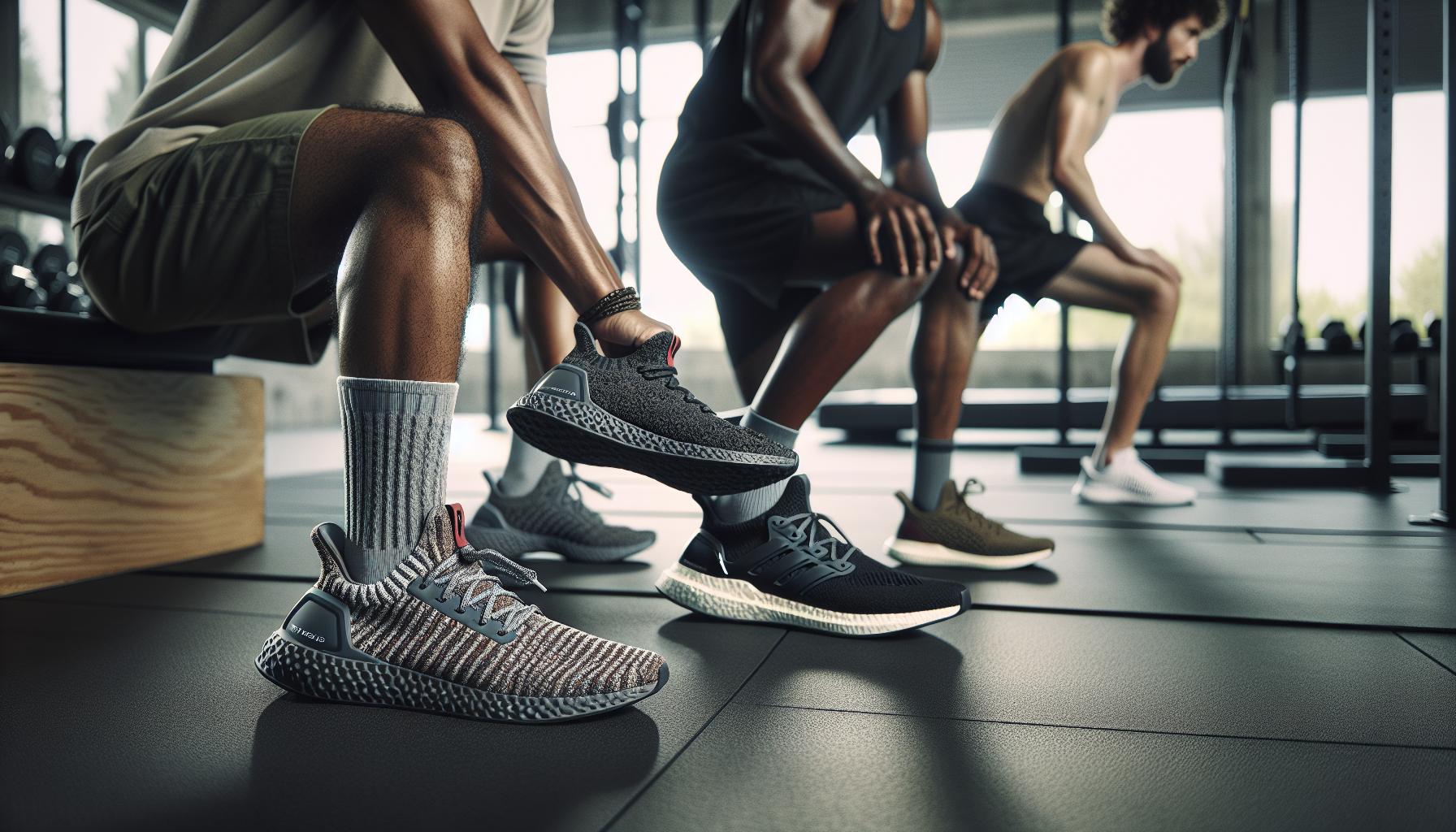
Benefits of Training with Proper Footwear
Training in proper footwear for Krav Maga significantly enhances performance and safety, which are crucial elements in any martial arts practice. While some may prefer to train barefoot to foster a closer connection to the ground, this approach often overlooks the myriad advantages that appropriate footwear can offer. Firstly, well-designed training shoes provide crucial support and protection for your feet, shielding them from potential injuries that could arise from the impact of rapid movements, sudden changes in direction, or uneven surfaces. Without this protection, practitioners may suffer from cuts, bruises, or sprains, which could hinder their training progress.
Additionally, training shoes are specifically constructed to aid various movement patterns required in Krav Maga. They offer features such as enhanced grip and traction, which are vital during offensive and defensive maneuvers. A shoe designed for martial arts can help you pivot smoothly and maintain your balance, thereby reducing the risk of slips and falls. The right footwear also supports your arches and ankles, ensuring that your body is aligned and stable during intense drills and sparring sessions, which can transform your overall technique and effectiveness in practice.
Beyond the physical benefits, wearing proper footwear also fosters a more professional and hygienic training environment. Many Krav Maga facilities enforce footwear policies to maintain cleanliness and to prevent the spread of bacteria and pathogens, especially in shared spaces. Adhering to these policies not only shows respect for the space but also for fellow practitioners, reinforcing a culture of safety and mutual responsibility. In contrast, training barefoot may send a message of disregard for the communal training environment, impacting group dynamics and confidence among students.
To maximize the benefits of training with footwear, it is essential to choose shoes that are appropriate for the activity. Look for shoes with a non-slip sole, good cushioning, and adequate arch support. This investment will not only enhance your experience on the mat but also contribute to your long-term training goals by minimizing the risk of injury. A thoughtful approach to footwear can elevate your preparation for movement and reaction, enabling you to practice Krav Maga more effectively and safely.
Common Footwear Options in Krav Maga
Training effectively in Krav Maga often hinges on the choice of footwear. With a variety of options available, selecting the appropriate pair can significantly impact your performance, safety, and comfort during training sessions. While some may hesitate to invest in specific shoes, understanding the common types of footwear tailored for martial arts training can guide your decision.
One popular option among Krav Maga practitioners is martial arts shoes, which are typically lightweight and designed to allow for swift movements. These shoes often feature a split sole that enhances flexibility while providing adequate traction for grappling and striking techniques. Many styles support ventilation, which keeps feet cooler during intense workouts.
Cross-trainers are another option, particularly for those who engage in various types of exercise beyond Krav Maga. These shoes are designed for multi-directional movements, featuring stability and cushioning that can withstand the rigors of training. Their versatile design allows for activities such as kicking and transitioning between stances without compromising support.
For individuals who prefer greater grip and ground feel, barefoot shoes represent an appealing choice. These minimalist shoes provide a close-to-the-ground experience while still offering some protection against hazards. They allow for a natural range of motion, which can be beneficial for developing balance and agility.
It’s important to remember that not every facility permits every type of footwear. Some schools may have specific guidelines that restrict certain shoes to maintain hygiene and safety standards. Therefore, it is advisable to check your training facility’s rules before making a purchase. By understanding the various footwear options available and their specific advantages, practitioners can make informed choices that enhance their training experience while ensuring safety and compliance with facility policies.
Footwear Restrictions in Different Training Facilities
In the world of Krav Maga, where safety and discipline are paramount, understanding the footwear restrictions imposed by various training facilities is crucial. Many studios prioritize hygiene, safety, and performance, which understandably influences their footwear policies. For instance, some schools may mandate that all participants wear designated martial arts shoes or trainers, as these are typically easier to clean and less likely to retain moisture or dirt that can harbor bacteria. This is particularly significant in classes where partners frequently come into close contact.
Moreover, training mats often have particular surfaces that require appropriate footwear to prevent damage. Shoes designed specifically for martial arts offer traction and support while protecting both the mat and its users. In contrast, wearing outdoor shoes or those with hard soles could compromise the integrity of the training space and create hazards. It’s not uncommon for a facility to have a strict no-barefoot policy, especially during drills where foot movements can create slips or falls.
When selecting footwear for Krav Maga, take the time to consult your training facility’s guidelines. This proactive approach not only shows respect for the space but also ensures that you are fully prepared for the training environment. Some schools may also have stipulations regarding the color or style of shoes to maintain a uniform appearance or to promote a sense of discipline among practitioners. Ignoring these restrictions could result in being turned away, so it’s wise to inquire beforehand to avoid any disruptions in your training schedule.
Ultimately, adhering to these footwear requirements not only enhances your comfort during training but also contributes to an overall safer environment. As you continue your journey in Krav Maga, understanding and respecting the policies of your training facility will reflect your commitment to both personal growth and the community.
How Footwear Affects Performance and Safety
Training in Krav Maga without appropriate footwear can significantly hinder your performance and increase the risk of injury. Footwear selection plays a crucial role in providing the necessary grip, support, and protection during intense training sessions. Barefoot training, while appealing for its connection to the ground, often leads to slips and missteps on various surface types, especially when executing rapid movements or techniques that require balance. Without shoes, your feet are more susceptible to impact injuries and cuts from unseen hazards on the training floor.
Proper footwear enhances performance by offering specific design features tailored for martial arts. For instance, lightweight shoes enhance agility and allow for quick footwork, while shoes with adequate ankle support can prevent sprains during high-impact drills. Additionally, shoes designed for martial arts usually incorporate flexible soles that allow for a natural foot movement, thereby improving overall technique execution. Choosing footwear with adequate grip prevents slipping and allows a clear focus on technique development, rather than on maintaining stability.
Moreover, safety is a paramount concern in combat sports. Using appropriate footwear not only protects the individual but also ensures a safer training environment for all participants. A shoe designed to absorb shock can significantly reduce the risk of foot fatigue and injury, particularly during extended periods of practice. Wearing the wrong type of footwear may also lead to injuries that could sideline you from training entirely. In training environments with sparring or close-contact drills, the risk of foot injuries increases, making it essential to wear shoes that can withstand the rigorous demands of the practice.
When evaluating footwear for Krav Maga, consider these essential factors:
- Tread and Traction: Look for footwear that provides excellent grip, especially during dynamic movements.
- Shock Absorption: Shoes should have cushioning to protect your feet from impact.
- Flexibility: Ensure that the shoes allow for natural foot movement to facilitate technique execution.
- Ankle Support: High-top options may provide additional support for ankle stability during aggressive movements.
In conclusion, the right footwear can not only enhance your training performance but also safeguard your physical health, ensuring a more effective and safer experience in Krav Maga. Prioritizing footwear selection is essential to your overall training success and longevity in the practice.
Tips for Choosing the Right Training Shoes
Selecting the appropriate training shoes for Krav Maga is crucial for optimizing your performance and minimizing injury risk. With the intensity of training and the physical demands of the techniques, your footwear can make a significant difference. The right shoes should enhance your ability to move swiftly and safely while providing adequate support. Here are some actionable tips to help you choose the best training footwear.
First, prioritize flexibility and grip. Look for shoes designed specifically for martial arts or similar activities. A flexible sole will allow your foot to move naturally, which is vital for executing techniques effectively. Additionally, shoes with a textured sole will provide better traction, helping you maintain your footing during dynamic movements and preventing slips on various surfaces.
Next, consider the level of support your shoes offer. While lightweight models enhance agility, ensure they also provide sufficient ankle support. High-top shoes can be an excellent choice for those new to Krav Maga or for individuals prone to ankle injuries. Furthermore, adequate cushioning is essential for shock absorption; this will protect your joints during high-impact maneuvers and intense drills.
Another important factor is breathability. Training sessions can become strenuous, leading to perspiration. Shoes made from breathable materials will help keep your feet comfortable and reduce the risk of developing blisters or fungal infections. Lastly, it’s wise to try on different brands and styles, as fit can vary significantly. Make sure there’s enough space for your toes to move freely, and that the shoes don’t feel overly tight or restrictive.
By paying careful attention to these elements, you can enhance your training experience in Krav Maga, ensuring that your footwear supports your movements rather than hinders them. Making a thoughtful investment in your training shoes not only promotes your safety but also boosts your confidence as you refine your skills.
Alternatives for Barefoot Training in Krav Maga
In Krav Maga training, practitioners often find themselves deliberating over whether to train barefoot or with appropriate footwear. While barefoot training can enhance your connection with the ground, it is essential to consider alternatives that strike a balance between comfort, safety, and performance.
One popular option among practitioners is to use martial arts slippers, which are lightweight and designed to provide a certain level of grip without compromising the natural movement of the foot. These slippers allow for improved traction on mats or various training surfaces while still feeling close to barefoot, thereby enabling practitioners to execute techniques with precision. They come in different styles, providing either full coverage or open designs for enhanced breathability.
Another alternative is minimalist shoes that mimic the experience of being barefoot while offering adequate protection against potential injuries. These shoes typically feature a thin, flexible sole that can help maintain foot agility while providing some cushioning and support. Minimalist footwear can prevent common foot ailments that may arise from constant exposure to hard surfaces during training, such as bruised toes or cuts from debris.
For those concerned about hygiene and safety, especially in shared training environments, foot wraps or injury prevention socks can be valuable tools. These can protect your feet from infections while offering a little bit of grip and cushioning – a middle ground for those who are hesitant to go fully barefoot yet want to avoid the bulk of traditional training shoes.
Ultimately, the choice of footwear in Krav Maga should be guided by the specifics of your training environment, individual comfort, and safety requirements. Always ensure that your choice enhances mobility and helps prevent injuries, creating a more effective and enjoyable training experience.
Understanding the Impact of Surface Types on Footwear Choices
In Krav Maga, the type of surface you train on can heavily influence your choice of footwear, impacting not only your performance but also your safety. Different surfaces present unique challenges that require varied footwear considerations. For example, training on hard surfaces like concrete or wood flooring can cause significant discomfort and increase the risk of injury if barefoot. The friction created between the foot and the surface can lead to burns or bruises, making proper footwear essential to protect your feet while still allowing mobility.
When practicing on matted surfaces, such as in a dojo, the recommendation may shift slightly. Mats provide a softer landing, potentially allowing for more flexibility in footwear choices. However, it’s still crucial to consider the grip level of your footwear; smooth-soled shoes might cause slips, while shoes with traction can significantly enhance stability during techniques. Additionally, in environments where various exercises are conducted, like transitions between ground work and standing techniques, having shoes that offer reliable grip can boost your confidence and overall performance.
Moreover, the surface type also dictates hygiene considerations. Training in shared environments, such as gyms or communal dojos, raises hygiene issues when barefoot. In such cases, wearing properly fitted footwear like martial arts slippers can help mitigate the risk of infections while still offering a better connection to the ground than traditional training shoes. It’s vital to assess not only your comfort level but also how the training surface can influence your choice. Adapting your footwear to suit the training environment can ensure a safer and more effective practice, allowing you to focus on mastering techniques rather than worrying about foot injuries.
Legal and Safety Considerations for Practicing Barefoot
Training barefoot in Krav Maga may seem appealing for a more grounded connection during practice, but there are significant legal and safety considerations that practitioners should carefully weigh. In many locations, training facilities have rules regarding footwear for practical safety and hygiene reasons. Being barefoot may expose practitioners to risks such as accidental injuries, slips, or infections, particularly in shared training environments where hygiene can be compromised.
From a legal perspective, should an injury occur while training barefoot, liability issues could arise. If you injure yourself on an unsafe surface or spread an infection, it might be challenging to establish if you were following safety protocols or facility rules. Many gyms and dojos require appropriate footwear to protect both the individual and others training alongside them. Understanding the facility’s regulations not only keeps you compliant but also enhances your safety and that of your fellow students.
Moreover, it’s essential to acknowledge that different surfaces react differently to bare feet. For instance, practicing on concrete or wood increases the chance of injuries like bruises or cuts, which could lead to significant downtime from training due to recovery. Wearing appropriate footwear, like martial arts shoes or socks, not only mitigates these risks but also aligns with the safety protocols set by the training facility. In environments where martial arts are practiced, there are often prescribed types of footwear that balance grip, protection, and hygiene, making it crucial for practitioners to adhere to these guidelines to maintain a safe training environment for everyone involved.
Ultimately, while the desire to train barefoot can stem from a quest for comfort and connection, the legal and safety implications must not be taken lightly. Observing proper footwear protocols ensures that your training remains effective and safe, allowing you to focus on developing your skills without the distraction of preventable injuries.
Krav Maga Etiquette: Footwear and Hygiene Protocols
Maintaining proper etiquette in Krav Maga extends beyond techniques and self-defense tactics; it heavily incorporates footwear and hygiene protocols. A well-informed practitioner understands that the right shoes are not merely a preference but a necessity for safety and respect within the training environment. Many dojos and training centers emphasize specific footwear guidelines to not only enhance performance but also ensure the collective well-being of all participants.
Footwear Protocols
Adhering to footwear regulations prevents potential accidents and encourages a culture of safety. Many facilities require closed-toe shoes with non-slip soles to minimize the risk of slipping or injuring both yourself and your training partners. Practitioners should take time to understand these protocols, as failing to comply could result in being asked to leave the training area. Commonly accepted options often include:
- Specialized martial arts shoes designed for grip and flexibility.
- Cross-training sneakers that provide adequate support without excessive tread.
- Soft-soled shoes or socks specifically designed for indoor martial arts training.
Hygiene Considerations
Additionally, hygiene protocols play a crucial role in maintaining a respectful training environment. Sharing space with multiple individuals means that concerns surrounding cleanliness are paramount. Practitioners should always wear clean footwear and make sure their feet are washed before class to prevent the spread of bacteria or fungi.
Furthermore, respectful etiquette includes refraining from wearing outdoor shoes on the training mats. It’s essential to remove outdoor footwear before stepping onto training surfaces, which are often kept clean for health and safety. This simple practice not only reflects respect for the training facility but also for fellow practitioners who share the space.
By fully grasping and embracing footwear guidelines and hygiene protocols, Krav Maga practitioners cultivate an atmosphere of respect, safety, and professionalism-key cornerstones of effective training. Such practices ensure that focus remains on developing skills and strategies, providing a solid foundation for effective self-defense and mutual respect among peers.
Adapting to Different Martial Arts Environments
In the world of martial arts, footwear choices can vary significantly depending on the environment, the specific discipline practiced, and the safety protocols enforced by individual dojos or training centers. For practitioners of Krav Maga, adapting to these varying conditions is crucial. With some facilities allowing barefoot training while others enforce strict footwear guidelines, understanding the nuances can greatly enhance your training experience and safety.
When training in different martial arts environments, remember to consider the surface type. Soft mats, often used in Brazilian Jiu-Jitsu studios, may permit barefoot training due to reduced injury risks, while more rigid surfaces common in Krav Maga facilities necessitate adequate footwear to prevent slips and provide sufficient grip. Shoes designed for martial arts typically focus on flexibility and support without overwhelming tread, which can catch on mats and lead to injuries. Opting for appropriate footwear, such as soft-soled shoes, ensures a secure footing, enabling effective movement and techniques.
Another critical aspect to consider is the cultural and procedural differences among martial arts schools. Some schools may promote a barefoot practice as an avenue to enhance grounding and connection with the training surface, creating a more organic training experience. However, others may adopt strict hygiene practices that prohibit any outdoor footwear on mats. For instance, a Krav Maga school focusing on self-defense techniques may require closed-toe shoes with non-slip soles to maintain not only personal safety but also the well-being of all students.
To navigate these variations effectively, here are several practical steps to consider:
- Research School Policies: Before attending a new dojo, check their footwear policies. Some facilities may even offer guidance on recommended shoe types.
- Choose Versatile Footwear: Invest in shoes that are suitable for various martial arts practices. Options designed for cross-training can often bridge the gap between flexibility and grip.
- Embrace Hygiene Etiquette: Regardless of footwear options, cleanliness is vital. Always ensure your feet and shoes are clean, respecting shared training spaces.
- Communicate with Instructors: If unsure, don’t hesitate to ask your instructor for advice on footwear choices based on the specific training environment.
By staying adaptable and informed about the footwear requirements of different martial arts environments, you enhance your own safety and that of your fellow practitioners. This responsive approach ultimately fosters a more focused, respectful, and effective training atmosphere, reinforcing the core values of Krav Maga and other martial arts disciplines.
Faq
Q: Can you practice Krav Maga barefoot?
A: While it’s technically possible to practice Krav Maga barefoot, it is generally not recommended. Proper footwear provides essential protection against injury and enhances grip on various surfaces, which is crucial for effective training. Always check your training facility’s policy on barefoot practice.
Q: What types of shoes are best for Krav Maga?
A: The best shoes for Krav Maga are those that offer good support, flexibility, and grip. Look for lightweight training shoes or martial arts shoes designed for mobility. Ensure your footwear has non-marking soles to comply with training environments.
Q: Are there any health risks associated with training barefoot in Krav Maga?
A: Yes, training barefoot can increase the risk of injuries such as cuts, bruises, or infections. Additionally, you may have reduced traction, leading to slips and falls. Always prioritize safety by wearing appropriate footwear to minimize these risks.
Q: How does training barefoot affect performance in Krav Maga?
A: Training barefoot might enhance your sense of balance and foot awareness, but it often compromises safety and stability during dynamic movements. Wearing shoes designed for martial arts can improve your performance by offering better support and reducing the risk of injury.
Q: Do different Krav Maga schools have varied footwear policies?
A: Yes, Krav Maga schools often have specific footwear policies. Some may allow barefoot training, while others require shoes. Always confirm with your instructor to adhere to the school’s guidelines and maintain hygiene standards during practice.
Q: Can I use running shoes for Krav Maga training?
A: While running shoes can provide comfort, they might not offer the required stability and grip for Krav Maga. It’s better to choose shoes that are specifically designed for agility and lateral movements, which are more common in martial arts.
Q: What should I consider when choosing footwear for Krav Maga?
A: When selecting footwear for Krav Maga, consider factors such as fit, weight, support, and grip. Tread patterns should cater to the training surfaces you’ll encounter, and the shoe should allow natural foot movement.
Q: How can I transition to training barefoot if needed?
A: To transition to barefoot training, start by practicing barefoot on softer surfaces to build foot strength and awareness gradually. Incorporate short sessions in a safe environment to adapt without risking injury. Always consult your instructor for personalized advice.
Insights and Conclusions
Before you step onto the mat, consider the footwear options available and how they can enhance your Krav Maga practice. While you might be tempted to go barefoot, it’s crucial to weigh the benefits of proper footwear for safety and performance. Not only does the right pair protect your feet, but it can also enhance your grip and stability during training. If you have lingering questions about appropriate gear, check out our guides on Krav Maga training attire and the benefits of specialized martial arts shoes.
Ready to elevate your skills? Explore our comprehensive resources for mastering self-defense techniques in Krav Maga, and don’t hesitate to subscribe to our newsletter for expert tips and updates directly in your inbox. Remember, being prepared is key, and understanding the role of footwear is an essential part of your training journey. Join our community and keep the momentum going-your journey in Krav Maga starts now!