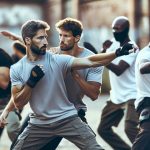

In the world of self-defense, practicality and comfort during training are crucial. One question that often arises in the Krav Maga community is whether practitioners can train barefoot. This discussion resonates with many, as training barefoot can enhance foot sensitivity and grounding in movements, but it also raises concerns about safety and injury prevention on various surfaces. Understanding the perspectives shared in Reddit communities, along with insights from seasoned instructors, can provide valuable guidance on whether to embrace this natural approach or stick to traditional footwear. Dive into this topic to discover the benefits and potential risks associated with going barefoot in Krav Maga training. Your choice could impact not just your performance, but also your overall safety and comfort in learning this vital self-defense system.
Can Krav Maga Be Practiced Barefoot?
Krav Maga training can indeed be practiced barefoot, and many instructors and practitioners favor this approach for several reasons. Training without shoes can enhance proprioception, allowing individuals to develop better foot strength and balance, which are critical aspects of effective self-defense. Barefoot practice can also offer a more authentic experience, mimicking scenarios where one might have to defend themselves in unexpected situations without proper footwear. Among the benefits discussed in forums and communities, the feeling of connection to the ground is often highlighted, allowing for quicker footwork and better stability during maneuvers.
However, it’s essential to approach barefoot training with an understanding of both its advantages and potential risks. While many practitioners advocate for it, others warn about the increased likelihood of injuries, such as cuts, bruises, or strains, especially on harder surfaces. The lack of footwear might limit protection against external hazards, including sharp objects or uneven terrain, which can lead to discomfort or injury. For beginners or those transitioning from shoes, it’s advisable to gradually acclimate the feet to barefoot training to strengthen the muscles and prevent strain.
In the context of Krav Maga techniques suited for barefoot training, movements that emphasize agility, such as foot sweeps or intricate footwork drills, can actually benefit from the enhanced tactile feedback that comes with being barefoot. Moreover, it’s important to analyze the training environment; training on soft surfaces such as mats or grass can mitigate some risks associated with barefoot practice. Striking surfaces and the type of flooring in training facilities should be considered, ensuring safety while optimizing performance. Ultimately, whether to train barefoot or not should be a personal decision based on comfort, the training environment, and individual safety considerations.
The Benefits of Training Without Shoes
Training without shoes can open up a realm of benefits for practitioners of Krav Maga. One of the most significant advantages is the enhancement of proprioception – the body’s ability to sense its position in space. When practicing barefoot, individuals can better understand the pressures and balance needed during movements, ultimately leading to improved agility and footwork. This heightened awareness can make a tangible difference in self-defense situations where quick reactions are crucial.
In addition to boosting proprioception, barefoot training strengthens the muscles in the feet. This natural development contributes to better stability and balance, which are essential components in effective self-defense maneuvers. A strong foundation in foot strength not only aids in executing techniques but also helps prevent injuries during training or real-life scenarios. It’s this connection to the ground that allows for enhanced stability during explosive movements, making practitioners more resilient against falls or missteps.
Moreover, the experience of training barefoot can make practitioners feel more connected to their environment. This connection helps simulate real-world situations, where shoes may not be an option. The feedback received from the ground-be it the firmness of a mat or the unevenness of terrain-can inform a practitioner’s movements, leading to more adaptive and instinctive responses. Ultimately, the choice to train without shoes can foster a deeper understanding of one’s own body mechanics and improve overall performance in self-defense tactics.
Potential Risks of Barefoot Training in Krav Maga
Training barefoot in Krav Maga can be liberating, but it also carries certain risks that practitioners should thoroughly consider. One primary concern is the potential for injury. The foot, while resilient, is not immune to cuts, scrapes, or other injuries that could result from accidental contact with rough surfaces or other practitioners. In a dynamic training environment where kicks and movements are fast-paced, the risk of stepping on a sharp object or sustaining an impact increases, particularly in unfamiliar training locations.
Another significant risk involves the possibility of foot and ankle injuries. Without the support and cushioning typically offered by shoes, practitioners may be more susceptible to strains, sprains, and stress fractures. This is especially true for beginners who may not yet have developed the foot strength and proprioception that can mitigate these risks. Notably, specific techniques that involve rapid changes in direction or explosive movements can place considerable strain on the feet and lower legs, so a gradual buildup to bare training is beneficial.
It’s also important to consider hygiene and health. Training barefoot in shared spaces can expose practitioners to various foot conditions such as athlete’s foot or fungal infections. Adequate foot care, including regular inspection for any abnormalities and cleanliness after training, is essential to minimize these health risks.
Lastly, depending on local regulations and the environment in which training occurs, there may be legal considerations. Some martial arts schools enforce footwear policies for safety and sanitation, and practitioners should always be aware of these rules, ensuring compliance to prevent any issues during practice.
In summary, while barefoot training in Krav Maga offers unique benefits, the associated risks necessitate careful consideration and preparation to ensure a safe and effective training experience.
Sock vs. Barefoot: What’s the Best Option?
Training in Krav Maga often leads to the common debate: Should you practice barefoot or wear socks? Each option comes with distinct advantages and disadvantages that can significantly affect your performance and safety during training.
Practicing barefoot allows for optimal foot mobility and strengthens the intrinsic muscles in your feet, enhancing balance and proprioception. This is particularly beneficial in a martial art like Krav Maga, where quick movements and agility are critical. Additionally, being barefoot can create a more tactile connection with the ground, enabling practitioners to feel shifts in balance or weight distribution more acutely. This can lead to improved technique, especially in footwork-based drills where awareness of your foot placement is vital.
On the other hand, wearing socks can provide a layer of protection, helping to reduce the risk of cuts or abrasions from rough training surfaces. They also offer some level of grip, although this can be variable depending on the material. Training in socks might be preferable for those who are new to the sport or are concerned about injuries, as it helps to mitigate the risk of slipping or falling. However, socks can potentially restrict foot movement and proprioceptive feedback, which might hinder development in certain techniques.
When deciding between socks and barefoot training, consider your individual training environment, personal comfort, and safety. In shared training spaces, hygiene may also become a factor, as socks can limit direct contact with the floor, but they still present a risk for foot infections if not kept clean. Ultimately, whether you choose to go barefoot or wear socks in Krav Maga may depend on your specific goals, physical ability, and the environment where you train. Balancing the advantages of foot strength and connection with safety from injuries is key to making an informed decision.
Personal Experiences: Training Barefoot in Krav Maga
Experiencing Krav Maga training barefoot can be both liberating and intriguing, as shared by many practitioners within the community. Numerous anecdotal insights from Reddit highlight that training without shoes allows for heightened awareness of foot placement, which is crucial in a combat scenario where every millisecond counts. One practitioner noted that they felt more grounded and responsive when executing techniques like kicks and pivots, stating, “It’s as if I could feel the mat beneath me, making my movements more intuitive.”
Practitioners also report improvements in foot strength and balance after committing to barefoot training. One experienced instructor emphasized that the proprioceptive feedback gained from being barefoot enhances overall agility, allowing for quick adjustments during practice. They highlighted that many traditional martial arts emphasize training without shoes, so it can also foster a deeper connection to the roots of martial arts.
However, it’s essential to remember that each training environment presents unique challenges. Some practitioners caution against barefoot training in unfamiliar places due to the risk of injury from debris or inadequate flooring. They recommend starting in a safe, clean space to build comfort and confidence. The transition to going barefoot should be gradual, allowing your feet to adapt and strengthen over time while being mindful of hygiene to avoid infections.
Overall, personal experiences from the community emphasize that barefoot training in Krav Maga can enhance technique and connection to movements, provided that safety and environmental considerations are taken into account. Engaging in open discussions about individual preferences can foster a well-rounded training approach, leading to enhanced skills and greater enjoyment of the practice.
The Science Behind Footwear Choices in Martial Arts
The choice to train barefoot in martial arts, including Krav Maga, hinges on a balance of biomechanical benefits and safety considerations. The human foot is designed for direct contact with the ground, employing intricate muscle and sensory feedback systems that are often compromised by conventional footwear. By practicing without shoes, practitioners can enhance their proprioception-the awareness of body position and movement. This heightened sensitivity can lead to improved balance and agility during combat scenarios where quick reflexes and precise foot placement are crucial.
Notably, a study in sports science suggests that barefoot training can improve foot strength, enhance muscle tone, and contribute to better overall foot health. The absence of shoes encourages the natural function of the foot’s arch and toes, promoting a more biomechanically effective stance. This can be especially advantageous in martial arts like Krav Maga, where sudden pivots and lateral movements are common. However, with these benefits come potential risks; training barefoot necessitates a careful assessment of the training environment to mitigate injuries from debris or unsafe flooring conditions.
Practitioners interested in barefoot training should consider the various surfaces they train on. Soft mats or gym floors are typically safer than harsher terrains which could harbor sharp objects. Furthermore, transitioning to barefoot training should be gradual to allow the body to adapt, particularly for those unaccustomed to the demands placed on the feet during intense physical activity. Finally, a focus on foot hygiene is paramount to prevent infections or skin injuries, as contact with shared surfaces can increase the risk of exposure to pathogens.
In summary, the scientific rationale for going barefoot in martial arts lies in enhancing sensory feedback and improving overall foot function, but it must be approached with an awareness of safety, environmental factors, and personal readiness.
Expert Opinions: Instructors Weigh In on Barefoot Practices
In the world of Krav Maga, the choice to train barefoot is often debated among instructors and students alike. Many experienced instructors advocate for barefoot training, arguing that it enhances physical agility and connection to the ground. This connection is particularly beneficial for executing techniques that require balance and quick footwork. As one seasoned instructor noted, “Training barefoot allows for a better sense of how your foot interacts with the ground, which is crucial during dynamic movements used in self-defense scenarios.”
Instructors often emphasize the importance of personal comfort and safety when deciding to train without shoes. A common perspective shared among them is that students should gradually acclimate their feet to the demands of barefoot training. They recommend starting with shorter sessions on softer surfaces, like mats, before progressing to harder or more unpredictable terrains. “It’s about listening to your body,” one instructor advised, highlighting the need for students to be mindful of any discomfort or fatigue that may arise.
Despite the benefits, many instructors also caution about potential risks associated with barefoot training. Concerns over hygiene and injury from sharp objects or unsafe flooring conditions are prevalent. Instructors recommend practicing foot hygiene and examining training environments prior to class. “There’s a fine line between reaping the benefits of barefoot training and exposing yourself to risk,” said another expert, urging students to prioritize safety while exploring this training method.
Ultimately, the insights from instructors reveal a balanced view on barefoot practices in Krav Maga. Variability in personal preference, environmental safety, and gradual adaptation processes form the crux of expert advice in this debate. By respecting individual experiences and maintaining safety protocols, practitioners can make informed choices about practicing Krav Maga barefoot.
Krav Maga Techniques Suited for Barefoot Training
Incorporating barefoot training in Krav Maga can enhance your ability to feel and react to the ground, which is essential for executing various techniques effectively. Techniques that require agility, balance, and quick footwork include basic stances, foot sweeps, and evasive movements. Training without shoes fosters a strong connection between your feet and the floor, optimizing stability and responsiveness.
Beneficial Techniques for Barefoot Training
Some specific techniques that are particularly well-suited for barefoot practice include:
- Stance Work: Techniques such as the neutral stance or the defensive stance can be practiced barefoot to improve balance and body alignment.
- Foot Sweeps: Executing foot sweeps requires sensitivity to foot placement and weight distribution, both of which are augmented through barefoot training.
- Evasion Movements: Techniques that involve ducking, weaving, and side-stepping benefit from greater freedom of movement and proprioception when practiced without shoes.
- Close-Quarter Techniques: Grappling and control methods can be enhanced when practitioners are more aware of their foot positioning on the mat.
Training barefoot can also improve the effectiveness of lateral and quick directional movements. As you learn to control your footwork without the barrier of shoes, you may find a significant increase in your overall agility, allowing for more fluid and dynamic responses in a self-defense situation. However, it’s imperative to start on soft surfaces and progress gradually to avoid injury as your feet adapt.
Safety Considerations
Always prioritize hygiene and safety when practicing barefoot. Assess the training environment for any potential hazards, and consider the nature of the flooring-matted surfaces are ideal for barefoot training, as they reduce the risk of injury. Remember, training barefoot is about enhancing your skills while remaining vigilant about your surroundings. Make informed choices that align with your personal comfort, safety, and training goals.
How to Transition to Barefoot Training Safely
Transitioning to barefoot training in Krav Maga can significantly improve your agility and connection with the ground, but it’s crucial to approach this change carefully to prevent injury and maximize benefits. Begin by assessing the condition of your feet. Ensure they are healthy and free from injuries, as you’ll be putting them in direct contact with various surfaces during training. A gradual approach is essential; start by practicing barefoot in controlled environments, such as on soft mats or grass, before moving to harder surfaces.
As you eliminate footwear, allow your feet to adapt naturally. Start by incorporating barefoot sessions into your routine a couple of times a week, gradually increasing the frequency as your feet become stronger. Focus on low-intensity drills that emphasize balance and proprioception, such as basic stance work and slow movements, to help build the necessary stability before tackling more dynamic techniques. Consider integrating foot-strengthening exercises, such as toe curls and calf raises, to enhance your foot’s resilience.
Hygiene is also paramount; ensure the training area is clean to reduce the risk of infections or injuries. Regularly check for debris or hazards on the floor, as training barefoot increases your vulnerability to cuts and scrapes. It’s advisable to maintain open communication with your instructor and teammates about your transition to barefoot training; their insights and experiences can provide valuable support as you navigate this change. Ultimately, transitioning to barefoot practice should be a measured and mindful process, allowing you to enhance your skills while prioritizing your health and safety.
The Role of Foot Health in Martial Arts
Engaging in martial arts like Krav Maga demands a strong foundation, and that foundation starts from the ground up-your feet. A healthy foot structure is crucial as it affects balance, stability, and your overall ability to execute techniques effectively. When practicing martial arts barefoot, the health of your feet becomes even more significant, as they are exposed directly to the training environment and the physical demands of the activity.
Firstly, strong feet contribute to better proprioception, the body’s ability to sense its position and movement in space. This is particularly important in Krav Maga, where quick reactions and agility are necessary. Regularly engaging in foot-strengthening exercises can enhance this aspect of performance. Activities such as toe stretches, calf raises, and using a balance board can build the muscles that support your arches and improve your balance on one leg-skills essential for executing techniques like kicks and evasive maneuvers.
Moreover, foot health is not just about strength; it also involves proper hygiene and care. Training barefoot exposes feet to a variety of surfaces, which can increase the risk of injuries such as cuts or infections. Keeping your feet clean and well-groomed, and ensuring that the training area is free from hazards, can help mitigate these risks. Instructors often recommend checking for any signs of discomfort or injury, as even minor issues can escalate into significant problems if ignored during rigorous training sessions.
Finally, transitioning to barefoot training should involve awareness of your foot condition. Factors such as flat feet, high arches, or pre-existing injuries can affect how you train. Consulting with a podiatrist or physical therapist can provide insights specific to your foot health and help tailor your training approach. By prioritizing foot health, you can enhance your performance, minimize injury risks, and ensure that your Krav Maga practice remains safe and effective.
Minding the Environment: Where to Train Barefoot
Practicing Krav Maga barefoot can be deeply influenced by your training environment, making it crucial to choose the right location to ensure safety and maximize the benefits of training without footwear. A clean, well-maintained surface not only uplifts your training experience but also reduces the risk of foot injuries that can occur from sharp objects, rough terrain, or unhygienic conditions. Environments like padded mats in a dojo or grass fields are ideal as they provide some cushioning, allowing you to focus on developing foot strength and agility without the distraction of discomfort from the ground beneath you.
When selecting a training venue, consider the following factors:
- Surface Material: Hard surfaces like concrete can lead to stress fractures or injuries, while softer surfaces enable better shock absorption during impact.
- Cleanliness: Ensuring the training area is free from debris, glass, or other hazards is essential. Always inspect the area before starting your session to mitigate risks.
- Climate: Training outside on hot surfaces can lead to burns, while cold or damp conditions increase the risk of slipping. Choose times when temperatures are moderate.
- Space: Ample room for movement is vital. Crowded areas can lead to accidents, especially when practicing dynamic movements inherent in Krav Maga.
Training in varying environments can also enhance your adaptability, a critical aspect of Krav Maga. For instance, practicing on sand can develop your foot muscles differently than a gym floor, improving your overall agility and balance. It’s important, though, to gradually acclimatize your feet to different surfaces to avoid undue stress and injuries.
Ultimately, while barefoot training can offer unique advantages, ensuring that your environment is conducive to safe practice is paramount. It not only protects your feet but also allows you to focus on perfecting your techniques effectively. Prioritize your foot health and adapt your training locations accordingly for the best results.
Legal Considerations for Training Without Footwear
Training barefoot in Krav Maga can present a unique set of legal considerations that practitioners should be aware of to ensure they remain compliant with local laws and regulations. First and foremost, the legality of training without footwear often depends on the training facility’s rules and the environment in which the training occurs. Many dojos, gyms, and studios have their own policies regarding footwear for hygiene and safety reasons. Make sure to consult these guidelines before choosing to practice barefoot.
It’s essential to recognize that training barefoot might pose liability risks. Should an injury occur while training without shoes-be it from poor environmental conditions like broken glass or other unforeseen hazards-there could be questions of personal liability or the responsibility of the facility. Instructors and students alike should have discussions about these potential risks, reinforcing the importance of a thorough inspection of training surfaces before sessions begin.
Additionally, engaging in Krav Maga training barefoot could have varying implications depending on the laws related to self-defense in your jurisdiction. Understanding the legal framework around personal defense situations, including how they are treated when using any physical techniques that may be executed barefoot, is vital. This includes familiarizing oneself with what constitutes reasonable force and the expectations of practicing self-defense in public versus private areas.
Ultimately, while the practice of training barefoot can enhance certain physical skills, awareness of the accompanying legal implications is crucial. It is advisable to prioritize safety not only in technique but also in choosing an appropriate training environment that upholds legal and ethical standards. Always ensure that there are clear protocols in place to address both health and safety concerns, helping to support a responsible training experience for everyone involved.
Frequently asked questions
Q: What are the benefits of practicing Krav Maga barefoot?
A: Practicing Krav Maga barefoot can enhance foot strength, improve balance, and foster a better connection to the ground. Additionally, it allows for a more natural movement, which can aid in increasing the effectiveness of techniques. Consider incorporating barefoot training gradually to adjust to the changes.
Q: Are there specific Krav Maga techniques that are easier to perform barefoot?
A: Yes, techniques that involve foot movement, like kicks and evasive maneuvers, can benefit from bare feet as they allow for greater agility and responsiveness. Training barefoot can enhance sensitivity to the ground, helping to execute techniques with improved precision.
Q: How can I safely transition to training barefoot in Krav Maga?
A: To transition safely, start by practicing short sessions barefoot and gradually increase the duration. Focus on basic movements to strengthen your feet while ensuring proper form. Pay attention to any discomfort and adjust your training accordingly to prevent injury.
Q: What are the risks of training without shoes in Krav Maga?
A: Training barefoot can increase the risk of foot injuries, such as cuts and bruises, particularly on hard surfaces. Additionally, the lack of cushioning may lead to discomfort during intense drills. Always assess your training environment for safety before proceeding barefoot.
Q: Can wearing socks be a suitable alternative to training barefoot in Krav Maga?
A: Yes, wearing thin socks can provide some grip while also offering minimal protection to your feet. However, they may not allow for the same level of sensory feedback that barefoot training provides. Evaluate your comfort and performance to decide what works best for you.
Q: What should I consider when training barefoot in different environments?
A: It’s important to assess the surface you’re training on; avoid rough or uneven terrain. Indoor mats or smooth surfaces are ideal for barefoot training. Also, consider the temperature and cleanliness of the training area to ensure a safe and comfortable experience.
Q: How do instructors feel about barefoot practices in Krav Maga?
A: Many instructors support barefoot practices, recognizing the benefits in foot development and ground connection. However, they often emphasize the importance of individual comfort levels and safety. It’s crucial to communicate with your instructor about your preference for bare feet during training.
Q: How can barefoot training impact my overall foot health?
A: Barefoot training can strengthen the intrinsic muscles of the feet, improving overall foot health and functionality. It may also alleviate common foot pain or issues caused by prolonged use of supportive footwear. Gradually introducing barefoot practices is key to maximizing these benefits.
In Conclusion
As we’ve explored, training in Krav Maga barefoot can be a topic of debate, balancing comfort and safety. Understanding the implications of training without shoes, especially in terms of surface grip and foot protection, is crucial. If you’re considering incorporating barefoot training into your regimen, make sure to weigh the benefits against potential risks.
Don’t stop here! Dive deeper into the nuances of self-defense with our articles on “Krav Maga Essentials” and “Choosing the Right Gear for Training” to enhance your knowledge. Ready to elevate your skills? Sign up for our newsletter to stay updated on the latest training techniques and community insights. Empower yourself with the right resources, and remember, effective self-defense begins with informed choices. Share your thoughts and experiences in the comments below-your perspective matters!