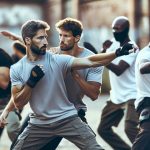

In a world where self-defense is increasingly relevant, many wonder if they can effectively learn Krav Maga on their own. While this martial art is renowned for its practicality in real-life situations, solo training poses unique challenges. Understanding how to maximize your practice without a partner can empower you to develop vital skills safely. This exploration delves into the effectiveness of solitary training, highlighting not only the techniques that can be honed independently but also the potential pitfalls. As you consider starting or enhancing your Krav Maga journey, you’ll find that knowledge is a powerful tool for both personal safety and self-awareness. Join us as we uncover whether solo training can truly prepare you for real-life scenarios.
Can You Train Krav Maga Effectively Alone?
Training in Krav Maga alone can be both effective and rewarding, but it requires discipline, focus, and the right approach. The essence of effective training alone lies in the ability to simulate real-life situations while honing your techniques and physical conditioning. It’s important to understand that while solo training can build a solid foundation, the dynamic nature of Krav Maga, which often involves partner work and real-time response to unpredictable scenarios, is best experienced in a group setting.
To maximize your solo training, consider structuring your sessions around key elements of Krav Maga. Technique repetition is crucial; focus on mastering strikes, defenses, and movement patterns. Use mirrors or video recording to assess your form and make necessary adjustments. Additionally, condition your body through strength training and cardio exercises that promote agility and endurance-an essential feature of self-defense scenarios. Moreover, integrating mindfulness practices such as visualization can help you mentally rehearse techniques and enhance your overall performance.
It’s vital to remain aware of your surroundings and prioritize safety during solo training. Establish a safe training space free from distractions or hazards, and always warm up to prevent injuries. Setting clear goals for each session can help maintain motivation and enhance skill retention. Keep track of your progress-this can be done through journaling your experiences, accomplishments, or areas needing improvement. By evaluating your training routinely, you can remain committed and focused on your self-defense journey, all while respecting the legal and ethical aspects inherent in martial arts practice.
Essential Equipment for Solo Krav Maga Training
To achieve effective solo training in Krav Maga, having the right equipment is crucial. While you can practice many techniques without special tools, certain gear can enhance your training experience and help ensure proper technique and safety.
Start with a training mat or a soft surface to cushion impacts during strikes and falls. This is particularly important to prevent injuries, especially when practicing techniques like falls or ground fighting. Additionally, a heavy bag is invaluable for developing striking power and practicing combinations. When using a heavy bag, focus on accuracy, timing, and footwork to simulate real scenarios. If a heavy bag isn’t available, you can improvise with a sturdy object that you can strike safely.
Another beneficial piece of equipment is a mirror. Installing a large mirror in your training space allows you to monitor your form, ensuring that your stances and strikes are aligned correctly. Regular self-assessment through the mirror will help solidify your muscle memory and improve your overall technique. For those without a dedicated training area, recording your sessions with a smartphone or camera can serve a similar purpose, allowing you to critique your movements post-training.
Finally, consider investing in protective gear, such as gloves and shin guards. While you’re training alone, it’s essential to prepare for potential contact scenarios. These pieces not only provide safety during training but also mimic a more realistic training environment when using a heavy bag or striking surface. Regardless of your training setting, maintaining a focus on safety and responsible practice is paramount in any self-defense training regimen.
Understanding the Basics of Krav Maga Techniques
To effectively grasp the fundamentals of Krav Maga techniques, it’s crucial to understand that this system focuses on methods that can be applied in real-world scenarios, prioritizing practical self-defense over traditional martial arts aesthetics. Techniques are designed to neutralize threats quickly and efficiently, catering to individuals of various skill levels, including those training solo.
Krav Maga encompasses a range of techniques including strikes, kicks, grappling, and defenses against attacks, such as holds and weapons. Here’s a breakdown of the core elements involved:
- Striking Techniques: The foundation of Krav Maga lies in its striking methods, which include punches, elbows, knees, and kicks. These strikes are designed to be instinctive and devastating, enabling you to disable an attacker and create an opportunity for escape.
- Defensive Techniques: Learning how to defend against various attacks is imperative. This includes countering grabs, chokes, and strikes. Defense in Krav Maga is often about redirecting the attacker’s energy and using their momentum against them.
- Ground Fighting: In real-life confrontations, fights can end up on the ground. Basic techniques for escaping holds or performing effective strikes while on the ground should be practiced even when training solo.
- Weapon Defense: Understanding how to defend against attacks with weapons, such as knives or guns, is vital. These techniques focus on disarming and creating distance.
To practice these techniques alone, begin by mastering the basic movements. Solo drills can be performed with or without equipment. If you lack a partner, use a heavy bag or shadow boxing to refine your striking accuracy and develop fluidity in movements. It’s essential to continually assess your form, using mirrors or recording devices to review and correct your techniques. Additionally, prioritizing safety and respecting the legal implications of self-defense training is crucial. Being aware of scenarios where self-defense may be necessary-and ensuring that your response remains proportional-is paramount in effective practice and application of Krav Maga skills.
By focusing on these foundational techniques, you can begin to build a solid self-defense skill set that prepares you for real-world situations, all while training independently.
Structuring Your Solo Training Routine
Creating a well-structured solo training routine for Krav Maga is essential for progress and effectiveness. Trainers often emphasize the importance of consistency and focused practice, especially when training alone. A solid routine allows you to systematically build your skills, improve your techniques, and prepare for potential self-defense scenarios.
Start your training sessions with a warm-up to prepare your body and mind. This can include dynamic stretches and mobility exercises to enhance flexibility and reduce the risk of injury. Spend about 10-15 minutes on this stage, as it sets the tone for productive training. Following your warm-up, dedicate sections of your routine to different skill sets:
Technique Drills
Incorporate drills that focus on striking, defensive maneuvers, and ground fighting techniques. For striking, practice punches, kicks, and knee strikes against a heavy bag or by shadow boxing. Aim for at least 20-30 minutes on this aspect. Use hand mirrors or video to check form and adjust as necessary.
Situational Scenarios
Engage in drills that simulate real-life scenarios. For instance, practice how you would respond to various attacks using your defensive techniques. Set specific times for each scenario and make them as realistic as possible. This helps reinforce your decision-making process under pressure.
Strength and Conditioning
Integrate bodyweight exercises like push-ups, burpees, and squats that build strength and endurance. This can improve your performance in both technique-focused training and real-life situations. Spend at least 15-20 minutes on conditioning to ensure you are in good shape to defend yourself if needed.
Cool Down and Reflection
Conclude your training with a cool down to relax your muscles and prevent stiffness. Take 5-10 minutes to stretch, and also take this time to reflect on your training session. Consider what techniques felt right, what needs more work, and any physical or mental challenges you encountered.
By structuring your solo training with these elements, you’ll cultivate a comprehensive skill set that equips you for effective self-defense while deepening your understanding of Krav Maga principles. Always remember to respect the legal implications of self-defense, maintaining a mindset focused on de-escalation rather than aggression.
Safety Protocols for Solo Martial Arts Practice
When practicing solo martial arts, especially a self-defense system like Krav Maga, safety protocols are paramount. Engaging in training alone can lead to several risks, such as injury or misunderstandings of technique. Therefore, establishing a solid safety framework is essential. First and foremost, create a safe training environment. Ensure the space is free from obstructions, hazards, and any objects that might cause injury. This might mean training on a soft surface like a mat or in an open area where you won’t accidentally hit a wall or furniture while performing movements.
In addition to your environment, it’s vital to listen to your body and recognize your limits. Pushing through pain can lead to serious injuries, particularly when training alone without a partner to provide immediate assistance. Warm up properly and start slowly when practicing new techniques. Time your practice sessions and incorporate adequate breaks; mental fatigue can lead to careless mistakes.
Furthermore, consider the incorporation of safety gear even in solo training. Wearing gloves, mouthguards, or shin guards during striking practice can prevent injuries. While it might seem excessive, they can promote safer practice habits and enhance your comfort level while training.
Another critical aspect is the legal implications of self-defense techniques. In many jurisdictions, the application of force must be proportionate to the threat faced. Familiarize yourself with local laws regarding self-defense to ensure that your training does not inadvertently encourage aggression or violence. Focus on de-escalation techniques as part of your training. Constantly remind yourself that self-defense is about protection and avoidance rather than aggression. Practicing with this mindset will help keep you grounded in the principles of Krav Maga and foster responsible training habits.
Mindset and Motivation in Solo Training
Training in Krav Maga alone can be an empowering journey, but it requires a robust mindset and motivation to maintain focus and effectiveness. Self-discipline is essential-without the accountability of a training partner or instructor, it’s easy to become complacent or skip sessions altogether. Setting clear, achievable goals can give your training purpose and direction. Begin by defining what you want to accomplish within a specific timeframe, whether it’s mastering a technique, increasing your stamina, or improving your strikes. Regularly revisit these goals to track your progress and recalibrate your focus.
Equally important is fostering a strong mental attitude toward training. Visualizing success can significantly enhance your practice. Imagine yourself executing techniques flawlessly during a real-world scenario; this mental imagery not only boosts confidence but also prepares your mind and body to respond effectively under pressure. Incorporating mindfulness practices, such as meditation or breathing exercises, can help center your focus, reduce anxiety, and prepare for the challenges of solo training. Recognizing your emotional fluctuations-like frustration from not mastering a technique quickly-can also facilitate a more constructive mindset.
Staying motivated during solo training can sometimes be a challenge, particularly when facing the monotony of repetitive drills. To counteract this, consider diversifying your training routine. Explore various techniques within Krav Maga, or even integrate related disciplines to keep things fresh. Joining online forums or social media groups dedicated to Krav Maga can provide you with community support, fresh ideas, and even challenges to keep your training engaging. Ultimately, the key to effective solo practice lies in blending determination, adaptability, and a focus on personal growth, ensuring that you evolve and improve at your own pace.
Common Mistakes to Avoid When Training Alone
Training alone in Krav Maga offers flexibility and independence but can also lead to pitfalls if not approached correctly. One recurring mistake is neglecting the fundamentals. Without the presence of a partner or instructor, it’s easy to skip over correct techniques or proper form. Practicing incorrectly can build bad habits, making it harder to unlearn and fix them later. Recording your sessions or reviewing online resources can provide insight into your form and execution, helping ensure adherence to the techniques learned.
Another common mistake is failing to create a structured training plan. Intuition might lead to erratic training sessions that miss critical aspects of Krav Maga. To mitigate this, define clear sessions with specific focuses, such as striking, self-defense against weapons, or situational awareness. Consistency and variety are crucial; rotating through different focuses not only keeps training engaging but also ensures comprehensive skill development.
Solo practitioners often underestimate the importance of mental conditioning. While physical drills are essential, neglecting the mental aspects can hinder effectiveness during real-life confrontations. A prevalent error is not visualizing scenarios or practicing situational responses. Take time to simulate real-life encounters in your training, either through mental imagery or even solo drills that incorporate movement and decision-making under pressure. This mental rehearsal helps bridge the gap between technique and application.
Lastly, provide awareness regarding safety protocols. When practicing alone, especially with techniques that involve striking or defensive maneuvers, ensure your surroundings are safe and free of obstructions. Invest in appropriate protective gear, even during solo practice, to avoid injuries. Understanding your legal rights and responsibilities concerning self-defense is also vital-ensure you’re aware of the laws in your area regarding force and self-defense to navigate any potential confrontations wisely. By avoiding these mistakes, solo training in Krav Maga can become a productive and empowering experience.
Tracking Progress in Solo Krav Maga Practice
Tracking your progress in solo Krav Maga practice is essential for honing your skills and ensuring effective self-defense training. Keeping a detailed record of your training sessions not only fosters accountability but also helps you recognize improvements and identify areas needing attention. Start by maintaining a training journal where you can log the duration, types of drills, techniques practiced, and personal reflections on each session. This practice can illuminate patterns in your training, track your evolution in skills, and highlight instances where your focus may need adjustment.
Using measurable goals can significantly enhance your training effectiveness. Consider setting objectives around specific techniques, fitness levels, or mastery of combinations. For example, you might aim to successfully execute a particular strike with accuracy or increase your stamina for a specific duration. Regular self-evaluation through methods such as filming your drills can provide visual feedback that enables you to self-correct and refine your techniques. Analyzing your performance on video not only cultivates a deeper understanding of your form and execution but also boosts confidence as you witness progression over time.
Incorporating periodic assessments can offer motivation and a sense of accomplishment. Every few weeks, dedicate a session to revisiting earlier techniques, gauging your fluidity and strength against the initial attempts. You might also compare your performance against set parameters, such as speed, accuracy, or power. Such assessments simulate the pressure of real-life situations, thus enhancing your mental conditioning and preparedness for actual confrontations.
Don’t solely focus on physical skills; tracking your mental growth is equally important. Reflect on your mindset before and after each session. Note any feelings of anxiety or confidence, and consciously work on developing a strong mental framework that complements your physical training. Building a resilient mindset through affirmations or meditative practices ensures that you remain calm and collected when faced with real-life threats.
Ultimately, you can transform your solo Krav Maga training into a well-rounded, progressive experience by diligently tracking your skills and fostering a dual focus on both physical and mental conditioning. This approach not only aids in effective learning but empowers you, helping you navigate the complexities of self-defense responsibly and ethically.
Legal Considerations for Self-Defense Techniques
Understanding the legal implications of self-defense techniques is crucial for anyone practicing Krav Maga, particularly when training solo. The right to defend oneself varies significantly by jurisdiction and the circumstances of each situation, making it essential to familiarize yourself with local laws. In many places, self-defense is defined under the principle of proportionality: the force used must be reasonable and necessary to prevent an imminent threat. This means that an appropriate response could vary widely depending on the aggressor’s actions, size, and the context of the confrontation.
It’s important to recognize that while Krav Maga teaches effective and decisive responses to threats, these actions must always align with the legal framework of your state or country. Engaging in physical confrontation can lead to legal consequences if perceived as excessive or unjustified. For instance, using a technique that results in serious injury when a lesser response could suffice is likely to complicate the legal justification of your actions. Always prioritize de-escalation techniques in your training-being able to diffuse a situation verbally can often be more effective and legally safer than resorting to physical measures.
If you’re considering incorporating weapons into your self-defense strategy, understanding local laws surrounding weapon possession and use is paramount. Many states have specific regulations regarding the carrying of pepper spray, knives, or firearms. Ensure you are aware of these restrictions, as they can influence your self-defense options significantly. Practicing with weapons also comes with the responsibility of knowing when and how they can be justifiably used in a defensive context.
Lastly, keeping a well-documented account of your training efforts can help you stay aware of the legal principles surrounding self-defense. Engaging in discussions with trained professionals, such as self-defense instructors or legal advisors, can provide invaluable insights. Document relevant laws, practices, and scenarios in which self-defense may apply. By doing so, you not only enhance your training efficacy but also ensure that any action taken in a real-life situation is informed and responsible. Remember, knowledge is as powerful a tool as physical ability in self-defense practices.
Krav Maga vs. Other Martial Arts for Solo Training
Krav Maga’s distinctive focus on real-world self-defense makes it an appealing choice for solo training, particularly for those looking to acquire practical skills quickly. Unlike many traditional martial arts, Krav Maga emphasizes instinctive responses and situational awareness, which can be practiced effectively on your own. While disciplines like Brazilian Jiu-Jitsu (BJJ) or Muay Thai rely heavily on sparring with partners for proficiency, Krav Maga allows for self-directed drills, such as shadow fighting, technique repetition, and physical conditioning exercises. This adaptability makes it easier for practitioners to develop their skills without needing a training partner.
Advantages of Krav Maga for Solo Practitioners
One of the most significant advantages of training Krav Maga alone is the element of training for immediate and realistic self-defense scenarios. Solo training can incorporate techniques that address various situations, teaching you how to defend against various attacks, such as grabs, strikes, and even potential weapon threats. The modular nature of its techniques allows you to practice specific moves repeatedly, reinforcing memory and muscle coordination while maintaining a focus on context-an aspect sometimes overlooked in other martial arts.
When comparing Krav Maga to other martial arts, consider the following:
- Krav Maga: Focused on self-defense with a pragmatic approach, emphasizing techniques that prioritize personal safety and de-escalation.
- Brazilian Jiu-Jitsu: Heavily partner-led discipline, relying on ground techniques and submissions-less effective for solo practice unless using specific drills with equipment.
- Boxing: Primarily striking-focused, allowing for shadow boxing and heavy bag work, but lacking the self-defense principles integral to Krav Maga.
- Karate or Taekwondo: Often traditional forms with katas that can be practiced alone, though they don’t typically include the immediate context of self-defense or real-life scenarios.
Safety and Ethical Considerations
While practicing solo, it’s essential to maintain an ethical approach to self-defense, focusing on de-escalation and avoidance whenever possible. Krav Maga’s principles teach that the best fight is the one you avoid, aligning with responsible self-defense practices. As you train, ensure you understand the nuances of using force legally and proportionately, as the techniques learned must always adhere to the laws of your jurisdiction.
Overall, Krav Maga provides a unique advantage for individuals seeking to train alone. By emphasizing practicality, you can cultivate a strong foundation in self-defense while remaining mindful of the ethical implications of your training.
Engaging with the Krav Maga Community Online
In today’s digital age, is a powerful way to enhance your solo training experience. Virtual platforms provide access to a wealth of resources, including instructional videos, forums for discussion, and opportunities for connecting with fellow practitioners. Online communities help you stay motivated and informed about the latest techniques, training tips, and self-defense strategies, all of which are essential for those pursuing Krav Maga independently.
Participating in online forums or social media groups dedicated to Krav Maga allows you to ask questions, share your experiences, and receive feedback from experienced practitioners and instructors. This interaction can provide valuable insights into your training. Look for platforms on social media such as Facebook or Reddit where you can connect with others who share your dedication. When posting questions, be specific about the challenges you are facing, whether related to technique, progress tracking, or safety concerns.
Additionally, many schools and instructors offer online classes or virtual seminars that allow you to train with top professionals from the comfort of your home. These sessions can help fill the instructional gap often present in solo training by offering real-time feedback and tailored guidance. Make the effort to participate in these online classes consistently. You’ll find that learning from experienced instructors helps refine your techniques and boost your confidence in applying them.
Lastly, consider creating a training blog or vlog to document your progress on your Krav Maga journey. Sharing your experiences not only keeps you accountable but also allows you to connect with others who may be facing similar challenges. Offering tips or reflections on what you’ve learned can be a valuable contribution to the community and might inspire fellow enthusiasts. Engaging online is about more than just training; it’s about building a supportive network that emphasizes safety, effective training, and responsible self-defense practices.
Advanced Solo Training Techniques for Krav Maga Enthusiasts
Krav Maga isn’t just a collection of self-defense moves; it’s a comprehensive system designed to empower individuals with practical skills for real-world encounter. For those training alone, advancing your skills requires innovative techniques that can maximize your practice time and effectiveness without a partner. One powerful method is the integration of shadow training, which involves practicing movements and techniques in the air, focusing on precision, speed, and fluidity. Consider dedicating a portion of your training to drilling specific techniques repetitively. This could include strikes, footwork, and defensive maneuvers, allowing you to refine your movements until they become instinctive.
Visualizing real-life scenarios is another advanced technique that enhances solo training. Mentally preparing for possible self-defense situations-like facing an aggressive opponent-can help build your decision-making skills under stress. To practice this, close your eyes and run through various scenarios in your mind, imagining how you would respond physically and emotionally. You could also incorporate visual aids, such as using a full-length mirror to analyze your stances and techniques, ensuring you maintain proper form and posture.
In addition to physical techniques, incorporating fitness training into your regimen is essential. Combine high-intensity interval training (HIIT) with Krav Maga drills to improve your stamina, speed, and strength. Essential exercises include burpees, jumping jacks, and sprints, all of which simulate the physical demands of a confrontation. You can also integrate resistance training, focusing on muscle groups utilized in Krav Maga techniques to enhance overall power and efficiency.
Lastly, keeping a training journal is an often-overlooked technique that can significantly aid in tracking your progress and refining your approach. Documenting your training sessions, techniques practiced, physical and mental states during training, and areas you wish to improve can help you stay accountable and motivated. This reflective practice not only fosters growth but can also help you identify patterns and make informed adjustments to your training strategy.
Q&A
Q: Can I learn Krav Maga by myself?
A: Yes, you can learn Krav Maga by yourself, but it requires dedication and the right approach. Utilize instructional videos, online courses, and practice essential techniques to build your skills effectively. Regularly self-assess and adjust your training routine to ensure progress.
Q: What are the best online resources for learning Krav Maga alone?
A: Some of the best online resources include instructional videos on platforms like YouTube, Krav Maga-specific apps, and specialized online courses from certified instructors. These platforms provide valuable lessons on various techniques and drills, making solo training more effective.
Q: How can I practice Krav Maga without a partner?
A: You can practice Krav Maga without a partner by focusing on solo drills, shadow boxing, and using training equipment like pads or heavy bags. These methods help reinforce techniques, improve footwork, and increase overall fitness.
Q: What are common challenges faced when training Krav Maga alone?
A: Common challenges include lack of motivation, difficulty assessing progress, and the potential for improper technique. Combat these issues by setting clear goals, tracking your progress, and periodically reviewing your technique through recorded sessions.
Q: How effective is solo training compared to training with a partner in Krav Maga?
A: Solo training can be effective for foundational skills and conditioning but lacks the realism of partner training. It’s important to supplement solo practice with partner drills when possible to gain experience in timing, distance, and reaction.
Q: What safety precautions should I take when training Krav Maga alone?
A: Always ensure a safe training environment, free from hazards. Use protective gear for any striking drills and be mindful of your physical limits to prevent injuries. Regularly check your surroundings to ensure you can train safely and effectively.
Q: Can solo training in Krav Maga prepare me for real-life situations?
A: While solo training can enhance basic techniques and fitness, real-life scenarios often require reactive skills learned in partner training. To prepare effectively, integrate both solo and partner practice whenever feasible and focus on realistic self-defense situations.
Q: How do I stay motivated while training Krav Maga alone?
A: Stay motivated by setting specific, short-term goals and regularly tracking your progress. Join online Krav Maga communities for support, share your milestones, and participate in challenges to keep your training engaging and focused.
In Summary
As you consider your journey in learning Krav Maga alone, remember that while solo training is possible, blending it with guided instruction amplifies your effectiveness and adherence to safety protocols. Don’t wait to take control of your self-defense skills-start exploring our resources on self-defense techniques and legal frameworks today.
For those wanting to deepen their understanding of martial arts, check out our detailed comparisons of Krav Maga versus other disciplines, or sign up for our newsletter to stay updated with expert tips and training guides. Engaging in discussions in the comments can also enhance your learning experience-share your thoughts or ask questions, and connect with fellow enthusiasts. Your safety and preparedness are paramount-embrace the challenge, and let’s empower your training journey together!