In today’s digital age, many people are turning to free online resources to learn self-defense techniques, with Krav Maga gaining significant popularity. This practical martial art, known for its focus on real-world scenarios and effective defense tactics, can indeed be explored through platforms like YouTube. However, while the convenience of learning from home is appealing, it raises important questions about safety, technique accuracy, and legal implications of self-defense.
If you are considering utilizing these free training resources, it’s crucial to approach them with caution and mindfulness. Understanding the limitations of self-taught instruction is vital, as is recognizing the ethical responsibilities involved in self-defense situations. This article will delve into the various ways you can learn Krav Maga online, offering guidance on maximizing your training while prioritizing safety and legal awareness. Join us as we examine the effectiveness of YouTube as a learning tool for this empowering discipline, and discover how to navigate your self-defense journey responsibly.
Choosing the Right YouTube Krav Maga Channels for Beginners
Choosing the right YouTube channels for learning Krav Maga as a beginner is crucial in ensuring that your training is not only effective but also safe and ethical. With a plethora of channels available, it can be overwhelming to determine which ones truly provide quality content. Start by looking for channels run by certified instructors with genuine backgrounds in Krav Maga. Experienced practitioners will demonstrate techniques clearly and communicate their applications within the context of self-defense, rather than glorifying violence.
When assessing a channel, consider the following criteria:
- Instructor Credentials: Ensure the instructor has formal training and experience in Krav Maga.
- Content Quality: Look for professionally produced videos that provide clear instruction without excessive distractions.
- Safety Emphasis: Choose channels that stress the importance of safety protocols and legal considerations in self-defense scenarios.
- Technique Coverage: The best channels will not only teach basic moves but also their applications in various real-life situations.
Channels that showcase a variety of skills, from strikes to defensive tactics, will help you gain a well-rounded understanding of Krav Maga. Engaging with instructors who also focus on the mental and ethical aspects of self-defense is essential. They should encourage de-escalation techniques and a proportional response to threats, ensuring you not only learn how to defend yourself but also how to navigate potential confrontations responsibly.
Incorporating these recommendations while browsing YouTube will help you build a solid foundation in Krav Maga. As you explore different channels, take notes and practice consistently, ensuring you refer back to the videos that resonate most with your learning style.
Essential Gear for Effective Krav Maga Training at Home
When training in Krav Maga at home, the right gear can make a significant difference in your effectiveness and safety. While it’s possible to learn valuable techniques through online resources like YouTube, proper equipment will enhance your practice, helping you simulate real-life situations more accurately. Here are essential items to consider for effective training:
- Comfortable Clothing: Invest in durable athletic wear that allows for full range of motion. Clothes should be breathable and flexible, as Krav Maga involves dynamic movements and intense workouts.
- Protective Gear: While many techniques can be practiced solo, it’s critical to include protective gear like gloves, shin guards, and mouthguards if training with a partner. This equipment will minimize the risk of injury while ensuring you can practice techniques safely.
- Training Weapons: To simulate real-life scenarios, consider using training knives or sticks. These should be made of foam or rubber to prevent injury. Training these tools will help you understand the dynamics of defending against weapons without the risk of serious harm.
- Mats: A good quality mat is essential for practicing falls and ground techniques safely. Mats provide cushioning and grip, which can reduce the risk of injury during practice sessions.
- Reflective Surface: If possible, use mirrors to observe your form and technique while training. This can help you make real-time adjustments and improve your performance.
Incorporating these elements into your practice routine can significantly boost your learning experience. It’s also important to remember that your training environment should be free from distractions to maintain focus and discipline. Developing a consistent training schedule not only enhances skill retention but also builds confidence. When you are equipped with the right gear, it allows you to train more effectively while reinforcing the critical mindset of safety and responsibility inherent in Krav Maga. Always approach training with an understanding of the ethical implications of self-defense, ensuring that your practice aligns with the principles of proportional response and de-escalation where applicable.
Understanding the Fundamentals of Krav Maga Techniques
Krav Maga is not just a set of self-defense techniques; it’s a comprehensive system designed for real-world situations. To effectively learn the fundamentals, especially through platforms like YouTube, it’s crucial to have a clear understanding of the core principles and techniques that define this martial art. By grounding your practice in these basics, you set the stage for skillful application in actual scenarios without glorifying violence.
One foundational aspect of Krav Maga is the concept of situational awareness. This isn’t merely about knowing how to defend oneself physically but involves a keen understanding of your environment and recognizing potential threats. Practicing this skill helps you not only to react appropriately but also to avoid dangerous situations whenever possible. Remember, in Krav Maga, de-escalation is always preferred before physical confrontation. Understanding your surroundings and assessing risks can often lead to peaceful solutions.
In terms of specific techniques, Krav Maga emphasizes the use of natural body movements, making it accessible for individuals regardless of their athletic background. Techniques such as strikes, kicks, and defenses against common attacks (like grabs or chokes) leverage your body’s instinctual actions. For example, the “palm heel strike” utilizes the natural motion of throwing your hand forward, creating both impact and momentum. As you watch instructional videos online, focus on how instructors break down these movements. Practicing their form and body mechanics is essential to executing techniques effectively.
Furthermore, Krav Maga techniques often include integration with defensive strategies against weapons. Training with simulated weapons, such as rubber knives, can provide a realistic sense of how to defend against an armed assailant without endangering yourself or others. A pivotal component is understanding the principle of proportional response: using just enough force to neutralize the threat without escalating the encounter unnecessarily. This ethical approach is vital in self-defense and legal contexts, reinforcing that Krav Maga is about survival and safety, not aggression.
As you embark on your journey with Krav Maga through online resources, remember to practice consistently and mindfully. Focus on mastering the fundamentals before incorporating more advanced techniques. Connect with others through online forums or local classes to share experiences and seek feedback from peers. Engaging with a community can significantly enhance your learning, providing support and encouragement that is invaluable as you progress.
Is Online Learning Effective for Self-Defense Skills?
Online learning has become an increasingly popular avenue for those looking to develop self-defense skills, particularly through platforms like YouTube. Many individuals wonder about the effectiveness of this learning method, especially when it comes to mastering a complex martial art like Krav Maga. With the right approach, online resources can indeed be a valuable tool in your self-defense training arsenal.
One of the primary advantages of online learning is accessibility. You can find a wide range of instructional videos that cater to various skill levels, from absolute beginners to more advanced practitioners. These videos often break down essential techniques, allowing you to learn at your own pace. When engaging with these resources, however, it’s crucial to focus on reputable instructors who emphasize the importance of safety, legality, and ethical considerations. For instance, a good online instructor will not only teach you how to execute techniques but also explain the legal aspects of self-defense, helping you understand when force is justified.
While online resources provide substantial information, they should be complemented by practical application. Techniques learned from videos must be practiced in a safe environment, ideally with a partner or in a controlled setting. Consider starting with simple drills that do not involve full-speed application to ensure that you develop proper form and control. Additionally, engaging actively with the material by taking notes and revisiting challenging concepts can significantly enhance your retention and understanding.
Moreover, connecting with a community-whether through forums, local clubs, or social media-can provide valuable feedback and encouragement as you navigate your self-defense journey. When you share your experiences or ask questions within these communities, you cultivate a support network that can inspire progress and accountability. However, never forget to prioritize safety. Always remember the principles of de-escalation and proportional response when applying what you’ve learned, as real-life self-defense situations carry significant legal and ethical weight. Your learning should empower you rather than glorify violence; equipping you with skills to protect yourself while understanding the serious implications of defensive actions.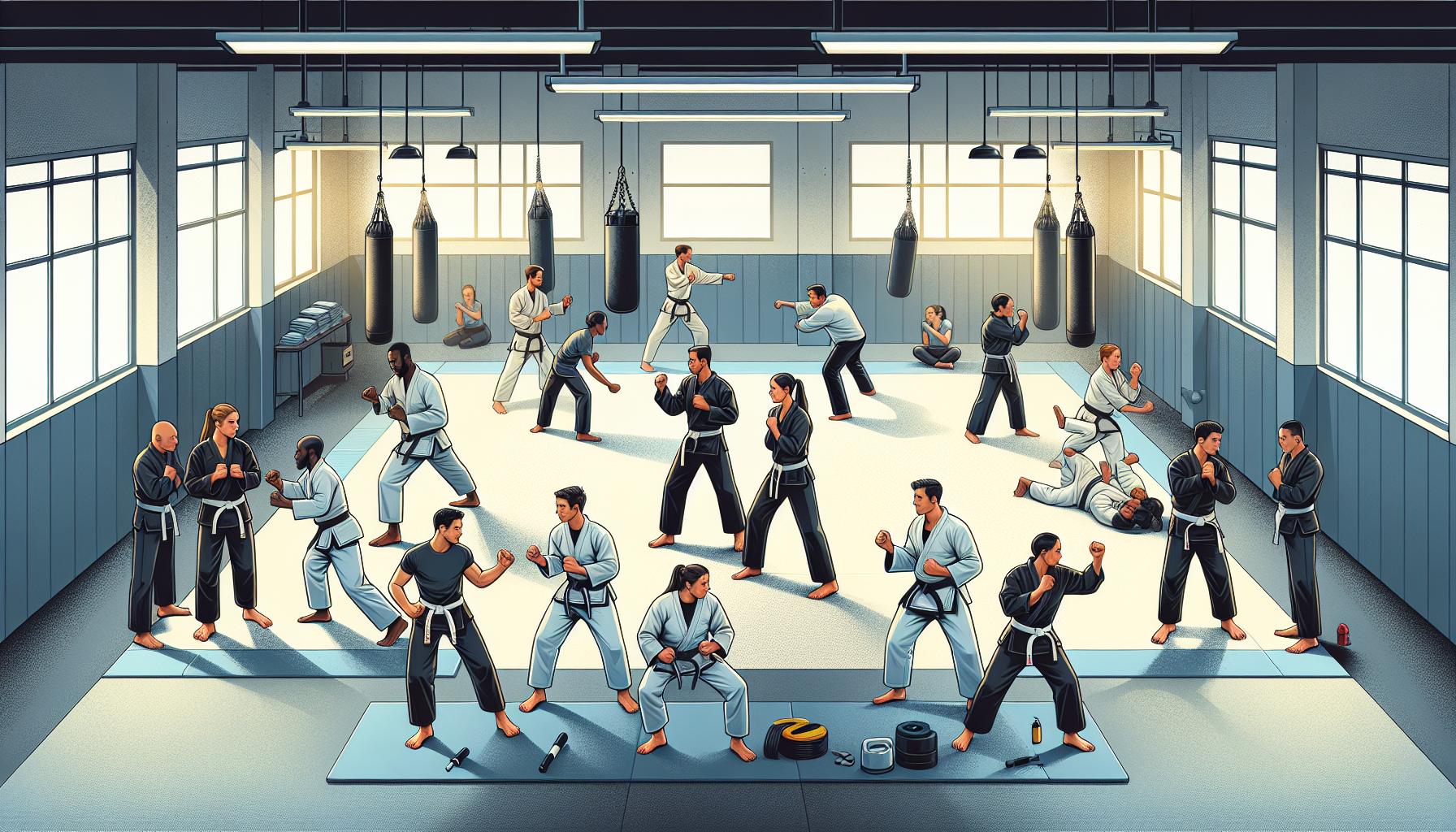
Comparing Krav Maga with Other Martial Arts on YouTube
Krav Maga stands out in the martial arts ecosystem primarily due to its emphasis on real-world self-defense scenarios and its practical application. Unlike traditional martial arts, which often incorporate forms (katas) and a more ceremonial approach, Krav Maga focuses on instinctive movements and situational training, making it particularly effective for self-defense. This pragmatic approach contributes to its increasing popularity on platforms like YouTube, attracting viewers who are keen on learning realistic self-defense techniques.
When comparing Krav Maga with other martial arts featured on YouTube, such as Brazilian Jiu-Jitsu (BJJ) or Muay Thai, there are several factors to consider:
Techniques and Focus
- Krav Maga: Aimed at self-defense, it incorporates strikes, grappling, and defense against armed attacks. Emphasizes awareness and preemptive actions.
- BJJ: Primarily focuses on ground fighting and submission techniques. While excellent for one-on-one confrontations, it may not address multiple attackers or armed situations as effectively.
- Muay Thai: Known as the “Art of Eight Limbs,” it utilizes punches, kicks, elbows, and knees. While it provides powerful striking skills, it doesn’t offer the same self-defense context as Krav Maga.
While each martial art serves different purposes, the choice largely depends on your personal self-defense goals. If your primary concern is to handle real-life threats and multiple attackers, Krav Maga may be the superior option, as it emphasizes techniques designed for immediate response and the reality of street encounters.
Learning Environment and Accessibility
With the advent of technology, platforms like YouTube provide accessible resources for practitioners of all levels. Krav Maga enthusiasts can benefit from various channels that not only demonstrate techniques but also discuss legal issues surrounding self-defense. Videos often include practical demonstrations of the principles of de-escalation and how to respond proportionately in threatening situations. This aspect of Krav Maga training is critical, especially considering the serious legal implications involved in self-defense scenarios.
However, while learning through online resources is invaluable, it may lack the hands-on component required to truly master techniques safely. It’s important to complement online learning with in-person practice, ideally with a qualified instructor who prioritizes safety and ethical training. Engaging in discourse with the online Krav Maga community can further enhance your learning experience through shared insights and support.
In conclusion, highlights its unique emphasis on practical self-defense against realistic threats. The integration of legal and ethical considerations adds depth to its training methodology, making it crucial for students to approach their learning with responsibility and mindfulness.
Maximizing Your Learning with YouTube Playlists and Series
Unlocking the full potential of your Krav Maga training on YouTube can be significantly enhanced by utilizing playlists and series curated by knowledgeable instructors. These collections offer structured learning paths that progressively build your skills, allowing you to absorb techniques in a logical sequence. Engaging with well-designed playlists can simplify the learning process and ensure you are not piecing together your education from random videos, which may lead to confusion or ineffective practice.
Benefits of Using Playlists
Utilizing playlists comes with several distinct advantages. They provide a clear roadmap for your training, helping you start from foundational techniques and advance to more complex strategies. Here are a few key benefits:
- Structured Learning: Following a playlist designed specifically for beginners allows you to grasp the basics before moving on to advanced techniques.
- Consistent Training Frequency: Engaging with a series encourages regular practice, reinforcing your skills through repetition.
- Incremental Progression: Many playlists are created to build on previously learned skills, ensuring a smoother transition between techniques.
Moreover, playlists often include breakdowns of specific moves, legal considerations, and de-escalation tactics, all of which are crucial for responsible self-defense learning. It’s essential to not just focus on the physical aspects but also understand the context in which these techniques are applicable.
How to Maximize Learning Experience
To get the most out of these resources, consider the following strategies:
- Set Clear Goals: Identify what you want to achieve with your Krav Maga practice. Whether it’s self-defense readiness or physical conditioning, having goals helps you stay focused.
- Practice Regularly: Dedicate specific times to train using these playlists. Consistency is key to developing muscle memory and understanding technique intricacies.
- Engage with the Community: Comment on videos, ask questions, and share your experiences. Engaging with fellow learners can provide insights and bolster your confidence.
Each video might also highlight safety protocols, so always pay attention to those guidelines. Concepts like proportional response and ethical considerations should be central to your learning process, ensuring that you’re not only learning how to perform techniques but also when and why to use them responsibly.
In conclusion, playlists and series on YouTube can transform your Krav Maga learning experience from a casual exploration into a focused, effective training regimen. This strategic approach will guide you in honing your skills while also instilling a deeper understanding of the principles behind self-defense, ultimately preparing you better for real-world applications.
Incorporating Sparring and Realism in Online Training
Incorporating sparring and realism into your online Krav Maga training is crucial for developing practical self-defense skills. While structured learning from YouTube videos can teach you techniques and concepts, real-life practice simulates the unpredictability of an actual confrontation. Sparring allows you to test your skills against an opponent, improving your reflexes and decision-making under pressure. However, engaging in sparring without proper precautions can lead to injuries or reinforce dangerous habits. Therefore, it’s essential to approach sparring in a controlled manner, ensuring safety and respect among all participants.
To incorporate sparring effectively into your training, consider the following suggestions:
- Partner Training: If possible, find a training partner willing to spar with you. This could be a friend who’s also learning or a family member. Focus on applying techniques learned from your YouTube videos in a dynamic environment.
- Controlled Sparring Sessions: Establish clear rules and objectives for each session. For instance, if you’re practicing a specific technique, agree to only use that move during sparring. This focused practice helps reinforce learning while minimizing the risk of injury.
- Use Protective Gear: Always use appropriate protective gear such as gloves, mouthguards, and shin guards. This is vital for minimizing injuries and allowing you to train with more intensity and confidence.
- Realism in Practice: Introduce real-life scenarios during sparring. For example, simulate various attack situations and practice your responses. This enhances your adaptability and prepares you for unexpected circumstances.
Remember, it’s essential to respect your training partners and practice proportional responses. Sparring should never devolve into a contest of strength or aggression. Emphasize proper technique, communication, and mutual respect, prioritizing safety above all. Real-life applications of Krav Maga involve not just physical techniques but also a strong understanding of when and how to use force ethically.
Finally, document your sparring experiences and seek feedback from your partner. Reflecting on your performance can help identify areas for improvement and solidify your learning. By weaving sparring into your online training regimen, you not only build physical skills but also enhance your mental preparedness for situations where self-defense may be required.
Safety Protocols: Practicing Krav Maga Responsibly
Practicing Krav Maga, while empowering and potentially life-saving, comes with a significant responsibility. Engaging in self-defense training, especially in an online environment, demands an understanding of both the physical and ethical dimensions of martial arts. Knowledge of safety protocols is critical to ensure your training not only develops your skills but also protects your well-being and that of others.
Adhering to basic safety protocols can dramatically reduce risks during practice sessions. Start by ensuring a suitable training environment. Choose a space free of obstacles and hazards that could lead to injury. If you are training with a partner, establish clear communication regarding boundaries and comfort levels. Mutual respect is paramount; both participants should agree on the intensity level of the practice to prevent accidents and misunderstandings.
Protective gear is a necessity, even when practicing techniques that may seem low-impact. Wearing items such as gloves, mouthguards, and shin guards can cushion falls and minimize injuries during drills or sparring. Proper hydration and warming up are equally crucial-these practices prepare your body for physical exertion and help prevent strains.
Legal considerations also play a significant role in responsible training. Each region has its laws regarding self-defense, which dictate when and how much force can be used. It is essential to familiarize yourself with your local regulations to avoid crossing legal lines during a real confrontation. Remember, genuine self-defense is about de-escalation and using only the force necessary to ensure your safety. This ethos should be part of your training mindset, shaping your approach to learning Krav Maga and self-defense in general.
Ultimately, integrating these safety protocols into your practice will enhance your training experience, allowing you to build skills effectively while prioritizing your safety and ethical responsibility.
Overcoming Common Challenges When Learning Online
Learning Krav Maga online can be an empowering journey, but it comes with its unique challenges. One major hurdle many beginners face is the lack of immediate feedback. In a traditional setting, instructors provide real-time corrections ensuring you develop techniques correctly. When learning through YouTube, it’s easy to pick up bad habits if you’re not careful. To overcome this, consider recording your practice sessions. Watching the videos afterward allows you to self-evaluate your form and technique. Additionally, leveraging online communities can enhance your learning experience. Engage with other practitioners through forums or social media to exchange tips and ask for advice on any difficulties you encounter.
Another common challenge is the motivation required to train consistently. Unlike structured classes, online learning relies heavily on self-discipline. Setting a training schedule can be incredibly beneficial. Treat your online sessions as you would any scheduled class, complete with goals for each session. Incorporating a workout partner, even virtually, can also increase accountability. Schedule regular “training dates” where both of you can share your progress, work on techniques, and push each other to stay committed.
Moreover, understanding and applying the principles of safety and legality in self-defense training is crucial, especially when learning from online resources. Videos often showcase techniques in a controlled environment, but real-life situations can differ significantly. Inform yourself about the legal implications of self-defense in your region. Knowledge of when it is appropriate to use force can prevent legal repercussions and guide you in using techniques responsibly. This also reflects the ethos of Krav Maga: focus on de-escalation and ensuring your response is proportional to the threat.
In summary, while online learning through platforms like YouTube presents challenges, proactive approaches can lead to successful training. By recording your practice, maintaining motivation through structured schedules, and understanding the legal aspects of self-defense, you can effectively navigate these hurdles and enhance your skills in Krav Maga.
Leveraging Community Forums for Support and Feedback
Connecting with a community of fellow Krav Maga practitioners online can be a game changer for your learning journey. Community forums serve as platforms where you can share experiences, seek advice, and receive constructive feedback. These interactions can help you to refine your techniques more effectively than attempting to learn in isolation. Using resources such as forums dedicated to martial arts, you can ask specific questions about techniques you’re struggling with or get tips on what to focus on during your practice.
For example, if you’re having difficulty mastering a particular defensive move, posting a video of your execution on a forum can invite feedback from seasoned practitioners. They might offer insights based on their own experiences, suggesting adjustments you may not have considered. Engaging in discussions about various techniques or scenarios can also provide diverse perspectives that deepen your understanding of the principles underpinning Krav Maga, such as situational awareness, de-escalation strategies, and the appropriate use of force.
Additionally, many forums extend beyond just skill development. They often have dedicated spaces for discussing legal aspects of self-defense, which is crucial when practicing techniques that could be applied in real-world situations. Knowing the laws surrounding self-defense in your state reduces the risk of legal issues stemming from misapplied techniques. Always remember that while techniques can empower you to protect yourself, understanding the ethical and legal considerations is equally important.
As you engage with fellow learners, maintaining a respectful and responsible attitude is key. Share your own challenges, but also be open to the experiences of others. This two-way exchange fosters a supportive environment where everyone can grow. Together, you can navigate the complexities of self-defense skills, ensuring that your training remains effective yet rooted in responsible practices. Embracing this community spirit not only enhances your technical abilities but also reinforces the ethical framework essential to Krav Maga.
Advanced Krav Maga Techniques You Can Learn Online
The wealth of resources available online has made learning advanced Krav Maga techniques more accessible than ever. YouTube channels dedicated to martial arts provide a treasure trove of instructional videos, covering everything from striking fundamentals to complex self-defense maneuvers. For instance, advanced techniques such as the Krav Maga ground defense strategies are crucial for real-world self-defense scenarios. These techniques encompass how to safely disengage from an opponent while on the ground, employing concepts like leverage, positioning, and quick, calculated movements.
Finding the right tutorials is essential. Look for certified Krav Maga instructors with a solid online presence. Many experienced practitioners share insights that can deepen your understanding of these techniques in a virtual setting. Watching these professionals break down movements step-by-step not only clarifies the physical execution but also emphasizes the importance of mental awareness and adaptability during an altercation. In doing so, you learn to apply the principles of situational awareness and strategic thinking that are foundational to Krav Maga.
It’s also valuable to practice techniques that focus on a proportional response. One example is the counter to a wrist grab, where the objective is to escape and redirect the attacker. Online resources often highlight this type of technique alongside discussions of legal ramifications-essential knowledge that reinforces responsible training. Understanding when and how to apply force can mean the difference between managing a confrontation safely and facing potential legal consequences.
Incorporating these advanced techniques into your training routine can significantly enhance your self-defense capabilities. Pair the knowledge gained from online videos with consistent practice and possibly sparring sessions when safe and legal. This blended approach fosters both technical proficiency and an ethical understanding of self-defense, ensuring that when the moment arises, you are prepared, responsible, and aware.
Legal Considerations for Self-Defense Training at Home
Understanding the legal framework surrounding self-defense training is crucial for anyone considering Krav Maga or any other martial art at home. Educating yourself about the laws that govern self-defense can help you navigate complex scenarios when faced with real-life confrontations. Each jurisdiction has specific laws detailing when and how you can use force-be it reasonable to mitigate an immediate threat or defend against an attack. Additionally, knowledge of these regulations can protect you from potential legal repercussions.
In many places, self-defense laws are grounded in the concepts of necessity and proportionality. This means that any defensive action taken must be reasonable and closely relate to the threat faced. For example, while Krav Maga emphasizes decisive, effective responses to aggressors, practitioners must understand that using excessive force can lead to severe legal consequences. Techniques like wrist grabs or striking are intended to incapacitate an opponent quickly, but they should only be applied in situations where de-escalation fails and there’s an immediate threat to your safety.
To ensure a well-rounded understanding, consider these key legal aspects:
- Duty to Retreat: Some states require individuals to retreat if it is safe to do so before using force, while others have “stand your ground” laws that allow individuals to use self-defense without retreating.
- Proportionality of Force: The force used in self-defense must be proportional to the threat faced. An unarmed assailant does not justify lethal force.
- Legal Consequences: Unjustified physical confrontations can result in criminal charges, civil litigation, or both.
Ultimately, while the wealth of online resources, including YouTube, provides excellent tools for learning Krav Maga techniques, it is essential to complement this education with an understanding of the legal and ethical implications of those techniques. Seek advice from certified instructors and consider consulting legal experts to grasp the specifics of your location’s self-defense laws. This comprehensive approach not only prepares you with the necessary skills but also instills a sense of responsibility and caution in their application.
Q&A
Q: Can I effectively learn Krav Maga solely through YouTube videos?
A: Yes, you can learn Krav Maga through YouTube; however, it requires self-discipline and practice. Choose reputable channels and supplement learning with real-life training sessions when possible. Focus on fundamental techniques and engage with local practitioners for feedback.
Q: What are the best free resources for learning Krav Maga online?
A: The best free resources include YouTube channels by certified Krav Maga instructors, online forums, and community groups. Look for playlists that cover basic techniques, drills, and sparring practices. Engagement with other learners through forums can enhance your experience.
Q: How should I begin my Krav Maga training on YouTube?
A: Start by identifying a few high-quality YouTube channels that specialize in Krav Maga. Focus on beginner-specific videos that outline basic techniques and safety practices. Dedicate time weekly to practice what you learn to build muscle memory.
Q: Is it safe to practice Krav Maga alone at home using online resources?
A: While practicing Krav Maga at home can be effective for technique, it carries safety risks. It’s crucial to ensure that your practice area is safe and to carefully follow instructional videos. Consider training with a partner when possible to ensure correct technique and safety.
Q: What key skills should I focus on when learning Krav Maga online?
A: Focus on fundamental skills like striking, defenses against grabs, and situational awareness. Building your fitness level is also essential, as it supports endurance during training. Incorporate drills and sparring to simulate real-life situations effectively.
Q: How can I measure my progress in learning Krav Maga online?
A: Track your progress by setting specific goals, such as mastering particular techniques or increasing your sparring frequency. Regularly review your videos for improvement and seek feedback from experienced practitioners in online forums for additional insights.
Q: What are common challenges when learning Krav Maga through YouTube, and how can I overcome them?
A: Common challenges include misinformation and lack of practical application. To overcome these, focus on verified channels and practice drills regularly. Join online community forums for support and consider taking occasional classes to bridge gaps in learning.
Q: How can I find community support while learning Krav Maga online?
A: Leverage social media platforms and martial arts forums to connect with fellow Krav Maga learners. Engage in discussions, share experiences, and seek advice. Many local gyms also offer online classes or community training sessions, providing additional support.
Key Takeaways
Ready to take your Krav Maga training to the next level? You’ve learned that YouTube offers a wealth of free resources, but remember, nothing beats personalized instruction and real-world application. Don’t hesitate-dive deeper into our comprehensive guides on effective self-defense techniques and the legal considerations for your safety. Explore our curated list of recommended channels to maximize your training experience.
Before you go, consider signing up for our newsletter. Stay updated on the latest in self-defense strategies, safety tips, and exclusive content that empowers you to not just learn, but thrive. Have questions or thoughts? We want to hear from you! Share your experiences or any concerns in the comments below. Your journey to confident self-defense starts now-it’s time to act and equip yourself with the skills that truly matter.