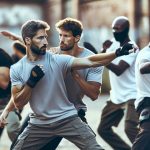

In today’s world, the ability to defend oneself is more important than ever, especially as personal safety concerns grow. Learning Ninja Krav Maga, a practical self-defense system, from home has become increasingly possible through hybrid training methods that blend online resources with in-person practice. This comprehensive approach caters to busy lifestyles while emphasizing the safety and legality of effective self-defense techniques. As you consider the best ways to empower yourself against potential threats, it’s essential to understand the key principles of Krav Maga and how to apply them responsibly. Join us as we explore the methods that can help you develop confidence and skill in protecting yourself, all while keeping safety at the forefront.
Understanding the Basics of Ninja Krav Maga
The combination of traditional martial arts principles with practical self-defense tactics forms the foundation of Ninja Krav Maga. This system emphasizes the importance of awareness and de-escalation in potentially dangerous situations. Understanding how to recognize threats and respond effectively can significantly enhance your personal safety. Ninja Krav Maga is not just about physical techniques; it also incorporates mental strategies that prepare practitioners to react appropriately under pressure. This holistic approach ensures that students are equipped to handle various scenarios, including both armed and unarmed confrontations.
To successfully learn and practice Ninja Krav Maga at home, it’s essential to grasp key concepts that underpin the system. Striking techniques, such as punches, kicks, and elbow strikes, play a vital role in self-defense. However, understanding legal implications of using force is equally important. Knowledge of local self-defense laws can help practitioners navigate the fine line between justified self-defense and unnecessary aggression. Additionally, proper training in situational awareness can guide you in determining when to use force as a response.
While practicing at home, it’s crucial to focus on drills that enhance coordination and muscle memory. Techniques should be practiced repeatedly to build confidence and improve execution during high-stress situations. Furthermore, engaging in virtual classes or instructional videos can provide valuable insights and corrections from experienced instructors. By leveraging these resources, practitioners can ensure they’re learning effectively while remaining safe.
Lastly, maintaining a disciplined training regimen can aid in tracking progress. Set measurable goals, whether physical fitness milestones or mastery of specific techniques, to keep motivation high. Engaging with a community of fellow learners online can further enhance your understanding and provide support as you cultivate your skills in Ninja Krav Maga at home.
Is Home Training Effective for Krav Maga?
Training in Ninja Krav Maga from the comfort of your home can be both effective and rewarding, yet it comes with unique challenges and responsibilities. Many practitioners wonder whether they can adequately learn self-defense techniques outside a traditional dojo or gym environment. The reality is that while home training offers flexibility and convenience, it requires a disciplined approach and a keen understanding of safety protocols, legal considerations, and ethical implications of self-defense.
First, it is essential to establish a dedicated training space that allows for movement and practice without obstacles. Since martial arts training is hands-on, pairing that physical practice with online resources-such as instructional videos or virtual classes-can be beneficial. Engaging with digital content allows you to learn new techniques while receiving guidance on form and execution. However, it’s crucial to balance this with self-monitoring; filming your practice and reviewing it can provide invaluable feedback, helping you identify areas needing improvement. It’s important to remember that self-defense is not just about the physical tactics but also developing the mental fortitude to act appropriately in high-stress scenarios.
When practicing at home, be mindful of key safety guidelines. Always prioritize safety by using appropriate protective gear during drills and sparring sessions, even if you’re alone. Understanding the legal aspects of self-defense is equally as vital. Each jurisdiction has specific laws regarding the use of physical force. Familiarizing yourself with local regulations can help you navigate the complexities of defending yourself legally, ensuring that any actions you take are justifiable.
Ultimately, effective home training in Ninja Krav Maga hinges on motivation and consistency. Setting achievable goals, such as mastering specific techniques or increasing your physical fitness levels, can aid in maintaining focus. Moreover, participating in online forums or support groups can provide a community for sharing experiences, asking questions, and celebrating progress, thereby enriching your learning experience. While home training has its constraints, with the right mindset and resources, it can serve as a strong foundation for your self-defense journey.
Essential Gear for Home Practice
Training effectively at home requires the right gear to maximize your practice and ensure safety. A well-equipped training space not only enhances your learning experience but also minimizes the risk of injury, thereby empowering you to focus on mastering techniques. Key items you should consider include protective gear, training bags, and other equipment that facilitate a comprehensive practice environment.
Protective Gear
Safety should always come first, especially in martial arts training. Invest in appropriate protective gear such as shin guards, mouthguards, and gloves. These items help mitigate injury during striking drills and sparring sessions, which are integral to a realistic training regimen. It’s crucial not to skip on protective gear, even when practicing solitary drills. The unpredictability of self-defense situations demands that you train as safely as possible.
Training Equipment
The following equipment can significantly enhance your home training for Ninja Krav Maga:
- Heavy Bag: Provides a realistic target for striking practice, allowing you to refine your punches, kicks, and overall striking techniques.
- Focus Mitts: Ideal for practicing accuracy and speed. Partner drills using focus mitts can bring a dynamic element to your training.
- Resistance Bands: Excellent for enhancing strength and conditioning, resistance bands can be integrated into various drills to build functional strength.
- Makiwara Board: A traditional training tool that helps develop striking precision and reinforce proper techniques.
Space Considerations
Establishing a clear and safe training area is essential. This space should be free from obstacles that could cause injury. Make sure to have enough room for movement to practice footwork, striking, and other techniques effectively. Additionally, consider using mats if you’re practicing grappling or falls to cushion your movements and prevent injuries.
Utilizing the right equipment in a properly designated space not only supports your physical training but also aids in developing a mindset conducive to effective learning. Consistently engaging with quality tools and protective gear allows you to dive deeper into your Ninja Krav Maga practice at home, transforming your training sessions into productive and educational experiences.
Hybrid Training: Benefits and Limitations
Hybrid training can offer a powerful blend of online and in-person learning that maximizes the benefits of each method while mitigating some of their individual limitations. For practitioners of Ninja Krav Maga, engaging in both online classes and in-person training sessions can create a more diverse and enriching training experience. This approach allows students to work at their own pace in a familiar environment while benefiting from the expertise and immediate feedback that face-to-face instruction provides.
One significant advantage of hybrid training is flexibility. Online classes can be revisited as needed, allowing you to review techniques and drills at your convenience. This self-paced learning dynamic helps solidify your understanding of concepts, particularly when tackling complex movements or strategies. Conversely, in-person sessions are invaluable for practicing sparring and defensive techniques under the guidance of an instructor who can ensure you are performing them correctly. This combination can enhance muscle memory and technique retention, essential for effective self-defense.
However, it’s important to recognize the limitations of hybrid training. Not all techniques can be adequately learned through online instruction alone; some require direct interaction, such as feedback on form or real-time adjustments from a coach. Furthermore, the effectiveness of community building can suffer in a hybrid model, as in-person training often fosters camaraderie and support among students. This connection can play a vital role in motivation and resilience through challenges faced during training. Additionally, safety considerations must be taken seriously when practicing at home. Having a structured environment for every training session is crucial to avoid injury and to replicate the stress and unpredictability of real self-defense scenarios.
In summary, hybrid training methods can empower you to expand your skills in Ninja Krav Maga effectively, provided you remain mindful of where additional support is needed. Embrace the resources available online while recognizing the importance of in-person instruction to address your questions, enhance your motivation, and embed the principles of safety and effectiveness that are core to self-defense practices.
Combining Online Classes and In-Person Training
Combining online classes with in-person training can yield an effective hybrid approach for learning Ninja Krav Maga at home. This duality allows practitioners to utilize the advantages of digital resources while also receiving the crucial, hands-on guidance that a qualified instructor provides. Engaging with online courses enables you to explore various techniques and concepts at your own pace, giving you the freedom to drill on particular areas you might find challenging without the pressure of a class environment.
In-person training, on the other hand, is indispensable for developing skills that require real-time feedback and adjustment. For instance, having an instructor observe your form and execution during practicing strikes or defenses can significantly enhance your technique, ensuring that you respond correctly under pressure. This is crucial since many self-defense scenarios involve high-stress conditions where muscle memory plays a vital role. Being able to combine the theoretical understanding gained from online tutorials with practical application in live settings can bolster your confidence and readiness for potential real-world encounters.
When structuring your training schedule, consider dedicating specific days for online learning, where you review videos and practice movements in your space, followed by in-person sessions at a dojo or training facility to refine those techniques with direct supervision. This blend not only keeps your training dynamic but also helps maintain motivation since you can anticipate both the autonomy of online learning and the community aspect of traditional classes, fostering camaraderie that’s often missing in solitary training.
Ultimately, following a hybrid model equips you with a well-rounded skill set, enhancing both your physical abilities and your strategic thinking in self-defense situations. As you practice, prioritize safety by creating a controlled training environment at home and regularly assessing your progress with the oversight of an instructor during in-person sessions. This balanced approach not only reinforces effective learning but also cultivates the understanding necessary to apply Ninja Krav Maga techniques responsibly, ethically, and safely.
Key Techniques to Master at Home
Mastering key techniques in Ninja Krav Maga from home can significantly enhance your self-defense skills while also boosting your confidence. As you engage in this vital training, focus on a few foundational techniques that every practitioner should learn. These techniques are straightforward yet effective, making them ideal for home practice.
Strikes and Defenses
Begin by honing basic striking techniques, such as:
- Punches: Work on proper form for jabs, crosses, and hooks. Shadow boxing can help you practice these strikes alongside footwork.
- Kicks: Master front kicks, roundhouse kicks, and low kicks. Use a heavy bag or target to develop accuracy and power.
- Defensive Maneuvers: Learn to block and evade attacks. Practicing situational drills with a partner or a mirror can enhance your reflexes.
These strikes form the core of Krav Maga’s striking techniques, enabling you to respond effectively to various situations. Remember, practice makes perfect; repeating these movements will engrain them into your muscle memory.
Self-Defense Scenarios
Understanding how to apply techniques in real-world situations is crucial. Focus on practicing defenses against common attacks:
- Chokes: Learn to escape from both front and rear chokes. Drill techniques that include breaking grips and counter-attacking.
- Grabs and Holds: Work on how to free yourself from wrist grabs or bear hugs. Use swift, decisive movements to break free securely.
- Ground Defense: Familiarize yourself with proper positioning and escape methods if you find yourself on the ground.
Visualizing these scenarios or using instructional videos can help you understand when and how to execute these techniques effectively.
Footwork and Movement
Footwork is critical in any martial art, especially when it comes to maintaining distance or closing in on an opponent. Practice basic movements:
- advancing and retreating: Learn how to move in and out quickly without losing balance.
- Side-stepping: This is essential for avoiding attacks and repositioning yourself during a confrontation.
Integrating footwork drills into your daily training can improve your agility and response time.
Legal and Ethical Considerations
As you train, it’s essential to understand the legal implications surrounding self-defense. In any physical confrontation, always consider:
- Proportional Response: Only use the level of force necessary to prevent harm to yourself or others.
- Self-Defense Laws: Familiarize yourself with local laws regarding self-defense to ensure you are acting within your rights.
By mastering these techniques at home, you empower yourself to handle confrontations with confidence while adhering to legal standards of self-defense. Remember to always prioritize safety and ethical considerations in every practice session.
Safety Practices for Home Self-Defense Training
Training in self-defense at home can be empowering, but it comes with a significant responsibility to ensure your safety and the safety of others. As you engage in practicing Ninja Krav Maga techniques, establishing a safe training environment is paramount. Start by clearing your training area of potential hazards that could lead to injuries. Ensure the space is spacious enough to move around freely, with no sharp objects or tripping hazards nearby. Using padded surfaces, such as mats, can further reduce the risk of injury during falls or strikes.
Awareness of your physical limits is also crucial. Push yourself to improve but do so within safe bounds. Injuries can quickly derail your training, so listen to your body and take breaks as needed. Practicing with a partner can be beneficial, but it’s important that both parties are equally aware of their limits and committed to a safe training mindset. Establish a clear signal for when to slow down or stop-such as a verbal cue-especially during sparring or drills that simulate real-life scenarios.
In addition to physical safety, understanding the legal and ethical dimensions of self-defense is vital. Familiarize yourself with local laws regarding self-defense, including what constitutes a reasonable response in various situations. For instance, knowing that the use of force must be proportional to the threat can guide your training focus on de-escalation techniques. Emphasizing non-violent resolutions whenever possible prepares you for situations that may not necessitate physical confrontation. Effective self-defense prioritizes safety and the avoidance of harm, and training should reflect that ethos.
Finally, cultivating a mindset focused on self-regulation can be beneficial in your training. Practice mindfulness and situational awareness exercises, recognizing the importance of maintaining composure under pressure. Engaging in scenarios where you visualize potential threats can also prepare you mentally for real-life encounters. By approaching home training with a structured, safety-first attitude, you not only enhance your skills but also ensure responsible practice that respects the profound implications of self-defense.
Understanding Legal Considerations in Self-Defense
Understanding the legal landscape surrounding self-defense is crucial for anyone practicing techniques such as Ninja Krav Maga at home. Self-defense laws vary widely between jurisdictions, but a few core principles generally apply across the board. One of the most important is the concept of proportionality. This means that the level of force you use in self-defense must be reasonable and proportionate to the threat you face. For instance, if confronted by an unarmed individual making threats, responding with lethal force could lead to criminal charges, whereas a defensive maneuver may be justifiable.
Additionally, it’s essential to familiarize yourself with the Stand Your Ground laws and Duty to Retreat clauses that exist in many places. In areas with Stand Your Ground laws, individuals are not required to retreat before using force in self-defense, whereas others may mandate a duty to retreat to avoid confrontation where safe to do so. Understanding these nuances can greatly impact how you train and the scenarios you prepare for in your practice.
Moreover, engaging in home training emphasizes the need for self-regulation and awareness. Avoid glorifying violence or viewing self-defense as an opportunity to showcase aggression; rather, focus on the effectiveness of de-escalation techniques and conflict avoidance. Training should prioritize resolutions that prevent physical confrontation whenever possible. This includes practicing verbal de-escalation strategies, maintaining a calm demeanor, and evaluating situations critically before reacting.
When undertaking self-defense training at home, consider documenting your training practices, such as techniques learned and scenarios rehearsed. This can serve as evidence of your commitment to responsible self-defense practices if ever questioned legally. Remember that the goal of self-defense is to protect oneself while minimizing harm to all parties involved, including potential assailants. By respecting the gravity of the situation, you ground your training in ethical principles that honor the serious nature of self-defense.
Advanced Strategies for At-Home Practitioners
In the world of home training for martial arts, the importance of adapting to various scenarios cannot be overstated. Practicing Ninja Krav Maga at home requires a strategic approach to ensure effectiveness, safety, and adherence to legal guidelines. Recognizing that not all training environments are the same, here’s a roadmap to elevate your home practice.
First, establish a dedicated training space. This doesn’t have to be large; a few square meters will suffice. Clear your area of distractions, ensuring a safe environment where you can concentrate. Use mirrors if possible, as they provide immediate feedback on your form and technique. Additionally, maintaining the same training space can psychologically prime you for focus, much like professional fighters in a gym setting.
Explore dynamic training partners, even if virtual. Nowadays, many practitioners connect through video calls for partner drills, allowing for creative technique applications. This feedback is crucial. When practicing techniques like escapes, strikes, or defensive maneuvers, having someone to simulate attacks can provide context and urgency. Incorporate shadowboxing to refine movements when training alone; imagine an opponent and visualize your responses.
Integrate technology and resources into your routine. Many experienced instructors offer online courses that delve into advanced techniques specific to Ninja Krav Maga. Supplement your training with these resources, taking notes on techniques, drills, and variations. Keep a training journal to track your progress, noting areas of improvement and techniques that feel natural or challenging. This will not only create a personal record but also assist if you ever decide to transition to in-person classes.
Lastly, reinforce your training with a focus on physical conditioning tailored to the demands of Krav Maga. Strength, flexibility, and cardiovascular health play pivotal roles in your effectiveness. Incorporate bodyweight exercises and flexibility routines into your regimen to boost your capacity to execute techniques efficiently. Balance this with mental conditioning; meditation and visualization techniques can help you prepare for real-life scenarios, enhancing your response under stress.
With these strategies, you can maximize your at-home training while remaining mindful of safety and legality, ultimately cultivating skills that empower you both on and off the mat.
Community and Support: Joining Online Forums
In today’s digital age, finding a supportive community while learning Ninja Krav Maga at home can significantly enhance your training experience and provide valuable perspectives. Online forums and groups serve as virtual training partners, allowing practitioners to share insights and foster collaboration in an otherwise solitary practice. Engaging with others who share your passion not only helps in skill development but also reinforces a sense of belonging in the martial arts community.
Participating in forums dedicated to Krav Maga encourages the exchange of practical advice, whether it’s about refining techniques, discussing equipment, or exploring legal implications related to self-defense. Here are several ways online communities can improve your training:
- Feedback on Technique: Sharing videos of your practice allows others to give constructive criticism, helping you correct form and improve effectiveness.
- Resource Sharing: Many members share instructional videos, recommended readings, and resources that can deepen your understanding of Ninja Krav Maga principles.
- Problem-Solving: Encountering obstacles in your training can be discouraging. Communities can provide solutions or different perspectives that might help you overcome these challenges.
- Moral Support: Regularly interacting with like-minded individuals can motivate you to stay committed to your training, especially on days when motivation wanes.
Moreover, these online platforms can also facilitate virtual sparring sessions or partner drills over video calls, simulating a dynamic training environment. This interaction is not just beneficial for skill acquisition; it also fosters accountability. Knowing that peers are observing your journey may encourage you to push yourself further in your practice.
While leveraging online forums, it’s crucial to maintain a balanced approach. Seek out reputable communities that prioritize safety and ethical training. Keeping discussions focused on technique rather than glorifying violence helps reinforce the important principle of using Krav Maga as a means of self-defense, not aggression. In this way, you will cultivate a respectful atmosphere that encourages responsible training, further emphasizing the legal and moral weight of defensive actions in real-world scenarios. As you navigate this online landscape, remember: the goal is to become empowered to protect yourself while remaining conscious of your ethical responsibilities as a martial artist.
Tracking Your Progress in Home Training
Tracking progress in home training is crucial for any martial artist, especially in a dynamic discipline like Ninja Krav Maga. Without regular assessment, it can be challenging to gauge improvements, understand weaknesses, and stay motivated. One effective method is to maintain a detailed training log. This log should include the types of techniques practiced, the duration of training sessions, and personal reflections on what felt effective and what didn’t. By reviewing this log regularly, you can identify patterns and areas needing focus.
Utilizing video recordings offers another powerful tool for tracking progress. Setting up a camera during practice allows you to review your techniques and movements critically. Comparing your initial recordings to recent ones can visually illustrate your growth, highlighting improvements in speed, accuracy, and confidence. Additionally, consider sharing these videos with peers in online communities. Feedback from fellow practitioners can provide valuable insights and motivate you to refine your skills further.
It’s also beneficial to set specific, measurable goals. Whether it’s mastering a particular technique, increasing your stamina, or achieving a certain level of proficiency, having clear objectives can enhance focus and direction in your training. Break these larger goals into smaller milestones, and celebrate achieving each one to maintain motivation and reinforce positive behavior.
Lastly, consider incorporating regular testing scenarios into your practice. For example, simulate sparring sessions or self-defense scenarios to apply what you’ve learned in practice. This not only challenges your skills but also helps establish a benchmark for your proficiency. As you evaluate your performance in these scenarios, take note of your responses and adaptations under pressure, which is critical for real-world application.
By embracing these tracking methods, you’ll not only stay motivated and accountable in your home training but also build a solid foundation to effectively protect yourself if the need arises. Remember, progress in martial arts is not just about physical ability but also the mental growth that comes from understanding yourself and your capabilities.
The Future of Martial Arts Training at Home
The landscape of martial arts training is evolving rapidly, especially in the wake of increasing technological advancements and shifting societal needs. As more people seek flexible training options, hybrid models that combine in-person classes with online instruction have gained popularity, especially for those looking to master Ninja Krav Maga from the comfort of their homes. This innovative approach not only caters to busy lifestyles but also enhances the accessibility of quality instruction, enabling practitioners to learn from experienced instructors regardless of geographical restrictions.
One compelling aspect of this future of martial arts training is the integration of virtual reality (VR) and augmented reality (AR) technologies. These tools can create immersive training environments, allowing students to practice techniques and scenarios that feel remarkably realistic. For example, using VR, a trainee could engage in simulated self-defense situations, providing a safe platform to develop responses under pressure without the risks associated with physical confrontation. This interactive method not only boosts engagement but also enables quick feedback, crucial for effective learning.
Moreover, the sense of community is more important than ever in home training. Online forums and social media platforms can play a significant role in connecting practitioners, fostering camaraderie, and providing avenues for mentorship and support. Participating in virtual challenges or collaborative training sessions can enhance motivation and accountability. Sharing experiences and insights in these spaces empowers students, reinforcing that they are not alone in their journey, even when training remotely.
As we look to the future, it is essential to stress the importance of maintaining ethical training practices and understanding the legal implications of self-defense. While developing physical skills, practitioners must also grasp the moral responsibilities that come with them. Knowledge about de-escalation techniques and the legal ramifications of self-defense actions is critical. This balanced approach ensures that martial artists are prepared not just to defend themselves but to do so in a manner that is responsible and measured. By focusing on safety and legality, individuals can confidently embrace their training and the skills they develop in an increasingly complex world.
Frequently asked questions
Q: What are the best online resources for learning Ninja Krav Maga at home?
A: You can find excellent online resources for Ninja Krav Maga through instructional videos, webinars, and online courses. Websites like martial arts streaming services and YouTube channels dedicated to self-defense often provide comprehensive tutorials that cover essential techniques and practices for home training.
Q: How can I improve my skills in Ninja Krav Maga without a partner?
A: To enhance your Ninja Krav Maga skills alone, focus on shadow boxing, stamina training, and solo drills that emphasize techniques like stances, footwork, and strikes. Use a mirror to correct your form and consider recording yourself for playback to track improvement.
Q: What are the common mistakes to avoid while training Ninja Krav Maga at home?
A: Common mistakes include neglecting proper warm-up and cool-down routines, training without sufficient safety gear, and practicing techniques incorrectly due to a lack of supervision. Always emphasize safety and correctness over speed or intensity during home practice.
Q: Can I practice Ninja Krav Maga techniques effectively without formal instruction?
A: While you can practice some techniques alone, formal instruction is crucial for mastering complex moves and understanding their application. Hybrid training methods combining online resources with periodic classes can enhance your learning and ensure technique accuracy.
Q: What are the benefits of hybrid training for Ninja Krav Maga?
A: Hybrid training allows for flexibility, combining the self-paced learning from online resources with the personalized feedback from in-person classes. It enhances understanding and retention of techniques, and provides valuable interaction with instructors and peers.
Q: How often should I train at home to see progress in Ninja Krav Maga?
A: Aim to train at least 3-4 times a week for optimal progress. Consistent practice helps solidify techniques and builds muscle memory. Incorporate varied training sessions focusing on different skills, such as striking and self-defense maneuvers.
Q: What safety precautions should I take while practicing Ninja Krav Maga at home?
A: Always ensure you have a clear, safe training space free from obstacles. Use appropriate protective gear, and be mindful of your surroundings. Additionally, understand your limits to prevent injury and foster a safe training environment.
Q: How can I track my progress in learning Ninja Krav Maga at home?
A: Keep a training journal to log your sessions, techniques practiced, and personal reflections on progress. Regularly film yourself to assess improvements in form and execution. Setting specific, measurable goals can help maintain motivation and accountability.
Key Takeaways
Ready to take your Ninja Krav Maga skills to the next level? Remember, effective home training blends discipline with safety, ensuring you master your techniques without compromising legality or ethics. Act now to start building your confidence while gaining invaluable self-defense skills.
Explore our resources on advanced Krav Maga techniques and join our community discussions where you can share experiences and ask questions. Don’t forget to subscribe to our newsletter for exclusive tips and updates on upcoming training sessions!
Your journey to self-defense mastery begins today. Visit our website to discover essential tools that support your training and address any concerns you might have. Together, we can empower you to protect yourself safely and effectively while respecting the responsibility that comes with self-defense.