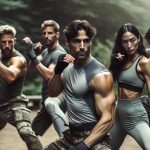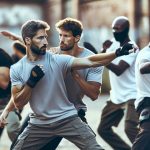

While group classes in Krav Maga provide valuable interaction, many practitioners wonder if solo training can be equally effective. Practicing Krav Maga alone not only builds essential skills but also fosters confidence in self-defense situations. Solo drills allow you to refine techniques, improve your conditioning, and enhance your mental preparedness. However, it’s crucial to approach these practices thoughtfully, ensuring safety and adherence to ethical standards. Understanding how to train effectively on your own empowers you to maintain your skills and prepare for real-life scenarios without glorifying violence. In this article, we will explore various solo drill techniques, their benefits, and how they can be incorporated into your self-defense training while emphasizing responsible practices. Let’s delve into the world of solo Krav Maga training and see how you can enhance your skills even when you’re on your own.
Can You Train Krav Maga Effectively Alone?
Training alone in Krav Maga can be both effective and empowering, offering practitioners the opportunity to hone essential skills without the need for a partner. While in-person training is crucial for learning certain techniques, solo practice allows individuals to focus on speed, endurance, and muscle memory. Engaging in solo drills not only reinforces fundamental movements but also cultivates a deeper understanding of timing and distance-two critical components of effective self-defense.
One major advantage of training alone is the ability to repeat movements at one’s own pace. You can dedicate time to specific techniques or drills that highlight your personal weaknesses or areas for improvement. For example, working on footwork or striking combinations can lead to enhanced precision and reaction time. Additionally, solo training fosters mental resilience, as you push through fatigue and challenge yourself without the encouragement of others, which is important for building confidence during real-life confrontations.
It’s important to establish a structured training routine, incorporating a variety of drills. Here are some practical tips to maximize your solo training sessions:
- Shadow Fighting: Visualize an opponent as you practice your strikes and footwork, allowing you to hone your techniques while working on evasive maneuvers.
- Conditioning Exercises: Incorporate strength and conditioning workouts, such as push-ups, sprints, and core exercises, to build overall fitness relevant to self-defense scenarios.
- Use Equipment: If accessible, utilize training gear like a heavy bag or a Body Opponent Bag (B.O.B.) to practice striking techniques against a realistic target.
While training solo can strengthen essential skills, it is imperative to remain aware of safety protocols. Ensure you have adequate space to practice and avoid making any sudden or reckless movements that could lead to injury. As always, consider the legal implications of your training; understanding the laws surrounding self-defense in your area is critical to ensure that you respond appropriately in a real-world encounter.
The Core Principles of Solo Training in Krav Maga
Training alone may seem daunting, but it is a powerful method for mastering Krav Maga techniques. Core principles of solo training focus on enhancing personal development, operational efficiency, and adaptability. These principles are built on the understanding that while partner training is pivotal, there are distinct benefits to practicing alone that can significantly accelerate skill acquisition and deepen one’s understanding of self-defense strategies.
One central tenet of solo training is the repetition of techniques. This allows practitioners to refine their movements, enhancing muscle memory and precision. When alone, you can concentrate on specific strikes, footwork, and defensive maneuvers without the stress or distraction of a training partner. This enables a greater focus on details like posture, breathing, and the fluidity of transitions between techniques. Additionally, a solo routine can adapt to individual schedules, making it easier to maintain consistency in practice.
Another principle revolves around mental resilience. Practicing solo requires self-motivation and discipline, qualities that translate directly to real-life confrontations. The solitude of solo training offers an opportunity to confront and push through personal limits, fostering confidence and preparedness. These sessions can include shadow fighting, where you visualize an opponent’s actions and react accordingly, or conditioning drills that build both physical strength and mental fortitude.
Furthermore, understanding safety protocols is crucial in solo training. Ensure that your practice area is free from hazards, and always be mindful of your own limits. Set realistic goals for each session, focusing on incremental improvements rather than overwhelming yourself with ambition. Combining these elements-focused technique, mental toughness, and safety awareness-creates a robust framework for effective solo training in Krav Maga. By utilizing these principles, practitioners can make significant strides in their self-defense skills, even when training alone.
Essential Solo Drills to Improve Your Skills
Effective solo drills are essential for anyone training in Krav Maga, as they allow for skill development while offering the flexibility to practice without a partner. The focus of these drills should be on improving technique, enhancing muscle memory, and building physical conditioning-all critical aspects of self-defense. Here are several drills that can significantly improve your skills while practicing alone.
Shadow Fighting
One of the most beneficial solo drills is shadow fighting, where you visualize an opponent and react as if engaged in a combat scenario. This technique allows you to practice strikes, footwork, and defensive movements. To get started:
- Choose a space where you have room to move comfortably.
- Begin with basic stances and transitions, refining your form and movements.
- Incorporate strikes like punches, kicks, and knee strikes, ensuring that each motion is deliberate and controlled.
This drill also enhances your situational awareness as you imagine different attack scenarios and practice counters, which is critical in real-life confrontations.
Technique Repetition
Repetition is crucial for mastering any martial art. Focus on specific techniques such as strikes, blocks, or escapes, dedicating time in each session to drill these repeatedly. Structure your practice as follows:
- Pick one or two techniques to concentrate on during your session.
- Break down each technique into distinct components, understanding the mechanics behind each movement.
- Repeat the technique multiple times, gradually increasing intensity as you build confidence.
This approach reinforces muscle memory and ensures that your techniques become instinctual, which is essential in high-pressure situations.
Footwork Drills
In addition to strikes, focus on footwork, a vital element in maintaining distance and positioning during a confrontation. Simple drills can improve agility and balance:
- Practice moving in all directions: forward, backward, and lateral steps.
- Incorporate plyometric movements (such as jumping or shuffling) to enhance explosiveness.
- Use markers on the ground to create targets for foot placement, allowing for targeted improvement.
Effective footwork enables you to control the distance between yourself and an opponent, helping to avoid potential attacks and setting up your own counters.
Strength and Conditioning
Strength and conditioning are paramount for any martial artist. Engage in bodyweight exercises that enhance your overall fitness while mimicking movements used in Krav Maga:
- Perform push-ups, squats, and lunges to build strength.
- Incorporate core exercises such as planks and sit-ups to improve stability and power output.
- Include cardiovascular training through activities like running or jump rope for endurance.
Balancing technique practice with physical conditioning ensures that you maintain both the skill and endurance necessary for effective self-defense.
Overall, integrating these solo drills into your training regimen will greatly enhance your Krav Maga skills. However, remember to practice safely to avoid injury and maintain a clear understanding of the legal implications involved in self-defense situations.
Building Strength and Conditioning for Krav Maga
Building physical strength and conditioning is essential for success in Krav Maga, especially when training solo. A well-rounded fitness regime not only enhances your capabilities in self-defense scenarios but also ensures that you’re prepared for the demands of fast-paced engagements. Strength training and cardiovascular fitness play a critical role in improving your performance, stamina, and resilience in high-stress situations.
Incorporate a mix of bodyweight exercises that replicate movements you might need in real encounters. Here are some effective exercises:
- Push-Ups: Builds upper body strength, crucial for effective striking.
- Squats: Develops lower body strength, enhancing your ability to maintain balance and power your strikes.
- Lunges: Improves leg strength and flexibility, very important for movement and footwork.
- Core Exercises: Planks and sit-ups strengthen your core, which is vital for stability and power in all movements.
- Cardio Workouts: Running, swimming, or jump rope enhance your cardiovascular endurance, allowing you to engage dynamically in encounters without tiring.
Aim for a balanced regimen that targets all major muscle groups. For instance, dedicate specific days to strength training and others to endurance. Integrating interval training, where you alternate between high-intensity efforts and low-intensity recovery, can effectively increase your anaerobic capacity, preparing you for the burst of energy needed during a confrontation.
It’s also wise to incorporate functional fitness movements that improve agility and explosiveness. Exercises like burpees or box jumps simulate the quick bursts of action required in Krav Maga. Keeping a close focus on form during these workouts is vital-not only to prevent injury but also to ensure that you’re building the right strength crucial for self-defense.
Overall, cultivating strength and conditioning while practicing preventative safety measures against injury will position you effectively to handle the challenges faced in Krav Maga training and potential real-world scenarios. Always keep in mind the ethical and legal implications of your training, ensuring that self-defense is practiced responsibly.
Practice Techniques for Timing and Distance Control
To effectively navigate a self-defense scenario, mastering timing and distance is vital, even when training solo. These elements dictate your ability to strike or evade attacks. Practicing techniques alone helps you develop a sense of spatial awareness, the responsiveness of your body, and the precision of your movements.
One effective drill involves shadow boxing, where you visualize an opponent while moving through various strikes, blocks, and evasions. During this exercise, focus on adjusting your distance as if an attacker were approaching. For instance, practice moving into range for effective strikes and retreating to avoid an imaginary attack. This can help you internalize the concept of maintaining the optimal distance between you and a potential threat. Use markers on the ground, like cones or tape, to represent distance; this can help in visualizing how far you need to be during different techniques.
Timing Drills
In addition to distance control, it’s key to develop your timing skills. A simple method is to incorporate rhythm into your footwork and strikes. Set a metronome or use music with a consistent beat. Combine your movements with the rhythm, ensuring that your strikes coincide with specific beats. This approach trains your body to react instinctively and improves your coordination, ensuring you’re able to strike or defend at the right moment during a confrontation.
Moreover, visual cues can enhance your timing. Use a wall with a target to throw punches or perform kicks, aiming to strike the target at the precise moment you reach your ideal distance. This method builds muscle memory and reinforces your instinct to control timing effectively. Be mindful of your hand speed and foot positioning, always aiming to be ready to engage or disengage quickly.
Conclusion
Lastly, while you focus on these drills, remember the overarching principles of safety and legality in self-defense. Understanding that self-defense must always be proportional to the perceived threat is crucial. Your training should not only prepare you physically but also instill a mindset geared towards awareness and de-escalation whenever possible. As you hone your skills in timing and distance, you empower yourself with the confidence to respond appropriately to real-life scenarios, knowing that self-defense is about protecting yourself rather than promoting violence.
Developing Mental Toughness Through Solo Drills
Mental resilience is often the unsung hero in martial arts training, especially when practicing alone. not only enhances your physical capabilities but also fortifies your psychological resilience. This aspect is critical in self-defense situations, where clarity of mind and unyielding spirit can mean the difference between success and failure.
Engaging in solo drills challenges both your physical and mental faculties. To build mental toughness, start by setting clear and achievable goals for your training sessions. For example, dedicate a part of your practice to overcoming fatigue, such as performing high-intensity drills with minimal rest. This approach mimics the unpredictable nature of a confrontation, where exhaustion can set in quickly under stress. Focus on pushing through discomfort by counting repetitions and setting personal bests. After each session, reflect on your performance, taking note of psychological barriers you encountered and how you overcame them.
Incorporating visualization techniques can also be extremely beneficial. Visualize not just the techniques but also your emotional responses in hypothetical scenarios. Imagine facing a potential threat while being calm and composed. This mental rehearsal prepares your subconscious to react more appropriately during real-life encounters. Instead of focusing solely on physical drills, balance your sessions with mental exercises that reinforce a confident and composed mindset.
Furthermore, embrace challenges by mixing up your training routines. Alternating between high-energy impact drills and slower, tactical movement exercises can keep your mind engaged. For instance, while practicing strikes or defense maneuvers, periodically switch to controlled breathing exercises that promote calmness and enhance focus. This not only builds physical adeptness but also trains your mind to remain agile and responsive, even under pressure.
Ultimately, developing mental toughness in solo Krav Maga training is about cultivating a mindset that values perseverance, adaptability, and composure. Recognize that the journey toward mastering self-defense is as much about mental preparation as it is about physical skills. With diligent practice, you can transform your solo training sessions into powerful opportunities for personal growth and resilience.
Incorporating Shadow Fighting in Your Training
Incorporating shadow fighting into your solo Krav Maga training can significantly enhance your skills while allowing you to practice independently. Shadow fighting involves visualizing and simulating a confrontation against an imaginary opponent. This method not only enhances your technique but also helps you refine your timing, speed, and spatial awareness, critical aspects of effective self-defense. By mentally engaging in scenarios, you train your mind to react instinctively to threats, reinforcing both muscle memory and decision-making skills during high-pressure situations.
When engaging in shadow fighting, it’s vital to maintain a structured approach. Start with basic stances and footwork before introducing complex techniques. As you grow more comfortable, incorporate various scenarios, such as escaping or countering attacks, while imagining an opponent’s movements. Focus on different aspects of combat, such as striking, defending, and positioning. This multiplicity adds depth to your training and prevents monotony. Here are some actionable tips to optimize your shadow fighting sessions:
- Warm-up First: Always initiate your session with dynamic stretches and light movements to prepare your muscles.
- Set Goals: Define what you want to achieve in each session, such as improving specific techniques or enhancing speed.
- Use Mirrors: If available, practice in front of a mirror to evaluate your form, technique, and footwork.
- Incorporate Breathing Exercises: Focus on your breath to maintain composure, especially when simulating stressful scenarios.
- Video Record Yourself: Capture your shadow fighting to review and analyze your movements, identifying areas for improvement.
Moreover, while shadow fighting can cultivate physical skills, it also serves as a powerful tool for mental preparation. Visualizing the potential threats and your responses can help build your confidence and composure in real-life confrontations. This practice allows you to confront fears and prepare for various scenarios without the physical risk associated with sparring or contact training. Always keep in mind the legal and ethical dimensions of self-defense as you practice. Emphasize techniques aimed at de-escalation and retreat whenever possible. Understanding the serious implications of your training ensures that you remain accountable and responsible, positioning yourself as a capable yet conscientious defender.
Exploring Equipment for Solo Krav Maga Practice
To effectively practice Krav Maga alone, investing in the right equipment can significantly enhance your training experience. Various tools not only help you refine your techniques but also ensure your practice sessions are both safe and productive. Consider adding a few key items to your training arsenal to support your solo drills and exercises.
One essential piece of equipment is the heavy bag. A heavy bag allows you to practice striking techniques, including punches, kicks, and knee strikes, while providing the feeling of striking a real opponent. This can improve your power, accuracy, and timing. When using a heavy bag, focus on integrating techniques like striking combinations and transitions between offensive and defensive movements. Additionally, incorporating footwork while striking can mimic real combat scenarios, helping you become more agile and aware of your positioning.
Another valuable tool is training dummies or impact gloves. While training dummies enable you to practice throws, chokes, and joint locks, impact gloves provide a target for striking while offering protection for your hands. Both tools emphasize proper technique, which is vital for effective self-defense. When practicing with dummies, focus on specific techniques, like escaping holds or executing counter-attacks, to simulate real-life confrontations.
A mirror can also be an invaluable asset for solo training. Practicing in front of a mirror allows you to self-assess your form, technique, and footwork. Pay attention to details such as body alignment, strike precision, and defensive postures. This feedback loop is crucial for correcting mistakes and internalizing good habits. Additionally, consider recording your sessions to track your progress and gain insights into areas needing refinement.
Finally, incorporating safety gear into your solo practice is essential. Items such as mouthguards and hand wraps provide necessary protection as you engage in higher-intensity drills. Understanding the legal implications of your practice and adhering to safety protocols will help you train responsibly. Overall, having the right equipment can elevate your solo training, making it more effective, enjoyable, and safe. Adapt your practice to emphasize de-escalation techniques and the ethical use of force, ensuring you approach self-defense with the seriousness it deserves.
Safety Protocols for Solo Practice and Training
Practicing Krav Maga alone can be a valuable addition to your training regimen, but it comes with its own set of responsibilities, particularly concerning safety. Before you begin your sessions, it’s crucial to establish a set of safety protocols to protect yourself physically and legally. A well-structured approach not only enhances your training experience but also prepares you for real-world scenarios in a responsible manner.
To start, always warm up adequately to prevent injuries. Incorporate dynamic stretches and light exercises that mimic movements you’ll use in training. When engaging in conditioning drills, ensure that your training area is clear of obstacles to avoid accidents. Consider using protective gear, such as mouthguards and gloves, particularly when practicing striking techniques on heavy bags or dummies. This not only safeguards you during practice but instills the discipline of safety habits that are essential in self-defense situations.
Additionally, it’s critical to train within your physical limits. While pushing your boundaries is part of skill development, overexerting yourself can lead to injuries and setbacks. Remember, your primary goal should be to refine your technique rather than to achieve unrealistic performance benchmarks. Utilize mirrors or video recordings to assess your form and strategies, allowing you to correct errors in real time. This self-assessment plays a dual role in improving your skill set while ensuring that you maintain proper technique, which is vital for effective self-defense.
Lastly, be aware of the legal implications of self-defense. Each region has specific laws governing the use of force, and understanding these can significantly affect your training approach. Familiarize yourself with what constitutes reasonable force in your area; this knowledge underpins your ethical responsibility as a practitioner. It’s not just about the physical skills you acquire-being a responsible self-defense instructor means understanding the weight of your training, including the potential consequences of your actions. Always prioritize de-escalation techniques and conflict resolution strategies to mitigate the necessity of physical confrontation, empowering you to handle situations with wisdom and control.
Understanding the Legal Implications of Self-Defense
Understanding the legal framework surrounding self-defense is crucial for anyone practicing martial arts, especially in solo training settings like Krav Maga. It’s essential to recognize that the laws governing self-defense vary significantly by region, and being unaware of these laws can lead to serious consequences. For example, some jurisdictions adhere to a “duty to retreat” policy, which means that if you can safely escape a threatening situation, you are required to do so before resorting to force. In contrast, others endorse “stand your ground” laws, permitting you to defend yourself without retreating. This fundamental difference highlights the importance of knowing the legal definitions of self-defense in your area.
When engaging in Krav Maga training alone, it’s vital to practice techniques with the understanding of what constitutes reasonable force. The legal principle of proportionality dictates that the response must match the level of threat encountered. For instance, employing lethal force against a non-lethal threat can result in serious legal repercussions. Thus, during your solo drills, a focus on the appropriate level of response is critical. Implementing de-escalation techniques, such as verbal commands or non-violent conflict resolution, can often mitigate situations before they escalate to physical confrontation.
It’s also important to remain mindful of the moral implications of your training. Each drill you perform not only enhances your physical capabilities but also reinforces the ethical dimensions of using force. Consider scenarios where you’ve practiced defensive moves during training: ask yourself what the real-world application would be and whether using such techniques aligns with your moral judgment. Documenting your training can also help; keeping a log that reflects on specific drills, your reasons for practicing them, and your reflections on their application in real life can enhance your understanding of both martial and ethical principles.
In summary, while training alone can significantly improve your skills, always ensure that your mindset is rooted in a clear understanding of the legalities and responsibilities that come with self-defense. This diligence not only keeps you safe but also develops you into a thoughtful and responsible practitioner of Krav Maga.
Comparing Krav Maga Techniques to Other Martial Arts
Krav Maga distinguishes itself from other martial arts through its focus on real-world self-defense scenarios, making it an effective choice for both individual and cooperative training. While many martial arts emphasize forms, competition, or sportsmanship, Krav Maga prioritizes practical techniques designed for immediate application in threat situations. This difference becomes especially noticeable when considering solo training, which can be effectively utilized alongside its core principles of aggression, instinct, and situational awareness.
In comparing Krav Maga to systems such as Brazilian Jiu-Jitsu (BJJ) or traditional Karate, we see distinct approaches to training. BJJ, while proficient in ground fighting and submissions, requires a partner for most of its techniques, making solo practice less effective without specific drills to simulate moving against a live opponent. Karate, on the other hand, often incorporates solo kata, but its efficacy in spontaneous confrontation may not be as direct as Krav Maga’s straightforward, adaptive responses. Krav Maga techniques include strikes, defenses, and counterattacks that can be practiced solo, focusing on technique, timing, and precision rather than aesthetic movements.
Key Aspects to Consider
- Practicality: Krav Maga is designed to confront realistic scenarios. Its techniques can be honed through shadow fighting and solo drills, encouraging practitioners to envision and mentally prepare for potential threats.
- Integration of Techniques: Unlike many martial arts that compartmentalize techniques, Krav Maga combines strikes, grappling, and weapon defenses, training individuals to respond adaptively, whether practicing on a heavy bag or through solo movement drills.
- Mental Preparedness: The emphasis on mental toughness in Krav Maga encourages practitioners to engage in self-reflection and scenario visualization during solo workouts. This preparation aligns with the broader self-defense philosophy, which insists on being mentally prepared for an encounter.
In terms of safety and legality, it’s crucial that practitioners approach training while being cognizant of the proportions of force and context of their techniques. Understanding legal repercussions is vital, especially when practicing independently. This includes recognizing threats and knowing the appropriate level of response, which Krav Maga heavily emphasizes in its teachings. Balancing technical proficiency with ethical considerations will ensure a deeper, more responsible engagement with self-defense training, whether alone or with a partner.
By integrating these principles while recognizing their limitations and responsibilities, practitioners can effectively utilize Krav Maga’s solo training benefits while remaining aware of the larger ethical and legal context surrounding self-defense.
Tracking Progress and Evaluating Your Skills
Tracking your progress in Krav Maga, especially during solo training, is essential for skill development and personal safety. Unlike traditional martial arts, where progression is often marked by belt ranks or competitions, self-defense disciplines like Krav Maga require an understanding of both practical ability and cognitive grasp of techniques. A structured approach to evaluate your skills can enhance your training effectiveness and ensure you’re prepared for potential confrontations.
Begin with establishing clear goals that are both measurable and time-bound. For example, you might set a goal to master specific solo drills or techniques within a set period. Use a journal or a training app to log your sessions, noting the drills performed, durations, and any challenges encountered. This not only provides a detailed account of your training but also helps in identifying patterns over time. Recording your feelings, such as confidence levels or physical fatigue, can add depth to your evaluations.
Incorporating a feedback loop is also vital. Although you’re training solo, try to arrange periodic reviews with a qualified instructor or attend classes when possible. An instructor can provide objective feedback on your technique when practicing live. They can also help you set realistic benchmarks based on your performance. Additionally, consider filming your practice sessions. Watching yourself can be revelatory, exposing form issues that you may not notice in real-time.
Engage in self-assessment against key Krav Maga principles. Regularly evaluate your grasp on situational awareness, de-escalation techniques, and your instinctual responses. Set up mock scenarios while training that challenge different aspects of your skills. For example, practice timing and distance control by setting a target on your heavy bag or practicing shadow fighting techniques against an imagined opponent. This methodical tracking will ensure not only that you are improving but also that you are adhering to the principles of effective self-defense-being aware, being prepared to de-escalate, and responding appropriately to any confrontation.
By continually assessing your abilities and remaining mindful of the legal and ethical implications of self-defense, you will cultivate a responsible and effective self-defense skill set that serves you well, even when practicing alone.
Frequently asked questions
Q: Can you effectively learn Krav Maga by practicing alone?
A: Yes, you can learn Krav Maga effectively by practicing alone. Solo training enables you to hone your techniques, build strength, and improve timing and distance control, which are crucial in self-defense scenarios. Incorporating specific drills and exercises can make solo practice productive.
Q: What solo drills can I practice for Krav Maga?
A: Key solo drills include shadow fighting, movement drills, and footwork patterns. These exercises enhance your reflexes, balance, and responsiveness. Consider using equipment like a punching bag or focus mitts to simulate real combat situations during your training.
Q: How can I improve my timing and distance control when training alone?
A: To improve timing and distance control, practice shadow fighting while focusing on your footwork and positioning. You can also set markers or targets to gauge distance, ensuring that you maintain control over your reach and reaction times during drills.
Q: What are the safety protocols for practicing Krav Maga solo?
A: When practicing Krav Maga alone, ensure a safe environment by using protective gear if necessary and avoiding sharp objects in your training area. Be mindful of your physical limits to prevent injuries, and always warm up and cool down adequately.
Q: How do I build mental toughness through solo Krav Maga training?
A: Building mental toughness involves setting specific training goals and pushing through challenges during practice. Engage in visualization techniques, where you mentally rehearse techniques, to boost confidence and mental resilience, important traits in self-defense situations.
Q: Is it necessary to use equipment for solo Krav Maga training?
A: While not strictly necessary, using equipment like heavy bags, resistance bands, or agility ladders can enhance your training effectiveness. These tools simulate various aspects of combat, improving strength and reaction time in a solo setting.
Q: How can I track my progress when practicing Krav Maga alone?
A: To track your progress, maintain a training journal documenting your drills, skills mastered, and areas needing improvement. Regularly record performance metrics, such as speed and accuracy, to measure your advancement over time.
Q: Are there legal implications to consider when practicing self-defense techniques alone?
A: Yes, it’s important to understand the legal implications of self-defense in your area. Familiarize yourself with local laws regarding self-defense to ensure responsible training. This knowledge helps you apply techniques appropriately and safely if needed in real-life situations.
Insights and Conclusions
Practicing Krav Maga alone can enhance your skills, but remember that effective self-defense demands not only physical proficiency but also legal and safety awareness. As you explore solo drill techniques, prioritize safety and understand the importance of proportionate response in real-life scenarios. You can find more resources about legal limits in self-defense within our articles on martial arts and legal concepts.
Ready to dive deeper? Check out our in-depth guide on “Krav Maga vs. BJJ” for a broader perspective on martial arts or explore our podcast series for insights into personal growth in self-defense. Don’t miss our newsletter for the latest tips and techniques right in your inbox.
Your self-defense journey is just beginning-empower yourself today and take the next step towards mastering your skills! Share your thoughts and experiences in the comments below, and let’s build a community that supports each other in safety and confidence.