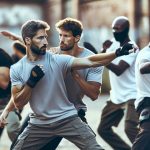

Krav Maga is renowned for its effectiveness in self-defense, but what if a bad knee is holding you back from training? You’re not alone-many practitioners face similar challenges. Understanding how to adapt techniques can allow you to continue your practice while ensuring your safety and comfort. In this guide, we’ll explore tailored modifications and strategies that enable you to engage in Krav Maga without exacerbating your knee issues. By learning how to work with your body’s limitations, you can enhance your skills and maintain your confidence in self-defense situations. Keep reading to discover practical solutions that empower you to train effectively and safely, even with a knee injury.
Can You Train Krav Maga with a Bad Knee?
Training in Krav Maga with a knee injury is not only possible but can be adjusted to ensure safety and continued progress in your self-defense skills. Individuals often worry that physical limitations will hinder their ability to learn effective self-defense techniques, but with the right approach and modifications, you can still participate in training while being mindful of your knee condition. It’s crucial to integrate proper adaptations and maintain an open line of communication with your instructors about your specific limitations to create a training plan that works for you.
Krav Maga emphasizes practical techniques that can be adapted for various physical conditions. For instance, when performing drills that usually require moving quickly or manipulating weight distribution more intensely, you can focus on upper-body techniques, footwork that limits knee impact, and defensive strategies that don’t exacerbate your injury. It’s also essential to avoid aggressive sparring or complex maneuvers that could strain your knee, opting instead for controlled environments where you can practice simple techniques at a reduced intensity. Engaging in a dialogue with instructors can unveil alternative drills or variations that maintain the essence of Krav Maga without compromising your safety.
In addition to modified technique practice, effective warm-ups and targeted stretching for the knee can help enhance flexibility and strength. Incorporating exercises that mobilize the knee joint without stressing it, such as cycling or swimming, can support your training while promoting healing. Always remember to listen to your body-if a movement causes pain or discomfort, it’s important to adjust or eliminate that action from your routine. Safety should remain your top priority, ensuring that your practice contributes positively to your overall self-defense education rather than risking further injury.
Understanding Knee Injuries in Martial Arts
In the world of martial arts, knee injuries can be some of the most common and debilitating ailments practitioners face. Understanding the mechanics of knee injuries is critical for anyone looking to train in disciplines like Krav Maga, especially if there are existing conditions. The knee is a complex joint that bears a significant amount of stress during dynamic movements, such as pivoting, striking, and grappling. Even minor injuries to ligaments, cartilage, or tendons can severely limit mobility and function. Recognizing the types of knee injuries and their implications can provide valuable insight into how to train safely without exacerbating a pre-existing condition.
Common knee injuries include sprains, strains, tendonitis, and meniscus tears, each of which varies in severity and treatment requirements. For example, a strain can result from a sudden movement, while tendonitis may develop from repetitive stress over time. Both situations require careful management to avoid further damage. Individuals training with an existing knee injury need to communicate openly with their instructors about their condition to effectively adjust their training strategies. Simply adjusting footwork or stance can make a difference, allowing for continued practice without adding undue stress to the knee.
Recognizing limitations can foster a more positive training experience. It’s often beneficial to focus on upper-body techniques, which require less knee involvement. Strengthening the muscles surrounding the knee can also offer additional support and stability, enhancing overall performance and resilience. Flexibility exercises, when performed judiciously, can aid recovery and enhance movement quality.
Lastly, remember that martial arts should empower and educate. Emphasizing safe practices ensures a more fulfilling training journey, allowing individuals to cultivate their skills while prioritizing their health. Adapting training to accommodate knee injuries exemplifies a responsible approach, encouraging resilience and encouraging a lifelong practice of self-defense techniques.
The Importance of Modifications for Safe Practice
In the world of Krav Maga, the ability to adapt is crucial, especially for individuals dealing with knee injuries. Modifications are not just helpful; they are essential for ensuring a safe training environment that allows practitioners to continue developing their skills without exacerbating their injuries. Recognizing that the standard approach to certain techniques might not work for everyone is key to maintaining participation in self-defense training while prioritizing health and safety.
Implementing specific modifications can make a significant difference. For instance, practitioners with knee limitations should focus on adjusting their stance and footwork to reduce strain. Moving from a standard fighting stance to a more stable one can help alleviate pressure on the knees while still allowing effective movement. Techniques that involve impactful low stances or sudden pivots may need to be replaced or practiced in a controlled manner, ensuring that safety is prioritized.
An effective way to facilitate this adaptation is through modified drills that focus on upper-body techniques, such as strikes and defenses, which place less emphasis on the lower body. Practitioners could also incorporate strength training specifically aimed at improving the stability of the knee joint, thereby enhancing their overall performance and resilience. Commands for practitioners to engage in flexibility exercises that suit their current condition can also be beneficial, as these will help improve movement quality without risking additional injury.
Ultimately, modifications in Krav Maga training for those with knee injuries empower individuals, allowing them to participate safely in practice while building confidence in their abilities. Communication with instructors is vital, as they can provide personalized advice tailored to individual capabilities, ensuring that each student can engage in the training process effectively and safely. By fostering an environment that emphasizes adaptive training methods, all practitioners can work on their self-defense skills while managing their physical limitations responsibly.
Essential Krav Maga Techniques for Knee Limitations
Krav Maga is known for its practicality in real-world self-defense situations, and that includes adapting techniques for those with knee limitations. Understanding how to modify your approach can ensure that training remains effective while prioritizing your safety. It’s important to focus on techniques that minimize strain on the knees while allowing you to practice self-defense effectively.
One essential technique involves using upper body strikes effectively without relying heavily on your lower body for power. For instance, punching techniques such as jabs and crosses can be executed from a more stable stance, reducing the need for aggressive footwork. Additionally, arm-based defenses, including blocking and parrying, can be practiced with a strong, stable base that avoids excessive bending or twisting of the knees.
Modified Techniques for Stability
- Straight Punches: Emphasize form over power. Practice delivering strong strikes from a stationary position or with minimal movement to avoid knee strain.
- Elbow Strikes: These are effective at close range, and you can practice them while maintaining balance, using your core strength rather than relying on leg movement.
- Defensive Techniques: Focus on using your arms to defend and counterattack while keeping your knees stable. Techniques like the shoulder roll to avoid blows can be practiced without aggressive lower-body movement.
Utilizing specific drills that incorporate these modified techniques can enhance both your confidence and capabilities. For example, practice routines can involve working on your upper body movements separately from lower body engagements, allowing you to refine techniques without putting additional stress on your knees.
Always remember, communication with your instructor is key. They can help tailor your training to individual needs, ensuring you’re learning in a safe and supportive environment. By focusing on adaptations, you can continue your training journey effectively, regardless of any physical limitations.
Adapting Training Methods: Drill Examples for All Levels
Adapting your Krav Maga training with knee limitations requires a thoughtful approach that emphasizes safety while maintaining the effectiveness of self-defense techniques. One effective way to include all levels of practitioners is through modified drill examples. These drills can be tailored to alleviate stress on your knees while still allowing you to work on essential skills.
Start with a combination of stationary drills that encourage the practice of upper body techniques while keeping the lower body stable. For instance, work on punch sequences or elbow strikes from a fixed stance, focusing on precision and form rather than movement. This allows you to refine your strike mechanics without risking additional strain on your knees.
Consider incorporating shadow fighting into your routine. Shadow fighting is an excellent way to practice techniques like jabs, hooks, and defenses without the need for actual footwork. This method encourages muscle memory and timing, which are critical for effective responses in real situations. Additionally, breaking down techniques into slower, more controlled movements can help you assess and adapt each motion to suit your capabilities.
Another option is to create partner drills designed for low-impact engagement. For example, when working with a partner, focus on executing defensive maneuvers like parries and body movements that require minimal knee movement. Encourage your partner to adjust their intensity and speed based on your comfort level, fostering a collaborative training environment.
Finally, pay special attention to the integration of effective cool-down stretching routines following your drills. Incorporating stretches that focus on the hip flexors, quadriceps, and hamstrings can support knee health and improve your range of motion. Always remember to communicate your needs with your instructor, as tailored guidance can enhance your training experience and ensure adherence to safety protocols. By adapting drills thoughtfully, you can continue to grow in your Krav Maga practice while respecting your body’s limitations.
Effective Warm-up and Stretching for Bad Knees
Warming up and stretching effectively is crucial for anyone training in Krav Maga, especially for individuals with knee limitations. Engaging in proper warm-up routines not only enhances blood flow and prepares your muscles for action but also plays a significant role in injury prevention. As you approach your training with a bad knee, the warm-up should be tailored to accommodate your condition while still allowing you to engage in productive practice.
Begin your warm-up with gentle movements that do not put excessive strain on your knees. This can include exercises such as seated leg extensions or gentle side leg lifts while seated. These activities keep your joints limber without the risk of overextending. Gradually incorporate upper body motions such as arm circles, shoulder rolls, and torso twists to increase overall blood circulation. Foam rolling your upper legs and lower back can also be beneficial, helping to release tension in surrounding muscles without directly impacting the knee.
Once your body is warmed up, transition into stretching exercises that focus on the muscle groups surrounding the knee, ensuring they are flexible and ready for engagement. Here are some recommended stretches:
- Quadriceps Stretch: Stand on one leg and gently pull your other heel towards your glutes, holding it for 15-30 seconds. This helps loosen the front of your thigh.
- Hamstring Stretch: While sitting, extend one leg while keeping the other leg bent. Reach towards your toe, feeling the stretch along the back of your leg.
- Calf Stretch: With your foot planted against a wall, step back and lean into the wall to stretch the calf muscle. Ensure your knee is straight to avoid affecting the joint.
- Hip Flexor Stretch: In a kneeling position, push your hips forward while keeping your upper body straight, stretching the front of your hip.
Lastly, remember that listening to your body during the warm-up and stretching sessions is paramount. Adjust any movements that cause discomfort, and communicate openly with your instructor or training partners about your knee condition. The emphasis should always be on safety and adaptability, allowing you to reap the benefits of Krav Maga training while respecting the limitations imposed by your knee. By implementing these practices, you can effectively prepare your body for action and minimize the risk of further injury, making your training experience both rewarding and sustainable.
The Role of Adaptive Equipment in Krav Maga
Adaptive equipment plays a crucial role for practitioners of Krav Maga who are navigating training with a bad knee. Utilizing the right tools can enhance safety and facilitate more effective training without risking further injury. For instance, knee braces can provide additional support and stabilization, reducing the burden on the knee joint during dynamic movements common in Krav Maga. Additionally, using a specialized mat can help soften impacts during training, allowing for safer falls and practice of ground techniques.
When training, it’s important to consider incorporating gear that accommodates your specific limitations. For example, lightweight training shoes with good support can help maintain balance while minimizing knee strain. A modified training bag or pads can also aid in practicing strikes with reduced intensity, allowing you to focus on technique rather than power. Furthermore, using resistance bands can help strengthen the muscles around the knee without excessive strain, enabling injury rehabilitation while still participating in drills.
It’s essential to communicate with your instructor about your knee issues and the adaptive equipment you’re using. Many instructors are willing to offer alternative techniques or modified drills that align with the equipment at hand. This collaboration not only enriches your training experience but also fosters an environment of safety and support. Always prioritize adaptive strategies and ensure that your training environment complements your needs, fostering a path to recovery and continued martial arts practice.
In addition, various online forums and communities can provide insight and suggestions from other practitioners who have faced similar challenges. Engaging with these resources can offer both practical advice and emotional support, empowering you to continue your Krav Maga journey while managing knee limitations effectively.
Real-Life Success Stories: Practicing Krav Maga with Injuries
Many martial artists have faced the challenge of training with injuries, especially when it comes to something as crucial as a knee issue. The inspiring stories of individuals who have successfully continued their Krav Maga journey despite such limitations provide hope and strategies for others in similar situations. One such story is that of a practitioner who sustained a severe knee injury during a prior sport. Instead of abandoning martial arts, they approached training with determination and adaptability, working closely with their instructor to develop a modified training plan.
Through effective communication, they discovered alternative techniques that allowed them to engage in practice without compromising their recovery. For instance, they focused on upper body techniques and footwork that did not place strain on their knee. This not only preserved their martial arts skills but also fostered a sense of community and support within their training group, showing that adaptations can be made without losing the essence of the art.
Another remarkable example involves an individual who utilized adaptive equipment, such as specialized knee braces and supportive footwear, to enhance their stability during training. By incorporating resistance bands in their warm-up routine, they effectively strengthened the muscles surrounding their knee, enabling them to participate in drills that were once considered off-limits. This person’s resilience not only showcased their personal growth but also inspired fellow practitioners to explore similar adaptations in their training regimens.
The narratives of these practitioners emphasize that with the right mindset and modifications, training in Krav Maga with a bad knee is not only feasible but can also be a transformative part of one’s recovery. By sharing their experiences, they encourage others to remain committed to their training while prioritizing safety and support. Through strategic modifications and unwavering determination, the journey through injury to recovery becomes a powerful testament to the resilience of the human spirit.
Physical Therapy Insights: Strengthening the Knee for Training
Strengthening the knee is critical for anyone looking to train in Krav Maga with a previous injury. A robust and flexible knee joint not only supports physical fitness but also enhances overall performance during training. Engaging in targeted physical therapy exercises can significantly improve knee stability and functionality, allowing practitioners to confidently participate in their training sessions.
Focusing on specific muscles around the knee is essential. Strengthening the quadriceps, hamstrings, and calf muscles helps support the knee joint, mitigating the risk of further injury. Here are a few effective exercises that can be incorporated into a rehabilitation or training routine:
- Quadriceps Strengthening: Performing straight leg raises while lying flat can build strength in the quadriceps without putting too much pressure on the knee.
- Hamstring Curls: Standing or lying hamstring curls can help strengthen the back of the thigh, essential for knee support.
- Calf Raises: Simple calf raises can improve balance and strength in the lower leg, contributing to overall knee stability.
- Balance Exercises: Using a balance board or performing single-leg stands can enhance proprioception and strengthen the stabilizing muscles around the knee.
Incorporating flexibility work is equally important. Gentle stretching of the quadriceps, hamstrings, and calves can increase range of motion and aid in recovery. Low-impact activities like swimming or cycling are also beneficial as they provide cardiovascular conditioning without excessive stress on the knee.
Additionally, consulting a physical therapist specialized in sports medicine can provide personalized insights, ensuring that the exercises target specific weaknesses and align with recovery goals. By integrating these strategies into a training plan, individuals can reclaim their confidence in their knee’s capabilities, paving the way for a successful and sustainable Krav Maga journey. Through consistent effort, significant improvements can be made, helping practitioners to train effectively while safeguarding their health.
Krav Maga vs. Other Martial Arts for Knees
Krav Maga’s practical, straightforward approach makes it a popular choice for self-defense enthusiasts, particularly those with physical limitations like a bad knee. Unlike some traditional martial arts that emphasize complex forms and high-impact techniques, Krav Maga is built on principles of efficiency and adaptability. This makes it relatively easier for individuals with knee issues to participate, as techniques can be modified or substituted for safer options. For example, Krav Maga emphasizes striking and self-defense techniques without requiring deep stances or extensive leg work, which can exacerbate knee pain.
In comparison to other martial arts such as Brazilian Jiu-Jitsu (BJJ) or Taekwondo, those with knee injuries might find Krav Maga more accommodating. BJJ relies heavily on ground work and grappling, which often requires extensive knee flexibility and mobility, potentially causing stress to a compromised knee. Taekwondo, known for its high kicks and dynamic footwork, might also pose challenges for someone with knee limitations. In contrast, Krav Maga training can often be executed with modified stances and techniques that maintain the integrity of self-defense while minimizing strain on the knee.
When training in Krav Maga, individuals are encouraged to communicate their physical limitations to instructors. This open dialogue allows for personal adaptations to techniques, ensuring that training is both effective and safe. Techniques can be practiced using upper body movements, shoulder strikes, or defensive maneuvers that do not heavily engage the knee. Moreover, the martial art’s focus on situational awareness and the use of verbal de-escalation before physical confrontation likewise aligns with a cautious approach to maintaining both legal and physical safety.
Ultimately, those with knee issues can successfully integrate into Krav Maga with the right modifications and support, making it a unique and viable option amidst a landscape of martial arts that may not accommodate their needs as effectively. As practitioners focus on technique, safety protocols, and legal considerations, they can cultivate their skills while ensuring their health remains a priority.
Safety Protocols: Listening to Your Body During Training
Listening to your body during Krav Maga training is essential, especially when dealing with a knee injury. Recognizing the difference between discomfort and pain can help prevent further injury and support a long-term training strategy. A significant aspect of safety is the principle of *self-awareness*; understanding how your knee feels during different movements can inform your decisions on whether to push through or modify your practice.
- Communication with Instructors: Always inform your instructors about your knee condition. This allows them to tailor your training regimen to prioritize safety and effectiveness, even suggesting alternative drills or modifications that suit your limitations.
- Listening to Pain Signals: Pain is your body’s way of signaling that something is wrong. If you experience sharp discomfort while practicing techniques, it’s vital to stop and assess the movement rather than trying to “grit it out.” Training with a compromised knee should never mean pushing through pain.
- Regular Check-ins: Conduct frequent self-assessments during and after training sessions. Ask yourself how your knee responded to various drills-do certain movements exacerbate your condition? Adjust both your physical responses and your training focus accordingly.
- Rest and Recovery: Incorporate adequate rest into your training plan. Recovery is crucial to allow your body, especially your knee, to heal. This means reducing the intensity of training and including recovery modalities such as gentle yoga or physical therapy exercises that specifically target knee stability and strength.
In addition to physical adjustments, integrating a mindfulness approach can be beneficial. Practicing breathing techniques and mental visualization can help maintain focus, allowing you to concentrate on safe movements and proper technique without undue strain. Understand that adapting your training isn’t a sign of weakness but an intelligent strategy that respects your body’s needs while fostering your growth in Krav Maga.
Ultimately, prioritizing safety and legality within the training environment will provide the best outcomes for those with knee issues. By adhering to these protocols, you empower yourself to continue training effectively while ensuring that your physical health remains front and center. Remember, the goal of Krav Maga is not only to defend yourself physically but to do so in a way that is sustainable and responsible.
Legal Considerations in Defensive Scenarios with Injuries
Navigating the legal implications of self-defense can be especially complex when you are training or involved in a defensive scenario with an injury, such as a bad knee. Understanding your legal rights and responsibilities is paramount, as the use of force in self-defense must always be reasonable and proportional to the threat faced. When assessing your legal standing, consider the following key factors:
- Understanding Proportionality: The force you use in self-defense must match the level of threat you perceive. If you are injured, relying on techniques suitable for your condition while ensuring you’re not escalating the situation is critical. For instance, if your knee limits your mobility, focus on defensive actions that don’t require rapid movement or extensive footwork.
- Documentation of Your Condition: Keeping records of your knee injury and any modifications you make during training can be a protective measure. Should you ever need to demonstrate that you acted within the bounds of reason, having documented evidence that shows you’ve adapted your training and techniques accordingly will support your case.
- State-Specific Laws: Self-defense laws vary widely by jurisdiction. It’s vital to familiarize yourself with local laws regarding self-defense, specifically those that address the use of force by individuals with disabilities or injuries. Knowing these laws helps you set realistic expectations about what is legally permissible in a tense situation.
- Seek Legal Guidance: Consulting with a legal expert in self-defense law can provide the clarity you need about your rights. Understanding the nuances of how your injury might affect your legal standing in a situation where self-defense becomes necessary can be empowering.
Always prioritize de-escalation over confrontation. In any conflict, particularly when dealing with physical limitations, try to diffuse the situation verbally rather than resorting to physical techniques. Remember, self-defense is about protecting yourself from harm while ensuring that your response is legally justified and ethically sound. Balancing effective self-defense training with a cautious mindset can help you make informed decisions that respect both your safety and the law.
FAQ
Q: How can I modify Krav Maga techniques if I have a bad knee?
A: You can modify Krav Maga techniques by focusing on upper body defenses and using footwork that minimizes knee strain. Incorporate drills that allow for seated or grounded positions or work with a partner to practice without impact. Adapting movements is essential to protect your knee while training effectively.
Q: What type of warm-up is best for people with knee injuries in Krav Maga?
A: A suitable warm-up includes gentle range-of-motion exercises and low-impact activities like cycling or swimming. Focus on dynamic stretches that specifically target the muscles around the knee to increase flexibility and reduce injury risk. Refer to the “Effective Warm-up and Stretching for Bad Knees” section for detailed routines.
Q: Are there specific Krav Maga drills for those with knee limitations?
A: Yes, you can perform drills that emphasize defensive techniques without excessive movement. Techniques like static holds or controlled strikes can help maintain skills while protecting your knee. See the “Adapting Training Methods: Drill Examples for All Levels” section for helpful strategies.
Q: What safety protocols should I follow while training Krav Maga with a bad knee?
A: Prioritize communication with your instructor and your training partners about your knee condition. Listen to your body, and if a movement feels painful, modify or skip it. Always have a recovery plan in place to avoid exacerbating your injury during training.
Q: Can I participate in sparring if I have a knee injury?
A: It’s advisable to avoid full-contact sparring with a knee injury. Instead, consider light sparring or controlled exchanges where you prioritize technique over impact. Check in with your instructor to explore safe options that suit your training needs.
Q: How does Krav Maga compare to other martial arts for individuals with knee issues?
A: Krav Maga tends to focus more on self-defense techniques and adaptability compared to traditional martial arts, which may require more conditioning and physical strain. This flexibility makes it comparatively suitable for those with knee issues. Explore the “Krav Maga vs. Other Martial Arts for Knees” section for in-depth comparisons.
Q: What role does physical therapy play for those practicing Krav Maga with a knee injury?
A: Physical therapy is crucial for restoring strength and mobility in a knee injury. It can improve function and reduce pain, making training in Krav Maga safer. Strengthening exercises can be integrated to enhance stability and support your practice effectively.
Q: When should I consult a medical professional regarding my knee while training Krav Maga?
A: Consult a medical professional if you experience persistent pain, swelling, or instability in your knee during or after training. A healthcare provider can offer tailored advice and rehabilitation strategies to ensure safe participation in Krav Maga.
Concluding Remarks
In conclusion, practicing Krav Maga with a bad knee is not only possible but can be effectively tailored to fit your needs. With the right modifications, you can enhance your skills while prioritizing your safety. Remember, the key takeaway is that adaptations can keep you engaged without compromising your health. Don’t let an injury hold you back; take the first step today!
If you have additional concerns about your training limitations or would like more personalized guidance, consider booking a consultation with our expert instructors. And don’t miss our articles on self-defense strategies and injury prevention tips-your journey toward confidence should be comprehensive and informed.
Stay engaged with our community by leaving your thoughts in the comments below, or share this guide with friends facing similar challenges. Keep exploring and learning with us so you can confidently navigate both your training and any real-life situations!