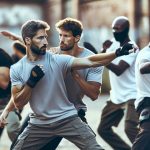

Training in Krav Maga at home can be an effective and practical way to enhance your self-defense skills, especially when access to a gym is limited. Many people seek to empower themselves with the tools to protect against real-life threats, but common concerns like space constraints and equipment needs often arise. This exploration of training at home delves into the essentials you need to get started safely and effectively. Understanding how to set up your practice environment, selecting the right equipment, and being mindful of legal and ethical responsibilities is crucial. As you continue reading, you’ll discover how to navigate these challenges, enabling you to build confidence and competence in your abilities, whether in your living room or backyard-making self-defense more accessible than ever.
Can You Train Krav Maga at Home? Understanding the Basics
Training in Krav Maga at home is a viable option for self-defense enthusiasts and those seeking to enhance their physical fitness. Understanding the basic principles of this martial art is crucial before setting up your home training environment. Krav Maga is designed to be practical and adaptable, emphasizing defense against real-world threats. This means the techniques learned can significantly improve personal safety and confidence in handling confrontational situations.
In order to create a conducive training space, you will need to consider a few essential factors. Ideally, aim for a room or area with ample room to move freely, allowing for dynamic movements and kicks. A space about 10 x 10 feet can suffice for individual practice of techniques and drills. Make sure the flooring is safe-soft surfaces like rubber mats can mitigate injuries during falls or ground work, as Krav Maga also incorporates grappling techniques.
Another vital component is the right equipment. While you can practice many techniques independently, investing in items like a punching bag or focus mitts can enhance your training. These tools provide a target to work on striking techniques and improve accuracy and power. Additionally, consider getting protective gear, such as mouthguards and gloves, especially if you engage in partner drills. Comfort and safety must be a priority in any self-defense practice, which ultimately fosters more effective learning outcomes.
As you embark on home training, remember that limitations exist. Without a qualified instructor present, you might not fully grasp certain techniques or may develop bad habits. Therefore, supplement your home training with online instructional videos or virtual classes led by experienced instructors. Engage with reputable resources to ensure that your training aligns with the fundamental principles of Krav Maga, keeping safety and ethical use of force as your guiding principles. This balanced approach will empower you not just physically, but mentally, preparing you for any situations that may arise while respecting the seriousness of self-defense.
Essential Space Requirements for Home Training
Creating an effective training space for Krav Maga at home is essential for maximizing your self-defense practice. Ideally, you should look for an area that allows you to move freely, perform various techniques, and incorporate dynamic movements like kicks and evasions. A space measuring approximately 10 x 10 feet is usually adequate for individual practice, but if you have the room, a larger area can allow for more extensive drills and movements.
When selecting your training environment, pay close attention to the flooring. A surface that absorbs impact, such as rubber mats or carpet, can help prevent injuries during falls or ground techniques, which are integral to Krav Maga. If you’re training in a garage or basement with concrete floors, consider using mats to provide a safer and more comfortable training environment. Additionally, ensure the area is free of obstacles, furniture, or items that could cause injury while practicing techniques.
Lighting and ventilation also play a crucial role in creating a conducive training atmosphere. A well-lit area helps you see your movements clearly, while good airflow is important for maintaining stamina during workouts. If possible, try to train in an environment where you can comfortably regulate temperature. Keeping the area clear of distractions will further enhance your focus and effectiveness as you practice the principles of Krav Maga.
Lastly, ensuring privacy and security in your training space can help you feel more comfortable. This is particularly important if you are practicing techniques that require a degree of intensity or if you are using strikes against a training bag. If you live with others, consider setting specific times for training or discussing your practice schedule to minimize interruptions. By thoughtfully arranging your training space, you lay a solid foundation for your Krav Maga development, enabling you to build skills steadily and safely.
Necessary Equipment for Effective Krav Maga Practice
To effectively train in Krav Maga at home, having the right equipment is crucial. The goal is to facilitate a safe and productive practice environment that enables you to learn and refine techniques, build physical fitness, and prepare for real-life scenarios. You don’t need an extensive gym setup, but a few essential items can dramatically enhance your training experience.
Start with a quality set of training gloves. These not only protect your hands during striking drills but also help you develop proper technique and power in your punches. Consider investing in focus mitts if you have a partner to train with; these help hone accuracy and timing while simulating target practice. Additionally, a heavy bag is a versatile tool for practicing strikes, kicks, and combinations, allowing for realistic self-defense scenarios.
Another important piece of equipment is a foam or canvas training knife. This allows you to safely practice defenses against edged weapon attacks without the risk inherent in using a real knife. Incorporating such tools can enhance your situational awareness and responsiveness. Similarly, grappling dummies or training partners can facilitate practice for ground techniques and escapes, making it easier to understand body mechanics and leverage in various positions.
When it comes to conditioning, simple equipment like resistance bands and weights can be utilized for strength training and agility work, which are vital for Krav Maga practitioners. These tools can also be instrumental in building endurance, an integral aspect of self-defense training. Always remember to follow safety protocols, such as warming up properly to avoid injury.
In summary, while you don’t need a large array of equipment to effectively train in Krav Maga, investing in a few crucial items can significantly enhance your home training. Focus on safety, legality, and ethical practices as you build your skills. Use the equipment not just to train physically, but to prepare mentally for the realities of self-defense situations.
Safety Protocols for Home Training in Krav Maga
Training in Krav Maga at home can be a rewarding experience, but it’s vital to prioritize safety to avoid injuries and ensure a productive practice environment. Understanding the potential risks associated with self-defense training is crucial. While the goal is to simulate real-life scenarios, you must also maintain the integrity and well-being of yourself and those around you. Here are some essential safety protocols to incorporate into your home training regimen.
First, always start with a proper warm-up routine. This helps prepare your body for the physical exertion involved in training, reducing the likelihood of strains or sprains. Engage in dynamic stretches and light cardio exercises to get your blood flowing and loosen your muscles. Additionally, consider training in a spacious area free of obstacles to prevent accidents, particularly during high-impact drills or when using equipment like heavy bags or training dummies.
When practicing techniques, focus on maintaining control and awareness. Use appropriate protective gear, such as training gloves and shin guards, to minimize injuries during striking drills. If you’re training with a partner, establish clear communication and signal usage to indicate when to slow down or stop if either party feels uncomfortable. Remember, the essence of Krav Maga lies in self-defense, not aggression, so practice restraint and avoid overly aggressive moves.
Finally, be mindful of the legal aspects of your training. Understand your local laws regarding self-defense and the use of training equipment. This might include restrictions on certain types of weapons or methods of training. Keep in mind that Krav Maga emphasizes de-escalation techniques alongside striking and grappling skills, which should be prioritized in any situation. Creating a balanced curriculum that includes drills focused on awareness and conflict resolution can empower you with a holistic approach to self-defense, enhancing not only your physical skills but also your mental preparedness.
Basic Techniques You Can Practice Alone
One of the exciting aspects of training in Krav Maga at home is the ability to practice foundational techniques that can empower you in real-world situations. Even with limited space and no partner, there are essential movements and drills you can incorporate into your routine to develop your skills. By focusing on these basics, you’ll not only build muscle memory but also enhance your confidence and understanding of self-defense principles.
Start with striking techniques, as they form the foundation of Krav Maga. Work on punches, knee strikes, and kicks. For instance, practice the straight punch by extending your arm fully while pivoting on the ball of your foot for power. Aim at a target, such as a heavy bag or even a pillow, to develop accuracy and force. Incorporating various guards-like the high guard and low guard-while executing your strikes can also improve your overall readiness.
Next, practice basic defensive maneuvers. For example, work on blocking techniques against an imaginary opponent. Visualize an incoming strike and practice your forearm blocks and deflections, engaging your core to maintain balance. This can be enhanced with drills such as slipping (moving your head away from an imaginary punch) and covering up (protecting your face and vital areas). These techniques help develop your reflexes and improve your reaction time in potential confrontations.
Additionally, don’t overlook the importance of ground defense. While practicing alone, focus on transitioning from standing to ground positions. Techniques like getting up quickly from the ground and practicing hip escapes build resilience. Use a mat or a soft surface to avoid injury.
Lastly, consider incorporating conditioning exercises to complement your training. Simple drills like shadow boxing can improve your cardiovascular endurance while allowing you to practice your techniques in a dynamic manner. Increase your intensity gradually to enhance strength and stamina, which are critical elements in self-defense scenarios.
Incorporating these basic techniques and drills into your practice routine enhances not only your physical capabilities but also your mental readiness for real-life self-defense situations. Remember to maintain a conscientious approach, focusing on control and precision rather than intensity, to cultivate a safe training environment at home.
Building Strength and Endurance for Krav Maga
Building strength and endurance are critical components of effective Krav Maga training, especially when practicing at home. The intensity of self-defense situations necessitates a strong and resilient body, capable of executing techniques and responding appropriately under stress. One of the best ways to develop this is through a structured regimen that incorporates both strength training and endurance exercises.
Start with bodyweight exercises that mimic the movements you’ll perform in Krav Maga. Exercises such as push-ups, squats, and lunges not only build strength but also enhance stability and mobility, essential for executing techniques with precision. For instance, include variations like explosive push-ups or jump squats to add a level of intensity that mimics the quick movements in self-defense scenarios.
Incorporate cardiovascular workouts to boost your endurance. Running, interval training, or high-intensity interval training (HIIT) can significantly improve your stamina. For example, 20 to 30 minutes of interval sprints followed by bodyweight drills can elevate your heart rate and condition your body for the demands of self-defense. Additionally, shadow boxing is a great way to practice your striking techniques while simultaneously increasing your cardiovascular fitness. Set a timer and throw punches, kicks, and knees as if you were in a real confrontation.
Don’t forget to mix in core strengthening exercises to enhance your overall power and stability. A strong core is crucial for maintaining balance during combat movements and recovering quickly after strikes. Planks, Russian twists, and medicine ball exercises can be integrated into your routine to build resilience in this vital area.
For effective strength and endurance training, aim for a balanced approach: include various types of workouts that address different muscle groups and energy systems. Remember to progress gradually, listening to your body to avoid overtraining and injury. The goal is to prepare yourself physically and mentally for potential confrontations, ensuring you feel confident and capable while incorporating a strong emphasis on safety and responsible self-defense practices.
Incorporating Sparring and Partner Drills at Home
Training Krav Maga at home presents a unique opportunity to improve your skills, especially when it comes to sparring and partner drills. Engaging in these activities is vital for applying techniques in a realistic context, understanding timing, distance, and the dynamics of an opponent’s movement. However, it’s crucial to approach home sparring responsibly, prioritizing safety and adherence to legal and ethical standards.
One effective method to include sparring at home is through controlled sessions with a partner. Establish clear guidelines on intensity levels to ensure both practitioners feel safe and comfortable. Start with light contact to focus on technique rather than power; this will help build confidence and refine your skills without risking injury. Utilize protective gear, such as gloves and mouthguards, to minimize the impact and create an environment conducive to learning. Remember, the objective during these drills is to simulate real scenarios while respecting each other’s limits.
Additionally, practice specific techniques that can be used in sparring such as strikes, counters, and defensive maneuvers. Create simple drills such as alternating roles where one partner attacks with basic techniques while the other practices defenses. Incorporate situational scenarios like sudden attacks or multiple directions to enhance adaptability. This progressive approach allows both partners to work on their skills and reactions without losing the essence of training-self-defense rather than aggression.
Finally, complement your sparring with visual and instructional resources available online. Many self-defense trainers provide video demonstrations that can serve as a guide for techniques and drills you can practice during your sessions. Watching skilled practitioners can foster new ideas for your practice and help refine your execution.
Engaging in sparring and partner drills at home can be incredibly rewarding but demands a focus on safety and mutual respect. Balancing technique refinement with practical application is essential in Krav Maga, instilling both confidence and competence. By ensuring clear communication and ethical practices, you can effectively enhance your Krav Maga skills while fostering a supportive learning environment.
Finding Online Resources for Home Training
Finding reliable online resources is essential for anyone looking to train in Krav Maga from home. With a plethora of options available, it’s crucial to navigate these resources wisely to ensure quality and effectiveness in your training regimen. Online platforms can provide detailed instructional videos, live virtual classes, and interactive training sessions led by experienced instructors. These resources often cater to various skill levels, making it easier for beginners to grasp the fundamentals while allowing advanced practitioners to refine their techniques.
When searching for online training materials, consider leveraging platforms that offer comprehensive curricula designed specifically for Krav Maga. For instance, sites like Total Krav Maga provide an online home study course that covers techniques from white to black belt, along with practical drills and workouts【1】. Such structured programs can significantly enhance your understanding of the system, while also providing a roadmap for progression through the ranks, ideally with instructor-guided feedback during live events.
Utilizing social media and video content platforms is another effective way to supplement your training. Many experienced practitioners and instructors share free instructional content on YouTube. Channels dedicated to Krav Maga often showcase real-life applications, tips on technique execution, and solo training drills【2】. However, it’s essential to critically evaluate the credentials of the instructors featured in these videos to avoid misinformation and ensure that you are learning effective techniques.
Lastly, consider joining online communities or forums focused on Krav Maga. These spaces can serve as valuable resources for advice, shared experiences, and training tips. Engaging with fellow practitioners allows you to exchange knowledge, clarify doubts, and even find potential training partners for honing skills in a safe and collaborative environment. Always remember to prioritize safety and ethical training practices when training at home, ensuring that your focus remains on authentic self-defense techniques rather than aggression.
Progress Tracking and Goal Setting in Krav Maga
Establishing clear goals and tracking your progress in Krav Maga is essential, particularly when training from home. Setting specific, measurable objectives not only provides motivation but also helps you systematically improve your skills. For instance, you might aim to master a particular technique by the end of the month or increase your conditioning endurance to handle a specific number of rounds in a workout routine. These benchmarks serve as tangible markers of your development and keep your training focused.
To effectively track your progress, consider maintaining a training journal. This can include details such as:
- Date and duration of each training session.
- Techniques practiced and any challenges faced.
- Fitness milestones achieved, such as improved flexibility or strength benchmarks.
- Feedback received from online instructors or training partners.
Reviewing this journal periodically can highlight patterns in your progress, helping you adjust your training regimen as needed. Additionally, take advantage of online communities or forums dedicated to Krav Maga where you can share your goals and achievements for support and accountability.
Another integral component of goal setting is incorporating a variety of training elements. For example, balance your focus on technical skills with strength and conditioning workouts. You might set a goal such as completing a specific number of bodyweight exercises or high-intensity interval training sessions each week, which will enhance both your fighting capability and overall fitness level. Remember that while improving your personal skills is vital, the true essence of martial arts lies in understanding the legal and ethical implications of self-defense. Aim to not only refine your techniques but also cultivate a mindset oriented towards de-escalation and responsible use of force.
In summary, having a structured approach to tracking progress and setting goals in your Krav Maga training will significantly enhance your experience and results at home. Keep safety protocols in mind and celebrate each small achievement, as they collectively build your confidence and skills in this empowering art.
Legal Considerations for Self-Defense Training
Understanding the legal landscape surrounding self-defense is crucial for anyone training in Krav Maga, especially when practicing at home. Every state has different laws that govern self-defense, the use of force, and what is considered reasonable action in a confrontational situation. Beyond knowing the legalities, it’s essential to cultivate an awareness of the moral implications tied to defensive actions. Training should focus not only on physical self-defense techniques but also on developing a mindset that prioritizes safety, de-escalation, and responsible response.
When practicing techniques alone or with a partner at home, it’s important to remember that the goal of self-defense is to avoid conflict when possible. Techniques in Krav Maga emphasize the use of force proportional to the threat level. This means understanding when to retreat or disengage can often be just as important as knowing how to strike or defend oneself. For instance, in a hypothetical scenario, if confronted in a public place, your response should consider whether the situation truly warrants an aggressive approach or if verbal de-escalation tactics might suffice.
Each practitioner must be aware of the legal definitions of terms like “reasonable force” and “self-defense” in their jurisdiction. Many locations allow for self-defense only under specific conditions-most notably when a person believes they are in imminent danger of bodily harm. The response must not exceed the threat; otherwise, one may face legal repercussions for perceived excessive force. Review state laws regarding self-defense regularly and consider consulting legal professionals to clarify any uncertainties.
Moreover, the rise of video evidence and witness testimonies in self-defense cases has made understanding the legal ramifications even more critical. Ensure that your training reflects not just the physical techniques of Krav Maga but also a solid foundation in the ethical and legal aspects of self-defense. Education on these matters will not only empower you as a practitioner but will also prepare you for the broader implications of using physical techniques in real-world situations. Always strive to build scenarios into your training that reinforce these important lessons.
Creating a Balanced Training Routine at Home
Creating a balanced routine for practicing Krav Maga at home is essential for maintaining physical fitness and ensuring skill development in self-defense techniques. A well-structured plan can help you progress effectively while promoting safety and responsible training practices.
Start by setting specific goals that are realistic and measurable. For instance, aim to practice techniques for at least 30 minutes, three to four times a week. Divide your training time into segments that cover various aspects of Krav Maga:
- Technique Practice: Allocate time for working on specific self-defense techniques. Use instructional videos or guides to mimic movements accurately.
- Strength and Conditioning: Integrate exercises that enhance strength, flexibility, and endurance. Bodyweight routines like push-ups, squats, and planks can be effective.
- Cardio Training: Incorporate activities such as running or jumping rope to improve cardiovascular fitness, which is crucial in self-defense scenarios.
- Mindfulness and De-escalation Training: Practice scenarios where you focus on verbal communication skills to de-escalate situations. This can include role-playing methods of conflict resolution.
Equally important is the space where you practice. A quiet area free from distractions, preferably with enough room to move around safely, is crucial. Ensure there’s enough space to perform dynamic movements without the risk of injury. Moreover, maintain a clean environment to minimize hazards, particularly if practicing striking techniques.
To further enhance your home training, consider setting up a small equipment inventory. Basic items include a heavy bag for striking practice, training pads, and perhaps a jump rope or dumbbells for conditioning. These tools can amplify your practice by providing realistic resistance and helping develop muscle memory critical to self-defense.
Lastly, monitor your progress by keeping a training journal. Documenting changes in performance, strength, and technique proficiency not only motivates but also provides insights into areas needing more focus. Consistent evaluation and adjustment of your routine based on your growth will reinforce learning and build confidence as you advance in your Krav Maga practice.
Frequently Asked Questions
Q: Can I effectively train Krav Maga at home?
A: Yes, you can effectively train Krav Maga at home by focusing on fundamental techniques, strength training, and self-defense strategies. Utilizing online resources and training videos can greatly enhance your learning experience. Always prioritize safety and proper technique to maximize your progress.
Q: What space do I need for home Krav Maga training?
A: Ideally, you need a clear space of at least 10×10 feet for Krav Maga practice. Make sure the area is free from obstacles to perform movements safely. An open floor can allow for practice of strikes, footwork, and drills effectively.
Q: What equipment do I need for practicing Krav Maga at home?
A: Essential equipment includes a heavy bag for striking, a training mat for floor work, and gloves for hand protection. Resistance bands or weights can also be useful for strength training. Look for adaptable tools that suit various exercises.
Q: Are there safety protocols I should follow when training at home?
A: Always conduct a warm-up to reduce injury risk. Ensure your training space is free from hazards and wear appropriate gear (e.g., gloves, shoes). If practicing techniques that involve striking, consider using protective equipment to avoid injuries.
Q: How can I stay motivated while training Krav Maga at home?
A: Setting clear, achievable goals and tracking your progress can keep you motivated. Engaging with online classes or a virtual training community can also provide support and structure. Regularly mix up your routine to make training exciting.
Q: What basic techniques can I practice alone at home?
A: You can practice basic striking techniques like punches and kicks, as well as footwork drills. Shadow fighting can help improve timing and distance without a partner. Focus on refining your stances and movements to enhance your overall technique.
Q: How do I incorporate strength training into my Krav Maga practice?
A: Incorporate bodyweight exercises like push-ups, squats, and lunges into your routine to build strength. Resistance bands can add variety to your workouts. Implementing these exercises strengthens muscles used in Krav Maga techniques.
Q: What online resources are best for home Krav Maga training?
A: Websites and platforms with instructional videos, such as YouTube or specific martial arts training apps, can be beneficial. Look for courses offered by certified Krav Maga instructors that focus on technique, conditioning, and practical application.
For more tips on creating a balanced training routine at home, check out our sections on strength and endurance building in Krav Maga.
In Retrospect
Training Krav Maga at home is not only possible but can be incredibly effective with the right space and equipment. Remember, safety and legality come first. Equip yourself with essential gear, practice diligently, and consider taking online classes or following expert tutorials to refine your techniques. Don’t let doubts hold you back-start your journey today to empower yourself with the skills necessary for effective self-defense.
To deepen your understanding, check out our guides on the core principles of Krav Maga and the best practices for home self-defense training. If you’re concerned about proper techniques or the effectiveness of training solo, we have resources that address these common questions. Join our newsletter for the latest tips and expert insights, or explore our product pages for high-quality training gear that will enhance your experience. Your safety is paramount; take the next step and invest in your self-defense journey today!