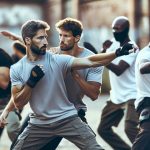

In the world of elite military training, the methods used by forces such as the SAS (Special Air Service) are often shrouded in mystery. One intriguing aspect is their potential incorporation of Krav Maga, a martial art renowned for its focus on practical self-defense and real-world scenarios. Understanding whether and how the SAS utilizes Krav Maga can illuminate the intersection of physical preparedness and psychological resilience necessary for high-stakes environments.
As you explore this engaging topic, consider the strategic importance of martial arts in not only enhancing physical capabilities but also in fostering confidence and adaptability under pressure. These skills could be equally beneficial to individuals in everyday situations, emphasizing the value of self-defense training for personal safety. Dive deeper to discover how elite forces enhance their training regimens and what lessons can be drawn for personal empowerment and protection.
Do SAS Use Krav Maga? Understanding Elite Forces Training
The Special Air Service (SAS), known for its rigorous training and operational excellence, has adopted various techniques to prepare its operatives for real-world confrontations. Among these methods, Krav Maga has surfaced as a noteworthy component in their training regimen. This Israeli martial art is designed for self-defense and focuses on practical techniques that are effective in diverse scenarios, aligning seamlessly with the SAS’s need for quick, decisive action.
Krav Maga emphasizes efficiency, instinctive movements, and the ability to neutralize threats swiftly. This approach is particularly beneficial for members of elite forces, who often face unpredictable and high-risk situations. Training in Krav Maga not only equips SAS operatives with physical skills but also fosters a tactical mindset that prioritizes survival and de-escalation, addressing the nuanced legal and moral considerations inherent in self-defense situations.
Operatives are trained not just in physical techniques but also in understanding the legal implications of their actions. It’s crucial for the SAS to operate within the confines of the law, ensuring that any defensive action taken is proportional and justified. This legal awareness is vital, particularly when actions might be scrutinized in the public eye or in legal proceedings following any engagement.
Ultimately, the integration of Krav Maga into the SAS training program reflects a broader trend among elite forces to embrace martial arts that offer practical solutions in uncertain environments. This evolution in training ensures that operatives are not only physically capable but also mentally prepared for the realities of conflict, making an informed, ethical, and effective response in the face of danger.
The Origins of Krav Maga in Military Training
Krav Maga, developed in the 1940s by Imi Lichtenfeld, was initially designed for the Israel Defense Forces (IDF) to address the unique challenges faced in military confrontations. The origins of this martial art lie in the necessity for effective self-defense techniques that could be utilized under high-pressure situations, focusing on real-world applications rather than traditional sporting elements. This adaptability and relevance to combat scenarios have made Krav Maga an attractive training method for elite military units around the globe, including the Special Air Service (SAS).
The foundational principles of Krav Maga emphasize instinctive movement, practical techniques, and a mindset geared toward survival. This martial art is characterized by its focus on neutralizing threats quickly, which resonates with the operational requirements of the SAS. For elite forces, where engagements can be unpredictable and deadly, the ability to apply effective self-defense strategies in chaotic environments fosters a significant tactical advantage. The training adopts techniques that prioritize situational awareness and the ability to respond without hesitation, essential skills for operatives who might face violent confrontations.
Moreover, Krav Maga’s emphasis on psychological preparedness complements the physical training, encouraging resilience and a tactical approach to threats. It recognizes that the psychological aspect of self-defense is just as crucial as the physical techniques. Conducting scenarios that mimic real-life confrontations ensures that trainees are not only physically prepared but also mentally equipped to handle the stress of an encounter. This integration of mind and body in training aligns well with the rigorous mental and physical demands placed on SAS operatives, highlighting why this martial art has been embraced in their training curriculum.
Krav Maga vs. Other Martial Arts: A Comparative Analysis
Krav Maga stands out in the landscape of martial arts primarily due to its practical approach to self-defense and combat situations. Unlike traditional martial arts such as Karate, Taekwondo, or Judo, which often emphasize aesthetics and competition, Krav Maga is designed for real-world scenarios. This means the techniques are straightforward, focused on ending encounters swiftly and effectively, making it particularly suited for elite forces like the SAS.
One significant difference is how Krav Maga prioritizes instinctive responses and often trains its practitioners in high-stress environments. For example, it teaches participants to respond to threats with actions that come naturally, rather than relying purely on rote techniques. This method contrasts sharply with disciplines such as Brazilian Jiu-Jitsu (BJJ), which concentrates heavily on ground fighting and submissions, emphasizing technique precision over immediate, defensive moves in unpredictable situations. While BJJ is incredibly effective for self-defense on the ground, it may not be as applicable when facing multiple attackers or weapons, contexts that Krav Maga specifically prepares its users for.
Furthermore, the emphasis on situational awareness in Krav Maga is critical. While other martial arts may focus on developing fighting skills against an opponent in a controlled environment, Krav Maga includes adapting to various threats concurrently, teaching practitioners to both fight and escape when necessary. This approach has a profound psychological component, bolstering a mindset of resilience and de-escalation that is essential for operatives in the SAS who operate under high stakes and unpredictable conditions.
Ultimately, the choice of Krav Maga by elite forces comes down to its effectiveness in achieving quick, decisive actions in high-pressure situations, focusing on neutralizing threats rather than engaging in prolonged combat. Implementing clear legal and ethical commitments, practitioners are trained to understand the scope of appropriate force, making it a responsible choice for self-defense in various scenarios.
How SAS Incorporates Krav Maga Techniques
Incorporating Krav Maga techniques into SAS training represents a strategic fusion of practical self-defense principles tailored for high-risk military operations. The SAS, renowned for their elite training protocols, adopts Krav Maga’s direct and efficient methodologies to equip operatives with the skills necessary for swift threat neutralization. What sets this approach apart is the focus on instinctive responses; SAS personnel are trained to react quickly and decisively under pressure, often in life-and-death scenarios.
One of the core methods of teaching Krav Maga within SAS training involves scenario-based drills, simulating real-world threats that soldiers may encounter. These scenarios encompass a range of situations including armed assailants and multiple attackers, emphasizing the survival instincts needed to escape or dismantle a threat effectively. The idea is not to engage in protracted combat, but rather to achieve a quick resolution-often by understanding not just how to fight, but when to evade or disengage.
Another critical element is the emphasis on situational awareness and adaptability. SAS operatives practice maintaining awareness of their environment, which is crucial in dynamic situations where threats can emerge from multiple angles. This proactive mindset is cultivated through rigorous training, ensuring that operatives can make informed decisions that prioritize their safety and mission success. Krav Maga’s techniques, with their focus on de-escalation, enable soldiers to diffuse situations without resorting to violence whenever possible. This balance of aggression and restraint is particularly relevant in urban or civilian environments where collateral damage must be minimized.
The legal implications of self-defense actions are also instilled during training. SAS operatives receive instruction on the laws governing use of force, ensuring they understand the boundaries within which they must operate. This legal and ethical framework integrates seamlessly with the tactical training, reinforcing that the application of Krav Maga techniques is not just about combat effectiveness, but also about responsible and lawful conduct in military operations.
Essential Krav Maga Techniques for Self-Defense
Every second counts in a self-defense situation, and understanding essential Krav Maga techniques can significantly enhance your ability to respond effectively. This martial art emphasizes practical, instinctive movements that are beneficial not only for elite forces like the SAS but also for everyday individuals seeking to protect themselves. Below are some crucial techniques that embody the principles of Krav Maga, focusing on rapid decision-making, de-escalation, and the ethical use of force.
Targeted Strikes
One of the foundational elements of Krav Maga is the use of targeted strikes. In a threatening scenario, it’s critical to aim for vulnerable areas on an assailant’s body, such as the eyes, throat, and groin. This approach allows a defender to incapacitate a larger or more aggressive attacker quickly. Training typically involves practicing various strikes, including:
- Palm strikes to the nose or chin, which can disorient an attacker.
- Knees directed towards the groin, leveraging body weight to create impact.
- Elbow strikes for close-quarters combat, maximizing effectiveness due to proximity.
By honing these techniques, practitioners learn to deliver effective responses with minimal premeditation-essential in high-pressure scenarios.
Defensive Maneuvers
Krav Maga also emphasizes defensive tactics, teaching individuals how to effectively shield themselves from attacks. Techniques include:
- Covering and deflecting: Using forearms to block strikes while simultaneously preparing to counter.
- Evading: Moving out of the attack zone using footwork, enabling quick escape or repositioning.
- Grip releases: Techniques aimed at breaking free from holds, whether wrist grabs or bear hugs.
These maneuvers are practical and reinforce the principle of avoiding confrontation whenever possible.
Situational Awareness
Integral to Krav Maga training is cultivating situational awareness-being aware of one’s environment and recognizing potential threats before they escalate. This includes:
- Regularly assessing surroundings for potential escape routes.
- Identifying suspicious behaviors that may indicate a forthcoming threat.
- Maintaining an assertive body language to deter potential aggressors.
By fostering this mindset, practitioners equip themselves to respond proactively, rather than reactively, preserving safety and avoiding unnecessary violence.
Legal Considerations
Understanding the legal implications of self-defense is vital for anyone undertaking Krav Maga training. It’s crucial to recognize the boundaries within which one must operate, including concepts of proportional response and the duty to retreat in certain situations. Training will often include discussions on laws pertaining to self-defense to ensure that techniques executed are not only effective but also lawful.
Incorporating these essential techniques into a self-defense repertoire can empower individuals to handle threatening situations with confidence and clarity, always with an emphasis on safety, legality, and ethical response. The wisdom in Krav Maga is not merely about how to fight but when to seek alternatives, making it a valuable asset for anyone, including those in elite forces like the SAS.
Real-Life Scenarios: Krav Maga in Action
In high-pressure situations, the practicality of Krav Maga can be a lifesaver, particularly for elite forces like the SAS. This martial art is designed for real-world application, emphasizing rapid, decisive action tailored to the specific threats one may encounter. Consider a scenario where an SAS operative is confronted in a tight space by multiple aggressors. The operative’s training in Krav Maga would enable them to respond effectively by utilizing targeted strikes to vital areas, such as the eyes or throat, allowing for a quick escape from danger.
Another critical component of Krav Maga is situational awareness, which plays a vital role in de-escalation strategies. An SAS operative might find themselves in a crowded environment where a potential assailant is displaying aggressive behavior. Through Krav Maga training, they would be equipped to assess the environment quickly, identifying exits and potential allies while maintaining a posture that deters aggression. This approach prioritizes safety and legal boundaries, allowing them to mitigate threats without escalating violence unnecessarily.
Moreover, the versatility of Krav Maga techniques means they can adapt to various scenarios, including armed confrontations. For instance, in a situation where an operative faces an attacker wielding a knife, the focus would shift to defensive maneuvers, emphasizing disarming techniques that leverage the attacker’s momentum. Practicing these methods prepares operatives for real-life encounters, ensuring they can maintain control while minimizing the risk of severe injury to themselves or others.
Understanding the legal implications of self-defense is also a crucial aspect. In any engagement, there is a fine line between justified self-defense and unlawful aggression. SAS personnel are trained not only in effective techniques but also in the legal frameworks surrounding their use. This knowledge allows them to navigate the complexities of real-life confrontations responsibly, ensuring that their actions are both effective and compliant with the law, honoring the ethos of Krav Maga as a means of self-protection rather than aggression.
Training Regimens of Elite Forces: An Overview
The training regimens of elite forces like the SAS are meticulously designed to ensure operatives can perform under the most extreme conditions. This training isn’t merely about physical fitness; it is a holistic approach that combines mental toughness, tactical awareness, and practical self-defense techniques, including elements from martial arts such as Krav Maga. Given the unpredictable nature of modern threats, the SAS emphasizes adaptability and proficiency in various combat styles, allowing operatives to respond effectively to unique challenges they may encounter in the field.
Core Components of Training
Training for SAS operatives encompasses a range of disciplines. Each element is structured to enhance specific skill sets essential for survival and mission success:
- Physical Conditioning: Rigorous physical training is fundamental, focusing on strength, endurance, and agility. Operatives undergo extensive cardiovascular workouts, strength training, and flexibility exercises to prepare their bodies for strenuous tasks.
- Tactical Training: This includes weapons training, navigation, reconnaissance, and survival skills. SAS personnel are proficient in using a variety of firearms and must also master techniques for disarming potential threats.
- Self-Defense Techniques: Drawing heavily from Krav Maga, operatives learn to neutralize threats quickly and effectively. This martial art’s emphasis on practical techniques enables personnel to react decisively in hand-to-hand combat situations.
- Mental Resilience: Elite forces are trained to maintain calm under pressure. Scenario-based training helps build decision-making skills in high-stress environments, ensuring operatives can think critically when faced with danger.
Integration of Krav Maga
Krav Maga serves as a critical component of the SAS training regimen. Its principles of efficiency and instinctive movements align perfectly with the operational needs of special forces. Operators train in a variety of techniques, including:
- Striking Techniques: Training includes targeted strikes to vital areas that disrupt an aggressor’s ability to continue the confrontation.
- Defensive Maneuvers: Employing techniques to evade or deflect attacks lessens the likelihood of injury during engagements.
- Disarmament Techniques: Learning how to disarm an assailant who may be armed, especially in close quarters, is a focus area that saves lives.
The integration of these techniques is complemented by situational awareness training, which enables operatives to assess threats and develop de-escalation strategies effectively. This proactive approach not only prepares SAS operatives for combat but also instills a deep understanding of legal and ethical boundaries related to self-defense.
In conclusion, the training regimens of elite forces like the SAS are comprehensive, reflecting the need for skillful, adaptable, and psychologically resilient operatives. By combining rigorous physical conditioning with the practical application of self-defense techniques derived from Krav Maga, they are equipped not just to confront threats, but to manage them responsibly and effectively. This meticulous preparation underscores the importance of ethical force use and situational awareness in high-stakes environments.
Legal Implications of Self-Defense Techniques
Understanding the is crucial for anyone who trains in martial arts, including those who practice Krav Maga as part of elite forces training. It is essential to know that while self-defense is a legitimate right, the laws governing its application vary widely based on jurisdiction and the specifics of a given situation. Engaging in any self-defense technique must be underpinned by a clear understanding of legality and proportionality; actions taken can have significant legal repercussions.
In many jurisdictions, individuals are allowed to use reasonable force to protect themselves from imminent harm. The key term here is “reasonable.” What constitutes reasonable force can depend on various factors, including the severity of the threat, the nature of the confrontation, and the perceived intent of the aggressor. For example, if facing an unarmed attacker, applying lethal or excessive force may not be justified and could lead to criminal charges, even if the initial confrontation warranted self-defense.
Furthermore, training in techniques such as those derived from Krav Maga emphasizes situational awareness and de-escalation strategies. Understanding when to disengage or to use alternative conflict resolution methods can help individuals avoid situations where self-defense may be legally contested. For instance, if a potential attacker can be deterred through verbal assertiveness or simply by backing away, opting for these techniques over physical confrontation may not only be safer but also legally prudent.
As a responsible self-defense instructor, it is essential to emphasize the importance of knowing local laws regarding self-defense, including what non-lethal weapons may be permissible, and how self-defense claims are evaluated in court. A clear understanding of these legal parameters can aid practitioners in making informed decisions during critical moments, ensuring that they can protect themselves effectively while remaining within the law. Maintaining a balance between empowerment through training and an understanding of the legal and ethical weight of defensive actions is paramount for any self-defense practitioner.
The Role of Physical Fitness in Krav Maga Training
In the world of self-defense, physical fitness can be the decisive factor between successfully executing a technique and failing to respond effectively in a threatening situation. This is especially true in Krav Maga, a martial art that emphasizes real-world scenarios and practical techniques. Participants often find that improved fitness levels not only enhance their performance during training but also significantly bolster their confidence, endurance, and overall capability to handle high-stress encounters.
Building physical fitness for Krav Maga incorporates various components:
- Cardiovascular Conditioning: High-intensity interval training (HIIT) sessions, running, or circuit training enhance stamina, enabling practitioners to engage with multiple attackers or sustain conflict for extended periods.
- Strength Training: Developing core and muscular strength is crucial. Exercises such as push-ups, squats, and pulling movements help improve the ability to control opponents in grappling scenarios.
- Flexibility and Agility: Incorporating stretching routines and agility drills ensures practitioners can move quickly and execute techniques fluidly, which is vital for evading attacks and responding effectively.
- Functional Movement: Training should reflect the actual movements used in self-defense, including explosive movements like lunges and pivoting to simulate real-life scenarios.
Beyond the physical benefits, maintaining a robust fitness regimen cultivates mental resilience, sharpening focus and decision-making skills under stress. When practitioners are physically prepared, they are more likely to approach potential confrontations with a clear mind and an assertive stance rather than resorting to panic. This emphasis on mental and physical integration is fundamental in elite training environments such as those found in the Special Air Service (SAS), where conditioning is tailored to address the unpredictable demands of operational scenarios.
For anyone training in Krav Maga, a holistic approach to fitness not only increases the likelihood of successfully defending oneself but also fosters an overall sense of empowerment and preparedness. As instructors highlight, understanding the role of physicality in training can lead to greater awareness of one’s capabilities and limitations, ensuring that all practice aligns with the principles of ethical self-defense and adequate legal responses.
Mental Resilience: Mindset Training for Defense
In high-pressure situations, the ability to maintain a calm demeanor can be the difference between effective self-defense and chaos. Mental resilience is not just about keeping fears at bay; it’s about training your mind to respond strategically during a confrontation. This is especially crucial in training programs like those of the Special Air Service (SAS), which integrate Krav Maga techniques to prepare operators not only physically but also mentally for unpredictable threats.
Building mental resilience involves several key components:
- Visualization Techniques: Practitioners are encouraged to visualize potential scenarios they may face. By imagining the encounter, they can mentally rehearse their responses, reducing anxiety and enhancing confidence when it actually occurs.
- Stress Inoculation: Exposure to controlled stress during training helps individuals learn to operate under pressure. This might involve simulated attacks while practitioners are subjected to physical exhaustion, which trains them to remain focused and composed.
- Mindfulness and Breathing Control: Techniques such as controlled breathing can help practitioners center themselves in moments of panic. Mindfulness exercises train them to stay present, improving their decision-making abilities in emergencies.
- Debriefing and Reflection: After training exercises, effective debriefing sessions allow individuals to reflect on their mental and emotional responses. This analysis helps foster a growth mindset, turning perceived failures into learning opportunities.
Incorporating these practices into regular training fosters an assertive mindset that emphasizes problem-solving over aggression. Elite forces like the SAS use Krav Maga not just as a means of physical defense but as a holistic approach that encompasses mental fortitude. The understanding that self-defense is often less about fighting and more about managing conflict enhances the practitioner’s confidence in their ability to de-escalate situations rather than resorting to violence.
Developing this mental toughness can lead to a profound shift in behavior when faced with potential aggression. With the right mindset and preparedness, individuals can not only defend themselves effectively but also navigate conflicts in a manner that is legal and ethical, emphasizing the assessed use of force based on the severity of the threat. Prioritizing this mental training alongside physical techniques is essential for anyone serious about self-defense in the unpredictable environments trained by elite forces.
Safety Protocols in Self-Defense Training
In any form of self-defense training, particularly one that incorporates techniques from Krav Maga, adhering to safety protocols is paramount to ensure the well-being of all participants. These protocols not only foster a safe environment for practice but also build a foundation of responsible behavior that translates into real-world situations. Understanding the boundaries of physical engagement is essential, especially given the unpredictable nature of defensive scenarios.
One of the critical aspects of safety in self-defense is establishing clear communication between instructors and students. This includes defining acceptable levels of force and creating a mutual understanding of training objectives. For example, instructors should ensure that all participants are aware of their skill levels and any physical limitations they may have. This mutual respect and awareness are foundational to preventing injuries during practice sessions.
Another vital safety protocol is the principle of proportional response. In Krav Maga, practitioners learn to assess threats and respond accordingly, which emphasizes using only the necessary level of force to neutralize a threat. This principle not only helps in minimizing harm to an attacker but also ensures that practitioners understand the legal ramifications of their actions. Practitioners should be educated on their local laws concerning self-defense to avoid legal repercussions. Training scenarios should include discussions about various levels of aggression and how to de-escalate situations whenever possible, focusing on avoiding physical confrontation when it is safe to do so.
Additionally, safety protocols must encompass suitable training environments and equipment. Training should take place in spaces that allow for safe movement and avoid hazards. Protective gear like gloves and pads can also help reduce the risk of injuries during practice. Importantly, instructors should be certified and experienced in both the techniques being taught and in first aid, ready to address any injuries that could occur, no matter how minor.
Overall, the integration of strong safety protocols within self-defense training programs enhances the overall efficacy of the instruction. By promoting a culture of safety, respect, and understanding among practitioners, self-defense training becomes not just about fighting, but about equipping individuals with the skills and mindset to handle conflict wisely and ethically.
Future Trends in Martial Arts for Elite Forces
As elite forces continuously adapt to evolving threats, the future landscape of martial arts training is likely to undergo significant changes, particularly in how methods like Krav Maga are integrated. One trend that stands out is the emphasis on hybrid training approaches that combine various martial arts disciplines, ensuring operatives are well-rounded in their skill sets. By integrating elements from Brazilian Jiu-Jitsu (BJJ), Muay Thai, and traditional grappling systems with Krav Maga principles, elite forces can enhance their ability to defend against diverse scenarios, from close-quarters combat to grappling situations.
Technological Integration in Training
Another prominent trend is the incorporation of technology into martial arts training programs. Wearable technology that tracks physical performance, biometric data, and stress levels during simulated combat can provide invaluable feedback for training. This data can help tailor training regimens to focus on areas that need improvement, ensuring that operatives maintain peak physical condition and mental readiness. Virtual reality (VR) simulations are also making their way into training environments, allowing armed forces to practice decision-making and techniques in controlled yet realistic scenarios without the risks associated with live training.
Focus on Mental Resilience
In addition to physical techniques, there is a growing recognition of the importance of mental resilience in combative training. Future programs for elite forces will likely place greater emphasis on psychological preparation, helping operatives develop the necessary mindset to handle stress, fear, and unpredictability in real-world situations. Techniques such as mindfulness and scenario-based training can be pivotal in equipping personnel with the tools needed to remain calm and focused under pressure, thereby enhancing their effectiveness in critical situations.
Legal and Ethical Considerations
As the landscape of self-defense evolves, so does the discourse surrounding ethical and legal implications. Elite forces will need to be well-versed not only in the physical aspects of self-defense but also in the legal frameworks governing the use of force. This includes understanding the laws that vary significantly by jurisdiction concerning what constitutes appropriate response levels in self-defense situations. Continued education on these issues will empower operatives to make informed choices that reflect their training while adhering to legal standards.
Through these forthcoming trends, martial arts training for elite forces is set to become increasingly sophisticated, prioritizing adaptability, the holistic development of personnel, and maintaining a deep respect for the ethical ramifications of combative actions. As instructors and trainees navigate this landscape, they must ensure that their training not only builds physical capabilities but also promotes responsible and judicious use of force.
Q&A
Q: What is the primary focus of Krav Maga training for elite forces like the SAS?
A: The primary focus of Krav Maga training for elite forces like the SAS is on realistic self-defense tactics that can be applied in high-pressure situations. This includes techniques for defending against unarmed and armed attacks, emphasizing quick responses, situational awareness, and adaptability in combat scenarios.
Q: How does Krav Maga differ from traditional martial arts in elite military training?
A: Krav Maga differs from traditional martial arts in that it prioritizes practicality and efficiency over forms or competition. It focuses on survival techniques designed for real-world confrontations rather than predefined rules, making it particularly suitable for elite military training like that of the SAS.
Q: Why do elite forces such as the SAS prefer Krav Maga over other martial arts?
A: Elite forces like the SAS prefer Krav Maga due to its direct approach to self-defense against threats, including firearms. Its emphasis on street survival techniques prepares operators for unpredictable combat conditions, making it more relevant than many traditional martial arts.
Q: What are some essential self-defense principles taught in SAS Krav Maga training?
A: Essential self-defense principles in SAS Krav Maga training include situational awareness, effective striking, and disarming techniques. Operators learn to neutralize threats quickly while minimizing risk to themselves, focusing on effective, decisive action in dangerous situations.
Q: Are there specific scenarios where SAS uses Krav Maga techniques?
A: Yes, SAS uses Krav Maga techniques in scenarios such as hostage rescue operations, close-quarters combat, and when facing armed opponents. These scenarios require a focus on rapid response and effective control of threats to ensure mission success.
Q: What role does physical fitness play in SAS Krav Maga training?
A: Physical fitness is crucial in SAS Krav Maga training as it enhances strength, endurance, and agility, which are vital for executing techniques effectively under stress. Operators must maintain optimal fitness to respond effectively in high-stakes environments.
Q: How do SAS operatives prepare mentally for Krav Maga combat scenarios?
A: SAS operatives prepare mentally for combat scenarios through intense psychological training, simulating high-stress situations to build mental resilience and decision-making skills under pressure. This preparation aids in maintaining composure when facing life-threatening challenges.
Q: What legal considerations do SAS operatives have regarding self-defense techniques?
A: SAS operatives must be aware of legal implications regarding the use of force. Training emphasizes the importance of applying self-defense techniques within legal limits, ensuring actions are justified and proportional according to the rules of engagement and relevant laws.
Closing Remarks
As we’ve explored, the effectiveness of Krav Maga training in elite forces like the SAS highlights its pragmatic approach to self-defense and combat readiness. Understanding these techniques not only empowers you to defend yourself effectively but also emphasizes the importance of learning within legal and ethical parameters. To continue your journey in martial arts, check out our in-depth guides on “Krav Maga vs. BJJ” and explore practical self-defense scenarios to reinforce your training.
Don’t wait to bolster your safety skills-sign up for our newsletter for expert tips, and head to our resources page for further reading on legal aspects of self-defense. Your safety is our priority, and together, we can instill confidence in your ability to handle real-life confrontations. Share your thoughts or experiences in the comments below, and stay connected as we continually expand our content to support your self-defense journey. Remember, the right knowledge can make all the difference!