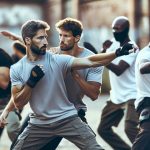

Many people hesitate to try Krav Maga, assuming it requires peak physical fitness. The truth is, this effective self-defense system is designed for all fitness levels, empowering individuals to protect themselves regardless of their current health or strength. Whether you’re a seasoned athlete or just starting on your fitness journey, Krav Maga welcomes you.
Diving into this training offers not just physical benefits but also valuable skills for real-world scenarios. The focus on practical techniques equips you to respond to threats confidently, fostering a sense of empowerment and self-reliance. As you read further, you’ll discover how Krav Maga programs accommodate your unique needs and capabilities, allowing you to progress at your own pace while building confidence and resilience. Embrace the journey-your ability to defend yourself is within reach.
Do You Need Prior Experience to Start Krav Maga?
Krav Maga is uniquely designed to be accessible to everyone, regardless of prior experience or fitness level. Many newcomers often worry if they need to have a background in martial arts or sports before stepping onto the mat. The answer is a resounding no. Krav Maga programs are tailored to meet participants where they are, ensuring that anyone-from complete beginners to seasoned athletes-can benefit from the training.
Training in Krav Maga starts with the fundamentals. Instructors emphasize building a solid foundation, introducing techniques that everyone can grasp, regardless of their starting point. As participants progress, the complexity of techniques increases, allowing each individual to advance at their own pace. This gradual introduction not only bolsters physical skills but also builds confidence, making it clear that every person has the potential to defend themselves effectively, regardless of fitness background.
Moreover, the Krav Maga community is generally inclusive and supportive, providing an encouraging environment for beginners to learn and grow. Committing to regular practice, even in the absence of fitness experience, helps individuals improve their strength, endurance, and technique over time. Importantly, everyone is encouraged to work within their limits and to prioritize safety, ensuring that the practice remains a constructive experience rather than a daunting challenge. Thus, interest and a willingness to learn trump prior physical capability in Krav Maga.
How Krav Maga Adapts to All Fitness Levels
Krav Maga is an exceptionally adaptable self-defense system, making it suitable for individuals at any fitness level. The design of the training programs ensures that whether you’re a complete novice or have previous athletic experience, you’ll find a way to participate and thrive. Unlike traditional martial arts that may emphasize rigid techniques requiring advanced physical condition, Krav Maga focuses on practical and effective movements that can be tailored to your current abilities.
Instructors incorporate modifications for techniques based on each participant’s individual strengths and limitations. For example, participants who may have mobility issues or lower fitness levels can practice simpler variations of techniques until they build the strength and confidence needed for more complex moves. This personalized approach helps ensure that everyone feels included and capable, regardless of their starting point.
Moreover, the curriculum is designed to gradually increase intensity and complexity, meaning beginners can start with basic self-defense techniques before progressing to more advanced scenarios. Regular practice not only enhances physical abilities-such as strength, flexibility, and endurance-but also instills a sense of empowerment and self-assurance. Participants learn to trust their instincts and grow physically and mentally, successfully overcoming any initial doubts about their fitness levels.
The supportive community inherent in Krav Maga classes fosters a positive environment where individuals are encouraged to challenge themselves within safe boundaries. Classes often emphasize collaboration rather than competition, allowing students to focus on personal progress without feeling overwhelmed. This environment aids in building camaraderie, as everyone shares the common goal of personal safety and readiness, reinforcing the idea that commitment and determination matter more than initial physical capability.
Ultimately, Krav Maga’s inclusive nature helps to combat the stigma that only the fit or athletic can defend themselves effectively. With the right guidance, anyone can gain valuable skills that not only enhance their ability to protect themselves but also improve their overall health and fitness along the way. Through consistent practice, students of all fitness backgrounds can unlock their potential and learn to defend themselves against real-world threats safely and effectively.
The Benefits of Krav Maga for Beginners
Krav Maga offers an array of benefits tailored specifically for beginners, regardless of their starting fitness level. One striking advantage is its focus on practical self-defense skills that can be immediately applicable in real-life situations. Unlike traditional martial arts that may take years to achieve proficiency, Krav Maga is designed to empower individuals quickly by teaching effective techniques that prioritize survival and personal safety. This efficient learning curve allows beginners to gain confidence in their ability to handle potential threats, all while navigating their own physical limitations.
The inclusive nature of Krav Maga supports various fitness levels, with instructors skilled at adapting training methods to meet individual needs. For instance, beginners might start with basic strikes and movement patterns that build foundational skills while they progressively enhance their physical fitness. This means that rather than being deterred by the fear of inadequacy, novices find themselves in an environment that fosters personal growth. As they learn to express their physicality and build muscle memory, practitioners often report boosted self-esteem and reduced anxiety, both in and outside the training environment.
Moreover, engaging in Krav Maga cultivates a sense of community, as individuals train alongside others who are equally motivated to improve. This supportive atmosphere helps reduce the intimidation often felt in new fitness spaces, allowing participants to share experiences and encouragement. Regular interaction in classes also instills a camaraderie that contributes positively to mental health, reinforcing that one is not alone in their journey towards self-improvement. It’s common for participants to forge strong friendships through the shared experience of learning and overcoming challenges together, which further enhances the training experience.
In summary, the adaptability of Krav Maga training makes it an ideal choice for beginners, offering not only self-defense skills but also valuable life lessons in resilience and confidence. The emphasis on personal safety, ethical practices, and community support sets a foundation for continuous learning and growth, ensuring that everyone-from the fit to the unfit-can find their place and thrive within the practice. By choosing to embark on this journey, beginners can develop vital self-defense competencies while also addressing physical health and emotional well-being.
Krav Maga Training: What to Expect at Any Fitness Level
Not everyone begins their self-defense journey with fitness prowess, and Krav Maga is uniquely structured to welcome individuals at any level. When entering a typical Krav Maga class, expect a warm and inclusive atmosphere where the sole focus is on learning and personal improvement. Classes generally begin with a brief warm-up session tailored to ensure that all participants, regardless of their physical condition, can engage safely while preparing their bodies for activity. This may include flexibility exercises and simple movements that gradually ramp up in intensity.
As the training progresses, participants will be introduced to fundamental techniques-often involving strikes, defenses, and movement patterns. This progressive approach allows each individual to absorb techniques at their own pace, with instructors providing clear demonstrations and guidance. Beginners do not need to worry about complex maneuvers right away; instructors often structure classes to ensure that the learning curve aligns with participants’ evolving capabilities. Instructors adapt methods for those new to fitness, offering modifications that ensure everyone can perform the exercises safely, effectively, and confidently.
During training, focus is placed on practical applications of techniques, emphasizing situational awareness and conflict de-escalation. Beginners often find that the curriculum not only builds technical skills but also fosters critical thinking in terms of safety strategies-how to avoid confrontation and recognize potential threats. This means the classes are not solely about physical conditioning; they also stress mental preparedness, helping students understand their rights and responsibilities in self-defense situations.
Moreover, resilience is key in Krav Maga training. It is common for students to face physical or mental barriers, and instructors are keenly aware of the diverse challenges individuals can encounter. By encouraging a nurturing environment and fostering a sense of community, participants learn to overcome these obstacles together. As they progress, practitioners often report increased self-esteem and a growing sense of empowerment, realizing that fitness is a journey rather than a destination. Consistent training not only improves physical fitness but also uplifts the spirit, illustrating that the path to empowerment through Krav Maga is one where every fitness level can thrive.
Essential Gear and Equipment for Krav Maga
Before stepping into the world of Krav Maga, it’s essential to equip yourself with the right gear to ensure safety and comfort during training sessions. While you don’t need to invest in expensive equipment right away, having the basics can significantly enhance your experience and performance.
When starting, comfortable athletic wear is crucial. This includes moisture-wicking shirts and flexible pants or shorts that allow for a full range of motion. Avoid overly baggy clothing, as it can get caught during drills. It’s also advisable to wear supportive athletic shoes. Cross-trainers or grappling shoes can provide the necessary grip and support for various movements practiced in Krav Maga. If classes involve grappling on the floor, consider investing in knee pads to protect your knees and enhance comfort.
As you progress, you may want to consider getting additional protective gear such as boxing gloves or shin guards. These not only safeguard you during sparring but also foster a safe training environment for partners. Using pads for practicing strikes and defenses will help you build speed and form without the fear of injury.
Lastly, a water bottle is essential for hydration, especially during intense training sessions. Staying hydrated aids in recovery and allows you to maintain high energy levels. Always remember that the gear you choose should prioritize safety and facilitate your learning; this mindset will help you focus on honing your skills while building confidence in your abilities.
Understanding the Curriculum: Techniques for All Bodies
Krav Maga’s curriculum is designed to be accessible and effective for individuals of all fitness levels, ensuring everyone can learn self-defense techniques that are practical and suitable for their unique physical abilities. This adaptability is one of the hallmarks of Krav Maga, making it possible for people, regardless of age, body type, or prior experience, to engage with the training meaningfully.
The curriculum typically covers a range of fundamental techniques, including striking, grappling, and situational awareness. Each lesson is structured to progress from basic movements to more complex strategies, enabling students to build confidence and skill steadily. The philosophy behind this approach is to empower every individual to use their body effectively. For instance, techniques can be modified to accommodate those with physical limitations, ensuring everyone can participate while still receiving the full benefits of the training.
Core Techniques for All Bodies
In Krav Maga, the focus is on simple, effective movements that leverage the body’s natural strengths. Here are some core techniques often taught:
- Strikes: Whether through punches, elbows, or knees, students learn how to deliver strikes efficiently, accommodating various physical capabilities.
- Defensive techniques: These include blocks and evasive maneuvers that help students protect themselves while allowing for different levels of mobility and strength.
- Grappling: Sessions often focus on techniques that help control an opponent, considering physical stature and strength differences.
- Situational Awareness: Training emphasizes recognizing potential threats and learning how to avoid or de-escalate confrontations effectively.
By emphasizing fundamental principles over complicated techniques, Krav Maga encourages learning at a pace comfortable for each student. Instructors are trained to offer modifications and alternatives, ensuring that everyone can practice safely and effectively. This individualized approach not only enhances skill development but also fosters a community where students motivate each other, regardless of their starting point.
Ultimately, the goal of the curriculum is not just to teach self-defense but to instill confidence and awareness in all practitioners. By understanding and respecting personal limitations while pushing toward improvement, individuals find themselves capable of much more than they initially believed. Krav Maga champions the idea that self-defense is for everyone, making it a valuable training system for all.
Overcoming Fitness Barriers in Krav Maga
Embarking on a Krav Maga journey can seem daunting, especially for those who feel they might not fit the stereotypical mold of a martial artist. However, this self-defense system is crafted to be inclusive, making it possible for individuals at all fitness levels to train effectively. Regardless of your starting point, the focus is on personal growth and empowerment rather than perfection.
Many newcomers worry about their physical conditioning as a barrier to participation. It’s important to understand that Krav Maga practitioners are guided through a progressive learning experience. Instructors recognize the unique capabilities of each student and adapt techniques accordingly. This not only ensures safety but also allows for everyone to advance at their own pace. Many classes include warm-up sessions designed to enhance basic fitness levels alongside skill development, gradually building stamina and strength in a supportive environment.
Additionally, the community aspect of Krav Maga plays a crucial role in overcoming fitness barriers. Joining a class means becoming part of a supportive network where encouragement thrives. Many students find camaraderie with training partners who share similar challenges, leading to an atmosphere that fosters motivation. Success stories abound of individuals who came to Krav Maga feeling intimidated or unfit but left empowered and transformed, both physically and mentally.
Most importantly, it’s crucial to approach self-defense training with realistic expectations. While physical fitness can enhance your skills, awareness, and technique often outweigh sheer strength in effectiveness. Krav Maga teaches that self-defense is not about being the strongest; it’s about employing smart strategies, defensive tactics, and maintaining a calm mindset under pressure. Embrace the journey, communicate your limitations with your instructor, and trust that you can grow stronger-both in skill and confidence-through determined practice. The emphasis on adaptability and inclusivity makes Krav Maga an excellent option for anyone looking to enhance their self-defense skills, regardless of their current fitness level.
Krav Maga vs. Traditional Martial Arts: Inclusivity in Training
Krav Maga distinguishes itself from many traditional martial arts by its fundamental approach to inclusivity, making it accessible to individuals of all fitness levels. While traditional martial arts often have a structured curriculum that may require a certain degree of physical conditioning and flexibility before participation, Krav Maga emphasizes real-world self-defense applicable to anyone, regardless of their starting fitness. This focus on practical training means that students are welcomed without any preconceived notions about their physical capabilities.
One of the primary reasons Krav Maga is suitable for all fitness levels is its progressive training methodology. Instructors are trained to assess the unique capabilities of each student and modify training accordingly. They design drills that cater to varying levels of strength, agility, and endurance. For instance, if a beginner struggles with a certain technique, modifications can be made to ensure they still understand the fundamental principles without feeling overwhelmed. This contrasts starkly with many traditional martial arts that may prioritize early mastery of complex sequences or forms, which can unintentionally alienate newcomers.
The communal environment in Krav Maga classes greatly enhances inclusivity. Students train alongside one another, sharing both triumphs and setbacks, which fosters a sense of camaraderie. This support network often leads to lasting friendships, with experienced practitioners willing to help newcomers through their challenges. Moreover, the real-world application of techniques allows practitioners to witness firsthand the adaptability and effectiveness of Krav Maga in various scenarios, thereby boosting confidence regardless of their initial fitness level.
In summary, while traditional martial arts may impose certain barriers through their structured requirements and competitive nature, Krav Maga flips the model to ensure that individuals from all walks of life can engage in meaningful self-defense training. By emphasizing skill development over raw physical strength and fostering a supportive community, Krav Maga opens its doors wide to those eager to learn, grow, and empower themselves in self-defense.
Injury Prevention and Safety Tips in Krav Maga
In a training environment where the emphasis is on real-world self-defense, prioritizing safety and injury prevention must be a top concern for all practitioners, especially those who may not feel physically fit at the outset. Before participating in any Krav Maga class, it’s crucial to lay the groundwork for a safe training experience that minimizes risks while maximizing learning. Understanding the fundamentals of movement, self-awareness, and proper technique can significantly enhance safety.
To safeguard your body during training, start with thorough warm-up routines designed to increase flexibility and prepare your muscles for physical exertion. Gentle stretching, mobility exercises, and progressive cardiovascular activities can help reduce the likelihood of strains and sprains. Equally important is learning to listen to your body; if you experience discomfort or pain, it’s essential to communicate these feelings to your instructor, who can adjust your training intensity or suggest alternative techniques.
Strong safety protocols should be established, emphasizing the importance of controlled sparring and adherence to training guidelines. Krav Maga techniques often involve close-quarters movement and striking, making it imperative to practice in a manner that prioritizes the safety of both you and your training partners. Use protective gear such as mouthguards, shin guards, and gloves when sparring to help minimize injuries. Instructors should also implement clear rules around contact levels to ensure that students are comfortable and not overwhelmed during partner drills.
Maintaining an open dialogue in classes about legal considerations surrounding self-defense helps create a responsible mindset among learners. Understanding the legal implications of using physical force and the significance of de-escalation techniques can not only enhance safety but also empower students to make informed decisions in real-life scenarios. This awareness fosters a training environment where respect and ethical considerations guide practice, ensuring that all students, irrespective of their physical condition, feel supported and safe as they navigate their Krav Maga journey.
Success Stories: Individuals Transforming Through Krav Maga
Many individuals have embarked on their Krav Maga journey with little to no prior fitness experience, and their transformations are a testament to the system’s accessibility and effectiveness. For instance, students who initially felt intimidated by their physical limitations often find that through consistent training, not only do they learn valuable self-defense skills, but they also build confidence, improve their physical fitness, and gain a better understanding of their own capabilities.
Consider the story of Sarah, a mother of two who joined a Krav Maga class to feel safer while running errands. Initially, she struggled with basic movements and was hesitant during sparring sessions. However, with encouragement from her instructor and consistent practice, she progressed significantly. Within months, Sarah was able to execute techniques she once found daunting. More than just learning to defend herself, she discovered newfound strength and stamina, ultimately inspiring her children to engage in physical activity as well.
Similarly, many students like John, who joined Krav Maga after years of a sedentary lifestyle, have seen remarkable changes. John began as someone who moderately struggled with mobility. His journey involved overcoming fears, setting achievable goals, and celebrating small victories. Each class not only helped him improve his self-defense skills but also enhanced his physical health; he lost weight, increased his endurance, and became part of a supportive community.
These success stories illustrate that fitness levels before starting Krav Maga are not a barrier but rather a starting point for transformation. The program is designed to adapt to all abilities, using practical drills that emphasize personal safety and gradual progression. As practitioners navigate their own paths, they often bond with teammates, fostering friendships that further enhance their motivation to continue training. Overall, Krav Maga serves as both a physical discipline and a source of empowerment, allowing individuals to discover their inner strength while emphasizing safety, legality, and ethical considerations in self-defense scenarios.
Setting Realistic Goals for Your Krav Maga Journey
Setting realistic goals is a crucial aspect of embarking on your Krav Maga journey, especially if you’re concerned about your fitness level. Understanding that Krav Maga is designed for all body types and fitness levels allows you to frame your objectives within a practical and achievable context. Whether your aim is to enhance personal safety, boost physical fitness, or build self-confidence, establishing clear, attainable goals can make your training experience both rewarding and motivating.
Start by assessing your current fitness level and identifying specific areas you wish to improve. This could include basic self-defense techniques, physical endurance, or even mental resilience. Once you have a clear understanding of where you stand, consider setting short-term and long-term goals. For example, within the first few months, you might focus on mastering fundamental movements and techniques. Longer-term, you might aim to participate in sparring sessions or even earn a belt promotion.
Here’s a helpful framework for setting your goals:
- Specific: Define what you want to achieve. For instance, instead of just wanting to “get fit,” aim to “complete a full Krav Maga class without feeling exhausted.”
- Measurable: Include metrics to track your progress, like the number of classes per week or specific skills to master.
- Achievable: Ensure your goals are realistic and consider your starting point. Progress can be gradual, and it’s important to celebrate small victories.
- Relevant: Align your goals with your personal motivations, whether for self-defense, fitness, or simply enjoying a new activity.
- Time-bound: Set a timeframe for when you want to reach your goals to maintain focus and urgency.
In addition to personal goals, consider the broader implications of your training. Remember that Krav Maga emphasizes practical self-defense techniques, which means your journey also includes understanding the legal and ethical responsibilities that come with self-defense. Each training session is an opportunity not only to physicalize skills but also to mentally prepare for real-world situations, including the importance of de-escalation and proportional response.
Lastly, foster a supportive environment within your training community. Share your goals with instructors and fellow students; you’ll find that camaraderie and encouragement can significantly enhance your progress. With each training session, you’re not just improving your physical skills, but also your psychological preparedness, resilience, and confidence-essential elements for anyone, regardless of their starting fitness level.
How to Choose the Right Krav Maga Class for You
Choosing the right Krav Maga class can significantly influence your journey in self-defense training, especially for those concerned about their fitness levels. It’s essential to find a class that caters not only to your current physical capabilities but also to your personal goals and learning style. Many beginners may wonder, “Will I fit in?” or “Is this class too intense for me?” The good news is that Krav Maga is structured to accommodate participants of all fitness levels, making it a suitable choice for a wide range of individuals.
When selecting a class, consider these critical factors:
- Instructor Credentials: Look for qualified instructors who have undergone comprehensive training and who prioritize safety and ethical considerations in their teaching. A knowledgeable instructor will adapt techniques to cater to varying fitness levels and ensure that all students feel empowered and safe.
- Class Size and Environment: Smaller classes often provide more personalized attention from the instructor, allowing for a better assessment of individual needs. Pay attention to the training environment; it should be welcoming and respectful, fostering a sense of community.
- Curriculum Focus: Different classes may emphasize various aspects of Krav Maga, such as self-defense techniques, physical conditioning, or combative skills. Review the curriculum to see if it aligns with your personal goals, whether that’s improving self-defense abilities or increasing physical fitness.
- Trial Classes: Many schools offer trial classes or introductory sessions. Take advantage of these opportunities to gauge the instructor’s teaching style, the class dynamics, and whether you feel comfortable in that environment. This firsthand experience can be invaluable in making your decision.
- Community and Support: The culture within a class can greatly affect your experience. Look for a training community that emphasizes support and encouragement, as this can enhance your motivation and commitment. Engaging with fellow students can also make the training process more enjoyable and less intimidating.
Ultimately, the right Krav Maga class is one that meets you where you are, fostering both your skills and confidence in a supportive atmosphere. By focusing on these aspects during your search, you’ll be well on your way to finding a class that not only suits your fitness level but also sets a solid foundation for your self-defense journey. Remember, the aim is to equip yourself with essential skills while respecting the legal and ethical ramifications of self-defense, making informed and responsible decisions throughout your training.
FAQ
Q: Can I start Krav Maga if I have never exercised before?
A: Yes, you can start Krav Maga even if you have never exercised before. Krav Maga classes are designed for all fitness levels, and instructors will help you adapt techniques to match your current ability. It’s a great way to build fitness while learning valuable self-defense skills.
Q: How does Krav Maga accommodate different fitness levels?
A: Krav Maga accommodates different fitness levels by offering modified techniques and progressing at a pace that suits each individual. Instructors encourage participants to focus on their own capabilities, ensuring everyone can learn and improve without pressure.
Q: Will I improve my fitness by practicing Krav Maga?
A: Yes, practicing Krav Maga will improve your fitness. The training involves cardiovascular workouts, strength building, and flexibility exercises. Over time, you’ll notice enhanced physical conditioning and stamina, regardless of your starting fitness level.
Q: Do I need to train several times a week to get benefits from Krav Maga?
A: While training several times a week can enhance your progress, even occasional practice can offer benefits. Consistency is key, but improvements in fitness, skills, and confidence can be achieved with as little as one class per week.
Q: Is Krav Maga safe for older adults or those with injuries?
A: Krav Maga can be safe for older adults or individuals with injuries, as long as they communicate their limitations with instructors. Many schools offer tailored programs that focus on self-defense techniques suitable for varying physical conditions.
Q: What should I expect in a Krav Maga class if I’m not fit?
A: In a Krav Maga class, expect a welcoming environment where instructors guide you through exercises and techniques according to your fitness level. Classes typically start with warm-ups, followed by self-defense drills, and there’s a strong emphasis on personal progress.
Q: Can beginners keep up with more advanced students in Krav Maga?
A: Yes, beginners can keep up with advanced students in Krav Maga. Classes are structured to allow individuals to work at their own pace, and more experienced students often assist beginners, fostering a supportive learning environment.
Q: How do I choose the right Krav Maga class for my fitness level?
A: To choose the right Krav Maga class, visit local schools and ask about their approach to fitness levels. Look for instructors who emphasize inclusivity, offer beginner-friendly sessions, and provide options to adapt techniques for various abilities.
Key Takeaways
Whether you’re just beginning your fitness journey or are already in good shape, Krav Maga welcomes all levels. This martial art is not about being the strongest; it’s about learning effective self-defense techniques that empower you in real-life situations. Don’t let any doubts hold you back-embracing the challenge of Krav Maga can be transformative for both your physical and mental strength.
Ready to take the next step? Explore our beginner’s guide to Krav Maga [link] for essential tips on starting your journey, or check out our training schedule [link] to find a class near you. Remember, the only bad decision is waiting too long-join a community that supports your growth and helps you build confidence while mastering self-defense. Your safety is paramount, and equipping yourself with these skills can make all the difference.
Feeling inspired? Share your thoughts in the comments below or sign up for our newsletter [link] to receive expert insights and stay connected with our latest updates. Your journey starts now-unleash your potential with Krav Maga!