
Krav Maga, renowned for its practicality and efficiency, is often seen as an ideal self-defense system for beginners. The good news? You don’t need any prior experience to start learning. Many new students come from diverse backgrounds, seeking a way to build confidence, improve personal safety, and get a solid workout. Understanding the basics of Krav Maga not only equips you with essential self-defense skills but also fosters awareness and decisiveness under pressure.
As you embark on this journey, it’s normal to feel apprehensive; self-defense can seem daunting. However, Krav Maga emphasizes technique over brute strength, making it accessible to anyone eager to learn. This article will explore how absolute beginners can effectively dive into Krav Maga, addressing common concerns and highlighting the gradual learning curve that accompanies this powerful form of self-defense. Stay tuned to discover how you can empower yourself through knowledge and training.
Do You Need Prior Experience to Learn Krav Maga?
Krav Maga is designed as an accessible form of self-defense that caters specifically to beginners-no prior experience is required to start learning this effective martial art. In fact, many practitioners begin their journey without any background in martial arts whatsoever, which speaks to the system’s inclusive nature. The foundational principles of Krav Maga focus on practical self-defense techniques that can be immediately applied in real-life situations, making it an ideal choice for those who want to build confidence and skills from the ground up.
For someone new to martial arts, the initial fear or hesitation is common. However, it is crucial to understand that Krav Maga classes are structured to facilitate learning for individuals of all skill levels. Instructors typically emphasize gradual skill acquisition, allowing beginners to develop their abilities at a manageable pace. This approach not only helps in mastering techniques effectively but also fosters an environment where students can learn to assess real-world threats and respond appropriately, aligning with the ethical use of force.
Students should also be assured that safety is a top priority during training. Classes often incorporate safety protocols, including controlled sparring, where the intensity is adjusted to ensure that beginners can practice techniques without the risk of injury. This safe learning environment aids in alleviating initial doubts and fears, establishing a solid foundation for further skill development. Additionally, many instructors encourage open communication, allowing students to express concerns and gain clarity on any apprehensions they may have about the training process.
Ultimately, starting Krav Maga without experience is not only typical but encouraged. The key is to find a supportive class that understands the diverse needs of its students, equipping them with the skills necessary for self-protection while fostering a responsible and ethical mindset towards the application of force.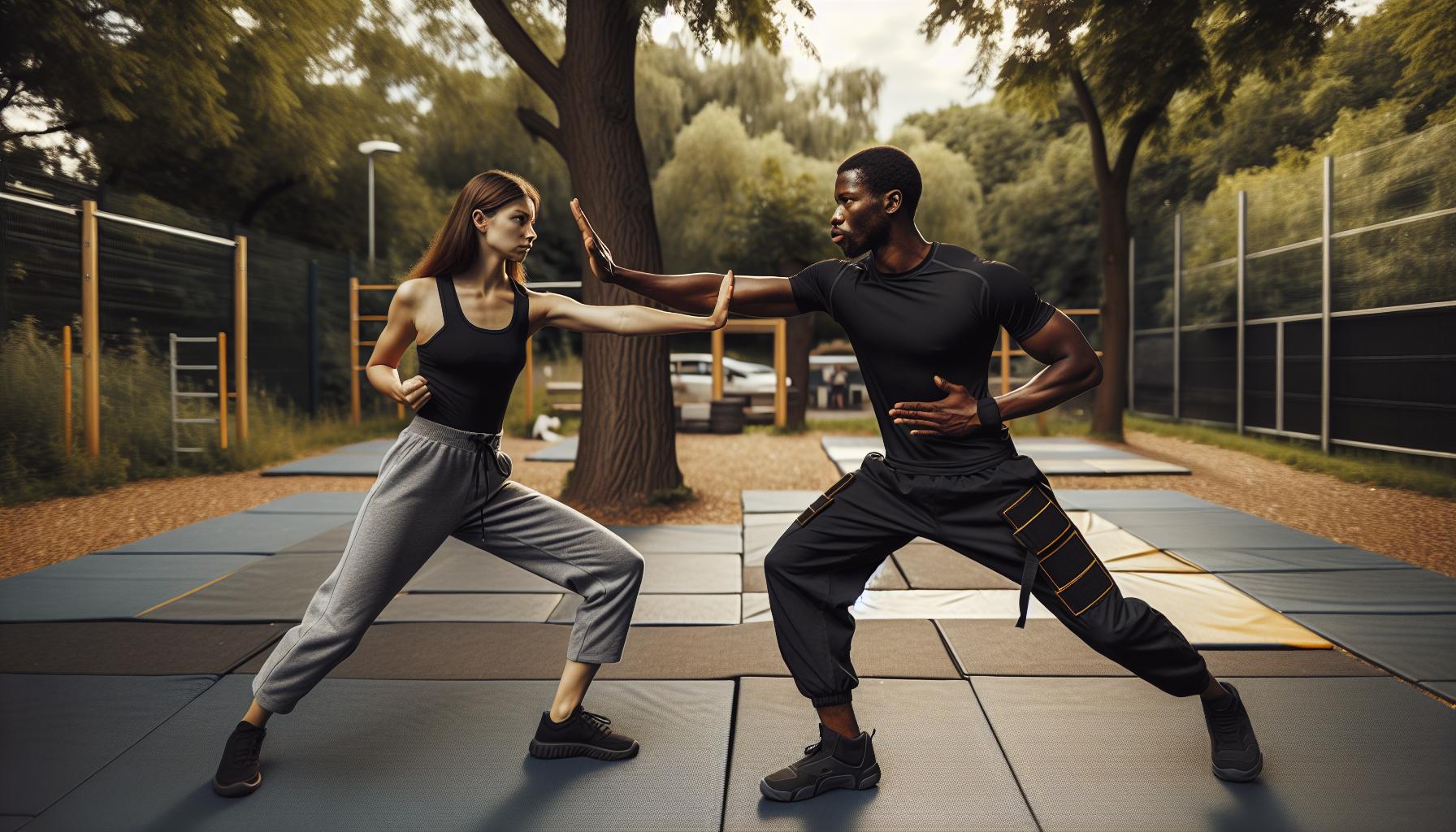
Understanding Krav Maga Basics for Absolute Beginners
Krav Maga is a combat system that resonates with absolute beginners because it is built on the principle of practical self-defense. Unlike many traditional martial arts, which often include complex forms and katas, Krav Maga focuses on effective techniques that can be immediately applicable in real situations. Beginners are encouraged to dive right in, learning foundational techniques like blocks, strikes, and escapes from common attacks. Understanding these basics is crucial as they serve as the building blocks for more advanced skills.
In your early classes, you will likely be introduced to scenarios that mimic real-life threats, teaching you to respond swiftly and effectively. Safety protocols, such as working with a partner in controlled environments, help ensure that you can practice these techniques responsibly. This dual focus on practical skill and safety helps build confidence while acknowledging the serious nature of self-defense. As you progress, instructors will typically guide you through physical and mental preparation, emphasizing the legal implications of self-defense actions, which is vital for responsible practice.
One of the core aspects of Krav Maga is its adaptability; techniques can be modified to fit a variety of situations and body types, making it accessible to everyone. This inclusivity fosters an atmosphere where beginners feel empowered, regardless of their physical capabilities or prior experience. Remember that every practitioner started where you are now, so coming in with a mindset open to learning is one of the best preparations you can have. Grounded in the understanding that self-defense is about survival and safety, you will find tools to navigate potentially dangerous situations while remaining respectful of the law and ethical considerations surrounding the use of force.
As you immerse yourself in Krav Maga, staying conscious of these foundational principles will not only enhance your learning experience but also prepare you for the responsibilities that come with the knowledge and skills you will acquire.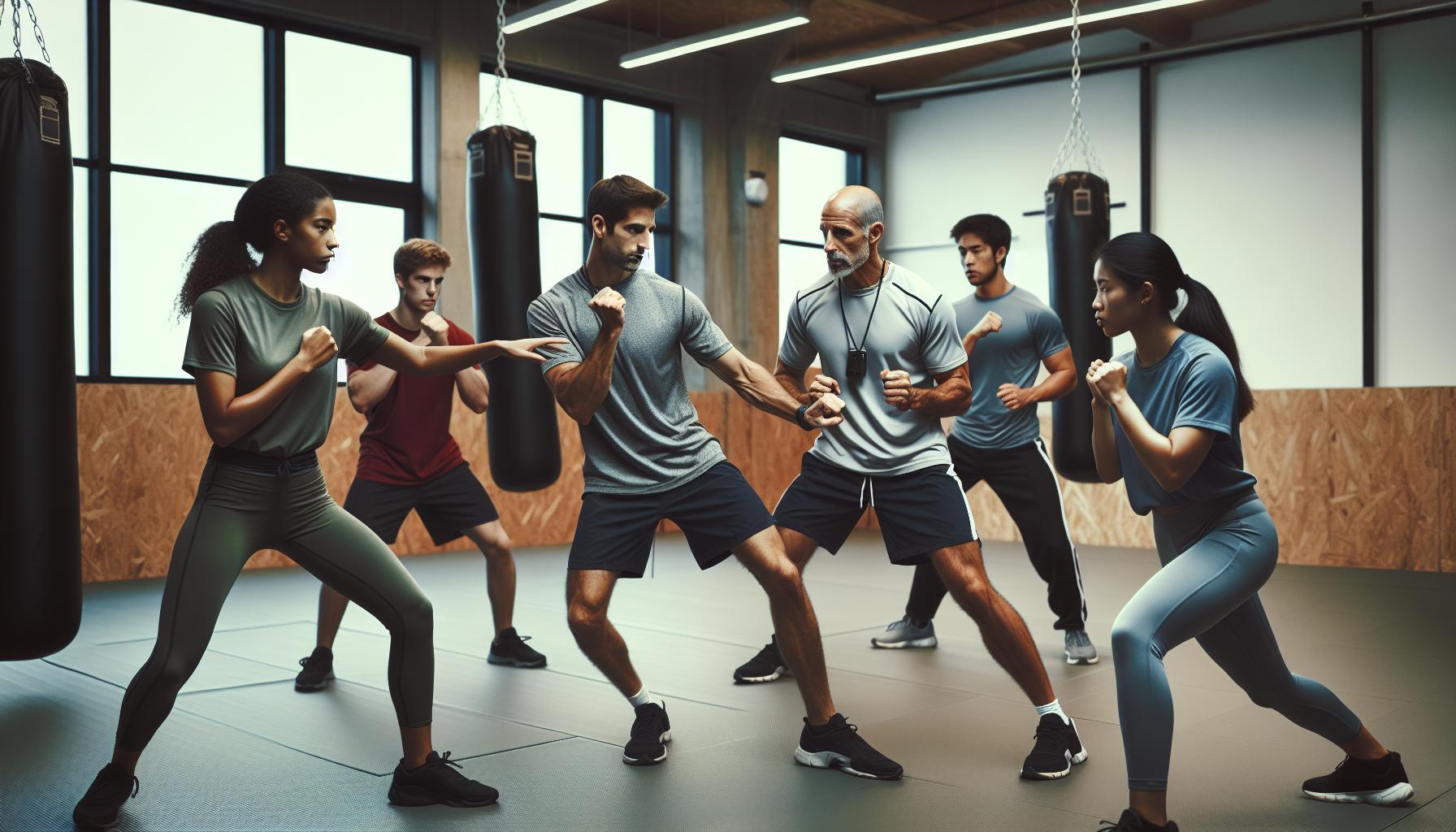
Krav Maga Training: What to Expect as a Newbie
As you step into the world of Krav Maga, you’ll quickly discover that the training is unlike any other martial art you may have encountered. Designed for immediate self-defense, the courses primarily focus on practical applications rather than complex forms or lengthy katas. It’s essential to know that you don’t need prior experience; your instructor will guide you through every aspect of the training.
You can expect your first few sessions to be engaging and intense, emphasizing basic techniques such as strikes, defensive maneuvers, and escapes from potential threats. This introduction will often include scenarios that mimic real-life situations, helping you learn to react swiftly and effectively under pressure. Safety is paramount; you’ll practice in a controlled environment with a partner or instructor overseeing to ensure responsible execution of techniques.
Instructors will also discuss the legal implications surrounding self-defense, which is vital to understanding the boundaries within which these techniques can be used. Krav Maga is about survival, not glorifying violence. You will learn that successful self-defense benefits from de-escalation and proportionality in response, ensuring your actions remain within legal and ethical boundaries. This approach bolsters your confidence while respecting the serious nature of what you are training for.
As your skills develop from basic to more advanced techniques, the adaptable nature of Krav Maga allows you to tailor your learning to fit your body type and fitness level. This inclusiveness creates an empowering environment, encouraging all beginners to engage fully without fear of judgment. Just remember, every seasoned practitioner once started where you are now, so maintaining an open mind and a willingness to learn will significantly enhance your experience.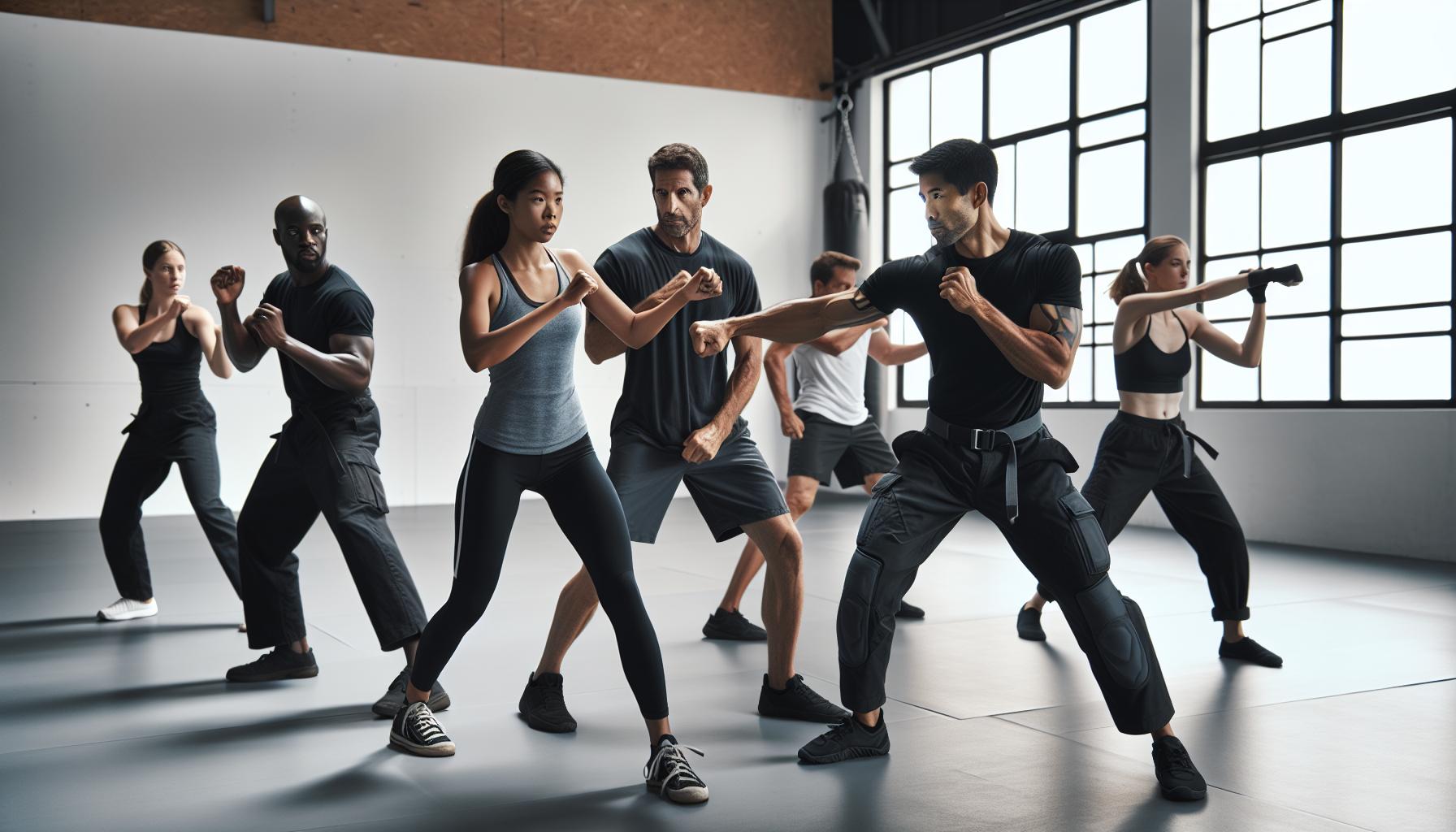
Benefits of Starting Krav Maga Without Experience
Starting your journey in Krav Maga without any prior experience opens numerous doors-not just in terms of self-defense skills, but also personal development. One significant benefit is the comprehensive approach to training that Krav Maga adopts, designed specifically for beginners. Instructors are trained to break down techniques into manageable steps, ensuring that even those who have never participated in martial arts can grasp the fundamentals. This nurturing environment allows newcomers to build confidence gradually, understanding that everyone progresses at their own pace and that fear of failure is a common experience.
Another advantage of learning Krav Maga as a beginner lies in the practicality of the techniques. The training prioritizes real-world applicability, focusing on effective self-defense strategies that can be implemented immediately. You’ll engage in scenarios that simulate actual threats, boosting your preparedness for real-life situations. This focus not only enhances your physical skills but also sharpens your awareness and critical thinking abilities. As you learn to assess situations and respond accordingly, you develop a heightened sense of confidence in your everyday life-a crucial aspect of self-defense that extends beyond physical encounters.
Safety is a paramount concern in Krav Maga classes, allowing new students to engage in training without unnecessary risk. Classes typically emphasize controlled practice environments, where drills are structured to minimize injury and maximize learning. Instructors reinforce the idea that physical confrontation is always a last resort, encouraging students to use de-escalation tactics whenever possible. This perspective instills respect for the serious implications of self-defense, making it clear that while training empowers you to defend yourself, the ultimate goal is to avoid conflict whenever feasible.
As you step into the world of Krav Maga, the absence of prior experience is not a barrier, but rather an opportunity to start fresh with a powerful mindset geared towards learning and personal growth. Engaging in this martial art fosters not only physical skills but also a supportive community of fellow learners, all on their paths to empowerment through self-defense. Each class you attend reinforces the idea that you belong, and that your journey-no matter how it begins-is a vital part of the narrative that weaves through the fabric of the Krav Maga community.
Common Misconceptions About Krav Maga Training
Many newcomers to Krav Maga often carry misconceptions that can hinder their training. One prevalent myth is that Krav Maga is solely about physical combat and brute force; however, this is far from the truth. The essence of Krav Maga lies in its focus on awareness, de-escalation, and effective decision-making. Instructors emphasize techniques that prioritize avoiding confrontation whenever possible, valuing self-control over aggression. This mindset is crucial, as self-defense should always be the last resort, making participants more responsible and aware individuals in potentially dangerous situations.
Another common misunderstanding involves the belief that one must be fit or strong to begin training. Krav Maga is designed to accommodate individuals of all shapes, sizes, and fitness levels. The focus on practical, real-world applications means that anyone, regardless of background or experience, can learn effective self-defense techniques. Classes are structured to support beginners, allowing for gradual skill development in a supportive environment. As such, students will find themselves encouraged to progress at their own pace, discovering their strengths over time.
Additionally, some assume that Krav Maga training is primarily about learning to fight. While it includes physical techniques, the curriculum also includes significant emphasis on strategic thinking and situational awareness. This dual focus helps practitioners quickly assess threats and choose the best course of action, whether that is to escape or defend themselves. By fostering these skills, Krav Maga empowers students with the confidence to intelligently navigate potentially dangerous situations without resorting to violence.
Finally, one of the biggest barriers to participation can be the fear of injury. While any physical activity poses risks, reputable Krav Maga schools prioritize safety. Classes typically involve controlled environments where proper techniques are taught and practiced, drastically minimizing the risk of injury. Instructors are trained to create a balance between challenging students and ensuring their safety, reinforcing the concept that martial arts training can be both effective and safe. Through this careful approach, participants can gain valuable skills while still feeling secure in their training environment.
Safety First: Learning Krav Maga Responsibly
Learning self-defense through Krav Maga can be a transformative experience, not only elevating your physical fitness but also empowering you with the skills to navigate potentially dangerous situations. However, safety must always remain at the forefront of your training. Understanding the importance of responsible learning can significantly enhance your experience and effectiveness in self-defense situations.
To start, the emphasis on safety in Krav Maga classes is crucial for beginners who may feel intimidated by the physical nature of the training. Instructors are trained to create a controlled environment where students can practice techniques without the fear of injury. For instance, drills typically begin with basic movements before advancing to more complex techniques, allowing you to build confidence at a comfortable pace. Always ensure the instructors prioritize safety protocols, such as proper warm-ups, technique refinement, and the use of protective gear during sparring sessions to minimize risks.
A vital aspect of learning responsibly involves understanding the ethical and legal dimensions of self-defense. In any confrontation, the principle of proportional response must guide your actions. This means that if you are threatened, the force used must be appropriate to the level of threat faced. Engaging in physical altercations should always be a last resort. Therefore, discussions around de-escalation techniques and escape strategies are integral parts of Krav Maga training. Educating yourself about the legal ramifications of self-defense actions specific to your location is also essential; laws can vary significantly from one jurisdiction to another.
As you advance in your training, it is crucial to maintain awareness of your surroundings and continuously assess potential threats effectively. Students should be trained not just in techniques but also in situational awareness, which enables them to recognize dangerous situations before they escalate. This proactive mindset can often prevent physical confrontations altogether. Moreover, sharing insights from real-life scenarios can help contextualize the concepts taught, allowing you to grasp the importance of non-violent resolutions whenever possible.
In summary, while Krav Maga equips you with powerful self-defense skills, it is essential to approach your training with a focus on safety, ethical considerations, and legal responsibilities. This balanced perspective will not only prepare you physically but also mentally for real-world situations, making you a more effective and responsible practitioner.
Krav Maga vs. Other Martial Arts for Beginners
Krav Maga stands out as a martial art specifically designed for real-world self-defense, making it particularly appealing for beginners who may feel intimidated by more traditional forms of combat training. Unlike disciplines such as Brazilian Jiu-Jitsu (BJJ) or Taekwondo, which often emphasize sport or technique in isolation, Krav Maga integrates a variety of techniques from different martial arts, emphasizing practical application under stress. This ensures students can quickly learn to defend themselves in a manner that is intuitive and effective even without prior experience.
One key difference between Krav Maga and other martial arts is its focus on self-defense against armed and unarmed attackers. While BJJ tends to excel in ground fighting and leverage, and Taekwondo prioritizes striking techniques with a heavy emphasis on forms, Krav Maga incorporates defenses against multiple attackers, grabs, weapons, and various attacks, preparing students for realistic threats they might encounter. This aspect makes Krav Maga particularly attractive for those who prioritize safety and street-level applicability over traditional competition formats.
Training Environment and Philosophy
The training environment in Krav Maga is structured to foster realistic scenarios, while still being mindful of safety protocols. Beginners can expect to engage in drills that replicate potential real-life confrontations, enhancing their ability to respond decisively when needed. Unlike arts that may glorify sparring or competition, Krav Maga instructors emphasize ethical force-teaching students to act responsibly and to understand the legal implications of their actions in a confrontation. This builds not only physical skills but also a legal and moral framework for defending oneself.
In addition, Krav Maga classes usually welcome participants without any prior martial arts experience, ensuring that newcomers can start without feeling the pressure of competing against seasoned practitioners. In contrast, many traditional martial arts may require years of training before a student feels confident enough to apply techniques in sparring or competition settings.
Conclusion
Ultimately, whether you are drawn to Krav Maga or other martial arts, the right choice often depends on your individual goals, comfort level, and preference for structure. However, for those looking to build practical self-defense skills quickly, Krav Maga offers a unique, accessible pathway. It empowers beginners by providing them with tools and strategies that they can employ immediately, all while emphasizing the importance of de-escalation and responsibility in self-defense situations.
Finding the Right Krav Maga Class for You
When choosing a Krav Maga class, finding the right environment to learn is crucial for absolute beginners. Not all classes are created equal, and various factors can influence your comfort and ability to absorb techniques effectively. Look for schools that have a clear focus on teaching self-defense principles rather than promoting competition or sparring as their primary goal. A good class should prioritize realistic scenarios, providing a space where students can train under conditions that mirror real-life situations while adhering to strict safety protocols.
To begin your search, consider the following aspects:
- Instructor Credentials: Choose a school with trained and certified instructors who emphasize ethical teaching methods. A knowledgeable instructor should not only demonstrate techniques but also explain the legal implications of self-defense, fostering a responsible mindset in students.
- Class Structure: Look for classes specifically designated for beginners. These should focus on basic movement patterns and foundational techniques, gradually introducing more advanced concepts as students gain confidence.
- Class Size: Smaller class sizes often lead to more personalized attention and better instruction. This facilitates a safer learning environment where instructors can monitor each student’s progress closely.
- Safety Measures: Ensure the school has appropriate safety measures in place, including padded flooring and protective gear. Training in an environment that emphasizes safety helps alleviate fears and enables students to practice techniques with confidence.
- Trial Classes: Many schools offer free trial classes. Taking advantage of these sessions can help you gauge the teaching style, the interaction between students and instructors, and your overall comfort with the class.
An effective class will not only teach physical techniques but will also address the legal and moral responsibilities associated with self-defense. As you progress, you’ll be encouraged to understand the implications of your actions and to develop the judgment necessary for using force responsibly. This comprehensive approach ensures that you leave each session empowered, equipped with practical skills, and educated on how to navigate real-life confrontations safely and ethically. Engaging with other students can also foster a sense of community, providing support and encouragement as you embark on your Krav Maga journey.
Essential Gear and Equipment for New Krav Maga Students
Starting your journey in Krav Maga can be both exciting and intimidating, especially for beginners. One important aspect that often gets overlooked is the gear and equipment you will need to train effectively and safely. Having the right equipment not only enhances your ability to learn but also minimizes the risk of injury during training.
First and foremost, a good pair of training shoes is essential. Look for footwear that provides support and grip, as you will be moving rapidly and may encounter slippery surfaces. Many practitioners opt for cross-training shoes, which strike a good balance between cushioning and stability.
Protective Gear
As self-defense training can involve strikes, falls, and other contact movements, protective gear is highly recommended. Key items include:
- Shin Guards: These protect your legs during sparring and while performing drills.
- Headgear: A quality headguard can prevent injury during partner drills, allowing you to focus on technique rather than fear of getting hit.
- Gloves: Opt for gloves that offer sufficient padding. They should allow you to execute strikes without causing injury to your training partner.
- Groin Protection: This piece of equipment is essential for male trainees, providing necessary protection during hands-on training.
Training Attire
Comfortable, breathable clothing is also important. Training shirts and shorts should allow for unrestricted movement. Some prefer to wear casual workout gear, while others may opt for more specific martial arts attire, like jackets or pants designed for grappling, which can better withstand the rigors of training.
Lastly, consider any supplementary gear as you advance in your training, such as heavy bags or focus mitts, which can help you build strength and refine your striking skills. Remember to communicate with your instructor about any recommendations specific to your class. Always prioritize safety and preparedness, ensuring you have the necessary equipment to engage in Krav Maga responsibly and ethically. This careful approach not only equips you for effective training but also fosters the confidence needed to use these skills judiciously.
Gradual Skill Development: From Beginner to Proficient
Starting with no prior experience in Krav Maga might seem daunting, but the journey from beginner to proficient practitioner is structured and achievable. The training is designed to build skills gradually, allowing each student to develop confidence and competence at their own pace. Instructors typically emphasize foundational techniques first, ensuring students grasp the principles of movement and safety before progressing to more advanced maneuvers.
In the initial stages, you will focus on basic footwork, striking techniques, and defensive postures. These essentials not only serve as the building blocks for more complex skills but also reinforce the importance of awareness and response under pressure. It’s crucial to engage in drills that simulate real-life scenarios, allowing you to practice techniques in a controlled environment. Doing so cultivates muscle memory, which is vital for effective self-defense. As progress is made, you can expect to incorporate sparring sessions to experience practical applications of the skills learned in class.
Moreover, attending classes regularly will introduce various aspects of Krav Maga at a pace that feels comfortable yet challenging. Core concepts such as understanding distance, timing, and how to de-escalate potential threats will be interwoven throughout your training. Facilities often cultivate an encouraging environment where fellow students support one another’s growth, helping to alleviate the fears that often accompany beginner status. Instructors will emphasize safety protocols at every step, helping you navigate your personal boundaries and maximize your training benefits.
Ultimately, each student’s journey is unique, and the gradual skill development in Krav Maga helps ensure that you not only learn effective self-defense techniques but also understand the ethical implications and responsibilities that come with them. Embrace the process, and remember that every black belt was once a white belt.
How to Overcome Initial Doubts and Fears in Training
Beginning a new journey, especially one as physically demanding as Krav Maga, can stir up feelings of anxiety and self-doubt. Many newcomers worry about their physical abilities, the fear of injury, or whether they will fit in with more experienced students. These feelings are entirely normal and should be acknowledged as part of the process. Understanding that everyone starts somewhere can help mitigate these fears. In fact, every current practitioner was once a beginner who faced similar uncertainties.
To overcome these initial doubts, consider adopting several practical strategies:
- Set Realistic Goals: Start with achievable objectives, focusing on incremental progress rather than immediate mastery. Celebrate small victories, whether it’s perfecting a stance or successfully executing a basic technique.
- Communicate with Instructors: Don’t hesitate to voice your concerns to your instructors. They can provide reassurance and guidance tailored to your needs. A good instructor will be adept at easing fears and creating a supportive learning environment.
- Pair Up with Supportive Partners: Training with encouraging peers can boost your confidence significantly. Look for someone who understands your apprehensions and is willing to help you practice in a low-pressure setting.
- Focus on Safety Measures: Knowing that safety protocols are in place will help you feel more secure. Familiarize yourself with these measures and trust the process, understanding that instructors prioritize the well-being of all students.
- Visualize Success: Use visualization techniques to mentally rehearse your training. Picture yourself executing techniques successfully and participating in drills with confidence. This can help translate into real-life practice.
It’s crucial to remember that self-defense training is not about promoting violence but about learning to handle potential threats responsibly and efficiently. Approach your training with the mindset of empowerment through knowledge and skill. As you progress, you will find that your confidence builds not just in physical capabilities but also in your understanding of how to de-escalate potentially dangerous situations, which is fundamental in Krav Maga.
Ultimately, the journey begins with understanding that each class is a step toward personal growth. You are not alone in your struggles; everyone around you shares in the experience of learning and overcoming fears. Embrace this journey, knowing that with dedication and practice, you’ll transform those initial fears into newfound strengths.
Real-Life Applications of Krav Maga Techniques
Learning Krav Maga isn’t just about mastering moves; it’s about understanding how to apply these techniques in real-life scenarios where the stakes could be extremely high. The practical applications of Krav Maga techniques are designed to prepare students for situations that may arise in everyday life. It’s important for beginners to recognize that Krav Maga is rooted in self-defense principles, emphasizing the need for a quick response, awareness of the environment, and the capacity to handle confrontations without the glorification of violence.
Real-life scenarios often reflect chaotic and unpredictable environments. For instance, techniques such as joint locks and defensive strikes are tailored to disarm aggressors in an emergency. If approached by someone with hostile intent, practitioners learn to react rapidly, utilizing an attacker’s force against them while maintaining control of the situation. This method not only ensures personal safety but also underscores the importance of de-escalation wherever possible. Keeping a level head is crucial; attempting to defuse a tense situation can often prevent it from escalating to violence.
In the context of legal and ethical considerations, it’s vital for practitioners to understand the boundaries of self-defense. The force used must always be proportional to the threat faced. For example, responding to a verbal threat with physical force may lead to legal implications, as most jurisdictions expect a degree of reasonableness. Therefore, the first step taught in Krav Maga involves recognizing threats and employing techniques that focus on escape or seeking safety rather than engaging in prolonged confrontation.
Ultimately, the effectiveness of Krav Maga techniques lies in their practicality and adaptability. Beginners are encouraged to approach their training with an open mind and a focus on realistic applications. By learning these techniques in a controlled environment, students prepare themselves for the unpredictability of real-world scenarios, ensuring they can respond confidently and safely if faced with an actual threat. The journey begins with a commitment not only to physical training but also to understanding the significant responsibilities that come with self-defense knowledge.
Frequently Asked Questions
Q: Can anyone start learning Krav Maga, or is it only for certain fitness levels?
A: Yes, anyone can start learning Krav Maga, regardless of fitness level. Krav Maga classes are designed for all abilities, emphasizing technique over raw strength. New students are encouraged to progress at their own pace, and instructors typically offer modifications for various fitness levels.
Q: What is the typical age range for beginners in Krav Maga classes?
A: Beginners can range from teens to seniors, with many classes designed for ages 13 and up. Most instructors adapt their training to suit different age groups, ensuring that everyone can participate safely and effectively.
Q: How long does it usually take for beginners to see progress in Krav Maga?
A: Most beginners can expect to see noticeable progress within a few months of consistent training. Factors such as dedication, frequency of practice, and individual fitness levels influence how quickly one develops new skills.
Q: Is Krav Maga safe for women, and what special considerations are there?
A: Yes, Krav Maga is completely safe for women, with many classes specifically catering to women’s self-defense needs. Focus on self-defense techniques, situational awareness, and personal safety strategies provides crucial skills and confidence in real-world scenarios.
Q: How do beginner Krav Maga classes typically start?
A: Beginner classes usually begin with a warm-up, followed by basic technique demonstrations. Instructors emphasize fundamental movements such as strikes, blocks, and stances, ensuring students build a strong foundation. Make sure to check what to expect in your class before attending.
Q: Are there any age restrictions for Krav Maga training?
A: Most Krav Maga schools offer classes for ages 13 and above, while some may have specific children’s programs. It’s essential to inquire about age restrictions when selecting a school to ensure appropriate class offerings for different ages.
Q: Can I learn Krav Maga online, or is in-person training better?
A: While online tutorials can supplement training, in-person sessions provide valuable hands-on experience and immediate feedback from instructors. Evaluating your options can help you choose the best learning method for your goals and commitment level.
Q: What types of cardio or strength training can help me prepare for Krav Maga?
A: Engaging in cardio exercises like running or cycling, along with strength-training routines that focus on the core, can enhance your Krav Maga performance. This combination improves endurance and overall fitness, making it easier to execute techniques effectively during training.
For more insights on what to expect as a beginner in Krav Maga, check the section on Krav Maga Training: What to Expect as a Newbie. Remember, consistent practice and a positive mindset are crucial for growth!
Future Outlook
If you’re eager to take the first step toward learning Krav Maga, remember that you don’t need prior experience to start. With a system designed for real-world self-defense, anyone can learn the effective techniques and principles of Krav Maga. So why wait? Start empowering yourself today by checking out our Krav Maga classes for beginners or dive deeper into our self-defense resources to enhance your understanding.
Have questions or concerns? Don’t hesitate to reach out in the comments or explore our FAQs section. Each session you engage in is not just about learning moves; it’s about building confidence and the skills needed to protect yourself, all while ensuring you understand the legal and ethical aspects of self-defense.
Join our community today, and let’s embark on this empowering journey together. Sign up for our newsletter to receive insights, tips, and updates that will keep you motivated on your Krav Maga path! Take action now-your safety and confidence await!