

Krav Maga is renowned for its practicality in self-defense, often raising questions about its physical demands, particularly regarding acrobatics and movement requirements. While some may wonder if high-flying kicks or intricate flips are necessary for effective training, the truth lies in understanding the art’s focus on real-world applicability.
This exploration into whether Krav Maga includes acrobatic techniques will reveal how fundamental movements and principles shape its effectiveness, ensuring safety and readiness without relying on gymnastic prowess. For aspiring practitioners, understanding the movement expectations is vital for personal development and confidence while navigating potential confrontations. By delving deeper into the topic, you will uncover not just the physical, but also the mental and ethical aspects integral to mastering this self-defense system. Join us as we break down what to expect in Krav Maga training and how it prepares you for real-life scenarios, enhancing both your physical capabilities and peace of mind.
Understanding the Role of Acrobatics in Krav Maga
Incorporating elements of acrobatics into Krav Maga training not only enhances physical ability but also instills confidence in practitioners faced with real-world scenarios. Krav Maga, known for its pragmatic approach to self-defense, utilizes movements that may seem acrobatic but serve specific defensive purposes. For instance, techniques involving swift escapes, counterattacks, or effective maneuvers to evade strikes may include rolls, flips, or agile footwork that are reminiscent of acrobatic skills. Mastery of these movements allows practitioners to react quickly and efficiently, adapting to dynamic and unpredictable environments.
To successfully integrate acrobatics into Krav Maga, one must focus not only on the physical aspects but also on developing a strong foundation in essential movement skills. Key skills include balance, flexibility, and core strength. Balance is critical; maintaining stability can mean the difference between staying on your feet or falling during a confrontation. Flexibility enhances a practitioner’s ability to perform a wider range of techniques, while core strength supports overall body control and power, enabling more effective strikes and defensive maneuvers.
Practitioners should understand that while acrobatics can amplify their self-defense capabilities, they are secondary to the foundational techniques of Krav Maga. The emphasis must remain on practical application-skills that can be translated into real-life situations rather than purely aesthetic or competitive acrobatics. With consistent training and focus on these foundational skills, acrobatic movements can be safely and effectively utilized in self-defense scenarios, whether escaping an aggressive situation or gaining the upper hand against an attacker.
In conclusion, the role of acrobatics in Krav Maga is one of enhancement rather than a core requirement. By cultivating movement skills that allow for agile and effective responses to threats, practitioners can not only protect themselves but also gain a greater understanding of how body mechanics work in real-world applications. Such understanding fosters a more confident and capable self-defense mindset.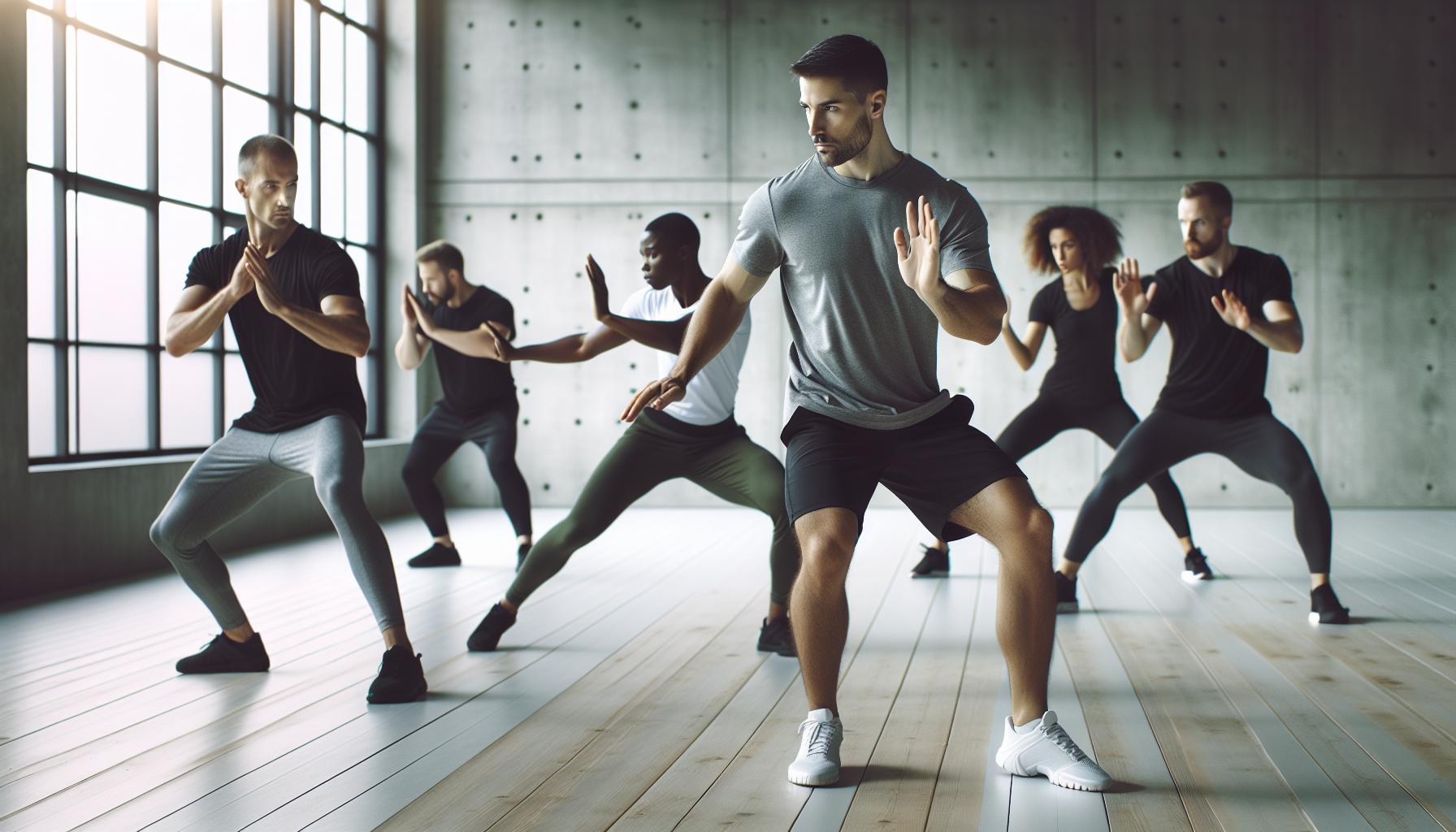
Essential Movement Skills Required for Krav Maga
To effectively engage in Krav Maga, practitioners must develop a suite of essential movement skills that lay the groundwork for both defensive and offensive actions. These skills go beyond mere physicality; they include critical elements that can mean the difference between successfully defending oneself or becoming overwhelmed in a confrontation.
Firstly, balance is paramount. A practitioner who can maintain their center of gravity can better withstand pushes, pulls, and strikes. This skill allows individuals to pivot rapidly, evade attacks, or counter effectively. Balance drills, such as standing on one leg or performing static stances, are fundamental to creating muscle memory that supports stability during dynamic movements.
Secondly, flexibility enhances a practitioner’s capacity to perform various techniques. A flexible body increases the range of motion, which is vital for executing kicks, rolls, and evasive maneuvers. Regular stretching routines, which can include dynamic stretching before training sessions and static stretching afterward, are crucial for developing this skill. Flexibility allows Krav Maga practitioners to adapt movements to suit their body’s limitations and the specific demands of a self-defense scenario.
Next, core strength plays a critical role in overall movement efficiency. A strong core supports an individual’s balance, stability, and power output. It facilitates stronger strikes, more effective defensive postures, and quicker recovery from stumbles. Core-strengthening exercises, such as planks, sit-ups, and rotational movements, should be incorporated into training regimens to build this foundational aspect.
Lastly, knowing how to combine these skills in practice is essential. Drills should focus on integrating balance, flexibility, and core strength in realistic scenarios. For instance, pairing evasive footwork with specific striking techniques can help reinforce how these movement skills apply in high-stress environments. Practicing these movements in a controlled environment, gradually increasing speed and intensity, can foster both confidence and skill proficiency.
In summary, a strong foundation in these essential movement skills not only prepares practitioners for the physical demands of Krav Maga but also empowers them with the confidence needed to protect themselves effectively and ethically in real-life situations.
Krav Maga vs. Traditional Martial Arts: A Movement Comparison
When comparing Krav Maga to traditional martial arts, it becomes clear that their movement philosophies diverge significantly. Traditional martial arts, such as Karate, Taekwondo, and Judo, often emphasize forms (or katas), controlled sparring, and a higher degree of ritualistic practice. These arts typically focus on developing a stylistic proficiency-often emphasizing striking skill or grappling techniques that become second nature through repeated practice of predetermined movements and sequences.
In contrast, Krav Maga is grounded in real-world applicability and practical self-defense rather than tradition. Its movement patterns are designed for chaotic and unpredictable scenarios, emphasizing fluid transitions between techniques. Practitioners learn to adapt their responses to immediate threats, which can lead to less rigid movement. This system encourages the utilization of acrobatics and dynamic movements, such as rolling or evading, to enhance personal safety and adaptability rather than ingraining fixed sequences of movement.
Key Differences in Movement Requirements
- Focus on Realism: Krav Maga’s training includes scenarios that simulate real-life threats, training students to react instinctively rather than relying on pre-set forms.
- Dynamic Techniques: Movement in Krav Maga incorporates acrobatic elements more frequently, teaching practitioners how to roll out of falls or get back on their feet quickly.
- Safety and Efficiency: Techniques are designed to end a confrontation swiftly, avoiding extended engagements. This contrasts with some traditional martial arts that may focus more on scoring points or proving technique effectiveness.
The practical implications of these differences highlight the movement efficiency that Krav Maga cultivates. Practitioners learn to blend offensive and defensive maneuvers fluidly, which is critical for any self-defense situation. For instance, while a traditional martial artist might practice a specific sequence of attacks or blocks, a Krav Maga practitioner is prepared to assess, adapt, and respond with a combination of strikes, evasive maneuvers, and acrobatic techniques to ensure their safety.
Understanding these distinctions not only underscores Krav Maga’s effectiveness as a self-defense method but also highlights the underlying philosophy guiding its development-one focused on survival, adaptability, and facing real-world challenges head-on.
The Importance of Balance and Agility in Self-Defense
In a confrontational situation, having balance and agility can significantly influence the outcome of an encounter. These attributes are vital in Krav Maga, as they enhance a practitioner’s ability to respond effectively to threats. Balance allows individuals to maintain a stable stance while executing techniques, making it easier to deliver powerful strikes or perform evasive maneuvers. Agility, on the other hand, enables quick changes in direction and position, which is crucial for both attack and defense in dynamic self-defense scenarios.
Practitioners of Krav Maga engage in various drills and exercises specifically designed to improve these skills. For example, balance exercises can include stances and footwork drills that train the body to stay grounded despite an opponent’s attacks. Meanwhile, agility training might incorporate lateral movements and quick footwork that simulate the unpredictable nature of real-world threats. This training is not merely academic; it translates into the ability to escape dangerous situations or counter-attack effectively.
Understanding the legal and ethical aspects of self-defense is equally important. Balance and agility do not just contribute to physical capability; they also empower individuals to make responsible decisions in critical moments. Being physically adept can enhance a person’s confidence, enabling them to de-escalate situations before they escalate into violence. In this regard, proper training emphasizes avoiding confrontation and using physical skills only when absolutely necessary.
In the realm of self-defense, practitioners must also recognize the importance of preserving their safety while navigating physical confrontations. Balancing techniques alongside situational awareness ensures that they remain alert to their surroundings and potential escape routes. This holistic approach to training fosters not only physical fitness but also mental preparedness, equipping individuals to handle, or ideally avoid, conflicts in a manner that is both effective and lawful.
Incorporating Acrobatics: Benefits and Techniques
Incorporating acrobatics into Krav Maga may seem unconventional, but it offers significant advantages in real-world self-defense scenarios. The dynamic techniques derived from acrobatics can enhance a practitioner’s ability to evade attacks, recover quickly, and position themselves effectively against an opponent. These movements cultivate a level of agility and reflexes that are crucial in unpredictable environments, ensuring that individuals can respond with confidence and speed when confronted with danger.
Acrobatics in Krav Maga encompasses a range of techniques that not only improve physical fitness but also build essential self-defense skills. For example, rolls and flips can help practitioners safely navigate falls, enabling them to get back on their feet quickly after being thrown or pushed. Additionally, aerial maneuvers can be useful for creating distance from an assailant or avoiding direct hits, emphasizing the importance of fluidity and control in movement. Training sessions often include drills focusing on these acrobatic elements, allowing practitioners to seamlessly integrate them into more traditional defensive techniques such as strikes and counters.
When incorporating acrobatics, it’s vital to focus on safety and injury prevention. Proper warm-up routines, as well as controlled environments for practicing these movements, minimize risks. Coaches should emphasize the importance of technique over speed to avoid mishaps, especially for beginners. As practitioners grow more comfortable, they can start to experiment with agility-based techniques during sparring or scenario training, reinforcing the lesson that effective self-defense requires a blend of physical skill and strategic awareness.
Ultimately, the adaptability offered by acrobatics enhances real-world applications of Krav Maga. Incorporating these movements allows individuals to approach confrontational situations with a mindset of agility and flexibility, maximizing their chances for a successful escape or de-escalation. By continuously refining these skills, practitioners not only bolster their self-defense capabilities but also foster a greater sense of confidence in their ability to navigate the complexities of real-life confrontations, ensuring they remain safe and balanced in the face of adversity.
Safety First: Acrobatics and Injury Prevention in Training
Incorporating acrobatics into Krav Maga training can significantly enhance your self-defense skills, but it’s essential to prioritize safety to prevent injuries. Practicing dynamic movements like flips and rolls requires a careful approach, especially when introducing these techniques to beginners. Understanding proper techniques and maintaining a controlled training environment can make all the difference in safely mastering acrobatic maneuvers.
To minimize risks while practicing acrobatics, practitioners should adhere to several key safety protocols. Firstly, always start with comprehensive warm-up routines to prepare your body for the physical demands of training. These warm-ups should include stretches that target the muscles involved in acrobatic movements, as well as exercises that promote balance and coordination. Additionally, transitioning into acrobatics should be gradual. Begin with basic movements before advancing to more complex techniques, allowing your body to adapt to the physical demands.
Utilizing protective gear during training can also enhance safety. Mats or soft surfaces are essential when practicing falls or flips to cushion impacts and reduce the risk of injury. Furthermore, a structured training environment where students can practice at different levels can foster safety. For example, more advanced practitioners should work with beginners under supervision to help them learn the correct techniques without taking unnecessary risks.
Lastly, it is crucial to emphasize the importance of listening to your body. If something feels off or if you experience discomfort, it’s vital to communicate this to your instructor and adjust your practice accordingly. Encouraging a culture of safety not only protects individual practitioners but also cultivates a supportive environment where students can learn confidently. Empowering students with knowledge about personal limits and proper techniques ensures that acrobatics can be a valuable and safe component of their Krav Maga training.
Adaptability: How Acrobatics Enhance Real-World Application
In the realm of self-defense, adaptability is critical. Incorporating acrobatics into Krav Maga not only sharpens a practitioner’s physical abilities but also enhances their real-world application of these skills. When confronted with unexpected threats or rapidly changing environments, the ability to execute acrobatic movements like rolls, flips, or evasive maneuvers can mean the difference between avoiding an assault or succumbing to it. A well-timed roll can help a student evade a kick or a punch, allowing them to regain their footing and counterattack.
The adaptability fostered by acrobatic training also instills a heightened sense of spatial awareness. Practitioners learn to navigate different terrains and obstacles, which is invaluable during a confrontation in unpredictable settings-whether that’s a crowded street, a narrow alley, or even uneven surfaces. This awareness not only supports physical engagements but also helps individuals remain composed under duress. For example, a practitioner who has trained to use acrobatics instinctively recognizes when to evade or change direction in response to an attack, allowing them to react more appropriately and effectively.
Another important aspect of incorporating acrobatics into Krav Maga is building a mindset geared toward creatively solving problems in dynamic situations. In real-life scenarios, threats seldom present themselves in straightforward ways. Training in acrobatics encourages practitioners to think on their feet, devising spontaneous responses to sudden challenges. This is not just about physical movement; it’s about developing a comprehensive tactical approach. Practitioners learn that a swift dive or roll can be just as effective as a strike, creating openings for escape or counter-offensive actions.
To effectively integrate acrobatics, it’s essential that training emphasizes safety and technique. Practitioners should start with foundational movements before progressing to more advanced acrobatic skills. Proper drills, guided by experienced instructors, can help mitigate the risks associated with these dynamic maneuvers, ensuring that students build their adaptability in a safe and controlled environment. By prioritizing both skill and safety, Krav Maga practitioners can develop a level of resilience and fluidity that prepares them for the complexities of real-world encounters.
Common Misconceptions About Acrobatics in Krav Maga
Many people mistakenly believe that acrobatics in Krav Maga is primarily about performing flashy moves or gymnastic displays, which could not be further from the truth. In reality, acrobatics serves a practical function within this self-defense system, enhancing a practitioner’s ability to respond efficiently in high-stress situations. While it may seem like a blend of martial arts and gymnastics, acrobatics in Krav Maga focuses on improving agility, balance, and spatial awareness-essential skills for effective self-defense.
One misconception is that acrobatics is only for the young and agile. However, Krav Maga techniques can be adjusted to meet individuals’ varying capabilities, regardless of age or physical condition. The emphasis is on mastering foundational skills that allow practitioners to move fluidly to evade attacks or reposition themselves during a confrontation. Simple acrobatic principles like rolls and basic footwork can be implemented by anyone, making these skills accessible and necessary for self-defense.
Another common myth is that acrobatics takes away from the core principles of Krav Maga, which prioritize brutal effectiveness over aesthetic movements. In truth, acrobatic skills enhance the realism and adaptability required in real-world self-defense scenarios. For instance, a well-executed roll can allow someone to evade an incoming strike while simultaneously setting up for a counter-attack. This practical integration underscores the necessity of acrobatics, reinforcing that each movement aligns with the overarching goal of survival and safety in threatening situations.
Practitioners often fear that attempting acrobatics might lead to injury. While risks do exist, controlled and gradual training can significantly minimize them. Proper technique and a focus on safety protocols during practice ensure that students develop their acrobatic skills without compromising their well-being. Instructors should emphasize awareness and proper landing techniques to allow individuals to tackle acrobatics confidently and safely, bolstering both physical ability and self-assurance.
In summary, acrobatics in Krav Maga is not about showmanship; it is rooted in practical efficiency and adaptation to real-world self-defense needs. Understanding these misconceptions can help practitioners appreciate the value of integrating acrobatic movements into their training, thereby fully realizing the potential of their self-defense capabilities.
Training Tips for Improving Acrobatics in Krav Maga
Improving acrobatic skills in Krav Maga begins with foundational training that prioritizes safety and gradual progression. Understanding that every practitioner has a unique starting point is crucial; thus, incorporating these training tips can enhance your acrobatic ability effectively and safely.
Start with basic movements that most practitioners can master, such as rolls, forward and backward. These movements not only familiarize you with the sensations involved in acrobatics but also build confidence. Gradually introduce more complex actions, like tumbling or cartwheels, ensuring that each individual can perform them without hesitation or fear of injury. Emphasizing proper form and technique during these exercises is essential to prevent injuries.
Practice Progressive Drills
Incorporate drills that focus on agility and balance as they are pivotal for acrobatic proficiency. Here are some exercises that can be beneficial:
- Agility Ladder Drills: Improve foot speed and coordination by incorporating ladder drills. These drills help develop spatial awareness and quick footwork.
- Balance Exercises: Use balance boards or stand on one leg while performing defensive techniques to enhance stability and control.
- Partner Drills: Practice evasion techniques with a partner who applies light pressure, allowing you to execute rolls or quick repositioning in a controlled environment.
Additionally, film your sessions or train under the supervision of an experienced instructor to receive feedback on your execution. Understanding your body mechanics and motion can lead to significant improvements.
Focus on Safety and Awareness
As acrobatics inherently involves risks, establishing safety protocols during practice is imperative. Always train in a safe environment with appropriate mats to cushion falls, and gradually increase the complexity of movements. Emphasize the importance of landing techniques-practice rolling when falling to distribute impact safely and minimize injury.
Remember that acrobatics, while beneficial for self-defense, is not the primary focus of Krav Maga. Always return to the fundamentals of self-defense-understanding legal implications, situational awareness, and personal safety. By combining acrobatic skills with accountability and responsible martial arts practices, practitioners can significantly enhance their effectiveness in real-world scenarios while maintaining a secure training environment.
Krav Maga Techniques That Benefit from Acrobatics
Incorporating acrobatic movements into Krav Maga can significantly enhance practitioners’ ability to navigate real-world confrontations. Techniques such as rolls, flips, and evasive maneuvers provide advantages in terms of agility, speed, and the ability to evade attacks effectively. These foundational acrobatic skills can transform a basic defensive response into a more dynamic and unpredictable approach, which is often crucial in high-stress situations.
One primary technique benefiting from acrobatics is the roll. This skill allows a person to minimize the impact of a fall or to quickly reposition after an evasive maneuver. For instance, during an altercation, if a practitioner finds themselves pushed or knocked down, executing a roll can help them recover swiftly while maintaining their awareness of the surroundings. Additionally, performing a roll smoothly can safeguard against injury, distributing the impact across larger surface areas of the body.
Another impactful acrobatic technique is the cartwheel or lateral movement. This maneuver can be useful when confronted by multiple aggressors. By swiftly cartwheeling away from an opponent, a practitioner can create distance and escape a potentially dangerous situation. This movement also serves to maintain balance and control, which is essential for executing follow-up defensive actions effectively.
Jumping techniques, such as leaping or exploding off the ground during an engagement, can enable a practitioner to create distance or deliver a surprise attack. These explosive movements can be especially advantageous in disorienting an attacker’s perception, offering a window to escape or counterattack. Always remember that the effectiveness of these acrobatic techniques is heightened by practicing them in a controlled environment, allowing for proficiency and safety before applying them in realistic scenarios.
Training with a focus on acrobatics not only improves physical capability but also bolsters confidence, reinforcing the importance of combining both the fundamental techniques of Krav Maga with acrobatic skills for a comprehensive self-defense strategy. By blending acrobatics with Krav Maga, practitioners can better prepare themselves for the unpredictable nature of real-life confrontations.
Advanced Acrobatics: When and How to Integrate
Advanced acrobatics in Krav Maga can serve as game-changers in self-defense situations, offering unique ways to navigate encounters that demand quick thinking and adaptability. While foundational techniques enhance your defense, integrating advanced acrobatic movements such as aerial flips or dynamic evasive maneuvers can elevate your effectiveness significantly. These techniques should be introduced once a practitioner has mastered the basic acrobatic skills-ensuring safety and control, which are paramount in self-defense scenarios.
To integrate advanced acrobatics, it’s essential to first establish a strong foundation. Practitioners should focus on agility drills, flexibility training, and cardiovascular fitness to support more advanced movements. During training sessions, start by slowly introducing acrobatic techniques into simulated scenarios. For instance, executing a backflip during a training drill can allow for an unexpected escape while maintaining a tactical position. However, this should be conducted in a controlled environment, ideally with a coach’s guidance, to mitigate risks associated with injury.
Equally important is the emphasis on awareness and control over movements. Integrating acrobatics means more than just physical ability; it requires a thorough understanding of the dynamics of a confrontation. Practitioners must learn to assess when to utilize advanced movements effectively, focusing on their surroundings, the opponents’ positions, and potential escape routes-critical components for real-world application. Therefore, exercises should incorporate situational awareness training alongside the acrobatic moves to ensure that practitioners are prepared to act instinctively and effectively.
Finally, collaborating with more experienced practitioners or instructors can provide invaluable feedback on integrating these techniques. Join workshops or training camps dedicated to acrobatics in martial arts to gain insights and improve your skills. Remember, the goal of incorporating advanced acrobatics into Krav Maga is to enhance self-defense capabilities responsibly and ethically, making sure to balance efficacy with safety at all times.
Real-Life Scenarios: Applying Acrobatics in Self-Defense
In a self-defense scenario, agility can be as crucial as strength. The ability to execute acrobatic movements, such as rolls, flips, or evasive maneuvers, can provide a significant advantage. For instance, imagine a situation where an aggressor approaches with aggressive intent. A well-timed side roll could allow you to evade a strike and create distance, giving you the opportunity to reset and assess your next move. This agile movement not only helps avoid physical confrontation but also keeps you mobile, enhancing your chance of escape.
Practical Applications of Acrobatics
In real-life self-defense, acrobatics can be applied in various ways. Here are some practical scenarios:
- Evasive Maneuvers: Incorporating dynamic movements allows you to dodge attacks effectively. Techniques like cartwheeling away from an incoming strike can create an opening for a counter-response or exit.
- Ground Recovery: If knocked down, knowing how to roll back onto your feet quickly is vital. This not only gets you back into an upright position but also helps maintain awareness of the surroundings.
- Adaptive Responses: Situational awareness when facing multiple attackers can determine your success. Acrobatics can provide alternate routes to escape, such as jumping over obstacles or misdirecting an opponent’s focus with a swift maneuver.
Acrobatic skills help develop situational responsiveness. Practitioners are encouraged to train with various scenarios, learning when and how to apply these movements effectively. While physical skills are essential, understanding the legal and ethical considerations of the techniques employed is critical as well. Always prioritize de-escalation, and look for ways to exit a confrontation safely and responsibly.
Safety Considerations
Before incorporating advanced acrobatics into your self-defense training, it’s crucial to practice these skills in a controlled environment under the supervision of experienced instructors. This not only enhances your skill level but also significantly reduces the risk of injury. Remember, the purpose of self-defense is not to engage in violence but to ensure safety through effective and measured responses.
FAQ
Q: Does Krav Maga involve acrobatic moves in self-defense?
A: Krav Maga does not primarily focus on acrobatics; it emphasizes practical techniques for real-world self-defense. However, certain acrobatic elements, like rolls or evasive movements, may enhance agility and balance, vital for effective defensive maneuvers. For detailed movement requirements, explore our section on Essential Movement Skills.
Q: What types of movements are essential in Krav Maga?
A: Essential movements in Krav Maga include strikes, escapes, and defensive postures. Footwork, such as pivoting and sidestepping, along with balance and body control, are crucial for executing techniques effectively. Training these skills builds a solid foundation for responding to various self-defense scenarios.
Q: How can I improve my mobility for Krav Maga training?
A: Improving mobility for Krav Maga can be achieved through specific drills focusing on dynamic stretching, agility exercises, and strength training. Incorporate yoga or pilates for flexibility, enhancing overall movement fluidity. Consistent practice will help you adapt more efficiently in real-life situations.
Q: Are there age restrictions for performing acrobatic techniques in Krav Maga?
A: While there are no strict age restrictions, the ability to perform acrobatic techniques in Krav Maga varies by individual fitness and flexibility levels. Instructors tailor activities based on students’ capabilities, ensuring training is safe and effective for all ages. Consult your instructor for personalized advice.
Q: Can beginners practice acrobatic techniques in Krav Maga?
A: Beginners can practice modified versions of acrobatic techniques in Krav Maga to gradually develop strength and coordination. Safety and proper form are prioritized, ensuring a foundational understanding before advancing to more complex moves. Focus on mastering basic skills outlined in the Training Tips section.
Q: Is acrobatics necessary for effective self-defense in Krav Maga?
A: Acrobatics is not necessary for effective self-defense in Krav Maga. The system is designed for practicality and focuses more on agility, timing, and awareness rather than acrobatic skills. Understanding core techniques and applying them in real situations is far more critical.
Q: What should I consider when incorporating acrobatics into my Krav Maga practice?
A: When incorporating acrobatics, consider your fitness level, safety measures, and the relevance of these moves to self-defense scenarios. Start with basic techniques and work on maintaining balance and control. Our section on Incorporating Acrobatics offers insights on beneficial techniques.
Q: How do I ensure safety while practicing acrobatic skills in Krav Maga?
A: To ensure safety while practicing acrobatics, always warm up properly, use mats for cushioning, and progress gradually to prevent injuries. Collaborate with a qualified instructor to learn techniques correctly. Consistency in training and building foundational strength will enhance your safety and effectiveness.
The Conclusion
In conclusion, while Krav Maga does not emphasize acrobatics, its movement requirements focus on practicality and efficiency in real-world scenarios. This makes it an ideal self-defense system for anyone looking to enhance their safety without needing a background in gymnastics or advanced physical training. If you’re eager to dive deeper into self-defense techniques, explore our guide on “Krav Maga Techniques for Everyday Situations” or check out our tutorial on the “Legal Aspects of Self-Defense.”
Don’t wait to empower yourself-sign up for our newsletter to stay updated with new resources and training opportunities. Remember, the best defense is being prepared and informed. Share your thoughts in the comments below, and stay engaged with us for more insights into martial arts and personal safety.