
Krav Maga is a practical self-defense system designed for real-world situations, originally developed for the Israel Defense Forces. Understanding whether Krav Maga has official dojos or training facilities is crucial for anyone interested in effective self-defense training. Many individuals seek a structured environment to learn these skills, but terminology surrounding training facilities can be confusing. Are you trying to find the right venue that aligns with your goals of personal safety and empowerment? This article will clarify what constitutes a dojo in Krav Maga, discuss the various types of training environments available, and help you make informed decisions about your self-defense journey. Read on to discover how to navigate this essential aspect of your Krav Maga training.
Understanding Krav Maga Training Facilities
Krav Maga training facilities are often designed to cater specifically to the practical and effective self-defense needs of students, focusing less on tradition and more on real-world application. Unlike traditional martial arts dojos that may prioritize philosophy and forms, Krav Maga gyms emphasize reality-based self-defense scenarios. This approach fosters a training environment where students can develop skills that are directly applicable in potentially dangerous situations, making it imperative that centers prioritize safety and legal considerations in their training protocols.
In these dedicated facilities, you will find a range of setups designed for different aspects of training. Many Krav Maga locations offer spacious mat areas for sparring and techniques, as well as equipment like pads, bags, and protective gear for realistic practice. Lighting, ventilation, and safety features should also be adequate, creating a welcoming environment devoid of distractions or hazards. When evaluating a training facility, consider aspects such as instructor qualifications, the size of class ratios, and the nature of training exercises used. This focus ensures that students receive personalized attention while reinforcing proper techniques and effective responses in self-defense.
Crucially, a responsible training facility emphasizes not only physical techniques but also the mental and emotional components of self-defense. Students are taught how to de-escalate situations when possible, understanding their legal rights and limitations in self-defense scenarios. Proper training should instill a sense of empowerment rooted in the recognition of the gravity of self-defense situations, promoting a balanced view of effective force with an emphasis on safety and legality. When selecting a Krav Maga training facility, look for these qualities to ensure you’re learning in a comprehensive and ethically sound environment.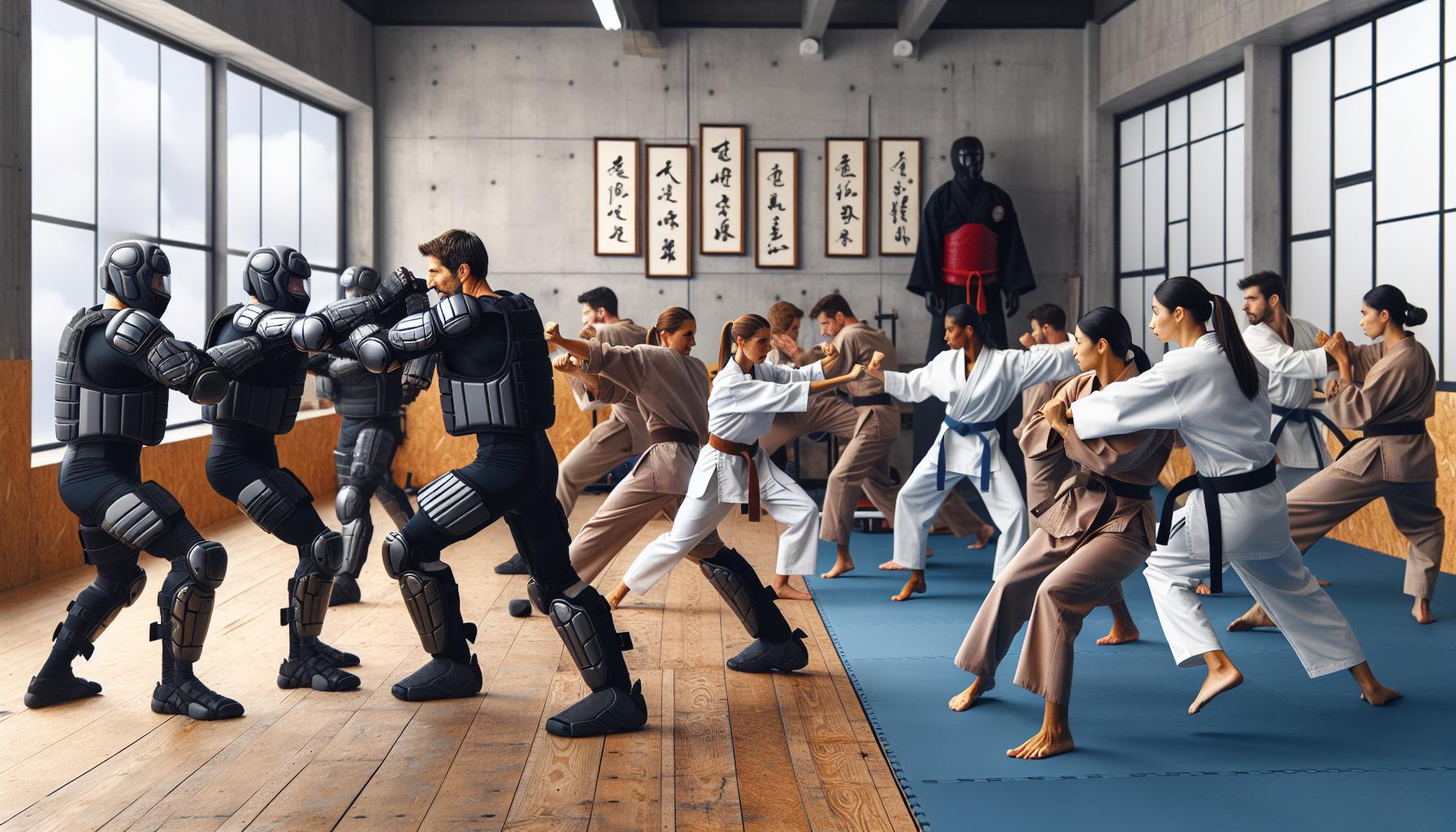
Krav Maga vs. Traditional Martial Arts Dojos
While both Krav Maga and traditional martial arts focus on self-defense, their training methodologies, environments, and philosophical underpinnings create distinct experiences for practitioners. Traditional martial arts dojos often emphasize forms, katas, and historical techniques that can feel more ceremonial and structured. Students usually learn through a hierarchical system that prioritizes discipline, respect, and the mastery of specific techniques over time. Dojos might incorporate extensive rituals, including bowing and meditation, signifying a deep-rooted culture that values tradition and respect for the art.
In contrast, Krav Maga training facilities adopt a more pragmatic and functional approach. The emphasis is on real-life application, teaching students how to defend themselves against various scenarios, including attacks with weapons. This reality-based philosophy means that Krav Maga training is often more intense and dynamic, focusing on practical techniques that students can use immediately. Instruction is often straightforward, prioritizing the ability to respond effectively under stress rather than adhering to traditional forms.
Given this foundation, students seeking self-defense skills may find that Krav Maga does not require the same extensive time commitment as traditional martial arts to achieve practical self-defense capabilities. Krav Maga arenas typically welcome participants of all backgrounds and fitness levels, understanding that accessibility is key to creating a more prepared community. These facilities often feature robust training equipment-reflective of modern needs-allowing for a variety of methods to practice defense techniques safely, including scenario simulations.
Ultimately, the decision to train in Krav Maga versus a traditional martial arts dojo should reflect personal goals, whether they are to engage in sport, build confidence, or prepare for real-world confrontations. Understanding these differences can help individuals choose the right path based on their desired outcomes, emphasizing the importance of instructor guidance, safety protocols, and legal considerations in all training environments.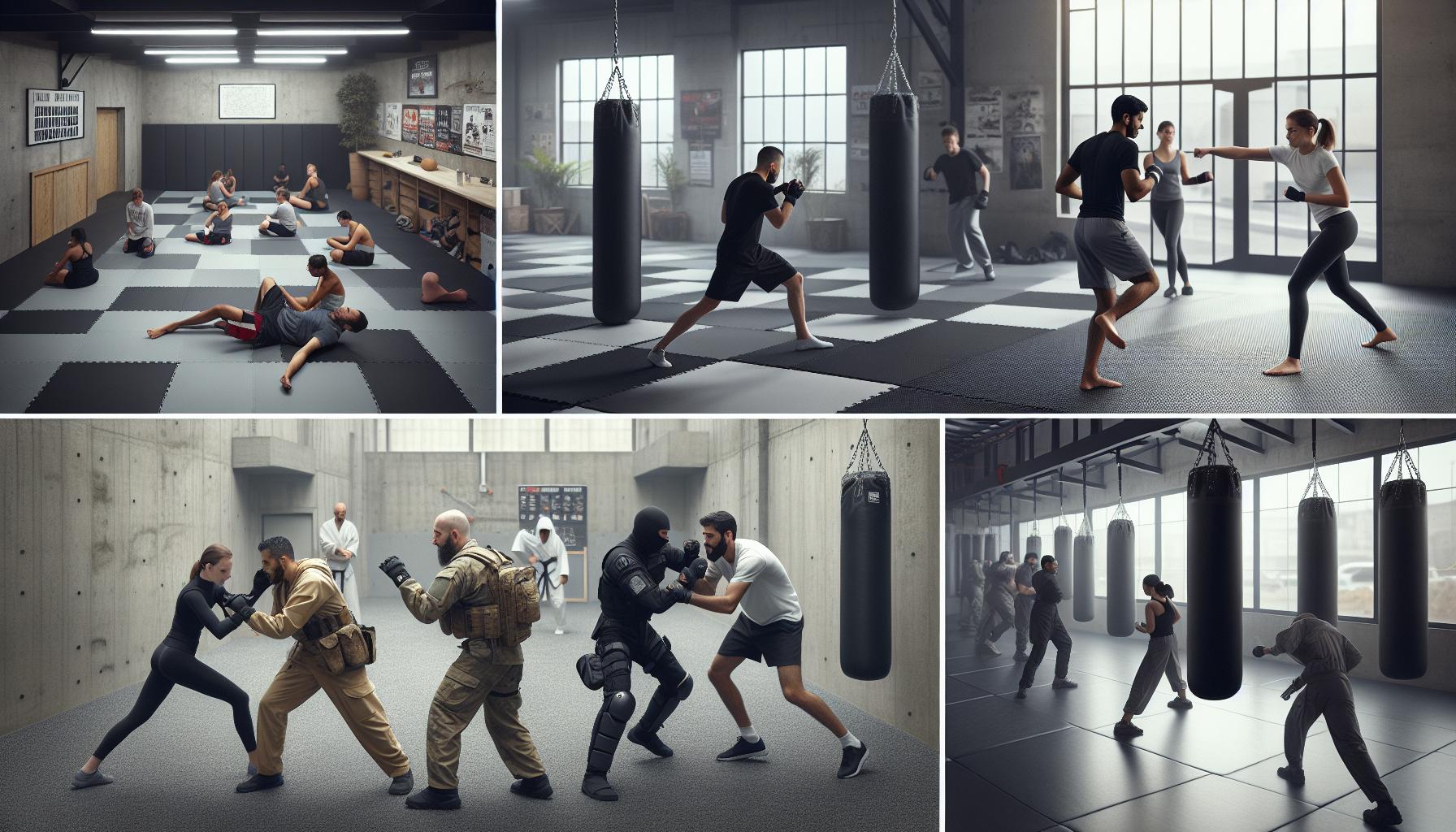
Types of Training Facilities for Krav Maga
Krav Maga training facilities vary significantly in structure and environment, each designed to promote effective learning and practice of self-defense skills. They encompass everything from specialized gyms to community centers, reflecting the adaptability and accessibility of this martial art. Unlike traditional dojos, which may adhere strictly to historical customs and rituals, Krav Maga spaces prioritize practicality and functionality, often featuring a design that supports intensive physical training simulations.
One common type of training facility for Krav Maga is a dedicated Krav Maga gym. These specialized spaces often include padded areas for sparring, heavy bags, and a variety of training tools like pads and sticks to replicate potential attack scenarios. For example, at facilities such as The Krav Gym in Bolingbrook, students can engage in realistic self-defense training while benefitting from a supportive community atmosphere that welcomes practitioners of all skill levels. Such gyms typically provide a range of classes catering to beginners and advanced students alike, emphasizing both physical conditioning and mental preparedness.
Another option is the presence of Krav Maga programs within larger fitness centers or community centers. These may not be exclusively dedicated to Krav Maga but often facilitate classes in other disciplines as well. While these environments can offer broader fitness options, it’s crucial to evaluate whether they maintain a dedicated curriculum and experienced instructors specifically trained in Krav Maga principles. Availability of quality instruction is imperative; therefore, facilities that host certified Krav Maga instructors can foster a conducive learning environment that respects the art’s specific techniques and philosophies.
When considering a Krav Maga facility, it’s essential to look for spaces that emphasize safety and ethical training principles. A reputable gym should have clear safety protocols in place-such as protective gear requirements and injury prevention strategies-to ensure a secure training atmosphere. Furthermore, prioritize facilities that value legal and moral ramifications surrounding self-defense situations, integrating discussions of proportional response and de-escalation tactics in training. Ultimately, choosing the right facility hinges on its alignment with your personal goals, ensuring an empowering experience that fosters realistic skills without glorifying violence.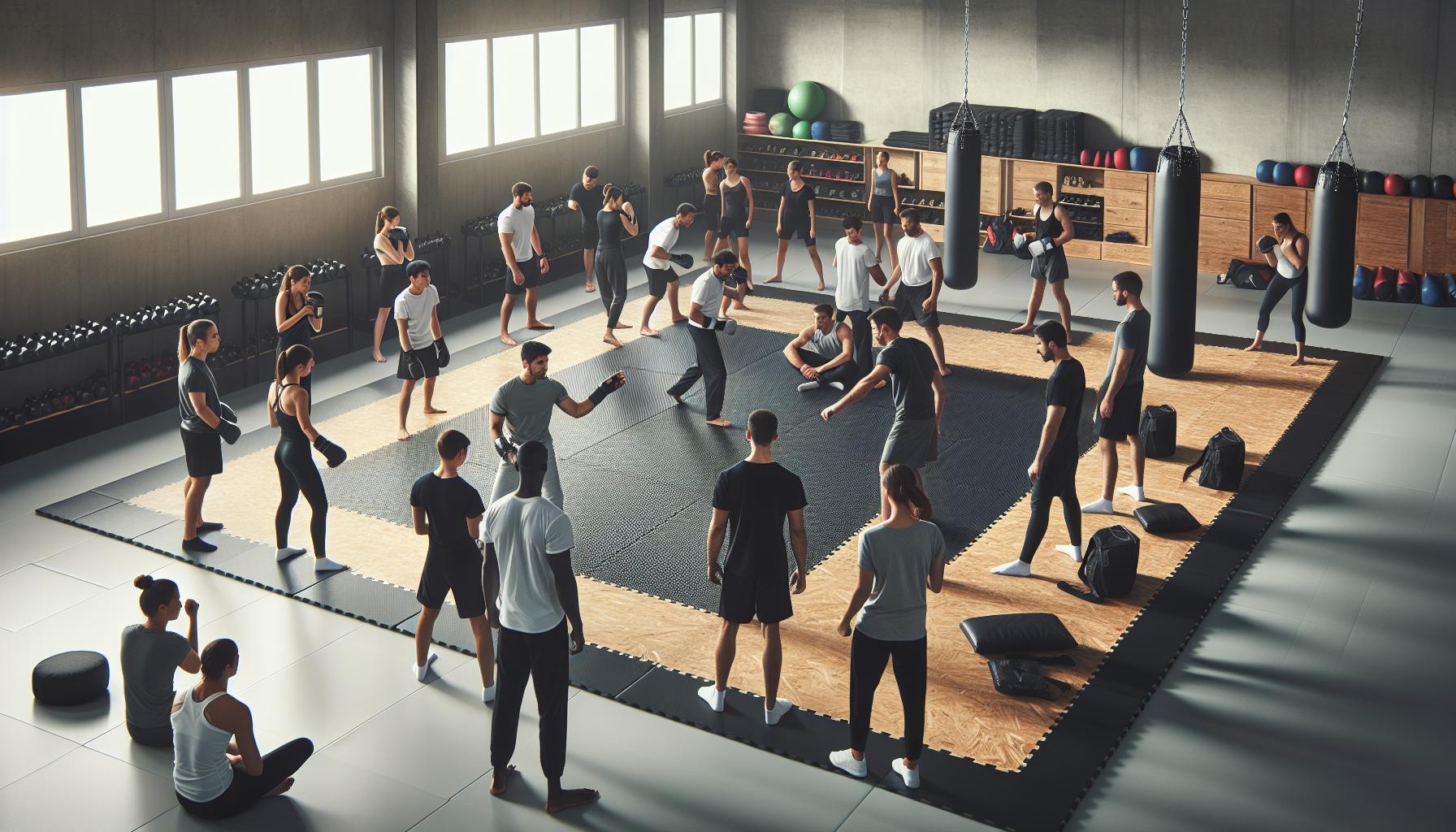
What to Look for in a Krav Maga Gym
When choosing a Krav Maga gym, you want a facility that balances rigorous training with a focus on safety and ethical conduct. Understanding what to look for is essential to ensure you are equipped with not only physical skills but also the knowledge of responsible self-defense. Start by evaluating the amenities offered. A dedicated Krav Maga gym should have spacious training floors, padded surfaces for sparring, and access to essential equipment, such as heavy bags, shields, and training weapons. This environment supports realistic practice scenarios that are crucial for effective learning.
In addition to facilities, the qualifications and experience of the instructors play a critical role. You should seek out schools with certified instructors who have substantial experience not only in teaching but also in practical self-defense situations. Instructors should demonstrate a commitment to safety protocols, including the proper use of protective gear and guidelines to prevent injuries during training. Their ability to guide discussions around legal implications and the moral aspects of self-defense is equally important, as it fosters a mindset that prioritizes de-escalation over violence.
Another vital factor is the structure and atmosphere of the classes. Look for programs that are inclusive, welcoming people from all skill levels, while offering focused curricula that cater to both beginners and advanced practitioners. You might find it beneficial to observe a class before enrolling; this allows you to see how instructors handle situations, address safety, and encourage respectful engagement among students. A supportive community can greatly enhance your learning experience, making it easier to ask questions and seek help when needed.
Lastly, consider the school’s philosophy towards self-defense. A reputable Krav Maga gym emphasizes realistic training scenarios without glorifying violence. Their approach should center around empowering students with effective self-defense techniques while teaching the legal and moral responsibilities involved if such techniques are ever used in real-life situations. This holistic training ensures that you leave the gym not just as a capable fighter but as a responsible individual who understands the weight of self-defense actions.
Krav Maga Classes: Structure and Curriculum
Krav Maga classes are designed with a structured curriculum that ensures students acquire essential self-defense skills effectively and safely. The training usually progresses in layers, starting with foundational techniques and advancing to more complex maneuvers as students develop their skills and confidence. This systematic approach not only caters to a wide range of skill levels, from beginners to advanced practitioners but also prioritizes safety and ethical considerations in self-defense.
Each class typically includes several core components:
- Warm-Up: Preparing the body is crucial. Students engage in conditioning exercises to build strength, flexibility, and agility.
- Technique Instruction: Essential techniques are demonstrated, followed by guided practice. Instructors emphasize proper form and safety protocols to minimize injury risks.
- Application Drills: Students practice techniques in dynamic scenarios, learning to apply skills against resisting partners. This phase helps reinforce learning and builds situational awareness.
- Situational Training: Classes often simulate real-life scenarios, such as dealing with an armed attacker or multiple assailants. This helps students understand the legal and ethical implications of their actions in stressful situations.
- Cool Down: Ending with a cool-down period allows students to recuperate and discuss their experiences during the class, reinforcing learning and community.
Instructors play a pivotal role in guiding students through this curriculum. They should not only be certified in Krav Maga but also have extensive experience in practical self-defense and a strong commitment to ethical instruction. An effective instructor fosters an environment of respect and focus on de-escalation techniques, helping students to understand the weight of using physical force.
Another aspect of the curriculum is its adaptability. While a basic structure exists, reputable Krav Maga schools often tailor lessons based on the specific needs and skill levels of their students. This ensures that every participant is engaged and challenged, regardless of their starting point. Furthermore, classes that promote a culture of support encourage questions and peer feedback, critical for personal growth in self-defense skills.
Ultimately, Krav Maga’s structured yet flexible class format is designed to cultivate not only proficient practitioners but also thoughtful individuals who comprehend the moral and legal responsibilities inherent in self-defense situations. This holistic training approach ensures that students leave class not only equipped with physical skills but also with a strong ethical foundation to guide their actions in real-life encounters.
Benefits of Training in a Dedicated Facility
Training in a dedicated facility designed specifically for Krav Maga offers numerous advantages that enhance the learning experience and support effective self-defense education. One major benefit of these specialized environments is the access to equipment and space tailored for practical combat training, which can’t easily be duplicated in a general gym or community center. Here, students can engage in realistic drills with appropriate mats, striking pads, and defensive obstacles, all designed to simulate actual confrontation scenarios.
The emphasis on safety is paramount in these dedicated spaces. Facilities often implement strict safety protocols, ensuring that both instructors and trainees are committed to minimizing risks. Equipped with first-aid supplies and potential emergency plans, these venues foster a secure environment where students can push their limits while feeling protected. This atmosphere not only builds confidence but also reinforces the importance of respecting one’s own physical boundaries and those of others during practice.
Moreover, a dedicated Krav Maga facility cultivates a community of like-minded individuals who share the goal of mastering self-defense skills. This camaraderie fosters an environment of support and motivation, enhancing the training experience. As students encourage one another, they create connections that bolster accountability and commitment to personal growth. Instructors in these facilities are typically more specialized, often bringing significant experience and certifications specific to Krav Maga, which elevates the quality of instruction and personal development.
Choosing to train in a facility dedicated to Krav Maga can also streamline the learning process. These venues prioritize their curriculum around practical self-defense, ensuring each class is purposeful and focused. As students progress, instructors can offer tailored feedback based on the specific techniques taught, helping individuals internalize the critical concepts of effective conflict resolution, de-escalation strategies, and appropriate force application, thus preparing them not just physically but also mentally for real-world situations.
Local vs. National Krav Maga Organizations
Local Krav Maga organizations often provide a more personalized training experience, allowing students to connect deeply with their instructors and fellow practitioners. These organizations typically focus on community engagement, offering classes that cater to various skill levels and emphasizing accessible training relevant to the surrounding area. One notable advantage is the opportunity for students to train consistently with instructors who understand the specific concerns of their community, such as local crime rates or common self-defense scenarios that may arise in everyday life.
In contrast, national Krav Maga organizations tend to emphasize standardized training protocols and curricula across their locations. This can provide a sense of consistency in instruction, ensuring that students receive the same foundational techniques whether they are training in New York or Los Angeles. National organizations often have a broader reach, hosting seminars, competitions, and instructor certifications that allow members to grow within a larger network and access high-level training resources.
When considering where to train, it’s crucial to assess both local and national organizations based on personal needs. Factors such as the instructor’s qualifications, the structure of the classes, and the overall community atmosphere are essential when making a choice. Moreover, local organizations might offer tailored programs, workshops, or family-friendly events that foster a sense of belonging. On the other hand, national organizations might provide more extensive training options, advanced seminars, and a wider network of schools for students who may relocate or wish to train during travel.
Ultimately, whether you choose a local or national Krav Maga organization, prioritize a facility that adheres to safety standards, promotes ethical training practices, and aligns with your personal goals in self-defense. Building skills in Krav Maga is about more than combat techniques; it’s about connecting with a community of learners who share a commitment to personal safety and empowerment through responsible self-defense.
Safety Protocols in Krav Maga Training Spaces
Safety is paramount in any Krav Maga training environment, where the physical demands of self-defense training intersect with the need for responsible practice. Ensuring a secure training space is essential not only for the physical well-being of practitioners but also for fostering an atmosphere of respect and empowerment. Here are key considerations regarding safety protocols commonly observed in Krav Maga facilities.
First, proper equipment and attire are crucial. Training should occur in well-maintained spaces with appropriate safety gear, such as mats, gloves, and protective headgear, to minimize the risk of injury during practice. Instructors should reinforce guidelines about wearing suitable clothing that allows for movement but also provides adequate protection. Regular checks of all equipment ensure that it meets safety standards and is free from wear and tear.
Next, clear safety guidelines and emergency procedures should be established and communicated. This includes protocols for handling injuries, emergency exits, and first aid measures. Instructors must be trained not only in self-defense techniques but also in first aid and CPR to respond promptly to any situation that arises. During class, instructors should regularly outline these procedures, ensuring that all participants are aware of how to stay safe.
Furthermore, an effective way to foster a secure environment is by emphasizing controlled sparring and practice scenarios. Instructors should create a culture of safety by encouraging students to communicate openly about their comfort levels and any concerns during training. This includes setting clear limits on the intensity of sparring sessions and ensuring that all students understand the importance of using controlled force. For example, in a situation where a student feels overwhelmed, instructors should encourage them to signal for a pause or retreat.
Lastly, legal and ethical considerations play a foundational role in a Krav Maga training facility. Students must understand the ramifications of self-defense techniques-knowledge of local laws regarding self-defense can help ensure that they can protect themselves while remaining within legal boundaries. Instructors should educate practitioners about what constitutes reasonable force in a self-defense situation and the importance of de-escalation tactics, highlighting that the goal should be to avoid physical confrontation whenever possible.
By adhering to these safety protocols, Krav Maga training facilities can create an environment that not only teaches effective self-defense techniques but also prioritizes the health and safety of all participants. Whether practicing a technique or engaging in a sparring session, a safe training space is foundational for empowerment and effective learning.
How to Choose the Right Krav Maga School
Choosing the right Krav Maga school is a pivotal step in your self-defense journey. With various factors to consider, making an informed decision can set you on the path towards not just enhancing your physical abilities, but also building confidence in real-world situations. Here’s what to focus on:
Start by examining the credentials of the instructors. A qualified Krav Maga instructor should have recognized certifications, ideally from a reputable organization or training program. Instructors should not only be skilled in Krav Maga techniques but also in teaching methods that emphasize safety, effective communication, and ethical responsibility. Look for instructors who stress the importance of de-escalation; they should be teaching how to avoid confrontations rather than merely how to fight.
Next, consider the training environment. A dedicated Krav Maga facility should be designed to provide a safe and welcoming space for practitioners. Ensure that the gym is equipped with proper safety gear like mats, gloves, and protective equipment. The space should be well-maintained and free of hazards, allowing you to train effectively while minimizing risk of injury. Pay attention to the atmosphere during classes; a supportive environment can significantly enhance your learning experience.
Another essential factor is the curriculum structure. A well-rounded program will cover various aspects of self-defense, from striking and grappling techniques to situational awareness and escape tactics. Classes should be progressive, beginning with basic skills and gradually introducing more advanced techniques as students gain competence. Ask about the class size as well; smaller groups often lead to more personalized instruction and greater individual attention.
Finally, reflect on your personal goals. Whether you are seeking physical fitness, self-defense skills, or a community of like-minded individuals, your school should align with your objectives. Take the time to visit prospective schools, observe classes, and perhaps participate in a trial session to ensure it resonates with your aspirations and comfort level. Make sure the philosophy of the school emphasizes the legal implications and ethical use of force, reinforcing the need to respond appropriately and responsibly in any self-defense scenario.
Investing time in selecting the right Krav Maga school can lead you to a path of empowerment, equipping you with the skills and knowledge necessary to defend yourself while fostering a deeper understanding of personal safety and legal considerations.
Krav Maga Training Equipment: What You Need
In Krav Maga training, having the right equipment is crucial not only for maximizing your performance but also for ensuring safety during practice. Unlike traditional martial arts that may focus on scores or style points, Krav Maga emphasizes real-world self-defense capabilities, making appropriate gear indispensable. Here’s what you need to facilitate effective and safe training.
Essential Equipment for Krav Maga:
- Gloves: Invest in quality training gloves that provide sufficient padding to protect your hands during student drills and sparring. These gloves should allow for adequate grip while not hindering your movement.
- Shin Guards: These are essential for protecting your shins during kicks or when receiving strikes. Properly fitted shin guards can absorb impact and reduce the risk of injury.
- Mouth Guard: A crucial piece of safety gear, a mouth guard protects your teeth and reduces the risk of concussions during contact training.
- Headgear: Depending on the intensity of training, headgear can offer additional protection during sparring sessions, especially when practicing techniques that involve more contact.
- Training Weapons: If you plan to practice disarming techniques, training knives and guns (usually made of rubber or foam) are crucial for safely simulating real-life scenarios.
- Protective Clothing: Comfortable athletic wear that allows for flexibility can enhance your training experience. Some practitioners opt for specially designed Krav Maga uniforms, while others simply prefer gym attire.
Legal and Safety Considerations
Selecting equipment should also involve understanding its intended use within the context of self-defense. For instance, physical engagement must always be proportional to the threat level. Overemphasis on sparring or aggressive training using hard gear can lead to a false sense of security regarding real encounters. Be aware of legal implications depending on your locality, particularly with more aggressive training weapons.
Training Environment and Safety Protocols
When training, be sure you’re utilizing this equipment in a controlled and safe environment. Make sure your training facility upholds strict safety protocols, including emergency procedures and injury management strategies. Always be aware of your surroundings during practice, as this echoes the situational awareness that Krav Maga emphasizes in real-life situations.
Ultimately, the right equipment not only enhances your performance but also contributes significantly to a safe training environment-one where you can focus on learning effective self-defense techniques rather than worrying about injury.
The Role of Instructors in Krav Maga Dojos
In Krav Maga training facilities, instructors play a pivotal role beyond just teaching techniques; they are essential in shaping the mindset, safety practices, and overall effectiveness of their students. A qualified instructor not only imparts self-defense skills but also guides practitioners through the complexities of using these skills responsibly and effectively in real-life situations. Their expertise helps bridge the gap between theoretical knowledge and practical application.
Effective Krav Maga instructors emphasize the importance of situational awareness and de-escalation techniques. They train students to recognize potentially dangerous situations and to respond appropriately, prioritizing avoidance and de-escalation whenever possible. Instructors lead by example, modeling ethical behavior and reinforcing that self-defense is a last resort. This guidance is vital, as it instills a critical understanding of the legal ramifications associated with self-defense, helping practitioners comprehend the importance of using proportional force.
In addition to teaching physical techniques, instructors are responsible for creating a supportive and respectful training environment. They must be adept at recognizing the varying skill levels and comfort zones of their students, allowing for personalized coaching that can bolster confidence without encouraging recklessness. By fostering a community atmosphere, instructors help students feel secure and empowered, enabling them to learn at their own pace.
Furthermore, a robust instructor-led program includes ongoing feedback and safety protocols. This ensures each training session adheres to safety standards, reducing the risk of injury. Instructors often incorporate scenario-based training, simulating real-life confrontations to prepare students for the emotional and psychological stress of actual self-defense situations. This practical approach solidifies the relevance of training and helps students develop a resilient, confident mindset.
Ultimately, the role of instructors in Krav Maga training facilities extends far beyond technical instruction; they are mentors, motivators, and guardians of safety. Their impact on students can make a significant difference in how practitioners approach self-defense, equipping them not only with skills but also with the wisdom to use those skills judently.
The Future of Krav Maga Training Facilities
As Krav Maga training facilities evolve, a notable trend is the integration of technology and diverse methodologies to enhance learning and safety. With many practitioners seeking to balance the physical demands of self-defense with the realities of daily life, the future of these spaces seems set to incorporate virtual training options alongside traditional in-person classes. Online platforms may offer supplemental courses that allow students to train at their own pace while still engaging with experienced instructors through live-streamed sessions and instructional videos.
Innovative Training Environments
The design of Krav Maga facilities is also likely to change, focusing on creating adaptable spaces that can simulate real-world environments. This approach may include areas designed for various self-defense scenarios, such as confined spaces or open environments. The goal is to expose students to different conditions under which they might need to apply their skills, thereby improving their adaptability and situational awareness.
Enhanced Safety Protocols
Incorporating advanced safety measures will be a priority for future Krav Maga training facilities. This includes the use of padded flooring, safety gear, and technology for monitoring training intensity to reduce injuries. Additionally, instructors will increasingly emphasize the importance of ethical training methods that prioritize de-escalation and the legal implications of self-defense actions, ensuring that students are not only skilled but also responsible in their practice.
Community and Collaboration
Another significant aspect of the future landscape involves fostering a strong community feel amongst practitioners. Facilities may offer workshops, guest instructors, and seminars that encourage collaboration across different martial arts disciplines. This holistic approach not only enhances student learning but also allows for a wider exchange of techniques and philosophies that enrich the overall Krav Maga experience.
Krav Maga training facilities of the future will undoubtedly focus on a comprehensive strategy that combines technology, innovative environments, and a community-centric approach. As the discipline continues to adapt, practitioners will find themselves better equipped to handle real-world challenges-emphasizing safety and ethical considerations as fundamental components of their training.
FAQ
Q: What is the difference between a Krav Maga gym and a traditional dojo?
A: A Krav Maga gym focuses on practical self-defense and combat training, often with an emphasis on real-life scenarios. In contrast, a traditional dojo may prioritize ritual and kata, reflecting the heritage of classical martial arts. Krav Maga gyms tend to have a more informal atmosphere and emphasize effective techniques over tradition.
Q: Are Krav Maga schools usually affiliated with a larger organization?
A: Yes, many Krav Maga schools are affiliated with national or international organizations that provide standardized training and instructor certification. This affiliation ensures that the techniques taught are consistent and reliable, enhancing the credibility of the school and assisting in assessing its quality.
Q: Can I train in Krav Maga if there are no dedicated facilities nearby?
A: If dedicated Krav Maga facilities aren’t available, you can seek classes offered by martial arts studios or community centers. Many instructors also provide online training options, allowing you to learn techniques and practice from home while still engaging with a community.
Q: What should I consider when choosing a Krav Maga training facility?
A: When choosing a Krav Maga training facility, consider the instructor’s qualifications, class size, the curriculum offered, safety measures, and the overall environment. A good facility should promote a positive learning experience while ensuring effective self-defense training.
Q: How often do classes typically meet at a Krav Maga facility?
A: Classes at a Krav Maga facility generally meet multiple times a week, allowing for consistent practice and progression. The frequency can vary by location, but most places offer flexibility for beginners to train at their own pace, accommodating various schedules.
Q: Do Krav Maga gyms have age restrictions for participants?
A: Most Krav Maga gyms offer programs for various age groups, from children to adults. However, age restrictions may apply for certain classes to ensure safety and appropriate training levels, so it’s best to check with the facility directly.
Q: How do I know if a Krav Maga school is reputable?
A: To determine if a Krav Maga school is reputable, research the instructors’ qualifications, read reviews, and visit the facility for a trial class. Reputable schools will have transparent information about their affiliations and training methods, ensuring a structured approach to self-defense.
Q: What type of training equipment will I need for Krav Maga classes?
A: For Krav Maga classes, you will typically need comfortable athletic wear and a water bottle. Many gyms recommend or provide gear like gloves, mouthguards, and protective equipment, especially for sparring sessions. It’s advisable to inquire with your chosen facility about specific requirements.
In Retrospect
In summary, Krav Maga does feature dedicated training facilities, often referred to as dojos or gyms, where practitioners can hone their skills in a structured environment. Understanding the terminology surrounding these facilities can enhance your training experience and foster community engagement. If you’re considering joining a class or seeking further resources, now is the perfect time to take action. Explore our guides on “Essential Self-Defense Techniques” and “Choosing the Right Martial Arts School” to deepen your understanding and boost your confidence on the mat.
For those wanting to stay updated on techniques and safety protocols, consider signing up for our newsletter-your go-to resource for the latest in self-defense training and community events. Remember, mastering self-defense is a journey, so don’t hesitate to leave a comment with your questions or share your experiences. Your feedback contributes to a supportive learning environment for everyone. Stay safe, stay empowered, and continue your exploration of self-defense today!