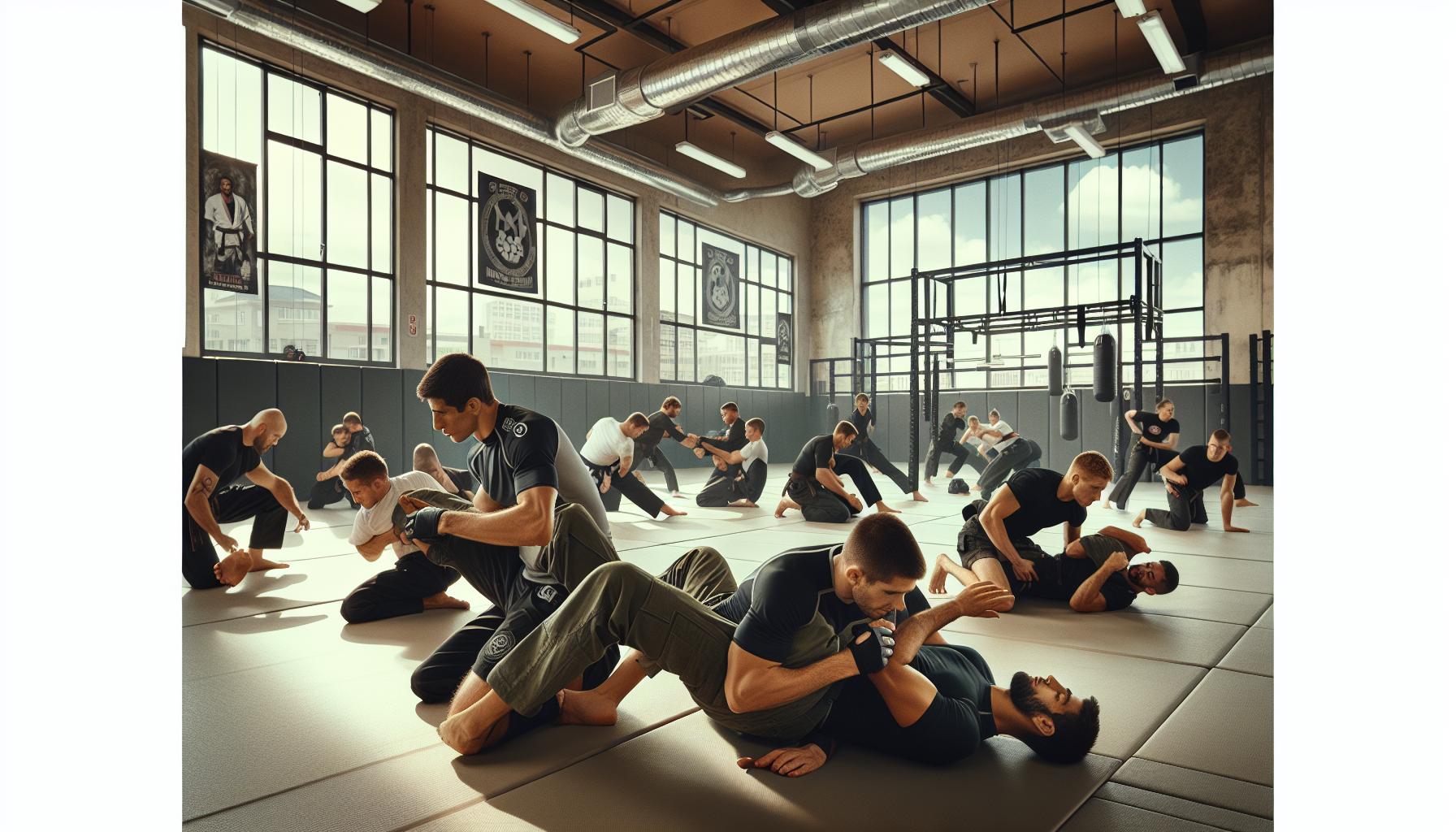

Krav Maga, renowned for its practical approach to self-defense, often raises a key question: does it incorporate grappling techniques? Understanding this aspect is crucial for those looking to enhance their self-defense skills. Grappling can be a decisive factor in real-life confrontations, offering vital tools for controlling or escaping an attacker. Readers might be seeking a comprehensive fighting system that not only addresses strikes but also grappling, highlighting the importance of versatility in personal protection strategies. By delving into the relationship between Krav Maga and grappling, this article will provide valuable insights into how these techniques can empower individuals to navigate potentially dangerous situations effectively. Explore how integrating grappling into your training can elevate your self-defense capabilities and ensure you are prepared for any encounter.
Does Krav Maga Include Grappling Techniques?
Krav Maga is an integrated self-defense system that emphasizes real-life scenarios, and it certainly includes grappling techniques. This approach is vital because most fights lead to close quarters, where effective grappling skills can mean the difference between safety and harm. Krav Maga incorporates specific grappling techniques to address various situations, such as when a person is tackled to the ground or when an assailant attempts to restrain them. By utilizing techniques like joint locks, chokes, and escapes from holds, practitioners learn how to defend themselves in potentially vulnerable positions.
Incorporating grappling into Krav Maga training not only enhances physical defense capabilities but also promotes psychological resilience and the ability to remain calm under pressure. Unlike traditional martial arts that may focus solely on striking or stand-up fighting, Krav Maga recognizes the unpredictability of violence and prepares students to engage in grappling as a key component of self-defense. This comprehensive approach provides individuals with the tools necessary to react instinctively to threats, regardless of their position-on their feet or on the ground.
Moreover, the effectiveness of grappling techniques hinges on their integration with striking moves, teaching practitioners to transition smoothly between standing and ground combat. This seamless blend of striking and grappling prepares students for a wide array of self-defense scenarios, emphasizing that it’s not just about learning a single technique but understanding how to utilize many skills at once to achieve safety and control in a confrontation.
The Role of Grappling in Self-Defense
In self-defense situations, grappling serves as a crucial component of an effective strategy. The reality is that many confrontations may escalate to close quarters, where striking becomes less effective and grappling techniques come into play. Understanding how to secure a dominant position, escape a bad one, or apply submissions can significantly enhance personal safety. Unlike traditional martial arts that might remain strictly focused on striking or stand-up combat, Krav Maga’s integration of grappling techniques reflects a pragmatic approach centered on real-world applicability.
Grappling in Krav Maga emphasizes defensive maneuvers that can turn the tide of an encounter. For instance, if an assailant tries to take you to the ground, knowing how to execute a proper fall or counter that attempt can prevent you from being at a disadvantage. Also, even basic joint locks or throws can create openings to escape or safely disengage from a threat. Such techniques not only empower individuals physically but also instill confidence and mental resilience, essential traits in high-stress scenarios.
Furthermore, grappling is essential for understanding the importance of positional control and leverage. Learning to utilize your body weight effectively can help you to neutralize a larger or stronger opponent’s attack. This pragmatic focus on grappling techniques within Krav Maga is about more than just self-defense; it’s about preparing for varied dynamic situations. Whether it’s defending against an armed threat or coping with multiple attackers, being adept in both striking and grappling equips practitioners with a broader skill set to handle confrontational challenges responsibly and effectively.
In addition, it’s vital to consider the ethical responsibility that comes with physical confrontation. Knowledge of grappling techniques should always be paired with an understanding of legality, including how much force is appropriate in different scenarios. Ethical self-defense prioritizes de-escalation and proportional response, ensuring that practitioners remain within legal boundaries while attempting to protect themselves. The combination of grappling and striking techniques in Krav Maga not only enhances physical effectiveness but also reinforces the mental resolve needed to act appropriately during critical moments of potential violence.
Krav Maga vs. Other Grappling Arts
In the realm of self-defense, grappling techniques play a pivotal role, and understanding how Krav Maga compares to other grappling arts provides insight into its unique approach. While several martial arts emphasize grappling, Krav Maga stands apart due to its pragmatic, real-world focus. Unlike Brazilian Jiu-Jitsu (BJJ), which is primarily concerned with ground fighting and submissions, Krav Maga incorporates grappling as part of a broader self-defense curriculum that includes striking, situational awareness, and de-escalation tactics.
Krav Maga grappling techniques prioritize the reality of a street confrontation, where you may not be able to choose the circumstances of the fight. For instance, practitioners might learn how to escape a hold using movements that disrupt the opponent’s balance, which is more about survival than competition. In contrast, traditional grappling arts often function within a controlled environment, such as a dojo or a competition setting, where rules dictate engagement and allows for a focus on the technical application of skills. This fundamental difference signifies that while BJJ relies heavily on ground control and submissions, Krav Maga emphasizes quick, decisive actions to neutralize threats, preferring to keep fights standing when possible.
Furthermore, Krav Maga also addresses issues of legal and ethical use of force more acutely than many grappling arts. For example, when training in Krav Maga, individuals are coached on understanding when to escalate or de-escalate a confrontation based on the situation and legal implications. This aspect is crucial as it encourages students to think critically about their actions and the appropriate level of response, something less prevalent in many traditional grappling systems where the focus is often on winning the match rather than assessing the broader context of a real-world threat.
In sum, while grappling is a fundamental component of Krav Maga, it exists within a framework that prioritizes self-defense effectiveness in unpredictable environments. By integrating grappling with striking techniques and situational awareness, Krav Maga prepares practitioners to handle a variety of confrontational scenarios, making it a comprehensive fighting system focused on survival rather than sport. The melding of fighting styles ensures that individuals are not only trained to grapple but also equipped to make informed decisions under pressure, balancing technique with the ethical considerations necessary in physical confrontations.
Key Grappling Techniques in Krav Maga
In Krav Maga, the integration of grappling techniques is essential for effectively addressing real-world self-defense situations. Unlike many traditional martial arts that may focus solely on submissions or positional dominance, Krav Maga emphasizes adaptability and the use of grappling as a means to neutralize threats swiftly and efficiently. When facing an aggressive attacker, practitioners are trained to deploy a variety of grappling techniques aimed at escaping holds, controlling the opponent, or creating opportunities for striking and disengagement.
One fundamental grappling technique taught in Krav Maga is the escape from bear hugs and holds. Scenarios often involve being grabbed from behind or having an arm pinned. In these situations, practitioners learn to use body movement to break the grip, employing both leverage and positioning to create space. The effectiveness of this technique lies in its practicality; the goal is to get free and counterattack if necessary rather than to engage the opponent in prolonged grappling.
Another vital aspect of Krav Maga grappling focuses on throws and takedowns, which can be employed to take an opponent off balance or to the ground, ensuring that the practitioner can retreat or escape safely. For instance, utilizing a hip throw can efficiently disrupt the attacker’s center of gravity, allowing the defender to escape. This contrasts with traditional grappling styles, which may emphasize control and submission rather than immediate escape or incapacitation.
Moreover, standing grappling techniques in Krav Maga, such as clinch work, allow for rapid engagement and disengagement with minimal risk of ground entanglement. Practitioners learn to manage close-range confrontations effectively by combining strikes with grappling-an approach that acknowledges the unpredictability of street fights. For instance, using knees or elbows while in a clinch can create openings for effective strikes, simultaneously defending against the opponent’s attacks.
Training in grappling techniques also includes addressing defensive maneuvers against common attacks, such as chokes and holds. Learning how to properly defend against an enemy successfully applying a choke can be life-saving. Krav Maga places significant importance on understanding the threat level and applying counter-techniques that not only aim to escape but also set the practitioner up to regain control of the confrontation.
In summary, Krav Maga’s approach to grappling is pragmatic and focused on self-defense efficacy rather than competition. Each technique is designed to empower practitioners with the skills necessary to handle aggressive confrontations safely, while also embedding a strong understanding of the legal implications surrounding forceful encounters.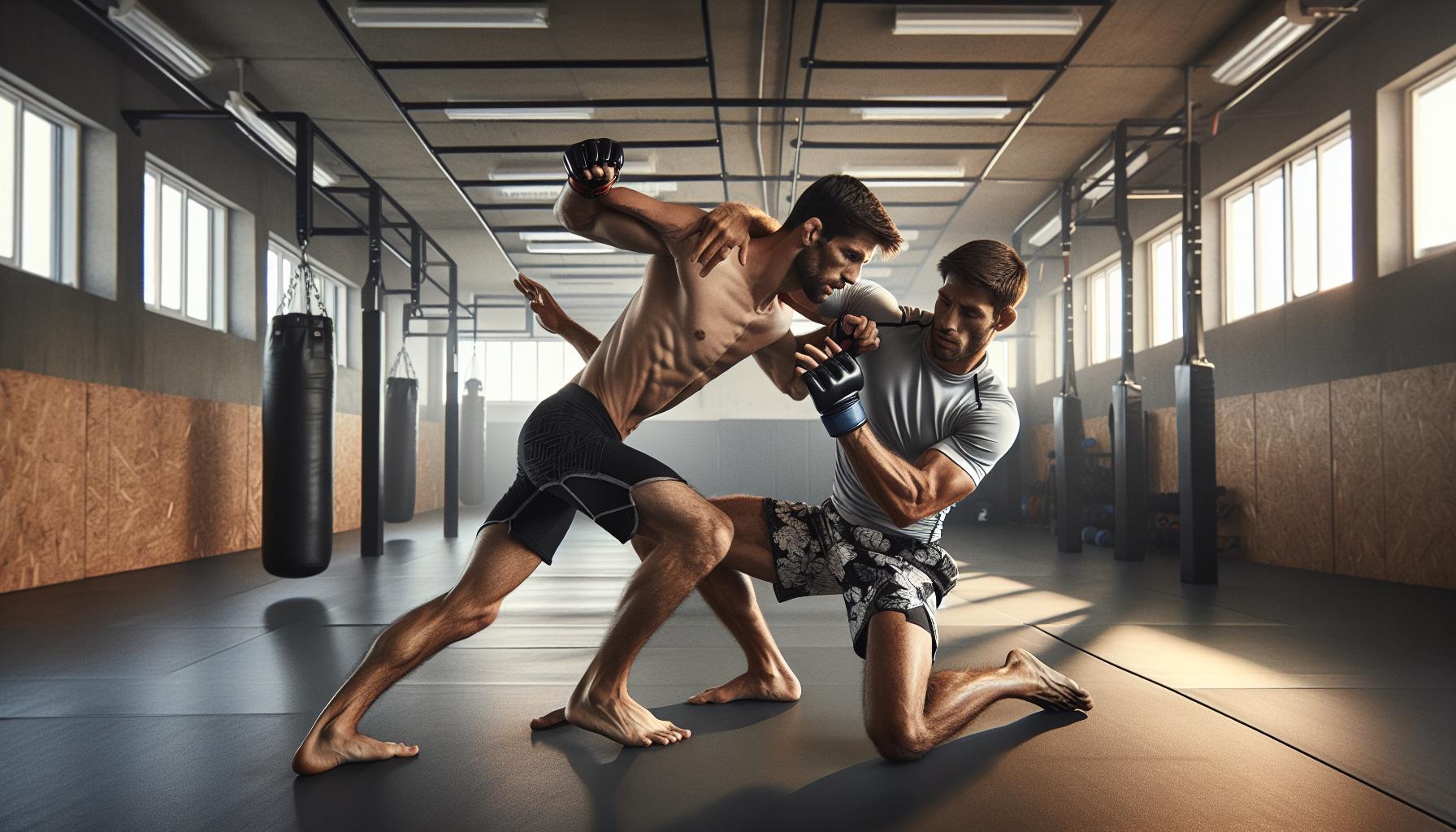
Understanding the Integration of Striking and Grappling
In any self-defense scenario, the ability to seamlessly blend striking with grappling techniques can make a significant difference in the outcome of a confrontation. Krav Maga places a strong emphasis on this integration, recognizing that real-world encounters often involve unpredictable dynamics where a practitioner may need to transition from striking to grappling and vice versa within seconds. This adaptability is vital, especially when an attacker closes the distance or attempts to initiate a hold.
Krav Maga practitioners are trained to effectively utilize striking not just to initiate an attack but also to create openings for grappling maneuvers. For instance, a well-placed strike to the face or a knee to the abdomen can temporarily incapacitate an attacker, allowing the defender to transition quickly into a grappling technique, such as an escape or takedown. This strategic approach maximizes efficiency by exploiting openings created through striking. It furthers the goal of disabling an attacker while ensuring that the defender maintains a position of advantage.
The fluidity of movement between striking and grappling techniques allows practitioners to respond dynamically to an opponent’s actions. In scenarios where the attacker becomes aggressive and closes in, grappling techniques such as clinching or throws can be employed to control the situation. The practitioner utilizes strikes to create space or deter the aggressor before shifting into grappling to neutralize the threat. This combination not only enhances self-defense effectiveness but also underscores the importance of timing and precision in executing techniques.
Practicing this integration is essential during training sessions, which should include drills that simulate real-world encounter scenarios. These drills allow practitioners to develop muscle memory for transitioning between striking and grappling seamlessly. By cultivating these skills, individuals can enhance their ability to defend themselves confidently while understanding the legal boundaries of their actions in self-defense situations. The ultimate goal is to empower individuals to respond proportionally and effectively in the face of aggression, maintaining a clear focus on safety and legal considerations.
The Importance of Ground Fighting Skills
In a self-defense situation, understanding how to navigate ground fighting can be pivotal. Many confrontations may end up on the ground, whether due to a trip, being pushed, or grappling in close quarters. In these moments, having a solid grasp of ground fighting techniques can mean the difference between safety and vulnerability. This is where the grappling aspect of Krav Maga becomes extraordinarily relevant, as it prepares individuals for the unpredictable nature of real-life altercations.
Ground fighting skills allow practitioners to maintain control over an opponent while mitigating their own exposure to danger. Through techniques such as positional escapes, joint locks, and sweeps, individuals can not only defend themselves but also look for an opportunity to stand up and escape the situation if necessary. Krav Maga teaches that, while striking can create openings, feeling comfortable and skilled on the ground provides an essential safety net. It’s crucial to remember that in real-world encounters, the goal is often to disengage rather than engage in prolonged combat.
Training that includes ground fighting should focus on practical applications, emphasizing quick, decisive actions to regain a standing position or assert control over the aggressor. Practitioners are trained to understand their surroundings, using them to their advantage-be it finding cover or positioning themselves strategically to secure a faster escape route. This aspect of ground fighting dovetails well with Krav Maga’s overall philosophy of efficient self-defense, prioritizing survival and safety over competition or sport.
It is also important to acknowledge the legal and ethical responsibilities that come with self-defense actions on the ground. Practitioners should be aware of local laws regarding the use of force, ensuring that their responses remain lawful and proportional. By understanding these frameworks, individuals not only become more effective in their defensive strategies but also build a responsible mindset around the use of physical techniques in real-world situations. Proper ground fighting training in Krav Maga stems from this premise of education, enabling individuals to protect themselves without crossing moral or legal boundaries.
Training Methods for Grappling in Krav Maga
Training in Krav Maga effectively integrates grappling techniques, providing practitioners with the skills necessary to handle various self-defense scenarios, including those that may go to the ground. One compelling aspect of this training is its emphasis on realism and practical application. Unlike traditional martial arts that may place a heavy focus on forms or competition, Krav Maga grappling techniques are designed for effectiveness in real-world situations, acknowledging that confrontations can transition from standing to ground positions unexpectedly.
Instructors typically employ a variety of methods to teach grappling in Krav Maga. These methods often include:
- Drilling Techniques: Repetitive practice of foundational moves such as joint locks, takedowns, and positional escapes helps students build muscle memory, which is crucial in high-stress situations.
- Partner Sparring: Controlled sparring sessions allow practitioners to apply techniques in a dynamic setting. This helps them understand the timing and distance necessary for grappling, as well as how to react under pressure.
- Scenario-Based Training: Role-playing real-life scenarios encourages students to think critically and adapt their responses based on evolving circumstances. This might include defending against a surprise attack that leads to a grappling situation.
- Focus on Environment: Practitioners learn to utilize their surroundings effectively during grappling encounters, which can include adjusting their position relative to walls or obstacles to gain an advantage or to escape.
Additionally, instructors stress the importance of safety and legality during training. Practitioners are educated about the ethical implications of their actions, particularly regarding the proportional use of force and the legal ramifications of self-defense encounters. This framework not only enhances their technical skills but also empowers them to make responsible decisions in potentially life-threatening situations.
Ultimately, effective grappling training within Krav Maga prepares individuals for the unpredictability of street encounters while maintaining a focus on safety, legal awareness, and the moral responsibilities that accompany self-defense. This comprehensive approach equips practitioners not just with skills for surviving a fight but with the knowledge to navigate the complex realities of personal safety in a responsible manner.
Common Misconceptions About Krav Maga Grappling
Many people tend to think that Krav Maga is solely focused on striking techniques, overlooking the essential role that grappling plays in this self-defense system. A prevalent misconception is that grappling in Krav Maga is either minimal or not as effective as in traditional grappling arts like Brazilian Jiu-Jitsu (BJJ). However, this notion is fundamentally flawed. In reality, Krav Maga encompasses a comprehensive approach that includes various grappling techniques tailored for real-world self-defense scenarios.
One key aspect of Krav Maga grappling is its emphasis on practicality. Unlike sports-centric grappling styles that often focus on competition rules and scoring, Krav Maga grappling techniques are designed with the unpredictable nature of real-life confrontations in mind. Practitioners learn to engage in grappling not only to control an opponent but also to escape from dangerous situations. This includes skills such as joint locks, takedowns, and positional escapes, all of which are essential when facing an attacker, especially in confined or sudden environments.
Another misconception is that grappling in Krav Maga lacks depth. In truth, the integration of grappling with striking techniques creates a well-rounded fighting system. For instance, transitions from strikes to grappling maneuvers can be lifesaving when an opponent closes the distance or attempts to clinch. Training often involves drills that emphasize fluid movement between striking and grappling, allowing practitioners to react instinctively as the dynamics of a confrontation shift. This focus on adaptability is one of Krav Maga’s greatest strengths.
Lastly, some may argue that grappling skills are unnecessary for self-defense since most encounters occur in standing positions. However, statistics show that many fights end up on the ground. Being prepared for this reality is crucial for self-defense. Effective grappling techniques can provide a significant advantage in controlling an assailant and ensuring personal safety. Therefore, dismissing the grappling aspect of Krav Maga only undermines the holistic training necessary to navigate real-world threats effectively.
Legal Considerations in Grappling Scenarios
Understanding the legal implications of grappling techniques in self-defense scenarios is crucial for any practitioner of Krav Maga. Engaging in grappling during an altercation can often lead to complex legal considerations that extend beyond the immediacy of the fight. In many jurisdictions, the principle of proportional response is key-meaning that the level of force used in self-defense must be proportionate to the threat faced. Grappling techniques, while effective, must be applied judiciously to ensure that they don’t escalate a situation unnecessarily.
When practicing or applying grappling techniques, it’s vital to consider the legal standards for self-defense in your area. For instance, in some places, law enforcement and courts may view grappling as a form of physical domination, which could be seen as excessive force if the situation does not warrant it. Always aim to assess whether de-escalation or disengagement is possible before resorting to grappling. This aspect is not just about physical safety, but also about protecting yourself legally.
Key Points to Keep in Mind:
- Legal Framework: Familiarize yourself with local laws surrounding self-defense. Definitions of reasonable force, duty to retreat, and other nuances can significantly vary by state.
- Document the Situation: If a grappling maneuver is employed, it’s beneficial to have a clear understanding of the scenario’s context, including witnesses or video evidence, to support your position later.
- Report Appropriately: After a self-defense situation where grappling was involved, promptly reporting to law enforcement can help establish your credibility while providing your perspective on the events.
Every grappling scenario is unique, and understanding the potential repercussions of your actions is essential. Practicing Krav Maga effectively means being prepared both physically and mentally, ensuring that you can respond to threats while also managing the associated legal responsibilities. Ultimately, effective self-defense goes beyond technique; it requires a solid grounding in the legal and ethical dimensions of using force. The integration of this understanding will guide your training and practice, helping you navigate real-world confrontations responsibly.
Real-World Applications of Grappling Techniques
Grappling techniques in Krav Maga offer practical self-defense tools that can be invaluable in real-world scenarios. For instance, when facing an aggressor who may be larger or stronger, knowing how to effectively engage in grappling can provide a leverage point to control or neutralize the threat. Grappling is not merely about wrestling; it involves the strategic use of body mechanics, balance, and positioning to incapacitate an opponent or escape a dangerous situation.
In many confrontations, especially those that escalate quickly, grappling allows individuals to maintain control without resorting to striking, which can exacerbate the situation. For example, utilizing techniques such as joint locks or holds can subdue an attacker while minimizing the risk of severe injury to both the defender and the aggressor. This is particularly important in environments where legal repercussions are a concern. Using grappling as a means of restraint can demonstrate a commitment to de-escalation and proportional response, aligning with legal standards for self-defense.
Moreover, the application of grappling techniques extends beyond just physical altercations. In situations where an attacker is armed, grappling can serve as an effective response strategy. For instance, if someone is grabbed or attacked, a well-timed takedown or control maneuver can shift the momentum in the defender’s favor, potentially allowing for an escape or the ability to safely disengage. Such responses are grounded in the principle that the defender should focus on safety and control rather than aggression.
Ultimately, the integration of grappling skills within Krav Maga creates a versatile fighting philosophy that prepares practitioners not only for physical confrontations but also for the psychological challenges that come with them. Understanding when and how to employ grappling techniques in a self-defense scenario can mean the difference between escaping unscathed and facing significant personal risk. Engaging with qualified instructors who emphasize both the technical aspects and the ethical considerations of grappling is vital for developing responsible self-defense capabilities.
Benefits of Grappling in a Comprehensive Fighting System
Incorporating grappling into a comprehensive fighting system like Krav Maga not only enhances the practitioner’s self-defense capabilities but also builds confidence in their ability to handle various physical confrontations. It’s a unique element that allows individuals to address a multitude of scenarios, especially those involving larger or more aggressive opponents. Understanding the advantages of grappling techniques can significantly improve one’s overall effectiveness in real-world encounters.
One of the prominent benefits of grappling is its emphasis on control and restraint. Techniques such as joint locks, chokes, and positional control allow a defender to neutralize a threat without sending the situation spiraling into excessive violence. This is particularly crucial in environments where an attacker’s potential injuries could lead to serious legal consequences for the defender. By focusing on grappling techniques, practitioners can create escape routes while ensuring they are responding to the aggression in a legally justifiable manner.
Moreover, grappling integrates seamlessly with striking techniques commonly found in Krav Maga. A well-rounded practitioner can fluidly transition between striking and grappling, using strikes to create openings for grappling maneuvers or to capitalize on an opponent’s momentary lapse in balance. This versatility not only keeps one physically prepared but also mentally agile in handling the chaos of a confrontation. For instance, if an aggressor closes the gap too quickly, a defender well-versed in grappling can employ a takedown or clinch to regain control, demonstrating effective spatial awareness and adaptive strategy.
Training in grappling also builds critical skills such as balance, timing, and spatial awareness. Practitioners learn to gauge distance and understand body mechanics more intuitively, enhancing their overall self-defense skill set. In addition, this training fosters a sense of composure under stress, which is vital for effective self-defense. Engaging in grappling drills under controlled environments prepares individuals for the unpredictability of real-life confrontations, ensuring they remain calm and focused when it matters.
Ultimately, the integration of grappling techniques within Krav Maga empowers practitioners. It encourages them to view self-defense as a comprehensive system that prioritizes safety, effective control, and minimal escalation. Emphasizing these legal and ethical considerations, grappling within Krav Maga serves as a robust toolset, cultivating both the mental and physical resilience necessary for effective self-defense.
Choosing the Right School for Grappling in Krav Maga
can significantly influence your self-defense skills and overall martial arts journey. Not every Krav Maga program emphasizes grappling equally, so understanding what to look for is crucial. Seek schools that have a balanced curriculum, integrating both striking and grappling techniques effectively. A well-rounded program not only teaches how to execute grappling moves but also emphasizes when to use them in real-life scenarios, fostering a holistic understanding of self-defense.
When evaluating a school, consider the instructor’s qualifications and experience with grappling techniques. Look for instructors who have a background in both Krav Maga and grappling disciplines like Brazilian Jiu-Jitsu (BJJ) or judo. This dual expertise will enrich your training, as they can draw parallels between different styles, helping you understand the practical applications of grappling in various situations. Additionally, inquire about the school’s focus on real-world self-defense versus sport competition – for effective self-defense training, the emphasis should be on control, de-escalation, and legally responsible techniques.
Another important aspect is the school’s training environment and culture. A supportive, respectful atmosphere allows students to build confidence without fear, which is critical in martial arts. Observe a class to gauge the dynamics; a good school promotes learning while ensuring that sparring and grappling drills remain safe and controlled. The ability to practice techniques against resisting opponents in a safe setting is essential for mastering grappling.
Finally, don’t overlook the importance of legal education within your training. A comprehensive program should also address the legal implications of self-defense actions. This insight will empower you to make informed decisions in tense situations, understanding when grappling techniques can be the appropriate response without escalating violence. By combining strong technical instruction with clear insights into ethical considerations, the right school will prepare you to handle confrontations pragmatically and responsibly.
Frequently asked questions
Q: What is the role of grappling in Krav Maga?
A: Grappling plays a significant role in Krav Maga, emphasizing close-quarters combat and self-defense scenarios. It involves techniques to control or subdue an opponent, ensuring you can defend yourself effectively. Integrating grappling with striking enhances your overall self-defense capability, allowing for versatile responses in various situations.
Q: How does Krav Maga’s grappling differ from traditional martial arts?
A: Unlike traditional martial arts, which may focus on sport or competition, Krav Maga emphasizes practical self-defense. Its grappling techniques are designed for real-life situations, prioritizing efficiency and instinctive responses over complex forms or rules. This approach prepares practitioners for unpredictable street encounters.
Q: When should you use grappling techniques in Krav Maga?
A: Grappling techniques in Krav Maga should be employed in situations where striking may not be feasible, such as close-range encounters or when an opponent attempts to grab you. They are effective for gaining control and creating opportunities to escape or neutralize threats safely.
Q: Can beginners effectively learn grappling in Krav Maga?
A: Yes, beginners can learn grappling techniques in Krav Maga through carefully structured training. Emphasis on basic principles and practical drills ensures that even those new to martial arts can quickly grasp and apply grappling strategies in self-defense scenarios.
Q: Why is ground fighting important in Krav Maga?
A: Ground fighting is crucial in Krav Maga because many altercations can end up on the ground due to loss of balance or being taken down. Understanding ground grappling techniques allows practitioners to defend themselves and regain their feet, turning the situation back in their favor.
Q: What are some common misconceptions about grappling in Krav Maga?
A: A common misconception is that grappling is less important than striking in Krav Maga. In reality, grappling provides essential skills for controlling and neutralizing threats, especially in unpredictable combat situations. This holistic approach enhances overall self-defense capabilities.
Q: What training methods enhance grappling skills in Krav Maga?
A: Effective training methods for grappling in Krav Maga include partner drills, scenario-based practice, and live sparring sessions. These methods provide realistic experiences that help practitioners refine their techniques and develop the necessary instinctual responses for self-defense situations.
Q: How do legal considerations affect the use of grappling in self-defense?
A: Legal considerations are vital when using grappling techniques in self-defense. Practitioners must understand the acceptable use of force laws to ensure they respond proportionately and justifiably. Knowing when to disengage prevents potential legal repercussions from excessive force.
Key Takeaways
Understanding the role of grappling in Krav Maga is essential for anyone serious about self-defense or martial arts. This comprehensive fighting system incorporates techniques that blend striking and grappling, empowering you to respond effectively in any situation. If you’re ready to enhance your skills and confidence, consider enrolling in a local Krav Maga class today.
To dive deeper, check out our detailed comparisons of Krav Maga versus Brazilian Jiu-Jitsu, or explore our resources on effective self-defense strategies. Don’t hesitate to subscribe to our newsletter for tips and updates that will keep you informed and prepared. Your safety is paramount, and with the right training, you can protect yourself and navigate confrontations responsibly and effectively. Share your thoughts or questions in the comments below, and let’s continue the conversation on how to stay safe and secure in any environment!