
Krav Maga is not only a powerful self-defense system; it is also an intense workout that promotes total body conditioning. With its focus on functional movements and high-intensity training, practitioners can expect to enhance their strength, endurance, and agility. This practice addresses common fitness concerns by engaging both the mind and body, making it a practical solution for those looking to achieve their fitness goals while learning self-defense techniques. As you explore whether Krav Maga can elevate your fitness routine, consider how it could empower you to feel more confident in your physical abilities and personal safety. Join us as we delve into the various ways this dynamic martial art can transform your overall fitness and well-being.
Understanding the Fitness Benefits of Krav Maga
Participating in Krav Maga not only equips individuals with self-defense skills but also provides a robust workout that contributes to overall fitness. Many practitioners experience enhanced physical conditioning through the rigorous training that Krav Maga demands. This martial art emphasizes practical self-defense techniques, but it also integrates various fitness components-strength, endurance, flexibility, and cardiovascular health-making it a comprehensive fitness regime.
Throughout Krav Maga training, practitioners engage in intense cardiovascular exercises that elevate heart rates, improve endurance, and enhance overall fitness levels. The dynamic and varied movements, which include striking, grappling, and defensive maneuvers, promote total body conditioning. These movements mimic real-life scenarios, ensuring that participants are not only building strength but also practicing functional fitness that translates into everyday situations. For example, the act of performing rapid, explosive movements can help build fast-twitch muscle fibers, essential for developing speed and agility.
Moreover, Krav Maga incorporates crucial aspects of strength training. Students perform bodyweight exercises, such as push-ups, squats, and lunges, during classes, which contribute to muscle development and toning. The focus on core stability is pivotal, as it underpins many techniques. Moreover, flexibility is considered, as proper warm-ups and stretching exercises are fundamental to reducing injury risk and enhancing performance during practice. Integrating mobility drills ensures that participants maintain a full range of motion in their joints, which is vital for effective self-defense techniques.
In summary, embracing Krav Maga can significantly enhance one’s fitness journey. Beyond self-defense, it establishes a foundation for improved cardiovascular health, strength, flexibility, and ever-important functional movements. Through disciplined practice, individuals can achieve not only self-defense skills but also a healthier body and mind, making Krav Maga a holistic approach to fitness.
Krav Maga vs. Traditional Martial Arts: A Fitness Perspective
When comparing Krav Maga to traditional martial arts, the most notable difference lies in their approach to fitness and training objectives. While traditional martial arts, such as karate, judo, or taekwondo, often emphasize forms (katas), discipline, and a broad range of techniques that may include point sparring, Krav Maga is strictly focused on practical self-defense applications and overall physical conditioning. This distinction shapes the fitness regimen substantially, making Krav Maga an especially effective choice for those seeking a complete workout that prioritizes functional strength and cardiovascular fitness.
In Krav Maga, the training is designed to be high-intensity and dynamic. Practitioners engage in drills that simulate real-life scenarios, involving strikes, grappling, and escape techniques. This not only enhances muscle strength and endurance but also integrates aerobic and anaerobic exercises. Examples of practical exercises include:
- Striking drills: Repeatedly striking pads or opponents to build power and speed.
- Grappling techniques: Practicing ground defense to enhance core strength and stability.
- Scenario training: Engaging in role-playing exercises that require quick decision-making and explosive movements.
Such workouts ensure that individuals not only build physical strength but also improve their cardiovascular health through sustained heart rate elevation, making Krav Maga an effective full-body workout.
When considering flexibility, Krav Maga also prioritizes this element with warm-up routines and stretching exercises designed to prevent injuries. Unlike many traditional martial arts that may focus on formalized stances and techniques, Krav Maga adopts a more pragmatic approach, understanding that a flexible body can respond better in real-world self-defense situations.
Ultimately, the practicality of Krav Maga’s training methods aligns closely with fitness goals, creating a holistic approach that is adaptable to various fitness levels. This effective blend of strength, endurance, flexibility, and practical self-defense makes Krav Maga a compelling choice for individuals seeking to enhance their fitness while gaining valuable self-protection skills.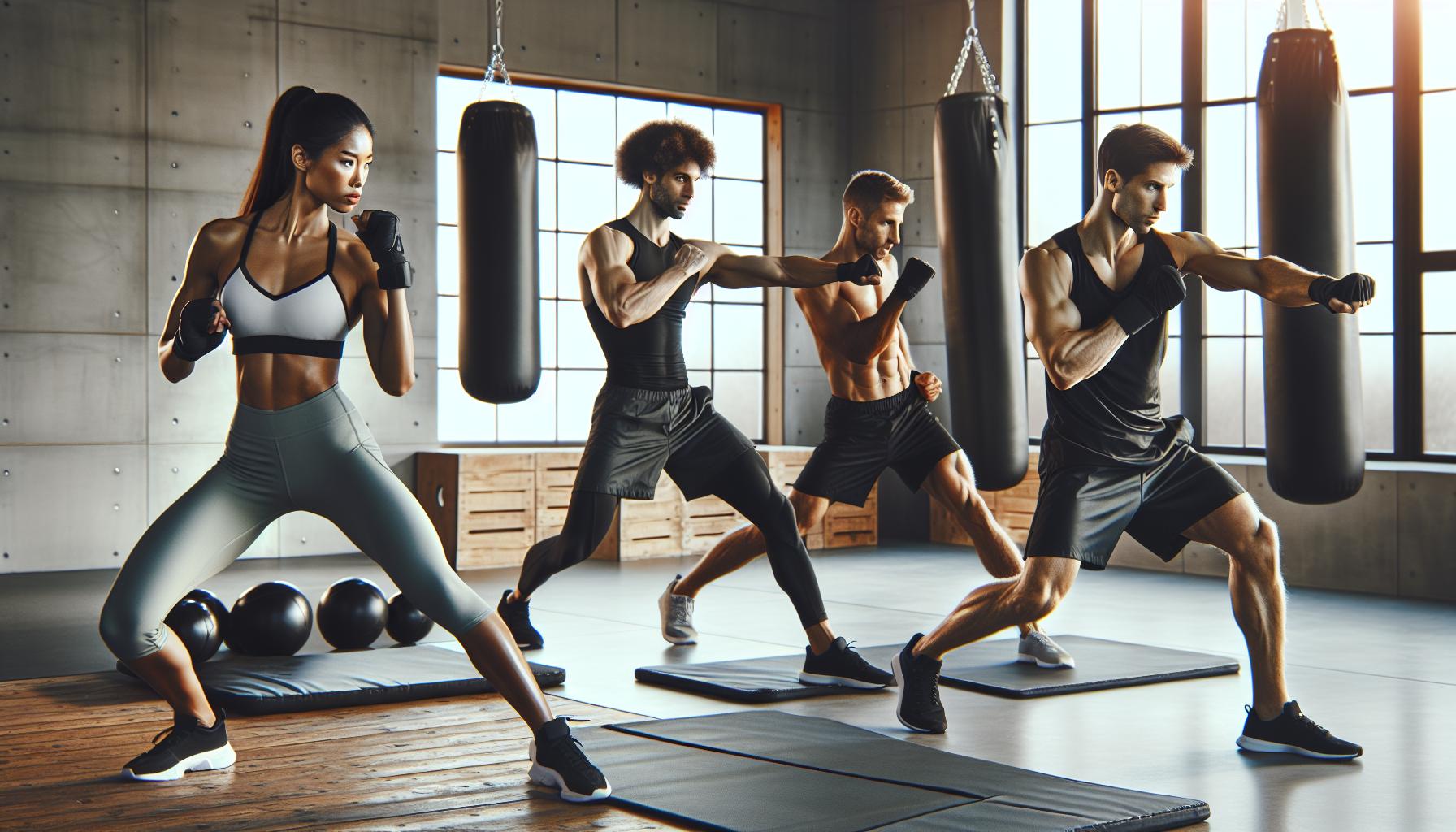
Total Body Conditioning: Exercises in Krav Maga
Krav Maga is not just a self-defense system; it’s a comprehensive fitness regimen that provides total body conditioning through its dynamic training exercises. By engaging multiple muscle groups and incorporating high-intensity drills, practitioners develop strength, endurance, and flexibility, all vital components for overall fitness. Each training session is carefully designed to maximize physical benefits while teaching practical skills for self-defense.
One of the core aspects of Krav Maga training is the variety of exercises that mimic real-life situations, which not only keeps workouts exciting but also effective. Key exercises include:
- High-Intensity Interval Training (HIIT): This method involves short bursts of intense activity followed by rest or lower-intensity exercise. It enhances cardiovascular fitness and builds stamina, crucial for self-defense situations where endurance might determine the outcome.
- Strength Training Drills: Movements such as push-ups, lunges, and squats are combined with striking techniques (like punching or kicking) to build muscle while enhancing coordination and combat skills simultaneously.
- Core Conditioning: Exercises that focus on the core-such as planks, Russian twists, and stability ball activities-improve balance and stability, which are essential for effective movement during confrontations.
Integrating these exercises into a regular training schedule not only helps in building strength and endurance but also fosters a sense of empowerment among practitioners. The effectiveness of these workouts is heightened by their functional nature; every drill has a purpose, readying individuals for possible real-life scenarios.
Moreover, fostering agility and flexibility is paramount in Krav Maga. Warm-ups often include dynamic stretching routines that prepare the body for rigorous training while preventing injuries. The adaptability of Krav Maga allows individuals of various fitness levels to benefit, making it accessible whether you are a beginner or an experienced martial artist. The clear focus on practical application and fitness creates a powerful synergy that enhances both physical health and self-defense competence, proving Krav Maga as an outstanding choice for those looking to get fit through self-defense training.
How Krav Maga Enhances Strength and Endurance
Incorporating strength training into Krav Maga provides a dual benefit: enhancing muscular power while simultaneously improving endurance. Practitioners engage in a variety of dynamic movements that are fundamental to real-life self-defense scenarios, making training both functional and effective. This approach ensures that each session is focused not only on self-defense techniques but also on conditioning the entire body.
Krav Maga employs functional exercises that directly correlate with self-defense techniques. For instance:
- Bodyweight Exercises: Utilizing movements such as push-ups, pull-ups, and squats builds strength across major muscle groups. These exercises are often performed in real-world contexts, enhancing both strength and coordination.
- High-Intensity Drills: Combining striking with footwork and grappling techniques creates a high-energy workout that keeps the heart rate elevated, thereby improving cardiovascular endurance along with strength.
- Resistance Training: Incorporating weights into routines-whether through kettlebells or resistance bands-allows for tailored strength building. Practitioners can adjust weights to their fitness level, ensuring safe progress and adaptability.
Through this combination of strength-enhancing activities, individuals not only develop greater muscle tone but also boost their stamina, enabling them to perform under pressure and fatigue during a confrontation. For example, being able to execute a striking technique repeatedly without losing power requires both muscular strength and cardiovascular endurance, skills honed through regular practice and training.
Moreover, consistency in training builds resilience. Regular engagement with challenging drills instills a greater tolerance for physical exertion and discomfort. This is not purely physical; as strength and endurance improve, so does confidence. Practitioners are empowered by their ability to protect themselves effectively, reinforcing the mental aspect of training alongside the physical. The transformative nature of Krav Maga lies not just in what practitioners are capable of physically, but in how they perceive their own capabilities and respond in real-life situations.
The Role of Cardiovascular Fitness in Krav Maga
Engaging in Krav Maga significantly boosts cardiovascular fitness, which is essential for both self-defense and overall physical health. Unlike traditional martial arts that may focus more on precise forms, Krav Maga incorporates high-intensity drills and dynamic movements that challenge the heart and lungs. This form of training mimics real-life scenarios where the body must perform under stress, demanding quick decision-making and rapid physical responses.
One notable aspect of Krav Maga training is the emphasis on interval training, which alternates between high-intensity bursts of activity and rest or lower intensity. This approach not only improves cardiovascular endurance but also accelerates fat loss, aiding practitioners in achieving a leaner physique. Here are some key benefits of cardiovascular fitness in Krav Maga:
- Enhanced Endurance: As practitioners build cardiovascular endurance, they become capable of sustaining activity over longer durations. This is vital during self-defense situations where every second counts, and fatigue can compromise performance.
- Increased Recovery: Improved cardiovascular health leads to faster recovery between intense bursts of activity, allowing students to maintain focus and effectiveness throughout training or in confrontational scenarios.
- Improved Mental Clarity: Regular cardiovascular exercise is known to boost brain function, enhancing cognitive abilities during intense situations where quick thinking is crucial.
- Stress Relief: The vigorous physical activity involved in Krav Maga serves as a powerful stress reliever, providing psychological benefits that help practitioners cope with anxiety and build confidence.
The intricate movements involved in Krav Maga-such as striking, grappling, and footwork-require a high level of cardiovascular fitness, which prepares practitioners to respond effectively to real-world threats. Furthermore, sustained cardiovascular training often leads to enhanced mental resilience, allowing individuals to stay calm under pressure and make informed decisions during confrontations. This holistic approach to fitness ensures that Krav Maga practitioners are not just physically prepared, but also mentally equipped to handle the complexities of self-defense situations.
Incorporating Flexibility and Mobility Training
Flexibility and mobility are often underestimated components of overall fitness, yet they play a crucial role in Krav Maga training. Maintaining a full range of motion not only enhances performance but also significantly reduces the risk of injuries during training and self-defense situations. When a practitioner has good flexibility, they can execute techniques more effectively, transitioning smoothly between various defensive and offensive moves.
To effectively incorporate flexibility and mobility training into your Krav Maga routine, consider including dynamic stretching as part of your warm-up. Movements like leg swings, arm circles, and torso twists prepare the body for the intensity of practice while enhancing range of motion. As you progress, static stretching should be integrated after workouts when muscles are warm. This not only aids recovery but also contributes to long-term flexibility gains. Here are some practical exercises to add to your regimen:
- Hip Flexor Stretch: Essential for kicking and striking techniques, holding this stretch will enhance your range of motion in your hips.
- Hamstring Stretch: Vital for maintaining leg mobility; try standing or seated variations to target different areas.
- Shoulder Stretches: Arm crossovers and behind-the-back stretches promote upper body flexibility critical for defense maneuvers.
- Spinal Twists: These help improve rotational mobility, which is essential for grappling and quick directional changes.
Additionally, mobility drills such as “cat-cow” or “world’s greatest stretch” not only increase flexibility but also improve overall functional movement, preparing your body for the unpredictable nature of self-defense scenarios. Mobility work is not just about flexibility; it incorporates movement patterns that enhance coordination and balance, ensuring that you can respond to threats effectively.
As with any aspect of training, remember to listen to your body. Flexibility and mobility training should complement your fitness journey rather than replace strength and endurance exercises. By incorporating these elements diligently, you not only become more proficient in Krav Maga but also pave the way for a more resilient and capable physique, ready for whatever challenges you may face.
Krav Maga Training for All Fitness Levels
Krav Maga is uniquely designed to accommodate practitioners of all fitness levels, making it an ideal choice for anyone looking to enhance their physical condition while gaining self-defense skills. Whether you’re a seasoned athlete or someone starting their fitness journey, the principles of Krav Maga can be tailored to meet your personal needs and abilities. This versatility allows individuals to progress at their own pace, ensuring that everyone can reap the benefits without feeling overwhelmed.
The structure of Krav Maga training emphasizes functional movements, which are efficient and applicable to real-life scenarios. Beginners can start with foundational techniques that build basic fitness, while advanced practitioners can engage in more complex maneuvers that challenge their endurance and strength. Classes typically include a blend of techniques focusing on striking, grappling, and situational awareness, ensuring that all attendees can participate meaningfully, regardless of their background. The training environment promotes a safe and supportive atmosphere, encouraging participants to push their limits while staying mindful of their capabilities.
Moreover, Krav Maga not only develops physical strength and aerobic fitness but also enhances mental resilience. As individuals train, they build confidence through the mastery of self-defense techniques, which can be particularly empowering for those who may feel intimidated by traditional gym settings or self-defense classes. This holistic approach to training fosters a sense of community where participants motivate one another, creating an encouraging support system that transforms not just physical fitness but personal well-being.
Finally, instructors are trained to identify the unique needs of each individual, providing modifications and alternative drills that accommodate injuries or limitations. This ensures that all students can participate fully while minimizing the risk of injury. Krav Maga is not merely about learning to fight; it is about cultivating a healthier, more capable version of oneself, making it an inclusive form of training for anyone looking to elevate their fitness and self-defense skills.
Real-Life Applications: Fitness through Self-Defense Scenarios
In a world where personal safety is increasingly a priority, understanding how self-defense techniques can provide both physical fitness and practical skills is more relevant than ever. Krav Maga, originally developed for the Israeli military, emphasizes real-world scenarios, teaching practitioners how to defend themselves against various threats while maintaining a robust level of fitness. Through dynamic training sessions featuring striking, grappling, and situational awareness drills, participants engage in a total body workout that also emphasizes self-defense skills.
Training scenarios are integral to this approach, combining fitness with practical applications. For instance, drills might simulate an attempted mugging or an aggressive encounter, encouraging practitioners to respond effectively while also activating their cardiovascular and muscular systems. This method not only enhances strength and endurance but also boosts confidence in handling high-pressure situations. In addition to physical conditioning, practitioners learn the importance of de-escalation and understanding legal responses to threats, ensuring they remain within ethical and legal boundaries when responding to aggressors.
Participants can also explore specific self-defense techniques designed to neutralize threats quickly. Techniques such as escapes from holds or counter-strikes are practiced repetitively to build muscle memory, allowing individuals to respond instinctively in emergencies. The focus is always on proportional response, meaning that the goal is to protect oneself while minimizing harm to others. This training equips individuals to handle confrontations intelligently, reinforcing the notion that self-defense is about safety and control rather than aggression.
Ultimately, Krav Maga transforms fitness into a comprehensive self-defense tool. It not only enables practitioners to enhance their physical abilities but also prepares them mentally for real-life situations. By integrating fitness with critical self-defense skills, Krav Maga fosters a sense of autonomy and preparedness, proving that the journey towards fitness can be both empowering and practical. This balanced approach cultivates a community of learners who support each other, providing motivation and building the collective confidence needed to navigate both physical and societal challenges.
Safety Protocols in Krav Maga Training
In the world of self-defense training, safety protocols hold paramount importance, ensuring that practitioners can hone their skills without compromising their well-being or that of their training partners. Krav Maga, known for its real-world applicability, integrates stringent safety measures into every aspect of training. Understanding and adhering to these protocols not only minimizes the risk of injuries but also cultivates an environment conducive to learning and growth.
Krav Maga training typically includes structured warm-ups and cooldowns, preparing the body for physical exertion and promoting recovery afterward. It’s essential to engage in dynamic stretches to increase flexibility and prevent strains, followed by rigorous drills that focus on safety. Practitioners undergo supervised sparring sessions where controlled techniques are practiced at varying intensities to simulate real-life scenarios without the associated risks. Instructors emphasize the importance of communication: signaling discomfort or potential injury is vital to maintaining a safe training environment.
Moreover, training participants must be educated on the legalities surrounding self-defense. Understanding the concept of proportional response is crucial. This means that actions taken during training should reflect the appropriate level of force necessary to neutralize a threat, thereby emphasizing de-escalation before physical confrontation. Instructors should guide learners through various self-defense laws applicable to their respective locales, which can vary significantly. This not only empowers practitioners but also underscores their responsibility in handling encounters ethically and legally.
Lastly, safety gear plays a critical role in protecting practitioners during training. Essential equipment includes mouthguards, shin guards, and protective pads for the torso. Regular inspection and proper use of this gear add an extra layer of safety, allowing practitioners to focus on their techniques and strategies without fear of injury. By fostering a culture of safety and responsibility, Krav Maga not only builds physical fitness but also promotes mental preparedness, empowering individuals to approach both training and real-life situations with confidence and prudence.
Nutrition Tips for Optimal Performance in Krav Maga
Proper nutrition can significantly enhance your performance in Krav Maga, ensuring that your body is fueled for the intense physicality of training. This self-defense discipline requires strength, endurance, and agility, all of which can be supported through thoughtful dietary choices. For those engaged in Krav Maga, focusing on a balanced diet rich in whole foods, lean proteins, healthy fats, and complex carbohydrates is essential. This not only helps in optimizing physical performance but also aids in recovery between sessions.
Types of Nutrients for Optimal Performance
To maximize your training efficiency, consider incorporating the following nutrients into your diet:
- Proteins: Vital for muscle repair and growth, proteins can be sourced from lean meats, fish, eggs, dairy, legumes, and plant-based options like tofu. Aim for protein intake around 1.2 to 2.0 grams per kilogram of body weight, especially after intense training sessions.
- Carbohydrates: These are the body’s primary energy source. Incorporate complex carbohydrates such as whole grains, fruits, and vegetables to provide sustained energy levels during workouts. A good rule is to consume about 3 to 7 grams of carbohydrates per kilogram of body weight, depending on your training intensity.
- Fats: Healthy fats, such as those from avocados, nuts, seeds, and olive oil, play a crucial role in hormone regulation and nutrient absorption. They should comprise about 20-35% of your total daily caloric intake.
- Hydration: Never underestimate the importance of staying hydrated. Water loss can severely hinder your performance. Ensure adequate hydration before, during, and after workouts, and consider electrolytes if engaging in extended training sessions.
Pre- and Post-Workout Nutrition
Strategically timing your meals can also enhance performance. Before a training session, aim for a balanced meal that includes both carbohydrates and protein about 1-2 hours prior to training. This can help maintain energy levels throughout the session. Post-workout, consume a meal rich in protein and carbohydrates within 30 minutes to aid recovery and muscle rebuilding. Examples include a smoothie with protein powder, a banana, and spinach, or chicken with quinoa and steamed vegetables.
Incorporating these nutritional strategies into your lifestyle can help you train more effectively, recover faster, and ultimately make your Krav Maga journey a more successful and fulfilling experience. Balancing your diet effectively along with rigorous training will not only enhance your physical fitness but also improve your overall well-being.
The Psychological Benefits of Krav Maga Training
Training in Krav Maga is not just a physical endeavor; it profoundly impacts your mental and emotional well-being. Engaging in this intense form of self-defense fosters resilience and a sense of empowerment, which can be transformative for individuals facing various life challenges. The psychological benefits of Krav Maga extend far beyond the dojo, helping practitioners build confidence, reduce anxiety, and improve focus-skills that are invaluable in both personal and professional environments.
Participating in Krav Maga enhances self-discipline, an essential aspect of any training regimen. Through repetitive drills and scenario-based practices, you learn to manage stress and react efficiently under pressure. This training prepares you to handle real-life situations more calmly, fostering a mindset that is adaptable and composed. Moreover, the sense of achievement that comes with mastering techniques and progressing through belt levels is significant in improving self-esteem. As you become more proficient, the belief in your own capability grows, allowing you to tackle both physical and mental obstacles with greater confidence.
Krav Maga also provides a supportive community where individuals often share common experiences and goals. This camaraderie can further enhance psychological resilience, as practitioners encourage each other both in training and life outside the dojo. Engaging with like-minded peers fosters a sense of belonging and reduces feelings of isolation, which can be particularly beneficial for those grappling with anxiety or depression. In addition to the physical fitness aspect, the social support network built through Krav Maga training serves as a crucial pillar for improving mental health.
Finally, Krav Maga emphasizes the importance of situational awareness and proactive conflict resolution. Training includes scenarios that encourage practitioners to de-escalate potential confrontations, teaching vital skills for navigating daily life constructively. This focus on awareness aids in developing critical thinking and problem-solving skills, empowering practitioners to approach challenges with a clear mindset. Thus, not only prepare you to defend yourself but also equip you with the tools necessary to navigate the complexities of everyday life effectively.
Community and Support: Staying Motivated in Your Fitness Journey
Training in Krav Maga is more than just mastering physical skills; it is about building a community that bolsters motivation and fosters growth. The collective energy and support found within a Krav Maga class can be a powerful motivator, especially on days when personal drive wanes. Surrounding yourself with fellow practitioners who share similar goals not only enhances your own commitment but also establishes a network of accountability. This social aspect is essential for anyone embarking on a fitness journey, as it provides encouragement and camaraderie that can make rigorous training feel less daunting.
Participation in group activities, such as sparring sessions or self-defense workshops, allows individuals to witness progress in real-time. This collective experience of overcoming challenges, whether it’s learning a new technique or pushing through exhaustion in drills, promotes a sense of belonging. When you see your peers excel, it ignites a spark of inspiration. You may feel more empowered to push your limits or even lend support to someone still finding their footing. The positive reinforcement shared among practitioners fuels a motivational cycle that keeps everyone striving for improvement.
In addition to physical skills, Krav Maga training often emphasizes ethical responsibility and safety. Understanding that the goal is self-defense-not aggression-promotes a philosophy of controlled strength and respect among students. Engaging in discussions about safety protocols, legal considerations, and moral implications of self-defense can deepen relationships and foster a mutual respect within the community. This shared understanding reinforces the importance of not just being physically conditioned but also ethically grounded.
Lastly, as you progress through the various stages of training, celebrating milestones with your community becomes a crucial part of maintaining motivation. Whether it’s achieving a new belt level, participating in a competition, or simply mastering a difficult technique, acknowledging these achievements helps reinforce your dedication. The community’s support during these celebrations reminds you that you are not alone on your journey, creating a foundation of encouragement and shared joy that can keep you committed long-term.
Frequently asked questions
Q: How does Krav Maga improve fitness levels?
A: Krav Maga enhances fitness levels by integrating strength training, cardiovascular workouts, and flexibility exercises. This total body conditioning approach promotes endurance, power, and coordination, making it an effective way to improve overall health while learning self-defense techniques.
Q: Can beginners get fit through Krav Maga training?
A: Yes, beginners can get fit through Krav Maga. The training is adaptable to different fitness levels, allowing newcomers to gradually build strength, flexibility, and stamina. Consistent practice will enhance physical fitness while providing essential self-defense skills.
Q: What types of exercises are included in Krav Maga?
A: Krav Maga includes a variety of exercises such as striking drills, bodyweight workouts, and core strengthening activities. These exercises are designed to improve strength, endurance, and agility, offering comprehensive conditioning that prepares practitioners for real-life self-defense scenarios.
Q: How often should I train in Krav Maga for optimal fitness results?
A: For optimal fitness results, training sessions three to four times a week are recommended. This frequency allows for consistent improvement in physical conditioning while giving the body adequate time to recover and adapt to the training.
Q: What are the cardiovascular benefits of Krav Maga?
A: Krav Maga significantly boosts cardiovascular fitness through high-intensity drills and sparring. This type of training elevates heart rate, improves stamina, and enhances respiratory function, key for overall health and fitness.
Q: Does Krav Maga help with weight loss?
A: Yes, Krav Maga can aid in weight loss as it combines intense physical activity with self-defense training. The calorie-burning nature of the workouts, along with improved metabolism, can help participants achieve their weight loss goals.
Q: How can I maintain motivation while training in Krav Maga?
A: To maintain motivation in Krav Maga, set realistic goals and track your progress. Joining classes or training groups can provide social support, while continuously challenging yourself with new techniques keeps the learning experience fresh and engaging.
Q: Is flexibility training a part of Krav Maga workouts?
A: Yes, flexibility training is integral to Krav Maga. Stretching and mobility exercises are included in sessions to enhance overall performance, prevent injuries, and improve the execution of techniques. Regular stretching should be practiced to maximize benefits.
The Way Forward
As we’ve explored, Krav Maga is not just a self-defense system; it’s a dynamic workout that promotes total body conditioning, enhances strength, and boosts endurance. By incorporating Krav Maga into your fitness routine, you not only learn critical self-defense skills but also achieve a level of fitness that other workouts may not provide. If you’re ready to transform your body and mind, don’t wait-start your journey today!
Still unsure? Check out our articles on “Krav Maga vs. Traditional Martial Arts” and “The Health Benefits of Self-Defense Training” for deeper insights. Remember, safety is paramount, so explore our “Safety Protocols in Self-Defense” guide to understand how to practice responsibly.
Join our community by signing up for our newsletter, where you’ll receive exclusive tips and updates on classes that can elevate your skills further. Share your thoughts in the comments, and let us know how Krav Maga is shaping your fitness journey. Embrace the challenge, and empower yourself today!