
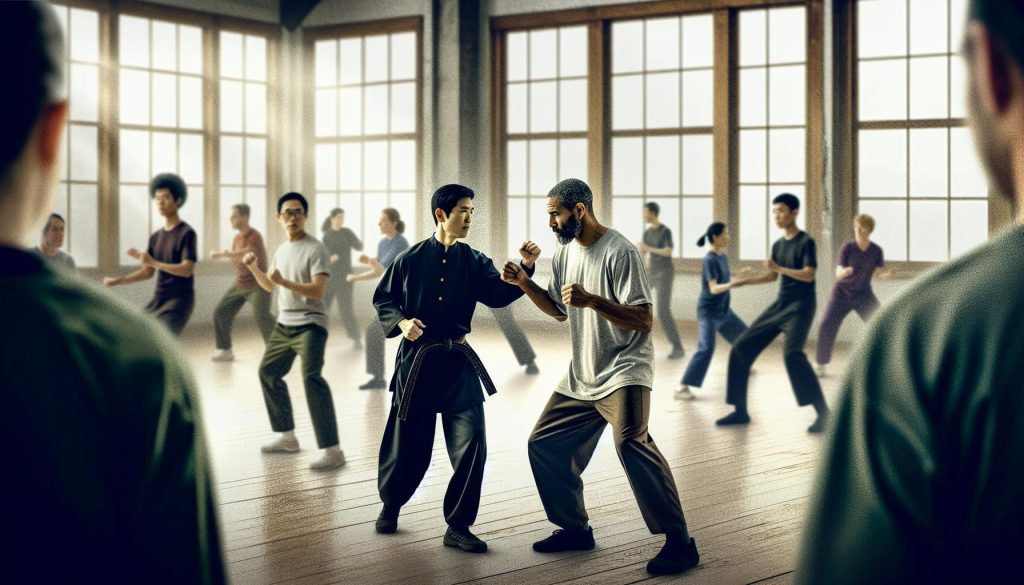
When considering self-defense training, the allure of Krav Maga can be enticing, but many potential students find themselves misled by scam schools that prioritize profit over genuine instruction. It’s essential to recognize that while Krav Maga offers valuable techniques for real-life situations, not all schools deliver effective, ethical training. Understanding the difference can save you time, money, and, most importantly, ensure your safety. In this article, we’ll explore how to identify and avoid these scam schools, empowering you to make an informed decision that aligns with your self-defense goals. Remember, the right training is not just about physical defense; it’s about building confidence and understanding your legal and ethical responsibilities in potentially dangerous situations. Let’s delve into what you need to know to stay safe and ensure your training is both legitimate and beneficial.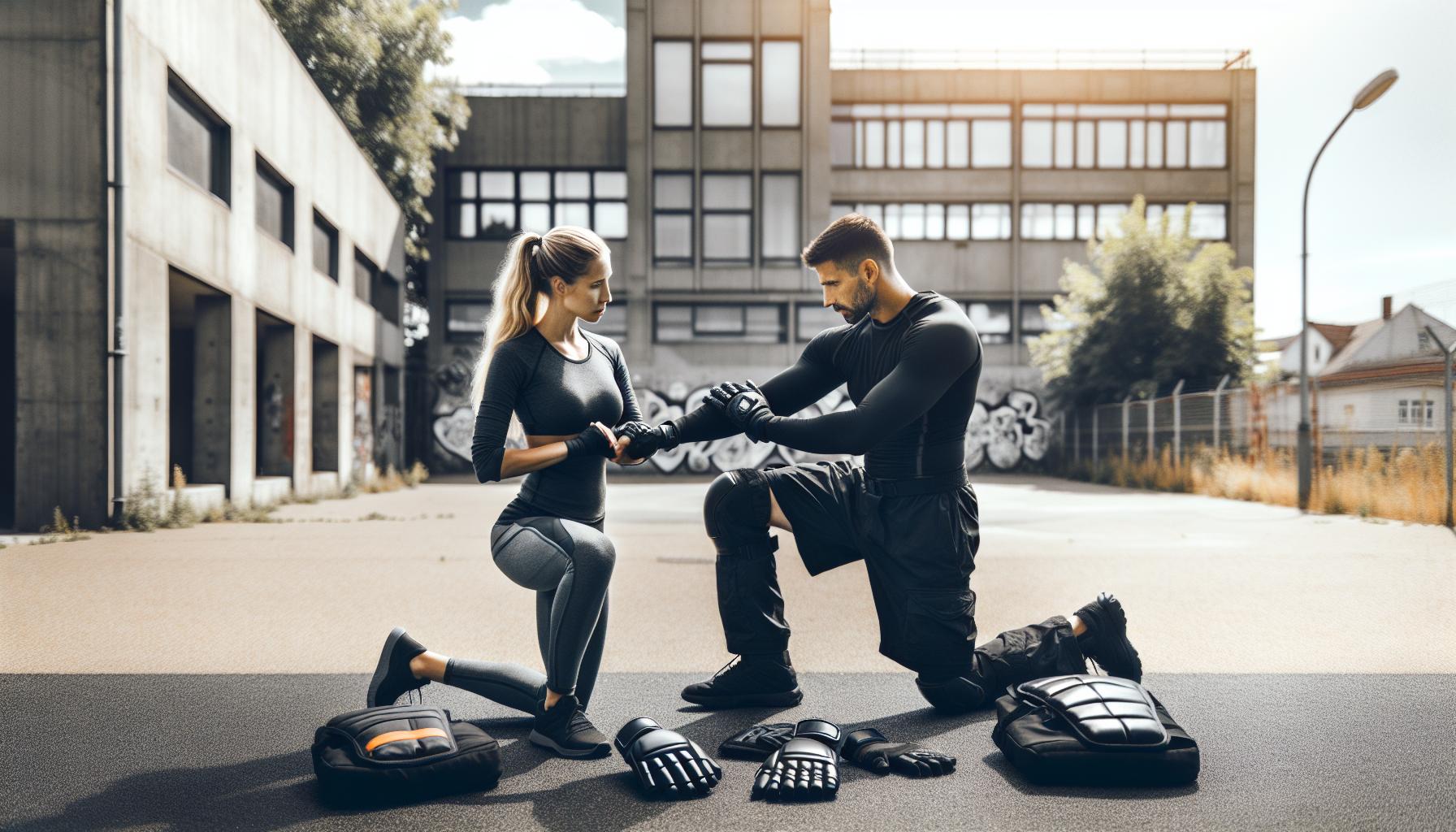
Avoiding Common Krav Maga Pitfalls: What to Watch For
In the world of self-defense, choosing the right training program is crucial, particularly when it comes to Krav Maga. Unfortunately, the rise in popularity of this martial art has led to an increase in subpar schools that may not deliver the authentic experience you’re looking for. To navigate through these challenges, it’s essential to understand common pitfalls that could lead you to a misleading or ineffective program.
One of the primary concerns is instructors who lack proper credentials. Legitimate Krav Maga schools will typically have instructors with verified training from recognized organizations. It’s a red flag if you find a school where instructors are vague about their qualifications or if their background seems overly marketing-focused rather than skill-focused. Look for schools that encourage transparency about instructor certifications and affiliations with respected Krav Maga organizations.
Another pitfall to watch for is schools that exaggerate the effectiveness of their techniques or downplay the importance of safety. A responsible Krav Maga school will emphasize not only physical training but also the legal implications and ethical considerations of using self-defense techniques. If the program promotes aggressive behavior or suggests that violence is always the answer, reconsider your options. Authentic Krav Maga training includes de-escalation techniques and teaches students how to respond appropriately to potential threats.
Additionally, pay attention to the school’s marketing tactics. If you notice that they frequently bad-mouth competitors or make unrealistic promises about quick results, be cautious. A school that attempts to elevate itself by tearing down others may not have confidence in the value of its training. Instead, look for programs that highlight their methodology, teaching style, and community feedback positively and transparently.
In your research, if possible, seek out reviews from former students and try a trial class to gauge the atmosphere and training style. A trustworthy school will welcome questions and be open about their training practices, allowing you to make an informed decision before committing your time and money. Educating yourself on these common pitfalls can empower you as you embark on your Krav Maga journey, ensuring that you receive quality instruction and a genuine self-defense education.
Identifying Legitimate Krav Maga Instructors
To ensure a safe and effective self-defense training experience, it’s essential to identify legitimate Krav Maga instructors. A good starting point is to investigate the instructor’s background and credentials. Authentic instructors often have formal training from recognized Krav Maga organizations, and they should be transparent about their qualifications. If an instructor hesitates to provide this information or offers vague credentials, it may be a warning sign of a less credible program. Reputable schools typically display certifications prominently and highlight their instructors’ experience on their websites or during introductory classes.
When evaluating a potential instructor, consider their teaching style and approach to martial arts. Legitimate Krav Maga instructors focus not only on physical techniques but also on the legal and moral implications of self-defense. They should promote safety, emphasizing de-escalation strategies and restraint rather than encouraging aggressive behavior. A commitment to responsible training is essential; instructors should create an environment where students learn to defend themselves proportionately and sparingly, minimizing the risk of unnecessary harm.
Another essential factor is the instructor’s experience in real-world situations. Instructors who have faced real-life self-defense scenarios can provide valuable insights and practical advice. When speaking to potential instructors, ask about their personal experiences in self-defense situations; their responses can reveal their depth of knowledge and understanding of the ethical considerations involved in using force.
Look for instructors who encourage community involvement and student feedback. Many authentic programs foster a supportive atmosphere where students feel comfortable asking questions and sharing their concerns. If prospective instructors are open to feedback and willing to address any concerns, it’s a positive indicator of a healthy training environment. Engaging with the community can further enhance your learning experience as it fosters motivation and provides diverse perspectives on self-defense training.
Overall, taking the time to thoroughly vet instructors can significantly impact the quality of your Krav Maga training, setting you on a path toward effective self-defense education while ensuring safety and ethical practice are prioritized.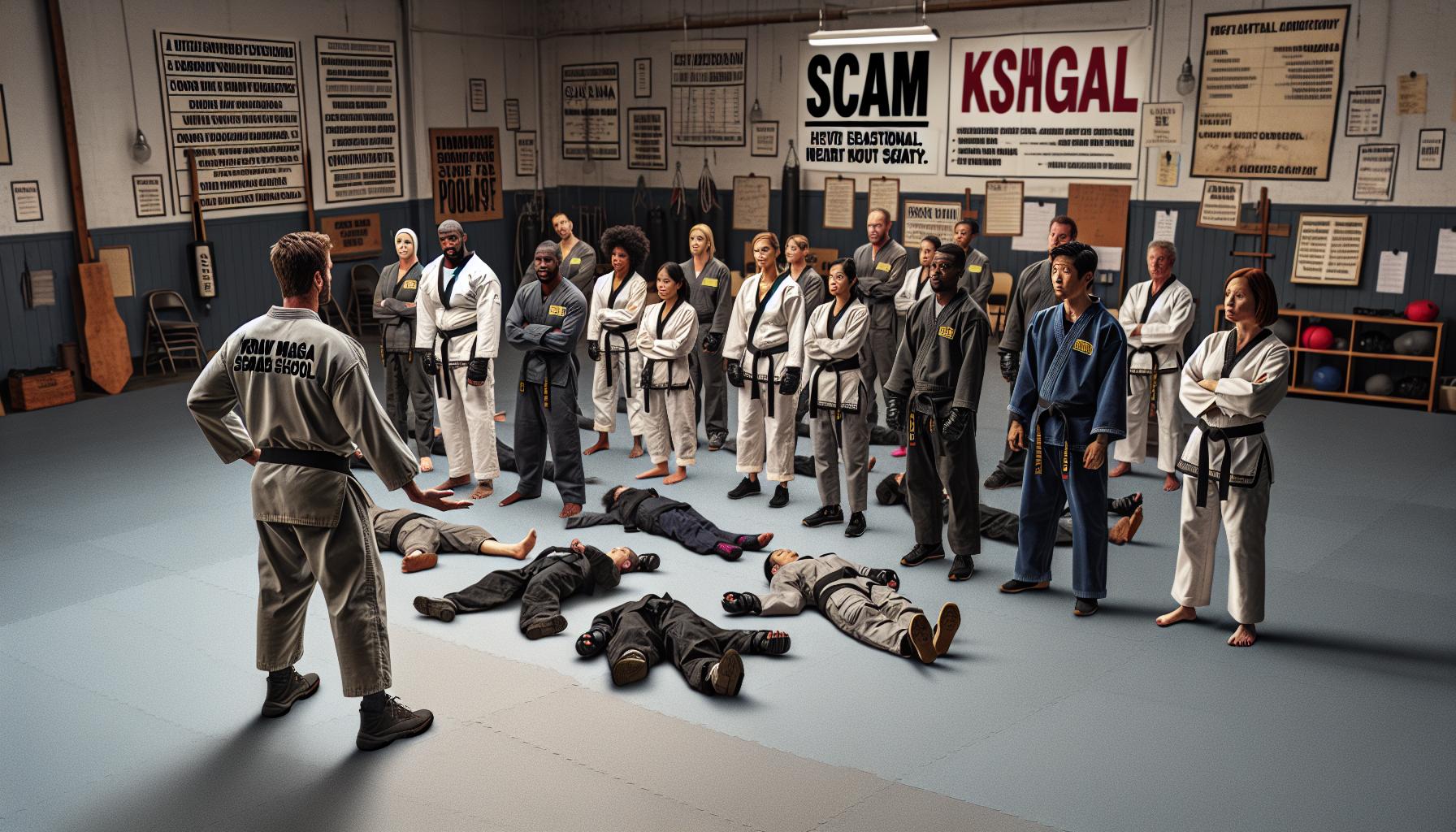
Signs of a Scam Krav Maga School
While the appeal of Krav Maga as a self-defense system is undeniable, it’s crucial to be vigilant against schools that may not offer genuine training. Recognizing the can save you time, money, and also your confidence in seeking effective self-defense methods. Authenticity in self-defense training isn’t just a matter of physical techniques; it also encompasses ethical considerations of force and legality.
A primary indicator of a scam school often lies in the credentials of the instructors. Genuine Krav Maga trainers should have certifications from recognized bodies and extensive real-world experience. If an instructor is unwilling to provide this information or if their qualifications seem dubious, proceed with caution. Many scams involve instructors boasting impressive titles without the requisite experience. An instructor lacking demonstrable skills in practical application may be selling a false sense of security.
Another red flag is encountered in the marketing tactics employed by the school. If a school focuses heavily on aggressive promotion, flashy marketing campaigns, or unrealistic promises of quick results, you should question its integrity. Legitimate training takes time, commitment, and realistic expectations. Look for schools that emphasize skill-building, safety protocols, and the importance of de-escalation rather than those that glorify aggression and fight scenarios. If their messaging makes you feel overly intimidated or pressured, it might be an attempt to prey on fear rather than genuinely teach self-defense.
In addition, observe the training environment: A scam school may prioritize filling classes with as many students as possible, leading to overcrowded sessions where individual attention is lacking. Authentic programs typically maintain a balanced instructor-to-student ratio to ensure quality training. Pay attention to how instructors interact with students; they should foster a supportive atmosphere rather than an intimidating one.
Being proactive and informed helps you navigate the self-defense landscape. Evaluate the instructor’s teaching style, ask about their philosophy on violence versus de-escalation, and consider community feedback. Schools that encourage questions and maintain transparency are more likely to provide a safe and effective learning experience. Always remember, effective self-defense training should empower you while fostering a sound understanding of the ethical implications of force.
Key Questions to Ask Potential Schools
When considering joining a Krav Maga school, asking the right questions can be pivotal to ensuring you receive quality instruction and a safe training environment. Start by inquiring about the instructor’s credentials. Ask about their experience, training background, and the specific certifications they hold. Authentic Krav Maga instructors typically have recognized qualifications from reputable organizations. If an instructor hesitates or cannot provide verifiable information, it may be a red flag regarding the school’s legitimacy.
Another essential question revolves around the school’s training philosophy. Inquire about how they approach self-defense: Is there an emphasis on de-escalation techniques and the ethical use of force? A good school will promote responsible self-defense practices rather than encourage aggression. It’s important to understand how techniques are tailored to navigate real-world scenarios safely, as well as how they address the legal implications of self-defense actions.
Evaluating the class structure and training conditions is also crucial. Ask about the instructor-to-student ratio and what measures are in place to ensure safety during training sessions. A well-run school should provide individual attention and adapt techniques to fit the students’ skill levels. You can also discuss what safety protocols are established during classes to minimize injuries and promote a supportive learning atmosphere.
Finally, reach out to current or former students to gather insight into their experiences. Community reviews can provide valuable perspectives, highlighting both the strengths and weaknesses of a school. Questions like “What did you find most beneficial?” or “Were there any concerns during your training?” can reveal the school’s authenticity and whether it aligns with your self-defense goals. Engaging in thorough discussion before enrolling can help safeguard against scams while ensuring you find a quality training program that genuinely focuses on empowering its students.
Understanding Legitimate Krav Maga Techniques
is essential for anyone seeking to safeguard themselves against scams in self-defense training. Authentic Krav Maga, developed for the Israel Defense Forces, is designed for real-world confrontations. It emphasizes not just physical techniques but the psychological and emotional aspects of self-defense. A true Krav Maga program teaches practical, effective techniques with a strong focus on ending confrontations quickly. Unlike some stylized martial arts, legitimate Krav Maga aims to neutralize threats efficiently while keeping safety and legality in mind.
Core techniques include strikes, defenses against grabs or weapon threats, and strategies for de-escalation. A well-structured school will demonstrate techniques that can be applied in scenarios you might realistically encounter, such as confronting an attacker in a crowded area or defending against multiple assailants. Moreover, legitimate training should impart knowledge on the legal considerations of self-defense, clearly outlining what is considered reasonable force and when to use it. This ensures students understand the ethical responsibility that comes with self-defense.
When evaluating a Krav Maga program, look for emphasis on practical drills rather than flashy techniques. Authentic instructors will encourage realistic sparring sessions that simulate actual self-defense situations, allowing students to practice techniques under pressure. You should also notice a focus on de-escalation methods-learning to resolve conflicts without physical confrontation should be a core principle taught alongside physical techniques. Awareness of surroundings, escape strategies, and communication skills are vital components that reputable schools will incorporate into their curriculum.
In a legitimate Krav Maga school, instructors will regularly highlight the importance of safety protocols. These should include proper protective gear, controlled training environments, and techniques for minimizing injury risk during practice. Understanding safety measures not only protects students but fosters a learning environment where individuals feel empowered to train confidently. Furthermore, if you frequently hear emphasis on intense physicality without the context of safety or legality, it could be a sign the school is more focused on marketing hype than on effective teaching. Always prioritize schools that advocate for responsible self-defense above all.
The Importance of Safety Protocols in Training
In a world where self-defense training is increasingly emphasized, understanding the significance of safety protocols within Krav Maga training is paramount. Safety should never be an afterthought; it must be at the forefront of any legitimate self-defense program. Training without a comprehensive safety strategy not only increases the risk of injury but also undermines the entire purpose of learning self-defense, which is to empower individuals to protect themselves responsibly.
A reputable Krav Maga school will prioritize safety by implementing the following protocols:
- Protective Gear: Students should wear appropriate protective gear, including gloves, mouthguards, and shin guards, during sparring and practice. This not only reduces the risk of injuries but also helps create a culture of safety.
- Controlled Environment: The training space should be clean, organized, and free from hazards, encouraging a safe practice environment. This includes checking mats for wear and tear and ensuring that all necessary adjustments and safety measures are in place before sessions begin.
- Injury Prevention Techniques: Instructors should teach safe techniques for falls and rolls, which are critical components of self-defense. Understanding how to fall safely can drastically reduce the risk of injury, allowing students to train with confidence.
- Emergency Protocols: Schools should have clear emergency procedures in place for injuries or unexpected incidents, including the presence of first-aid kits and trained personnel ready to respond to emergencies.
Moreover, emphasis on de-escalation techniques is crucial. Before physical confrontation, students should learn communication skills and conflict resolution tactics to diffuse potentially violent situations without resorting to force. This balance of physical and mental training not only prepares students for real-world scenarios but also instills a sense of responsibility regarding the use of force.
When evaluating a potential Krav Maga school, observe how instructors discuss safety during class. If the focus overwhelmingly dwells on aggressive techniques without incorporating safety discussions, this is a major red flag that the school may not prioritize student welfare. Safety protocols not only protect students but also enhance the learning experience, allowing individuals to train vigorously while minimizing the risks associated with physical confrontation.
In summary, choosing a school that prioritizes safety is not just about preventing injuries; it is about fostering a learning environment where students can grow, understand their limits, and learn to defend themselves responsibly. This foundational approach allows practitioners of all skill levels to gain confidence in their abilities while maintaining respect for the serious nature of self-defense.
Recognizing Red Flags in Marketing Tactics
Choosing a self-defense school can feel overwhelming, especially when it comes to recognizing marketing tactics that may indicate a less-than-reputable Krav Maga institution. Many schools employ flashy promotions and alluring claims that can manipulate potential students’ expectations-and their wallets. To guard against scams, understanding certain red flags in marketing is essential for any prospective student.
First, watch for exaggerated claims of effectiveness. If a school advertises itself as an unbeatable solution to all personal safety concerns, it’s a sign to proceed cautiously. Claims that assert a quick transformation into a “self-defense master” within weeks or promises of guaranteed safety in any situation are often too good to be true. To counter this, legitimate schools will temper expectations and emphasize the importance of consistent practice, rather than instant gratification.
Unsubstantiated Testimonials and High-Pressure Sales
Another common tactic is the use of unverified testimonials that appear highly sensationalized. If a school displays overly glowing reviews without credible sources, it indicates a lack of transparency. Scammers may push potential students towards a quick decision, utilizing phrases like “limited-time offer” or “only a few spots left!” This high-pressure sales technique detracts from the thoughtful decision-making process that should accompany enrolling in any martial arts program. A respectful, professional school allows time for consideration and encourages potential students to observe classes before committing.
High Enrollment Fees without Clear Value
Moreover, be wary of schools charging exorbitant fees without justifiable reasons. It’s reasonable to expect a certain investment in quality training, but schools that demand high enrollment fees with vague promises of elitism may be exploiting students. Always inquire about what the fees cover-look for elements such as instructor qualifications, curriculum details, and facilities offered. A well-structured program will be transparent about its costs and the value provided, allowing students to see the return on their financial commitment.
In conclusion, while the pursuit of self-defense training is admirable, vigilance in navigating the promises and marketing tactics of Krav Maga schools is crucial. By staying informed and questioning red flags, potential students can ensure they invest in a program that genuinely prioritizes their safety and education over profit.
Evaluating School Credentials and Certifications
To ensure that you choose a legitimate Krav Maga school, evaluating the credentials and certifications of instructors and the school itself is vital. A reputable instructor should have certification from recognized Krav Maga organizations, which typically require rigorous training and testing processes. Look for instructors who have undergone extensive backgrounds, not only in Krav Maga but in martial arts or self-defense disciplines as well. This diversified background can contribute to a more rounded and effective teaching approach.
Questions to Ask Instructors
When assessing an instructor’s credentials, consider asking the following questions:
- What is your certification level in Krav Maga? Valid certifications often follow a hierarchy, with levels indicating the instructor’s experience and expertise.
- Which organization issued your certification? Certifications from reputable bodies, such as the International Krav Maga Federation or the Krav Maga Global, can be a good sign of a rigorous training process.
- Do you have experience in real-life self-defense situations? Practical experience is crucial; instructors who have been in actual confrontations can provide valuable insights into effective defense techniques.
- Are you trained in first aid? A responsible instructor should have basic first aid knowledge, ensuring safety during training sessions.
School Accreditation
In addition to instructor credentials, verify the school’s overall accreditation. Research whether the facility itself is recognized by any national or international training organizations in Krav Maga. This can often provide insight into the quality and legitimacy of the training offered. Look into the school’s curriculum details, ensuring that they prioritize not just physical training but also psychological preparation through techniques that emphasize de-escalation and legal implications of self-defense.
In practice, legitimate schools often welcome inquiries. They typically maintain transparency regarding instructor qualifications and their school’s operational standards. Avoid any school that hesitates to provide this information or whose marketing materials lack adequate references to legitimate accreditation. Engaging in a self-defense program is a serious commitment; ensure that your investment in training is oriented towards genuine, quality education rather than the pursuit of profit by scam schools.
Comparing Krav Maga with Established Martial Arts
Krav Maga, developed for the Israeli Defense Forces, is often compared to more established martial arts like Brazilian Jiu-Jitsu (BJJ) and Karate, particularly in terms of effectiveness and training methodologies. One notable difference lies in the focus; while traditional martial arts often emphasize forms, katas, and belt progression, Krav Maga is designed primarily for real-world self-defense, emphasizing situational awareness and combat effectiveness in unpredictable environments. This practical orientation may appeal to individuals looking for immediate self-defense skills rather than a long-term martial arts journey.
When assessing the efficacy of training in Krav Maga versus traditional martial arts, it is critical to recognize the training environments and sparring practices. Established martial arts, especially BJJ, employ a strong emphasis on sparring and live drills, allowing practitioners to test their techniques against resisting opponents under controlled conditions. This not only hones reflexes but also instills a deeper understanding of how techniques work in real scenarios. Conversely, some Krav Maga programs may lack sufficient sparring elements, focusing more on techniques that are not always stress-tested in dynamic situations, which can hinder a practitioner’s ability to apply skills effectively in a real confrontation.
Additionally, ethical considerations surrounding self-defense training are paramount. Legitimate Krav Maga schools should educate students on the legal ramifications of using force in self-defense, adhering to principles of proportional response and de-escalation techniques. In contrast, certain commercialized Krav Maga programs can sometimes oversimplify or sensationalize combat scenarios, encouraging attitudes that might promote unnecessary confrontation rather than fostering a mindset of avoidance and safety. It’s essential for students to scrutinize which aspects of Krav Maga they are being taught and ensure those principles align with sound legal and ethical guidelines.
Ultimately, it’s vital to approach the choice of self-defense training with a discerning eye. Compare the curriculum, instructional techniques, and overall philosophy of both Krav Maga and established martial arts to find an appropriate fit for your self-defense needs. Don’t hesitate to ask potential schools about their training methods, safety protocols, and legal training aspects to ensure you are not only learning effective techniques but also understanding the responsibilities that come with them.
Legal Considerations in Self-Defense Training
Understanding the legal framework surrounding self-defense is crucial for anyone considering training in Krav Maga. In various jurisdictions, the law outlines specific criteria under which self-defense can be justified, often hinging on the notions of *proportionality* and *immediacy*. Engaging in self-defense without a clear understanding of these legal limits can lead to severe consequences, including criminal charges or civil liabilities.
When evaluating self-defense situations, it’s essential to recognize that the use of force must be proportional to the threat faced. This means that retaliatory actions during a confrontation should be restrained to what is reasonably necessary to prevent harm. For instance, if confronted with an unarmed assailant, resorting to lethal force could likely be deemed excessive, potentially leading to legal repercussions. Considerable emphasis should also be placed on de-escalation strategies, which not only foster safer outcomes but also align with legal expectations of minimizing conflict.
The following points are key legal considerations for Krav Maga practitioners:
- Understand local laws: Legal definitions of self-defense and allowable force can vary significantly by state or country. Familiarize yourself with specific statutes governing self-defense in your area.
- Document your training: Ensure that your school provides instruction on legal aspects of self-defense, including how to avoid unnecessary confrontation. Proof of training may also help in legal scenarios.
- Emphasize de-escalation: A responsible training program should prioritize techniques designed to defuse situations non-violently before resorting to physical responses.
- Evaluate school endorsements: Inquire whether the school or instructor has legal experts involved in their curriculum, ensuring that students receive accurate and relevant legal instruction.
Additionally, it’s wise to engage in discussions about real-life scenarios during training. Role-playing different situations helps clarify how to apply self-defense principles effectively. For example, knowing when to retreat or how to use your environment to de-escalate a potential threat can often save one from complicated legal entanglements.
In summary, empowering yourself with knowledge about the legal aspects of self-defense is just as vital as mastering the physical techniques of Krav Maga. By actively seeking out programs that prioritize legal education alongside practical training, you ensure that you are not only prepared to defend yourself but also equipped to navigate the potential legal repercussions of your actions.
Community Reviews: Finding Trustworthy Schools
When selecting a Krav Maga school, community reviews can be instrumental in distinguishing between legitimate programs and those that may fall short of expectations. Engaging with the experiences of current and former students can provide invaluable insights into the quality and integrity of a school’s instruction. Look for reviews that detail not just the curriculum, but also the school’s environment, instructors’ qualifications, and overall student satisfaction.
To start, focus on local online platforms, social media groups, and forums dedicated to martial arts and self-defense. Pay special attention to recurring themes in feedback-both positive and negative. Some reviews might highlight the effectiveness of training methods, emphasizing how they translate to real-world scenarios, which is a hallmark of a reputable Krav Maga school. Others may point out potential red flags, such as high-pressure sales tactics or instructors who lack proper certifications.
It’s also beneficial to inquire directly with students or alumni about their personal experiences. Asking specific questions can help you gauge the school’s culture. For instance, inquire whether students feel safe during training and how the school addresses injuries or safety concerns, as well as if the instructors encourage a respectful and ethical approach to self-defense.
Additionally, consider seeking out reviews on reputable third-party websites or check if the school has any affiliations with recognized national or international Krav Maga organizations. This can be a positive sign of a commitment to quality training. Always remember that informed choices come from a balanced view of information-so relying on community reviews is a powerful step in selecting the right Krav Maga school for your needs.
Empowering Yourself: Making Informed Choices
When navigating the landscape of Krav Maga training, understanding how to make informed choices is essential for avoiding scams and finding legitimate schools. Many enthusiasts seek self-defense techniques that are practical and effective, but not all schools deliver on those promises. To empower yourself, it’s crucial to recognize the characteristics of reputable Krav Maga programs and instructors, as well as the pitfalls to avoid.
One effective strategy is to thoroughly research potential schools before making a commitment. Look for instructors who hold certifications from respected Krav Maga organizations, as this indicates their legitimacy and adherence to established training standards. Take the time to visit schools in person and observe a class; note the level of engagement among students and how instructors handle safety and technique. A good school will prioritize student well-being, offer clear instruction, and emphasize the ethical use of force in self-defense scenarios.
In addition, consider developing a list of key questions to ask school representatives. These might include inquiries about the curriculum, the background and qualifications of instructors, and how the school addresses concerns about safety and injuries. Scams often rely on high-pressure sales tactics or promises of unattainable results, so being prepared will help you avoid falling into these traps. Reputable programs should encourage a transparent dialogue about training expectations and legal responsibilities related to self-defense.
Lastly, making informed decisions means being aware of your own self-defense laws. Familiarize yourself with the legal boundaries of using force in your area so you can respond confidently during an altercation. Understanding the skills you aim to gain and how they apply to various real-world scenarios can be vital for assessing a school’s quality. Educate yourself on the techniques that are presented and seek clarity on how they are taught, ensuring that you are not just sold a philosophy but are gaining practical, actionable skills that prioritize de-escalation and personal safety.
Q&A
Q: How can I identify a legitimate Krav Maga school?
A: To identify a legitimate Krav Maga school, check for certifications from recognized organizations and qualified instructors. Look for clear, structured class offerings focused on self-defense. Visiting the school and observing a class can reveal the training environment, teaching style, and safety protocols in place.
Q: What are common red flags of scam Krav Maga schools?
A: Common red flags include high-pressure sales tactics, lack of transparency about instructor qualifications, and vague or unsubstantiated claims about effectiveness. If classes seem disorganized or focus primarily on collecting fees rather than teaching skills, these may indicate a scam.
Q: Why is it important to verify instructor credentials in Krav Maga?
A: Verifying instructor credentials is crucial as it ensures that the training you receive is based on legitimate and effective techniques. Qualified instructors are better equipped to teach self-defense safely and ethically, helping you avoid ineffective or dangerous practices.
Q: What essential questions should I ask a Krav Maga school before enrolling?
A: Ask about instructor qualifications, training methods, class structure, safety protocols, and what to expect from the curriculum. Inquire about the school’s success stories and student reviews as well, which can provide insights into their reliability and effectiveness.
Q: How does Krav Maga compare to traditional martial arts in terms of training?
A: Krav Maga emphasizes real-world self-defense scenarios and practical techniques, often prioritizing survival over sport. Traditional martial arts may focus more on forms, competitions, or philosophical teachings, which can differ significantly in training objectives and methods.
Q: What should I look for in community reviews of Krav Maga schools?
A: Look for reviews that touch on instructor effectiveness, class environment, student safety, and overall satisfaction. Pay attention to consistent themes in feedback, such as whether students felt prepared for real-world situations or enjoyed a supportive training community.
Q: When is it appropriate to seek legal advice related to self-defense training?
A: Seeking legal advice is appropriate if you’re unsure about the legality of self-defense techniques taught, or if you have concerns over liability or safety practices within a school. Understanding your rights and responsibilities can protect you legally in self-defense scenarios.
Q: How can I ensure my safety during Krav Maga training?
A: Prioritize schools that have robust safety protocols in place, including proper equipment, supervised sparring, and well-structured classes. Communicate openly with instructors about your safety concerns and participate in environment-safe practices throughout your training.
Insights and Conclusions
In conclusion, navigating the world of Krav Maga doesn’t have to be daunting. By arming yourself with knowledge about what to look for in a legitimate school, you can ensure that your training is safe, effective, and respectful of ethical standards. Don’t just settle for any program-choose one that emphasizes real-world application and safety protocols while adhering to legal considerations. Ready to take action? Explore our comprehensive guide on finding reputable martial arts schools or consider signing up for our newsletter to stay informed about self-defense tactics and training resources.
If you’re still unsure about the right path, check out our comparison of Krav Maga and other martial arts like Brazilian Jiu-Jitsu for a deeper understanding of your options. Remember, safety, legality, and ethical practice should always be at the forefront of your self-defense journey. Join our community, share your experiences, or ask questions-your engagement helps us all become more informed and prepared. Take the first step today!