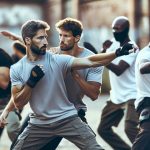

Confidence plays a transformative role in Krav Maga, not just as a fighting technique but as a mental and emotional journey. Many individuals find themselves grappling with fear and insecurity in everyday situations, and the journey through Krav Maga empowers them to reclaim that sense of control. Through practical self-defense training, students learn to navigate not only physical confrontations but also the psychological challenges that come with them. By cultivating confidence, practitioners can face threats with a clear mind, understanding the ethical and legal implications of their actions. This article explores how confidence reshapes the experience of training in Krav Maga, impacting lives both inside and outside the dojo. Join us on this journey to discover how mental fortitude not only enhances self-defense skills but also fosters a deeper sense of personal empowerment in today’s unpredictable world.
Understanding the Role of Confidence in Krav Maga
Building confidence is a foundational aspect of Krav Maga that transcends mere self-defense techniques, influencing every practitioner’s journey. When individuals begin their training, they often carry with them various fears and insecurities about their ability to defend themselves or respond effectively in dangerous situations. The essence of Krav Maga lies not only in teaching effective physical maneuvers but also in transforming these fears into a robust sense of empowerment. As practitioners engage in realistic training scenarios, they cultivate a deeper understanding of their own potential, gradually dispelling self-doubt and fostering a resilient mindset.
Instructors emphasize the importance of both technique mastery and psychological preparedness. Confidence in Krav Maga stems from repeated practice and exposure to diverse situations during training, allowing students to gain a clearer perspective on how to manage stress and respond to threats. The mental shift from feeling vulnerable to empowered is significant; this transition is cultivated through structured lessons that prioritize safety, controlled sparring, and realistic scenario simulations. As students witness their progression-realizing that they can effectively defend themselves-they develop an intrinsic confidence that permeates other areas of their lives.
Moreover, the camaraderie found within Krav Maga training communities plays a crucial role in building confidence. Practitioners support one another through understanding, shared experiences, and encouragement. This sense of belonging not only boosts individual confidence but also creates a supportive environment where students can openly address their fears and learn from one another. Ultimately, the collective reinforcement of skills and tactics, paired with the ethical focus on proportional response and de-escalation strategies, ensures that students leave classes with a comprehensive understanding of how confidence and self-defense intersect effectively.
The Psychological Foundations of Self-Defense
The foundation of self-defense is deeply psychological. Understanding the mental landscape that surrounds self-defense can significantly enhance a practitioner’s ability to respond appropriately in real-life confrontations. Confidence is not merely a byproduct of training; it is a crucial element that empowers individuals to transform potentially fear-inducing situations into opportunities for decisive action. This psychological readiness can dictate the difference between freezing in fear and effectively responding to a threat.
In Krav Maga, practitioners are trained to embrace their fears rather than ignore them. This transformation is achieved through exposure to controlled yet realistic training scenarios, which help normalize the anxiety that often accompanies dangerous situations. As individuals repeatedly face their fears in a supportive environment, they begin to reframe their mindset. Instead of viewing threats as insurmountable obstacles, they learn to assess them through a lens of capability and strength, resulting not only in enhanced self-defense skills but also in a deeper self-awareness and resilience.
Additionally, mental preparedness in self-defense correlates closely with practical effectiveness. Students learn the importance of situational awareness and the ability to read body language and environmental cues. This awareness fosters a proactive rather than reactive mindset- a key factor in de-escalating potential confrontations. By instilling a sense of control and understanding the implications of their actions, practitioners are more likely to employ techniques that prioritize safety and legal compliance, such as de-escalation tactics and proportional response, enhancing their overall self-defense effectiveness.
To support this mental shift, practice should also include a community aspect. Training alongside others who share similar goals not only creates a sense of camaraderie but reinforces individual confidence through shared experiences. Practitioners learn valuable lessons from one another, leading to collective growth in confidence and skill. This supportive network is crucial, as it helps to dissipate self-doubt and reinforces the notion that self-defense is not just about physical prowess but also about mental tenacity and ethical responsibility.
In summary, within Krav Maga emphasize the critical role of confidence. This confidence is cultivated through consistent training, mental preparedness, and a strong community, ultimately enabling individuals to navigate the complexities of self-defense with a clearer, more empowered mindset.
Transforming Fear into Empowerment
Many individuals perceive fear as a debilitating emotion, especially in high-stress situations like confrontations. However, within the framework of Krav Maga, fear is recontextualized as a powerful catalyst for personal growth and empowerment. This discipline teaches practitioners to face their fears head-on, transforming anxiety into confidence through structured, realistic training scenarios. By repeatedly confronting their reservations in a controlled environment, students learn to change their relationship with fear. Rather than allowing it to paralyze them, they leverage it to enhance their situational acumen and decision-making capabilities.
Facing realistic threats during training-such as simulated attacks or aggressive encounters-allows practitioners to experience and process fear in a safe space. This method not only normalizes the physiological responses that accompany fear but also enables individuals to practice techniques that effectively mitigate those responses. As students engage in this process, they develop a firm understanding that fear is not an enemy but a natural human reaction that can be mastered through experience and preparation. This shift is crucial, as it equips individuals with the mental tools necessary to remain composed and decisive during actual confrontations.
Moreover, this transformation from fear to empowerment serves a profound purpose beyond just physical defense. It instills invaluable lessons about resilience, self-worth, and mental fortitude. Practitioners learn that overcoming fear is directly tied to personal growth, leading to improvements not only in self-defense skills but in other life areas-boosting self-esteem and emotional stability. This holistic approach intertwines physical training with emotional and psychological resilience, creating well-rounded individuals capable of navigating not just potential threats but also the complexities of daily life.
Ultimately, embracing and transforming fear is a cornerstone of Krav Maga’s philosophy. This approach fosters individuals who are not only equipped to protect themselves but also empowered to approach life’s challenges with a clear, confident mindset. Knowing how to manage fear and channel it effectively allows practitioners to confront obstacles with determination, making them formidable both in and out of self-defense situations.
Techniques to Build Confidence in Training
Building confidence in training is essential for anyone embarking on the journey of self-defense, particularly in Krav Maga, where the emphasis is on practical application and real-world scenarios. One effective technique to bolster confidence is through simulated confrontations. This approach provides a safe environment in which students can experience what it feels like to face potential threats without the physical and emotional repercussions of a real encounter. Engaging with partners in controlled drills allows practitioners to practice techniques repeatedly, thus reinforcing muscle memory and decision-making under pressure.
Another vital method is goal setting. By establishing achievable milestones-such as mastering a particular technique or successfully executing a defensive maneuver during sparring sessions-students can celebrate their progress as they advance in skill and technique. This fosters a sense of accomplishment, validating their efforts and encouraging further commitment to their training. Additionally, trainers are encouraged to provide consistent, constructive feedback, emphasizing improvement and adaptation rather than just the end result.
Group training can also significantly impact confidence levels. Practitioners often benefit from a supportive community that fosters camaraderie and shared experiences. This element of social support alleviates feelings of isolation or intimidation that beginners might experience. Being surrounded by others who share similar fears and aspirations makes the training experience less daunting and more empowering. In some classes, instructors even integrate team-building exercises that highlight trust and cooperation, essential components of both Krav Maga and personal growth.
Lastly, integrating mental rehearsal techniques can significantly elevate a trainee’s confidence. Visualization-where students mentally picture themselves successfully executing techniques in various scenarios-has been shown to improve performance. This practice not only enhances visualization skills but also prepares the mind to respond effectively in real-life confrontations. Ultimately, these techniques not only build confidence in a Krav Maga training environment but also equip practitioners with essential psychological tools for real-life applications, ensuring they approach both training and future confrontations with a composed and assertive mindset.
Krav Maga vs. Traditional Martial Arts: A Mental Shift
Understanding the mental differences between Krav Maga and traditional martial arts reveals much about the effectiveness and appeal of this self-defense system. While many traditional martial arts focus heavily on technique refinement, forms, and competition, Krav Maga emphasizes real-world application and situational awareness. This shift in focus not only enhances self-defense capabilities but also fundamentally transforms the mindset of practitioners, boosting their overall confidence.
Krav Maga training is designed to prepare students for unpredictable, dynamic environments. Unlike traditional martial arts, which often involve regimented practices centered on katas and stylized movements, Krav Maga employs a more spontaneous approach that mirrors the chaos of actual confrontations. Practitioners learn to react instinctively to threats, employing natural movements and integrating multiple techniques seamlessly. This adaptability fosters a mindset of empowerment and resilience, transforming fear into confidence. As students become accustomed to unexpected scenarios, their belief in their ability to handle crises strengthens significantly.
Moreover, the inclusion of psychological preparedness in Krav Maga training sets it apart from many traditional disciplines. Instructors often incorporate mental exercises that encourage students to visualize themselves in high-stress situations, effectively preparing them to maintain composure under pressure. This mental rehearsal not only enhances performance but also instills a sense of readiness, further increasing self-esteem. As a result, practitioners approach both training environments and real-life situations with a heightened sense of assurance, understanding that they possess the skills necessary to defend themselves.
Krav Maga promotes a communal learning environment that emphasizes support and collective growth. In traditional martial arts, competition can sometimes foster a solitary mindset where individual achievements overshadow group dynamics. Conversely, Krav Maga nurtures camaraderie among students, urging them to rely on one another for support and encouragement. This supportive culture facilitates the exchange of experiences and techniques, making the training process more enriching and confidence-boosting. By redefining the martial arts experience as one of mutual progress and shared empowerment, Krav Maga creates not only skilled practitioners but also confident individuals equipped to face various challenges, both inside and outside the dojo.
Real-Life Scenarios: Confidence in Action
In real-life scenarios, the ability to remain calm and confident in the face of danger can make a significant difference in outcomes during confrontations. For many practitioners of Krav Maga, this confidence is not merely theoretical; it has been built through rigorous training that integrates both physical technique and psychological preparedness. When faced with unexpected threats, such as an attempted mugging or an altercation in a crowded space, those who have trained in Krav Maga often report a heightened ability to assess the situation quickly and react effectively.
Understanding how to handle such confrontations involves more than just physical prowess; it requires mental clarity. During a potential assault, a Krav Maga practitioner is trained to evaluate their options in an instant. They learn to implement techniques that prioritize their safety while also considering the legal implications of their actions. For example, rather than responding with excessive force, students are taught to de-escalate situations whenever possible, using verbal commands and their environmental awareness to avoid confrontation. This skill is especially crucial as legal systems in many states mandate a proportional response to threats.
Furthermore, the realistic simulations that form part of Krav Maga training can instill a sense of confidence that extends beyond the dojo. By engaging in scenario-based drills that mimic real-world attacks, practitioners mentally rehearse their responses. This preparedness translates into real-life situations, where trained individuals report feeling a sense of control and capability when facing danger. They can think clearly, make quick decisions, and execute appropriate responses, thus reducing fear and enhancing self-esteem when confronting adversity.
Ultimately, building confidence through Krav Maga equips individuals with the tools to protect themselves while understanding the responsibilities tied to self-defense. The emphasis on ethical decision-making and legal considerations enhances their capability to act in a manner that not only protects them but also respects the boundaries of legal force, empowering them to navigate the complexities of real-world threats effectively.
The Importance of Mental Resilience in Combat
When facing the unpredictability of physical confrontation, having mental resilience is as critical as mastering physical techniques. The ability to stay focused and maintain composure under pressure can drastically influence the outcome of a self-defense scenario. In Krav Maga, this mental fortitude is cultivated through intense training that not only tests physical limits but also challenges mental preparedness. Practitioners learn to confront not just the opponent, but the instinctual fears and anxieties that arise when faced with a potential threat.
One of the most effective ways to enhance mental resilience is through scenario-based training. By simulating real-world attacks in controlled environments, students can practice their responses repeatedly, thus familiarizing themselves with the stress response. Such drills allow individuals to experience the adrenaline rush of confrontation while under the guidance of an instructor who emphasizes controlled responses. This prepared mindset enables practitioners to think clearly in actual situations, significantly reducing panic and impulsive decision-making. As verbal de-escalation techniques are emphasized alongside physical defenses, students gain confidence not only in their ability to fight but also in their ability to communicate effectively in high-stress situations.
Moreover, the concept of mental resilience includes understanding the implications of one’s actions. Effective Krav Maga training stresses ethical decision-making – practitioners learn the legal aspects of self-defense, which can vary significantly by jurisdiction. For example, knowing the legal parameters regarding justifiable force is crucial. This understanding empowers students to act within the law, which can alleviate fear associated with potential legal repercussions. A confident practitioner understands that responding appropriately to threats involves not just physical capability but also the ability to assess and navigate the legal landscape surrounding self-defense.
In summary, building mental resilience through Krav Maga equips individuals with essential life skills. It fosters confidence by reinforcing the idea that self-defense is not solely about physical domination but about making smart, informed choices in high-pressure situations. By working through both psychological and tactical challenges in training, practitioners emerge not just as effective fighters but as individuals who can remain calm and decisive when it truly matters.
How Confidence Influences Decision Making
Confidence plays a pivotal role in decision-making, especially in high-stakes situations like self-defense. When an individual feels confident, they are more likely to make quick, assertive decisions rather than hesitating or second-guessing themselves. In the context of Krav Maga, this confidence is cultivated through rigorous training that prepares practitioners to face real-life threats with clarity and purpose. For instance, when a student repeatedly practices techniques in controlled environments, they learn how to assess situations quickly and choose appropriate responses, whether that involves physical defense or verbal de-escalation.
In moments of confrontation, having a confident mindset can significantly alter the course of events. A practitioner who believes in their skills is more likely to take proactive measures rather than freeze under pressure. This shift can mean the difference between successfully defusing an escalating conflict or becoming a victim. Knowing that one has the mental and physical tools necessary to handle dangerous scenarios fosters not just a sense of empowerment but also sharpens judgment. Additionally, understanding the legal implications of self-defense allows practitioners to act decisively while remaining within the bounds of the law, further enhancing their confidence.
Furthermore, confidence influences the ability to remain calm and composed. In stressful situations, it’s easy for fear and anxiety to cloud one’s judgment. However, with consistent training, Krav Maga practitioners develop the ability to think clearly, enabling them to make rational decisions even in chaotic environments. This mental clarity is crucial as it not only helps in choosing the right course of action but also facilitates effective communication, which can sometimes avert violence altogether. The confidence gained through self-defense training translates into an assertiveness that is often necessary to de-escalate potentially hazardous situations.
Ultimately, the interplay between confidence and decision-making in Krav Maga is a dynamic process. As students gain more experience and practice their skills, they not only refine their techniques but also transform their mental approach to threats. They learn that self-defense is not just about physical prowess; it encompasses a mindset that prioritizes safety, legality, and the moral weight of actions taken in the heat of the moment. This comprehensive understanding shapes how they respond to confrontations, ensuring that decisions made under pressure are informed, responsible, and effective.
Overcoming Self-Doubt: Stories from Practitioners
As individuals begin their journey in Krav Maga, many face a common adversary: self-doubt. This psychological barrier can impede progress and hinder performance, yet countless practitioners have found ways to overcome it, transforming their experience and enhancing their confidence. For instance, one student, Sarah, started her training feeling insecure about her physical abilities. Initially, she struggled to keep up with drills and often questioned her potential. However, with the support of her instructor and fellow students, Sarah learned that self-defense is about technique and mindset. Through consistent practice and encouragement, she gradually began to trust her skills, eventually applying her training in real-world scenarios where her newfound confidence made a significant difference in her responses to threats.
Stories like Sarah’s aren’t unique. Many practitioners report how confronting their self-doubts led to profound breakthroughs. Tom, a seasoned Krav Maga student, recalls a situation where he needed to use his training during a confrontational encounter. Despite initial fears about his ability to react, the confidence cultivated in class shone through. He effectively de-escalated the situation by using communication techniques he had practiced, demonstrating that confidence extends beyond physical prowess. These experiences highlight an essential aspect of Krav Maga: the reality that overcoming self-doubt doesn’t merely improve one’s fighting ability, but also enhances overall decision-making and communication skills, which are crucial in critical moments.
Another common theme among practitioners is the power of community. Many emphasize how training in a supportive environment helps mitigate feelings of insecurity. The camaraderie built through shared experiences in Krav Maga cultivates resilience. Participants often share their vulnerabilities, which helps normalize the struggle with self-doubt. This collective approach not only fosters personal growth but also strengthens the group’s overall confidence. Engaging in peer exercises, sparring, and feedback allows students to learn not only from their instructors but also from each other, creating a robust support network that champions individual progress while collectively reinforcing safety and ethical considerations in self-defense.
Ultimately, the stories of how practitioners have overcome self-doubt in Krav Maga serve as powerful reminders that the journey is as much about mental resilience as it is about physical skills. Each step taken in the dojo, each technique practiced, and each challenge faced builds a foundation for greater self-assurance. Through this process, practitioners not only learn to defend themselves but also develop a lasting sense of empowerment that positively impacts all areas of their lives.
Training Mindset: Fostering a Positive Self-Image
Building a positive self-image is essential in developing confidence, especially within the context of Krav Maga training. When practitioners step onto the mat, they often face not just physical challenges, but psychological hurdles rooted in self-perception. Understanding how to shift this mindset can transform their training journey and overall experience in self-defense.
The foundation of a positive self-image begins with setting realistic, achievable goals. Rather than focusing solely on mastery of complex techniques, practitioners should emphasize small, incremental improvements. Celebrate progress, no matter how minor it may seem. For example, a student may initially struggle with a specific move; acknowledging the effort put into practicing that move-even if it doesn’t result in immediate success-can foster a feeling of accomplishment. This recognition creates a supportive atmosphere where students feel safe to explore their limitations and gradually expand upon them.
Another crucial element is fostering a culture of encouragement within the training community. Feedback from instructors and peers can significantly impact a student’s self-esteem. Instructors should focus on constructive feedback rather than criticism, emphasizing what a student is doing well while gently guiding them on areas of improvement. Peer support plays a vital role too; sharing experiences and vulnerabilities can normalize the challenges of learning self-defense. Engaging in buddy drills or group sparring not only enhances technique but also builds camaraderie, which can be invaluable for personal growth.
Lastly, visualizing success can significantly influence how practitioners perceive their abilities. Encourage students to envision themselves effectively applying techniques during practice and in potential real-life situations. Visualization helps in mentally preparing them for various scenarios, solidifying their belief in their skills. As confidence builds, students often find that their decision-making abilities improve, allowing them to respond more adeptly during confrontational situations.
By focusing on setting achievable goals, cultivating a supportive community, and employing visualization techniques, practitioners of Krav Maga can develop a positive self-image that not only benefits their training but extends into all areas of their lives, empowering them to handle challenges with confidence. This shift in mindset plays a pivotal role in how individuals approach their training and, ultimately, their ability to protect themselves effectively.
The Impact of Confidence on Physical Performance
Confidence plays a crucial role in physical performance, particularly in self-defense situations like Krav Maga. When practitioners believe in their abilities, their physical execution becomes more fluid and effective. Numerous studies indicate that confidence directly affects how individuals respond to stress, which is particularly relevant in high-pressure scenarios such as self-defense. A confident practitioner can more readily react to threats, utilizing their trained techniques with precision and efficacy rather than hesitating or second-guessing themselves.
In Krav Maga, where instinctual and immediate actions are vital, having a strong sense of self-assurance allows for quicker decision-making. When students practice regularly and build their skills, the reflexive responses they learn become deeply ingrained. This foundation means they are not only physically prepared but also mentally primed to address confrontational situations. When confidence is high, they perform with greater strength and agility, especially during drills and sparring sessions. For example, a student who feels secure in their abilities will likely execute a defending maneuver more powerfully, minimizing the chance of error that could lead to injury.
Furthermore, the mental preparation involved in cultivating confidence can enhance the body’s physiological responses. Increased confidence often leads to better focus, coordination, and even stamina during physical exertion. Practitioners are more likely to embrace challenges head-on rather than shy away. This proactive mindset can mean the difference between neutralizing a threat effectively and experiencing physical defeat or injury.
Overall, by fostering a culture of confidence within training environments, Krav Maga instructors can help students unlock their full potential. When confidence levels rise, not only does it lead to improved self-defense capabilities, but it also encourages a lifelong journey of self-improvement and resilience, ultimately empowering individuals both on and off the mat.
Building a Supportive Training Community
In the realm of Krav Maga, the significance of a supportive training community cannot be overstated. When practitioners feel enveloped by a network of encouragement and shared commitment, confidence flourishes. This community environment fosters a sense of belonging, where individuals not only hone their fighting skills but also understand the emotional and psychological facets of self-defense. A recent study showed that individuals who train within a positive and cohesive community exhibit significantly higher levels of self-assurance than those who train in isolation.
A supportive community offers numerous benefits essential for building confidence in Krav Maga. Firstly, mentorship plays a crucial role. Seasoned practitioners can guide newcomers, offering insights not only about technique but also about the mental hurdles encountered in combat training. This transfer of knowledge creates an atmosphere of trust where students are more inclined to take risks, such as trying new techniques or engaging in sparring, without the fear of judgment. Additionally, establishing partnerships within classes for drills-where more experienced practitioners mentor novices-enhances skill acquisition and mutual respect.
Moreover, regular group activities and seminars contribute to the mental transformation of students. These sessions often emphasize reality-based self-defense scenarios, where practitioners discuss and strategize together. Sharing experiences about overcoming fear or anxiety in these situations fosters a collective resilience. It’s crucial to remember: the psychological aspects of self-defense are just as important as physical techniques. Practitioners can share stories of real-life encounters, connecting theory to practice and reinforcing the inherent value of self-reliance and tactical decision-making during stress.
Lastly, a culturally rich training environment instills a deeper appreciation for the legal and ethical dimensions of self-defense. Community discussions on these aspects educate practitioners about responsible self-defense, empowering them with the knowledge to make informed choices. This understanding enhances their confidence, as they recognize the moral and legal frameworks that govern their actions in potential confrontations.
In sum, in Krav Maga is not merely about camaraderie; it’s about cultivating an environment where individuals transform their mindset towards self-defense, fusing confidence with responsibility and ethical conduct. A community that rallies together not only enhances skill levels but also builds resilient, well-rounded practitioners prepared to navigate the complexities of self-defense.
Frequently asked questions
Q: How does confidence affect performance in Krav Maga?
A: Confidence enhances performance in Krav Maga by reducing hesitation during training and real-life situations. It allows practitioners to execute techniques more effectively, respond quickly to threats, and maintain focus under pressure. Building confidence through consistent practice can therefore significantly improve one’s self-defense abilities.
Q: What strategies can I use to build confidence in Krav Maga?
A: To build confidence in Krav Maga, practice techniques regularly, participate in sparring sessions, and set achievable goals. Engaging in positive self-talk and visualization can also empower you mentally. Consider joining a supportive training community to share experiences, which is discussed in the article’s sections on community and mindset.
Q: Can Krav Maga training help overcome anxiety?
A: Yes, Krav Maga training can help overcome anxiety by promoting physical fitness, teaching self-defense skills, and fostering resilience. As you gain proficiency and knowledge, your confidence increases, allowing for better management of anxiety and fear in stressful situations.
Q: How does Krav Maga differ from traditional martial arts in terms of mental training?
A: Unlike traditional martial arts that often focus on forms and discipline, Krav Maga emphasizes real-world self-defense scenarios and mental adaptability. This approach encourages practitioners to develop a mindset geared towards survival and situational awareness, as highlighted in the article’s comparison of Krav Maga and traditional martial arts.
Q: Why is mental resilience crucial in Krav Maga?
A: Mental resilience is crucial in Krav Maga because it allows practitioners to cope with stress and setbacks during training or encounters. Resilience fosters a growth mindset, helping individuals learn from experiences and adapt strategies for improved performance, as explained in the article on mental resilience.
Q: How can I apply confidence learned in Krav Maga to everyday life?
A: Skills gained from Krav Maga, such as assertiveness and situational awareness, can be applied to everyday life by helping you navigate challenging situations more decisively. Practicing stress management techniques can also enhance your ability to maintain composure and confidence outside of the dojo.
Q: What psychological benefits come from Krav Maga training?
A: Krav Maga training offers numerous psychological benefits, including increased self-esteem, reduced anxiety, and improved focus. Engaging in this practical self-defense system helps individuals cultivate a stronger mental presence, as discussed concerning the psychological foundations of self-defense in the article.
Q: How does confidence help in decision-making during a confrontation?
A: Confidence enhances decision-making by enabling quicker and more effective responses in confrontational scenarios. When you trust your training and instincts, you can assess situations rapidly and choose the best course of action, thus increasing your chances of a successful outcome.
The Conclusion
As we wrap up our exploration of how confidence transforms the practice of Krav Maga, remember that true strength comes not just from physical techniques but from the mindset you cultivate. Embracing your mental fortitude empowers you to respond effectively in challenging situations, making you not only a skilled practitioner but a confident individual in everyday life. Don’t just stop here-take action today! Consider deepening your understanding with our articles on self-defense strategies and the psychological aspects of martial arts.
If you’re eager to build your confidence further, sign up for our newsletter for expert tips directly to your inbox. Remember, every step you take towards mastering Krav Maga is a leap towards personal empowerment. Explore more of our resources on confrontation avoidance and tactical defense techniques, and connect with our community in the comments below-your insights could uplift someone else’s journey! Keep pushing forward; your safety and confidence are worth it.