

Krav Maga is not just another martial art; it’s a practical self-defense system designed to protect you in real-world scenarios. Originating from Israel, it emphasizes instinctual movements and quick responses, making it accessible for beginners. Whether you’re concerned about personal safety or seeking a way to boost your confidence, learning Krav Maga equips you with the skills to de-escalate situations and respond proportionately when necessary. This guide will navigate you through the foundational techniques and principles of Krav Maga, helping you understand not only how to defend yourself but also the ethical considerations involved. Empower yourself with the tools to protect your well-being while remaining grounded in the legal and moral responsibilities that come with self-defense. Dive into the world of Krav Maga, where you can transform fear into confidence and awareness.
Understanding the Basics of Krav Maga
Krav Maga is not just a martial art; it’s a comprehensive self-defense system that prioritizes practical techniques for real-life situations. Originating within the Israel Defense Forces (IDF), Krav Maga has been designed to enable individuals to defend themselves against a range of threats, whether they come from armed attackers or unarmed assailants. Central to the philosophy of Krav Maga is the focus on instinctive movements, efficient counterattacks, and situational awareness, which is tailored to empower practitioners to respond effectively under stress.
One of the key aspects of Krav Maga is its adaptable nature. Unlike traditional martial arts that may emphasize forms or katas, Krav Maga encourages flexibility and fluidity in action. This means that anyone can learn to defend themselves, irrespective of their physical condition, age, or prior experience. Techniques are based on natural body movements, which makes them easier to learn and recall in high-pressure situations. Furthermore, the training involves scenarios that might occur in real life, giving students a more realistic understanding of how to react when confronted with danger.
Another notable principle of Krav Maga is the emphasis on de-escalation. Practitioners are taught not only how to fight but also how to assess situations and avoid conflict when possible. This balanced approach ensures that students understand the importance of using force appropriately and legally. Knowing the boundaries of self-defense laws in their jurisdiction is essential for Krav Maga practitioners, as it fosters responsible decision-making in potentially dangerous encounters. In this context, Krav Maga is not about glorifying violence; rather, it’s about equipping individuals with the necessary tools to protect themselves while maintaining a strong ethical foundation.
In summary, Krav Maga stands out as a self-defense system that merges practicality, adaptability, and ethical considerations. Its teachings not only prepare individuals for confrontation but also instill a greater awareness and confidence in navigating challenging situations. Whether one is looking to gain skills for personal safety or enhance their fitness, understanding the fundamentals of Krav Maga can be a powerful step in self-empowerment.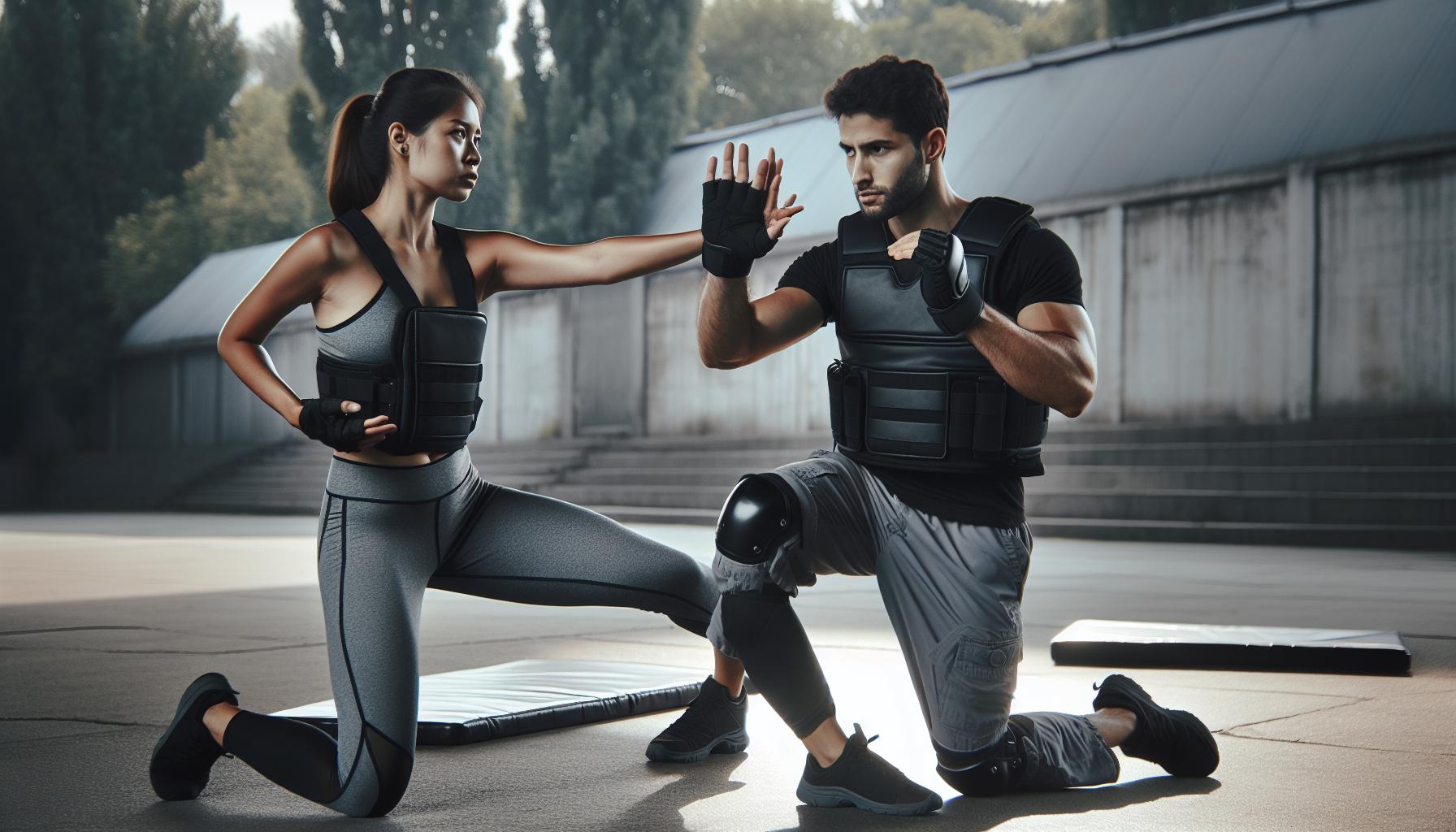
Key Principles of Self-Defense in Krav Maga
In the world of self-defense, understanding the foundational principles of Krav Maga is crucial for anyone committed to their personal safety. At its core, Krav Maga is designed to be effective and efficient, focusing on instinctual reactions rather than complex techniques that can be hard to remember under stress. This approach allows practitioners to quickly adapt to a variety of threatening scenarios, whether faced with an unarmed assailant or an armed attacker.
One of the primary principles in Krav Maga is the concept of situational awareness. This means being aware of your surroundings and anticipating potential threats before they escalate. Practitioners are trained to remain alert to their environment, which can involve noticing the demeanor of others or recognizing escape routes. This proactive mindset helps in avoiding confrontations when possible, aligning with the ethical commitment of using self-defense only when absolutely necessary.
Another key principle is the use of proportionate force. In Krav Maga, the goal is not to dominate an opponent but to neutralize a threat effectively and safely. This principle encourages practitioners to respond with only the amount of force necessary to defend themselves, thereby minimizing harm to both themselves and their assailants. It is essential to understand the legal boundaries surrounding self-defense, as laws can vary significantly by location. For instance, many jurisdictions require that the response to a threat must not exceed the level of aggression faced, making it vital for practitioners to educate themselves on local self-defense laws.
Additionally, Krav Maga emphasizes de-escalation techniques. Before engaging physically, practitioners learn to assess and attempt to diffuse a situation verbally whenever possible. Skills in negotiation, tone of voice, and body language can be powerful tools in preventing physical confrontations. The ethos here is clear: violence should always be the last resort.
Overall, the principles of self-defense in Krav Maga encapsulate a blend of practical techniques and ethical considerations. This philosophy not only equips individuals to handle real-world threats but also fosters a deeper awareness of their surroundings and the weight of their actions. By focusing on these key principles, practitioners can build a responsible and effective self-defense strategy.
Essential Gear and Equipment for Beginners
When beginning your journey in Krav Maga, having the right gear and equipment can significantly enhance your training experience and ensure your safety. Unlike some martial arts that require elaborate uniforms, Krav Maga is practical and minimalistic in terms of gear, focusing on functionality and comfort. As a beginner, it’s essential to equip yourself with items that not only protect you during training but also allow you to train effectively.
Essential Gear
- Comfortable Sportswear: Choose breathable and flexible clothing, such as athletic shorts and moisture-wicking shirts. This ensures that you can move freely and comfortably during drills and sparring sessions.
- Footwear: While some practitioners train barefoot, others prefer wearing grappling shoes or thin-soled athletic shoes. These options provide grip and stability without compromising mobility.
- Protective Gear: Invest in protective equipment such as mouthguards, shin guards, and possibly gloves. This gear reduces the risk of injury during sparring and drills, allowing you to train more confidently.
- Water: Staying hydrated is crucial during intense training sessions. Always bring a water bottle to keep yourself hydrated throughout class.
- Notebook or Training Journal: Documenting techniques, feelings, and progress can reinforce your learning. A training journal allows you to reflect on what you’ve learned and areas you want to improve.
Extra Equipment for Consideration
Depending on the intensity and focus of your training classes, you might also consider acquiring additional gear:
- Heavy Bag or Training Dummies: If you’re practicing at home, these tools can help you work on striking and self-defense techniques in a safe environment.
- Focus Mitts: If you train with a partner, having focus mitts can enhance your striking practice and improve your accuracy and timing.
- Self-defense Tools: As you advance and understand the legal implications, aware use of self-defense tools like pepper spray or personal alarms can further empower you, keeping in line with the emphasis on responsible self-defense.
Equipping yourself well from the beginning not only sets a solid foundation for your training but also reinforces the importance of safety and preparedness in self-defense scenarios. Remember, the aim of Krav Maga is to empower individuals, and being well-prepared is a significant step in that empowerment journey.
Finding a Quality Krav Maga School
Finding the right Krav Maga school can be a pivotal step in your self-defense training journey. Unlike traditional martial arts studios, Krav Maga schools emphasize realistic self-defense techniques tailored for real-world scenarios. When choosing a school, it’s essential to consider various factors that impact your training experience and overall safety.
An excellent place to start is by researching the school’s credentials and instructor experience. Look for schools where instructors have proper certifications and are experienced practitioners of Krav Maga. Having instructors who understand the legal implications of self-defense and prioritize safety during training can enhance your learning experience. You want to feel confident that your instructor not only teaches effective techniques but also understands how to teach them responsibly, emphasizing de-escalation and ethical responses.
The class environment also plays a crucial role in your learning. Observe a class if possible-notice the energy levels, the professionalism of the instructors, and how they interact with students. Are they attentive and respectful? Do they provide constructive feedback? It’s beneficial to join a school that fosters a supportive atmosphere, especially for beginners who may feel intimidated.
Consider the school’s curriculum and class offerings:
- Do they offer classes for different skill levels, including beginners?
- Is there a focus on practical applications and real-life scenarios?
- Are sparring sessions incorporated into the training, and how is safety managed during those sessions?
Lastly, trust your instincts. Choose a school where you feel comfortable and motivated to learn. Training in Krav Maga should empower you, helping you to build confidence while respecting the serious nature of self-defense. By thoroughly evaluating these factors, you can select a quality Krav Maga school that aligns with your goals and supports you in becoming a proficient practitioner.
What to Expect in Your First Class
Stepping into your first Krav Maga class can be both an exhilarating and nerve-wracking experience. The adrenaline rush and anticipation of learning practical self-defense techniques are often mixed with feelings of uncertainty. Understanding what to expect can help ease your apprehension and set the foundation for your journey in this intense martial art.
Your first class will typically start with a warm-up designed to prepare your body for the physical demands ahead. This may include cardio exercises like jumping jacks and dynamic stretches to enhance your flexibility and stamina. Pay close attention, as these warm-ups also serve to introduce you to the rhythm and movements you’ll be utilizing during training.
During the class, the instructor will likely introduce basic concepts of Krav Maga, such as awareness, avoidance strategies, and the importance of de-escalation. You’ll learn that self-defense is not solely about physical confrontation; it’s equally about making decisions under stress and recognizing when to disengage. Expect a blend of instruction and practical drills; you might practice moves like defending against grabs or strikes in a controlled environment, which is essential for mastering technique.
As the class progresses, you may work with peers to practice basic techniques, such as simple strikes or escapes from holds. Remember, everyone is there to learn, and it’s common for beginners to feel a bit clumsy at first. Instructors will foster a supportive environment, encouraging you to ask questions and take your time mastering each movement. While sparring may not be immediately introduced in your first class, observing how experienced practitioners interact can provide valuable insight into the effective application of the techniques you’re learning.
Ultimately, your first Krav Maga class is about building a foundation. Embrace the learning process and remember that every expert was once a beginner. Focus on your own progress, and let the supportive energy of the class motivate you as you begin your self-defense journey.
Basic Techniques Everyone Should Know
Mastering basic techniques is crucial for anyone beginning their journey in Krav Maga. These foundational skills not only equip you with practical self-defense strategies but also build confidence and awareness in potentially dangerous situations. Learning effective techniques enhances your ability to assess threats and respond appropriately.
Key Techniques to Learn
The following are some essential Krav Maga techniques that every beginner should practice:
- Front Kick to the Groin: This powerful technique targets a vulnerable area on an attacker, allowing you to create distance and escape. To execute the kick, lift your knee toward your chest and extend your foot with force, aiming for the groin area.
- Bear Hug Defense: When someone grabs you from behind, your instinct may be to freeze. Instead, quickly drop your weight and twist your body, using your elbows to strike the attacker’s arms or abdomen to break free.
- Knife Defense: In a threatening situation involving a knife, focus on redirecting the attacker’s arm while simultaneously countering with strikes of your own. Keeping your movements efficient and your distance safe is key to neutralizing this type of threat.
It’s also important to embrace the principle of de-escalation whenever possible. Many situations can be resolved through verbal communication rather than physical confrontation. Always assess whether leaving the situation is a feasible option before resorting to self-defense techniques.
Technique Application
Real-world scenarios provide context for these techniques. For example, if an assailant approaches aggressively, delivering a front kick to the groin can stun them long enough for you to escape. Should someone attempt to restrain you, using the bear hug defense gives you a means to regain control. In an extreme case involving a knife, practicing the basic movements of defense with a partner can enhance your reaction time and confidence.
Understanding when and how to use these techniques is as critical as learning to execute them. Each technique carries moral and legal implications; self-defense should always be viewed as a last resort, focusing on proportionality and the intent to escape rather than retaliate.
By consistently training on these fundamentals and understanding their applications, you will not only improve your physical skills but also foster a mindset geared towards awareness, preparation, and responsible decision-making in self-defense situations.
Sparring and Practicing Safely: Best Practices
Practicing self-defense techniques can be both exhilarating and intimidating, particularly for beginners. Sparring serves as a vital component of Krav Maga training, helping practitioners refine their skills in a controlled environment. However, ensuring safety during these sessions is paramount. Knowing how to spar effectively involves understanding not only the physical techniques but also the mental and legal aspects of self-defense.
First and foremost, it’s essential to communicate openly with your sparring partner. Set clear parameters regarding intensity and objectives before beginning. Agree on what techniques can be used (e.g., strikes, grappling) and what should be avoided to minimize injury risk. For example, practicing light contact allows both partners to work on timing and reaction without the pressure of full-force engagement. This approach can significantly boost confidence, especially for those new to physical confrontations.
Safety Protocols
Maintaining a structured sparring environment is key to enhancing effectiveness while minimizing dangers. Following these best practices can help:
- Warm-Up and Stretch: Properly prepare your body to prevent injuries. A good warm-up increases flexibility and reduces the chance of strains.
- Wear Protective Gear: Always use appropriate safety equipment such as gloves, mouthguards, and shin guards. These items can significantly reduce the severity of injuries during practice.
- Focus on Control: Sparring should emphasize control over aggression. Train yourself and your partner to pull punches and limit striking force, thereby fostering a safer learning environment.
- Listen to Each Other: Maintain ongoing dialogue about comfort levels during practice. If one partner feels overwhelmed, it’s crucial to slow down or stop completely.
In addition to safety measures, understanding the legal aspects of self-defense is critical, especially in a sparring context. Practitioners should be aware that self-defense is legally justified only when there is an imminent threat. Therefore, it’s vital to adopt a practice mindset focused on de-escalation. This means setting realistic training scenarios where the goal is to escape a confrontation rather than dominate an opponent. By prioritizing de-escalation, you train not just your body, but also your decision-making skills for real-life situations.
Finally, remember that learning Krav Maga is a journey that includes facing fears and building resilience. Approach each sparring session with the mindset of improvement and safety, and you’ll grow more confident in your abilities while respecting the serious nature of self-defense. This balanced perspective will empower you to protect yourself effectively and ethically when necessary.
Krav Maga vs. Other Martial Arts: A Comparison
When considering self-defense training, understanding the distinctions between Krav Maga and other martial arts is crucial for choosing a path that best suits your needs. Krav Maga is fundamentally a self-defense system designed for real-world situations, emphasizing techniques that are practical and efficient. In contrast, many traditional martial arts, such as Brazilian Jiu-Jitsu (BJJ) or karate, often incorporate a broader range of forms, rituals, and sport-oriented elements. This stark difference highlights the core objective of Krav Maga: to enable individuals to defend themselves against various threats as effectively and quickly as possible.
One of the key principles of Krav Maga is its focus on instinctive movements. Practitioners are trained to react in a way that feels natural under stress, allowing them to respond to threats immediately. This is in stark contrast to the more structured approaches found in other martial arts, where techniques might require extensive practice and memorization. For instance, while BJJ emphasizes grappling and ground fighting techniques that can take years to master, Krav Maga practitioners learn to prioritize escaping and countering threats quickly.
Techniques and Philosophy
Krav Maga techniques are rooted in real-life scenarios, often using common objects as improvised weapons and focusing heavily on scenarios involving multiple attackers. This practical approach means that practitioners not only learn how to fight but also how to avoid confrontations when possible, aligning with the legal and ethical dimensions of self-defense. On the other hand, martial arts like Muay Thai or taekwondo may focus more on sport and competition, often bypassing some of the crucial de-escalation tactics that Krav Maga emphasizes.
Legal Considerations
When it comes to self-defense laws, the principles taught in Krav Maga provide a framework for understanding when and how to use force legally and ethically. It’s essential for students to recognize the legal implications of their actions in self-defense situations. For example, the line between self-defense and aggression is often fine, requiring practitioners to use only the necessary force to neutralize a threat. In contrast, martial arts that are sport-focused may not provide the same level of emphasis on legal aspects, which can leave practitioners unprepared for the implications of their actions outside of a controlled environment.
In summary, choosing Krav Maga means opting for a system designed to address immediate threats with decisiveness and practicality. The unique blend of technique, legal understanding, and ethical considerations sets it apart from traditional martial arts. As you embark on this self-defense journey, keep these differences in mind to ensure that your training aligns with your personal safety goals and philosophies.
The Role of Fitness in Krav Maga Training
Krav Maga is not just about mastering self-defense techniques; it fundamentally incorporates fitness as a core component of training. This integration of physical conditioning with combative skills prepares practitioners not only to defend themselves effectively but also to endure the physical and mental demands of a real confrontation. Conditioning is crucial because, in a high-stress situation, your body must be capable of executing techniques effectively, pushing through fatigue, and making quick decisions.
Fitness in Krav Maga encompasses various aspects such as strength, endurance, flexibility, and agility. Engaging in high-intensity interval training (HIIT), for instance, is common practice among Krav Maga practitioners. This type of training enhances cardiovascular fitness, allowing individuals to perform techniques with power and speed even under stress. Incorporating exercises that focus on functional movements-like squats, lunges, and plyometric drills-improves strength and stability, essential for effective striking and defending.
Moreover, the explosive nature of many Krav Maga techniques demands a high level of agility. Mobility drills and dynamic stretches play a vital role in training to ensure that practitioners can move quickly and fluidly during confrontational scenarios. This physical prowess not only enhances combat performance but also contributes significantly to injury prevention. For beginners, a well-rounded fitness routine that includes strength training, aerobic exercises, and flexibility work will create a solid foundation for Krav Maga training.
Ultimately, while Krav Maga offers unique techniques for self-defense, the role of fitness cannot be underestimated. It empowers practitioners to respond efficiently and effectively in real-life situations while fostering a sense of confidence and resilience-a crucial mindset for anyone seeking to enhance their personal safety. By prioritizing fitness, you not only improve your self-defense skills but also enhance your overall physical well-being, making Krav Maga a holistic approach to personal safety.
Legal Considerations in Self-Defense Situations
In any self-defense situation, understanding the legal implications of your actions is crucial. While Krav Maga provides effective techniques for personal protection, it is essential to recognize that not every response in a confrontation may be legally justified. The principle of proportionality is key: your reaction must be commensurate with the threat you face. This means if you are confronted with non-lethal aggression, using excessive force can lead to serious legal consequences.
Legal Principles of Self-Defense
Self-defense laws vary significantly by state, but they generally adhere to a few core principles. In most jurisdictions, you are allowed to use reasonable force to defend yourself from an imminent threat. However, what constitutes “reasonable” can be subjective and open to interpretation. It’s essential to understand local laws regarding self-defense, including:
- Duty to Retreat: In some states, you may be required to retreat from a threatening situation if it is safe to do so before resorting to force.
- Stand Your Ground Laws: Some areas allow individuals to use force without the duty to retreat, even in public spaces.
- Castle Doctrine: This legal principle permits individuals to use force when defending their homes without a duty to retreat.
Understanding these laws helps you navigate potentially dangerous situations with greater awareness and responsibility.
De-Escalation and Ethical Considerations
Krav Maga emphasizes not just techniques for physical defense but also the importance of de-escalating confrontations whenever possible. Many instances of violence can be resolved through effective communication and avoidance of conflict. Recognizing when to disengage and seeking safer alternatives can prevent legal repercussions and enhance personal safety.
While training in Krav Maga, consider taking part in discussions about the ethical use of force. This includes evaluating scenarios where physical confrontation might not be necessary, allowing you to develop a more nuanced understanding of self-defense. Always remember that being a practitioner of self-defense isn’t just about knowing how to fight but also being prepared to use that knowledge responsibly.
By being informed about the legal aspects of self-defense, you empower yourself not only to protect your wellbeing but also to act within the boundaries of the law, ensuring that your training is used ethically and effectively.
Building a Personalized Training Routine
Developing a personalized training routine in Krav Maga is crucial for maximizing your effectiveness and comfort level in self-defense situations. The foundation of your routine should be your individual goals, fitness level, and available resources. Understanding that not all training needs to happen in a gym setting can also expand your options significantly. Transitioning from traditional martial arts training to Krav Maga’s practical techniques can be a shift; thus, integrating methods that cultivate both skill and confidence is essential.
Start by assessing your current physical condition. Are you focusing on strength, endurance, flexibility, or all three? A balanced approach will not only enhance your Krav Maga practice but also prevent injuries. Incorporate strength training exercises like push-ups, squats, and resistance bands targeting various muscle groups. Cardio activities, such as jogging or cycling, can boost your stamina. Don’t forget to include flexibility training, such as yoga or dynamic stretching, which is vital for executing moves effectively.
Next, dedicate specific days to practice different aspects of Krav Maga. For example, you could focus on technique on Mondays and Wednesdays, sparring on Fridays, and fitness training on Tuesdays and Thursdays. During technique practice, work on key moves such as strikes, defenses, and escapes. Try to incorporate drills that mimic real-world scenarios. For instance, partner with a friend to enact possible threat situations, allowing you to practice response strategies in a controlled environment.
Keep track of your progress. Documenting your training details can illuminate patterns and areas that need more focus. Set goals-both short-term (learning a new technique) and long-term (mastering self-defense applications). This keeps you motivated and accountable.
Finally, incorporate feedback from experienced practitioners or instructors. Engaging in partnerships with higher belts or attending seminars can enhance your understanding and application of techniques. Krav Maga is not just about physical moves but also about developing a mindset for awareness and caution. As you cultivate your training routine, prioritize safety and legal considerations to ensure that you’re prepared for not only physical confrontations but also the moral weight they carry in real-life scenarios.
Overcoming Common Challenges as a Beginner
Embarking on your journey in Krav Maga can be both exhilarating and overwhelming, particularly for newcomers who may face a variety of challenges. It’s crucial to acknowledge these hurdles and develop strategies to overcome them, ensuring that your training is both effective and empowering.
One of the primary challenges beginners encounter is self-doubt. Many may feel intimidated by the physical nature of Krav Maga or fearful of being judged by more experienced practitioners. A proactive approach to this is to remember that every expert was once a beginner. Focus on personal progress, and set achievable goals to foster a sense of accomplishment. Celebrate small victories, such as mastering a single technique or increasing your fitness level. This incremental approach not only boosts confidence but also reinforces the understanding that mastery comes through consistent effort and practice.
Another common obstacle is the physical demand of training. Beginners may struggle with endurance, strength, or flexibility, which can be discouraging. It’s essential to modify your training plan to include a balanced fitness regimen that incorporates strength training, cardiovascular exercises, and flexibility work. For instance, dedicating time to bodyweight exercises, such as push-ups and squats, can improve strength, while regular cardio sessions, like running or cycling, enhance stamina. Additionally, integrate dynamic stretching to increase flexibility, which is vital for executing Krav Maga techniques effectively.
Injuries can also pose significant challenges during training. To mitigate this risk, always prioritize warm-ups and cooldowns. Listen to your body; if something doesn’t feel right, don’t hesitate to consult with your instructor to ensure you’re using proper techniques. Learning to recognize your physical limits is a vital skill that will safeguard your training longevity.
Finally, the psychological aspect of self-defense training-understanding the legal implications and ethical considerations of using force-can be daunting. It’s vital to engage with instructors who emphasize legal education within the training context. Familiarize yourself with local laws regarding self-defense to ensure that you not only practice physically but also mentally prepare for real-life scenarios. This understanding helps demystify the complexities of self-defense situations, fostering a more responsible and informed practitioner.
By confronting these challenges head-on, you’ll cultivate resilience, ensure a smooth training experience, and channel your efforts into becoming proficient in Krav Maga. Remember, the journey is just as important as the destination, and with persistence and support, you can navigate these hurdles effectively.
Frequently asked questions
Q: What is the best way for a beginner to start learning Krav Maga?
A: The best way for beginners to start learning Krav Maga is by enrolling in a quality Krav Maga school that focuses on fundamentals. It’s essential to attend introductory classes, which typically emphasize core techniques, safety protocols, and self-defense theory. Make sure to practice regularly and ask questions during training to enhance your understanding.
Q: How much does it cost to learn Krav Maga?
A: The cost to learn Krav Maga varies widely, typically ranging from $100 to $200 per month depending on location and gym. Many schools also offer trial classes or introductory packages. Consider discussing monthly fees and potential discounts when looking for a gym to find a plan that fits your budget.
Q: How long does it take to become proficient in Krav Maga?
A: Becoming proficient in Krav Maga varies by individual, but most practitioners notice significant improvement within six months of regular training. Continued practice enables mastery of advanced techniques and a deeper understanding of self-defense principles. Consistency is key in accelerating your learning journey.
Q: Can anyone practice Krav Maga, regardless of fitness level?
A: Yes, anyone can practice Krav Maga regardless of fitness level. This martial art is designed for adaptability, allowing practitioners of all sizes and abilities to learn effective self-defense techniques. Focus on personal progress and technique rather than fitness, and remember to consult your instructor about modifications when necessary.
Q: Are there age restrictions for learning Krav Maga?
A: There are generally no strict age restrictions for learning Krav Maga, as many schools offer classes for all ages. However, some do provide specialized youth programs. Regardless of age, beginners should ensure physical readiness and consult instructors to evaluate class suitability.
Q: What should I wear to my first Krav Maga class?
A: For your first Krav Maga class, wear comfortable athletic wear that allows for unrestricted movement. Avoid overly loose clothing that could get caught. Most gyms recommend training in comfortable shoes or barefoot. It’s also wise to bring a water bottle to stay hydrated during sessions.
Q: Is it necessary to spar in Krav Maga training?
A: While sparring is an important component of Krav Maga training, it’s not strictly necessary for beginners. Initial focus should be on learning techniques, self-defense principles, and building confidence. Sparring can be gradually incorporated as you gain proficiency and comfort with basic techniques to understand real-life application.
Q: How does Krav Maga differ from traditional martial arts?
A: Krav Maga differs from traditional martial arts in its primary focus on real-world self-defense rather than competition or sport. It emphasizes practical techniques addressing a variety of threats, making it dynamic and adaptable to various situations, which is a stark contrast to the forms and rituals often seen in traditional martial arts practices.
Final Thoughts
As you begin your journey in Krav Maga, remember that the skills you acquire go beyond self-defense; they empower you with confidence and a deeper understanding of your personal safety. Take the next step by exploring our online courses tailored for beginners and advancing your practice with expert guidance. Don’t hesitate-being prepared is key.
For more tips on mastering self-defense techniques safely, check out our articles on legal boundaries and effective de-escalation strategies. Stay informed and connected-subscribe to our newsletter for ongoing insights and updates on Krav Maga! Your journey doesn’t stop here; discover how Krav Maga sets itself apart from other martial arts for a holistic view of self-defense. Comment below with your questions or share your experiences; we’re here to support you every step of the way!