
Krav Maga is not just about mastering self-defense techniques; it’s about being prepared for unexpected confrontations. The right gear can enhance your training experience, providing safety and comfort while you learn. This guide covers essential equipment you’ll need for Krav Maga classes, ensuring you can focus on honing your skills without distractions. As you embark on this journey, understanding the importance of appropriate attire will empower you to train effectively and confidently. Explore the must-have items that will not only prepare you for physical challenges but also equip you to handle real-world situations responsibly. Your safety and readiness are paramount, and the right gear is the first step toward achieving that goal.
Essential Clothing for Krav Maga Training
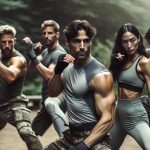
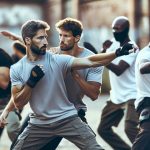
Dressing properly for Krav Maga training is crucial for maximizing performance and ensuring safety. The right clothing not only allows for the full range of motion required in dynamic self-defense scenarios but also enables practitioners to focus on their skills without distractions from discomfort or improper fit. Typically, practitioners wear athletic wear that is breathable and flexible, such as moisture-wicking t-shirts and lightweight shorts or pants. These garments should fit snugly but not be restrictive, ensuring that they accommodate intense physical activity while allowing for quick movements.
When selecting clothing for Krav Maga, consider fabrics that resist tearing and abrasion, particularly in training environments where you may encounter rough surfaces or engage in grappling. Look for reinforced stitching in areas prone to stress, such as the crotch and seams. Additionally, opting for long sleeves or pants can offer added protection, especially during contact drills. It’s important to avoid overly baggy clothing, as it can catch during training and cause accidents. Shorts that are too loose may ride up, while oversized shirts can obstruct movement or visibility.
Layering is also an effective strategy, especially for outdoor training sessions. Consider wearing a form-fitting base layer that wicks moisture away from the skin combined with a slightly loose outer layer that protects against abrasion without hindering movement. This approach can help you stay comfortable in varying temperatures and during intense workouts. Lastly, always prioritize safety by ensuring that your clothing lacks any metal fastenings, zippers, or sharp decorations that could lead to injuries during practice. By choosing the right gear, you not only enhance your training experience but also foster a safer training environment for yourself and your partners.
Footwear That Enhances Performance
Wearing the right footwear can significantly influence your performance and safety during Krav Maga training. The dynamics of this martial art involve quick movements, pivots, and a variety of footwork that requires footwear designed for optimal support, traction, and stability. Unlike traditional sneakers, which may not provide the necessary grip or movement flexibility, specialized training shoes can offer the advantage you need to execute techniques confidently and effectively.
Types of Footwear to Consider
When selecting appropriate footwear, there are a few key features to prioritize:
- Grip and Traction: Look for shoes with a rubber sole designed for high traction. This will help prevent slips during rapid movements and transitions.
- Support and Cushioning: Opt for shoes that provide adequate arch support and cushioning, which can help absorb impact during jumps and falls, reducing the risk of injury.
- Flexibility: Your footwear should allow for a natural range of motion. Look for shoes that are both lightweight and flexible, permitting you to move seamlessly as you train.
- Breathability: Materials that allow air circulation will keep your feet cool and dry during intense sessions, enhancing comfort and performance.
Examples of Ideal Footwear
Consider investing in shoes designed specifically for martial arts or high-intensity training, such as cross-training shoes or lightweight running shoes. Brands that cater to these needs often design their footwear with enhanced grip patterns and reinforced sections to withstand the rigors of combat training. Examples include the Nike Metcon series or Asics Gel-Firestorm, both known for their durability, grip, and support.
Safety Focus
Always prioritize safety when selecting your footwear. Avoid training in sandals or casual shoes that do not provide the essentials mentioned above. These can hinder your movements and expose you to injuries, whether from tripping or inadequate support. Ultimately, ensuring that you have the right shoes will not only enhance your training experience but also help protect your body as you learn and hone your Krav Maga skills.
Protective Gear: Must-Haves for Safety
Protective gear is an essential component of your Krav Maga training. Even though the focus of this martial art is self-defense and practical techniques, safety must always come first. Wearing the appropriate protective equipment not only enhances your training experience but also significantly reduces the risk of injury during practice.
A crucial piece of gear is the mouthguard. This simple yet effective tool protects your teeth and jaw from impact during sparring. It’s vital to choose a mouthguard that fits well. A custom-fitted mouthguard provides the best protection while allowing you to breathe and speak comfortably.
Another important item is protective headgear, which mitigates the risk of head injuries during training. Look for headgear that has adequate padding and a secure fit to avoid slippage during movement. Quality headgear allows for maximum visibility and hearing while still protecting against accidental blows.
Additionally, consider using shin guards and forearm guards. These protect vulnerable areas from kicks and punches that can occur during both drills and sparring sessions. When selecting these guards, prioritize lightweight options that don’t limit your mobility yet provide sufficient padding for defense.
Finally, investing in a chest protector can be beneficial, especially for beginners. It shields the torso, where many strikes can land, allowing trainees to focus on learning techniques without the fear of injury. Always ensure that all protective gear fits properly and does not restrict movement. This will enable you to train effectively while maintaining safety. Remember, the right protective gear can empower you to push your limits and build confidence in your abilities.
Accessories to Optimize Your Training Experience
To elevate your Krav Maga training efficiency and comfort, the right accessories play a vital role. These items not only enhance your performance but can also significantly improve your overall training experience, empowering you to focus on techniques without unnecessary distractions.
A durable training bag is essential for keeping your gear organized and easily accessible. Look for one with multiple compartments to separate your protective equipment from your clothing, allowing for quick changes and access during classes. Consider bags with padded straps for comfort, especially if you’re carrying heavy gear or traveling to different locations for training.
Water bottles and hydration packs are also crucial accessories. Staying hydrated helps maintain your energy and focus during intense training sessions. Choose a lightweight, insulated bottle that keeps your drink cool, or a hydration pack if you prefer hands-free hydration during practice.
Wrist wraps and ankle supports can provide additional stability and protection. These accessories are particularly useful for those who may be prone to sprains or injuries, offering support during ground work or heavy striking. Ensure that the wraps fit snugly but are not overly restrictive, allowing for a full range of motion.
Lastly, consider incorporating a notebook or a training journal into your training regimen. Documenting your progress, techniques learned, and areas needing improvement can significantly enhance your learning experience. Reflecting on your notes and goals allows you to track your development and keep you motivated throughout your journey in Krav Maga.
By investing in these thoughtful accessories, you can create a tailored training environment that fosters safety and effectiveness, ultimately leading to a more rewarding martial arts experience.
Layering Strategies for All Weather Conditions
When training in Krav Maga, adapting your attire to fit various weather conditions can significantly enhance your comfort and performance. Given that training sessions can occur in both indoor facilities and outdoor environments, having a smart layering strategy is essential. By layering your clothing appropriately, you can regulate your body temperature, manage moisture, and ensure optimal mobility throughout your practice.
Begin with a moisture-wicking base layer, which is vital in hot or humid environments. This base layer should fit snugly to your body, helping to pull sweat away from your skin and keep you dry. Look for materials like merino wool or synthetic blends that offer breathability and quick drying times.
Next, consider adding an insulating mid-layer for cooler temperatures. This layer can be a lightweight fleece or a thermal shirt, which will provide warmth without hindering your movements. It’s important that this layer allows for some stretch and does not add unnecessary bulk that could restrict your fighting posture.
Finally, for those unpredictable weather shifts, a water-resistant outer shell can be a game changer. Choose a jacket that is lightweight and packable, allowing you to easily stow it when not needed. Look for features like adjustable cuffs and a hood, which can protect against rain or wind without sacrificing your ability to execute techniques effectively.
Consider these key points when layering:
- Adjustability: Ensure that layers can be added or removed easily during training.
- Fit: Each layer should allow full range of motion and not constrain movement.
- Climate Specifics: In warmer climates, avoid heavy bulk; choose lighter fabrics. For colder regions, prioritize insulation and wind resistance.
By employing these layering strategies, you safeguard against the elements while maintaining focus on your training. Remember, the right attire not only keeps you comfortable but also allows you to concentrate on your techniques and self-defense skills, ultimately making your Krav Maga training more effective.
Common Mistakes: What to Avoid Wearing
When stepping into a Krav Maga class, your choice of clothing can significantly impact your performance and comfort. One of the most prevalent mistakes is opting for baggy or loose-fitting attire. While it may seem comfortable, loose clothing can hinder your movements, get caught in grips, or obscure your range of vision during practice. Instead, choose fitted clothing made from breathable materials that allow for optimal mobility-this ensures you can execute techniques without obstruction.
Another common pitfall is wearing inappropriate footwear. Many beginners may arrive in standard gym sneakers, which often lack the necessary grip and support for the dynamic movements in Krav Maga. Shoes with a flat sole provide better stability and balance when executing strikes or defending against attacks. Consider investing in shoes specifically designed for martial arts or cross-training, as they are constructed to provide the traction and flexibility needed for effective footwork.
Accessories also require careful consideration. Wearing jewelry, such as rings or dangling earrings, can pose a safety risk not only to yourself but also to your training partners. These items can snag or cause injury during sparring or drills. It’s best to remove any jewelry before class to avoid distractions and potential accidents. Additionally, think twice about using excessive padding or bulky protective gear that may limit your ability to practice effectively; select only the essential safety gear designed for Krav Maga.
Finally, one of the most overlooked aspects is the potential for distractions caused by graphic or inappropriate imagery on clothing. Choose attire that is respectful and appropriate for a training environment. Clothing that inspires confidence and professionalism can elevate the overall training atmosphere and foster a focused mindset. By avoiding these common mistakes, you set yourself up for a more effective and enjoyable training experience in Krav Maga.
Maintaining and Caring for Your Gear
Maintaining your gear is as crucial as selecting the right items for Krav Maga training. Proper care not only extends the life of your equipment but also ensures that you train safely and effectively. Regular maintenance prevents injuries that could arise from worn-out or damaged gear, providing peace of mind during your training sessions.
To keep your clothing, footwear, and protective gear in excellent condition, start with a consistent cleaning routine. For apparel made of synthetic materials, such as moisture-wicking fabrics, it’s advisable to wash them after each training session to remove sweat and bacteria. Use mild detergents and avoid fabric softeners, as these can degrade the material’s moisture-wicking properties. Always follow the manufacturer’s care instructions regarding temperature settings and drying methods to maintain the gear’s integrity.
Footwear Care
Your training shoes are the foundation of your performance. After classes, wipe down the shoes to remove dirt and prevent buildup, which can alter grip and comfort. Regularly inspect them for signs of wear, such as worn-out soles or frayed laces, and replace them when necessary. It’s also important to store them in a cool, dry place to prevent material degradation that can occur in damp or excessively hot environments.
Protective Gear Maintenance
For protective gear, such as shin guards and gloves, ensure they are cleaned regularly by wiping them down with a mild disinfectant. This will help prevent the growth of bacteria and odor. Pay close attention to areas that come into direct contact with your skin, since these are prone to collecting sweat and dirt. If your gear has removable liners, wash them separately as directed by the manufacturer for best results.
By developing a habit of conscious maintenance and care for your training gear, you not only enhance its lifespan but also ensure a safer and more enjoyable training experience. In the long run, investing time in caring for your equipment pays off with improved performance and a more effective training routine.
Krav Maga Gear for Different Skill Levels
When starting Krav Maga, the right gear can significantly impact your comfort, performance, and safety. This martial art is designed for self-defense in real-world situations, and your training gear must support that purpose, regardless of your skill level. Beginners, intermediates, and advanced practitioners all have unique needs, and understanding these differences can enhance your training experience.
For those new to Krav Maga, comfortable athletic wear is essential. Lightweight, moisture-wicking fabrics will keep you dry and agile. Look for fitness clothing that allows for a full range of motion, such as gym shorts or stretchy leggings. Appropriate footwear is equally important; a good pair of cross-training shoes provides stability and grip, crucial for executing various techniques without the risk of slipping. Beginners should prioritize affordability and functionality as they determine their commitment to the practice.
As you progress to an intermediate level, investing in specific protective gear becomes essential. This includes gloves, shin guards, and mouthguards. These items not only safeguard you against injuries during training but also help you practice techniques with the intensity that reflects real-life scenarios. It’s advisable to look for gear that fits well, as ill-fitting protective equipment can be distracting and may affect your performance. Generally, intermediate practitioners should also consider adding more advanced training clothing that includes reinforced stitching to withstand more rigorous workouts.
Advanced practitioners often enjoy a wider variety of specialized gear to enhance their training experience. Options like focus mitts and body protectors allow for intensive sparring drills, while high-quality tactical training shoes can improve footwork. Moreover, having multiple sets of gear can be beneficial, allowing you to have clean equipment ready after intense sessions. At this level, the focus shifts from merely protecting yourself to enhancing performance and honing specific techniques, so quality becomes more critical than price.
In summary, as you advance in your Krav Maga training, your gear should evolve alongside your skills. Prioritize comfort and functionality at the beginning, invest in protective equipment as you gain experience, and finally, enhance your performance with specialized gear as you reach an advanced level. This progression not only aids in personal safety but encourages a deeper commitment to mastering Krav Maga techniques.
Budget-Friendly Gear Options for Beginners
When starting your journey in Krav Maga, investing in gear that won’t break the bank is crucial for beginners. Proper clothing and equipment are foundational for comfort and safety, but they do not have to be expensive. Here are some budget-friendly options to get you started on the right foot.
First and foremost, look for athletic clothing that is both affordable and functional. You don’t need to purchase high-end brands to find suitable gear. Retailers like discount sports stores, big-box stores, or online marketplaces often have sales on workout clothing. Focus on lightweight, moisture-wicking fabrics that allow freedom of movement. Basic gym shorts, sports bras, and moisture-wicking shirts can often be found for less than $20 each, enabling you to build a complete training outfit without overspending.
Footwear is another essential area where cost savings can be achieved. Instead of specialty Krav Maga shoes, consider cross-training shoes that can provide both support and grip. Many sports brands offer great options under $50, such as lightweight sneakers designed for multiple types of workouts. Prioritize fit and flexibility-the right shoe can help prevent injuries and improve performance during training.
For those just getting into sparring or partnered drills, protective gear is a necessary consideration. Fortunately, many brands offer budget-friendly options for beginners. Look for affordable alternatives for shin guards, gloves, and mouthguards, as these are vital to ensuring safety during practice. It’s more important to buy gear that fits well than to buy the most expensive brand. Local sporting goods stores often have sales, or you may find second-hand options online that are still in good condition.
In summary, beginning your Krav Maga training doesn’t require a significant financial investment in gear. By focusing on basic athletic wear, budget-friendly footwear, and essential protective equipment, you can effectively prepare for your classes without compromising quality. Always check for local sales and online discounts to maximize your budget, empowering you to train effectively and safely as you learn.
Upgrading Your Gear: When and Why
As you progress in your Krav Maga training, recognizing when to upgrade your gear is essential for enhancing your performance and ensuring your safety. Gear is not just a formality; it plays a crucial role in your comfort, agility, and overall effectiveness in training. This decision should be driven by both your level of experience and the increasing physical demands of your practice.
One pivotal moment to consider upgrading is when you find your current gear limiting your movements or affecting your training sessions. For example, if your athletic wear begins to feel too restrictive or no longer offers adequate breathability, a shift to moisture-wicking and stretchable fabrics can greatly improve your mobility and focus during high-intensity drills. Additionally, if you’re moving from basic striking to more dynamic techniques involving falls or grappling, your footwear may require an upgrade for better grip and support, such as investing in dedicated martial arts shoes designed to handle quick lateral movements.
Protective gear also warrants attention as your training intensifies. As you start engaging in more sparring sessions or practicing with partners, the initial budget options for armor might not provide the necessary protection or comfort. Upgrading to higher-quality shin guards, gloves, or headgear can prevent injuries and improve your ability to train effectively. A good fit in protective equipment can make a remarkable difference in your confidence during drills, enabling you to engage fully without the distraction of ill-fitting gear.
Lastly, pay attention to your training goals. If you’re considering competition or more serious self-defense training, it’s crucial to invest in gear that meets those specific needs. As you elevate your skills, having the right equipment can directly affect your performance and preparation. By upgrading gear in a timely manner-whether for comfort, performance, or safety-you not only respect your dedication to the craft but also ensure that you stay within the legal and ethical boundaries of effective training. Proper gear demonstrates a commitment to your practice and a recognition of the serious nature of self-defense, aligning your physical readiness with the ethical responsibilities that come with such training.
Gender-Specific Gear Considerations
When it comes to training in Krav Maga, recognizing the unique gear needs based on gender can significantly enhance your comfort, performance, and safety. For women, the right sports bras are essential; they should provide ample support without constricting movement, especially during high-impact drills and techniques. Look for moisture-wicking fabrics and adjustable straps to accommodate various body types and movement ranges. Choosing lightweight and breathable leggings or shorts can also aid in better mobility and ventilation, allowing for more focus during intense training sessions.
For men, the focus might shift more towards the fit and functionality of bottoms, such as athletic shorts that offer a strategic balance between freedom of movement and coverage. Compression shorts can also be beneficial for added support and to minimize chafing during rigorous activities. Similarly, a good moisture-wicking tee or tank can keep you comfortable as the intensity escalates, promoting breathability and sweat management.
Both genders should consider protective gear tailored to their specific anatomical requirements. For instance, female practitioners may need chest protectors designed specifically to fit the female form, while male practitioners might opt for standard shin guards and headgear. Ensuring that protective equipment fits properly is crucial, as ill-fitting gear can impede performance or even lead to injury during sparring or practice scenarios.
Ultimately, a well-rounded approach to gender-specific gear not only considers physical dimensions but also the psychological aspects of training. Feeling comfortable and confident in what you wear can enhance your focus and performance, allowing you to engage fully in your Krav Maga practice.
Legal and Safety Guidelines for Training Apparel
When engaging in Krav Maga training, understanding the legal and safety guidelines surrounding training apparel is crucial. Choosing the right clothing and gear not only enhances performance but also helps prevent injuries and ensure compliance with legal standards. For instance, avoid wearing any jewelry that could catch or cause injury during training sessions. Loose-fitting clothing can also be problematic; it may get caught during drills, leading to potential accidents. Opt for snug yet flexible apparel that allows for freedom of movement while maintaining safety.
Legal Considerations
Across many jurisdictions, wearing clothing that is not conducive to training could lead to liability issues, especially in a self-defense context. If an injury occurs due to inadequate attire, questions could arise regarding negligence. To protect yourself legally, ensure that your clothing is both practical and respects the norms of the training environment. Manufacturers and training facilities may have specific guidelines that, when followed, can shield practitioners from liability.
Safety Protocols
It’s essential to ensure your gear is appropriate for the level of training you are engaging in. For those practicing techniques that involve impact, such as sparring, protective gear is a must. This includes shin guards, headgear, and mouthpieces. Utilizing equipment that meets safety standards helps mitigate the risk of injury. Moreover, regular inspections of your gear to ensure it is in good shape can prevent unforeseen incidents.
Ethical Considerations
Understanding the moral weight of self-defense actions is equally as important as physical preparation. Outfitting yourself appropriately demonstrates respect for your training partners and the principles of self-defense. The way you present yourself-not just in technique but in attire-can contribute to the seriousness with which you take your training and your responsibilities outside the dojo or gym. Embrace attire that reflects a commitment to safety and self-discipline.
In summary, the right training apparel is fundamental for maximizing safety and adhering to legal guidelines. Choosing clothing and gear thoughtfully fosters an environment of respect and preparedness, ensuring that your Krav Maga practice remains focused on effective self-defense rather than a source of injury or liability.
FAQ
Q: What is the best fabric for Krav Maga training clothes?
A: Lightweight and breathable fabrics like moisture-wicking polyester, cotton, or blends are ideal for Krav Maga training. These materials provide comfort and help regulate body temperature during intense workouts. Avoid heavy fabrics that restrict movement or retain sweat, compromising performance.
Q: How important is flexibility in Krav Maga clothing?
A: Flexibility is critical in Krav Maga clothing to allow full range of motion during techniques and drills. Look for stretchable materials or cuts that support mobility. Proper fit also enhances your ability to move freely without restriction.
Q: Should I wear protective gear for every Krav Maga class?
A: While it’s not mandatory for every class, wearing protective gear, like mouthguards and shin guards, is advisable-especially during sparring. It promotes safety and reduces injury risk. Review your school’s requirements and guidelines to determine when gear is necessary.
Q: Can I train in regular workout clothes for Krav Maga?
A: Yes, you can train in regular workout clothes. However, ensure they are durable, flexible, and suitable for intense physical activity. Opt for gear that won’t restrict movement to optimize your training. Consider investing in specific Krav Maga gear as you advance.
Q: Are there gender-specific considerations for Krav Maga apparel?
A: Yes, gender-specific gear often addresses different body shapes and fit preferences. Women may benefit from sports bras and fitted shorts, while men might prefer athletic shorts and loose-fitting t-shirts. Prioritize comfort and functionality over fashion in your choices.
Q: What accessories can enhance my Krav Maga training?
A: Accessories like supportive training gloves, water bottles, and sweatbands can enhance your experience. Gloves protect your hands during training, while hydration is crucial for prolonged sessions. Consider also using a gym bag designed to carry your gear effectively.
Q: How should I choose my footwear for Krav Maga classes?
A: Choose lightweight, supportive footwear with good grip and flexibility, such as training shoes or martial arts sneakers. Ensure a snug fit to avoid blisters during training. Avoid outdoor shoes that might not provide the necessary traction indoors.
Q: Is it necessary to wear layers in Krav Maga training?
A: Layering is beneficial for outdoor training or varied climate conditions. Start with moisture-wicking base layers, adding a breathable outer layer if it’s cold. This helps regulate body temperature as you train, providing comfort throughout your session.
In Retrospect
As you gear up for your Krav Maga journey, remember that wearing the right gear not only enhances your training but also boosts your confidence and safety. We’ve covered essential clothing choices and protective equipment, but your learning doesn’t stop here. Explore our articles on “Krav Maga Techniques for Self-Defense” and “Choosing the Best Krav Maga School” to deepen your understanding and find the best environment for your practice.
Time is of the essence; start your training today to stay prepared and empowered. Still have questions about what to wear or how to start? Leave a comment below or reach out to us for personalized advice. By taking these steps, you’re investing in your skills and safety. Join our newsletter for updates, tips, and exclusive content that will support your Krav Maga journey. Don’t just defend yourself-learn to thrive in every situation!