
Krav Maga has gained recognition as a practical self-defense system adopted by various law enforcement agencies worldwide. Known for its focus on real-world scenarios, this martial art empowers officers with techniques that emphasize efficiency and effectiveness in high-pressure situations. As concerns about officer safety and public interactions grow, understanding which police forces implement Krav Maga and why is crucial for those interested in law enforcement training and community safety. This exploration reveals not only the benefits of Krav Maga in policing but also reflects broader societal goals of de-escalation and responsible use of force. Join us as we delve into the specifics of Krav Maga adoption across different police departments and the impact it has on modern law enforcement practices.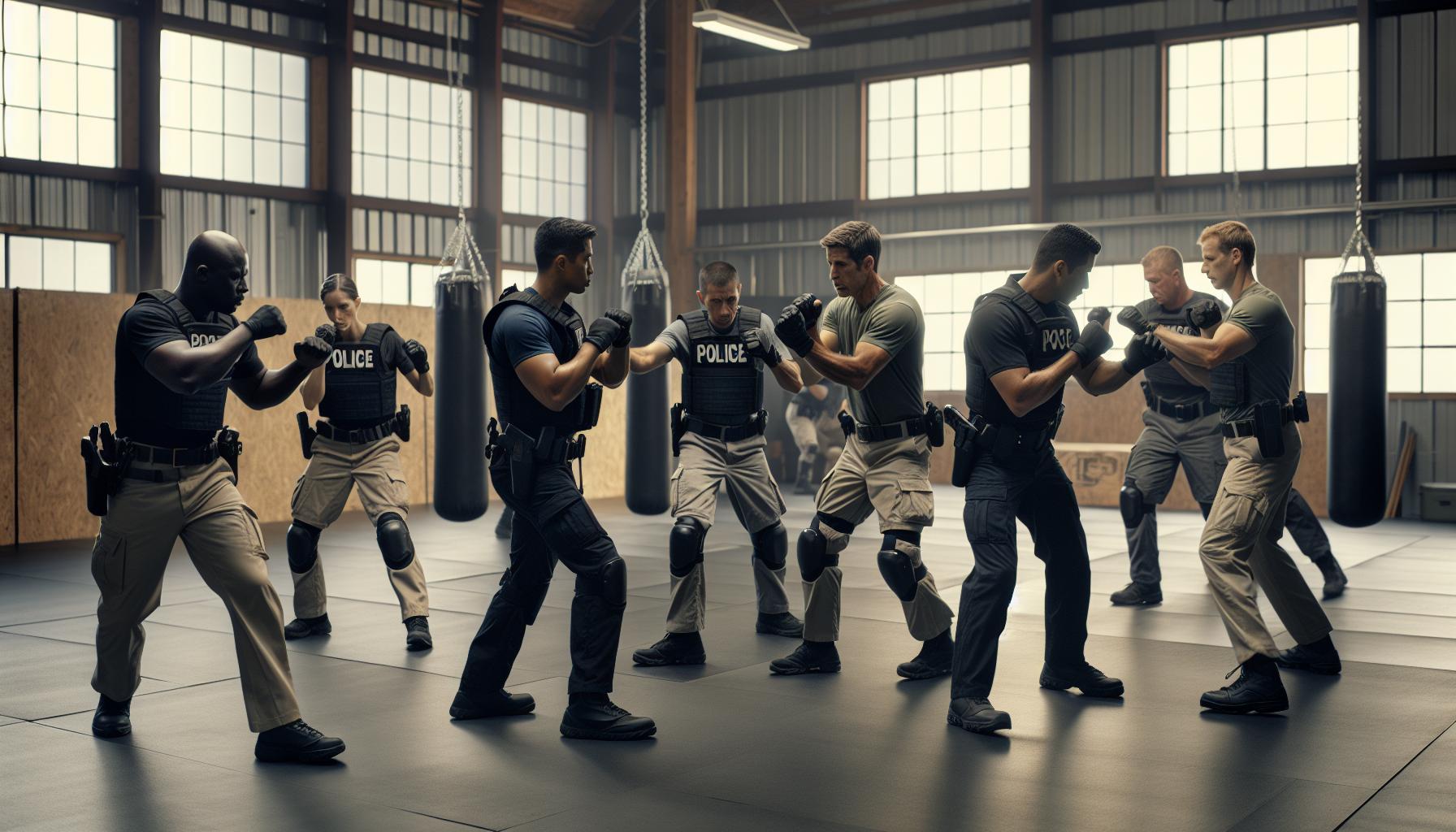
Which Law Enforcement Agencies Use Krav Maga?
Many law enforcement agencies across the globe are turning to Krav Maga as a vital component of their training regimen due to its practical, reality-based approach to self-defense. Known for its emphasis on instinctive movements and situational awareness, Krav Maga equips officers with skills that can effectively counter various threats. The adoption of this martial art is not limited to a few select agencies; it has garnered interest from police departments in diverse locations, reflecting a broader trend towards modernizing self-defense tactics in law enforcement.
Some notable organizations that have integrated Krav Maga into their training protocols include various police departments in the United States and around the world. For instance, many police academies have begun incorporating Krav Maga into their standard curricula. Some examples include the New York Police Department (NYPD) and the Los Angeles Police Department (LAPD), who have adopted aspects of Krav Maga for both officer training and community defense initiatives. Furthermore, many federal agencies, including the FBI and several military police units, have also utilized Krav Maga training to prepare their personnel for high-pressure scenarios.
The appeal of Krav Maga lies in its focus on real-world applications. Training often includes realistic scenarios that officers may face on duty, reinforcing not only physical defense skills but also mental readiness. This practical frame of reference is particularly effective in preparing officers to de-escalate confrontations or manage potentially violent engagements with minimal risk to themselves and the public. By providing relevant and adaptable techniques, Krav Maga serves as a responsive tool in evolving law enforcement practices aimed at ensuring safety and community trust.
The Benefits of Krav Maga for Police Training
Law enforcement officers face unpredictable and potentially dangerous situations on a daily basis. The ability to respond effectively can mean the difference between escalation and de-escalation. This is where Krav Maga shines, offering police training programs a range of benefits that prepare officers for the realities of modern policing. The discipline emphasizes instinctive movements, enabling officers to react swiftly and effectively in high-pressure scenarios.
One of the primary advantages of Krav Maga for police training is its focus on practical techniques that can be applied in real-world encounters. Training often incorporates stress tests and simulated confrontations, allowing officers to practice responses to various threats in a controlled environment. This experiential learning approach enhances muscle memory and instills confidence, which can be crucial when officers need to act decisively under pressure. Not only does it improve physical skill, but it also fosters mental resilience, equipping officers with the tools to assess risks and respond appropriately during actual incidents.
Moreover, Krav Maga emphasizes de-escalation techniques, teaching officers how to diffuse confrontational situations without resorting to force. By integrating communication skills with defensive tactics, officers learn to engage suspects verbally, reducing the likelihood of violence. This holistic approach aligns with current law enforcement goals of community policing and building trust, as it prioritizes safety for both officers and civilians.
In addition, the ethical use of force is a core principle in Krav Maga, addressing legal considerations that officers must navigate. Training not only involves striking and grappling techniques but also a thorough understanding of when and how to apply these skills legally and ethically. Officers are educated about the legal ramifications of their actions, fostering a culture of responsibility and accountability in their responses to threats.
By embracing Krav Maga, law enforcement agencies reinforce their commitment to training that is not only effective but also responsible and aligned with community values. The combination of real-world applicability, de-escalation techniques, and ethical training makes Krav Maga an invaluable asset in modern police training programs.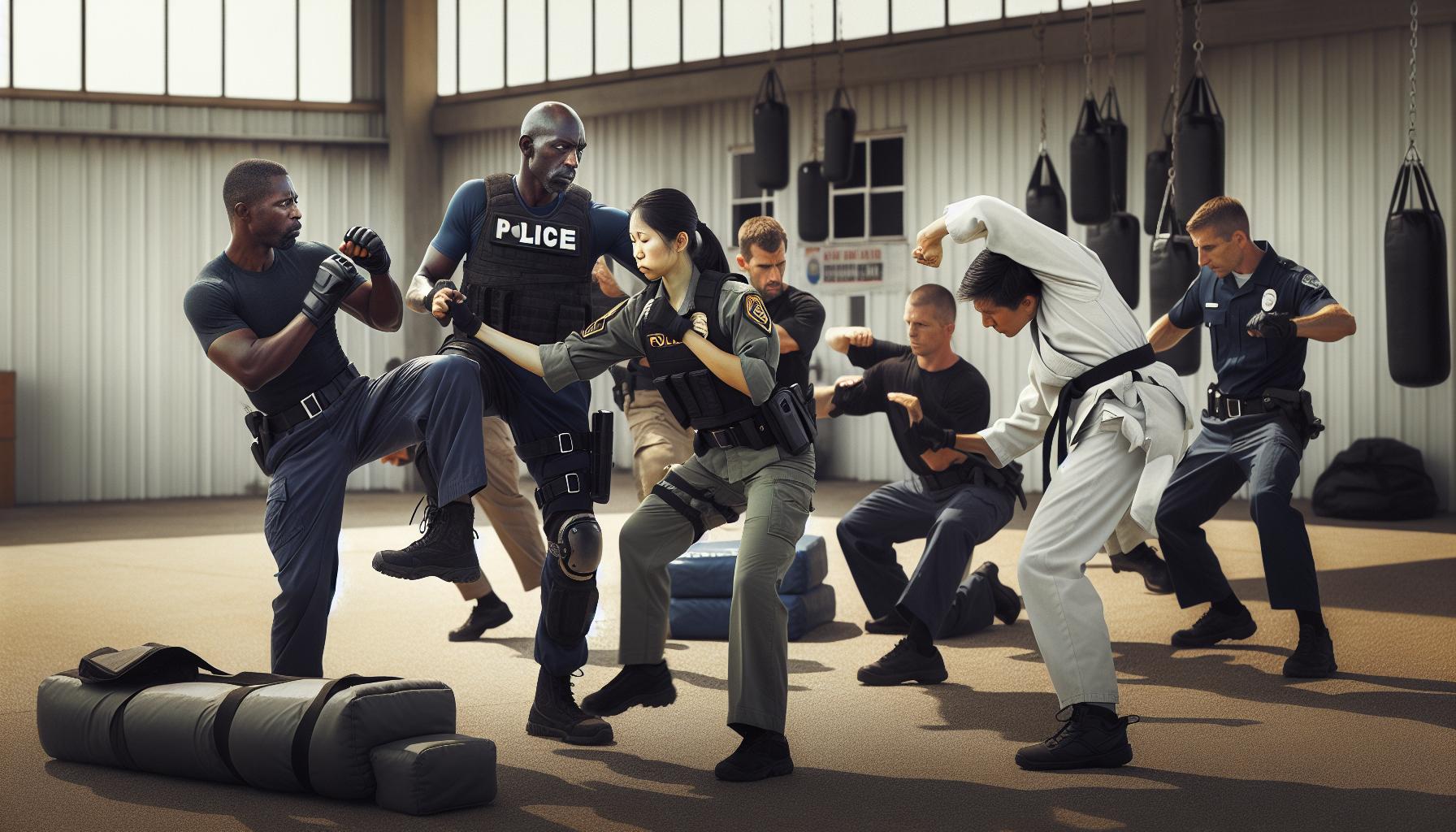
Comparing Krav Maga to Other Martial Arts for Officers
Krav Maga has gained significant traction among law enforcement agencies due to its focus on practical self-defense techniques that are adaptable to real-world situations. Unlike traditional martial arts, which often emphasize specific forms, rituals, and controlled environments, Krav Maga is tailor-made for street encounters. It trains officers to respond instinctively under pressure, prioritizing effectiveness and safety. This is crucial in an era where law enforcement must often balance the use of force with community relations and public trust.
When comparing Krav Maga to other martial arts commonly used by officers, such as Brazilian Jiu-Jitsu (BJJ) or Muay Thai, one can see distinct advantages. For instance, while BJJ focuses heavily on ground fighting and grappling, which is valuable in certain situations, Krav Maga teaches grappling with an emphasis on disengagement and getting back to a standing position, crucial when multiple suspects are involved or when an officer needs to maintain mobility. Muay Thai’s striking techniques are powerful but may not include the situational awareness and self-defense tactics that Krav Maga covers, such as defense against weapons or multiple attackers.
Another aspect to consider is the emphasis on de-escalation techniques within Krav Maga. While traditional martial arts often focus on physical confrontations, Krav Maga instills communication and crisis negotiation skills during training. Officers learn not just how to fight, but when to fight-and, importantly, when to walk away. This approach not only improves officer safety but also aligns with the broader goals of community policing, helping build trust between law enforcement and the communities they serve.
Ultimately, while each martial art has its strengths, Krav Maga’s combination of practical techniques, adaptability for various scenarios, and emphasis on ethical engagement make it particularly suited for today’s law enforcement challenges. As agencies continue to adapt to the evolving landscape of policing, their choice of self-defense training will play a pivotal role in shaping their effectiveness and public perception.
The Legal Considerations of Using Krav Maga in Law Enforcement
The integration of Krav Maga into law enforcement training raises significant legal considerations that must be closely examined. Law enforcement agencies are tasked with the dual responsibility of maintaining public safety while upholding citizens’ rights. This balance often puts officers in positions where their use of force can come under scrutiny. Given Krav Maga’s nature-designed to prepare individuals for self-defense and real-life confrontations-understanding the legal framework governing its application is critical.
Officers trained in Krav Maga must be aware of the use of force continuum-a legal construct that outlines the appropriate level of force given a specific situation. This continuum starts from verbal commands and escalates to physical force, potentially culminating in lethal force. Knowledge of this continuum helps officers assess when it is legally justified to use physical techniques. For example, if an officer encounters a physically aggressive individual, the training received in Krav Maga empowers them to adequately respond within legal bounds. When using techniques such as joint locks or strikes, emphasis is placed on proportional response-officers should use the minimal force necessary to control a situation.
Moreover, legal standards vary significantly by jurisdiction, making it essential for law enforcement agencies to provide officers with clear guidelines and training that reflect local laws. Officers must understand their state’s laws regarding self-defense to ensure that actions taken during a confrontation-including strikes or holds taught in Krav Maga-do not exceed what is considered reasonable under the law. Regular retraining and legal updates can help maintain officers’ awareness of any changes to these laws.
In practical terms, ensuring that Krav Maga techniques taught to officers are safe and legally defensible may involve incorporating de-escalation strategies into training programs. Officers learn to identify potential threats and utilize communication skills to defuse situations before they escalate to physical confrontations. For instance, an officer trained in Krav Maga might utilize verbal diffusing techniques in a tense situation before resorting to physical maneuvers, enhancing not only their legal standing but also community relations and trust.
Additionally, agencies must also address the ethical implications surrounding the use of Krav Maga. Training should reinforce the understanding that the goal is to protect both the officers and the public, focusing on minimizing harm. Continuous inspection of the training methods, alignment with community values, and legal standards will ensure that officers are empowered to act decisively while remaining respectful of legal and ethical considerations.
By grounding Krav Maga training in a solid understanding of legal frameworks, police forces can adopt these critical self-defense methods effectively while building trust within their communities. The integration of awareness, strategy, and ethical training fosters a police culture that values both safety and respect.
Real-Life Scenarios: Krav Maga in Action
Real-life applications of Krav Maga in law enforcement demonstrate its effectiveness and adaptability in high-pressure situations. Officers trained in this system are equipped not just with physical techniques but also with a mindset focused on de-escalation and safety. In practice, these scenarios often illustrate how Krav Maga can provide police with the tools needed to manage confrontations while adhering to legal and ethical standards.
Consider a situation where an officer encounters an aggressive individual in a public space. The officer, trained in Krav Maga, first assesses the threat level-a crucial step that involves verbal commands and communication techniques designed to defuse tension. If the situation escalates, the officer can seamlessly transition to physical techniques such as wrist locks or defensive strikes to subdue the aggressor without excessive force. This ability to adjust responses based on the circumstances allows law enforcement to maintain control while minimizing harm.
Krav Maga’s emphasis on real-world effectiveness is particularly beneficial in situations involving weapons. For instance, if an officer is faced with a suspect wielding a knife, the Krav Maga training provides specific techniques to safely disarm the attacker. Essential to this training is the legal understanding of use of force, which guides officers on how to react appropriately, ensuring that their actions are within the bounds of the law. This knowledge empowers them to make quick, informed decisions that prioritize public safety while protecting themselves.
In addition to addressing immediate threats, Krav Maga training fosters a culture of respect and responsibility among officers. Departments that adopt this training often report improvements in community relations, as the focus on de-escalation techniques enables officers to resolve conflicts amicably rather than through force. As they internalize these principles, officers help promote a more secure atmosphere in their communities, reinforcing the idea that their primary role is to protect and serve.
Ultimately, by integrating Krav Maga into their training regimens, law enforcement agencies not only enhance their physical readiness but also build a framework of ethical decision-making that serves the community better. This dual focus on skill and mindset proves invaluable in the dynamic environments officers encounter daily.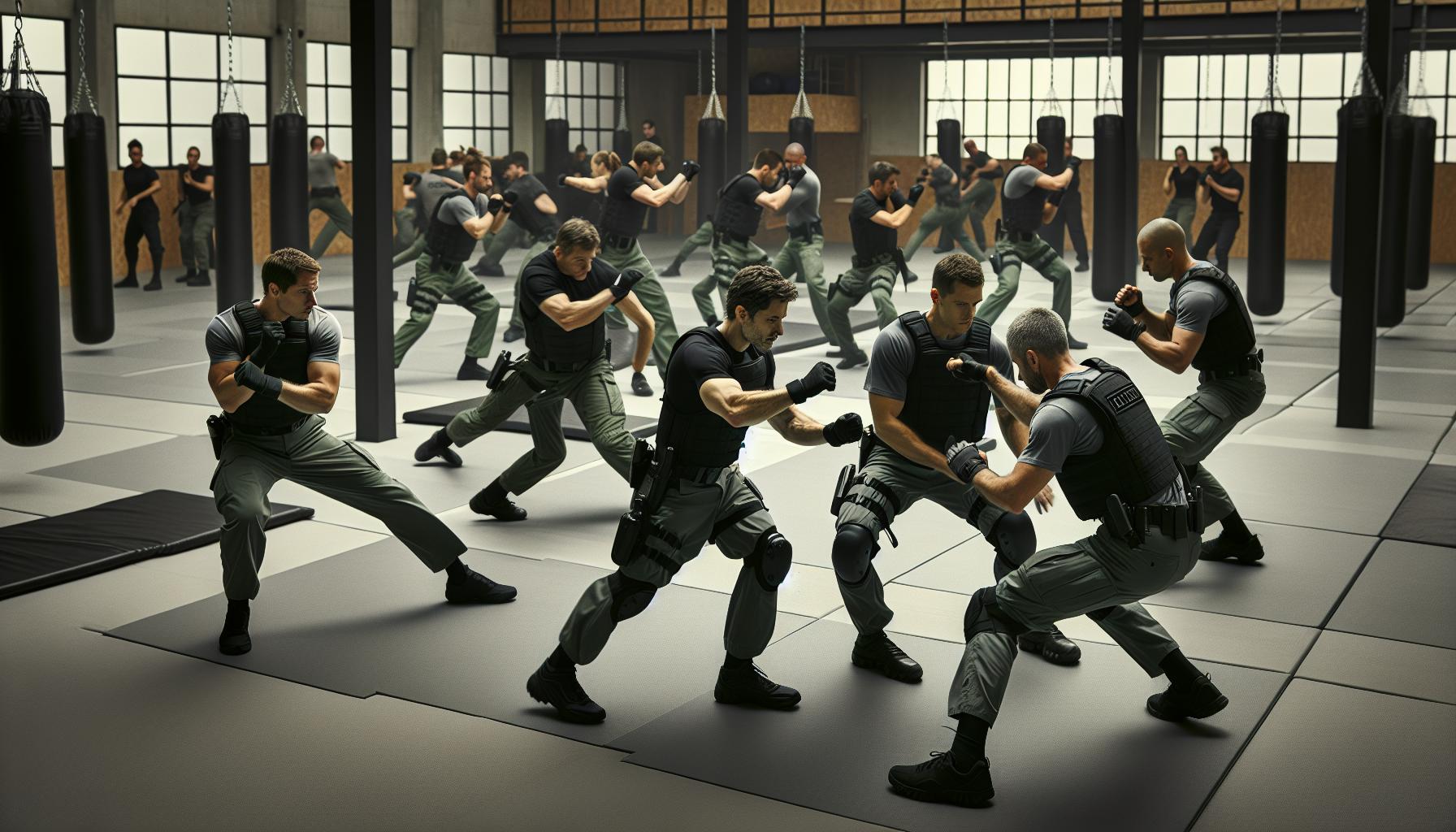
Training Requirements for Officers in Krav Maga
Incorporating Krav Maga into law enforcement training requires a structured approach that emphasizes both technical skills and philosophical understanding. Agencies opting to adopt Krav Maga must ensure that their officers undergo comprehensive training that not only teaches effective self-defense techniques but also instills a clear awareness of the legal and ethical implications of their actions. Successful implementation hinges on several key components.
First, officers need to participate in a foundational training program that typically lasts several weeks. This program introduces basic techniques such as striking, grappling, and defensive tactics. Understanding how to de-escalate potentially violent situations is equally important. Training sessions should incorporate role-playing exercises to simulate real-life scenarios, allowing officers to practice decision-making under pressure. This practical application helps solidify the principles of proportional response and situational awareness.
In addition to basic training, ongoing education is critical. Officers should engage in regular refresher courses that keep their skills sharp and up-to-date with evolving best practices. Advanced courses might focus on specific situations officers are likely to encounter, such as dealing with armed suspects or managing multiple threats. This continuous learning culture fosters an environment where officers are not only prepared for confrontation but also equipped to handle various public safety challenges ethically.
Moreover, ethical considerations must be woven into every aspect of Krav Maga training for police officers. Instructors should emphasize the importance of using force only as a last resort and encourage a mindset focused on protection and preserving life, rather than aggression. Regular discussions about legal limitations and department policies should accompany physical training to ensure that officers understand the repercussions of their actions.
By structuring Krav Maga training around these essential components, law enforcement agencies can enhance their officers’ ability to protect themselves and the communities they serve while reinforcing a commitment to safety, legality, and ethical responsibility in all interactions.
Success Stories: Police Departments Embracing Krav Maga
When law enforcement agencies adopt Krav Maga, they often share compelling success stories that highlight its effectiveness and adaptability in real-world scenarios. For instance, the Chicago Police Department implemented Krav Maga training to enhance their officer safety and de-escalation strategies. This program not only focuses on self-defense techniques but also emphasizes situational awareness and conflict resolution. Officers report higher confidence levels when faced with potentially dangerous situations, enabling them to manage encounters more peacefully.
Another notable success story comes from the Miami-Dade Police Department, which introduced Krav Maga training as a part of its officer wellness and performance enhancement programs. Through rigorous training, officers developed both physical agility and mental resilience. This approach aimed to decrease physical confrontations while increasing the ability to resolve incidents with minimal force. Officers have praised the practical application of techniques learned in training, citing instances where they successfully diffused tense situations without escalating them to violence.
The rapid adoption of Krav Maga across various departments illustrates a trend toward prioritizing not only the safety of officers but also that of the communities they serve. Philadelphia’s police force, for example, has integrated Krav Maga into their training curriculum, resulting in improved relationships with citizens and decreased use-of-force incidents. This focus on effective communication and conflict resolution reflects a broader commitment to community policing and builds trust with the public.
In addition, agencies that have embraced Krav Maga often highlight the continuous professional development it provides. Regular refresher courses keep officers updated on techniques and legal ramifications, ensuring that they maintain a high standard of practice while fostering an ethical approach to self-defense. These success stories demonstrate that Krav Maga training equips law enforcement personnel with the skills needed to respond appropriately in critical situations, reinforcing a culture of safety and responsibility within police forces.
Krav Maga vs. Traditional Police Self-Defense Techniques
Krav Maga has rapidly gained traction as a preferred self-defense system among law enforcement agencies, offering distinctive advantages compared to traditional police self-defense techniques. One compelling aspect of Krav Maga is its emphasis on practical and effective techniques that address real-world scenarios officers frequently face. Unlike many traditional martial arts, which may focus heavily on sport or competition, Krav Maga is designed with a primary goal of survival and de-escalation, making it particularly suited for police work.
Principles of Engagement
Traditional police self-defense techniques often rely on specific maneuvers that can be rigid and less adaptable in chaotic situations. Krav Maga, on the other hand, encourages flexibility and quick adaptations to evolving threats. This system trains officers to react instinctively to an attacker’s movements and capitalize on openings, ensuring they can neutralize threats while prioritizing officer and civilian safety. For example, officers learn to use their environment to their advantage, employing nearby objects as improvised tools for defense or escape.
Focus on De-escalation
Another significant difference lies in the inherent philosophy of Krav Maga. It underscores the importance of de-escalation tactics, teaching officers how to communicate and diffuse high-tension situations verbally before physical confrontation becomes necessary. Traditional self-defense methods may unintentionally promote a more aggressive mindset, which might escalate situations rather than alleviate them. By training in Krav Maga, officers are better prepared to prioritize peaceful resolutions, fostering trust within the community and potentially reducing use-of-force incidents.
Training Methodology
Krav Maga training is dynamic, combining physical conditioning with realistic scenario-based drills. This approach contrasts sharply with some conventional training methods that may rely heavily on rehearsed techniques. Officers practicing Krav Maga engage in simulations that mimic real attacks, which prepares them to handle unexpected encounters with confidence. This method not only enhances physical agility but also mental resilience, crucial qualities for officers in the field.
Ultimately, the integration of Krav Maga into police training represents a shift toward a more contemporary, adaptable approach to self-defense that respects the complexities of law enforcement today. It empowers officers to handle conflicts judiciously and responsibly, reinforcing a commitment to community safety and ethical engagement during confrontational situations. As adoption continues to spread across various departments, the effectiveness of Krav Maga may prompt other agencies to reconsider their training protocols.
Community Impact of Krav Maga Adoption by Police
The adoption of Krav Maga by police departments is reshaping the relationship between law enforcement and communities, fostering a culture of trust and safety. One notable aspect is how this dynamic martial art emphasizes not only self-defense but also community-oriented policing principles. By equipping officers with techniques that prioritize de-escalation and conflict resolution, agencies can reduce instances of force, promoting peaceful outcomes in high-tension situations.
Strong community ties develop when law enforcement officers practice Krav Maga. Training programs often incorporate local residents through workshops and demonstrations, allowing community members to observe and engage with police officers in a non-threatening environment. This openness helps demystify police procedures and builds rapport. Furthermore, community representatives can provide feedback on training, ensuring that police tactics align with local concerns and values.
Krav Maga’s focus on adaptability and real-life scenarios also contributes to community impact. Officers trained in this system can respond more effectively to diverse and unpredictable situations, leading to fewer injuries for both officers and civilians. Moreover, by demonstrating a commitment to safety and ethical engagement, police can enhance their reputation and legitimacy within the community. This shift fosters cooperation, as residents see law enforcement as partners in maintaining public safety rather than as adversaries.
As police departments continue to embrace Krav Maga, it may influence larger discussions on policing practices and community safety. Positive outcomes reported by agencies adopting this training could inspire others to follow suit, promoting a nationwide trend that values de-escalation techniques, transparency, and community involvement in police work. This progressive approach not only serves to protect officers but also reassures community members that their safety and rights are respected.
Safety Protocols and Ethical Considerations in Krav Maga
In an age where the relationship between law enforcement and the community is under scrutiny, the implementation of Krav Maga as a training tool for police officers raises essential questions about safety protocols and ethical considerations. Krav Maga, known for its focus on realistic self-defense, integrates practical techniques that not only empower officers in high-stress situations but also enforce a strong code of conduct that prioritizes the safety and rights of all individuals involved. Understanding the balance between effective self-defense and responsible use of force is crucial.
One of the primary safety protocols in Krav Maga training is the emphasis on de-escalation techniques. Officers are trained to assess situations quickly and use verbal commands to diffuse potential conflicts before they escalate to physical confrontation. This approach not only protects officers but also preserves the safety of civilians, aligning with contemporary policing philosophies that advocate for peaceful resolutions. For instance, officers learn to recognize cues indicating a potential threat and utilize appropriate body language and communication strategies to mitigate aggression.
Additionally, ethical considerations are paramount. Law enforcement agencies adopting Krav Maga must equip their officers with a clear understanding of the legal implications surrounding the use of force. Officers are trained to apply proportional responses-meaning their actions must correspond to the level of threat encountered. This entails knowing when physical force is necessary and when alternatives might suffice, thus protecting both the community and the officer from unnecessary harm or legal repercussions. Regular refresher courses can be instrumental in maintaining this knowledge, ensuring that officers remain updated on both Krav Maga techniques and relevant laws.
Finally, transparency within the community is vital. Police departments that implement Krav Maga often conduct community outreach programs where citizens can participate in workshops or demonstrations. This not only fosters trust but also provides community members a firsthand look at the principles guiding police actions. Such initiatives can help clarify misconceptions about law enforcement tactics and promote an atmosphere of mutual respect and cooperation. By actively engaging with the community, officers set a precedent for ethical and responsible policing, reinforcing their commitment to serve and protect while minimizing the use of force whenever possible. This collaborative approach further enhances officers’ understanding of the communities they serve, establishing a shared responsibility for safety and accountability.
Future Trends: The Evolution of Krav Maga in Law Enforcement
The adoption of Krav Maga in law enforcement is not just a passing trend-it represents a significant evolution in how police forces approach training for real-world encounters. As agencies increasingly seek methods that prioritize both officer safety and community relations, Krav Maga’s emphasis on practical self-defense and de-escalation aligns perfectly with modern policing philosophies.
One of the primary future trends involves integrating technology into training programs. Virtual reality (VR) and scenario-based training simulations are emerging as tools that allow officers to experience high-stress situations without physical confrontation. These technologies can replicate various scenarios, enabling officers to practice Krav Maga techniques and decision-making processes in controlled environments. Such training can enhance officers’ abilities to assess threats, utilize de-escalation strategies, and interact with community members effectively.
Moreover, police departments are increasingly prioritizing collaborations with local communities in their Krav Maga training initiatives. Workshops that allow citizens to learn basic self-defense techniques foster community engagement and trust. These interactions promote transparency about law enforcement practices and encourage mutual understanding. As community policing continues to gain traction, such proactive measures will likely be critical in maintaining public confidence and minimizing the perception of police as an occupying force.
Another trend on the horizon is the development of specialized units within police departments focused on crisis intervention and mental health scenarios. Officers trained in Krav Maga will increasingly be called upon to handle situations involving individuals experiencing mental health crises. The training in Krav Maga equips them with the skills necessary to protect themselves and others while using techniques that promote de-escalation over physical confrontation when feasible.
Lastly, the global expansion of Krav Maga training within law enforcement circles is noteworthy. As more countries recognize the value of this martial art for police work, exchange programs and international collaborations could occur. Sharing best practices and adapting training techniques to fit specific cultural contexts can enhance the effectiveness of law enforcement across borders, fostering a more universally peaceful approach to policing.
In summary, the evolution of Krav Maga in law enforcement will be characterized by technological advancements, community collaboration, specialized tactical training, and international cooperation, essentially reshaping how police agencies prepare their officers for the complexities of modern policing.
Q&A
Q: What is Krav Maga and why is it used by police?
A: Krav Maga is a self-defense system developed for the Israeli military, focusing on practical and efficient techniques for real-life situations. Police departments adopt Krav Maga to enhance officer safety, improve response tactics, and prepare them for a range of encounters. Its emphasis on instinctive movements makes it ideal for law enforcement scenarios.
Q: How does Krav Maga training benefit police officers?
A: Training in Krav Maga improves officers’ physical fitness, situational awareness, and de-escalation skills. The system teaches practical techniques for handling aggressive behavior, ensuring officers can respond effectively while minimizing risk to themselves and the public.
Q: Which police departments have adopted Krav Maga training?
A: Numerous law enforcement agencies globally, including those in California, New York, and Israel, have integrated Krav Maga. Each department values its efficiency in providing officers with comprehensive self-defense and conflict resolution skills.
Q: Can Krav Maga techniques be used in everyday situations by police?
A: Yes, the techniques learned in Krav Maga are adaptable for everyday encounters, allowing officers to handle various situations, from traffic stops to potential confrontations, effectively. This adaptability is a key reason for its popularity in police training programs.
Q: What skills do officers learn during Krav Maga training?
A: Officers learn vital skills including self-defense techniques, situational awareness, striking, grappling, and defensive tactics against armed and unarmed attackers. This comprehensive training prepares them for unpredictable real-world scenarios.
Q: Are there legal concerns associated with Krav Maga use in law enforcement?
A: Yes, officers must understand the legal limits of force and the implications of their actions when using Krav Maga. Training includes legal considerations to ensure use of force is appropriate and justifiable, protecting both officers and the community.
Q: How is Krav Maga different from traditional police self-defense methods?
A: Krav Maga emphasizes real-world applicability and simplicity, focusing on instinctive reactions and fast techniques. In contrast, traditional methods may concentrate more on sport-based techniques and formal stances, which can be less effective in high-pressure situations.
Q: What future trends are expected in Krav Maga application within law enforcement?
A: Future trends may include increased integration of technology in training, such as virtual simulations, and a focus on collaboration between departments for shared training programs. This evolution aims to enhance effectiveness and ensure officers are well-prepared for modern challenges.
For more insights into police training techniques and their effectiveness, explore our article sections on the benefits and real-life applications of Krav Maga.
Closing Remarks
As we’ve explored, various police departments are increasingly adopting Krav Maga for its practical and effective self-defense and de-escalation techniques. This martial art equips officers with the tools needed to handle real-world confrontations while adhering to legal and ethical standards. If you’re curious about how Krav Maga compares to other martial arts, like Brazilian Jiu-Jitsu, or want to dive deeper into self-defense laws in your state, check out our related articles for comprehensive insights.
Don’t miss out on future updates-subscribe to our newsletter for the latest tips, techniques, and training resources that can empower your journey in self-defense. Ready to take the next step? Explore our training guides and products designed to enhance your skills and awareness while ensuring you’re well-informed about your rights and responsibilities. Engage with us in the comments below and share your thoughts or questions; we’re here to support your learning and growth in self-defense.