

A punch biopsy is a crucial medical procedure used for diagnosing various skin conditions, including cancers, by removing a small cylindrical piece of tissue. Understanding the process is vital for anyone facing skin issues, as it allows for accurate diagnoses and effective treatment plans. As skin health becomes increasingly important, many people find themselves anxious about potential abnormalities. This guide not only demystifies the punch biopsy process but also emphasizes its role in early detection and peace of mind. Knowing what to expect can ease concerns and empower patients to take control of their health. Continue reading to explore the step-by-step procedure, benefits, and aftercare tips that will help you navigate your healthcare journey with confidence.
Understanding the Punch Biopsy: A Comprehensive Overview
A punch biopsy is a widely recognized and effective method for obtaining skin samples for diagnostic purposes. Utilizing a specialized surgical instrument known as a punch, this procedure allows healthcare providers to extract small, cylindrical sections of skin tissue from various depths. The versatility of the punch biopsy makes it essential in dermatology, as it can effectively sample lesions, rashes, and other skin conditions while preserving the surrounding tissue for intact healing.
The procedural steps involve first preparing the site with an antiseptic and administering local anesthesia to minimize discomfort. Once the area is numb, the punch tool is used to penetrate the skin, creating a wound sufficiently deep to encompass the epidermis and the upper portions of the dermis. This ensures that the pathologist has a representative sample for examination. The resulting wound can typically be closed with a simple suture or allowed to heal naturally, depending on the size and location of the biopsy site.
Understanding the implications of a punch biopsy extends beyond the technical execution. It’s critical for both clinicians and patients to recognize the potential outcomes. Analyzing results from a punch biopsy can provide vital information about skin cancers, infections, and inflammatory conditions. As the field of dermatology continues to evolve, advancements in punch biopsy techniques and tools aim to make the process even more precise, minimizing recovery time and maximizing comfort for patients.
Indications for Punch Biopsy: When is it Necessary?
Skin biopsies are fundamental tools in dermatology, offering insights that can determine treatment plans and patient outcomes. Understanding the appropriate circumstances under which a punch biopsy is indicated can enhance patient care and ensure accurate diagnoses. Punch biopsies are particularly effective for analyzing various skin abnormalities, providing both clinicians and patients with essential information regarding their skin health.
Indications for utilizing a punch biopsy include:
- Suspicion of Skin Cancer: When a mole, growth, or lesion shows signs of potential malignancy-such as irregular borders, varied color, or asymmetry- a punch biopsy can provide a definitive diagnosis and help guide treatment decisions.
- Unexplained Rashes or Dermatoses: Conditions like dermatitis or eczema that do not respond to standard treatments may require a biopsy for accurate diagnosis. A punch biopsy can reveal underlying inflammatory conditions or infections.
- Characterization of Skin Lesions: Dermatoses such as psoriasis, lichen planus, or connective tissue diseases often necessitate biopsy for proper classification. This is crucial in tailoring treatment approaches and understanding disease progression.
- Evaluation of Infections: In cases where bacterial or viral infections of the skin are suspected-like lupus or herpes simplex-punch biopsies can be instrumental in confirming the diagnosis and determining the nature of treatment required.
- Assessment of Skin Disorders: Keloids, scars, or hyperpigmented lesions can also be evaluated through punch biopsy. This process helps in understanding their nature and planning for future treatment options.
In some special populations-such as pregnant women or individuals with bleeding disorders-considerations must be adjusted. Clinicians should weigh the potential benefits against risks, ensuring that a punch biopsy is truly warranted and safer alternatives are considered if available. For instance, in certain cases, a less invasive method may be appropriate to minimize trauma and promote healing.
Ultimately, the decision to perform a punch biopsy should be guided by clinical judgment and the specific circumstances of each patient. Engaging in a thorough discussion with the patient about the reasons for the biopsy, the procedure involved, and expected outcomes is essential in fostering trust and ensuring informed consent. Understanding these indications not only prepares healthcare providers but also empowers patients to seek necessary interventions for their skin conditions effectively.
Step-by-Step Guide to Performing a Punch Biopsy
Performing a punch biopsy is a vital procedure in dermatology, allowing healthcare professionals to obtain a small cylinder of skin for examination. This procedure, while straightforward, requires a clear understanding of the steps involved to ensure patient safety and accuracy in diagnosis.
To begin, the patient should be positioned comfortably, and the area around the biopsy site must be cleaned thoroughly with an antiseptic solution. Administering a local anesthetic is crucial; it minimizes discomfort during the procedure. The choice of anesthetic technique-whether infiltration or field block-depends on the location and size of the lesion.
Next, the clinician selects an appropriate size punch (usually between 2 mm to 8 mm in diameter) based on the type and size of the lesion being biopsied. With a firm, rapid motion, the punch is applied to the skin, twisting gently to create a full-thickness sample. It’s essential to apply consistent pressure to ensure that the punch penetrates down to the subcutaneous layer without excessive force, which can cause unnecessary trauma.
Once the biopsy is completed, the sample is carefully lifted from the skin using forceps. It should be placed in a container with formalin for histological examination. The biopsy site might require sutures, depending on the depth and size of the sample taken. Proper wound care instructions should be provided to the patient to promote optimal healing. This includes details about keeping the area clean and dry and monitoring for any signs of infection, like increased redness or drainage.
Following these steps not only ensures the effectiveness of the punch biopsy but also enhances patient trust and comfort in the procedure.
Complications and Risks of Punch Biopsy: What to Expect
The punch biopsy is generally a safe procedure, but like any medical intervention, it carries potential complications and risks that patients should be aware of before undergoing the procedure. Understanding these risks can prepare patients both mentally and physically, ensuring a smoother recovery.
One of the most common risks associated with a punch biopsy is bleeding. This can occur at the biopsy site, especially if patients have underlying conditions that affect blood clotting or if they are taking anticoagulant medications. Typically, minor bleeding can be controlled with pressure, but significant bleeding may require additional medical attention. Infection is another potential complication. While the skin is cleaned prior to the procedure, there’s always a small risk of bacteria entering the wound, leading to red, swollen, and painful tissue. Proper aftercare is crucial for minimizing this risk; following wound care instructions and monitoring for signs of infection can significantly reduce complications.
There may also be scarring at the biopsy site, given the nature of the procedure which involves cutting through skin layers. The size of the punch used can influence the extent of scarring; larger punches may leave more noticeable scars. Individuals with a tendency to develop keloids or abnormal scar tissue should discuss this with their healthcare provider ahead of time. Additionally, nerve damage can occur, although it is rare, particularly if the biopsy is performed near nerve endings. Patients might experience temporary numbness or tingling in the area following the biopsy.
Lastly, anxiety and psychological discomfort can arise from undergoing medical procedures, especially for individuals who are apprehensive about needles or pain. Open discussions with healthcare providers about what to expect can help ease these feelings. Overall, awareness of these potential complications empowers patients to take proactive steps in their aftercare and communicate openly with their healthcare professionals, ensuring both safety and optimal healing.
Aftercare for Punch Biopsy: Enhancing Recovery and Safety
Proper aftercare following a punch biopsy is crucial for ensuring a smooth recovery and minimizing complications. After the procedure, patients should be proactive in wound management to support healing and reduce the risk of infection and scarring. A clean, properly monitored biopsy site is essential for an optimal recovery experience.
To begin with, keep the biopsy area clean and dry for at least 24 hours post-procedure. This can typically be achieved by avoiding any water exposure during showering. After the initial 24-hour period, gently clean the site with mild soap and water, taking care not to scrub the area. Apply a thin layer of a suitable antibiotic ointment if advised by your healthcare provider, then cover with a clean bandage. Change the dressing daily or whenever it becomes wet or dirty to prevent bacteria from entering the wound.
Signs of potential complications should be carefully monitored. Watch for increased redness, swelling, or discharge from the biopsy site, as these may indicate an infection. Fever or intense pain are additional red flags that warrant immediate medical attention. If you experience numbness or tingling that does not subside, consult your healthcare provider, as this could signal nerve irritation.
Pain management is another critical aspect of aftercare. Over-the-counter pain relievers like acetaminophen or ibuprofen can be used to alleviate discomfort, but always follow the dosing recommendations provided by your healthcare provider. Resting and avoiding strenuous activities, especially activities that may strain the biopsy site, will further aid in recovery.
Finally, it’s vital to attend any follow-up appointments to ensure the biopsy site is healing correctly and to discuss the pathology results. By being vigilant about aftercare, patients enhance their chances for a smooth recovery and encourage optimal healing from this common yet important dermatological procedure.
Differences Between Punch Biopsy and Other Biopsy Types
When considering biopsy techniques, it’s crucial to understand the distinctions between a punch biopsy and other types of biopsies, as each method has its specific uses and benefits. A punch biopsy is unique in that it removes a cylindrical core of tissue, which allows for an assessment of the epidermis, dermis, and often some subcutaneous fat. This depth of sampling is important for diagnosing skin lesions and conditions, offering a more comprehensive view than superficial methods.
In contrast, a shave biopsy is another common procedure, which involves removing only the upper layers of skin. This technique is often used for raised lesions like warts or seborrheic keratoses, where deep tissue sampling is not necessary. While less invasive, shave biopsies may not provide sufficient information for deeper dermatological conditions that might require analysis of the dermis or subcutaneous layers, potentially leading to incomplete diagnoses.
Needle biopsies, including fine needle aspiration (FNA), are yet another alternative. This method involves using a thin needle to extract cells or fluid from a suspicious area. It’s typically used for sampling lumps in areas like the thyroid or lymph nodes rather than skin. Although minimally invasive, needle biopsies can sometimes yield insufficient tissue samples for a definitive diagnosis, as they are not designed to obtain full-thickness skin samples.
Another key difference lies in the recovery and potential for scarring. Punch biopsies tend to require more care due to the size of the sample taken and the deeper layers affected, often resulting in stitches for closure. In contrast, both shave biopsies and needle biopsies may lead to easier post-procedural care due to their smaller wounds, though they might lack the depth necessary for certain diagnoses.
Ultimately, the choice between these biopsy types depends on the clinical situation, the nature of the lesion being examined, and the information needed for diagnosis. Understanding these differences helps both patients and healthcare providers make informed decisions regarding biopsy options tailored to each individual’s needs.
Interpreting Punch Biopsy Results: What Do They Mean?
Interpreting the results of a punch biopsy is a critical step in the diagnostic process, providing essential insights into underlying skin conditions. Once the tissue sample is obtained, it is sent to a laboratory for histopathological analysis, where a pathologist examines the specimen under a microscope. This examination can reveal various findings, from benign conditions to more serious issues like precancerous lesions or skin cancers.
One of the primary considerations in interpreting biopsy results is the appearance of the tissue architecture and the types of cells present. For instance, the discovery of atypical cells may indicate dysplasia, a condition where cells begin to show abnormal shapes and sizes, signaling a potential progression towards cancer. In contrast, findings consistent with inflammatory conditions, such as psoriasis or dermatitis, typically exhibit distinct patterns and cell types that can guide treatment options.
- Benign results: Indicate non-cancerous conditions, which may include infections, benign tumors, or inflammatory skin diseases. Examples include dermatofibromas or hemangiomas.
- Precancerous results: Suggest that further monitoring or intervention is necessary. These may include actinic keratosis or squamous cell carcinoma in situ.
- Malignant results: Confirm the presence of skin cancer, such as melanoma, basal cell carcinoma, or squamous cell carcinoma, warranting more aggressive treatment and further evaluation.
After receiving the biopsy report, discussing the findings with a healthcare provider is crucial to understand the implications and next steps. Depending on the results, the physician may recommend additional treatments, close monitoring, or even further surgical intervention. This collaborative approach ensures that patients receive tailored care based on their specific diagnosis and overall health status.
Navigating the emotional landscape following biopsy results can also be significant, as patients may experience anxiety regarding the implications of their findings. It’s essential for healthcare providers to offer support not just in terms of medical management but also in addressing emotional and psychological concerns that may arise during this process.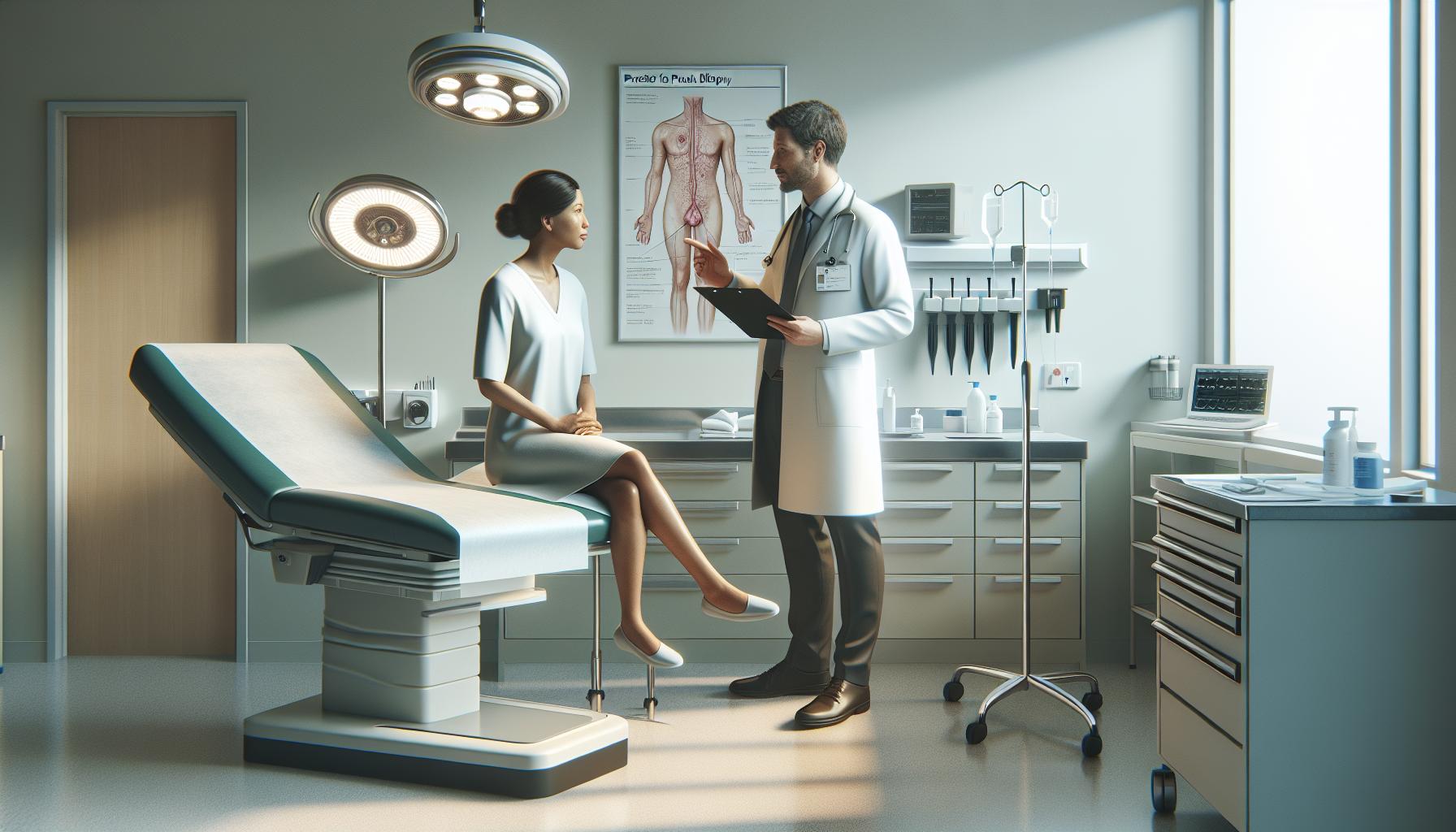
Patient Experience: Preparing for a Punch Biopsy
Preparing for a punch biopsy involves both physical and emotional readiness, making it important for patients to understand what to expect during the process. Knowing these details can ease anxiety and foster a sense of control over the situation. A punch biopsy typically requires minimal preparation, but being informed can significantly enhance your experience.
Before the procedure, it’s essential to discuss any medications you are currently taking, especially blood thinners, which may affect bleeding. Your healthcare provider may give specific instructions about avoiding certain medications a few days prior to the biopsy. Additionally, it’s advisable to wear comfortable clothing and, if possible, to have someone accompany you to the appointment. This additional support can be reassuring and assist you in the event that the local anesthetic makes you feel lightheaded.
During the consultation, ask your physician any questions you may have about the procedure. For instance, understanding the reasons for the biopsy-be it to diagnose a skin condition or rule out malignancies-can aid in alleviating fears. The provider should also explain the procedure itself, including the use of local anesthesia and what sensations you might feel. Knowing that a slight pinch and some pressure may occur during the biopsy can prepare you mentally for the experience.
It is also beneficial to arrange aftercare in advance. Since the procedure involves a small incision, having ice packs ready at home can help minimize swelling, and planning for rest post-procedure will ensure a smoother recovery. Clear communication about any aftercare instructions is vital; this can include how to clean the biopsy site and when to seek further medical advice if complications arise.
In summation, approaching a punch biopsy with knowledge and preparation can lead to a more comfortable experience. Taking steps to address both logistical concerns and emotional readiness will not only help you face the procedure with confidence but also promote a quicker and safer recovery.
Informed Consent for Punch Biopsy: Legal and Ethical Considerations
Informed consent is a critical aspect of any medical procedure, including a punch biopsy. Before undergoing the procedure, patients need to understand not only what a punch biopsy entails but also the potential risks, benefits, and alternatives. This understanding fosters a sense of trust and collaboration between the patient and the healthcare provider, ensuring that the decision to proceed is made transparently and ethically.
During the informed consent process, healthcare providers must clearly explain the procedure’s purpose, which often includes diagnosing skin conditions or ruling out malignancies. It’s essential for patients to know what to expect during the procedure, such as the application of local anesthesia and the associated sensations like pressure or slight discomfort. By addressing these points, providers can alleviate anxieties and empower patients with the knowledge they need to make informed decisions regarding their health.
Key components of informed consent for a punch biopsy include:
- Information Disclosure: Patients should receive detailed information about the biopsy procedure, including its necessity, risks (such as bleeding or infection), and likelihood of complications.
- Understanding: The provider must ascertain that the patient comprehends the information provided. This can be achieved through a discussion that invites questions and clarifications.
- Voluntary Agreement: Patients should consent without pressure or coercion, feeling confident in their choice to proceed with the biopsy.
- Documentation: Consent should be formally documented, reflecting that the patient has been informed and agrees to the procedure.
Legal and ethical considerations further underscore the importance of this process. Failing to obtain proper informed consent can lead to legal ramifications, including malpractice claims. Moreover, respecting patient autonomy is fundamental in healthcare; patients have the right to make informed choices about their treatment, which fosters ethical medical practice and accountability.
In conclusion, a robust informed consent process not only serves legal and ethical purposes but also enhances the patient’s overall experience and trust in their medical care. This process is not merely a formality but a cornerstone of patient-centered healthcare that prioritizes understanding and collaboration.
Innovations in Punch Biopsy Techniques: What’s New?
Punch biopsies are experiencing advancements that may significantly enhance their effectiveness and patient experience. New techniques and technologies are emerging, shifting the landscape of this common dermatological procedure. One notable innovation is the development of disposable punch biopsy devices that ensure sterility and reduce the risk of cross-contamination. These single-use instruments are designed to provide consistent quality, helping to minimize procedural complications and improve overall outcomes for patients.
Another area of innovation involves the integration of imaging technology, such as ultrasound, to better guide the punch biopsy process. Utilizing ultrasound can assist practitioners in precisely locating lesions and determining the appropriate depth for sampling. This not only improves diagnostic accuracy but also helps in avoiding unnecessary tissue trauma, making the procedure more patient-friendly. Furthermore, some research is exploring the use of automated punch biopsy devices that can potentially standardize the procedure and reduce the time and skill required to obtain a sample.
Minimally Invasive Techniques
As with many medical procedures, the trend towards minimally invasive techniques is becoming increasingly prominent in punch biopsy practices. Techniques such as punch biopsy under local anesthesia, often supplemented with topical anesthetics, enable a pain-reduced experience for patients while still allowing the clinician to obtain quality tissue samples. Additionally, advancements in suturing materials and techniques have resulted in fewer complications and improved healing times.
Materials and Techniques
In terms of materials, innovations such as bioresorbable sutures and hemostatic agents have emerged as useful tools in enhancing recovery. These materials can lessen scarring and reduce the reliance on surgical interventions or additional treatments post-biopsy. New formulations and applications of anesthetic agents are also being studied, aiming to increase comfort levels and patient satisfaction during and after the procedure.
As the field continues to evolve, it is essential for healthcare providers to stay updated on these innovations to improve not only the accuracy of diagnoses but also the overall patient experience associated with punch biopsies. Embracing these advancements promises safer, more efficient, and patient-centered approaches to dermatological care.
Punch Biopsy in Special Populations: Considerations and Adjustments
Individuals from special populations, such as the elderly, children, immunocompromised patients, or those with skin conditions like psoriasis or eczema, require tailored considerations during a punch biopsy. The standard procedure may need modifications to ensure both effectiveness and patient comfort, recognizing that each group may exhibit distinct physiological responses and healing dynamics.
For elderly patients, there’s a greater emphasis on the potential for skin fragility and delayed healing. Practitioners should consider using a smaller punch diameter and possibly a gentler technique to minimize skin tearing. These patients may also have comorbidities that affect their recovery, thus necessitating a thorough assessment of their overall health and any medications they are taking that might interfere with healing, such as anticoagulants.
Children present a different set of challenges. Their smaller size and anxiety levels can make procedures more complicated. In pediatric cases, employing playful explanations and ensuring a supportive presence can help ease apprehension. Local anesthetics are crucial, but careful administration is necessary to avoid excessive discomfort. Additionally, the emotional support from caregivers can improve compliance and the overall experience for the child.
Immunocompromised patients, such as those undergoing chemotherapy or living with HIV, require heightened caution. Their risk of infection is elevated, so maintaining sterility is critical. Post-operative care may also need to be more rigorous, including closer monitoring for infections and a more structured follow-up to assess wound healing. Providing clear instructions for signs of complications and ensuring they have adequate support at home can also enhance their recovery outcomes.
Lastly, patients with chronic skin conditions may respond unpredictably to biopsy procedures. Special attention should be placed on the biopsied area’s condition preoperatively, and it might be beneficial to approach the procedure with an understanding that healing processes may differ from those of healthy skin. Customized aftercare instructions and possibly adjusting the biopsy site based on the condition’s most active areas may lead to better results.
By tailoring the approach to these special populations, healthcare providers can enhance the effectiveness of punch biopsies while ensuring patient safety and comfort, leading to a more favorable overall experience.
Frequently Asked Questions about Punch Biopsy
Understanding the nuances of punch biopsy can empower patients and caregivers alike, especially when it comes to addressing common concerns and questions surrounding the procedure. A punch biopsy is a simple yet effective method for obtaining skin samples that can help diagnose various dermatological conditions. The following frequently asked questions can help demystify the punch biopsy process.
- What should I expect during a punch biopsy? The process typically involves cleaning the area, administering a local anesthetic, and using a circular blade to remove a small section of the skin. Patients may feel a brief pinch or pressure during the procedure, but it is generally well tolerated.
- How long does recovery take? After the biopsy, recovery is usually quick. Most patients can resume normal activities within a day or two. However, keeping the area clean and following aftercare instructions is crucial for optimal healing.
- Will there be scarring? While any surgical procedure carries the risk of scarring, punch biopsies typically result in minimal scars if proper aftercare is maintained. The size of the punch and individual healing factors will also play a role in the final appearance of the skin.
- Can I take pain relief after the biopsy? Yes, over-the-counter pain relievers such as ibuprofen or acetaminophen can be taken to manage any discomfort following the procedure. However, avoid blood thinners unless directed by your healthcare provider.
- When will I receive my results? Biopsy results can take anywhere from a few days to a couple of weeks, depending on the laboratory’s processing times. It’s essential to follow up with your healthcare provider for a discussion of the results and next steps.
By addressing these common inquiries, healthcare providers can alleviate anxiety surrounding the punch biopsy procedure and help patients feel more confident in their understanding and experience. Always remember to communicate openly with your healthcare team about any additional questions or concerns you might have.
Q&A
Q: What should I expect during a punch biopsy procedure?
A: During a punch biopsy, you can expect local anesthesia to numb the area. The healthcare provider will use a circular blade to remove a small skin sample. The procedure typically lasts a few minutes, and you may feel slight pressure but minimal pain. For more on patient experience, see the “Patient Experience” section in the article.
Q: How does a punch biopsy compare to a shave biopsy?
A: A punch biopsy removes a cylindrical section of tissue, including deeper layers, while a shave biopsy removes only the surface layer of skin. Punch biopsies are useful for diagnosing conditions that require deeper tissue samples, as discussed in the “Differences Between Punch Biopsy and Other Biopsy Types” section.
Q: Are there specific aftercare instructions following a punch biopsy?
A: Yes, aftercare includes keeping the biopsy site clean and covered, avoiding sun exposure, and monitoring for signs of infection such as increased redness or drainage. For detailed aftercare tips, refer to the “Aftercare for Punch Biopsy” section in the article.
Q: What complications can arise from a punch biopsy?
A: Potential complications include infection, bleeding, or adverse reactions to anesthesia. However, serious risks are rare. It’s important to discuss these during your consultation as highlighted in the “Complications and Risks of Punch Biopsy” section.
Q: How long does it take to receive punch biopsy results?
A: Typically, punch biopsy results are available within a few days to a week, depending on the laboratory workload and specifics of the case. For additional information on results interpretation, check the “Interpreting Punch Biopsy Results” section.
Q: Is a punch biopsy performed in an outpatient setting?
A: Yes, punch biopsies are usually performed in outpatient clinics or dermatology offices, allowing patients to return home shortly after the procedure. For details on preparation, see the “Preparing for a Punch Biopsy” section.
Q: What innovations are currently being utilized in punch biopsy techniques?
A: Recent advancements include improved biopsy devices for precision and techniques that minimize scarring. Innovations may also involve integrating imaging technologies to enhance guidance during the biopsy, covered in the “Innovations in Punch Biopsy Techniques” section.
Q: Can a punch biopsy be done on all skin types?
A: Yes, a punch biopsy can be performed on various skin types and lesions, though adjustments may be necessary for sensitive areas. Specific considerations for special populations are discussed in the “Punch Biopsy in Special Populations” section of the article.
Concluding Remarks
Now that you’re equipped with the essential knowledge on how to perform a punch biopsy, it’s crucial to consult with a healthcare professional if you have any further questions or concerns about the procedure. Understanding this technique not only aids in proper diagnosis but also enhances your confidence in managing your health care. For more in-depth exploration, check out our articles on “Skin Biopsy Techniques” and “Aftercare for Biopsy Procedures” to continue your learning journey.
Don’t hesitate to join our community by signing up for our newsletter, where we share expert insights and updates that can empower you in your healthcare decisions. Leave a comment below to share your thoughts or ask any lingering questions; your engagement is invaluable and contributes to our mission of delivering trusted health information. Explore further to unlock more valuable resources and become proactive about your health today!