
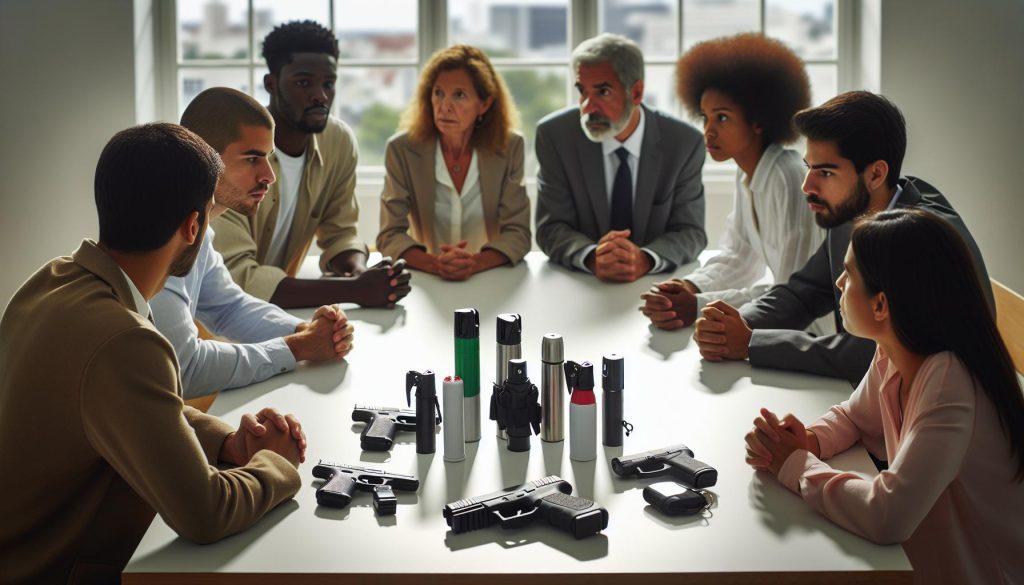
In a world where personal safety is paramount, understanding which self-defense weapons are legal in your state is crucial. With varying laws that dictate what you can carry and use, navigating this landscape can be challenging. This guide not only clarifies the legalities surrounding self-defense weapons but also emphasizes responsible use and ethical considerations. Whether you’re considering pepper spray, personal alarms, or other means of protection, knowing the legal framework empowers you to make informed decisions. Join us as we explore the intricacies of self-defense laws-from state to state-helping you stay safe and within the bounds of the law. Understanding these details can mean the difference between adequate protection and potential legal trouble, so let’s dive in and explore your options.
Understanding Self Defense Weapons: Definitions and Types
In a world where personal safety has become a top priority for many, understanding the variety of self-defense weapons available is essential. These weapons are not just tools but serve as an important means of self-protection in high-stress situations. Broadly categorized, self-defense weapons can be divided into lethal and non-lethal types, each with specific uses, legal constraints, and level of effectiveness.
Lethal weapons, such as firearms and knives, are designed to inflict serious harm or even take a life. While they can be effective in life-threatening situations, they come with significant legal responsibilities and moral implications. For example, before choosing to carry a firearm for self-defense, one must understand the legal ramifications, including local laws regarding concealed carry and the use of deadly force.
On the other hand, non-lethal self-defense weapons include options like pepper spray, stun guns, and personal alarms. These tools are designed to incapacitate an attacker temporarily without causing permanent injury. They can offer a critical advantage in de-escalating potential violence. However, legality varies widely- some jurisdictions allow pepper spray, while others may have restrictions on size and composition.
Regardless of the type of weapon, it’s crucial to prioritize safety protocols when carrying or using self-defense weapons. Understanding how to handle them safely and the appropriate scenarios for their use is paramount. Practicing de-escalation techniques and assessing the situation thoroughly before resorting to any form of defense can often prevent violence altogether. As such, equipping oneself with knowledge and practical skills-whether through classes or self-defense training-enhances both personal safety and confidence in using self-defense tools appropriately.
State Laws on Self Defense Weapons: An Overview
Understanding the legal landscape surrounding self-defense weapons is crucial for anyone considering their options for personal protection. Laws pertaining to self-defense weapons vary significantly by state, impacting what is permissible for daily carry and use. For instance, while some states may allow a wide range of non-lethal weapons such as pepper spray, others have specific formulations and quantity restrictions. Understanding these distinctions can mean the difference between lawful self-defense and potential legal consequences.
In many states, firearms are considered self-defense weapons that also come with strict regulations. These laws can dictate everything from the permitted caliber of a firearm to where you can legally carry it. For example, some states allow open carry without a permit, while others require concealed carry permits and have criteria that must be met before carrying a firearm in public. This can lead to varied interpretations of what constitutes necessary self-defense, emphasizing the need for individuals to familiarize themselves with their local laws.
Moreover, different jurisdictions apply the doctrine of “stand your ground” or “duty to retreat” differently, which also affects how one might legally respond to threats. Understanding the specific legal threshold for what is considered appropriate use of force in self-defense scenarios is not just a matter of legal compliance; it’s also essential for ethical considerations surrounding self-defense. Knowing when and how you can legally employ a self-defense weapon in a high-stress situation is paramount.
Lastly, engaging in state-specific research or consulting legal professionals can provide valuable insights into the regulations surrounding self-defense weapons. This proactive approach ensures that you are not only equipped with knowledge about the tools at your disposal but also empower yourself to make informed decisions that prioritize safety and legality. By doing so, you create a solid foundation of understanding that aids in better preparedness in emergency scenarios.
Exploring Legal Self Defense Weapons by State
Understanding the legal landscape of self-defense weapons in the United States requires navigating a complex patchwork of state laws. Each state has its own regulations concerning what types of self-defense weapons are legal for civilian use, and the distinctions can greatly impact personal safety decisions. For instance, while some states allow civilians to carry tasers, pepper spray, or other non-lethal instruments with minimal restrictions, others impose strict regulations regarding size, weight, and even the specific formulation of these self-defense tools.
Types of Legal Self-Defense Weapons
In general, self-defense weapons fall into several categories:
- Firearms: Regulations on firearms vary greatly. States like Texas and Wyoming have relatively permissive laws around open carry and concealed carry permits, while states like California and New York have stringent restrictions.
- Non-Lethal Weapons: Items such as pepper spray, stun guns, and personal alarms have different legal statuses. For example, stun guns are legal in most states, but some, like New Jersey, have strict ownership requirements.
- Impact Weapons: Batons and tactical pens might be legal, but their use can cross legal boundaries if brandished inappropriately.
State-Specific Considerations
Understanding local laws is crucial. In states like Florida, the “Stand Your Ground” law allows individuals to use force without a duty to retreat. However, in states with a “Duty to Retreat,” using lethal force may only be justified in very specific conditions. For example, in Massachusetts, self-defense laws emphasize proportionality; using lethal force is only legally defensible when there’s an imminent threat to life.
Educating oneself on these nuances and knowing specific state restrictions can prevent the serious legal consequences of weapon misuse. Always consider reaching out to local law enforcement or legal counsel to clarify the regulatory environment regarding self-defense arms. This proactive step is not just a safeguard for legality but an essential part of responsible self-defense education.
By remaining informed and cautious while practicing self-defense, you can ensure your actions align with both legal and ethical standards-a fundamental balance every responsible citizen should maintain.
Comparing the Effectiveness of Common Weapons
When it comes to self-defense weapons, it’s crucial to evaluate their effectiveness based on various factors, including situational context, legal implications, and personal proficiency. For instance, while firearms can offer significant stopping power, they also come with a range of legal restrictions that demand careful consideration, especially in urban environments where proximity to bystanders can raise lawful use challenges. On the other hand, non-lethal options like pepper spray and stun guns provide effective deterrence while minimizing the risk of fatal outcomes, making them suitable for a wider array of scenarios.
Understanding Common Self-Defense Options
Here’s a comparison of several common self-defense weapons:
- Firearms: Highly effective for protection against severe threats, but require extensive training and carry legal responsibilities. States have different laws regarding permits and use in self-defense situations, which can complicate their legality.
- Pepper Spray: A popular non-lethal choice that disables an attacker temporarily, allowing for escape. However, its effectiveness can be influenced by wind direction and range; ensuring you know your local laws about carrying and using it is essential.
- Stun Guns: Provide immediate incapacitation with minimal risk of causing permanent injury. Their legal status can vary significantly from state to state, reinforcing the need to understand local regulations before carrying.
- Impact Weapons (e.g., tactical pens, batons): Useful for physical self-defense techniques, allowing for control without lethal force. They require some level of training to be effective and must be used judiciously to avoid crossing legal lines.
It’s important to remember that the choice of weapon should reflect not only the legal environment of your state but also your personal comfort level and proficiency with that particular tool. Training in the responsible use of these weapons heightens effectiveness and ensures safer outcomes for all parties involved, including potential assailants.
Key Considerations for Effectiveness
Choose your weapon based on context: Is it a crowded area or a more isolated setting? Are you capable of de-escalating a situation rather than escalating it through the use of force? Responsible self-defense emphasizes awareness of both legal frameworks and ethical considerations. In many conflicts, de-escalation tactics may ultimately provide the safest option overall.
Investing time in training not only increases your skill level but also builds confidence, preparing you for high-pressure situations where decisions must be made quickly. Understanding the dynamics of your environment, including possible escape routes and the behavior of potential attackers, enhances your ability to respond effectively and legally, aligning with both self-defense laws and moral principles of necessary force.
Non-Lethal Self Defense Options: What’s Legal?
When considering non-lethal self-defense options, it’s crucial to understand not only their efficacy but also the legal boundaries that come into play. Many self-defense tools can incapacitate an attacker without causing permanent harm, but their legality varies significantly from state to state. For instance, while pepper spray is widely accepted across the United States, it often comes with restrictions regarding size and strength, necessitating that users check their local laws before carrying it. Similarly, stun guns are legal in many areas but may require permits in certain jurisdictions, highlighting the importance of being informed.
Common Non-Lethal Options
Among the most popular non-lethal self-defense tools are:
- Pepper Spray: This widely used deterrent can temporarily blind and incapacitate an assailant, giving you a valuable chance to escape. However, its effectiveness can be negatively impacted by wind conditions, and users must be aware of restrictions regarding quantity and type in their respective states.
- Stun Guns: Utilizing high-voltage electrical discharge, stun guns can disable an attacker momentarily. While generally legal, the specific laws surrounding their use can be complex; for example, some states prohibit them in certain public places.
- Taser Devices: Similar to stun guns, Tasers deliver a shock via projectiles that can incapacitate an assailant from a distance. Before purchasing, check your local regulations, as some states have strict rules regarding ownership and use.
- Personal Alarms: These are not physically harmful but can attract attention and deter attackers by emitting a loud noise. They are legal in virtually all jurisdictions, making them a safe choice for anyone concerned about personal safety.
Legal Considerations and Recommendations
It’s vital to understand that even non-lethal self-defense weapons can lead to legal complications if used improperly. For example, using pepper spray in situations deemed excessive or unnecessary could lead to charges of assault. Training in the responsible use of these tools, understanding specific state laws, and considering the context of potential encounters are essential aspects of being prepared. Furthermore, non-lethal options should always be viewed as tools of last resort, with de-escalation techniques prioritized in any confrontation.
Investing time in practice and education around these self-defense tools not only enhances your effectiveness but also promotes safety. Engaging in scenario-based training helps you understand how to deploy non-lethal options safely and responsibly while considering the legal ramifications of your actions. Remember, your goal in a self-defense situation should be to escape unharmed, not to escalate conflict unnecessarily.
Legal Restrictions on Firearms for Self Defense
When it comes to the legal landscape surrounding firearms used for self-defense, the complexities can be daunting. Laws vary dramatically across states, often influenced by local histories, cultures, and legislative priorities. Some states embrace the right to bear arms with fewer restrictions, while others implement stringent regulations that dictate who can carry a firearm, under what conditions, and where it can be used.
In many states, obtaining a firearm for self-defense requires individuals to navigate a series of legal stipulations, including background checks, waiting periods, and permits. For example, certain states mandate that individuals complete a safety course before they can obtain a concealed carry permit. Additionally, some places have “stand your ground” laws that allow individuals to use force in self-defense without the duty to retreat, while others still adhere to the “duty to retreat” principle, which requires individuals to attempt to escape a threatening situation if safely possible.
The type of firearm also plays a crucial role in legal restrictions. Handguns are more commonly permitted for self-defense than rifles or shotguns, which may have more regulations surrounding their ownership and carry. Furthermore, states have varying laws regarding open carry versus concealed carry, with some states allowing both and others restricting one of these options. Understanding these differences is paramount for responsible gun ownership and ensuring you remain within legal boundaries.
It is essential for anyone considering firearms for self-defense to research state-specific laws diligently. Failure to comply can lead to severe legal consequences, including criminal charges or civil liability. Engaging with local law enforcement, firearms instructors, and legal professionals can provide valuable insights and guidance on navigating these laws effectively. Ultimately, equipping yourself with knowledge not only empowers you to protect yourself but ensures that any defensive actions taken are legally justified and ethically sound.
Self Defense Laws: Justified Use and Force Levels
In moments of crisis, knowing the legal boundaries of self-defense can be the difference between protection and prosecution. Each state has distinct definitions of what constitutes justified use of force, along with varying degrees of acceptable response to threats. Understanding these laws is crucial for anyone considering self-defense as a necessary measure, especially when armed.
The primary factor in assessing justified self-defense is the concept of proportionality. Generally, you are allowed to use reasonable force to protect yourself from imminent harm. This means that the force you apply must be equivalent to the threat you face. For example, if you are confronted with a non-lethal attack, responding with lethal force may not be considered justified. Conversely, if you are faced with a life-threatening situation, escalating your response may be legally supported.
Legal Standards Across States
Legal frameworks often recognize two key doctrines: “stand your ground” and “duty to retreat.” Under the stand your ground law, individuals are not required to retreat before using force in self-defense, provided they are in a place where they have a legal right to be. States like Florida and Texas uphold these laws, allowing individuals to defend themselves without first seeking an alternative escape. In contrast, other states, such as New York, mandate a duty to retreat when possible, emphasizing de-escalation and avoidance before resorting to defensive measures.
Force Levels and Responsible Use
Additionally, understanding the appropriate level of force is vital. A lawful response should align with the severity of the threat. Here are some common examples:
- Verbal Threats: Engaging in de-escalation techniques without physical response is usually best.
- Physical Assault: Responding with equal force may be justified, but lethal force should generally be reserved for grave threats.
- Weapon Threats: If faced with a weapon, using a self-defense weapon may be permissible, but the type of weapon must align with the threat level.
In practice, empowering yourself through knowledge and skills-such as conflict resolution or physical self-defense-can be as critical as knowing when and how to apply force. Resources like local self-defense classes or legal workshops can provide both practical skills and insights into your legal rights. It’s essential to remain informed and prepared, but always approach self-defense with an emphasis on legality and ethical considerations, ensuring that your actions are both protective and rightful.
Safety Protocols for Using Self Defense Weapons
In an increasingly unpredictable world, understanding safety protocols when using self-defense weapons is essential for anyone considering their use. Knowing how to respond effectively and responsibly can make all the difference in a high-stress situation. The key focus should always be on de-escalation and the use of proportional force. A responsible approach not only prioritizes your safety but also ensures you remain within legal boundaries.
Understanding Weapon Familiarity
Before carrying or using any self-defense weapon, it’s crucial to become intimately familiar with it. Practice handling and using the weapon in a controlled and safe environment. This not only builds confidence but also allows you to react instinctively in a real-life scenario. For example, if you opt for pepper spray, know how to deploy it quickly and accurately, understanding its effective range and how wind can affect its use. Training classes specifically for the weapon you choose can significantly enhance your comfort and skills.
Legal Awareness and Documentation
Always be aware of the legal stipulations surrounding self-defense weapons specific to your state. Some states may have restrictions on certain types of weapons or how they can be carried. For instance, while stun guns may be legal in one state, they could be completely banned in another. Keeping documentation that outlines your compliance with the relevant laws can provide additional peace of mind and a defense in case of legal scrutiny.
Engaging in De-escalation Techniques
In potential confrontations, your goal should be to avoid physical engagement if possible. Use verbal skills to defuse the situation; often, a calm but assertive response can deter aggressors. Understanding body language and cues is crucial-if a situation seems to escalate, having a plan to safely retreat can be invaluable. Remember, the goal is to protect yourself, not to provoke further confrontation.
Emergency Readiness and Clear Communication
In addition to being ready to use a self-defense weapon, maintaining clear communication with friends or family about your self-defense plans can be vital. In emergencies, knowing whom to contact can save precious time. Informing trusted individuals about your situation and having a predefined code word or signal can expedite help in tense scenarios. Practice mental rehearsals of what you would say or do if confronted, as this preparation can enhance your response in a genuine emergency.
By adhering to these safety protocols, you can empower yourself with the knowledge and skills required to use self-defense weapons responsibly. The emphasis should always be on protection, legal compliance, and ethical considerations surrounding the potential use of force.
State-Specific Legal Considerations and Requirements
Understanding the legal landscape for self-defense weapons is crucial for anyone considering their use to ensure both compliance with the law and personal safety. Each state has its own regulations regarding what constitutes a legal self-defense weapon, and these laws can significantly affect your choices. Knowing these laws not only helps you make informed decisions but can also protect you from legal repercussions should you ever need to use a weapon in self-defense.
For example, while pepper spray is widely accepted across many states, there are specific regulations about its strength and usage in places like California, where the maximum allowed size for personal use is 2.5 ounces. On the other hand, states like New York have stringent measures regarding stun guns, which are classified differently and may require permits. It’s essential to research and understand these specifications in your state before carrying any self-defense weapon.
State Variability and Common Weapons
Several common self-defense tools, such as knives, batons, and personal alarms, also experience a patchwork of legal treatment. In some jurisdictions, a knife can be labeled as a dangerous weapon, subjecting the carrier to stricter regulations-particularly if the blade exceeds a certain length. Additionally, laws surrounding firearms are particularly nuanced. Some states have “Stand Your Ground” laws that permit deadly force in self-defense without the obligation to retreat, while others impose a “duty to retreat,” mandating that individuals seek to de-escalate situations whenever possible.
- Know Your State Laws: Research the specific laws in your state regarding self-defense weapons.
- Permits and Registration: Some weapons may require permits or registration, such as firearms and certain non-lethal forms of self-defense.
- Understand Force Representation: Be aware of how your state defines “reasonable force” or “imminent threat.”
Documentation and Crime Prevention
Keeping documentation related to your self-defense weapon can provide additional legal protection. This may include proof of purchase for firearms, proof of completion of safety courses, or even certifications for alternative self-defense methods. In cases where you may have to defend your actions legally, this documentation demonstrates responsibility and legal compliance. Being aware of legal distinctions is vital; misinterpretation of weapon classification can lead to unintended legal consequences if faced with law enforcement.
When you empower yourself with knowledge about legal considerations and requirements in your state, you enhance not only your safety but also your confidence in using self-defense weapons ethically and legally. Balancing readiness with legal awareness is the key to responsible self-defense.
Emergency Scenarios: Choosing the Right Weapon
In a moment of crisis, choosing the right self-defense weapon can mean the difference between safety and harm. Understanding your environment, potential threats, and legal limitations is essential. Before reaching for any tool, consider your immediate circumstances. Factors like space constraints, the presence of bystanders, and the nature of the threat will guide your choice. For instance, a baton might be effective in a more open area where you need distance, while pepper spray can be handy in close quarters where maintaining distance is not possible.
When selecting a self-defense weapon, it’s crucial to familiarize yourself with local laws. Different states have varying regulations on what constitutes a legal weapon and how it can be carried. For example, in some states, carrying a concealed firearm without a permit is illegal, whereas others may allow it with proper documentation. Additionally, being aware of your rights under “Stand Your Ground” or “Duty to Retreat” laws can shape your response in critical moments.
Furthermore, assessing the potential effectiveness of each weapon type in real-world scenarios can help you prepare for various emergencies. Analyzing the benefits and limitations of common self-defense tools-such as knives, pepper sprays, and personal alarms-can provide deeper insights into which is best suited for specific situations. Personal alarms may deter an attacker with noise, while stun guns can incapacitate without causing permanent harm. However, proper training to understand how and when to deploy these tools is vital, as is honing de-escalation skills that can often neutralize threats before they escalate into violence.
Incorporating safety protocols into your self-defense strategy ensures that you maintain control over the situation. This includes practicing regular training, using practice drills, and understanding each weapon’s handling and use. Remember, the goal of self-defense is to protect-never to escalate a situation. Select your weapons carefully, stay informed about legal regulations, and always prioritize de-escalation techniques to ensure your safety and the safety of those around you.
De-escalation Techniques: Key Practices for Safety
In high-stress situations, it is often de-escalation techniques that prevent conflicts from leading to violence. The ability to diffuse a potentially dangerous encounter before it becomes physical is invaluable, and this skill is as crucial as knowing how to use a self-defense weapon. By prioritizing communication, awareness, and body language, individuals can often resolve confrontations peacefully. Recognizing the signs of escalating hostility, such as aggressive posture or raised voices, allows you to take proactive steps toward calming the situation.
Key practices for de-escalation include:
- Stay Calm: Your demeanor sets the tone. Maintain a relaxed tone and posture, which can help reduce the tension.
- Listen Actively: Show genuine interest in the other person’s concerns without interrupting them. This can help them feel heard, reducing their agitation.
- Avoid Provocation: Do not use accusatory language. Instead, use “I” statements to express how the situation affects you. For example, “I feel uncomfortable when…” instead of “You’re making this worse.”
- Offer Solutions: Instead of focusing on the problem, pivot towards potential solutions. This can shift the focus away from confrontation.
When you feel the need to resort to physical action, remember that the use of force must always be proportional and justifiable under law. Understanding your state’s specific legal framework regarding self-defense can guide your actions; many states require individuals to demonstrate that they tried to retreat before using force, except when faced with an imminent threat. Knowing these laws not only protects you legally but also enhances your confidence in applying de-escalation techniques as a first line of defense.
In practice, imagine a scenario where someone is aggressively approaching you. Acknowledge their anger without escalating yours-maintain an open stance and use a calm voice to invite dialogue. You might say, “I see you’re upset; how can we resolve this?” Such responses can buy you time and create an opportunity for peaceful resolution, potentially avoiding a situation where you would have to deploy a self-defense weapon. The ultimate goal is always to create safety, both for yourself and those involved, while adhering to legal and ethical principles.
Training and Education Resources for Responsible Use
In a world where self-defense is paramount, having the right training and education can make all the difference between a successful defensive encounter and a legal nightmare. Understanding your options for legal self-defense weapons is essential, but equally crucial is knowing how to use them responsibly and effectively. Many self-defense instructors emphasize the importance of not only physical techniques but also the mental and legal aspects of using defensive tools.
Seeking professional instruction from certified self-defense organizations is a great starting point. These courses can cover a range of topics, including practical techniques for weapon handling, scenario training, and legal implications of self-defense. For instance, Krav Maga and Brazilian Jiu-Jitsu offer distinct approaches to self-defense, with Krav Maga focusing on practical responses to real-world threats and BJJ emphasizing ground defense techniques. Knowing which training suits your lifestyle and potential scenarios you may face is invaluable.
Furthermore, online resources and forums can supplement hands-on training. Websites like the National Rifle Association (NRA) provide valuable insights into proper firearm use and safety protocols. Identify local self-defense forums where individuals share their experiences, helping you gain insight into what weapons may be effective and legal in your state.
Finally, regular practice is key to maintaining your skills. Engaging in mock scenarios under instructor supervision will prepare you for real-life situations. Additionally, familiarizing yourself with state-specific laws regarding weapon carry and use will not only enhance your confidence but also protect you legally. Always remember, the focus should be on de-escalation and the proportional use of force. Knowledge, when paired with responsible training, empowers individuals to defend themselves ethically and effectively.
Frequently Asked Questions
Q: What self-defense weapons are generally legal to carry?
A: Self-defense weapons that are commonly legal include pepper spray, stun guns, personal alarms, and tactical pens. Always check local laws, as regulations can vary widely by state and city, affecting what can be carried and used for self-defense.
Q: Are there specific laws about carrying knives for self-defense?
A: Knife laws can vary greatly; some states allow carry of any size knife, while others impose restrictions on blade length or type. It’s essential to research your specific state’s laws for legal carrying and usage of knives for self-defense.
Q: How does the legality of self-defense weapons differ by state?
A: Self-defense weapon legality differs significantly by state; for instance, some states permit concealed carry of firearms with a permit, while others have stricter rules on non-lethal weapons. Always consult our State Laws on Self Defense Weapons: An Overview for precise guidance.
Q: What are the penalties for illegal carrying of self-defense weapons?
A: Penalties for illegally carrying self-defense weapons can include fines, arrest, or even felony charges, depending on the weapon and state laws. It’s vital to understand your obligations to prevent legal issues; consult our State-Specific Legal Considerations and Requirements section.
Q: Can I use self-defense weapons in my home?
A: In most states, you can legally use self-defense weapons in your home under the castle doctrine, which allows you to defend yourself against intruders. However, justification for force levels varies; check Self Defense Laws: Justified Use and Force Levels for details.
Q: How do I know if my self-defense weapon is legal in my state?
A: To determine if your self-defense weapon is legal, research your state’s regulations thoroughly. Refer to our section on Exploring Legal Self Defense Weapons by State to ensure compliance with local laws and regulations.
Q: What should I do if I am confronted while carrying a self-defense weapon?
A: If confronted, remain calm and avoid escalation. Clearly state your intention to de-escalate the situation. It’s important to have de-escalation techniques ready to minimize conflict before needing to use your weapon.
Q: Are there self-defense weapons that require special permits?
A: Yes, while many self-defense weapons are legal without permits, certain firearms and stun guns may require a license or permit. Consult our State-Specific Legal Considerations and Requirements for details regarding any necessary permits in your state.
To Wrap It Up
Understanding the legalities of self-defense weapons is crucial for your safety and peace of mind. As you navigate the laws state by state, remember that the right choices can empower you to protect yourself while respecting legal boundaries. Don’t hesitate to explore our related articles on self-defense techniques and personal safety strategies to deepen your knowledge.
Feeling uncertain about which self-defense weapon suits your needs? Reach out for a consultation or consider signing up for our newsletter to stay updated on the latest self-defense regulations and best practices. Your safety journey begins with informed choices-take the first step now!
Curious about specific weapons like pepper spray or stun guns? Dive into our comprehensive resources that cover everything you need to know about effective self-defense while staying compliant with state laws. Engage with us in the comments below to share your thoughts or experiences. Your voice matters!