
When it comes to self-defense, the debate of “Can Krav Maga beat boxing?” raises significant interest among martial arts enthusiasts and those looking to enhance their personal safety. Both disciplines offer unique striking techniques and philosophies catering to different needs and environments. Understanding how these forms stack up against each other not only enriches your knowledge of self-defense but also equips you with the skills crucial for real-world scenarios.
As you delve deeper into this comparison, it’s vital to consider the nuances of each martial art-Krav Maga’s focus on practical, real-life situations versus boxing’s disciplined striking methods. This exploration will illuminate which discipline might better serve your goals, whether you seek to defend yourself effectively or improve your fitness. Join us as we dissect the strengths and weaknesses of Krav Maga and boxing, empowering you with the knowledge to make informed choices on your self-defense journey.
Understanding the Core Techniques of Krav Maga
Krav Maga is not just a martial art; it is a system rooted in real-world self-defense, emphasizing practicality and efficiency. Developed by the Israeli military, its core techniques focus on neutralizing threats quickly and effectively, often through strikes, grappling, and weapon defenses. Key components include counter-attacks to common assaults, such as punches and grabs, using the body’s natural reflexes. This system encourages practitioners to adapt techniques based on their environment and the specific circumstances of an attack, making versatility a crucial advantage.
One of the distinctive aspects of Krav Maga is its emphasis on situational awareness and de-escalation tactics. Before physical confrontation, practitioners are trained to recognize and avoid potential threats whenever possible. In scenarios where avoidance fails, the techniques employed are designed to utilize the most effective responses, often targeting vulnerable areas of the attacker’s body, such as the eyes, groin, and throat. This can include strikes using the palms, elbows, knees, and feet, all of which can be rapidly deployed to incapacitate a threat while ensuring that the defender can escape unharmed.
Key Techniques of Krav Maga
- Striking: Efficient use of punches, hammer fists, elbows, and knees to disable an opponent swiftly.
- Defensive Moves: Techniques like blocking and redirecting an attack to take control and gain advantageous positioning.
- Grappling and Ground Defense: Skills to manage close-range encounters and defend against attacks while on the ground.
- Weapon Defense: Strategies for disarming an assailant armed with knives or firearms, focusing on redirecting the weapon and controlling the threat.
Krav Maga practitioners learn to use these techniques unemotionally and effectively while understanding the serious legal and ethical implications of self-defense. The philosophy centers on protecting oneself and escaping harm rather than winning a fight; thus, each technique is practiced with an awareness of proportional response and the importance of restraint whenever feasible. Overall, the core techniques of Krav Maga embody a realistic approach to self-defense, making it a powerful asset for those committed to personal safety.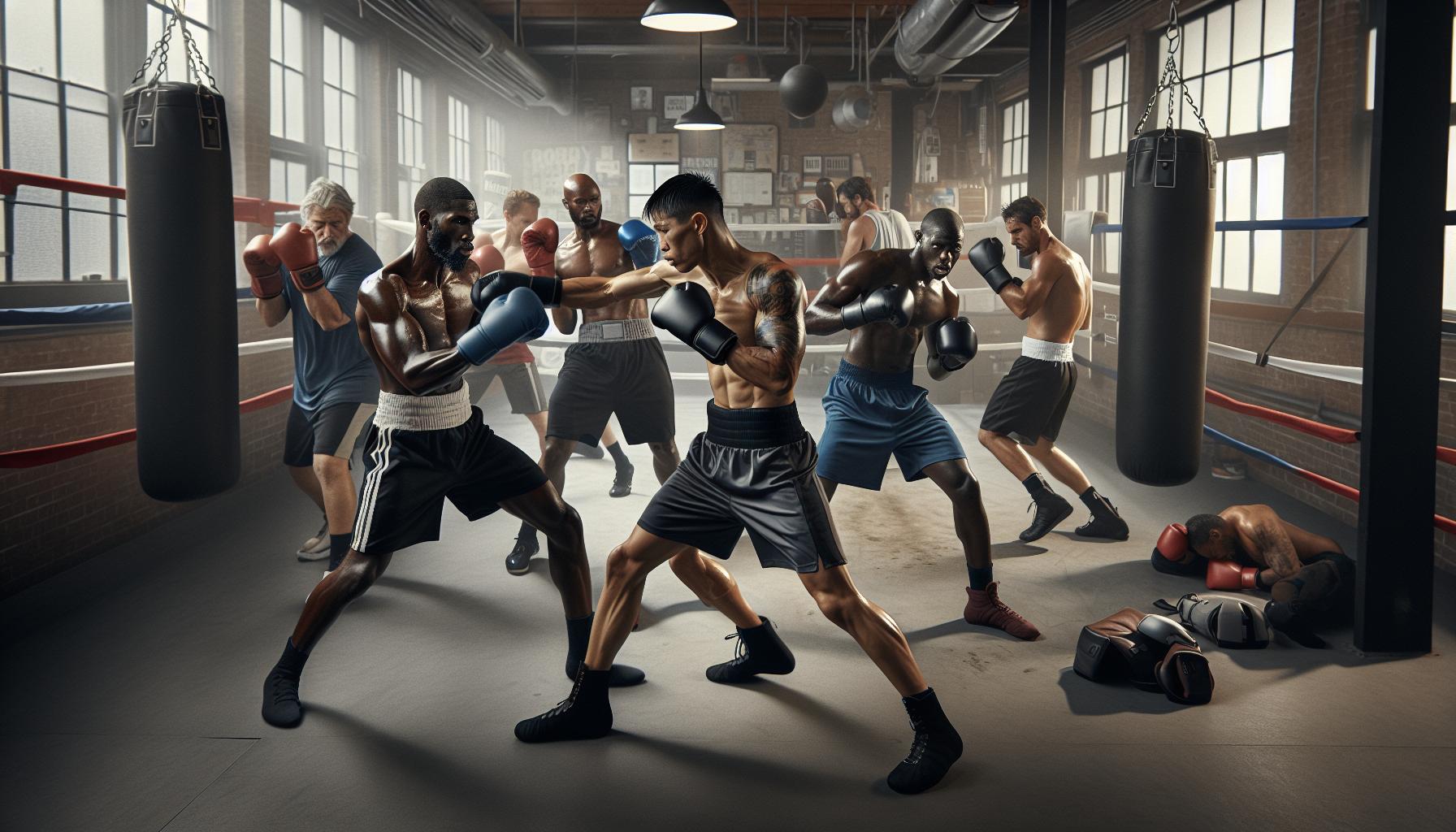
Boxing: The Art of Powerful Strikes
Boxing is renowned for its powerful strikes, making it one of the most effective combat sports for developing striking ability. The discipline revolves around high-caliber punches, footwork, and defensive maneuvers, creating a system where every blow is delivered with maximum force and precision. Training in boxing focuses on explosive movements, including jabs, hooks, and uppercuts, which are refined through rigorous practice and sparring. Boxers learn to utilize their body mechanics, aligning their weight and momentum to generate substantial power, making each strike not only impactful but also strategically placed.
A fundamental aspect of boxing is the emphasis on rhythm and timing. A well-timed punch can be more effective than sheer strength. Boxers are taught to read their opponents and capitalize on openings, often using head movement and footwork to create angles for attack while evading incoming strikes. This strategic approach instills a deep understanding of distance and timing, essential elements when engaging in any striking scenario. By mastering these skills, boxers can effectively control the pace of a fight, making them formidable opponents not just for fellow boxers but also in a self-defense context.
Moreover, boxing develops not only striking skills but also mental discipline and resilience. Practitioners learn to handle stress and maintain composure, traits that are crucial in any altercation or competitive environment. As such, boxers are trained to maintain focus under pressure and to strike decisively when opportunities arise-a testament to the value of the sport beyond the ring. Importantly, while boxing is a sport, the skills developed can transcend into real-life applications where personal safety may be at stake.
In summary, the art of boxing is characterized by its focus on powerful, precision strikes combined with strategic awareness and psychological resilience. While its primary aim is competition, the techniques and skills honed through boxing practice equip individuals with valuable tools for both self-defense and personal development, reinforcing the importance of training for real-world scenarios.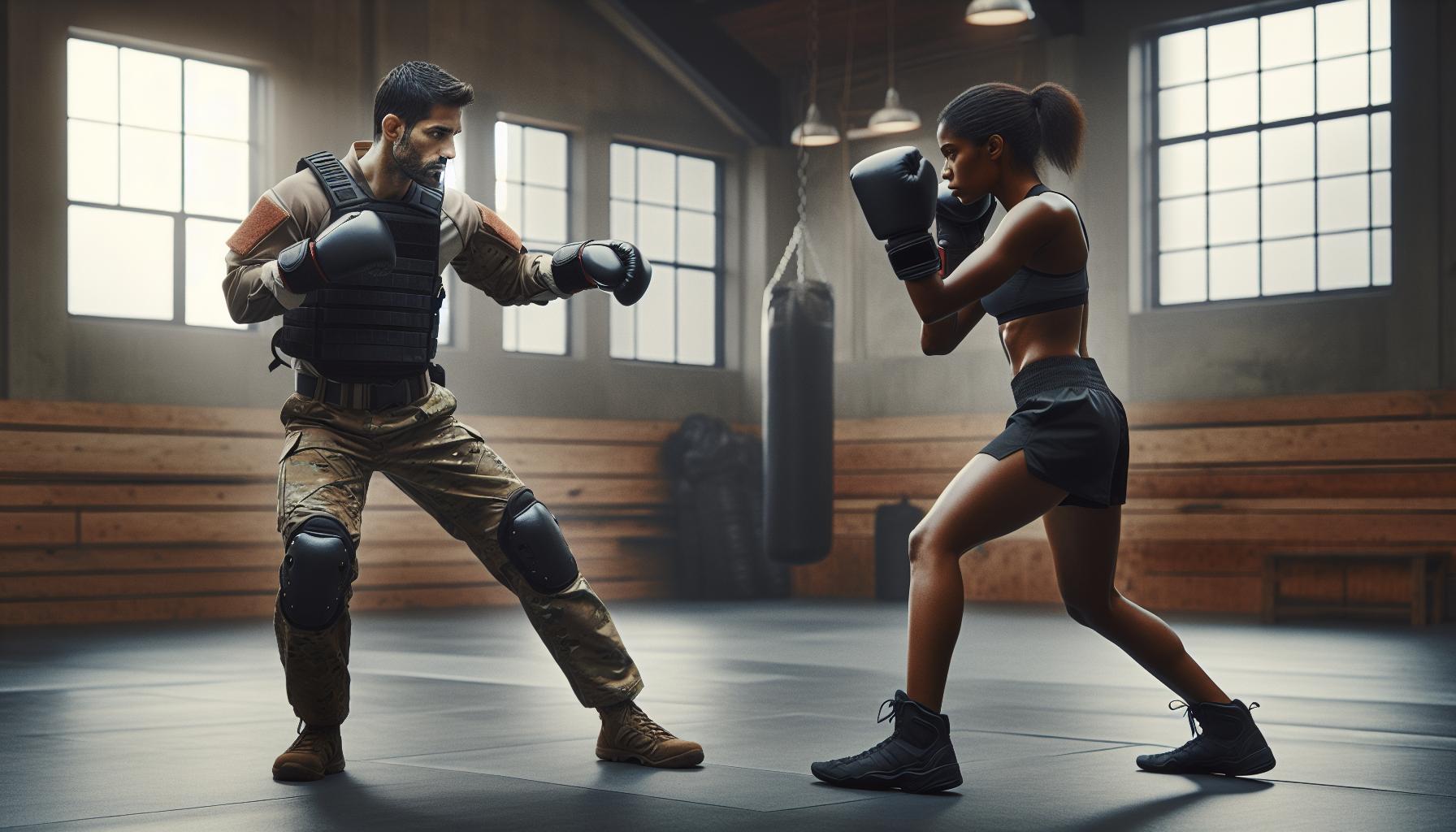
Krav Maga vs. Boxing: Philosophies and Goals
In the world of martial arts, the philosophies and goals of Krav Maga and boxing distinguish them as unique disciplines, each catering to different needs and situations. While boxing develops athletes for competitive environments, focusing on refined striking techniques and mental resilience, Krav Maga offers an integrated approach to self-defense tailored for real-world scenarios.
Philosophical Foundations
At its core, boxing is a sport rooted in tradition, emphasizing technique, discipline, and the art of competition. Boxers train to outsmart opponents inside the ring through tactical strikes, footwork, and timing. The objective is clear: to dominate in a controlled environment where rules govern behavior and protective gear mitigates injuries. The focus is on athletic performance, proficiency in offensive and defensive maneuvers, and honing physical conditioning under competitive pressure.
In contrast, Krav Maga was developed as a practical self-defense system for the Israeli Defense Forces, embracing a philosophy that prioritizes survival and efficiency. The emphasis is on defending against a variety of threats, from unarmed assaults to armed confrontations. Krav Maga systems teach practitioners to neutralize threats effectively and quickly, often incorporating instinctive movements and actions that can be utilized regardless of physical fitness or size. This approach is advantageous in real-life self-defense situations where chaotic environments require adaptability and rapid decision-making.
Goals and Applications
The goal of boxing extends beyond mere self-defense; it seeks to build champions. Boxers train for bouts that earn them recognition and potentially lucrative contracts. Their skills translate well into various competitive settings, making boxing not only a sport but also a means to increase physical fitness, mental toughness, and strategic thinking.
On the other hand, Krav Maga’s primary focus is empowering individuals with tools to defend themselves effectively in emergencies. Its practical applications are evident in scenarios involving assaults, muggings, or other urgent threats, where time is of the essence. Training includes awareness of surroundings, conflict avoidance, and de-escalation techniques, ensuring practitioners are prepared for a range of self-defense situations while considering legal implications of their actions.
Both disciplines train their students to respond decisively under pressure, but they do so with different end goals in mind. Whether leaning towards boxing for competition or Krav Maga for personal safety, understanding these philosophical differences can help individuals choose the path that best aligns with their needs and circumstances. Ultimately, the decision hinges on whether one seeks the thrill of competition or the assurance of self-defense capability in unpredictable situations.
Effectiveness of Krav Maga in Self-Defense Scenarios
In a crisis, the difference between a moment of panic and a successful escape often hinges on one’s preparedness and understanding of effective self-defense techniques. Krav Maga, developed for real-world applications, emphasizes practical strategies that can empower individuals to respond effectively under duress. The holistic approach of Krav Maga ensures that practitioners are trained to deal with various threats-from armed assailants to multiple attackers-making it a vital tool for self-defense.
Core Principles of Krav Maga
The stems from its core principles, which are designed to maximize efficiency and minimize injury. Key aspects include:
- Situational Awareness: Training emphasizes awareness of surroundings to avoid potential threats. Practitioners learn to identify dangerous situations before they escalate, enhancing their ability to assess risks.
- Instinctive Movements: Techniques are rooted in natural human motion, allowing individuals to react quickly, even under stress. This involves using simple and intuitive movements that require minimal fine motor skills.
- Neutralizing Threats: The goal is to disable an opponent as swiftly as possible. This may include targeting vulnerable areas of the body, such as the eyes or throat, to incapacitate an attacker effectively.
- Flexible Responses: Practitioners learn to adapt their responses based on the dynamics of each situation, whether it entails one attacker or several, armed or unarmed confrontations.
Real-World Applications
Krav Maga techniques are specifically designed for real-life confrontations. For instance, if an individual is approached in a dimly lit parking lot, instinctive reactions taught in Krav Maga can facilitate a rapid assessment of the situation, possibly defusing potential violence without causing injury. However, should a physical confrontation become unavoidable, the training provides the tools necessary to escape safely while understanding the legal ramifications of any defensive actions taken.
It’s essential to note that the principles of proportionality and legality govern self-defense situations. Practitioners are encouraged to use only the force necessary to neutralize a threat, aligning their response with the severity of the situation. This mindset promotes ethical considerations and acknowledges the weight of legal consequences resulting from defensive actions.
In conclusion, the effectiveness of Krav Maga in self-defense is a product of its realistic training methods and emphasis on practicality. While no martial art can guarantee safety, the principles taught throughout Krav Maga provide valuable skills that can greatly enhance an individual’s ability to protect themselves, reinforcing the importance of preparedness and situational awareness in a potentially dangerous world.
Boxing’s Strengths in Competitive Fighting Environments
In the realm of competitive fighting, boxing stands out as an art form dedicated to the mastery of striking, footwork, and tactical acumen. One of its most significant strengths lies in its focus on power and precision. Boxers are trained to land their punches with both speed and force, often using techniques honed through years of rigorous training. This focus on effective striking makes boxing particularly formidable in one-on-one combat situations, where the objective is clear: land punches while minimizing damage.
Technical Execution and Conditioning
The emphasis on technique in boxing is unparalleled. Boxers learn to throw a variety of punches-jabs, crosses, hooks, and uppercuts-each designed to target specific areas of an opponent’s body. This technical training is complemented by extensive conditioning programs that enhance endurance, strength, and agility. A well-conditioned boxer can maintain high energy levels throughout the fight, adapting to their opponent’s movements and capitalizing on openings. This efficiency is crucial in competitive settings where every second counts.
Scoring and Strategy
Boxing also operates under a clear scoring system, which influences how fighters approach a match. Points are awarded based on the number and effectiveness of clean punches landed, defensive maneuvers, and ring generalship. This system encourages strategic thinking, where boxers must not only focus on offense but also on defending against strikes and controlling the pace of the fight. Competing under these rules cultivates an understanding of distance, timing, and rhythm, essential for any successful fighter.
Injury Risks and Safety Protocols
Despite its competitive nature, boxing emphasizes safety and fair play. Fighters are equipped with protective gear, including gloves and headgear (in amateur competitions), and rules are strictly enforced to prioritize athlete safety. This structured environment allows practitioners to engage in intense sparring sessions and matches with a reduced risk of severe injury, thanks to regulations that prohibit certain strikes and techniques. Understanding these safety protocols is vital for those considering boxing, as it creates a balance between competition and care for the athletes involved.
Effective training within boxing prepares fighters for high-pressure situations, promoting a mindset that prepares individuals not just to fight, but to think strategically and act responsibly. While the sport is undeniably rigorous, its principles and techniques equip practitioners with valuable skills applicable both in and out of the ring, reinforcing the importance of ethical considerations and legality even in competitive contexts.
Comparative Analysis of Striking Techniques
In the dynamic world of martial arts, understanding the nuances of striking techniques between Krav Maga and boxing reveals significant differences that cater to varying needs and scenarios. Both disciplines possess unique strengths that can greatly influence real-world applications, particularly in self-defense situations or competitive arenas.
Krav Maga emphasizes a practical approach to self-defense, prioritizing effectiveness and simplicity. Practitioners are trained to utilize strikes such as punches, elbows, knees, and kicks, often delivered with the intent of maximizing impact while minimizing preparation time. This striking style is designed to incapacitate attackers quickly, often targeting vulnerable areas of the body. In this system, the practitioner’s overall attitude is equally important; Krav Maga promotes a mindset focused on survival, with techniques designed to counter threats from multiple angles and in various contexts. This holistic approach includes situational awareness and threat assessment, ensuring that individuals can respond effectively to any danger they might encounter.
On the other hand, boxing is a sport deeply rooted in strategy, precision, and athleticism. Boxers develop a refined set of strikes, including jabs, crosses, hooks, and uppercuts, each executed with finesse to maximize power and speed. The focus on footwork and head movement allows boxers to evade strikes while positioning themselves advantageously to deliver their own. This intricate dance requires not just physical conditioning but also mental acuity, as boxers must adapt their techniques and strategies mid-fight. Moreover, boxing adheres to a strict set of rules, which guide how strikes are delivered and scored, promoting a controlled environment where safety protocols limit the risk of serious injury during training and competition.
When comparing the effectiveness of these striking techniques, it is crucial to consider the intended environment. In self-defense settings, the unpredictable nature of an attack can make Krav Maga’s adaptable techniques preferable. However, in a ring or sport-based context, boxing’s focus on technique and scoring can yield superior results. Practicing both disciplines can equip individuals with a versatile skill set-Krav Maga offering practical self-defense strategies while boxing hones striking precision and endurance.
Ultimately, the choice between Krav Maga and boxing should reflect individual goals, whether those be self-defense, sport, or personal fitness. Understanding the strengths of each striking technique allows practitioners to make informed decisions about their training paths and better prepares them for both confrontation and competition.
Real-Life Applications: When Each Style Excels
In the realm of martial arts, understanding the real-life applications of Krav Maga and boxing can significantly impact your decision when choosing a style to study or implement in self-defense scenarios. Each discipline offers strengths tailored to different environments and situations. Recognizing when to use each style effectively is crucial-not just for personal safety but also for adhering to ethical and legal standards.
Krav Maga shines in unpredictable self-defense situations, particularly against multiple attackers or armed assailants. Its techniques are designed for real-world application, emphasizing quick and efficient responses that incapacitate threats. For instance, if confronted in a parking lot by an aggressor, a Krav Maga practitioner is trained to assess the situation rapidly and utilize strikes that target sensitive areas of the body. This focus on practicality equips individuals to handle chaotic encounters where the goal is to escape safely rather than engage in prolonged combat. Additionally, Krav Maga instills a mentality of situational awareness, teaching practitioners to anticipate potential threats and react accordingly.
Conversely, boxing excels in structured environments where rules apply-such as in competitive matches or controlled sparring. Boxers develop remarkable agility, speed, and precision through repetition of techniques under stressful conditions. In a competitive setting, these attributes become crucial not only for landing effective strikes but also for defending against an opponent’s attacks. For someone looking to participate in amateur boxing or similar sporting events, developing these abilities is key to success. Furthermore, the strict guidelines of boxing provide a safer model for training, minimizing the risk of serious injury while still allowing athletes to test their skills under pressure.
When deciding which style to pursue, consider the context of your training and goals. If the primary aim is self-defense in unpredictable situations, Krav Maga offers valuable strategies that emphasize survival and practicality. In contrast, if interested in athletic competition, boxing provides the skills necessary to excel in a sports setting. Ultimately, both disciplines have unique strengths that can greatly benefit practitioners, especially when integrated into a well-rounded training regimen. Understanding these real-life applications not only helps you choose the right path but also prepares you mentally and physically for the challenges you may face.
Injury Risks: Safety Considerations in Both Disciplines
Engaging in martial arts like Krav Maga and boxing can be exhilarating, but it’s crucial to acknowledge the injury risks associated with both disciplines. Every training session comes with its uncertainties, and understanding these potential pitfalls can help practitioners make informed decisions about their training and safety protocols.
Both Krav Maga and boxing prioritize vigorous physical activity, which can result in injuries ranging from minor cuts and bruises to more severe issues such as concussions or broken bones. In boxing, the emphasis on head strikes particularly raises concerns about long-term brain injuries. Boxers often sustain repeated blows to the head, which can lead to chronic traumatic encephalopathy (CTE) and other neurological issues over time. Therefore, it’s essential to engage in proper sparring practices, use protective gear, and maintain control to mitigate these risks.
Krav Maga, while focused on self-defense, can also present unique injury risks. The techniques involved, such as defending against weapons or multiple attackers, are inherently high-pressure and can lead to injuries caused by falls or improper technique. Practitioners must be trained to execute moves swiftly while remaining aware of their surroundings to reduce the likelihood of harm to themselves and others. Emphasizing situational awareness, controlled sparring, and understanding body mechanics can greatly minimize injury potential during training.
Safety protocols are indispensable in both disciplines. Here are a few important considerations:
- Protective Gear: Always wear appropriate gear, such as headgear, mouthguards, and gloves in boxing, and padded protective equipment in Krav Maga training.
- Controlled Environment: Practice in a controlled setting with trained instructors. Sparring should always be conducted at a safe intensity.
- Physical Condition: Ensure proper warm-up and conditioning to prepare your body for the demands of training, enhancing resilience against injuries.
- Listen to Your Body: Be mindful of any signs of injury or fatigue. Prioritize rest and recovery to prevent exacerbating any injuries.
By taking these precautions, individuals can enjoy the benefits of Krav Maga and boxing while minimizing the risks associated with these dynamic martial arts. Balancing intensity with safety is key to long-term participation and personal growth, allowing practitioners to thrive in their chosen discipline.
Training Regimens: How Each Art Prepares Practitioners
Training in martial arts is not just about learning techniques; it’s about developing the physical and mental discipline necessary to handle real-world situations. Krav Maga and boxing, while both combat arts, invest in unique training regimens designed to hone their practitioners’ skills differently.
Krav Maga focuses on realistic self-defense scenarios, emphasizing practical skills for defending against armed and unarmed attackers. Training typically includes a diverse range of techniques, particularly in situational awareness, threat assessment, and quick responses under stress. Classes often incorporate drills that simulate real-life attacks, including multiple attackers or weapon threats. This method ensures that students are prepared for the complexities of a potential altercation in the street. Practitioners engage in high-intensity training that mirrors the anxiety and unpredictability of self-defense situations. Effective training protocols include controlled sparring, where students apply learned techniques in a dynamic environment while prioritizing safety and risk management.
In contrast, boxing’s training regimen cultivates striking skills, footwork, and defensive maneuvers, primarily within a competitive ring context. Boxers hone powerful punches, combinations, and movement through extensive pad work, bag training, and sparring sessions. Conditioning is crucial, focusing not only on strength but also on stamina, agility, and speed. A typical boxing training session may involve a warm-up that includes jumping rope or shadowboxing, followed by technical drills and ending with sparring to practice skills in an opposing situation. Each aspect of the training emphasizes scoring points and maintaining composure under pressure, sharpening focus for competitive environments.
Despite these differences, both disciplines emphasize safety and proper technique. Practitioners of each art are trained to respect their limits and the importance of clear, controlled sparring practices to prevent injuries. As they progress, students learn to recognize their physical capacity, enhancing their ability to react in varied situations, thereby integrating the physical and the mental aspects crucial for effective self-defense or competitive success. The rigorous training regimens ensure that both boxers and Krav Maga practitioners are not only well-prepared but also grounded in the ethical responsibility that comes with their martial skills.
The Role of Sparring in Skill Development
Sparring serves as a critical component in developing the skills necessary for both Krav Maga and boxing practitioners, acting as a bridge between theoretical knowledge and real-world application. Through controlled sparring sessions, students are able to live-test their techniques, gaining insights into their timing, distance, and overall effectiveness against a resisting opponent. This practice is not merely about scoring points or showcasing skills but is fundamental in building reflexes, strategic thinking, and adaptability in dynamic environments.
In Krav Maga, sparring is often structured to resemble realistic self-defense scenarios. This means participants might face various simulated attacks – from single opponents to multiple attackers, while also dealing with imaginary weapons. The emphasis here is on the successful application of self-defense techniques, including situational awareness and quick decision-making. The goal is to build confidence while reinforcing the legal and ethical responsibilities associated with self-defense. As students engage in these scenarios, feedback from instructors can help refine techniques and address any weaknesses in execution.
Conversely, in the boxing arena, sparring focuses on developing striking abilities, defensive maneuvers, and ring awareness. Boxers practice with partners who offer resistance, fostering a deeper understanding of timing and rhythm. This engagement teaches how to maintain composure under pressure and effectively react to an opponent’s movements, preparing athletes for the unpredictability of an actual match. Boxers learn to read their opponents, gauge distance, and set up combinations, which are essential elements in a competitive setting.
Utilizing sparring sessions effectively necessitates a focus on safety protocols. In both disciplines, it is crucial to establish clear rules and limits to minimize the risk of injury. Participants should wear appropriate protective gear and be reminded of the importance of proportional responses. The insights gained from these intense practice sessions extend beyond physical skills; they cultivate mental resilience and strategic thinking which are vital in any confrontation. By assessing both Krav Maga and boxing’s approaches to sparring, students can choose the style that best fits their personal goals, whether that’s self-defense proficiency or competitive success.
Choosing the Right Discipline for Your Needs
Understanding your personal goals and needs is crucial when considering whether to pursue Krav Maga or boxing. Both disciplines offer unique benefits that can enhance your self-defense capabilities, fitness, and overall well-being. Before making a choice, reflect on a few key aspects that pertain to your lifestyle and objectives.
Krav Maga is focused on practical self-defense techniques aimed at neutralizing threats quickly and efficiently. It’s particularly effective for individuals seeking to enhance personal safety in unpredictable, real-world environments. The training incorporates scenarios that could involve multiple attackers or armed assailants, which taps into essential decision-making skills and situational awareness. If your primary concern is safety and preparing for potential confrontations, Krav Maga’s emphasis on real-world applications might make it the right fit.
On the other hand, boxing stresses both physical fitness and technical striking abilities. This discipline cultivates sharpened reflexes, footwork, and stamina, making it optimal for those interested in developing striking power and endurance in a competitive setting. Boxers spend extensive time honing their craft, which can lead to increased self-confidence and mental toughness. If your aim is to participate in competitions or achieve high levels of fitness while learning effective striking techniques, boxing may be your ideal choice.
Before committing to either discipline, consider the legal implications of self-defense training. In many jurisdictions, the way you apply techniques learned in Krav Maga or boxing can have legal repercussions. Understanding the laws related to self-defense in your area is essential. You must be prepared to use any skills learned responsibly and ethically, focusing on de-escalation and proportional responses to threats.
Ultimately, the choice between Krav Maga and boxing should align with your personal preferences, desired outcomes, and lifestyle. Evaluate your motivations and consider trying introductory classes for both to experience how each discipline resonates with you. This hands-on approach can be invaluable in making a well-informed decision that best serves your safety and fitness goals.
Legal Considerations When Using Self-Defense Techniques
Understanding the legal landscape surrounding self-defense techniques is crucial for anyone training in martial arts, whether it’s Krav Maga or boxing. The laws regarding self-defense vary significantly between jurisdictions and can profoundly affect your actions in a confrontation. The fundamental principle of self-defense is that you are permitted to use reasonable force to protect yourself from harm, but this “reasonable force” is often subject to legal scrutiny.
In many regions, self-defense laws operate under two major doctrines: Stand Your Ground and Duty to Retreat. Under Stand Your Ground laws, individuals may not have an obligation to retreat from a threat before using force. In contrast, the Duty to Retreat mandates that a person must attempt to escape the situation if it’s safe to do so before resorting to physical confrontation. Understanding which applies in your locale is essential, especially for practitioners of Krav Maga that may emphasize neutralizing a threat swiftly and effectively.
Proportionality and Reasonable Force
It’s vital to consider the proportionality of your response. Legal guidelines often require that the level of force you use in self-defense must be proportional to the threat you face. For example, using lethal force in response to a non-lethal threat could lead to serious legal consequences. When training with techniques from either Krav Maga or boxing, keep in mind that while you may be able to deliver powerful strikes, employing such techniques must always consider legal limits.
Real-world scenarios can illuminate these complexities. If attacked in a public space while being pushed or shoved, responding with a high level of aggression may be seen as excessive force, which can lead to criminal charges. Alternatively, de-escalation, avoidance, or less forceful responses might not only align better with legal standards but also adhere to ethical considerations in self-defense situations.
Documentation and Reporting
Always document any encounters where self-defense techniques were used. Take note of the events leading up to the incident, the nature of the threat, and the response taken. If it becomes necessary to report the incident to authorities, having a clear, factual account can help clarify your actions and intention.
Recognizing and respecting the legal and moral implications of the techniques you learn is vital. Choosing to engage in self-defense training must come with a commitment to practicing in a manner that is responsible, safe, and aware of the consequences. Empowering yourself through training is essential, but that empowerment should come with a clear understanding of the boundaries within the law.
Frequently Asked Questions
Q: What are the main differences between Krav Maga and boxing?
A: Krav Maga focuses on self-defense tactics against real-world threats, emphasizing quick and effective responses, while boxing is a sport centered on striking techniques and competitive training. Understanding these differences can guide practitioners in choosing the right discipline according to their goals.
Q: Is Krav Maga effective in real-life self-defense situations?
A: Yes, Krav Maga is designed for real-life scenarios, teaching techniques to defend against various attacks efficiently. Its emphasis on practicality makes it a strong choice for personal safety. For a more detailed discussion, refer to the Effectiveness of Krav Maga in Self-Defense Scenarios section.
Q: Can boxing techniques be beneficial for Krav Maga practitioners?
A: Absolutely! Boxing offers valuable skills such as footwork, head movement, and powerful strikes that can enhance a Krav Maga practitioner’s striking abilities. Integrating these techniques can improve overall combat effectiveness. Check out the Comparative Analysis of Striking Techniques for more insights.
Q: What should I train in if I want to focus on self-defense?
A: If self-defense is your primary goal, Krav Maga is likely a better fit due to its tailored approach to realistic threats. However, incorporating boxing can improve your striking and defensive skills, providing a well-rounded foundation. Explore our Choosing the Right Discipline for Your Needs section for guidance.
Q: Are there any injury risks associated with boxing and Krav Maga?
A: Both sports carry injury risks, but these vary. Boxing may lead to acute injuries like bruises or concussions, while Krav Maga may involve more varied injuries due to its self-defense nature. Safety protocols and protective gear are essential to minimize these risks. See the Injury Risks: Safety Considerations in Both Disciplines section for more details.
Q: How do the training regimens differ between Krav Maga and boxing?
A: Boxing training typically focuses on technique drills, sparring, and conditioning, whereas Krav Maga training incorporates self-defense scenarios, disarming techniques, and conditioning. Understanding these differences can help tailor your training to your personal goals.
Q: In a confrontation, how would Krav Maga techniques stand up against boxing skill?
A: In a confrontation, Krav Maga techniques prioritize quick, effective self-defense moves that can neutralize threats, while boxing relies on striking finesse. The effectiveness in a real situation may depend on the context and the practitioner’s adaptability. Refer to the Real-Life Applications: When Each Style Excels for more insights.
Q: Which martial art is more suited for competitive fighting: boxing or Krav Maga?
A: Boxing is specifically designed for competitive fighting, emphasizing skill, strategy, and points in matches. Krav Maga, while effective in self-defense, is not structured for sport competition. Thus, if competition is your focus, boxing might be the better option.
Key Takeaways
As we’ve explored, both Krav Maga and boxing offer unique advantages, with Krav Maga focusing on practical self-defense and boxing providing excellent striking skills. Understanding the strengths of each can empower you to make an informed decision about which aligns best with your goals. Don’t wait to enhance your self-defense knowledge-sign up for our newsletter for exclusive tips and updates on upcoming classes!
For more on self-defense techniques, check out our articles on Krav Maga fundamentals here and see how it compares with Brazilian Jiu-Jitsu in this guide. Your safety and preparedness are paramount; take the next step toward mastering these crucial skills. Remember, knowledge is power-explore our resources and share your thoughts in the comments below!