
In the world of video games, few franchises capture the thrill of combat like Assassin’s Creed. Players navigate ancient landscapes while engaging in intricate fighting styles, often inspired by real-world martial arts. This leads to a compelling question: Does Assassin’s Creed incorporate Krav Maga, known for its practical self-defense techniques? Understanding the fighting styles used in this iconic series not only enhances gameplay but also sparks curiosity about their effectiveness in real-life situations. As we delve into the martial arts depicted in Assassin’s Creed, you’ll discover how these elements reflect broader themes of conflict resolution and personal empowerment. Join us in exploring the connection between the game and the reality of self-defense, and learn how these techniques might have applications beyond the screen.
Understanding Martial Arts in Video Games
In the realm of video games, martial arts serve as both a visual spectacle and a mechanic that enhances gameplay. With franchises like Assassin’s Creed drawing heavily on real-world combat systems, understanding the portrayal of martial arts is vital for players and developers alike. This universe often blurs the lines between entertainment and realism, prompting players to explore their interest in various fighting styles, including Krav Maga. While the fluid, acrobatic moves seen in the games are visually engaging, they often prioritize cinematic flair over authentic combat effectiveness.
Krav Maga, developed for real-world self-defense, emphasizes efficiency, aggression, and simplicity. In contrast to more traditional martial arts, which may focus on forms and competitive sparring, Krav Maga is grounded in real-life combat scenarios. This practicality is appealing in the context of video games, where players appreciate quick, decisive actions that lead to a tangible result. However, the translation of these techniques into gameplay must be carefully balanced with the need for engaging mechanics and narratives that can captivate players.
The authenticity of martial arts representation in video games, including how Krav Maga is implemented, greatly affects player immersion and experience. Whether it’s the portrayal of strikes, grappling, or evasive maneuvers, players often find themselves comparing what they see on-screen to the techniques they might learn in a dojo. As developers aim for increasingly realistic combat systems, understanding martial arts fundamentals becomes essential-not only for the choreography of animations but for the underlying principles that guide the game’s mechanics.
Ultimately, as gaming technology continues to evolve, so too will the representation of martial arts in media. Balancing thrilling experiences with respect for the underlying techniques can lead to a richer, more engaging interaction for players. Awareness of the mechanics of martial arts, including the principles of Krav Maga, can empower players to appreciate their digital avatars’ movements and decision-making processes in battles, reflecting the realities of combat while remaining within the realm of entertainment.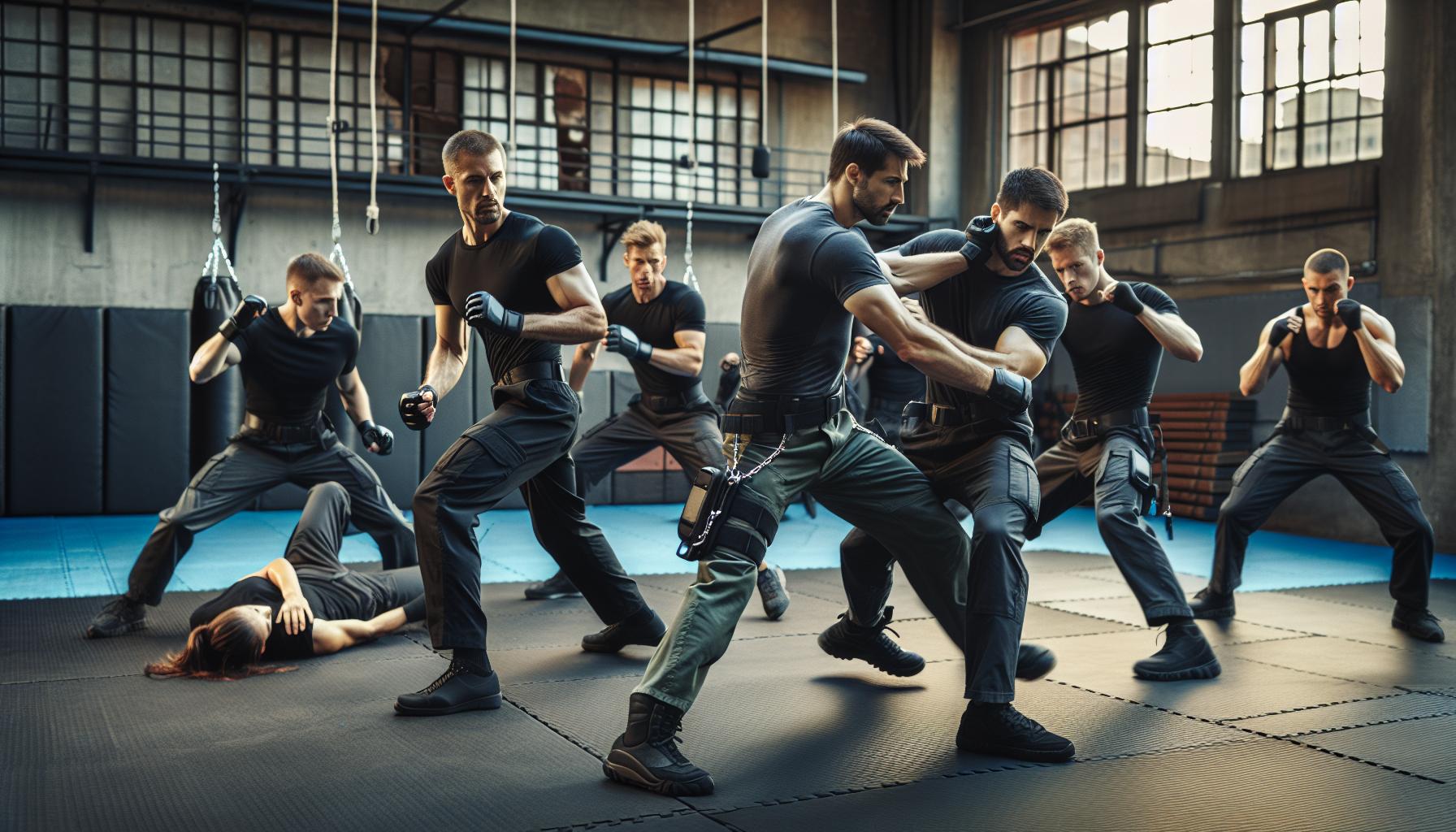
The Role of Krav Maga in Combat Systems
The effectiveness of Krav Maga as a combat system finds a distinct echo in the world of video games, where its principles can inform both gameplay mechanics and narrative interactions. Originating from a need for practical self-defense in real-life scenarios, Krav Maga focuses on swift, efficient techniques designed to neutralize threats quickly. This emphasis on speed and decisiveness provides a compelling framework for developers of combat-oriented video games like Assassin’s Creed, where engaging combat systems must harmonize cinematic storytelling with realistic fight dynamics.
Krav Maga’s Core Principles in Combat Systems
Krav Maga teaches practitioners to respond to various threats, emphasizing techniques that are simple yet effective. This is directly relevant for game design, where players often crave intuitive controls that allow for immediate reactions. Techniques such as strikes, grappling, and defenses against various attacks are not only visually actionable but also create a rhythm that players can engage with seamlessly. For instance, in fast-paced environments like that of Assassin’s Creed, the need for quick decision-making mirrors Krav Maga’s philosophy. Players can experience immediate outcomes from their strategic choices, reflecting the art’s focus on real-life combat scenarios.
Realism and Player Engagement
The representation of Krav Maga within these combat systems lends an air of authenticity that enhances player immersion. As players execute maneuvers that parallel real-world techniques, they develop a deeper connection with their avatars. In particular, Krav Maga’s emphasis on self-defense scenarios resonates with players’ desire for empowerment within the game world, allowing them to feel as though they’re not just taking part in an interactive spectacle but engaging in something that could conceptually translate to real-life situations.
Incorporating Krav Maga’s principles challenges developers to not only focus on the technicalities of animation but also consider the broader implications of combat philosophy. It’s crucial for game designers to convey not just the moves themselves, but the underlying ethics of those moves, such as the importance of de-escalation and proportional response, which are vital in real-life self-defense contexts. For instance, allowing players to navigate encounters with options that favor negotiation or avoidance as much as confrontation embodies this mindset and creates richer gameplay.
By integrating Krav Maga’s effectiveness and ethical framework into the combat systems, video games can create not only dynamic action but also narrative depth. This can serve as a powerful tool for players, enhancing their overall experience and promoting an understanding of the responsible use of force within the game’s narrative, echoing real-life principles of safety and legality.
Comparative Analysis: Krav Maga vs. Other Fighting Styles
Krav Maga stands out in the martial arts landscape for its unique focus on real-world self-defense scenarios and its practical implementation in both physical confrontations and video game mechanics. Unlike traditional martial arts, which often involve structured katas and limited sparring, Krav Maga emphasizes adaptability and swift, effective responses to various threats. This adaptability is especially relevant in video games such as the Assassin’s Creed series, where players face dynamic combat situations that require quick thinking and reaction times.
One of the notable differences between Krav Maga and other fighting styles like Brazilian Jiu-Jitsu (BJJ) or Muay Thai is its holistic approach to self-defense. While BJJ specializes in ground fighting and submissions, making it effective in one-on-one situations, Krav Maga includes techniques to handle multiple attackers, armed confrontations, and various environmental factors. For instance, Krav Maga practitioners are trained to utilize their surroundings as weapons, which reflects in the gameplay mechanics of many action-oriented video games, allowing players to interact with and use the environment strategically. In contrast, Muay Thai, known for its striking techniques, focuses on stand-up fighting but lacks the comprehensive situational awareness that Krav Maga instills.
Training Philosophy and Ethics
The training philosophy of Krav Maga places a strong emphasis on the ethical use of force, prioritizing de-escalation and avoidance over engagement whenever possible. This ethic is important to consider in gaming, particularly when players are often presented with choices affecting the narrative outcome. By incorporating these principles into gameplay mechanics, developers can create a richer experience that challenges players to think about the consequences of their actions. For example, in certain scenarios where conflict is avoidable, allowing a character to seek dialogue instead of combat can lead to different endings or unlock bonus content, fostering a deeper understanding of Krav Maga’s philosophy.
Application in Video Games
When comparing Krav Maga to other styles represented in games, it becomes evident that its fluidity and focus on practicality lend themselves well to design elements. Players appreciate combat systems that not only provide realistic grappling and striking techniques but also offer choices for conflict resolution. This is particularly relevant in Assassin’s Creed, where engaging with historical contexts and making strategic decisions is crucial to gameplay. The incorporation of Krav Maga principles allows for combat mechanics that reflect urgency, efficiency, and the necessity of situational awareness, making the combat experience both thrilling and relatable.
In summary, while Krav Maga shares commonalities with various martial arts, its distinct focus on self-defense and ethical considerations presents an alternative perspective that can enhance both gameplay and player engagement in video games. Developers who emphasize these aspects can create more meaningful interactions, enabling players to explore the implications of their choices in combat scenarios while promoting a responsible approach to violence within the game narrative.
Realism in Assassin’s Creed Combat Mechanics
The combat mechanics in Assassin’s Creed evoke a sense of realism that resonates with players, particularly through advanced fighting styles reminiscent of Krav Maga. While the game beautifully showcases historical settings, the integration of practical self-defense techniques makes each encounter feel grounded. Players are thrust into dynamic brawls that require quick reflexes, situational awareness, and an understanding of their surroundings-core tenets of Krav Maga training. This design ensures that players experience an immediate urgency to respond effectively to threats, akin to how a trained martial artist would react in a real confrontation.
As players navigate various environments in Assassin’s Creed, they are presented with opportunities to utilize their surroundings as tools for combat. Krav Maga emphasizes environmental awareness, teaching practitioners to use whatever is available as an improvised weapon or shield. For example, during a fight in a crowded market, players can shove an enemy into nearby crates or use a thrown object, reflecting the adaptability trained in Krav Maga. This element not only adds to the realism but also encourages strategic thinking, as players can assess which elements of the environment will aid them in defeating opponents or escaping dangerous situations.
Moreover, the design of the combat system allows for a fluid transition between offensive and defensive maneuvers that feel intuitive-another hallmarked trait of Krav Maga. The combat is not just about striking; it involves parrying, evading, and counterattacking, demonstrating an understanding of effective combat flow. This mechanic invites players to think on their feet, learning to read opponents’ movements and react accordingly, reinforcing the idea that successful self-defense is often about maintaining control and awareness rather than simply overpowering an opponent.
In summary, the authenticity of combat mechanics in Assassin’s Creed deeply resonates with the principles of Krav Maga, emphasizing the importance of adaptability, environmental awareness, and quick decision-making. This not only enhances the gameplay experience, making it thrilling and engaging, but also reflects critical self-defense tactics that underline the significance of situational response, allowing players to explore and apply these aspects in a virtual setting.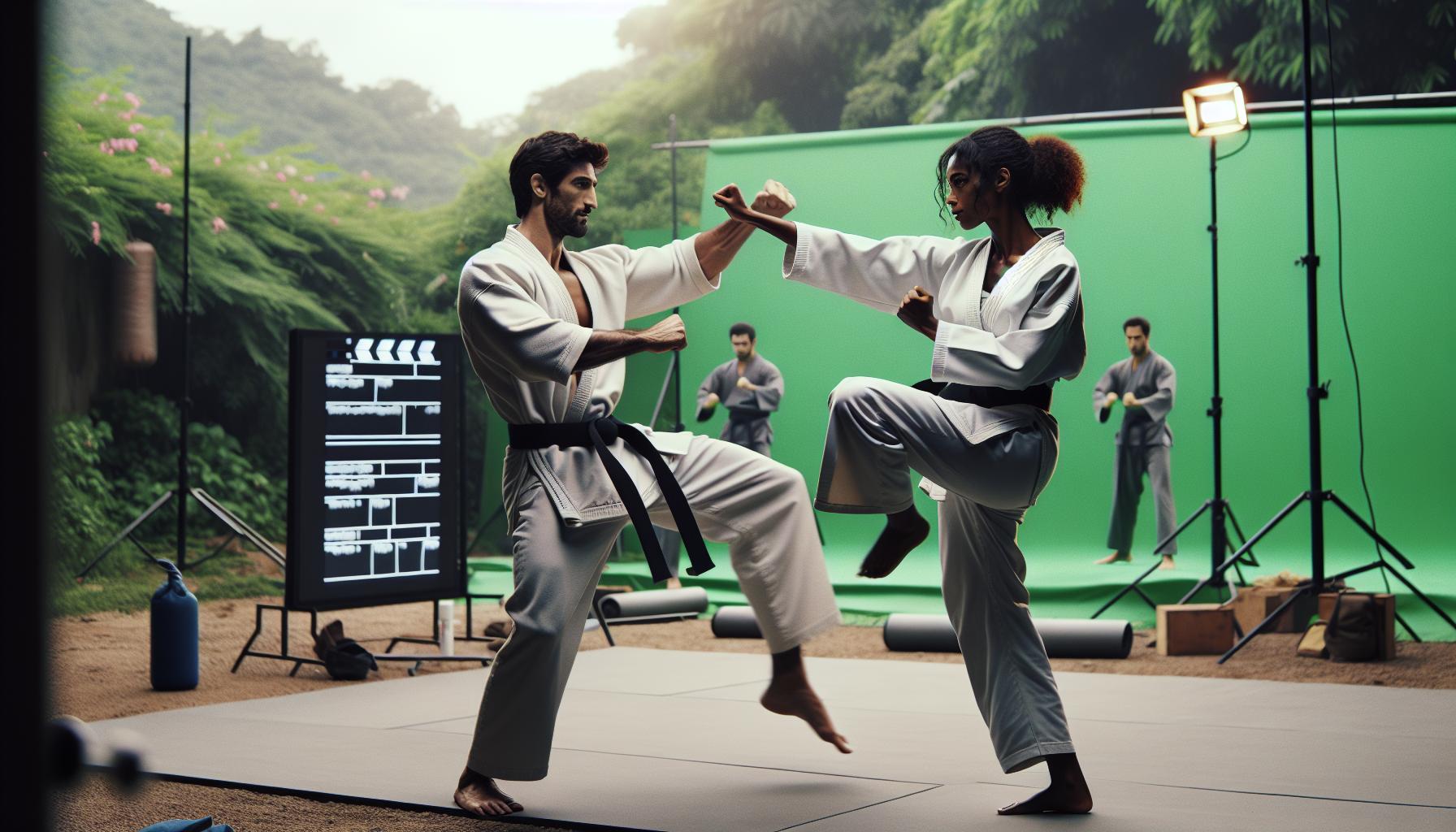
Expert Insights: Choreographing Authentic Fights
In the world of video games, especially in titles like Assassin’s Creed, the choreography of combat scenes plays a crucial role in delivering a believable fight experience that resonates with players. A central aspect of this choreography lies in the authenticity of the fighting styles portrayed, particularly techniques drawn from disciplines such as Krav Maga. The strategic application of Krav Maga principles enriches gameplay by enabling developers to create dynamic, reactive combat encounters that feel grounded in reality and empower players to engage in scenarios that mirror real-world self-defense situations.
When designing authentic fight choreography, game developers must consider several factors:
- Fluidity of Movement: Combat mechanics need to allow seamless transitions between offensive and defensive strategies. This fluidity mirrors Krav Maga’s focus on adaptability and real-time responses, giving players the sensation of being truly engaged in a fluid combat scenario.
- Environmental Interaction: Utilizing the surroundings as weapons or shields enhances the combat’s realism. Just as Krav Maga teaches practitioners to leverage their environment for effective defense, players should be encouraged to think creatively about how to manipulate their in-game surroundings.
- Character Animation and Physics: Realistic animations that reflect the principles of biomechanics ensure that movements look believable. The impact of strikes, realistic fall trajectories, and the weight of characters must be accurately represented to create a convincing fighting experience.
In crafting these fight sequences, developers should also prioritize safety and ethical considerations. Players ought to be educated on the implications of physical confrontation, emphasizing that self-defense is about protecting oneself and de-escalating situations whenever possible. Game narratives can include scenarios that promote conflict resolution and teach players the weight of their actions during combat, ensuring an understanding that what is portrayed in-game is a reflection of skills that carry real-world consequences.
By intertwining thoughtful choreography with immersive gameplay mechanics, Assassin’s Creed exemplifies how video games can navigate complex fighting styles, such as Krav Maga, fostering both entertainment and education. Players are thus invited not just to engage in virtual battles but also to draw lessons applicable beyond the screen, promoting an understanding of martial arts that transcends mere gaming experience.
The Influence of Historical Context on Fighting Styles
Throughout history, martial arts have evolved in direct response to the sociopolitical landscapes of their respective regions. The evolution of fighting styles such as Krav Maga is deeply entwined with historical events and cultural shifts, illustrating how real-world influences can shape techniques that are adopted in video games like Assassin’s Creed. This gaming franchise often borrows from various historical contexts, and understanding this might provide insights into its combat mechanics and fighting styles.
Krav Maga, developed in the mid-20th century for the Israeli military, emphasizes practical self-defense techniques tailored for real-life situations. Its focus on efficiency and adaptability stems from the conflict-ridden history of Israel, wherein practitioners learned to respond to various threats in a highly hostile environment. This historical backdrop not only informs its effectiveness in self-defense but also provides a rich narrative opportunity for video games to explore themes of survival and conflict resolution.
When characters in a game like Assassin’s Creed employ combat techniques inspired by Krav Maga, players are not just experiencing choreographed fighting; they are also engaging with a style that represents a lineage of adaptation to the pressures of survival, reflecting a broader understanding of the human condition. The narratives within these games allow players to explore themes such as oppression and resistance, which have historical roots that can be understood through the lens of martial arts evolution.
This blending of historical context with gameplay mechanics has implications for player experience as well. Understanding the origins and social implications of fighting styles helps players appreciate the strategies they implement in-game. Techniques that prioritize de-escalation and practical responses resonate with real-life self-defense principles, fostering a nuanced understanding of the ethics surrounding physical confrontation. This awareness promotes a gaming culture that values not just skill in executing moves but also the moral and legal weight of applying such techniques in any scenario.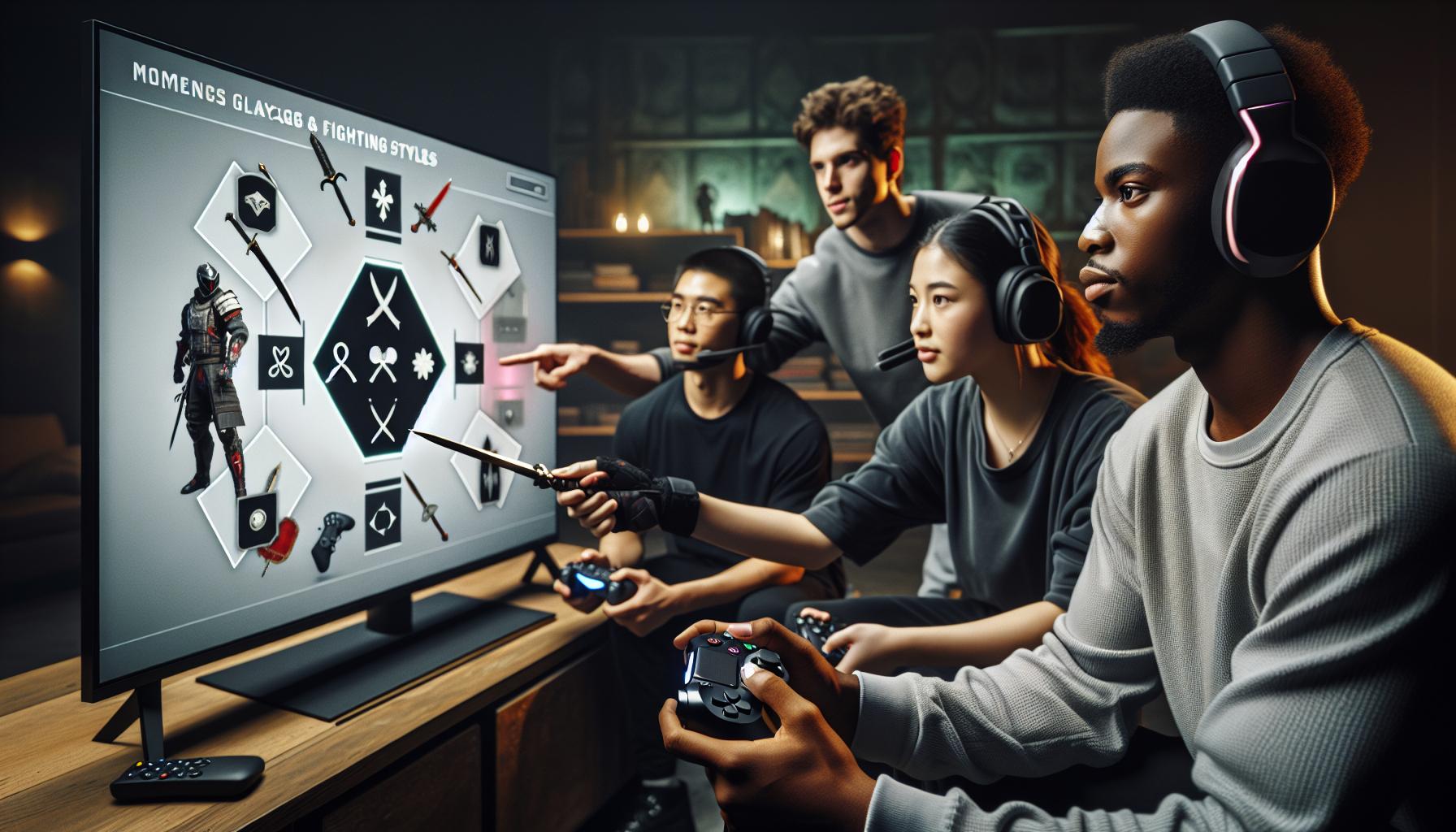
Player Experience: Choosing Fighting Styles in Gameplay
Engaging with combat systems in video games like Assassin’s Creed often reflects players’ real-world values and experiences surrounding self-defense and fighting styles. Choosing a fighting style in gameplay is not merely about aesthetics or personal preference; it entails understanding the implications of each technique, the context from which it derives, and how it aligns with players’ strategies. For example, Krav Maga’s principles in the game can resonate with those seeking efficiency and realism, mirroring its origins in real-life self-defense situations.
Players may find themselves drawn to Krav Maga for its emphasis on practical responses to aggressive threats. The game’s portrayal of this fighting style often showcases its core tenets: using instinctual movements, achieving quick neutralization of opponents, and making split-second decisions. These elements can heighten immersion and encourage players to engage with the material not as mere fiction but as an extension of their understanding of conflict dynamics. This experience allows players to engage with ethical questions about self-defense-considering not just how to fight, but when to fight, and the legal ramifications of their in-game choices.
When assessing styles like Krav Maga versus more traditional martial arts incorporated in Assassin’s Creed, players might notice that styles focusing on practical applications can affect gameplay strategies significantly. In a game scenario, a player may prioritize stealth and avoidance, aligning with the de-escalation philosophies prevalent in Krav Maga training. This perspective can foster a more significant emphasis on avoiding conflict where possible, especially in a narrative context where moral implications are at the forefront. Thus, players not only select a fighting style that suits their gameplay mechanics but also one that reflects their personal philosophy and strategic approach to challenges.
As players choose their fighting styles, they should also consider their comfort level with the morals surrounding these techniques. Understanding the real-life applications, including the legal limits of self-defense, will empower players to cultivate a more profound respect for these practices, whether virtual or real. Reflecting on how different techniques can serve various situations-not only optimizing personal gameplay but also adhering to a responsible mindset towards conflict-underscores the duality present within video game combat: gameplay functionality intertwined with real-world ethical considerations.
Effects of Fighting Style on Game Strategy
Engaging with different fighting styles in games like Assassin’s Creed can significantly impact a player’s strategy, especially when considering systems like Krav Maga that prioritize practicality and efficiency in combat. Unlike traditional martial arts that may rely heavily on forms or set techniques, Krav Maga’s focus on real-world applicability encourages players to adopt a mindset of quick decision-making and instinctual responses. This can shape how players approach encounters, making them more likely to seek out tactical advantages rather than simply overwhelming opponents through brute force.
When players choose Krav Maga as their fighting style, they may find themselves employing strategies that emphasize stealth and situational awareness. Krav Maga teaches practitioners to de-escalate potentially violent situations whenever possible. This philosophy can translate into gameplay by encouraging players to avoid direct confrontation and focus on stealth tactics, using the environment to obscure their movements and evade detection. This not only aligns with the game’s narrative of historical assassins but also appeals to players who resonate with the moral complexities of self-defense.
Furthermore, the understanding of legal and ethical implications surrounding self-defense is essential for players engaging with Krav Maga’s principles. In real life, misjudging a self-defense situation can lead to legal repercussions, and gaming often mirrors these complexities. Players can benefit from reflecting on their in-game choices, considering questions such as when it is justified to engage in combat and how their actions may affect their character’s moral standing. Developing an awareness of these factors can enhance the gaming experience, motivating players to think critically about conflict resolution and ethical engagement in both the game and real life.
Ultimately, the transcend mere mechanics; they influence players’ approaches to conflict and narrative engagement. By selecting styles like Krav Maga, players not only refine their tactical abilities but also embark on a journey of self-reflection that aligns gameplay with their values and ethical considerations surrounding conflict and self-defense.
Training Regimens: How Styles Impact Player Skills
The adaptability of fighting styles in a gaming context is often a reflection of their real-world training regimens. When engaging with styles like Krav Maga within games such as *Assassin’s Creed*, players can experience a unique intersection of strategy and skill development that mirrors the very nature of the sport. Krav Maga, known for its practicality and focus on real-world self-defense scenarios, offers players valuable insights into situational awareness and quick decision-making-skills that are integral both in-game and in real life.
Krav Maga training regimens emphasize a few key components that significantly impact player skills:
- Situational Awareness: Practitioners are trained to assess their environment constantly, a skill that translates directly to gameplay, enabling players to make strategic decisions and use their surroundings to their advantage.
- Fluid Movement: The emphasis on natural reactions and adaptability in Krav Maga equips players with the ability to respond to dynamically changing situations, much like how they would maneuver in game environments.
- De-escalation Techniques: Understanding how to diffuse conflicts without resorting to violence encourages players to explore non-combat solutions within the game, promoting a deeper engagement with the narrative and ethical considerations of their actions.
By integrating these principles into gameplay, players choosing Krav Maga can enhance their tactical mindset, making choices that reflect quick thinking and strategic positioning rather than reliance on brute strength. This evolution of skill not only helps in overcoming challenges but also aligns with the core teachings of ethical conflict resolution found in real-life self-defense training.
Ultimately, engaging with a fighting style rooted in practicality, such as Krav Maga, enables players to not only refine their combat skills but also develop an understanding of the broader implications of conflict, both in their gaming experience and in their daily lives. It serves as a reminder that even in a fictional setting, ethical decision-making and awareness of one’s surroundings can lead to profound gameplay outcomes and personal growth.
Real-Life Applications of Video Game Fighting Techniques
Engaging with video game fighting techniques can yield surprising real-life benefits, especially when drawing inspiration from styles like Krav Maga. In both virtual environments and everyday scenarios, the principles of situational awareness and rapid decision-making can significantly enhance one’s ability to respond effectively to threats. By practicing these techniques in games, players gain a unique edge that mirrors real-world self-defense applications.
- Situational Awareness: In Krav Maga, practitioners are trained to scan their surroundings for potential dangers. This habit is also vital in games, where recognizing environmental cues can prevent ambushes and enhance strategic planning. Players learn to anticipate enemy movements and utilize their surroundings to gain a tactical advantage, a skill directly transferable to real-life self-defense.
- Conflict Resolution: The focus on de-escalation in Krav Maga teaches individuals how to handle confrontations without resorting to violence. In gaming, this translates to exploring non-combat solutions and emphasizing strategy over sheer force, allowing players to navigate challenges more creatively.
- Physical Conditioning: The physical demands of practicing combat skills in games encourage players to maintain a level of fitness that supports real-life self-defense. Improved reflexes, agility, and strength not only enhance gameplay but also prepare individuals to react effectively in a physical confrontation.
These parallels not only demonstrate the potential for video game combat mechanics to influence physical skills but also emphasize the ethical dimensions of using such techniques. Understanding the legal and moral implications of physical confrontation is crucial, whether in a fictional context or reality. Aspiring self-defense practitioners must approach these lessons with respect and responsibility, recognizing the serious nature of defensive actions and the importance of using only proportional force when necessary.
Ultimately, the lessons drawn from video game fighting styles can foster a more thoughtful approach to personal safety and conflict management, encouraging players to develop not just their combat skills, but also their sense of right and wrong when it comes to engaging with others.
Community Perceptions: Debunking Myths in Game Combat
The portrayal of combat in video games, particularly in titles like Assassin’s Creed, often leads to misconceptions about martial arts techniques like Krav Maga. Many players assume that the fluid, brutal efficiency showcased on-screen translates seamlessly to real life. However, it is crucial to distinguish between the stylized representations of fighting found in video games and the practical realities of martial arts training.
In the realm of gaming, skepticism about the effectiveness of certain combat styles can breed myths that convince players they are equipped to handle real-world confrontations merely by mastering a game. This is misleading. Video games, including Assassin’s Creed, adopt various martial arts techniques for dramatic effect, but they also simplify or exaggerate these moves for entertainment. In contrast, Krav Maga is fundamentally designed for real-world self-defense situations and emphasizes quick, decisive action, often prioritizing survival over sport refinement.
### Misconceptions About Combat Effectiveness
- Game vs. Reality: The actions players perform in Assassin’s Creed may look effective, but they lack the training and situational awareness that real-life self-defense requires. For instance, the flashy acrobatics seen in the game can’t replace the thorough mental and physical preparation involved in Krav Maga.
- Training Depth: Krav Maga training encompasses critical aspects like threat assessment, legal implications of self-defense, and de-escalation techniques. These elements are typically absent in video game combat scenarios, which focus on offensive maneuvers.
### Ethical Considerations in Combat
Emphasizing de-escalation and proportional response is vital when discussing self-defense. Many players may romanticize combat without understanding its serious implications. In any self-defense scenario, the goal should always be to mitigate conflict rather than escalate it. Real-world applications of martial arts prioritize personal safety and adherence to legal boundaries, which differ significantly from the often unregulated chaos of video game fights.
Recognizing these distinctions helps players understand that while video games can be an enjoyable way to experience martial arts styles, they should not be seen as substitutes for actual training. Knowledge and respect for martial arts like Krav Maga come with the responsibility to use those skills ethically, weighing the consequences of one’s actions in physical confrontations. By fostering a mindset of safety, intelligence, and legal awareness, players can translate lessons from virtual combat into real-world awareness without succumbing to the myths that often accompany gaming culture.
Future Trends: Evolving Fighting Styles in Gaming
As video game developers continue to innovate, the portrayal of fighting styles is evolving, significantly influenced by real-world martial arts like Krav Maga. Modern games are increasingly seeking authenticity in combat mechanics, often pulling from established self-defense systems to enrich player experience. This shift recognizes that players not only desire thrilling gameplay but also a semblance of realism that aligns with how martial arts function in real life.
One of the prominent trends is the integration of adaptive fighting styles that reflect a character’s environment and opponents’ actions. For instance, the fluidity seen in combat in titles like Assassin’s Creed can draw from the principles of Krav Maga, which emphasizes natural movement patterns and instinctive responses to threats. As developers enhance motion capture technology, the opportunities to portray realistic techniques-like those seen in Krav Maga training, such as situational awareness and quick counter-attacks-will flourish.
Adaptive Mechanics and User Experience
Moving forward, adapting mechanics to account for player skill level and decision-making is vital. Games are likely to incorporate branching fight paths where player choices affect the outcome of engagements, much as they would in a real self-defense situation. This could promote a deeper understanding of the underlying ethics of combat, including the necessity of de-escalating situations where possible.
Moreover, educational elements could be included within gameplay to ensure players recognize the legal ramifications of martial arts techniques. For example, integrating scenarios that require players to assess threats and make decisions about when to engage versus when to retreat could foster critical thinking about real-life applications. Such features not only deepen immersion but also instill a respect for the serious nature of self-defense, complementing the entertainment aspect of gaming with valuable life skills.
Emphasis on Ethical Considerations
As the industry matures, there will likely be a stronger focus on the ethical use of combat styles. Games will have to navigate the balance between thrilling combat mechanics and the moral implications of violence. Developers may incorporate narratives that teach players about situational awareness and the importance of de-escalation, reflecting the real-world application of Krav Maga principles.
In summary, as fighting styles in video games continue to evolve, the incorporation of Krav Maga can serve as a cornerstone for developing not just exciting gameplay, but also empowering players with an understanding of self-defense and ethical responsibility. The future trends in gaming point toward a holistic approach that values authenticity, player safety, and moral considerations in combat.
Q&A
Q: What kind of martial arts techniques are used in Assassin’s Creed?
A: Assassin’s Creed incorporates a blend of various martial arts techniques, including sword fighting, grappling, and elements from disciplines such as Capoeira and Aikido. This combination creates a dynamic combat experience that reflects both historical context and gameplay mechanics.
Q: Is Krav Maga effective in video game combat mechanics?
A: Yes, Krav Maga’s principles of quick, effective strikes and self-defense can translate well into video game combat mechanics. Its focus on real-life scenarios allows players to adopt efficient strategies in games, enhancing their overall gameplay experience.
Q: How does Assassin’s Creed compare to Krav Maga in real combat?
A: While Assassin’s Creed emphasizes fluidity and acrobatics in combat, Krav Maga is focused on practical self-defense and efficiency in real-world situations. The game may borrow elements from Krav Maga, but it ultimately prioritizes entertainment and cinematic action.
Q: Can players choose different fighting styles in Assassin’s Creed?
A: Yes, players can choose from various fighting styles in Assassin’s Creed by selecting different weapons and techniques. This variety allows for personalized combat experiences and can influence gameplay strategy.
Q: What fighting style is the most effective in Assassin’s Creed games?
A: The effectiveness of fighting styles in Assassin’s Creed depends on player preference and playstyle. Many players find that blending stealth techniques with direct combat yields the best results, allowing for tactical advantages.
Q: Does Assassin’s Creed incorporate real historical fighting techniques?
A: Yes, Assassin’s Creed aims for historical accuracy by integrating real combat techniques from various cultures and time periods. This includes aspects of European martial arts, Eastern techniques, and other historically relevant styles that enhance the gameplay experience.
Q: Are there any tutorials for mastering combat styles in Assassin’s Creed?
A: Many players find video tutorials and guides online that focus on mastering combat styles in Assassin’s Creed. These resources can help improve skills and strategies, making combat more enjoyable and effective.
Q: How does the fighting style affect the storyline in Assassin’s Creed?
A: The fighting style can influence key storyline elements, as players’ choices may impact character development and interactions. The choice of combat techniques can also define the Assassin’s identity and mission outcomes throughout the game.
Wrapping Up
As we conclude our exploration of whether “Assassin’s Creed” utilizes Krav Maga, it’s clear that the game’s fighting styles are diverse, incorporating techniques from martial arts focused on efficiency and practicality. If you found this discussion intriguing, consider diving deeper into the art of game combat with our articles on the nuances of hand-to-hand combat styles and the historical accuracy in video games.
Don’t miss out! Subscribe to our newsletter for more insights and updates on gaming strategies and martial arts applications in modern media. Whether you’re a gamer, a martial arts enthusiast, or just curious about the intersection of these worlds, there’s always more to discover.
Finally, share your thoughts in the comments below-what fighting style do you think is most effective in games? Your voice matters, and we love hearing from our community! Keep exploring, and thank you for joining us on this adventure into the combat techniques behind your favorite games!