
Krav Maga has emerged as a viable self-defense system distinct from traditional martial arts, focusing on real-world applicability over ceremonial techniques. Unlike conventional forms, Krav Maga is designed for immediate effectiveness, prioritizing self-preservation in high-stress situations. This evolution reflects modern concerns about personal safety in an increasingly unpredictable environment.
In this exploration, we will dissect the key differences between Krav Maga and traditional martial arts, addressing questions that many face today: How can you defend yourself effectively? What principles guide your actions in a confrontation? Understanding these distinctions is crucial not just for martial artists, but for anyone interested in personal safety. As we delve into this topic, you will learn about the legal and ethical considerations surrounding self-defense, empowering you to make informed choices in real-life scenarios. Let’s uncover how each approach aligns with the realities of today’s world and how they can equip you for safety in various situations.
Differences in Training Philosophy: Krav Maga vs Traditional Martial Arts
Krav Maga stands apart from traditional martial arts in its focused approach to self-defense, which is rooted in practicality rather than ceremony or sport. One of the most compelling contrasts is the emphasis on real-world effectiveness. In Krav Maga training, students practice techniques that are designed for immediate application in high-stress situations. Training focuses less on forms and ritualistic practices typical of traditional disciplines like karate or taekwondo, where precision and techniques often aim for sport-style points scoring. Instead, Krav Maga revolves around situational awareness, de-escalation techniques, and responding to aggressive threats in a manner that prioritizes personal safety and efficiency.
Furthermore, Krav Maga reflects its military roots by incorporating techniques from various martial arts and fight training, evolving continuously to address current societal threats. While traditional martial arts typically adhere to established techniques and forms that have been passed down through generations, Krav Maga adapts its methods based on real-world encounters and the changing nature of conflict. This adaptability is vital for practitioners who need to respond effectively to unpredictable environments, such as potential street confrontations or active shooter scenarios. Krav Maga teaches practitioners to use their surroundings to their advantage, employing anything from everyday objects to improvised weapons.
In terms of philosophy, while traditional martial arts often impart values such as discipline, respect, and self-improvement through a structured ranking system or controlled environments, Krav Maga promotes a straightforward, no-nonsense approach to survival. This includes understanding one’s legal obligations regarding self-defense; practitioners are trained not just to fight, but to assess when to engage and how to act within legal boundaries. This includes a heavy emphasis on understanding the ethical implications of using force and the necessity of de-escalation in potential confrontations.
Ultimately, Krav Maga’s unique training philosophy underscores its mission: to equip individuals with the confidence and skills to protect themselves in life-threatening situations while also fostering a responsible mindset towards the use of force. This approach sets Krav Maga apart from traditional martial arts, creating a distinctive framework focused on practical self-defense and real-world applications.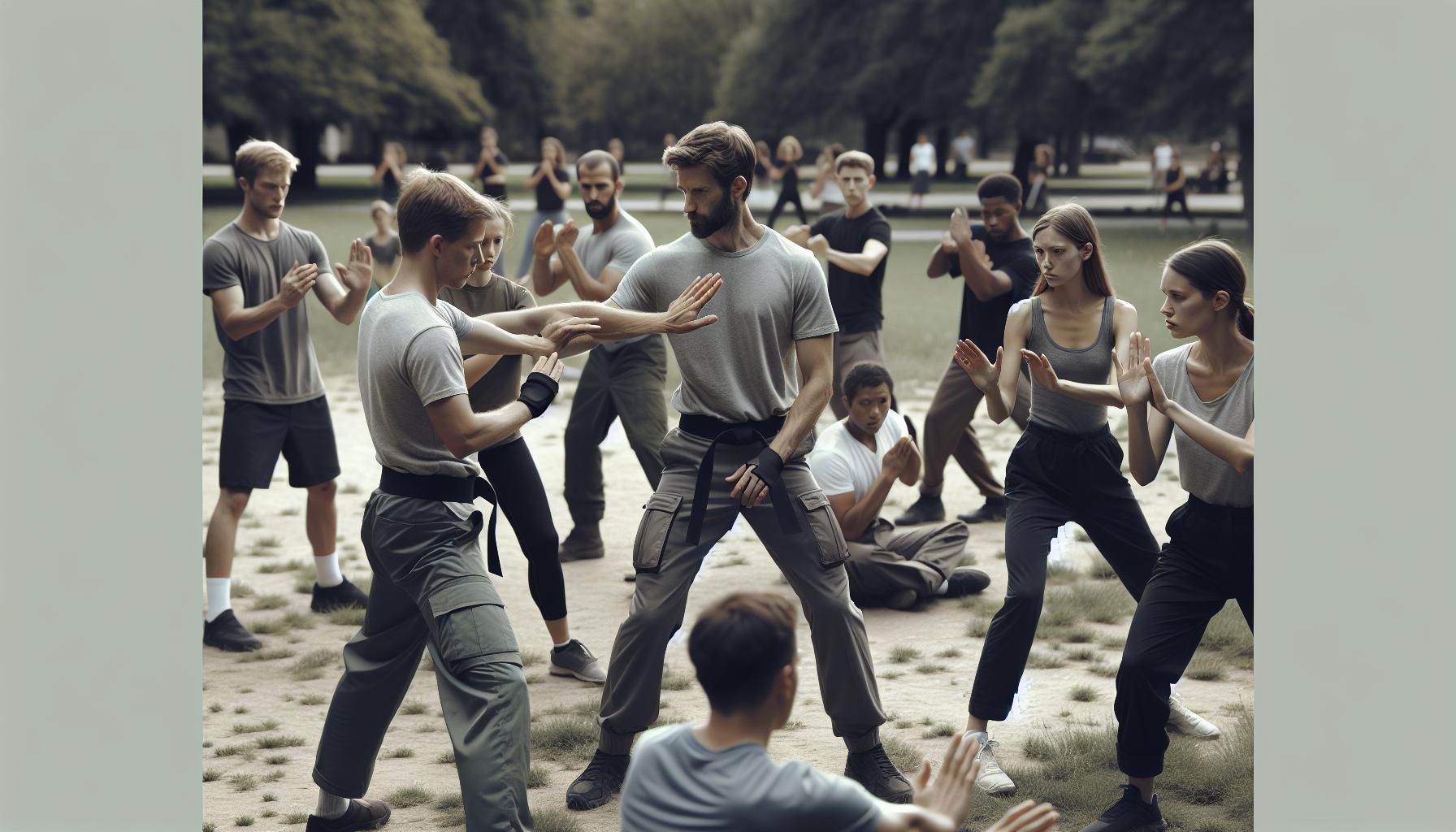
Effectiveness in Real-World Self-Defense Scenarios
In a world where personal safety is a growing concern, understanding the effectiveness of self-defense systems in real-life situations is paramount. Krav Maga distinguishes itself through its emphasis on realistic scenarios, offering practitioners practical tools to respond to threats with confidence. Unlike traditional martial arts that often focus on sport-oriented techniques and forms, Krav Maga trains individuals to react swiftly and decisively in high-pressure environments.
Krav Maga techniques are designed to be effective against common attacks, such as robberies or physical assaults. Practitioners learn to prioritize their safety by employing techniques that aim for quick neutralization of threats while minimizing risks to themselves. For example, if confronted in a public space, a Krav Maga student might be trained to use their surroundings-like creating distance or utilizing obstacles-rather than solely relying on striking or grappling. This situational awareness is crucial when assessing whether to engage a threat or attempt to escape.
Understanding legal boundaries surrounding self-defense is also critical for practitioners. Krav Maga training incorporates discussions on the legal implications of using force, which differ significantly by state and situation. Students are encouraged to familiarize themselves with local self-defense laws to ensure their responses fall within legal parameters. This combination of effective physical training with legal education empowers individuals not just to act during an incident but to make informed decisions beforehand.
Moreover, Krav Maga promotes de-escalation tactics, teaching students how to diffuse potentially violent situations without resorting to physical confrontation. This is particularly important in environments where verbal conflict can quickly spiral into physical violence. For instance, role-playing scenarios help students practice asserting themselves confidently while managing risks through communication.
In summary, the real-world effectiveness of Krav Maga lies in its pragmatic approach, which combines physical techniques with critical situational awareness and legal education. This holistic training method equips individuals to handle real threats effectively and responsibly, providing a framework for both personal safety and ethical engagement in confrontational scenarios.
Historical Evolution of Krav Maga Techniques
Krav Maga demonstrates a fascinating evolution that reflects both historical necessity and modern adaptability. Originating in the 1930s, this self-defense system was developed by Imi Lichtenfeld, a Hungarian-Israeli martial artist who sought effective methods for defending against street violence, particularly in the tumultuous socio-political climate of pre-World War II Europe. The foundation of Krav Maga lies in its focus on instinctive movements, practical techniques, and the psychological components of self-defense, offering practitioners realistic responses to threats.
Over the decades, Krav Maga has integrated diverse influences from various martial arts, drawing techniques from disciplines such as boxing, judo, and wrestling, all while prioritizing immediacy and simplicity. This pragmatic approach is evidenced in how practitioners are trained to react to real-life scenarios, whether facing an unarmed assailant or an armed opponent. Training not only includes physical techniques but also emphasizes situational awareness and de-escalation strategies. This blend of physical and mental preparedness ensures that students can navigate the complexities of potentially dangerous situations effectively.
As Krav Maga gained international recognition, especially within military and law enforcement training settings, it further evolved. Instructors continuously adapt techniques to meet contemporary threats, such as active shooter scenarios, while maintaining the core principles of efficiency and effectiveness. Importantly, this evolution does not glorify violence; instead, it encompasses a deep respect for legal and ethical considerations surrounding self-defense. Practitioners are taught to assess threats critically, focusing on minimizing harm-to themselves and others-while understanding the legal limits of their actions.
In the present day, the historical evolution of Krav Maga reflects its ability to adapt to changing socio-political contexts while addressing the practical needs of its practitioners. By maintaining a close relationship with real-world application, Krav Maga continues to stand apart from traditional martial arts, which often emphasize adherence to form and ritual over situational effectiveness. This distinction makes Krav Maga a relevant and powerful option for those seeking skills in self-defense and personal safety in an ever-changing world.
Principles of Engagement: When and How to Use Force
Every physical confrontation comes with significant ramifications, and understanding when and how to use force is paramount for anyone practicing self-defense. Krav Maga teaches practitioners to assess situations critically and to respond with the minimum amount of force necessary to neutralize a threat. This principle is essential; escalating a conflict unnecessarily can lead to severe legal consequences and personal harm. In Krav Maga, practitioners are trained to prioritize de-escalation, using techniques that focus on control and avoidance before resorting to physical confrontation.
Assessing Threat Levels
The first step in the principles of engagement is accurately assessing the threat level. Is the attacker armed? Are they acting aggressively? What is your environment like? Practitioners learn to recognize these factors instantaneously. In many situations, simply maintaining awareness and exiting the area may be the safest option. If an encounter is unavoidable, using verbal tactics to de-escalate tension can often be effective. Techniques such as keeping a calm demeanor, maintaining an open body language, and using non-threatening verbal communication can diffuse the situation before it escalates to physical violence.
Proportional Response
Krav Maga emphasizes a proportional response to threats. This means that the force used must be reasonable and appropriate to the situation. For instance, if confronted by an unarmed assailant who poses a verbal threat, retaliating with extreme physical techniques may not only be excessive but legally indefensible. Practitioners are trained to use only enough force needed to ensure their safety and to escape the threat. This intent reduces the chance of inflicting unnecessary harm and fulfills legal obligations surrounding self-defense.
Legal Considerations
It is crucial for practitioners to understand their jurisdiction’s self-defense laws to navigate the legal landscape effectively. The legal limits of self-defense can vary significantly from one state to another. Generally, one must have a reasonable belief that they are in imminent danger to justify defensive actions. If using a weapon, knowledge of local regulations, such as the legality of carrying pepper spray or a personal firearm, is essential. Such knowledge not only aids in making informed decisions during potentially violent encounters but also protects individuals from legal repercussions post-incident.
Practice and Scenario Training
Scenario-based training is a core aspect of Krav Maga. Practitioners engage in realistic simulations that prepare them for real-life confrontations. These exercises often include assessing threat levels quickly and applying the appropriate level of force based on the scenario. Moreover, instructors emphasize ethical considerations, including the importance of minimizing harm and understanding the consequences of an action taken in self-defense. By training in various scenarios, students build not only physical skills but also the mental rigour necessary for making quick, judicious decisions under pressure.
In conclusion, understanding the principles of engagement in Krav Maga empowers practitioners to protect themselves effectively while navigating the legal and ethical complexities of self-defense. By prioritizing de-escalation, employing a proportional response, and remaining informed of legal boundaries, individuals can approach confrontations informed and ready to act responsibly.
Self-Defense Laws: Legal Considerations for Krav Maga Practitioners
Understanding self-defense laws is critical for anyone practicing Krav Maga, as the legal landscape can significantly impact the choices made during potentially violent encounters. In the context of Krav Maga, practitioners must be well-versed in their region’s laws governing self-defense to ensure their actions are legally justified. The key concept revolves around the notion of “reasonable belief”-individuals must demonstrate that they had an imminent threat to justify their defensive actions.
Legal Standards for Self-Defense
Self-defense laws differ widely across jurisdictions. Generally, one must prove that the use of force was necessary to prevent harm. This includes understanding how states classify the use of deadly versus non-deadly force. In many places, the following principles apply:
- Imminent Threat: There must be a clear and immediate threat to one’s safety.
- Proportional Response: The level of force used must correlate with the severity of the threat faced.
- Duty to Retreat: Some states require individuals to retreat if it is safe to do so, before resorting to physical force.
For example, if confronted by an unarmed attacker making verbal threats, escalating the situation with severe physical countermeasures could be regarded as excessive force and legally indefensible.
Weapons and Legal Considerations
Many Krav Maga practitioners choose to carry self-defense tools, such as pepper spray or personal alarms. Understanding the laws regarding these items in your state is paramount. Some areas have specific regulations surrounding the carry and use of self-defense weapons, including:
- Permits: Certain states require permits for carrying firearms or other defensive tools.
- Types of Allowed Weapons: Laws may differentiate between non-lethal and lethal options, affecting what can be legally carried for self-defense.
Practitioners should familiarize themselves with these regulations to avoid legal repercussions that could arise from using an item not permitted in their state.
Real-World Applications and Ethical Considerations
Scenario-based training is essential in Krav Maga as it prepares practitioners for real-life confrontations. Participants should engage in drills that replicate potential threats while factoring in legal implications. For instance, during a training exercise, if a student must decide whether to use a specific technique, they should ask themselves:
- Am I facing an imminent threat?
- Is my response proportional?
- Could I safely disengage or retreat?
By instilling awareness of these questions, instructors help foster a mindset that prioritizes de-escalation and responsible action.
In conclusion, a comprehensive understanding of self-defense laws empowers Krav Maga practitioners to navigate potentially volatile situations more confidently and ethically. Armed with knowledge about local laws, ethical engagement, and scenario-based practices, individuals can approach confrontations with a balanced perspective-aiming for self-protection while respecting the legal and moral nuances of physical confrontation.
Equipment and Training Tools: What Sets Krav Maga Apart?
In Krav Maga, the tools and training methodologies set it apart from traditional martial arts. This self-defense system is designed not only for effectiveness but also for real-world applicability, emphasizing practical equipment that enhances training and self-defense capabilities. Unlike many classical martial arts, which often rely on traditional weapons or elaborate katas, Krav Maga incorporates everyday objects as potential tools for self-defense, leveling the playing field in unexpected situations.
One essential aspect of Krav Maga training is the incorporation of realistic scenarios that use available environmental elements. Practitioners are taught to use items like pens, bags, or even their clothing as improvised weapons or shields. These techniques emphasize adaptability and resourcefulness in a violent encounter, making it a distinctive approach to self-defense. Furthermore, training sessions often utilize practical self-defense tools, such as foam training knives or plastic guns, to simulate realistic threats without the risk of severe injury. This realistic training helps students become accustomed to the stress of an actual confrontation, boosting their confidence and decision-making ability under pressure.
The equipment used in Krav Maga also includes protective gear, which facilitates safe practice of techniques that would otherwise be too dangerous to execute. This gear is vital not only for reducing injury risk but also for allowing practitioners to engage in sparring and scenario-based drills that truly test their skills. Typical gear includes gloves, shin guards, and headgear, mirroring the protective equipment seen in other combat sports but specifically tailored to the confrontational style of Krav Maga.
Ultimately, the emphasis on practical application, combined with the innovative use of everyday items, distinguishes Krav Maga from traditional martial arts. This approach prepares individuals for real-life situations, cultivating a mindset focused on de-escalation, responsible force use, and safe engagement in potentially dangerous encounters. By enhancing training with practical equipment and realistic methodologies, Krav Maga supports practitioners in becoming not just skilled fighters, but also well-prepared individuals ready to respond to threats in their daily lives.
Mental Preparedness: Psychological Aspects of Krav Maga
The ability to remain calm and effective in high-pressure situations is a hallmark of proficient Krav Maga practitioners. Unlike traditional martial arts that may focus solely on the physical elements of combat, Krav Maga places a significant emphasis on mental preparedness and psychological resilience. Training often includes scenarios that push practitioners to confront not just their physical capabilities, but also their emotional responses to stress, fear, and uncertainty. This dual focus on both body and mind ensures that students are equipped to handle confrontations with clarity and composure.
Understanding Fear and Stress Responses
In Krav Maga, understanding the natural fear response is crucial. The system teaches that feeling fear is normal and can be harnessed into a motivating force rather than a debilitating reaction. Students learn to recognize physiological symptoms of stress, such as rapid heartbeat or tunnel vision, and are trained to combat these with controlled breathing techniques and grounding exercises. This mental conditioning is vital for maximizing performance during an encounter, allowing individuals to react decisively rather than hesitantly.
Simulation and Scenario Training
Training sessions often mimic real-life scenarios, incorporating unpredictable dynamics and varying stress levels to build psychological fortitude. Practitioners engage in drills that recreate the chaos of a street fight-loud noises, aggressive distracters, and unexpected variables. This exposure not only conditions the body but also the mind, encouraging practitioners to think critically and react effectively even when the stakes are high. The ability to adapt quickly under pressure is a skill that distinguishes Krav Maga from many traditional martial arts, which may adhere more strictly to choreographed patterns and sparring.
Legal and Ethical Considerations
Another important aspect of mental preparedness in Krav Maga involves understanding the legal and ethical implications of using force. Practitioners are taught the boundaries of self-defense and the importance of proportional response. This knowledge fosters a deeper sense of responsibility and ethical consideration regarding physical confrontations. Understanding that the goal is not to engage in violence for its own sake, but rather to defend oneself or others, frames the mental attitude required in real-life situations.
By cultivating mental readiness alongside physical training, Krav Maga empowers individuals to behave responsibly and effectively in self-defense scenarios. The psychological toolbox that accompanies Krav Maga training aims to enhance not just fighting abilities, but also a practitioner’s ability to navigate the complexities of real-life confrontations ethically and intelligently.
Comparative Benefits: Krav Maga vs Traditional Systems
Krav Maga stands out among martial arts due to its practical approach to self-defense and real-world applicability. This system, developed for the Israeli military, prioritizes effectiveness over tradition, making it particularly relevant in today’s world. While traditional martial arts emphasize technique, forms, and competing within a defined set of rules, Krav Maga focuses on addressing immediate threats with efficient, aggressive responses. This difference is critical for individuals seeking to enhance their personal safety in unpredictable environments.
When comparing Krav Maga and traditional martial arts, a few key benefits of Krav Maga become evident. First, the training environment is designed to replicate real-life scenarios, which often includes high-stress situations that a practitioner might face outside the dojo. For instance, students may train in environments filled with distractions or simulated attacks, ensuring that they can respond effectively under pressure. Traditional martial arts, in contrast, often emphasize point-based sparring or kata forms that may not translate as seamlessly into real-world encounters.
Another advantage of Krav Maga lies in its focus on self-defense principles rather than competitive techniques. This means that students learn to neutralize threats rapidly and with minimal risk to themselves. The principles of proportional response and de-escalation are fundamental; practitioners are trained to use only the force necessary to disengage without escalating the situation further. In a legal context, understanding these principles can be crucial. Many traditional martial arts training programs may not thoroughly cover the legal ramifications of using force, whereas Krav Maga explicitly addresses these issues, educating students about when and how to use force responsibly.
Moreover, the inclusivity of Krav Maga makes it appealing for a diverse range of individuals, regardless of physical size or athletic background. The techniques are adaptable, allowing practitioners to leverage their strengths and mitigate their weaknesses in self-defense scenarios. This contrasts with some traditional systems, which may require a longer timeframe to achieve proficiency in techniques that heavily rely on strength or agility. Ultimately, the practical benefits of Krav Maga-its focus on the realities of self-defense, legal considerations, and adaptability-make it a compelling option for those looking to improve their personal safety in an ever-evolving world.
Unique Techniques: Signature Moves of Krav Maga
Krav Maga is characterized by its practical and no-nonsense approach to self-defense, with a number of signature moves designed to quickly neutralize threats. These techniques are specifically engineered to be instinctive and effective, allowing practitioners to respond to a wide range of danger in real time. Unlike traditional martial arts, which may focus on forms and structured sequences, Krav Maga techniques are often simple, direct, and easy to remember, empowering even those without extensive training to apply them under duress.
One of the hallmark techniques in Krav Maga is the defensive block followed by a counterattack. This approach trains students to deflect an incoming strike and immediately respond with a counter blow, often targeting vulnerable areas like the eyes, throat, or groin. This strategy emphasizes the principle of immediate response, reflecting the belief that in a dangerous encounter, the first person to act often has the upper hand. Effective training in this area includes practicing situational awareness and ensuring that one can quickly identify threats and respond accordingly.
Another signature technique is the 360 Defense, which involves defending against multiple attacks from various angles, particularly in environments where the practitioner may be surrounded. This maneuver teaches students to use their arms and body to create a barrier, protecting themselves while allowing for escape or counterattacks. The objective is to maintain a defensive posture while looking for openings to disengage, demonstrating how Krav Maga emphasizes strategy and situational control over mere brute strength.
Additionally, weapon defenses, such as those against firearms or knives, are integral to Krav Maga training. Techniques involve disarming an assailant while simultaneously minimizing the risk of injury. For example, a common move involves redirecting the weapon away from the body while establishing control over the assailant’s arm. It is crucial that students practice these techniques under expert supervision, as the legality of using physical force varies widely depending on jurisdiction and circumstance.
Krav Maga’s unique techniques not only provide practical self-defense skills; they also instill essential values of safety, legality, and ethical force usage. Training emphasizes the importance of understanding the legal ramifications of defensive actions, ensuring practitioners are equipped to navigate real-world confrontations with not only confidence but also a strong moral compass. This careful balance of empowerment and caution distinguishes Krav Maga from more traditional martial arts, which may not address the pressing realities of self-defense in today’s society.
Community and Culture: The Social Aspect of Training
The vibrant community surrounding Krav Maga serves as one of its most significant strengths, fostering a culture centered on empowerment and mutual support. Unlike traditional martial arts that often emphasize solo practice and competition, Krav Maga cultivates a cooperative environment where practitioners train together to enhance their skills and confidence levels. This camaraderie not only helps in building self-defense capabilities but also creates lasting bonds among students, turning training sessions into social gatherings where individuals feel a sense of belonging.
One of the key aspects of the Krav Maga community is its inclusivity. Classes are open to people of all ages, skill levels, and backgrounds, which helps to break down barriers and fosters an environment where everyone can learn and grow together. Instructors often emphasize teamwork during training. For example, drills are commonly performed in pairs or groups, allowing participants to share experiences and learn from one another. This collaborative dynamic enhances the learning process, making it more engaging and practical, as students can practice techniques in real-time with partners who may react differently under stress.
Moreover, the culture of Krav Maga promotes a mindset of readiness, respect, and responsibility. Practitioners are encouraged to approach situations with an understanding of the ethical implications of using force. This includes training on de-escalation strategies and understanding the legal parameters surrounding self-defense actions, fostering a culture that prioritizes safety and responsibility over aggression. Instructors often provide context for techniques, highlighting the importance of using them appropriately and the moral weight of physical confrontation.
Ultimately, as Krav Maga continues to evolve, its community remains deeply committed to adapting and strengthening its culture. This evolution encourages practitioners to not only become effective self-defenders but also responsible members of society who respect each other’s journeys in martial training. By participating in this community, individuals cultivate essential skills and values that extend beyond the dojo, preparing them to handle real-world challenges with confidence and integrity.
Adaptability: How Krav Maga Is Evolving Today
The landscape of self-defense training is constantly shifting, and Krav Maga exemplifies this adaptability more than many traditional martial arts. Originally developed for real-world situations, Krav Maga has evolved to incorporate contemporary challenges and scenarios that practitioners may face today. This evolution ensures that techniques remain relevant, practical, and effective against current threats, from street violence to active shooter situations.
One significant area of growth for Krav Maga is the integration of modern technology into training regimens. Practitioners now utilize video analysis tools to study movements, improve techniques, and simulate real-life scenarios. This technology allows for personalized feedback and more effective learning, addressing individual weaknesses and enhancing overall skill levels. Furthermore, social media platforms play a pivotal role in spreading knowledge and connecting practitioners globally, fostering a collaborative environment where techniques can be discussed and refined across borders.
Training for Diverse Environments
Krav Maga instructors are increasingly focusing on adapting training methods to diverse environments where self-defense might be necessary. This includes urban settings, crowded places, and even virtual environments where online interactions can escalate into confrontations. Students learn to read situations and adjust their techniques based on their surroundings, emphasizing awareness and preparedness.
Moreover, the emphasis on mental preparedness is another evolving aspect. Practitioners are taught not only how to defend themselves physically but also how to manage stress and maintain situational awareness in high-pressure scenarios. This psychological training is critical in helping students cultivate a mindset geared towards avoiding confrontation and applying de-escalation tactics, which can often prevent violence before it occurs.
Krav Maga’s ability to evolve with society’s changing dynamics keeps it at the forefront of self-defense training. By focusing on real-world applicability, fostering technological integration, and enhancing mental resilience, Krav Maga prepares its practitioners for a range of situations, ensuring they are equipped to respond appropriately and effectively in an ever-changing world.
Integrating Krav Maga with Other Martial Arts
The fusion of Krav Maga with other martial arts opens up a realm of possibilities that enhances self-defense training and adapts to modern challenges. While Krav Maga is rooted in its own unique philosophies-focusing primarily on real-world scenarios and practical self-defense-integrating techniques from traditional martial arts can provide practitioners with a more rounded skill set. For instance, blending Krav Maga with Brazilian Jiu-Jitsu (BJJ) can sharpen ground-fighting skills and improve positional awareness, especially in situations where a confrontation goes to the ground.
One of the key benefits of such integration is the opportunity to learn from a variety of techniques and philosophies. Each martial art brings its own strengths; for example, Muay Thai’s striking techniques and BJJ’s grappling methods can provide Krav Maga practitioners with a broader range of tools to handle diverse situations. By incorporating these styles, students not only expand their defensive capabilities but also learn to adapt their techniques for fluidity in different situations. This adaptability can be crucial, as no two confrontations are alike, and having multiple techniques in one’s arsenal can enhance decision-making during high-stress scenarios.
Furthermore, integrating other martial arts can deepen the understanding of the underlying principles of movement and body mechanics. For example, studying Judo can enhance a practitioner’s ability to off-balance an attacker, while Karate might contribute to improving striking precision and power. This integration fosters creativity in training, allowing practitioners to devise unique combinations and strategies that can be effective in real-life confrontations.
Ultimately, when , it is essential for practitioners to maintain a strong ethical foundation regarding the use of force. As practitioners learn more techniques, they must also deepen their understanding of when and how to apply them lawfully. Continuous education on legal considerations and the moral implications of self-defense actions remains a priority, ensuring that individuals are empowered to protect themselves responsibly and effectively, while being fully aware of their responsibilities in using force.
FAQ
Q: What makes Krav Maga suitable for real-world situations compared to traditional martial arts?
A: Krav Maga is designed specifically for real-world self-defense and focuses on practical techniques that are effective under stress. Unlike traditional martial arts that may emphasize form or competition, Krav Maga prioritizes simplicity and efficiency to handle violent confrontations directly and decisively.
Q: How does the training environment in Krav Maga differ from that of traditional martial arts?
A: Krav Maga training often simulates realistic scenarios, incorporating stress, noise, and unpredictable elements. This contrasts with traditional martial arts, which typically emphasize structured forms, rituals, and sparring, often lacking the chaotic environment found in real-life situations.
Q: Why is mental preparedness emphasized in Krav Maga over traditional martial arts?
A: Mental preparedness in Krav Maga is critical, as it teaches practitioners to manage fear and stress during high-pressure encounters. Traditional martial arts may focus more on physical skills, while Krav Maga prepares individuals mentally to respond effectively during an assault.
Q: Can Krav Maga techniques be adapted for personal safety in various environments?
A: Yes, Krav Maga techniques are highly adaptable, making them suitable for various environments, whether at home, work, or outdoors. This flexibility is crucial as it prepares practitioners to evaluate and respond to threats based on their surroundings, unlike more regimented traditional styles.
Q: How do Krav Maga practitioners view the use of force compared to traditional martial artists?
A: Krav Maga practitioners adopt a practical approach to the use of force, focusing on what is necessary to neutralize a threat quickly while being aware of legal implications. Traditional martial arts may have philosophies centered around honor and discipline, sometimes complicating the decision to use force.
Q: In what ways has Krav Maga evolved to meet modern self-defense needs?
A: Krav Maga has continually evolved, integrating contemporary tactics, technologies, and insights from real-world incidents. This evolution ensures that practitioners are trained in the most effective self-defense strategies against today’s prevalent threats, unlike some traditional martial arts that may not adapt as rapidly.
Q: How does Krav Maga’s community aspect differ from that of traditional martial arts?
A: Krav Maga fosters a unique community that emphasizes support and shared goals rather than competition. While traditional martial arts often highlight rank and hierarchy, Krav Maga communities prioritize practical skill development and collective growth in self-defense abilities.
Q: What are some specific scenarios where Krav Maga techniques excel compared to traditional martial arts?
A: Krav Maga techniques excel in scenarios involving multiple attackers, weapon threats, or unpredictable environments. These real-life situations necessitate quick, decisive responses that Krav Maga specifically trains for, unlike traditional martial arts that might focus predominantly on individual fights or prescribed matches.
The Way Forward
Understanding how Krav Maga differs from traditional martial arts empowers you to choose the best self-defense approach tailored to real-world situations. Emphasizing practicality and effectiveness in self-defense, Krav Maga prioritizes immediate responses and situational awareness. Whether you’re a beginner or seasoned martial artist, exploring its unique principles can enhance your defensive skills.
Don’t wait to boost your confidence and readiness-dive deeper into our resources on self-defense techniques and legal considerations surrounding force. Check out our articles on the legal implications of self-defense, and how different martial arts compare in various scenarios.
Join our community to stay informed and prepared-subscribe to our newsletter for updates on training tips and expert insights. Remember, being prepared means being empowered; every step you take towards understanding self-defense can make a significant difference in your safety. Engage with us through comments or share your thoughts as you continue on this journey of self-improvement.