

In boxing, mastering the art of blocking a punch is essential for both safety and technique. Did you know that a well-executed block can not only prevent injury but also create openings for counterattacks? Whether you’re a beginner or an experienced boxer, understanding how to effectively defend yourself against punches can drastically enhance your performance and confidence in the ring. This guide will walk you through key defensive fundamentals to help you stay safe and improve your skill set. By integrating these techniques into your training, you’ll learn how to anticipate your opponent’s moves, effectively protect yourself, and refine your boxing strategy. Continue reading to discover practical methods that will empower you to face any challenge with greater assurance.
Understanding Boxing Defense Basics
Boxing defense is a critical aspect of the sport, acting as both a shield and a strategic component to not just survive but thrive in the ring. A strong defense allows a boxer to absorb less damage, conserve energy, and create opportunities for counter-attacks. It’s essential to comprehend the fundamentals of how to block a punch effectively, which encompasses various techniques and concepts that are pivotal for success.
Just like a well-crafted building relies on a strong foundation, a boxer’s defense is predicated on understanding and executing blocking techniques. The primary purpose of blocking is to prevent incoming punches from impacting your body or head directly. This is achieved through various methods, including the use of your arms and gloves, thereby reducing the power of the blows that land. Proper blocking can mitigate damage significantly, allowing you to maintain composure and strategically respond to your opponent.
Effective blocking in boxing isn’t merely reactive-it’s about anticipating your opponent’s moves. By training to recognize the cues that lead to different types of punches, a fighter can employ proactive defensive strategies. Timing is also crucial; the ability to read your opponent’s body language can dictate when to block or evade a punch, thus enhancing your overall defensive effectiveness. Additionally, it’s important to integrate footwork into your defensive arsenal. Proper foot positioning can create angles that make it difficult for opponents to land clean shots while simultaneously allowing you to maintain balance and readiness for counterpunching.
In conclusion, is essential for any aspiring boxer. Mastery of blocking techniques, combined with strategic footwork and timing, lays the groundwork for effective defense. Boxing is not only about offense; it’s equally about ensuring your safety while seizing the right moments to strike back. Remember, the essence of boxing defense lies in both preventing damage and creating opportunities for victory.
The Importance of Blocking in Boxing
In the realm of boxing, blocking is not just a passive action; it is a vital skill that can determine the outcome of a match. Effective blocking allows a fighter to manage incoming strikes and maintain their stamina, thereby creating chances to counterattack. Understanding the significance of blocking is essential for both novice and seasoned boxers, as it serves as the foundation of a sound defensive strategy.
When a boxer utilizes blocking techniques, they reduce the impact of punches that would otherwise land squarely, potentially causing significant damage. The ability to absorb less punishment not only keeps a fighter in the game longer but also fosters more strategic thinking-anticipating the opponent’s moves based on their cues. Instead of simply weathering the storm, skilled practitioners learn to read the rhythm of their opponent’s attacks, making informed decisions on when to block, pivot, or counter. This proactive stance not only aids in defense but can turn the tide of the match, as a well-timed counterpunch following a successful block can lead to an unexpected victory.
Moreover, mastering blocking techniques builds confidence within a fighter. The knowledge that they can effectively defend against various punches empowers boxers to engage more freely, knowing they have a solid safety net. As a boxer trains to refine their blocking skills, they can also incorporate footwork into their defensive arsenal. This integration not only enhances mobility but creates angles that complicate an opponent’s ability to land effective strikes, further validating the importance of blocking.
In summary, the ability to block effectively is a cornerstone of boxing defense. It fortifies a boxer’s ability to withstand the physical demands of the sport while offering strategic opportunities to counterattack. By prioritizing blocking skills and understanding its critical role in both defense and offense, fighters can enhance their performance and increase their chances of success in the ring.
Common Types of Punches and Their Defense
In the dynamic world of boxing, understanding the different types of punches is essential for effective defense. Each punch comes with its own unique characteristics and requires distinct defensive strategies. A solid grasp of these combinations can empower a boxer to anticipate an opponent’s next move and execute the appropriate defense.
Key Punch Types and Their Defenses
- The Jab: This is typically a quick, straight punch thrown with the lead hand. It can be used to set up combinations or disrupt an opponent’s rhythm. Defensively, a boxer can evade a jab by slipping to the side, blocking with their glove, or stepping back to create distance.
- The Cross: A powerful straight punch thrown with the rear hand, aimed at an opponent’s head or body. To defend against a cross, boxers can use a high guard to absorb the impact, or pivot slightly to reduce the angle of the punch, allowing it to graze rather than land with full force.
- The Hook: This punch travels in a circular motion and targets the opponent’s head or body, making it effective at close range. Defenses against hooks include the use of the shoulder to absorb the blow or ducking under the punch, putting the boxer in a better position for a counterattack.
- The Uppercut: This punch comes from beneath and can be particularly devastating when thrown at close range. Defensively, boxers can lower their center of gravity and bring their hands up to protect their chin or step backward to create space.
Utilizing Defense Techniques
A successful defensive strategy involves not only blocking punches but also anticipating them. By recognizing the signs leading to an opponent’s attack, a boxer can react more effectively. For instance, if an opponent feints a jab, a skilled boxer can use that cue to prepare for a potential cross or hook that follows.
Moreover, integrating footwork into defensive strategies is vital. Movement allows a boxer to evade punches entirely rather than just absorbing the impact. By mastering defensive skills against various punch types, a boxer can build a robust foundation for their overall defense strategy, enhancing their ability to stay safe while looking for counterpunching opportunities.
In conclusion, the ability to recognize common punch types and their respective defenses is crucial for any boxer. With practice and awareness, these fundamental skills can significantly improve a boxer’s defensive game, ultimately leading to greater success in the ring.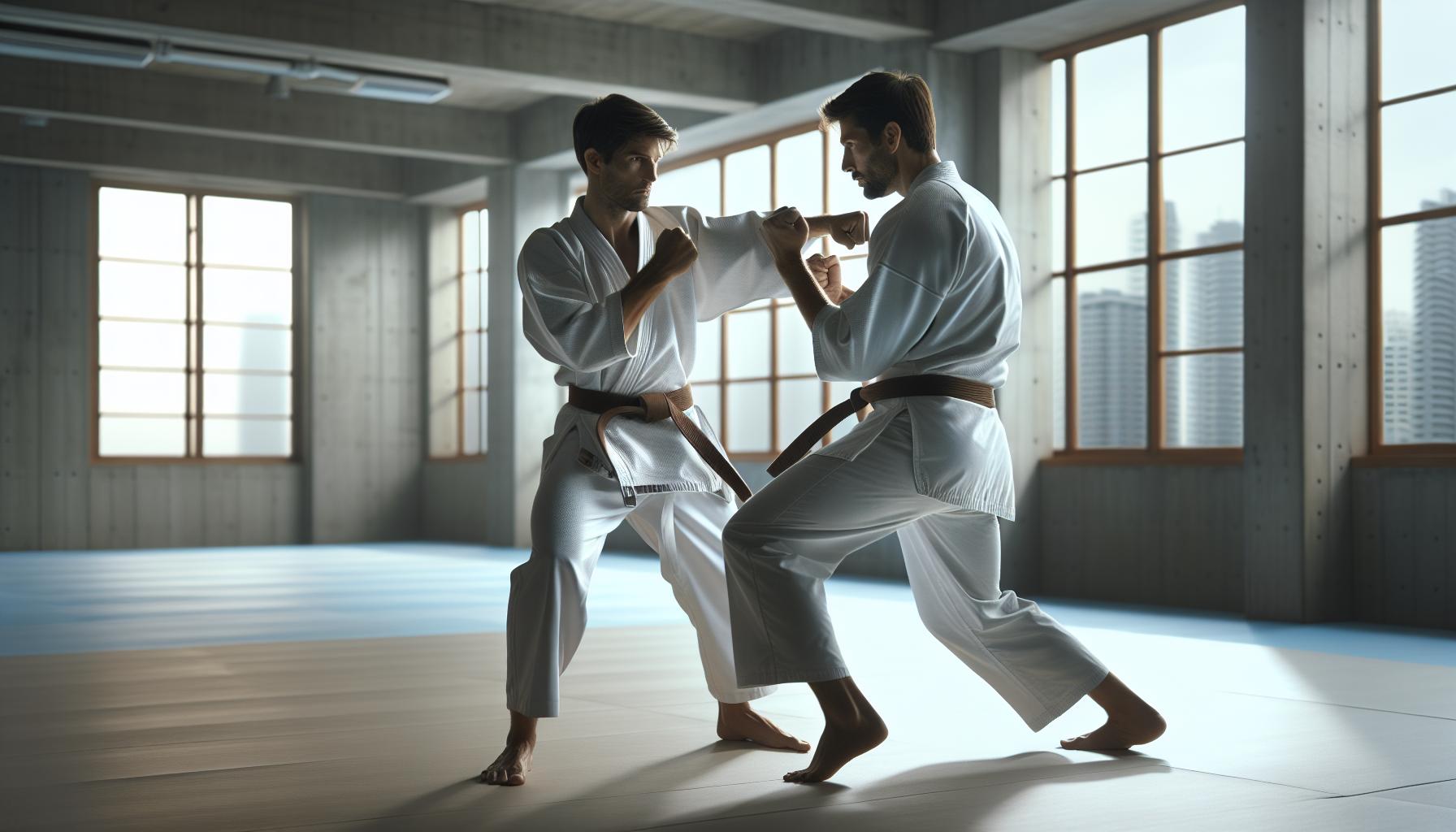
Techniques for Effectively Blocking a Punch
In the heat of a boxing match, effective blocking can mean the difference between victory and defeat. Understanding the art of blocking punches involves not only the physical technique but also mental acuity in anticipating your opponent’s moves. Proper blocking techniques are essential for minimizing damage and setting up counterattacks, allowing a boxer to stay competitive and maintain the upper hand throughout the match.
One of the key is to maintain a proper guard. Keeping your hands high and elbows close to the body provides a solid barrier against incoming strikes. When a punch is thrown, the arms should not only block but also absorb some of the shock from the hit. Utilizing angles is crucial; instead of facing your opponent squarely, slight pivots or tilts can help deflect punches away from vital areas while maintaining a balanced stance.
Another effective method is the use of forearm blocks against hooks and uppercuts. By aligning your forearm across the path of the punch, you reduce the risk of injury. When facing a hook, for example, raising your elbow while tucking your chin can provide additional protection as you leverage your shoulder into the impact. Remember to avoid being too rigid; your body should be relaxed yet ready to respond, allowing you to quickly transition from defense to offense.
Timing and placement also play critical roles in successful blocking. Establish a rhythm by observing your opponent’s movements; many punches telegraph their intent through body shifts or footwork. Anticipating these cues allows you to execute blocks with precision. Practice drills with a partner focused on timing can enhance your reaction speed, helping you to meet punches more effectively. Focus on not just blocking but using the momentum of the incoming attack to initiate counterattacks, turning a defensive position into an offensive one.
Ultimately, the ability to block effectively is a combination of technical skill, mental awareness, and adaptability in the ring. By mastering these blocking techniques, boxers can enhance their defensive capabilities, keeping themselves safer and more poised to seize opportunities as they arise.
The Role of Footwork in Defensive Techniques
In the boxing ring, effective footwork can transform a fighter’s defensive capabilities. It plays a crucial role in positioning and helps create the necessary space to avoid, block, or counter incoming punches. Beyond mere movement, footwork is about establishing angles and controlling the pace of the fight. A well-timed step can mean the difference between getting hit and launching a counterattack.
Strong defensive footwork involves a few fundamental principles. First, always keep your feet shoulder-width apart to maintain balance, allowing for quick lateral and backward movements. This stance helps you evade your opponent’s punches while keeping you ready to respond with your own strikes. Engaging your core is equally important; a strong core supports your movements and enhances stability, enabling swift adjustments as needed.
Utilizing footwork effectively requires practice with specific drills. For example, shadowboxing can reinforce the importance of moving while keeping a solid guard. Practicing slipping and weaving while simultaneously shifting your weight can cultivate the muscle memory needed for fluid defensive movements. Another effective drill is the “ladder drill,” which enhances agility and foot speed, enabling boxers to evade attacks nimbly. Implementing these drills in sparring sessions can allow fighters to apply footwork under pressure, reinforcing the habit of using movement as a primary defensive tool.
Moreover, understanding the timing of your footwork is essential. Many punches will telegraph their intent through the opponent’s stance and body language. Being able to read these cues allows a boxer to anticipate and react preemptively. As you move, always be aware of your positioning relative to your opponent; this awareness can enable you to better position yourself for blocks and counterattacks, harnessing footwork as an integral part of your defensive strategy. Mastering footwork doesn’t happen overnight, but consistent practice and focused application will make any boxer a more elusive and skilled fighter in the ring.
Mastering Timing and Reaction for Defense
To effectively defend against punches in boxing, mastering timing and reaction is crucial. Timing refers to the ability to anticipate your opponent’s movements and act accordingly, while reaction speed determines how quickly you can respond when a punch is thrown. Both elements are essential for implementing successful defensive techniques, as they allow a boxer to avoid or mitigate incoming strikes with precision.
A solid understanding of your opponent’s fighting style enhances your timing. Observing how they set up their punches-watching for subtle changes in their body language or foot placement-can provide valuable clues. For instance, if you notice that they tend to lean back slightly before throwing a jab, this can signal the imminent attack, giving you precious milliseconds to react. Moreover, integrating reaction drills into your training can sharpen your ability to respond instantly. Drills such as partner-led attack-reaction sparring, where one boxer throws punches while the other practices defending, help to develop this skill in real-time scenarios.
Furthermore, consider incorporating rhythmic training into your regimen. You might use a double-ended bag or a reflex ball that increases your hand-eye coordination and promotes quicker decision-making. This not only enhances your timing but also conditions your mind to stay reactive under pressure. A heightened state of awareness and prediction helps you to act before a punch reaches you, enabling smooth evasive maneuvers or timely blocks. In the ring, practice staying calm and focused; panic can hinder your reaction speed, leading to mistakes or openings that your opponent can exploit.
Ultimately, investing time in drills that enhance your timing and reaction fosters a more confident and effective defense. By blending these skills with the defensive techniques you learn, you set the stage for a successful boxing career built on strong defensive fundamentals.
How to Use Your Body to Absorb Punches
In boxing, effectively absorbing punches without sustaining serious damage is a critical skill that can determine the outcome of a fight. Using your body to absorb punches involves understanding how to position your frame correctly and how to leverage your muscles and bones to mitigate the impact. One fundamental approach is to ensure your body is relaxed during a fight; tension can lead to a greater transfer of force, which can result in more severe injuries. Instead, focus on employing techniques that allow you to “roll” with the punch or instead of resisting it outright.
A popular technique is to rotate your torso away from the incoming punch while bending your knees slightly. This positioning helps to dissipate the force across your entire body rather than concentrating it in one area. For instance, when faced with a hook, rotating your body as you bend can allow the punch to skim past rather than land squarely on your jaw, reducing the likelihood of a knockout. Additionally, when absorbing a straight punch, you can lean back just enough to allow the arm to navigate past you while simultaneously bracing your body for the impact.
Leverage Your Frame
Utilizing your shoulders can also play a vital role in absorbing punches effectively. By slightly lifting your shoulders toward your chin during an incoming punch, you provide a natural cushion, which can absorb some of the impact instead of allowing it to reach your chin directly. Think of your shoulders as a shield; this positioning not only protects vital areas but helps create a more compact defense against legitimate strikes.
Moreover, the way you position your arms is crucial. Keeping your elbows in close to your body while guarding your head can help deflect punches and create distance, allowing you to absorb less energy from hits that do land. Remember, the key is to stay adaptable; the situation can change rapidly in a boxing match, so be ready to adjust your body position as necessary.
Utilizing these techniques requires ongoing practice and integration into your sparring sessions, where you can create real-time scenarios to refine your ability to absorb punches. By understanding the mechanics of your body and maintaining flexibility and relaxation, you can maintain your durability while minimizing the damage taken from your opponent’s strikes.
Training Drills to Improve Blocking Skills
Effective blocking is a cornerstone of defensive boxing, yet many athletes neglect to incorporate targeted drills into their training regimen. Regular practice not only sharpens reflexes but also builds muscle memory, allowing for quicker, more instinctive reactions to punches. Here are some practical drills that can enhance your blocking skills and overall defensive game.
Start with the Partner Punching Drill. Have a training partner throw a variety of punches at you while you focus entirely on blocking rather than countering. Begin with soft punches to warm up, encouraging you to practice both high guards and side blocks. As you grow more comfortable, your partner can gradually increase the intensity and speed of their strikes. This interaction will teach you to gauge distance and timing in real-time, helping you adjust your defenses accordingly.
Another effective drill is the Shadow Boxing with Block Focus. In front of a mirror, shadow box while consciously integrating blocking techniques into your movements. Visualize an opponent throwing punches while focusing on how to respond defensively. By integrating blocks as a natural part of your offense, you’ll reinforce defensive maneuvers and develop fluidity during actual sparring situations.
Try the Wall Drill to further refine your blocking movements. Stand approximately two feet away from a wall and practice various blocking techniques against it. You can simulate different angles of incoming punches while ensuring your elbows stay in close to your body and your movements remain tight. This drill helps you internalize the correct angles and positions while maintaining a solid guard.
Incorporate Light Sparring Sessions with a focus on defense. Ask your partner to throw punches at you while you concentrate on blocking and slipping rather than retaliating. This drill not only helps you refine your blocking skills under pressure but also allows you to become more adept at reading your opponent’s movements.
Remember to maintain a Reflective Journal after each training session to track your progress and identify areas needing improvement. Key takeaways from these drills will help you adapt and grow with each training round. By consistently practicing these drills, you can enhance your blocking skills effectively, leading to better overall defensive performance in the ring.
Avoiding Common Mistakes While Blocking
Blocking in boxing requires precision and confidence, but many athletes unintentionally undermine their defenses due to common mistakes. One of the most frequent errors is improper hand positioning. If your hands are too low or too rigid, you risk leaving yourself vulnerable to uppercuts or quick jabs. Maintaining a relaxed but alert guard is crucial, as tight muscles can hinder your ability to react promptly. Always keep your hands up and in front of your face, ready to block or deflect incoming punches.
Another prevalent mistake is failing to anticipate the opponent’s movements. Many boxers rely solely on their reflexes, which can lead to missed opportunities to block effectively. Developing an understanding of your opponent’s tendencies is essential. Watch for patterns in their strikes-does your opponent often lead with a power punch or a jab? By recognizing these patterns, you can prepare your defensive actions in advance, giving you a significant advantage.
Moreover, neglecting body movement during blocking can lead to ineffective defenses. Simply standing still while attempting to block increases the risk of absorbing a punch fully, which can lead to injury. Mastering footwork to complement your blocking is essential. For instance, stepping back or to the side can help evade punches entirely instead of relying solely on a block. Fluidity in both your footwork and blocking technique ensures you stay unpredictable and enhances your defensive capabilities.
Finally, many boxers underestimate the importance of mental preparedness. A defensive mindset means not only being physically ready but also being psychologically equipped to remain calm under pressure. Anxiety can lead to hesitation, which often results in poor blocking. Practicing mindfulness and visualization techniques can improve your mental state, enabling you to react appropriately during a bout. By paying attention to these common pitfalls, you can enhance your blocking skills and improve your overall performance in the ring.
Psychological Aspects of Defensive Boxing
Understanding the is crucial for enhancing your performance in the ring. Being technically proficient at blocking punches is just one part of the equation; mental preparation plays a significant role in how effectively a boxer can defend themselves. Anxiety, fear, and overthinking can hinder even the most skilled athletes, leading to hesitation and poor decisions. A calm, focused mind is essential for anticipating and responding to an opponent’s movements effectively.
To develop a strong psychological game, boxers should engage in mindfulness techniques that promote relaxation and concentration. For instance, visualization exercises can help athletes imagine themselves successfully blocking punches, which can build confidence and reinforce positive outcomes. Regularly practicing under pressure, whether through sparring or high-intensity drills, allows boxers to experience the mental and emotional states they might encounter during real fights, making them more adept at handling stress.
Another key psychological component is the ability to anticipate an opponent’s actions, which requires a blend of intuition and analytical thinking. By studying opponents and recognizing patterns, boxers can reduce the mental load during a bout, allowing for quicker, more instinctive responses. Being mentally attuned to the fight enables boxers to react without overanalyzing, which can often lead to missed blocking opportunities.
Incorporating these psychological strategies into a training regimen fosters resilience, helping athletes maintain composure even in the face of overwhelming pressure. Such mental fortitude can be the difference between landing an effective block and becoming susceptible to powerful punches. As much as physical training is essential, equal emphasis on mental preparation can significantly enhance a boxer’s defensive capabilities.
Integrating Blocking into Sparring Sessions
Incorporating effective blocking techniques into sparring sessions can significantly enhance a boxer’s defensive skills, ensuring that they not only understand the mechanics of blocking but also develop the reflexes needed to apply them during high-pressure situations. Sparring provides a dynamic setting where real-time application of blocking techniques can reveal both strengths and opportunities for improvement.
To start, it’s essential for boxers to practice specific blocking drills during sparring, focusing on one or two techniques at a time. For instance, utilizing the high guard position can be practiced as an initial stance against straight punches, allowing boxers to block incoming jabs or crosses effectively. Here’s a practical approach to integrate blocking:
- Focus on Individual Techniques: Dedicate rounds of sparring solely to practice blocking. For example, set one round where the partner only aims for body shots while the other focuses on blocking those punches.
- Progressive Sparring: Gradually introduce more complex scenarios by incorporating feints and combinations, prompting the sparring partner to vary their attacks, which requires the blocker to adapt quickly.
- Feedback and Analysis: After sparring rounds, conduct brief feedback sessions. Boxers should analyze their blocking effectiveness and discuss any difficulties faced during specific moments.
Another crucial aspect of is the mental component. Encouraging boxers to visualize the successful application of blocking before sparring can help build confidence and prepare them to execute their skills under pressure. Moreover, fostering an environment where mistakes are seen as learning opportunities allows boxers to experiment with their defensive strategies without fear of judgment.
Ultimately, reinforcing the importance of blocking in sparring not only builds technical skills but also enhances cognitive responsiveness, enabling boxers to react more effectively in actual bouts. By consistently integrating these practices into training, boxers will develop a robust defensive repertoire that can withstand the intensity of competitive fighting, making them more resilient in the ring.
Advanced Blocking Techniques for Competitive Boxing
In competitive boxing, mastering advanced blocking techniques can mean the difference between victory and defeat. As opponents become more skilled and diverse in their attacking styles, relying solely on basic blocking methods is no longer sufficient. Instead, fighters must learn to adapt and employ sophisticated maneuvers that not only defend against incoming punches but also create openings for counterattacks.
One effective advanced technique is the slip and block, which combines head movement with a defensive block. As an opponent throws a punch, a boxer can slip to the side while simultaneously bringing their guard up to absorb or deflect the punch. This movement not only avoids direct hits but also positions the boxer for a counter strike, utilizing the opponent’s momentum against them. Practicing this technique helps develop timing and awareness, essential for a successful defensive strategy.
Another crucial technique is the roll, where a boxer bends their knees and shifts their upper body to evade hooks and overhand punches while keeping their hands ready to counter. This method of avoiding punches enhances a fighter’s ability to stay close to the opponent, making it easier to respond quickly. Incorporating shoulder rolls can also minimize damage from powerful punches by utilizing the natural structure of the body. By rolling with punches rather than resisting them, the force of the incoming attack can be significantly reduced.
As boxers refine their blocking skills, they should also focus on angle blocking. Instead of merely raising the arms to guard against punches coming straight at them, fighters can turn their body sideways, creating an angle that makes it harder for opponents to land clean shots. This technique enhances a boxer’s defensive capabilities, as it integrates movement and positioning to protect vital areas while maintaining a striking posture.
In addition to these technical skills, incorporating reaction training where fighters practice in real-time situations can further enhance their blocking. Using a partner or a coach to throw punches at different speeds and angles tests the boxer’s ability to react and block under pressure, solidifying these advanced techniques into their muscle memory.
In conclusion, the integration of these advanced blocking techniques into a boxer’s skill set not only protects against incoming strikes but also creates dynamic opportunities for counterattacks, making them a formidable opponent in the ring. Emphasizing adaptability and continuous practice will empower boxers to enhance their defensive abilities and gain an edge over their competitors.
Frequently asked questions
Q: How can beginners improve their punch-blocking skills in boxing?
A: Beginners can enhance their punch-blocking skills through consistent practice and focusing on proper technique. Start with shadow boxing to visualize the opponent’s punches, then progress to partner drills where you practice blocking specific punches. Incorporate timing exercises to react better, and emphasize footwork to maintain balance.
Q: What are the signs of effective punch blocking in boxing?
A: Effective punch blocking is often indicated by minimal impact to the receiver, proper hand positioning, and an ability to quickly counterattack after the block. If the block absorbs the punch effectively without compromising stance, it’s a good sign. Regular sparring practice will help assess and improve your blocking efficiency.
Q: Why is timing crucial when blocking punches in boxing?
A: Timing is crucial in punch blocking because it determines whether your defense will succeed or fail. A well-timed block can neutralize an opponent’s attack and create openings for counterattacks. Practicing with a partner or using reflex tools can help you develop this essential skill.
Q: How does footwork enhance defensive skills in boxing?
A: Proper footwork enhances defensive skills by allowing boxers to maintain balance and positioning when blocking punches. Good footwork enables quicker lateral moves, helping to dodge attacks rather than just blocking them. Concentrating on foot drills will improve your overall defensive capabilities.
Q: Can punch blocking prevent injuries during boxing training?
A: Effective punch blocking can help prevent injuries during boxing training by absorbing and deflecting impacts, protecting your head and body from direct hits. Make sure to practice blocking techniques properly, as relying solely on blocking without movement can lead to injury. Building upper body strength is also beneficial for injury prevention.
Q: How to integrate blocking techniques into sparring sessions?
A: Integrate blocking techniques into sparring by planning specific rounds focused solely on defense. Communicate with your sparring partner about practicing various punches and blocks. Reinforce your instincts by gradually increasing the intensity as you feel more comfortable with your blocking techniques.
Q: What common mistakes should be avoided when blocking punches?
A: Common mistakes while blocking punches include dropping your guard, being too rigid during the block, and failing to counter immediately after blocking. Ensure your blocking technique is fluid and keeps your body ready to respond. Regular feedback from coaches can help identify and correct these mistakes.
Q: How can mental preparation improve defensive boxing techniques?
A: Mental preparation enhances defensive boxing techniques by promoting focus and reaction speed. Visualizing techniques and anticipating an opponent’s moves can lead to better performance. Incorporating mental drills such as meditation and visualization can sharpen your mental edge and improve your blocking effectiveness.
In Conclusion
As you wrap up your understanding of how to block a punch in boxing, remember that solid defensive techniques not only enhance your skills but also ensure your safety in the ring and beyond. By mastering these fundamentals, you’ll feel more confident and prepared for your next sparring session or match. Don’t just stop here-discover more about effective boxing footwork and the importance of head movement by checking out our articles on Boxing Footwork Essentials and Defensive Head Movement Techniques.
Ready to take your training to the next level? Consider signing up for our newsletter for exclusive tips, techniques, and motivation delivered straight to your inbox. If you have any questions or require further guidance on defensive tactics, feel free to leave a comment below or reach out! Your journey toward becoming a formidable boxer starts now, and we’re here to support you every step of the way. Stay safe, train smart, and let’s keep the conversation going on your self-defense journey!