
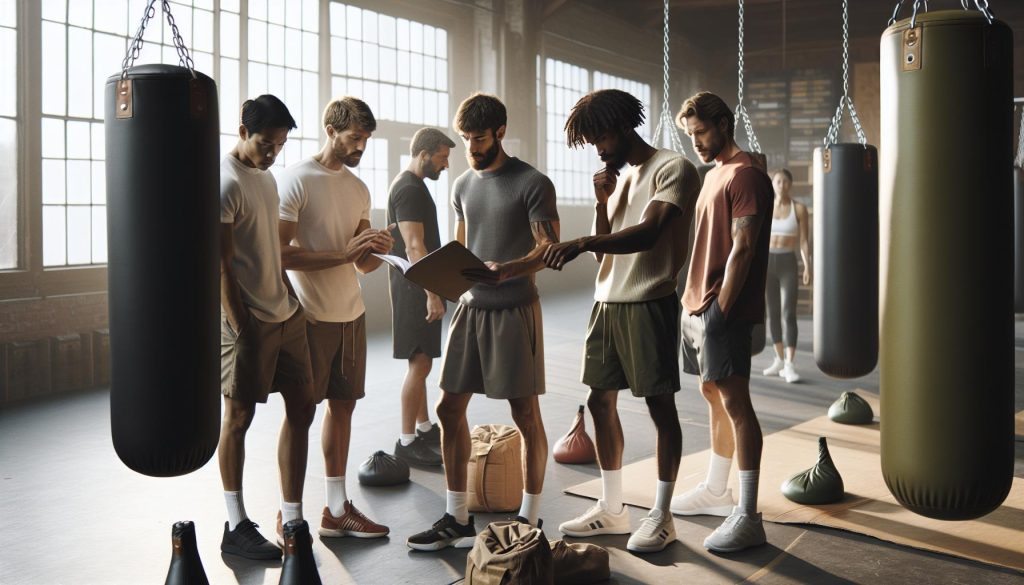
Selecting a quality punching bag is essential for anyone serious about improving their striking skills or enhancing physical fitness. With countless options available, choosing the right one can be overwhelming. A well-chosen bag can significantly amplify your training, allowing you to develop power, precision, and technique, while helping to prevent injuries through proper usage. Many enthusiasts, beginners, and seasoned fighters alike often overlook the importance of material, weight, and design tailored to their specific training goals. By understanding what to look for in a punching bag, you can make an informed purchase that aligns with your training needs. This guide will help you navigate the selection process and ensure you find a bag that suits your practice and overall goals, keeping your training effective and safe.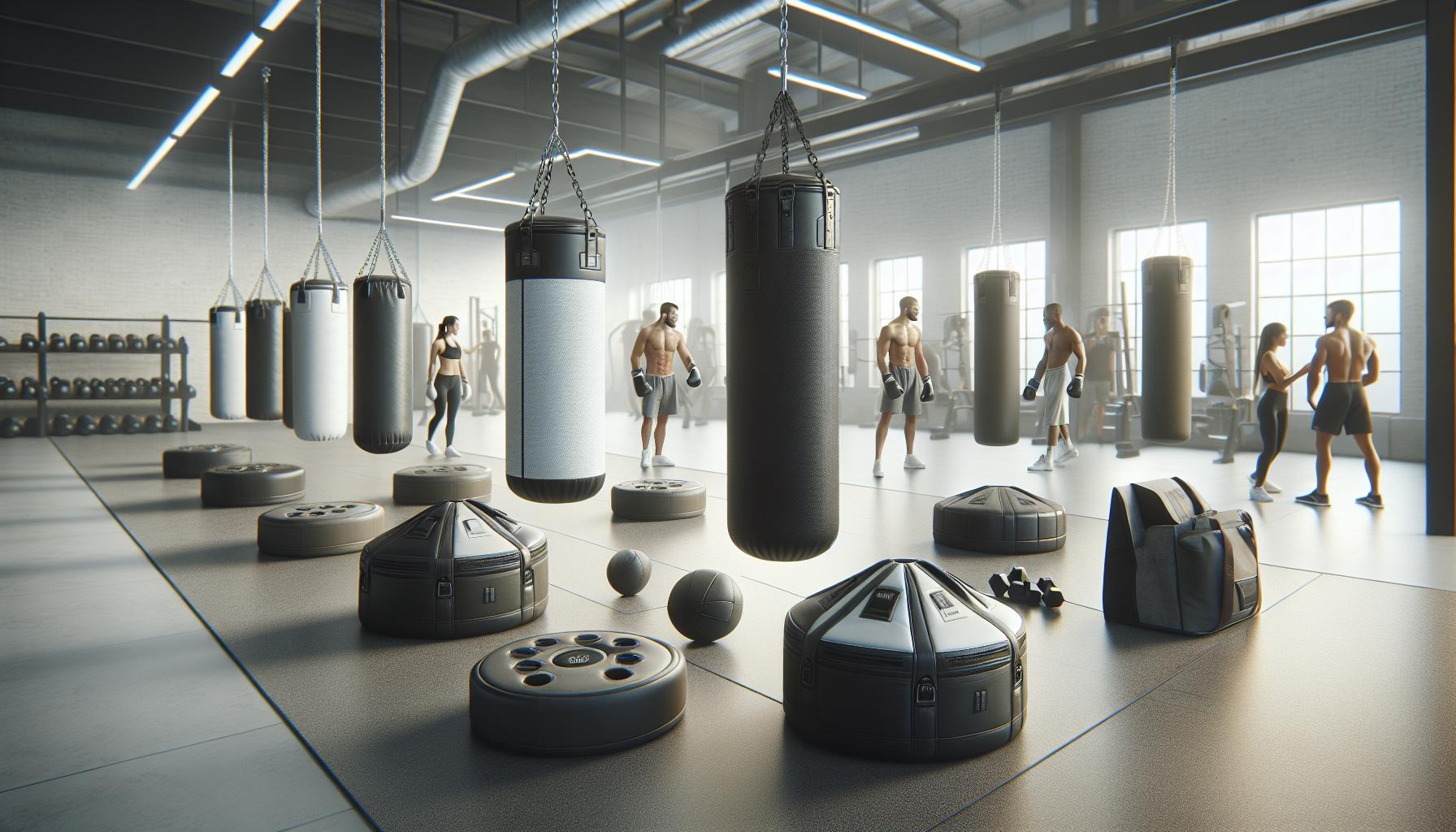
Choosing the Right Material for Your Punching Bag
When it comes to selecting the right punching bag, the material used in its construction plays a crucial role in its performance, durability, and your overall training experience. Different materials can affect how the bag feels upon impact, the type of training you’re able to perform, and how long the bag will last with regular use.
Common Materials for Punching Bags
- Leather: Considered the premium choice, leather punching bags are durable and designed to withstand heavy use. They offer a more authentic feel and usually have better longevity, but they can come at a higher price point.
- Vinyl: A more affordable alternative to leather, vinyl bags are easier to clean and maintain. While they may not be as durable as leather, high-quality vinyl can still provide a good training experience.
- Canvas: These bags are typically less expensive and suitable for casual training. Canvas bags are less durable when it comes to heavy hitting but can be a good option for beginners or light training.
Considerations for Material Choice
The choice of material can also influence the weight and fill type of the punching bag. Leather bags tend to be on the heavier side, which can be ideal for serious training as they help to build power and technique. Vinyl and canvas, on the other hand, might be lighter, making them easier to move but potentially less suitable for advanced training.
Lastly, consider your training environment. If you’re working outdoors or in a garage gym, you may want to choose a material that resists wear and tear from elements or that is easy to clean. In short, selecting the right material involves balancing your training needs with durability and budget-ensuring you get a bag that meets your requirements while providing a safe and effective training experience.
Understanding Weight Options: Which is Best for You?
Determining the right weight for your punching bag is crucial for achieving your training goals effectively. A heavy bag that is too light may swing excessively, creating a less realistic striking experience, while one that is too heavy can hinder your ability to practice speed and technique. Generally, the recommended weight of a punching bag is roughly half your body weight. For instance, if you weigh 160 pounds, a bag weighing around 80 pounds is a solid choice.
Understanding the purpose behind your training also plays a significant role in weight selection. If you aim to develop power and strength, opting for a heavier bag can enhance your striking force and help build muscle. Conversely, lighter bags allow for faster punches and quicker combinations, which are essential for improving reflexes and agility. This balance not only fosters skill retention but also encourages safer practice, as an appropriately weighted bag reduces the risk of injury.
Another key consideration is your training style. For those engaged in disciplines like Muay Thai or boxing, a heavyweight bag (often ranging from 70 to 150 pounds) offers the resistance necessary for honing powerful strikes, whereas lighter bags (around 40 to 60 pounds) can be beneficial for aerobic conditioning and speed drills. Matching the bag’s weight to your specific training focus will maximize effectiveness and enhance your overall performance.
In addition to weight, consider the bag’s fill type and overall construction. While the weight itself is important, the material and how the bag is filled can also affect your training dynamic. For example, bags filled with sand may provide a different sensation upon impact compared to those filled with air or foam, potentially impacting your training adaptability.
Ultimately, prioritizing the right weight ensures you maximize your training outcomes, allows for skill acquisition, and fosters a productive training environment. Ensuring the correct weight for your punching bag cultivates better technique and performance while maintaining safety and injury prevention.
The Importance of Bag Size and Height
Choosing the right size and height for your punching bag can significantly impact your training efficiency and overall experience. A common mistake is assuming that all punching bags are created equal; however, the dimensions of a bag can finely tune your workouts. An appropriately sized bag helps ensure that your punches land squarely, mimicking real-life sparring scenarios, which enhances both power and accuracy.
When selecting a punching bag, consider your height and reach as definitive factors. A bag hung too high or too low can distort your stance and technique. For example, a general guideline is to aim for a bag that reaches between your chin and forehead when you stand in front of it. This ensures that you can practice a variety of strikes, from jabs to uppercuts, without changing your form. If you are shorter in stature, a shorter bag might promote better striking techniques, while taller individuals might need a longer bag to maximize their potential.
Another aspect to factor in is the size of the training area. Have a clear idea of how much space you can dedicate to the punching bag. Ensure that there’s enough room around it for movement and practice elements like footwork and evasive maneuvers, which are essential for any effective self-defense strategy. A standard heavy bag is typically about 4-5 feet in height, making it suitable for most training spaces while still allowing you to practice your full range of techniques.
Lastly, consider the goal of your training. If you aim to develop specific techniques like low kicks typical of Muay Thai, then a longer and heavier bag would be beneficial, as they allow for powerful strikes at various angles. On the other hand, for pure speed work and upper body training, a shorter, lighter bag may be more appropriate. Ultimately, choosing a bag that complements your height, training style, and available space will enhance your practice, lead to better skills retention, and keep your safety at the forefront.
Evaluating Fill Types: Sand, Air, or Foam?
When selecting a punching bag, the fill type is a crucial factor that can significantly influence your training experience. Each fill option-sand, air, or foam-offers distinct properties that can cater to different training styles and preferences. Choosing the right fill not only enhances your workout but also affects the bag’s longevity and your comfort during practice.
Sand is often preferred for its density and ability to absorb impact effectively. Punching bags filled with sand provide a stable striking surface, making them ideal for boxing and kickboxing training. However, keep in mind that sand can make the bag quite heavy, which might not be suitable for everyone, especially beginners or those looking to train for speed. Additionally, sand-filled bags can become compact over time, requiring periodic adjustments to maintain optimal performance.
Air filled bags, such as inflatable versions or hybrids, are lightweight and portable, making them easy to store and set up. These types of bags can be excellent for speed training and are often less intimidating for beginners. However, they may not provide the same level of resistance as heavier bags, which can lead to less effective training for strength and power. It’s essential to be aware that air-filled bags may require regular inflation and can be more prone to punctures.
Foam fill is another option that many users favor for its comfort during strikes. Foam-filled bags often have a soft outer layer, which makes them easier on the hands and joints, reducing the likelihood of injury. They tend to be used for light sparring or practicing technique rather than heavy striking. While they offer a good balance of density and cushioning, foam-filled bags may not provide the same resistance or feedback as denser fills, which can impact punch power development.
In summary, the choice of fill type-sand, air, or foam-affects not only the striking experience but also your overall training objectives. By assessing your personal goals and preferences, you can select a bag that enhances your training effectiveness and safety. Always consider the practicalities of each material in relation to your fighting style and physical capabilities for a well-rounded approach to training.
Selecting the Ideal Shape: Heavy Bag vs. Body Opponent Bag
When deciding on the shape of your punching bag, understanding the distinctions between a heavy bag and a body opponent bag is crucial for meeting your training goals. Each type offers unique benefits that cater to different training priorities, whether you’re focusing on power, technique, or realism in combat scenarios.
Heavy bags are a staple in most boxing and kickboxing gyms, designed for durable training that emphasizes strength and power. Typically filled with a solid material, these bags provide a rigid striking surface that allows for effective practice of powerful punches and kicks. The weight and stability of a heavy bag ensure that it maintains its position during intense workouts, making it perfect for developing striking power and technique. Training on a heavy bag can help you build muscle endurance and improve your overall striking proficiency.
On the other hand, body opponent bags (BOBs) are designed to mimic human anatomy more closely, featuring a torso-shaped structure which provides a unique opportunity for targeted strikes. These bags allow you to practice accuracy and precision by targeting specific zones, such as the head, ribs, and torso. The striking surface of a BOB is made to absorb impacts in a way that is similar to hitting a real opponent, making them particularly useful for those wanting to apply realistic striking techniques in a self-defense context or in MMA training.
However, it’s essential to consider your training objectives and space available. Heavy bags take up a significant amount of room and generally require a secure hanging setup, while body opponent bags can be freestanding, making them more versatile for home use.
Ultimately, selecting the appropriate shape for your punching bag is about aligning it with your goals-whether it’s honing your striking power with a heavy bag or refining your targeting skills with a body opponent bag. By understanding the strengths of each option, you can make an informed decision that enhances your training effectiveness.
Best Punching Bag Brands to Consider
When it comes to selecting the right punching bag, the brand can significantly influence your training effectiveness and overall experience. Some brands stand out for their durability, design, and functionality, making them reliable choices for both beginners and seasoned fighters. Here are some top brands to consider:
Commonly Recommended Brands
- Everlast: A long-standing name in the boxing world, Everlast offers a variety of punching bags that cater to different needs, from heavy bags to freestanding options. Their products are known for their solid build and affordability, making them a popular choice for home gyms.
- Century: Known for their innovative designs, Century specializes in body opponent bags as well as traditional heavy bags. Their products are great for those looking to improve their striking accuracy and technique, with their BOB (Body Opponent Bag) revered for its realistic feel.
- Ringside: Ringside punching bags are designed specifically for serious training. They provide a wide range of options, including speed bags and traditional heavy bags. Their focus on quality materials and construction ensures long-lasting performance, suitable for rigorous training regimens.
- Title Boxing: This brand offers an extensive selection of punching bags with a focus on professional quality. Title Boxing products feature various fill types and sizes, catering to both technical training and strength-building workouts.
- Fairtex: Especially popular in the Muay Thai community, Fairtex punching bags are well-known for their durability and high-quality materials. They’re ideal for practitioners who want to train in striking and clinching techniques.
Factors to Consider When Choosing a Brand
While brand reputation is essential, it should be coupled with personal training goals and needs. Here are some factors to keep in mind:
- Material Quality: Look for brands that use high-grade synthetic leather or heavy canvas for durability.
- Weight Options: Ensure the brand offers a variety of weight choices that suit your level and training objectives.
- Customer Reviews: Investigate what other users say about the bags’ performance, ease of setup, and longevity.
- Warranty and Support: Brands that offer warranties demonstrate confidence in their products. This can also provide peace of mind for the consumer.
In summary, consider opting for reputable brands known for producing high-quality punching bags that align with your training objectives. Investing in a good bag can significantly enhance your practice, supporting you in building strength, speed, and technique.
Assessing Price vs. Quality: Getting the Best Value
When navigating the market for punching bags, understanding the balance between price and quality can make all the difference in your training experience. Investing in a bag that fits your budget while also meeting your training needs is critical. A common misconception is that the most expensive bags are always the best; however, it’s essential to look beyond the price tag and assess the overall value.
To gauge the quality of a punching bag, consider the material used in its construction. Durable synthetic leather or high-grade canvas can significantly extend the life of your bag. While these materials may increase the initial cost, they often lead to better long-term value as they withstand wear and tear from rigorous training sessions. For example, a mid-range bag made from quality materials may outperform a cheaper option that wears down quickly, necessitating replacement.
Key Factors to Evaluate
- Customer Reviews: This is an indispensable resource. User feedback often reveals the true performance of a punching bag. Look for insights on durability, ease of use, and training effectiveness.
- Weight and Fill Type: Different training goals will require different bag weights and fill types. Consider bags that offer adjustable weight options or those that are filled with materials like water, sand, or foam for adaptability.
- Warranty and Return Policy: A strong warranty suggests that a manufacturer stands behind their product. This can provide peace of mind that you’re making a worthwhile investment.
Considering these factors, it’s clear that finding the best value isn’t solely about choosing the lowest price. For instance, a bag priced moderately but with robust materials and high customer ratings may serve you better than a cheaper inferior product. Allocating your budget wisely-prioritizing quality over mere affordability-can lead to a more satisfying and effective training regimen. By making an informed choice, you can enhance not just your workouts, but also your skills over time.
Additional Features to Look for in a Punching Bag
To truly enhance your training experience, selecting a punching bag involves more than just considering its weight and material. Numerous additional features can significantly impact both your performance and safety. For instance, adjustable height capabilities in certain bags can be a huge advantage. This feature allows the bag to be set to a level that matches your height or specific training needs, ensuring optimal impact and technique practice.
Another important aspect is stability and base design. Some punching bags come with a weighted base that prevents tipping, allowing for more vigorous workouts without the risk of the bag moving around. Additionally, look for reinforced stitching and durable attachments-these can extend the life of the bag by preventing wear and tear, especially during high-impact training sessions. Bags equipped with shock-absorption technology can further protect your hands and wrists by reducing the impact felt when hitting the bag, making it safer for repeated use.
Consider also the aesthetic appeal-the design and color of a punching bag can motivate you to train more consistently. Whether you prefer classic or modern styles, finding a bag that you enjoy looking at can make a difference in your overall training atmosphere. Lastly, certain bags are designed to be multi-functional, allowing for exercises beyond just punching, such as kicking or grappling techniques. This versatility can be crucial for developing a well-rounded skill set.
Ultimately, when searching for a punching bag, keeping an eye on these additional features will ensure you select a superior quality product that complements your training goals and enhances both your safety and effectiveness in workouts.
Setting Up Your Punching Bag Safely and Effectively
The placement and setup of your punching bag are crucial for effective training and safety. A well-set bag not only enhances your performance but also prevents accidents that can lead to injuries. Begin by selecting a location that provides ample space around the bag-at least a few feet on all sides. This space allows for unrestricted movement during practice, whether you’re footwork training or practicing different punching techniques. Clear any surrounding obstacles to avoid collisions or tripping hazards.
Next, consider the type of mounting or stand for your punching bag. If using a ceiling mount, ensure that the installation is done securely, preferably by a professional, to handle the weight and movement of the bag during workouts. Using a free-standing bag? Select a flat, stable surface, and fill the base with appropriate materials-many come with options for sand or water. This will ensure that the bag remains immobile during intense training sessions.
Safety measures should also be a priority. Wear appropriate training gear, like hand wraps and gloves, to protect your hands and wrists. Regularly inspect the bag and its attachments for any signs of wear and tear-this includes checking the chain or straps for fraying and ensuring that the bag’s surface is intact. In addition, always warm up properly before striking the bag to prevent injuries associated with muscle strains.
Lastly, consider the height at which the bag is positioned. Ideally, it should align with your striking zone; this is often around shoulder height for punches. For versatility, adjustable height options can be a significant asset, allowing different users to train at their ideal level. Taking these steps will create a safe, effective training environment that maximizes your punching bag’s potential while prioritizing your safety and performance.
Maintenance Tips for Longevity of Your Punching Bag
The lifespan of your punching bag depends significantly on how well you maintain it. Regular care not only keeps it functional but also ensures safety during training. Start with a thorough inspection of the bag’s exterior fabric and stitching. Look for any signs of wear, such as fraying or tears, which could compromise its integrity. If you find any damage, address it immediately by patching or replacing elements of the bag to prevent further deterioration.
Cleaning your punching bag is equally important. Dust, sweat, and grime can accumulate, affecting its condition and hygiene. Wipe the surface with a damp cloth to remove surface dirt, then use a mild detergent for deeper cleaning, especially if you train frequently. Pay particular attention to the areas where your fists make contact, as these can harbor bacteria. Additionally, ensure that any hanging chains, straps, or mounts are regularly checked for signs of rust or wear, replacing them as necessary to maintain safety while training.
Storage plays a crucial role in elongating the lifespan of your punching bag. If you’re using a freestanding bag, avoid placing it in areas where it could be knocked over or bumped into. For hanging bags, consider not exposing them to direct sunlight for prolonged periods, as UV rays can degrade materials over time. When not in use, keep the bag covered to prevent dust accumulation, which can lead to surface damage.
Lastly, it’s beneficial to consider the fill material of your bag and how it may compact over time. If you notice a loss in firmness and resistance, you may need to refill or adjust the material inside. Depending on the type of fill (foam, sand, air), follow specific guidelines to ensure even distribution and optimal training conditions. Establishing a routine for these maintenance tasks will help you get the most out of your investment and enhance your training experience for years to come.
Common Mistakes to Avoid When Buying a Punching Bag
When selecting a punching bag, there are several common pitfalls that can lead to disappointment or injury. One of the biggest mistakes is failing to match the bag weight and type to your training goals and skill level. Beginners often gravitate towards lighter bags, assuming they will be easier to handle. However, a bag that’s too light can swing excessively and lead to improper punching technique, increasing the risk of injury. Conversely, advanced practitioners might aim for heavier bags that suit their power training, but without proper technique, they can also create the wrong habits.
Another frequent error is overlooking the bag’s material and construction. Many shoppers may be attracted to lower price points without considering durability. Bags made from subpar materials such as thin vinyl can wear out quickly, leading to significant long-term costs. Instead, invest in bags made from higher-quality synthetic leather or canvas that can withstand rigorous training and resist wear and tear. Ensuring the bag has reinforced seams can prevent premature ripping, which commonly occurs with cheaper options.
Purchasing the wrong size or shape for your space and training style is another misstep. It’s essential to consider not just the height and weight, but also the type of bag-whether it’s a heavy bag, which is better for power punches, or a body opponent bag, which allows for targeting specific areas. Take accurate measurements of your training space to ensure the bag fits appropriately and can be used effectively without obstruction.
Lastly, don’t forget to pay attention to the fill type and its impact on training experience. Some bags are filled with sand or water, while others use foam or air. Each fill type offers different resistance and feels. If possible, test various options before purchasing, as the right fill will complement your workouts and training objectives.
Avoiding these common mistakes will enhance your training experience and protect your investment in your martial arts journey. A well-chosen punching bag can significantly contribute to skill improvement, physical fitness, and even stress relief, so make your selection wisely.
Maximizing Your Training: Accessories That Enhance Your Experience
To truly elevate your training experience and make the most of your chosen punching bag, incorporating additional accessories can be invaluable. These tools not only enhance your workouts but also promote safety and technique refinement. Among the most beneficial accessories are hand wraps, gloves, and a sturdy wall mount or stand.
Hand Wraps are essential for protecting your wrists and knuckles during training. They provide added support and help prevent injuries, especially when executing hard punches. By securing your hands, you can focus on your technique without the distraction of discomfort or pain. Opt for wraps made of breathable material that offer a snug fit but allow sufficient movement.
Training Gloves are another critical component. Selecting the right pair that fits well and provides ample padding is crucial for safeguarding your hands while you’re striking. Different types of gloves cater to various activities-bag gloves are typically lighter and provide more flexibility, whereas sparring gloves are bulkier for safety in partner training. It’s important to try on multiple pairs to find the best fit and comfort for your needs.
Wall Mounts and Stands
Investing in a reliable wall mount or stand can optimize your punching bag’s performance. Wall mounts save space, keeping the bag stable during intense training. If you prefer a free-standing unit, ensure it is weighted adequately to prevent it from tipping over with hard strikes. Both options should allow for adjustable height settings, accommodating users of different sizes for better accessibility.
Using accessories like these can significantly influence your training results, enabling you to practice with confidence and precision. Furthermore, they help establish a safer training environment, encouraging consistent practice and improvement without the fear of injury. Remember, as with any training equipment, regularly check the condition of your accessories and replace them as necessary to maintain effectiveness and safety during your workouts.
FAQ
Q: How do I know which size punching bag is right for me?
A: To determine the right size punching bag, consider your height and skill level. Generally, the bag should be 1/2 to 2/3 your height. Beginners may opt for smaller bags to focus on technique, while more experienced users might prefer larger bags for strength training. Refer to our section on Bag Size and Height for detailed guidelines.
Q: What should I look for in a punching bag’s material?
A: Look for durable materials like synthetic leather or canvas, which can withstand repeated strikes. These materials provide better longevity and impact absorption. For extensive use, prioritize heavy-duty options. Check out our Choosing the Right Material for Your Punching Bag section for further insights.
Q: Are water-filled punching bags effective?
A: Yes, water-filled punching bags offer excellent shock absorption and can be adjusted by adding or removing water. They are suitable for various training styles, combining mobility and stability. Explore the Evaluating Fill Types section for more information on fill types.
Q: How can I set up my punching bag safely at home?
A: To set up your punching bag safely, ensure it’s securely hung from a sturdy beam or ceiling mount. Verify that the bag is at a comfortable height. Refer to our Setting Up Your Punching Bag Safely and Effectively section for detailed instructions on installation and safety tips.
Q: What features should I consider for a versatile punching bag?
A: Look for features like adjustable height, removable fillings, and multi-functionality (e.g., heavy bag and speed bag combo). Additional grips or handles can enhance training variety. Our section on Additional Features to Look for in a Punching Bag covers these aspects extensively.
Q: Can I use a punching bag for cardio training?
A: Absolutely! Punching bags are excellent for cardio workouts, improving endurance and cardiovascular health. Incorporate high-intensity intervals with punching and footwork drills for an effective cardio session. Check out our Maximizing Your Training section for cardio-focused tips.
Q: How often should I replace my punching bag?
A: You should consider replacing your punching bag every 1-2 years, depending on usage and wear. Signs of wear include loss of shape, excessive tears, or poor filling. Refer to our Maintenance Tips for Longevity of Your Punching Bag for ways to extend its life.
Q: What is the difference between a hanging bag and a freestanding bag?
A: Hanging bags require mounting and are ideal for traditional training, while freestanding bags offer portability and ease of use. Your training goals and space availability will influence your choice. Our section on Selecting the Ideal Shape discusses the pros and cons of each option.
To Conclude
As you embark on your journey to select the perfect punching bag, remember that the right choice is pivotal to your training success. Focus on key factors like bag type, material, and weight for optimal performance tailored to your needs. Don’t hesitate-take action today and elevate your training experience!
For more insights and tips, check out our guides on “Best Practices for Boxing Training at Home” and “Choosing the Right Gear for Kickboxing.” Want regular updates on fitness techniques? Subscribe to our newsletter and stay informed on the latest trends and equipment strategies!
Lastly, if you have any questions or experiences to share, drop a comment below! Your journey matters, and together we can foster a strong community dedicated to fitness and self-improvement. Keep exploring, and let’s make every training session count!