
Shaolin Kung Fu, an ancient martial art developed at the Shaolin Monastery in China, has intrigued many with its rich history and impressive techniques. But is it truly effective for self-defense? As personal safety concerns rise, understanding various self-defense options becomes crucial. This article delves into the practicality of Shaolin Kung Fu in real-world scenarios, emphasizing the importance of effective training, legal considerations, and the ethical implications of using martial arts for protection. Whether you’re a seasoned practitioner or a curious newcomer, explore how this renowned style can empower you while promoting responsible and safe practices in self-defense. Join us as we examine the strengths and limitations of this powerful art form in self-defense situations, ensuring you’re equipped with both knowledge and confidence.
Is Shaolin Kung Fu Effective for Self Defense?
In the realm of self-defense, many people seek effective methods to protect themselves in various situations. Shaolin Kung Fu, with its rich history and comprehensive approach to martial arts, provides techniques that can be both empowering and practical for self-defense. The core principles of this ancient art emphasize not just physical prowess but also mental discipline, making it a distinctive option for those looking to enhance their self-defense skills.
The effectiveness of Shaolin Kung Fu in self-defense relies on its foundational techniques, which encompass striking, grappling, and joint-locks, adaptable to numerous scenarios. For instance, the art of using leverage and timing allows practitioners to defend against stronger attackers by exploiting their momentum. While training involves mastering forms and movements, it also includes situational awareness-an essential aspect of self-defense. Being aware of one’s surroundings can help avoid confrontations entirely or prepare for them if unavoidable.
Legal considerations are paramount when discussing self-defense tactics. Practitioners must understand the laws surrounding self-defense in their jurisdiction, as the use of force must be reasonable and proportionate. In many regions, any response should aim first at de-escalation rather than confrontation. Shaolin Kung Fu promotes this philosophy, instilling a mindset that values control and restraint over aggression and violence. Techniques are practiced with the understanding that they should only be used when absolutely necessary to protect oneself.
In real-life scenarios where self-defense is critical, the adaptability of Shaolin Kung Fu techniques comes into play. From dealing with a sudden attack to escaping from a threatening situation, the training equips individuals with skills that enhance their capability to respond effectively. Furthermore, as practitioners advance, they cultivate not only physical skills but also confidence and mental clarity, crucial elements that can deter potential aggressors before a situation escalates. This multifaceted approach makes Shaolin Kung Fu a profound tool for personal defense and overall well-being.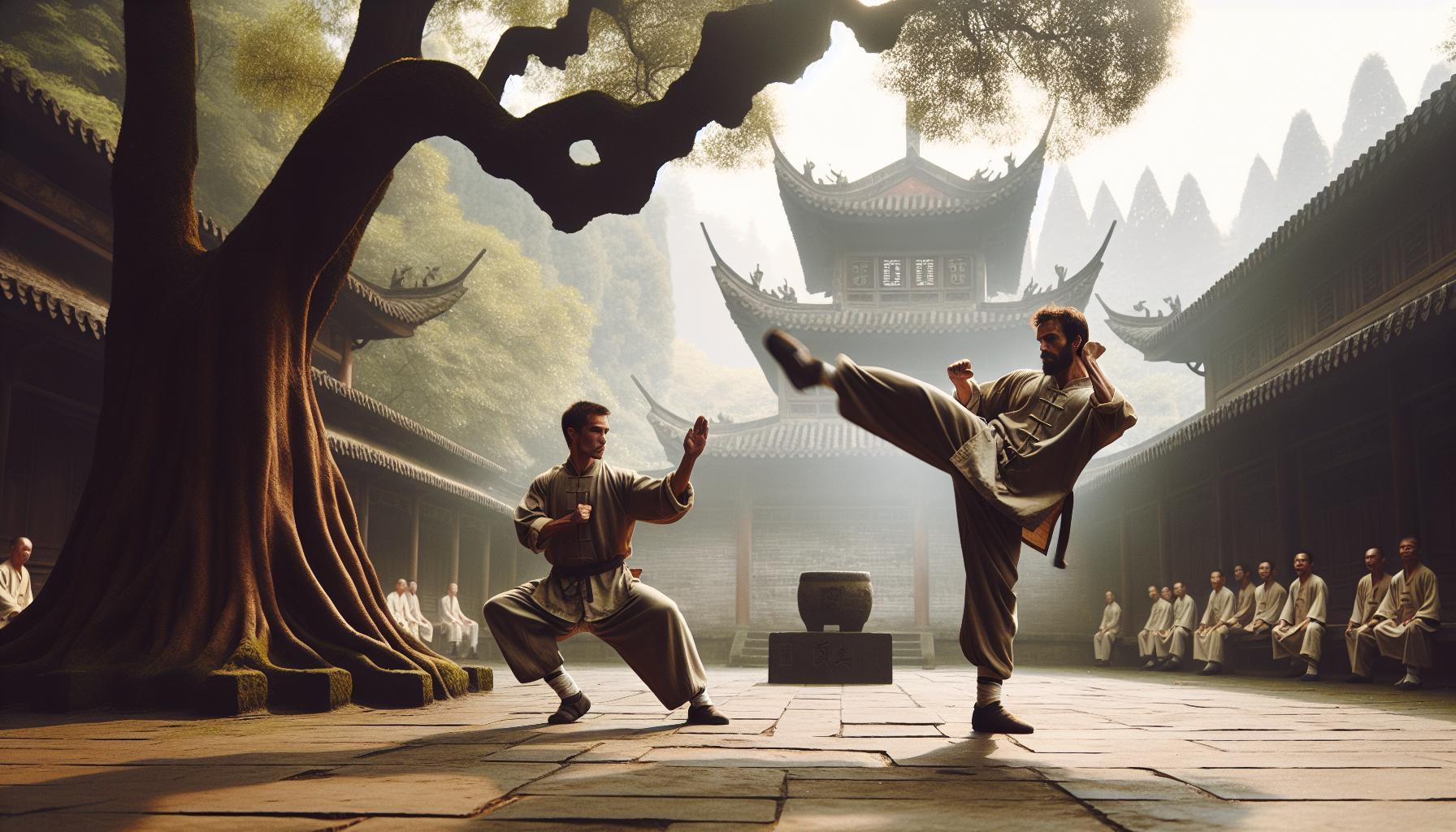
Understanding the Basics of Shaolin Kung Fu
Shaolin Kung Fu is a profound martial art steeped in historical significance and practical application. As a form of self-defense, it immerses practitioners in a comprehensive understanding of movement, strength, and strategy, making it much more than just a collection of fighting techniques. At its core, Shaolin Kung Fu emphasizes the integration of mind, body, and spirit, which cultivates not only physical capabilities but also mental clarity and emotional resilience.
The foundational principles of Shaolin Kung Fu revolve around three primary components: striking, grappling, and awareness. Practitioners are taught various forms known as “katas” that blend these elements, enabling them to react to opponents swiftly and effectively. For instance, the art requires one to harness timing and leverage, which allows them to unbalance a stronger opponent rather than relying solely on brute strength. In practice, students learn to execute strikes with precision and fluidity, while also developing grappling techniques designed to neutralize threats with efficient counters.
Understanding the legal implications of self-defense is crucial in practicing Shaolin Kung Fu. Local laws dictate when and how one can use force in self-defense situations, emphasizing the need for proportional responses. Practitioners are encouraged to prioritize de-escalation and avoid confrontation whenever possible, reinforcing the art’s ethical philosophy that promotes restraint and responsibility. This cultural emphasis aligns with the historical context of Shaolin Kung Fu, which was originally developed for monastic self-defense rather than indiscriminate violence.
Moreover, the benefits of Shaolin Kung Fu extend beyond its physical techniques. The practice fosters a disciplined mindset that empowers practitioners to handle high-stress situations with calm and control. This mental fortitude not only aids in self-defense scenarios but also enhances confidence and overall personal growth. By attending classes and engaging in regular training, individuals learn to recognize and manage their emotions, making them more aware of their surroundings. This heightened sense of awareness can often deter potential confrontations before they even arise, demonstrating that the path of Shaolin Kung Fu is as much about preventing conflict as it is about dealing with it effectively.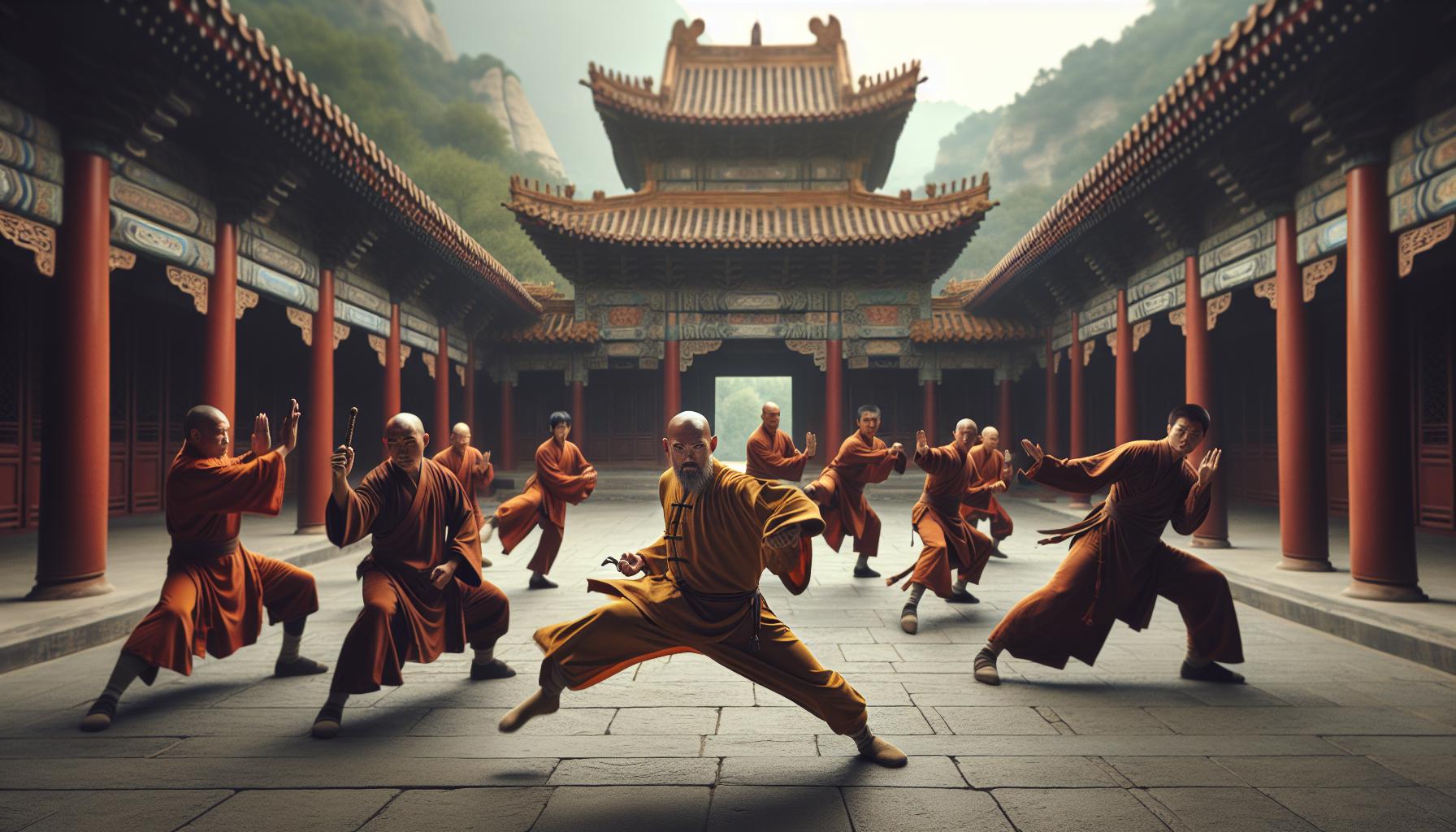
Historical Context: Shaolin Kung Fu’s Origin in Self Defense
The rich history of Shaolin Kung Fu as a form of self-defense dates back to the 5th century, rooted in the practices of Buddhist monks at the Shaolin Temple in Henan Province, China. Initially developed as a means to protect themselves from external threats, these monks integrated martial arts into their daily routines to enhance physical health and spiritual discipline. Over centuries, this art evolved into a systematic approach to self-defense that balanced the need for combat with the desired qualities of restraint and harmony.
The historical purpose of Shaolin Kung Fu has always been twofold: to defend against invaders and to cultivate inner peace and spiritual growth. This duality is essential for understanding the principles of Shaolin today, where combat techniques are practiced with a strong emphasis on ethical considerations. The monks trained rigorously, experimenting with various movements and techniques that would aid them in physical confrontations while adhering to their philosophical beliefs. This foundation set the stage for a style of martial arts that is effective in real-world scenarios while promoting moral integrity.
As practitioners today engage with Shaolin Kung Fu, they inherit centuries of wisdom that stresses de-escalation and proportional response. The art cultivates not only physical prowess but also mental clarity, equipping students to recognize the nuances of conflict before resorting to force. This ethical stance reflects the historical context, reminding practitioners of the original intention: defending oneself and others without seeking to cause unnecessary harm.
In practical terms, this can manifest in various ways. For instance, students learn to assess situations critically, allowing them to prioritize safe exits over confrontations. Moreover, the techniques developed over the years-ranging from striking to grappling-are designed to neutralize threats realistically. This comprehensive approach ensures that while practitioners are equipped with effective self-defense skills, they are equally prepared to handle their emotions and the moral implications surrounding any self-defense situation.
Key Techniques in Shaolin Kung Fu for Defense
The effectiveness of Shaolin Kung Fu as a self-defense system rests on a range of core techniques designed to neutralize threats while promoting safety, awareness, and ethical conduct. Practitioners learn not only how to strike effectively but also how to deflect attacks and control situations, which is crucial for avoiding escalation. Key techniques typically include various striking methods, joint locks, throws, and basic grappling maneuvers that can be employed in real-life confrontations.
Striking Techniques
Striking is central to Shaolin Kung Fu, using a variety of methods to deliver powerful blows. Practitioners train in:
- Punches: Techniques like the jab and cross help create distance and establish control over an attacker.
- Kicks: High and low kicks, such as front kicks and roundhouse kicks, can be effective in maintaining distance and targeting vulnerable areas.
- Elbows and Knees: Close-range strikes that can be devastating, especially in confined spaces where fighting may occur.
These striking techniques not only aim to incapacitate an opponent but also allow for quick disengagement, which is essential for personal safety.
Defensive Maneuvers
A major advantage of Shaolin Kung Fu is its strong emphasis on defensive action. The principles of deflection, blocking, and counterattacking are taught through techniques that include:
- Blocks: Various blocking techniques help to protect critical areas of the body while creating opportunities for counterattacks.
- Parries: Redirecting the opponent’s energy away from oneself facilitates control of the engagement.
- Evasion: Learning to move and evade attacks helps practitioners minimize the risk of injury, emphasizing the importance of situational awareness.
These defensive techniques foster the ability to respond appropriately without escalating conflict, aligning with the ethical considerations central to Shaolin philosophy.
Grappling and Control Techniques
In addition to striking and defensive maneuvers, grappling techniques play a vital role in self-defense scenarios. These include:
- Joint Locks: Techniques that manipulate the joints to gain control over an opponent, allowing for safe restraint or disengagement.
- Throws: These techniques can leverage an opponent’s momentum against them, making them an effective means of neutralizing a threat without relying solely on strength.
Mastering these grappling methods can provide critical options for those who may struggle with striking or desire to avoid the visual consequences of physical altercations.
As with any martial art, understanding the legal and ethical implications of self-defense is paramount. Practitioners should focus on using force only when necessary and seek to de-escalate conflicts whenever possible, reinforcing the teachings rooted in the historical purpose of Shaolin Kung Fu. Ultimately, the combination of striking, defending, and grappling techniques equips students with a versatile set of skills for managing a variety of self-defense situations effectively and responsibly.
Comparing Shaolin Kung Fu to Other Martial Arts
When evaluating the effectiveness of Shaolin Kung Fu for self-defense, it’s important to compare it with other martial arts that also emphasize practical self-defense techniques. Unlike some styles that focus heavily on sport or competition, Shaolin Kung Fu integrates striking, grappling, and defensive tactics, offering a holistic approach that can adapt to various situations.
One of the prominent contrasts can be drawn between Shaolin Kung Fu and Krav Maga, which is often favored for its straightforward, no-nonsense approach to self-defense. Krav Maga focuses primarily on real-world scenarios and encourages practitioners to neutralize threats quickly and efficiently, often through aggressive and decisive actions. This contrasts with Shaolin’s philosophy of balance and control, where the aim is not only to defend oneself but to do so with a mindful awareness of ethical implications and the potential for de-escalation.
Another comparison can be made with Brazilian Jiu-Jitsu (BJJ), which emphasizes ground fighting and submissions. While BJJ is incredibly effective in situations where the fight goes to the ground, it may lack the striking techniques that Shaolin Kung Fu employs to keep attackers at bay. Shaolin provides a blend of strikes and throws, equipping practitioners with versatile skills for both standing and ground situations. This combination may be more advantageous in street confrontations, where maintaining distance and creating opportunities for disengagement are critical.
Additionally, examining Traditional Karate reveals that, like Shaolin Kung Fu, it emphasizes striking techniques but often lacks the comprehensive grappling component found in Shaolin. This means that while Karate practitioners excel at powerful punches and kicks, they may not be as adept at handling close-quarters situations or defending against grabs and holds.
When deciding on a martial art for self-defense, it’s crucial to consider not just the physical techniques taught but also the underlying philosophy and its alignment with personal safety goals. Shaolin Kung Fu offers a foundation built on discipline and ethical considerations, preparing students not only to defend themselves but also to engage thoughtfully with the complexities of real-life confrontations. Each martial art comes with its own strengths and weaknesses, but integrating elements from multiple disciplines can create a well-rounded self-defense strategy tailored to individual needs.
Legal Considerations in Self Defense Situations
Understanding the legal framework surrounding self-defense is essential for anyone practicing martial arts like Shaolin Kung Fu. The principles of self-defense are not merely about physical capability; they intertwine with legal rights and responsibilities that vary remarkably by jurisdiction. When justifying your actions in a confrontation, the concept of “reasonable force” is pivotal. Practitioners must understand that while martial arts training equips them with the skills to defend themselves, the law expects responses to be proportional to the threat faced.
In general, self-defense laws assert that an individual may defend themselves from imminent harm. However, using force must meet two critical criteria: it must be necessary and reasonable. This means if you can avoid confrontation-by de-escalating or retreating-you are legally encouraged to do so. For instance, if an assailant approaches threateningly but does not attack, a defensive strategy rooted in communication or disengagement is preferable and often mandated by law. If physical force does become necessary, the level of that response should correspond directly to the threat presented.
The consequences of misjudged self-defense can be severe. Engaging in a fight when it is not warranted can lead to criminal charges, civil suits, or both. Understanding your local laws regarding self-defense can help avoid legal pitfalls. For example, some areas have “stand your ground” laws, which allow individuals to use force without a duty to retreat, while others impose a “duty to retreat” requirement. Familiarizing oneself with these laws, including nuances specific to your region, is crucial.
Moreover, real-life scenarios often add layers of complexity. While training in Shaolin Kung Fu can enhance confidence and reaction time, it is vital to approach self-defense situations with a mindset focused on de-escalation rather than escalation. When defending oneself, practitioners should constantly assess whether their response is legally justifiable to ensure that their actions not only protect them physically but also align with legal standards. This comprehensive understanding of legal considerations cultivates a responsible martial artist who is prepared to defend themselves while being mindful of the broader implications of their actions.
Real-Life Scenarios: When Shaolin Kung Fu Shines
In the realm of self-defense, Shaolin Kung Fu demonstrates its effectiveness not only through techniques but also through the philosophy that underpins its practice. One captivating example of when this martial art shines is in scenarios that call for both advanced technique and immediate mental acuity. Picture a situation where an individual is approached by an aggressive assailant. A trained practitioner can assess the situation quickly, utilizing the awareness honed through Kung Fu training to gauge the level of threat and respond appropriately.
- Expected Scenario: An assailant approaches in a public space, displaying hostile intent.
- Response: Instead of immediately engaging, the practitioner uses footwork and positioning to maintain a safe distance, while verbally de-escalating the situation.
- If Physical Defense is Needed: Should the confrontation escalate to physical contact, practitioners can employ techniques such as blocking and redirecting the assailant’s energy, effectively neutralizing the threat with minimal force.
This strategic mindset is a cornerstone of Shaolin training. For instance, the art emphasizes the importance of control-both of one’s own emotions and the situation at hand. If an altercation arises, the focus shifts to using learned moves to deflect attacks or escape rather than seeking to overpower the opponent. Scenarios requiring this level of restraint not only demonstrate physical mastery but also embody the ethical considerations necessary in real-life confrontations.
Furthermore, understanding the legal implications of self-defense is crucial. In a case where a Shaolin practitioner chooses to escalate their response, it’s vital to remember that legal systems often scrutinize a defender’s actions. For instance, if a practitioner renders an immediate, effective defensive maneuver-like a well-timed joint lock or escape technique-they signal a commitment to proportionality and necessary force, aligning their actions with legal standards.
In sum, real-life situations where Shaolin Kung Fu shines are not merely about the physical techniques. They encompass a broader spectrum-fostering a mindset that values de-escalation, the legal consequences of actions taken, and using martial arts skills ethically. Those who practice Shaolin Kung Fu are empowered to navigate potentially dangerous encounters with confidence and responsibility, enabling them to protect themselves while remaining aware of the broader implications of their responses.
Training Considerations: How to Fit Kung Fu into Your Self Defense Strategy
Integrating Shaolin Kung Fu into your self-defense strategy can be a transformative experience, both physically and mentally. This ancient martial art emphasizes not just combat skills but also awareness, self-control, and ethical behavior in confrontational situations. As practitioners learn techniques, they also cultivate a mindset that prioritizes de-escalation and responsible action. Taking time to understand how to effectively fit this training into your self-defense approach will enhance your personal safety and readiness.
To begin, it’s essential to establish a consistent training regimen. Practicing regularly allows you to internalize movements and techniques, making them second nature when faced with a real threat. Aim for at least two to three sessions per week to build muscle memory and maintain physical conditioning. During these classes, focus not only on mastering physical techniques but also on scenarios that test your mental fortitude and decision-making skills under pressure. For instance, role-playing common confrontation scenarios can significantly improve your readiness.
Understanding Legal Protocols
A key aspect of self-defense is being aware of the legal implications associated with your actions. Each region has specific laws governing self-defense situations, which can include the concept of proportionality. Ensure you understand your rights and responsibilities as a defender. Many martial arts instructors discuss these topics in class or can provide resources for further study. Consider including discussions about legal scenarios in your training; this will prepare you to act judiciously and calmly when confronted with an aggressive individual.
Practicing De-Escalation Techniques
In addition to physical techniques, training in Shaolin Kung Fu should incorporate de-escalation strategies. Many confrontations can be resolved without physical confrontation, and the ability to communicate effectively is invaluable. Role-play scenarios where de-escalation is the primary focus, using verbal communication and body language to diffuse potential threats. Techniques such as maintaining a calm demeanor, using non-threatening language, and establishing a safe distance can be practiced to enhance confidence in these skills.
Lastly, remember that the benefits of integrating Shaolin Kung Fu into your self-defense strategy extend beyond just physical abilities. Cultivating a mindset that emphasizes patience, discipline, and respect for oneself and others can lead to overall improvements in your daily interactions and decision-making processes. This holistic development contributes not only to your ability to defend yourself but also to your overall personal growth and self-confidence.
In summary, fitting Shaolin Kung Fu into your self-defense strategy is not merely about learning how to fight; it involves comprehensive training that prepares you for a variety of situations. By committing to regular practice, understanding the legal frameworks surrounding self-defense, and honing de-escalation skills, you empower yourself to navigate confrontations with prudence and efficacy.
Common Misconceptions About Shaolin Kung Fu
Many people hold misconceptions about Shaolin Kung Fu that can deter them from recognizing its potential as an effective self-defense system. One prevalent myth is that Shaolin Kung Fu is solely about flashy movements and choreographed forms lacking practical application. In reality, while forms (or “katas”) are an essential component of training, they serve as a foundation for understanding body mechanics, balance, and timing, critical aspects of self-defense. Practitioners learn to apply these techniques in real-world scenarios, developing both the physical skills necessary for defense and the mental discipline required to assess threats effectively.
Another common belief is that Shaolin Kung Fu is only for the physically strong or agile. In truth, this martial art is designed to accommodate a wide range of physical capabilities. The techniques can be adapted to fit different body types and fitness levels. For instance, practitioners are taught to leverage their body weight and use momentum, allowing even those with less physical strength to effectively defend themselves. Additionally, the training incorporates breathing techniques and mindfulness, which enhance focus and situational awareness, making it accessible for individuals who may initially feel intimidated or out of shape.
Furthermore, some may think that Shaolin Kung Fu promotes aggression or violence. This is a significant misunderstanding. At its core, the practice emphasizes self-discipline, respect, and the ethical use of force. Instructors teach students not only how to defend themselves but also the importance of de-escalation and choosing to avoid conflict whenever possible. This dual focus fosters a mindset that values peaceful resolution and careful judgment over reckless action, aligning with legal and moral responsibilities.
Lastly, another misconception is that once one reaches a certain level of proficiency, they no longer need to practice de-escalation techniques. In reality, ongoing training in both physical techniques and conflict resolution strategies is crucial. Regularly participating in role-play scenarios and discussions about legal repercussions reinforces these essential skills, ensuring that students remain prepared to react appropriately in various situations. By confronting these misconceptions, potential practitioners can better appreciate Shaolin Kung Fu’s rich heritage and its relevance in today’s self-defense landscape, ultimately increasing their confidence and personal safety.
The Role of Mindset and Discipline in Self Defense
In self-defense situations, the right mindset and discipline can make the difference between a successful response and a potentially dangerous outcome. A critical aspect of Shaolin Kung Fu training is the cultivation of mental fortitude alongside physical skills. Practitioners learn not only to execute techniques but also to process a threat situationally. This mental clarity allows them to assess dangers, identify escalatory behaviors, and choose appropriate responses, including de-escalation or avoidance when applicable.
Adopting a protective mindset begins with understanding the responsibilities that come with self-defense. Students are taught that while defending oneself is a right, the application of force must always be proportionate and justifiable. For instance, many martial artists engage in role-playing exercises that simulate real-life confrontations. This practice equips them with critical tools to remain calm, make swift decisions, and utilize techniques effectively under stress. Regular exposure to these scenarios helps to instill an instinctual response to threats rather than a panicked reaction.
Moreover, discipline plays a significant role in reinforcing the ethical considerations of using force. Through rigorous training, students of Shaolin Kung Fu learn that every action has consequences. The discipline developed through hours of practice extends beyond the dojo, encouraging practitioners to embody respect for others and the law in everyday life. They are educated on local laws regarding self-defense, which enhances their understanding of when it’s legally permissible to act. This knowledge is crucial, as misjudgments in a tense situation can lead to serious legal implications.
Ultimately, cultivating the right mindset and discipline is essential for any martial artist, especially those training in Shaolin Kung Fu. Practitioners emerge not only with the skills to defend themselves but also with the wisdom to approach conflicts thoughtfully and ethically. By focusing on self-control, respect for oneself and others, and the legal responsibilities of self-defense, they empower themselves to navigate high-pressure scenarios with a clear mind and an ethical compass.
Benefits Beyond Combat: Confidence and Awareness
The practice of Shaolin Kung Fu extends far beyond mere self-defense; it fosters a profound sense of confidence and awareness that can significantly impact a practitioner’s daily life. Confidence, often derived from the mastery of techniques and the understanding of one’s own physical capabilities, instills a sense of security that reduces the fear associated with potential confrontations. As students progress in their training, they develop a clear recognition of their strengths, which can translate into a more assertive demeanor both inside and outside the dojo.
Building Confidence Through Mastery
In martial arts, skills are honed over countless hours of practice. This rigorous routine cultivates not just physical ability but also a deep-seated sense of self-assurance. As practitioners learn to execute techniques with precision, they also build resilience against adversity. This enhanced self-esteem is vital in avoiding altercations; confident individuals are less likely to be targeted by aggressors. Moreover, when faced with a threat, the calm assertiveness developed through training helps practitioners maintain control over their reactions, allowing them to navigate potentially dangerous situations with poise.
Heightened Awareness and Situational Monitoring
Beyond physical techniques, Shaolin Kung Fu emphasizes the importance of mental clarity and awareness. Practitioners are trained to be observant of their environments, honing skills like situational awareness that are crucial in self-defense. This heightened awareness enables a practitioner to detect signs of trouble before they escalate, which can often lead to the successful avoidance of conflict altogether. For instance, during training, students engage in scenarios that require them to assess threats and respond appropriately, reinforcing their ability to stay alert in day-to-day situations.
The intersection of confidence and awareness also empowers practitioners to engage in more peaceful conflict resolution strategies. By assessing situations calmly and with a corrective mindset, individuals trained in Shaolin Kung Fu can often defuse tension before it escalates into violence. Practitioners learn to utilize communication skills, including assertiveness and negotiation, as effective tools against physical confrontation.
Through consistent training in Shaolin Kung Fu, the confidence gained alongside increased situational awareness not only prepares individuals for potential encounters but also enriches their overall quality of life. The teachings encourage practitioners to embody wisdom, respect, and ethical considerations, making them better equipped to engage in society thoughtfully and safely.
Integrating Shaolin Philosophy into Modern Self Defense Practices
Integrating the philosophy of Shaolin Kung Fu into modern self-defense practices enriches a practitioner’s approach to safety and conflict resolution. The core tenets of Shaolin teachings-such as respect for oneself and others, mindfulness, and the pursuit of harmony-can significantly enhance the effectiveness of self-defense strategies. These principles encourage practitioners to prioritize de-escalation over confrontation, creating an environment where violence is truly a last resort.
One of the most impactful ways to integrate Shaolin philosophy is through the emphasis on situational awareness. Practitioners learn to attune themselves to their surroundings, recognizing not only potential threats but also the emotions and motives of others. This level of awareness allows for early intervention strategies. For example, a trained practitioner may notice signs of aggression from a potential attacker-such as body language or tone-and choose to disengage or alter the environment to diffuse tension before it escalates into violence.
Furthermore, communication is a vital skill cultivated in Shaolin practice. Effective practitioners can convey assertiveness and confidence, which can deter potential aggressors without the need for physical confrontation. A calm and respectful demeanor, rooted in Shaolin ethics, often leads to peaceful resolutions. This approach aligns with legal and moral obligations in self-defense scenarios, where actions taken must be reasonable and justifiable.
Ethics and Legal Awareness also play a crucial role in integrating Shaolin philosophy into self-defense practices. Understanding the legal implications of one’s actions is essential. Practitioners are taught to recognize the fine line between self-defense and excessive force. This knowledge equips them to respond appropriately, ensuring that they protect themselves while remaining within legal boundaries. In various states, self-defense laws differ, emphasizing the need for practitioners to be educated about their specific rights and responsibilities.
Incorporating Shaolin philosophy into modern self-defense is not just about knowing how to fight; it’s about cultivating a mindset that values peace and ethical conduct. By instilling confidence, teaching situational awareness, and promoting effective communication, Shaolin Kung Fu prepares practitioners not only for the physical aspects of self-defense but also for the moral and ethical considerations that accompany real-life confrontations. This balanced approach fosters resilient individuals capable of navigating the complexities of conflict with dignity and respect.
Frequently asked questions
Q: How effective is Shaolin Kung Fu for self-defense in real-life situations?
A: Shaolin Kung Fu is effective for self-defense due to its emphasis on agile movements, strikes, and defensive techniques. Practitioners learn to control distance and utilize their environment, making it practical in various self-defense scenarios. For deeper insights, explore our section on real-life scenarios.
Q: What skills do you develop in Shaolin Kung Fu that are useful for self-defense?
A: In Shaolin Kung Fu, practitioners develop balance, coordination, reflexes, and agility. These skills enhance not only physical combat capabilities but also your situational awareness and confidence, crucial for effective self-defense. Check our article on benefits beyond combat for more.
Q: Can Shaolin Kung Fu techniques be adapted for different self-defense situations?
A: Yes, Shaolin Kung Fu techniques are adaptable and can be modified to suit different self-defense scenarios. Training emphasizes flexibility and improvisation, allowing students to effectively respond to various threats. See our training considerations for tips on integration.
Q: What distinguishes Shaolin Kung Fu from other martial arts in self-defense?
A: Shaolin Kung Fu focuses on a combination of strikes, throws, and traditional philosophy that fosters a disciplined mindset. This holistic approach sets it apart from other martial arts, which may prioritize specific combat styles. For comparisons, check our section on comparing martial arts.
Q: Is there a specific age group for practicing Shaolin Kung Fu for self-defense?
A: Shaolin Kung Fu is suitable for all age groups, with classes tailored for children, teens, and adults. Training can be adapted to the participant’s physical capabilities, ensuring effective learning at any age. Learn more about training considerations in our article.
Q: Are there legal considerations when using Shaolin Kung Fu for self-defense?
A: Yes, it’s crucial to understand legal considerations in self-defense. Using martial arts techniques responsibly involves knowing your local laws regarding self-defense and proportional response. Refer to our section on legal considerations for essential information.
Q: What mindset is necessary for effective self-defense training in Shaolin Kung Fu?
A: An effective self-defense mindset in Shaolin Kung Fu includes awareness, discipline, and the ability to remain calm under pressure. Training cultivates a balanced approach to confrontation, focusing on de-escalation first. Delve into the role of mindset for in-depth insights.
Q: Can practicing Shaolin Kung Fu provide benefits outside of physical self-defense?
A: Absolutely, practicing Shaolin Kung Fu offers many benefits beyond physical self-defense, including increased confidence, stress relief, and improved mental focus. These aspects make martial arts training valuable for overall well-being. Explore the section on confidence and awareness for more information.
In Conclusion
In conclusion, Shaolin Kung Fu embodies not only the art of combat but also the rich philosophy of self-discipline and respect. While it offers various techniques for self-defense, it’s crucial to integrate this knowledge within the framework of legality and ethical responsibility. Consider how the principles of de-escalation and proportionality apply to all forms of self-defense, including martial arts like Krav Maga and BJJ. If you’re eager to delve deeper into practical applications of self-defense, check out our guides on “Effective Self-Defense Techniques for Everyday Situations” and “Understanding the Legal Aspects of Self-Defense.”
To stay informed and empowered, subscribe to our newsletter for the latest insights on self-defense and martial arts. Remember, while training can increase your confidence and skills, understanding the legal implications and practicing safety protocols are paramount. Don’t hesitate to share your thoughts or ask questions in the comments – your engagement is vital in fostering a community built on knowledge and preparedness. Explore more, stay safe, and take action today!