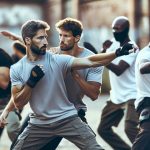

In an unpredictable world, having the ability to defend yourself is more important than ever. Choosing the right fighting style for self-defense can empower you to protect yourself effectively while understanding the legal and ethical implications of your actions. From Brazilian Jiu-Jitsu’s grappling techniques to the striking power of Muay Thai, each martial art brings unique benefits to self-defense scenarios. This guide will explore the most effective combat-tested fighting styles, helping you make an informed choice that aligns with your personal safety goals. By understanding the strengths and limitations of various techniques, you can build confidence and a responsible approach to self-defense, allowing you to navigate potentially dangerous situations with clarity and skill. Join us as we delve deeper into the best fighting styles for self-defense and how to apply them judiciously in real-life confrontations.
What Makes a Fighting Style Effective for Self Defense?
Effective self-defense fighting styles share common traits that enhance a person’s ability to protect themselves in real-world situations. At the core of an effective style is adaptability; the ability to respond to various threats and environments is crucial. For instance, self-defense techniques should incorporate a combination of standing grappling, striking, and ground defense, making it difficult for an opponent to predict and counter your moves.
Additionally, a style that emphasizes both physical technique and mental preparedness can significantly increase one’s chances of success. This includes understanding situational awareness, which allows practitioners to recognize potential threats before they escalate. Training in these styles often includes realistic sparring scenarios that simulate actual confrontations, providing invaluable experience.
Moreover, the legal implications of self-defense should always be considered. An effective fighting style not only teaches how to defend oneself but also educates practitioners about the legal boundaries of self-defense, ensuring that actions taken are justified and proportionate. It’s vital for individuals to understand local laws regarding self-defense, as this comprehension affects the choices they make under stress.
Ultimately, an effective self-defense system is one that prepares individuals not just physically, but also mentally-instilling confidence, resilience, and a deep understanding of self-defense principles. By training in styles that encompass these characteristics, practitioners can better equip themselves to handle confrontations safely and effectively, prioritizing de-escalation and personal safety above all.
Key Factors in Choosing Your Fighting Style
Choosing the right fighting style for self-defense is a personal decision that can significantly impact your effectiveness in real-world situations. It’s not merely about learning punches and kicks; it’s about selecting a method that suits your physical attributes, personal philosophy, and the specific environments you might encounter. The first factor to consider is personal ability-your physical condition, height, weight, and experience level all play a role in determining which styles will be most effective for you. For example, smaller individuals may find grappling arts like Brazilian Jiu-Jitsu more accessible, while those with a stronger striking background might be inclined towards Muay Thai.
Another crucial aspect is adaptability. The style you choose must allow for both offensive and defensive techniques that can be applied in various scenarios. Martial arts that integrate self-defense strategies with modern combat scenarios, such as Krav Maga, often emphasize real-world applications and situational awareness, making them particularly effective for self-defense. It’s also essential to understand the legal implications of your actions. Many fighting styles focus on physical techniques but neglect the broader legal context of self-defense, which is crucial for ensuring that your responses remain within legal boundaries.
Furthermore, training frequency and accessibility are significant factors. You should select a style and training program that you can commit to regularly, as consistent practice is key to mastering any self-defense technique. It’s also worth looking into the community around the martial arts school you choose; a supportive environment can enhance your learning experience and build confidence.
In summary, when considering a fighting style for self-defense, prioritize your physical attributes, the adaptability of the techniques, the legal framework surrounding self-defense, and your commitment to training. By evaluating these factors, you can choose a style that not only equips you with effective techniques but also empowers you mentally and ethically to handle confrontational situations responsibly.
Combat Tested Techniques for Real-World Scenarios
In the realm of self-defense, it’s vital to rely on combat-tested techniques that prioritize safety, legality, and effectiveness in real-world scenarios. Each fighting style may boast its unique benefits, but what truly matters is how well the skills transfer to actual confrontations. Techniques that have been honed in real-life situations provide practitioners with both confidence and the practical tools necessary to navigate dangerous encounters.
One example of this is Krav Maga, a martial art developed for the Israeli military that emphasizes instinctive movements, practical techniques, and a focus on neutralizing threats quickly. Unlike traditional martial arts that often involve step-by-step forms, Krav Maga teaches adaptable responses that can be employed in chaotic environments. This style trains individuals to react under pressure, using available objects as improvised weapons if needed, which increases the likelihood of an effective defensive response.
Similarly, Brazilian Jiu-Jitsu (BJJ) empowers individuals through its grappling techniques, allowing smaller practitioners to successfully defend against larger attackers by leveraging body mechanics and positioning. BJJ emphasizes ground fighting and submissions, providing tools that are particularly useful when a confrontation goes to the ground, which is common in fights. Knowledge of how to maintain control and escape from various angles and situations is invaluable in real-life conflicts.
Essential Techniques to Consider:
- Krav Maga: Focus on situational awareness, striking vulnerable areas, and using your surroundings.
- BJJ: Utilize grappling techniques, joint locks, and escapes from holds, paired with effective positioning.
- Muay Thai: Harness strong striking capabilities, targeting the legs, head, and body with elbows and knees for effective offense and defense.
In addition to grappling and striking techniques, understanding the legal implications of self-defense actions is crucial. Practitioners must be aware of what constitutes reasonable force in their jurisdiction to avoid legal repercussions following a physical encounter. A well-rounded self-defense strategy not only focuses on the physical aspect but also integrates a fundamental understanding of legal and ethical boundaries, reinforcing the importance of using techniques proportionately and responsibly.
Ultimately, effective self-defense combines reliable techniques with situational awareness and legal education. Engaging in consistent training in one or multiple disciplines enhances one’s preparedness for a variety of scenarios, allowing individuals to handle confrontations with both skill and confidence.
How Krav Maga Stands Out for Self Defense
Krav Maga distinguishes itself in the self-defense landscape due to its focus on instinctual movements and practical techniques that prioritize real-world applicability. Developed for the Israeli military, this system is designed to empower individuals with the skills necessary to neutralize threats effectively and swiftly. Its foundation is built on responding dynamically to an attacker’s actions, emphasizing aggressive counter-response over prolonged engagement. This principle is particularly valuable in high-pressure situations, where clarity and reflex take precedence.
A hallmark of Krav Maga training is its emphasis on situational awareness, guiding practitioners to remain alert and perceptive in various environments. This awareness is critical, as it helps individuals to recognize potential threats before they escalate. For instance, common drills teach students to identify escape routes, use surroundings to their advantage, and respond to unexpected attacks from any angle. The training involves realistic scenarios, increasing an individual’s ability to apply techniques under duress, thus enhancing both confidence and preparedness.
Moreover, Krav Maga includes comprehensive weapon training, preparing students to defend against armed attackers and even utilize everyday objects as improvised tools for self-defense. This flexibility makes it particularly relevant given today’s unpredictable environments. For example, individuals learn techniques for disarming an attacker wielding a knife or gun, understanding the principles of distance and timing, which can be crucial for survival in life-threatening situations.
Importantly, Krav Maga respects the legal boundaries of self-defense, emphasizing the need for proportionality in response. Practitioners are taught the balance between defending themselves and ensuring their actions remain within the confines of the law. This awareness not only protects one’s physical well-being during a confrontation but also safeguards against potential legal repercussions afterward. The training instills a strong ethical framework, guiding individuals to use their skills responsibly and primarily focus on de-escalation when feasible, ensuring that any necessary action taken is measured and justified.
Brazilian Jiu-Jitsu: Grappling with Real-Life Situations
In the world of self-defense, Brazilian Jiu-Jitsu (BJJ) offers a unique and effective approach centered around leverage, technique, and control, making it particularly suitable for real-life confrontations. What distinguishes BJJ is its focus on grappling and ground fighting, enabling practitioners to neutralize larger or stronger opponents through strategic body mechanics. In situations where a physical altercation becomes unavoidable, the principles of BJJ can provide a significant advantage, allowing individuals to maintain composure and effectively manage the confrontation.
The core techniques of BJJ-such as the guard, escapes, and submissions-are not just for competition; they can be vital in self-defense scenarios. For instance, mastering the closed guard allows a practitioner to protect themselves while setting up sweeps or submissions against an attacking adversary. This aspect of BJJ empowers individuals to stay safe while determining the best course of action, including the possibility of disengaging or controlling their opponent until help arrives. Real-world applicability is enhanced through practicality, as students often train in scenarios that simulate potential threats, honing their ability to respond under duress.
Moreover, BJJ’s emphasis on positional control is vital in minimizing risk during altercations. A practitioner trained in BJJ learns how to effectively control an opponent’s movements without the need for strikes, which serves as a more ethical and responsible way of handling conflict. This focus on non-violent resolution underscores the importance of de-escalation techniques, which are essential in self-defense practices. Individuals are taught to assess the threat and aim for resolution rather than retaliation, fostering a mindset that prioritizes safety over aggression.
In addition to the above, understanding the legal and ethical parameters of self-defense is crucial. BJJ practitioners should be aware of the implications of their techniques in legal contexts, particularly regarding proportionality in response. Engaging in grappling can sometimes lead to unintended injuries, and practitioners need to be conscious of the consequences of their actions. Training in BJJ not only prepares individuals physically but also mentally, instilling a strong ethical framework around the use of force. Ultimately, the skills developed in Brazilian Jiu-Jitsu can empower individuals to handle difficult situations with confidence, ensuring they can protect themselves while upholding respect for both their own safety and that of others.
Muay Thai’s Striking Power in Self Defense
The striking power of Muay Thai, often referred to as the “Art of Eight Limbs,” provides a formidable toolkit for self-defense. This martial art utilizes punches, elbows, knees, and kicks, maximizing the body’s natural weapons in a practical and effective manner. Practitioners learn to strike with precision and power, making it a potent option for real-world confrontations where physical threat is imminent. The emphasis on conditioning and striking techniques equips individuals with the capability to defend themselves effectively while minimizing potential harm to themselves.
One of the key strengths of Muay Thai lies in its ability to deliver powerful strikes from close range to long distance. The technique of using the knee and elbow, for example, can be particularly effective in tight spaces, such as a crowded area or when faced with an aggressive opponent. Through proper training, practitioners become adept at controlling their distance, realizing when to close in for a knee strike or when to maintain space to deliver a powerful roundhouse kick. This versatility allows for adaptability in various situations, essential in a self-defense context where every second counts.
Understanding legal implications is critical when applying Muay Thai techniques in self-defense scenarios. It is crucial to remember that while one may have the ability to strike powerfully, the use of force must always be proportionate to the threat faced. Engaging in preemptive strikes or excessive force can have legal repercussions. Self-defense training should focus not only on physical techniques but also on situational awareness and de-escalation strategies that prioritize personal safety without unnecessary escalation. Practitioners are encouraged to assess each situation carefully, applying Muay Thai techniques only when absolutely necessary.
Additionally, practicing Muay Thai builds mental resilience and confidence. Training under stressors, such as sparring with partners, prepares individuals not only physically but also mentally for real-life confrontations. This psychological preparedness is just as vital as physical skills when encountering an aggressive situation. By fostering a disciplined mindset, practitioners of Muay Thai can respond to threats with calculated action rather than panic, enabling them to navigate potential altercations with greater poise and effectiveness.
The Role of Situational Awareness in Self Defense
Being aware of your surroundings is one of the most crucial elements of self-defense. Situational awareness enables you to detect potential threats before they escalate, allowing you to either avoid confrontation or prepare for it in a more strategic manner. This heightened state of awareness is not just about being conscious of the people around you; it’s about understanding your environment-the layout of the area, potential exit routes, and any objects that could serve as barriers or weapons.
Key Aspects of Situational Awareness
To develop effective situational awareness, consider these key aspects:
- Observation: Regularly scan your environment. Notice details of unusual behavior or individuals that seem out of place. This practice can take the form of checking behind you periodically or maintaining eye contact with those around you.
- Intuition: Trust your instincts. If something feels off, it often is. Don’t hesitate to act on those feelings, whether it means leaving an area or preparing to defend yourself.
- Planning: Always have an escape plan in the back of your mind. Know the nearest exits when you enter a space, whether it’s a public setting or a gathering. Familiarity with the layout can help you navigate quickly in a crisis.
- Social Awareness: Pay attention to the dynamics among people. A group that is overly animated or someone who appears agitated may indicate a potential for conflict. Recognizing these social cues can provide early warning signals.
The Impact of Awareness on Decision-Making
In a threatening encounter, your ability to make quick and effective decisions is of utmost importance. While physical skills are essential, the ability to assess a situation accurately affects how you respond. For instance, if you notice someone acting aggressively, you may choose to disengage, using verbal de-escalation tactics instead of physical force. In such cases, proportionate responses are crucial; reacting too aggressively can escalate the situation further and may have legal ramifications.
Moreover, adopting a mindset of vigilance can help reduce the chances of becoming a target for an attacker. Criminals often seek easy prey-individuals who are distracted or unaware. Practicing vigilance not only enhances your safety but also empowers you by instilling confidence in your ability to navigate risky situations effectively.
By marrying situational awareness with the skills acquired in martial arts or self-defense training, you create a formidable approach to personal safety. Remember, the goal of self-defense is not just to fight back but to avoid confrontation whenever possible while being prepared should the need arise.
Integrating Weapons Training with Martial Arts
Integrating weapons training into martial arts can significantly enhance an individual’s ability to defend themselves in real-world scenarios. Understanding how to safely and effectively use weapons, whether they be personal defense tools like pepper spray or batons, or traditional martial arts weapons, can empower practitioners by offering additional options for self-defense. The key, however, is to approach weapons training with a mindset focused on safety, legality, and the moral implications of their use.
Safety and Legal Considerations
When incorporating weapons training into your martial arts repertoire, it’s crucial to familiarize yourself with the legal regulations surrounding weapon usage in your state or country. Self-defense laws vary widely, and knowing the legal implications of using a weapon in a confrontation is essential. For instance, in many jurisdictions, the law allows for the use of proportional force in self-defense situations. This means you must assess the threat level and respond appropriately, using the minimum force necessary to mitigate the danger. Overstepping this boundary can lead to severe legal consequences.
Types of Weapon Training
Different martial arts offer various weapon training techniques. Here’s a brief overview of a few popular options:
- Krav Maga: This system emphasizes the effective use of everyday objects as weapons. Practitioners learn to employ items found in their environment, like keys or belts, to defend against attackers.
- BJJ and Ground Weapons: Brazilian Jiu-Jitsu (BJJ) focuses more on grappling, but integrating knife defense techniques can train practitioners in disarming an attacker on the ground while maintaining control.
- Filipino Martial Arts (FMA): FMA, such as Arnis and Escrima, are well-known for their comprehensive weapon training. These arts teach the use of sticks, knives, and other handheld weapons, providing practitioners with skills for both armed and unarmed confrontations.
De-escalation First
While training with weapons can provide practical skills, it should be noted that the primary goal of self-defense remains avoidance and de-escalation of conflicts whenever possible. Developing the ability to recognize when to use a weapon, and when to disengage, can make the difference between a legal self-defense action and a criminal charge. Practicing verbal de-escalation techniques alongside weapon skills ensures that you are prepared for various scenarios without resorting to violence unless absolutely necessary.
In summary, can enhance your self-defense capabilities, but it must be done with an emphasis on legality, safety, and ethical considerations. Being well-informed and respectful of the serious responsibilities that come with weapon use is vital. Always practice within a controlled environment, and seek guidance from qualified instructors to ensure that you are both competent and compliant with local laws.
Understanding Legal Implications of Self Defense
Understanding the legal implications of self-defense is fundamentally important for anyone studying martial arts or self-defense tactics. A significant misconception is that any response to an attack is legally justified under self-defense. In reality, self-defense laws vary significantly from jurisdiction to jurisdiction, making it crucial for practitioners to understand their local regulations and the broader legal framework concerning the use of force.
In most legal systems, self-defense is defined as the use of reasonable force to protect oneself from imminent harm. This concept primarily hinges on three critical principles: necessity, immediacy, and proportionality. The use of force must be necessary-meaning there are no available alternatives to prevent the threat-and must be proportional to the level of threat faced. For instance, if an attacker is unarmed and poses a non-lethal threat, employing lethal force in response could lead to serious legal ramifications, potentially classifying the defender as the perpetrator instead.
Another vital aspect to consider is the differentiation between self-defense and excessive force. Practitioners must be prepared to articulate their thought process during an altercation to demonstrate that their actions were not only reflexive but also justifiable under the circumstances. For example, if a martial artist successfully disarms an attacker without causing serious injury, they may have a solid self-defense claim. However, if they continue to assault the attacker after the threat has been neutralized, they risk criminal charges for using excessive force.
A practical approach to navigating the legal landscape of self-defense includes familiarizing oneself with local laws, seeking instruction from qualified self-defense educators, and even consulting legal professionals to clarify rights and responsibilities. Knowledge is power, and understanding the legal boundaries within which one must operate can make the difference between effective self-defense and legal consequences. Create a proactive strategy that focuses on avoidance and de-escalation whenever possible, preparing practitioners not only physically but also legally to handle confrontations responsibly.
Essential Self Defense Tactics for Various Scenarios
In a world where personal safety can never be guaranteed, understanding essential self-defense tactics across various scenarios is crucial. Whether facing an unexpected threat in a dark alley, encountering an aggressor in a social setting, or dealing with someone attempting to rob you, knowing how to respond appropriately can significantly impact the outcome. The foundation of effective self-defense lies in a combination of practical techniques, situational awareness, and legal knowledge.
Firstly, situational awareness is your first line of defense. This involves being conscious of your surroundings and recognizing potential threats before they escalate. Practice identifying exits, noting individuals’ behavior, and avoiding distractions like your phone. In dangerous situations, remain calm; assessing the scenario could provide opportunities to de-escalate or evade altogether.
When confrontation becomes unavoidable, having a plan is essential. Here are some effective tactics:
- Use Your Voice: Verbal assertiveness can deter an aggressor. Shouting commands such as “Stay back!” can both attract attention and establish your unwillingness to be victimized.
- Aim for Vulnerable Areas: If physical confrontation occurs, target sensitive areas such as the eyes, throat, or groin. Strikes to these locations can create a chance to escape.
- Break Free: If someone grabs you, employing techniques such as the wrist escape can help. Rotate your wrist towards the attacker’s thumb-this weak point can enable you to break free.
- Recognize Escape Opportunities: Always prioritize fleeing over fighting. If you spot a path to safety during a confrontation, take it.
Moreover, incorporating self-defense training that emphasizes these tactics-such as Krav Maga for its practical, real-world applicability or Brazilian Jiu-Jitsu for grappling skills-can further bolster your preparedness. This training not only teaches techniques but also instills confidence and builds mental resilience.
Lastly, it is paramount to understand the legal implications of your actions. Self-defense laws vary by location, and knowing the boundaries of legal force can protect you from serious repercussions. Always pursue legal advice to ensure your self-defense strategies are compliant with your jurisdiction’s laws. Empower yourself with knowledge and practical skills to navigate potential risks confidently, understanding that de-escalation is often the most effective approach.
Building Confidence and Mental Resilience in Self Defense
In the realm of self-defense, building confidence and mental resilience is as crucial as mastering physical techniques. Understanding how to respond to threats requires mental fortitude, which can be developed through training, practice, and real-life experiences. This mental preparation not only enhances your ability to assess situations calmly but also empowers you to execute your skills effectively when it matters most.
One of the central components to confidence in self-defense is familiarity with your own abilities. Regular training in martial arts or self-defense classes-such as Krav Maga or Brazilian Jiu-Jitsu-can instill a sense of competence. These disciplines offer realistic scenarios that help you become accustomed to high-stress environments. Consider engaging in partner drills and sparring sessions, as they simulate real confrontations and provide invaluable practice. The more you train, the more confident you’ll become in your capacity to defend yourself.
Moreover, mental resilience can be bolstered through visualization techniques. Envisioning yourself effectively responding to a potential threat can create a cognitive map of actions to take in an actual situation. This method not only prepares your mind for what to expect but also helps reduce anxiety associated with confrontations. Coupling visualization with stress management techniques, such as deep breathing exercises or mindfulness practices, can further enhance your ability to remain calm under pressure.
It’s also essential to recognize that self-defense isn’t solely about physical confrontation; de-escalation plays a vital role. Building awareness of your surroundings and recognizing warning signs can prevent many altercations from escalating. Your training should encompass both physical skills and strategies for diffusing tense situations verbally. Knowing how to assess a threat and choose not to engage can often be the best first step in protecting yourself.
Ultimately, developing confidence in self-defense requires a holistic approach-one that balances physical training with mental preparation and strategic awareness. By combining these elements, you empower yourself not just to respond to threats, but to navigate life with the assurance that you are equipped to handle whatever may come your way.
Comparing Popular Self Defense Programs and Schools
Evaluating various self-defense programs is essential for anyone seeking to enhance their personal safety. Not all martial arts schools are created equal; each offers unique methods, philosophies, and training environments that can significantly influence their effectiveness in real-world scenarios. As individuals consider their options, it’s imperative to explore how different disciplines approach self-defense, thus enabling informed choices that align with personal needs and preferences.
Krav Maga vs. Brazilian Jiu-Jitsu
Krav Maga, originally developed for the Israeli military, emphasizes practical techniques for real-life confrontations. Its focus on instinctive movements, situational awareness, and aggression preparation makes it a comprehensive choice for self-defense. Krav Maga training typically includes weapon defenses, escape tactics, and striking, providing a robust framework for handling various threats. However, the intensity of training may not suit everyone, especially those new to martial arts.
On the other hand, Brazilian Jiu-Jitsu (BJJ) is rooted in grappling and ground fighting, making it ideal for controlling a larger opponent. BJJ teaches practitioners how to leverage technique and body mechanics over brute strength, which is particularly beneficial in self-defense situations where escape rather than confrontation is the goal. While it may not cover striking or weapon defense extensively, its practical applications for one-on-one confrontations are invaluable.
Muay Thai and Its Striking Power
Muay Thai, known as the “Art of Eight Limbs,” utilizes fists, elbows, knees, and shins, creating a versatile striking style. Practitioners develop powerful strikes and learn how to maintain distance and control their environment effectively. This discipline can be particularly effective in stand-up confrontations, equipping users with the skills needed to deter aggressors quickly. However, it is important to note that Muay Thai does not incorporate ground techniques, indicating that supplementary training in grappling can be beneficial for a well-rounded self-defense capability.
Assessing the School Environment
The atmosphere of a self-defense school plays a significant role in the overall experience. Potential students should look for schools that promote safety, respect, and ethical training. Observing classes can provide insights into the instructor’s teaching methods and the school’s culture. Notably, a good school ensures that legal aspects of self-defense are addressed, helping students understand when and how to use force responsibly.
- Head Instructor’s Credentials: Verify the instructor’s experience and background in self-defense.
- Class Size: Smaller classes often allow for individualized attention and more effective learning.
- Focus on De-escalation: Look for programs that emphasize conflict resolution and avoidance strategies.
- Legal Education: Ensure the program covers the legal implications of using force in self-defense scenarios.
By carefully evaluating the curriculum, instructor experience, and school environment, individuals can make a well-informed decision about which self-defense program aligns with their needs and enhances their confidence in personal safety.
Frequently Asked Questions
Q: What is the most effective fighting style for real-life self-defense situations?
A: The most effective fighting style for self-defense often combines elements from various disciplines, such as Krav Maga for real-world scenarios and Brazilian Jiu-Jitsu for grappling. Choose a style based on practicality, situational awareness, and your personal comfort level. More insights can be found in our section on combat-tested techniques.
Q: How does Krav Maga differ from traditional martial arts in self-defense?
A: Krav Maga focuses on practical self-defense and real-world scenarios rather than competition, emphasizing quick, effective responses to threats. Unlike traditional martial arts, it prioritizes situational awareness and de-escalation techniques, making it highly adaptable for self-defense situations.
Q: Are striking styles like Muay Thai effective for self-defense?
A: Yes, Muay Thai is effective for self-defense due to its emphasis on powerful strikes and clinch work. It teaches fighters how to use elbows, knees, and various kicking techniques, providing strong tools for defending oneself in physical confrontations.
Q: What role does situational awareness play in self-defense?
A: Situational awareness is crucial in self-defense as it enables individuals to recognize and react to potential threats before they escalate. By staying alert and observing your surroundings, you can avoid dangerous situations effectively. This concept is covered in our section on situational awareness.
Q: Can self-defense training help in building mental resilience?
A: Yes, self-defense training significantly contributes to mental resilience by enhancing confidence and teaching stress management techniques. This preparation for real-life confrontations not only empowers individuals but also helps them respond calmly under pressure.
Q: What should I consider when choosing a self-defense program or school?
A: When selecting a self-defense program, consider the school’s teaching style, the effectiveness of techniques taught, instructor qualifications, and reviews from past students. Look for programs that offer practical, combat-tested skills tailored to various scenarios.
Q: How important is legal knowledge in self-defense training?
A: Understanding legal implications is vital in self-defense training. Knowing the laws surrounding self-defense in your area helps you navigate potential legal consequences, ensuring that you respond appropriately without exceeding reasonable force. More legal insights can be found in our section on legal implications.
Q: What self-defense tactics are effective in multiple scenarios?
A: Effective self-defense tactics often include awareness, de-escalation techniques, and practical physical skills like quick strikes or escape maneuvers. These strategies adapt to various situations, making them essential for personal safety. Explore essential tactics further in our dedicated section.
The Way Forward
Choosing the right fighting style for self-defense is crucial for personal safety and empowerment. Whether you lean towards martial arts like Krav Maga for its practical techniques or Brazilian Jiu-Jitsu for ground control, the key is finding what works best for you. Remember, self-defense is not just about physical skills-understanding the legal ramifications of your actions, recognizing when to de-escalate, and ensuring you use appropriate force is vital.
As you continue your journey in self-defense, consider exploring our articles on “Self Defense at Longer Distances” and “Hand-to-Hand Transitions,” which provide insights into different scenarios and the tools available for self-protection. Ready to take the next step? Sign up for our newsletter to receive expert tips and special offers directly to your inbox. Your safety starts with informed choices-don’t wait to empower yourself today!