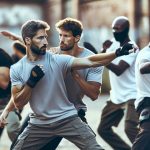

In an increasingly unpredictable world, the ability to defend oneself is more important than ever. By exploring the most effective martial arts for self-defense, you can equip yourself with skills that enhance both your safety and confidence. This article will delve into various styles, comparing their strengths in real-life scenarios, while emphasizing the importance of ethical considerations, such as legal limits and proportional responses. Understanding martial arts goes beyond physical techniques; it’s about empowering yourself to handle potentially dangerous situations with awareness and responsibility. Join us as we uncover which martial art stands out as the most effective for self-defense, allowing you to make an informed choice tailored to your needs and concerns.
What to Consider When Choosing a Martial Art for Self Defense
Choosing a martial art for self-defense is a pivotal decision that can impact not only your physical safety but also your mental preparedness in confrontational situations. A careful assessment of your personal circumstances, goals, and preferences is crucial in making the right choice. Consider the nature of your environment; urban settings may demand different skills than rural areas. Reflect on your physical capabilities-strength, flexibility, and endurance-as they play significant roles in the effectiveness of various martial arts styles.
One of the most vital factors is the philosophy underlying each martial art. Some styles, such as Krav Maga, emphasize practical self-defense techniques rooted in real-life scenarios, while others, like Brazilian Jiu-Jitsu, focus on grappling and submissions, which can be advantageous in close-quarters confrontations. Research the effective techniques of each martial art and how they apply to real-world situations. Training that includes situational awareness, avoidance tactics, and de-escalation strategies should also be on your radar as they can significantly reduce the chances of physical confrontation.
Ultimately, the choice of martial art should align with your comfort level and willingness to engage in physical training. Visit local dojos or training centers, observe classes, and speak to instructors and students about their experiences. Trust your instincts; the right environment will foster not only skill development but also confidence and personal growth. Before committing, evaluate the dojo’s focus on respect, ethics, and legality, ensuring they prioritize safety and responsible training.
Remember, self-defense is not just about techniques; it’s also about understanding the implications of using force. Legal considerations vary greatly by region, so familiarize yourself with the laws related to self-defense in your area. Always operate within the framework of ethical use of force, understanding that the ultimate goal is not to engage in violence but to neutralize threats effectively and safely.
Top Martial Arts Styles for Self Defense Effectiveness
Choosing an effective martial art for self-defense is crucial, as different styles offer varied approaches and techniques that suit specific situations. Below are some of the most effective martial arts you should consider, each with its unique strengths.
Krav Maga: Practical Self-Defense
Krav Maga stands out for its focus on real-life scenarios and practical defense techniques. Developed by the Israeli military, it emphasizes quick, decisive actions to neutralize threats. Students learn to defend against both armed and unarmed attackers, enhancing situational awareness and response efficiency. The training includes techniques like striking vulnerable points, escapes from grabs, and defending against weapons, making it a suitable choice for those seeking effectiveness in high-stress situations. Importantly, Krav Maga also incorporates de-escalation strategies, giving practitioners tools to avoid physical confrontation whenever possible.
Brazilian Jiu-Jitsu: Mastery on the Ground
Brazilian Jiu-Jitsu (BJJ) is renowned for its effectiveness in ground fighting, focusing on grappling and submissions. It teaches practitioners how to control opponents through leverage, making it especially useful in close-quarters encounters. BJJ is effective for individuals of all sizes, allowing smaller and weaker people to defend themselves against larger attackers. The emphasis on practical application in sparring sessions prepares students to handle real situations with confidence. Additionally, BJJ’s philosophy encourages the development of a calm demeanor under pressure, which can be beneficial in avoiding escalation.
Muay Thai: Power and Precision
Known as the “Art of Eight Limbs,” Muay Thai utilizes punches, kicks, elbows, and knee strikes, making it one of the most effective striking arts. Its rigorous training builds physical toughness and striking power, allowing practitioners to effectively defend themselves in various situations. The art also includes clinch work, enabling fighters to control opponents and create openings for effective strikes. With its focus on conditioning and practical techniques, Muay Thai equips individuals with the ability to handle assaults both standing and in clinched positions.
Boxing: Efficient Hand Skills
Boxing offers unmatched hand speed and footwork, training practitioners to react quickly and strike effectively. Essential skills include head movement, footwork, and powerful punches. The simplicity and effectiveness of its techniques make boxing an efficient way to defend oneself. Moreover, the rigorous training helps build self-discipline, improving mental preparedness for confrontational situations. Understanding basic boxing principles can significantly enhance one’s ability to avoid and escape dangerous encounters.
Mixed Martial Arts (MMA): Diverse Skill Set
MMA combines techniques from various martial arts, including striking and grappling disciplines. This versatility allows practitioners to adapt their skills to different situations, making it an excellent choice for self-defense. Training in MMA helps develop significant physical conditioning, strategic thinking, and the ability to perform under pressure. Understanding both standing and ground techniques can provide a comprehensive edge in unpredictable scenarios, empowering individuals to face multifaceted threats.
Selecting the right martial art for self-defense involves considering your unique needs, physical capabilities, and personal interests. Each of these styles offers practical self-defense applications, and training in them can enhance your overall confidence and readiness to respond effectively in real-world situations. Always remember that self-defense should prioritize safety, legality, and ethical considerations, striving to neutralize threats without unnecessary violence.
Krav Maga: The Ultimate Reality-Based Self Defense
Krav Maga was designed for real-world situations where danger is imminent, making it one of the most effective martial arts for self-defense. Originating from the Israeli military, it emphasizes instinctive reactions and efficient techniques, allowing practitioners to respond effectively under pressure. Through training, individuals learn to assess threats quickly, neutralize attacks rapidly, and escape dangerous situations with a focus on maintaining their safety.
Among its most important features is the training in situational awareness. Unlike traditional martial arts, Krav Maga stresses the understanding of one’s environment to prevent conflicts before they escalate. Students practice defending against various threats-including unarmed and armed attackers-using techniques such as eye gouges, strikes to vital areas, and weapon disarms. This makes it a practical choice for those who may encounter high-stress scenarios, ensuring that they are prepared to act decisively when necessary.
The structured curriculum also incorporates de-escalation strategies, enabling practitioners to diffuse potentially violent situations without resorting to physical confrontation. For example, learners are taught verbal skills and body language cues that can help avoid aggression. Should a scenario escalate despite these efforts, training focuses on responding with proportionate force, a critical aspect that acknowledges the importance of legal and ethical considerations in self-defense. Understanding the legal implications of using force, including state-specific laws, is an integral part of Krav Maga training, ensuring practitioners can confidently defend themselves while navigating the complexities of self-defense laws.
Practicing Krav Maga can significantly enhance personal confidence and physical fitness while empowering individuals to take control in threatening scenarios. However, it’s crucial to approach training with respect for the serious nature of self-defense. This includes understanding that the goal is not to engage in violence, but rather to protect oneself effectively and responsibly. A well-trained student is aware of both their capabilities and the potential consequences of their actions, allowing for a balanced approach to self-defense that prioritizes safety and legality above all.
Brazilian Jiu-Jitsu: Ground Fighting for Real Situations
Brazilian Jiu-Jitsu (BJJ) has gained recognition as one of the most effective martial arts for self-defense, especially in situations where a physical confrontation goes to the ground. What sets BJJ apart is its focus on leverage and technique over brute strength, allowing smaller individuals to defend themselves against larger opponents. This emphasis on ground fighting and submission techniques equips practitioners with the tools to escape dangerous scenarios, control aggressive attackers, and subdue threats without causing serious harm.
BJJ teaches a variety of techniques that are applicable in real-life situations. These include guard positions, joint locks, and chokes, which can neutralize an opponent while minimizing the risk of injury to oneself. This is particularly important when considering the legal implications of self-defense-using BJJ’s techniques allows for a proportional response to threats, focusing on restraint rather than escalation. For instance, if confronted in an aggressive manner, a BJJ practitioner can employ techniques to control the aggressor while avoiding further violence, demonstrating self-defense without crossing legal boundaries.
Key Self-Defense Principles in BJJ
- Leverage Over Strength: BJJ techniques leverage body mechanics to control and submit an opponent, making it accessible for people of all sizes.
- Situational Awareness: Training emphasizes understanding your environment and the dynamics of a confrontation, enabling practitioners to make split-second decisions.
- De-escalation Focus: Before engaging physically, BJJ practitioners are often taught to verbally de-escalate situations whenever possible, reinforcing the need for safety and responsible self-defense.
Real-life scenarios often highlight the effectiveness of BJJ in self-defense. Consider a situation where an attacker ambushes an individual in a parking lot. A BJJ practitioner trained in ground fighting would know how to navigate the confrontation to maintain safety, utilizing techniques to break free and escape or control the aggressor until help arrives. Such training prepares individuals not only to handle physical threats but to remain calm and collected under pressure.
While Brazilian Jiu-Jitsu can be an incredibly effective self-defense system, it is essential to balance the skills learned with an understanding of the potential legal ramifications. Practitioners should be well-versed in local self-defense laws, recognizing the importance of responding with appropriate force and de-escalation strategies to avoid unnecessary legal consequences. In summary, Brazilian Jiu-Jitsu empowers individuals to handle physical confrontations thoughtfully and effectively, blending foundational self-defense principles with practical techniques to navigate real-world scenarios safely.
Muay Thai: Striking Power and Defensive Techniques
In self-defense scenarios, mastering an effective striking art can significantly enhance your ability to protect yourself. Muay Thai, often referred to as the “Art of Eight Limbs,” utilizes not just fists but also elbows, knees, and shins, creating formidable striking options that can incapacitate an aggressor effectively. This versatility makes Muay Thai a powerful tool for self-defense, providing techniques that are straightforward and effective in real-world situations.
One key aspect of Muay Thai is its emphasis on both offense and defense. Practitioners learn to absorb strikes while effectively countering with their own. This dual approach is essential in self-defense, where situations can escalate quickly. For instance, using shoulder rolls and defensive stances, a Muay Thai practitioner can avoid incoming strikes while positioning themselves to strike back decisively. The focus on conditioning and power also means that a well-placed elbow or knee can end a confrontation swiftly, reinforcing the importance of aiming for vulnerable areas like the head, ribs, or knees.
Essential Techniques for Self-Defense
Alongside effective striking, Muay Thai provides techniques to manage distance and timing-critical elements in a self-defense encounter. Key techniques include:
- Knees: Used effectively in close range to destabilize an attacker and create a chance for escape.
- Elbows: Powerful and destructive, effective for close-quarter engagements.
- Teep Kick: A front kick that can keep an aggressor at bay, creating distance when needed.
- Defensive Techniques: Such as clinches that control an opponent’s movement and redirect attacks.
Safety and Legal Considerations
While Muay Thai is undoubtedly effective, it’s crucial to approach self-defense hierarchically – understanding the legal implications of your actions is a must. Using significant force in self-defense should always be proportionate to the threat faced. Practicing de-escalation techniques alongside your Muay Thai training can help mitigate confrontations before they become physical.
In real-life scenarios, it’s essential to remain calm and assess the situation. For example, if approached aggressively, employing footwork to escape or using verbal assertiveness to de-escalate the situation should be your first steps. This cautious approach exemplifies responsible self-defense-using necessary force only when absolutely required.
Muay Thai not only builds striking power but also enhances situational awareness and confidence. The skills honed in training can translate to effective real-world applications, empowering individuals to defend themselves while recognizing the weight of their actions. In this martial art, the blend of power, technique, and a deep understanding of the legality of self-defense create a robust framework for personal safety.
Boxing Basics: Unmatched Hand Skills for Self Defense
In a world where physical confrontations can arise unexpectedly, mastering the art of boxing can provide a vital tool for self-defense. Renowned for enhancing hand speed, precision, and striking power, boxing equips individuals with essential skills that help them navigate real-life encounters more effectively. The discipline not only focuses on delivering powerful punches but also emphasizes the importance of footwork and head movement, allowing practitioners to evade strikes and counterattack with confidence.
Boxing training typically hones several key attributes that contribute to effective self-defense:
- Hand Speed: Quick, explosive punches can catch an opponent off-guard, creating openings for effective strikes.
- Footwork: Evasive maneuvers and pivoting are central to boxing, enabling practitioners to maintain distance and avoid incoming attacks.
- Defense Techniques: Skills such as slipping, bobbing, and weaving enhance one’s ability to evade punches while simultaneously positioning for a counter.
Legal and Ethical Considerations
As with any martial art, understanding the legal landscape surrounding self-defense is paramount. In many jurisdictions, the legal principle of proportionality applies, meaning that the level of force used in defense must correspond to the threat presented. Practicing boxing can indeed sharpen reflexes and increase confidence, but it’s crucial to approach situations with the intent to avoid getting involved in a physical altercation whenever possible. Instead, use verbal de-escalation techniques or body language that communicates assertiveness without aggression.
In real-world scenarios, a well-timed jab or a solid defense can help create an opportunity to escape rather than engaging in prolonged confrontation. For instance, if confronted by an aggressor, utilizing boxing footwork to maneuver out of harm’s way gives you the upper hand while preserving your safety. Remember that the ultimate aim of self-defense is not just to defend oneself, but to safely disengage from the threat and seek help if necessary. Boxing, when trained with this mindset, can be an empowering practice that promotes not only physical readiness but also mental clarity in handling confrontational situations.
Mixed Martial Arts (MMA): Combining Techniques for Versatility
In today’s unpredictable world, being equipped with a versatile self-defense strategy can make all the difference. Mixed Martial Arts (MMA) encompasses a broad range of techniques that blend striking and grappling skills from various martial arts disciplines. This combination allows practitioners not only to adapt to different fighting situations but also to employ the most effective strategies for self-defense.
MMA training focuses on key skills that are integral for real-world encounters, including stand-up striking from disciplines like Muay Thai and Boxing, as well as ground fighting techniques from Brazilian Jiu-Jitsu and wrestling. This multifaceted approach equips individuals with the ability to respond effectively, regardless of whether an altercation starts on their feet or transitions to the ground.
- Adaptability: The ability to switch between striking and grappling techniques equips practitioners to effectively respond to an opponent’s actions.
- Situational Awareness: MMA training emphasizes the importance of environmental awareness, helping individuals assess their surroundings and avoid potential threats.
- De-escalation Skills: While MMA teaches combat techniques, it also incorporates principles of control and restraint, encouraging practitioners to prioritize avoidance and de-escalation of conflicts whenever possible.
However, it’s crucial to approach self-defense with an understanding of legal and ethical responsibilities. The principle of proportionality remains essential; any defensive action should align with the level of threat encountered. During training, MMA practitioners learn to assess situations, prioritize safety, and employ restraint. In a real confrontation, using techniques that allow for disengagement rather than escalation can significantly enhance one’s safety and legal standing. Ultimately, the aim of training in MMA should be empowering individuals to protect themselves while fostering a clear mindset focused on de-escalation and responsible action.
Self Defense Legal Considerations and Responsibilities
In the realm of self-defense, understanding the legal landscape is paramount. Engaging in a physical altercation can lead to serious legal repercussions, even if you believe you’re acting in self-defense. The first principle to grasp is that self-defense laws vary by jurisdiction; thus, it’s essential to familiarize yourself with the regulations in your area. For instance, some states follow the “stand your ground” law, allowing individuals to defend themselves without a duty to retreat, while others implement a “duty to retreat” principle before using force.
Legal definitions of reasonable force must also be considered. In many jurisdictions, the concept of proportionality is crucial; the level of force used in self-defense should correlate directly with the threat faced. If an assailant threatens you verbally without any physical aggression, responding with excessive force could be deemed unlawful. Training within your martial arts discipline can provide insights into when to diffuse a situation versus when to engage physically. For example, Krav Maga emphasizes de-escalation and awareness, teaching practitioners to avoid confrontations and use only necessary force if attacked.
Moreover, having a clear understanding of the distinction between self-defense and aggression is essential. Using martial arts techniques should not focus on retaliation but rather on neutralizing a threat safely. This understanding can help mitigate potential legal issues. A practical approach involves practicing various scenarios within your training to recognize the fine line between defensive action and unlawful aggression. Documenting these training experiences can also aid in establishing a commitment to non-violence when recounting an incident to authorities.
Ultimately, participating in martial arts equips individuals with not just physical skills, but invaluable insights into legal and ethical responsibility in self-defense situations. The emphasis on control and restraint fosters a mindset oriented towards conflict avoidance, which is vital both legally and morally. Remember, the objective is to empower oneself while always considering the serious implications of engaging in physical confrontations.
Weapons Training for Self Defense: Pros and Cons
In the realm of self-defense, the option of weapons training presents a dual-edged sword that requires careful consideration. While certain weapons can provide an added layer of protection, their use also comes with significant legal, ethical, and practical implications that must be understood fully.
Advantages of Weapons Training
Weapons training can enhance your self-defense capabilities by offering tools that may allow for effective deterrence against larger or more aggressive attackers. For instance, tools such as pepper spray or personal alarms can be used to incapacitate an assailant temporarily, providing crucial seconds to escape. Additionally, studies suggest that individuals trained in firearms can feel a greater sense of security, which can positively impact their confidence when navigating potentially dangerous situations. When taught properly in structured environments, weapons training emphasizes key components like accuracy, responsible usage, and the importance of de-escalation.
However, possessing a weapon necessitates a heightened awareness of legal responsibilities. Understanding the laws in your jurisdiction regarding weapon ownership and usage is critical. For example, in some states, lethal force is only justified when there is a direct and imminent threat to one’s life. Thus, training not only involves learning to use a weapon but also understanding when it is appropriate to resort to that level of force.
Disadvantages and Risks
Conversely, the introduction of weapons into self-defense scenarios can lead to increased risks and complications. The potential for accidental injury, inadvertent escalation of a confrontation, or misuse of a weapon can have severe consequences, both legally and physically. For example, if an individual brandishes a weapon without just cause, they could face criminal charges or civil lawsuits.
Moreover, there is a psychological element to consider. The reliance on weapons may lead some individuals to pursue aggressive confrontations instead of focusing on de-escalation tactics or avoidance, fundamentally altering their approach to safety. Fear and anxiety surrounding the responsibility of wielding a weapon can also impede clear thinking in high-pressure situations.
Making an Informed Decision
Ultimately, the decision to include weapons training in your self-defense repertoire should be based on a thorough understanding of both the benefits and drawbacks, and a commitment to ethical and responsible usage. Use realistic scenarios in your training to explore the potential consequences of weapon usage versus barehanded self-defense techniques, which can often resolve situations without escalation.
Consider consulting local laws and taking part in classes that emphasize responsible carrying and usage of self-defense tools. Self-defense should always prioritize safety and a clear understanding of when to engage or withdraw-empowering individuals to protect themselves while being aware of their legal and moral responsibilities.
Real-Life Scenarios: Applying Martial Arts in Defense
In real-life self-defense scenarios, the application of martial arts techniques can often mean the difference between safety and danger. Understanding how to utilize these techniques effectively relies on situational awareness, reflexes, and, importantly, the legal ramifications of any defensive actions taken. For instance, a person might find themselves confronted on a dark street while traveling alone. The instinctive reactions trained in martial arts, such as creating distance, using verbal de-escalation, or employing basic defensive strikes, become crucial.
When faced with an aggressive attacker, knowledge of specific martial arts styles can immensely enhance your defensive response. For example, the principles of Krav Maga emphasize neutralizing threats in high-pressure situations, focusing on real-world applicability over sport. This means practicing how to quickly evade an incoming attack while targeting an assailant’s vulnerable areas, such as eyes or joints, can effectively mitigate an immediate threat. In contrast, Brazilian Jiu-Jitsu offers techniques geared towards ground fighting, ensuring that even if an altercation is taken to the ground, individuals can defend themselves effectively. This grappling knowledge is vital in situations where the confrontational dynamic might turn physical and close-range.
Equally important is the awareness of how self-defense actions may be perceived legally. The legal concept of proportional force dictates that any response must match the threat level faced. For instance, if an aggressor is unarmed and posing a verbal threat, responding with lethal force can result in legal repercussions, including charges of assault or worse. It’s essential to understand local self-defense laws and engage in appropriate training that emphasizes not only physical techniques but also the legal responsibilities associated with self-defense actions.
Practical training scenarios that integrate both situational role-playing and legal guidelines can prepare individuals for real threats while fostering confidence. Additionally, it is beneficial to educate oneself on effectively using non-violent means, like de-escalating a confrontation or employing simple self-defense tools that do not carry the same legal implications as physical defense. Ultimately, martial arts can empower individuals to protect themselves while fostering an understanding of ethical self-defense practices and their implications, ensuring that any defensive action taken is both appropriate and justified.
De-escalation Techniques: Preventing Physical Confrontations
In a world where conflicts can escalate quickly, having the ability to de-escalate a situation is invaluable. De-escalation techniques are proactive strategies that allow individuals to diffuse potential confrontations before they become physical. These skills are particularly crucial for anyone interested in self-defense, as they emphasize safety and legality while minimizing the risk of harm. Learning how to navigate tense situations can not only protect you but also instill confidence in your ability to handle conflicts responsibly.
One essential approach to de-escalation involves effective communication. Engaging in calm, respectful dialogue can significantly alter the mood of an interaction. Here are practical strategies to consider:
- Stay Calm: Your demeanor sets the tone. Maintain a steady voice and composed body language.
- Listen Actively: Allow the other person to express themselves. Sometimes, feeling heard can alleviate tension.
- Empathize: Acknowledge the other person’s feelings. Use phrases like, “I understand why you feel this way.” This can build rapport.
- Avoid Escalating Language: Stay away from confrontational or accusatory terms. Instead, use “I” statements to express how you feel.
In addition to verbal techniques, it’s beneficial to maintain a safe physical distance. This not only shows respect for personal space but also provides an exit route if needed. Keep your hands visible and relaxed to avoid appearing threatening. If an aggression seems imminent, look for ways to exit the situation safely rather than engage physically.
Understanding local laws regarding self-defense is also vital. For instance, knowing when and how you can safely retreat or when it might be permissible to defend yourself can keep you within legal boundaries. Many self-defense courses that emphasize de-escalation also cover these legal aspects, helping you navigate the often complex terrain of self-defense laws.
By integrating these de-escalation techniques into your personal safety toolkit, you not only enhance your self-defense skills but also contribute to a culture of respect and safety. After all, the best confrontation is the one that is avoided entirely, allowing you to walk away unharmed-physically and legally.
Training Safely: Finding the Right Dojo or School
Choosing the right dojo or martial arts school is crucial in ensuring that your journey toward self-defense mastery is both effective and safe. The right environment not only enhances learning but also emphasizes responsible practices that are respectful of the serious nature of self-defense. As you embark on this journey, consider several key factors that will help you find a training facility that aligns with your goals and values.
First and foremost, research the instructor’s qualifications. A skilled instructor should not only be proficient in the martial arts style they teach but also have experience in self-defense scenarios. Look for someone who emphasizes safety, respects the legal responsibilities of using force, and fosters an environment where students learn to prioritize de-escalation techniques. Consider asking about their teaching philosophy and how they address the ethical implications of martial arts.
Next, observe a class before committing. Pay attention to the dojo’s atmosphere. Is it respectful and focused, or does it glorify violence? A good dojo should facilitate a supportive environment where students can learn and ask questions without fear of judgment. Additionally, assess the class size. Smaller classes often allow for more individualized attention, which can enhance safety and understanding of techniques.
Another key consideration is the school’s curriculum. Ensure that it covers not only the physical techniques of self-defense but also the legal aspects and ethical considerations of using force. This knowledge will equip you to respond proportionally in real-world situations. Schools that incorporate scenario training can provide valuable insights into how to react under pressure, making the practice more relevant and practical.
Finally, don’t hesitate to explore different schools. Each dojo may have a unique approach or specialty, whether it’s a focus on ground fighting, striking, or self-defense tactics. Feel free to ask about trial classes, which can provide a firsthand experience of their training methodologies. Remember, the goal is not just to learn self-defense but to engage in an enriching educational experience that builds your confidence and knowledge while keeping safety as a priority.
Incorporating these considerations into your search will help ensure that you find a dojo that supports your aspirations in a responsible and ethical manner.
Faq
Q: What are the key factors to consider when choosing a martial art for self-defense?
A: When choosing a martial art for self-defense, consider factors such as *personal safety, physical fitness level, and availability of classes*. Look for a style that includes practical techniques, teaches situational awareness, and emphasizes *de-escalation* to prepare for real-life encounters.
Q: How does Krav Maga compare to Brazilian Jiu-Jitsu for self-defense?
A: *Krav Maga* focuses on real-world scenarios and quick techniques for self-defense, while *Brazilian Jiu-Jitsu (BJJ)* emphasizes ground fighting and grappling. If your goal is to handle multiple attackers and various situations, Krav Maga may be more effective; however, BJJ excels in one-on-one combat and control techniques.
Q: Can self-defense techniques be learned without prior martial arts experience?
A: Yes, self-defense techniques can be learned by anyone without prior martial arts experience. Many schools offer beginner classes that focus on *basic defense skills*, situational awareness, and effective techniques tailored for newcomers. It’s important to practice with a trained instructor to develop confidence and competence.
Q: What is the best way to train for self-defense situations?
A: The best way to train for self-defense is to engage in both *physical training* and *mental preparation*. This includes practicing techniques in realistic scenarios, enhancing fitness, and learning to remain calm under pressure. Regularly attending classes or workshops can also enhance your skills.
Q: Are there legal considerations when using self-defense techniques?
A: Yes, legal considerations are crucial in self-defense situations. Always understand the laws regarding *self-defense in your area*, including what constitutes reasonable force. It’s important to be aware of your legal responsibilities and the consequences of your actions during confrontations.
Q: How effective is Mixed Martial Arts (MMA) for real-world self-defense?
A: *Mixed Martial Arts (MMA)* is highly effective for self-defense because it combines multiple disciplines, including striking and grappling. MMA training develops versatility, physical fitness, and adaptability in various situations, making practitioners well-equipped to handle unexpected encounters.
Q: Should I use weapons for self-defense training, and what are the pros and cons?
A: Using weapons for self-defense training can be beneficial, but it requires responsible handling and understanding of legal implications. Pros include increased range and deterrence, while cons involve the potential for escalation and legal consequences. Always consider training in effective de-escalation techniques alongside weapons practice for comprehensive safety.
Q: What role does de-escalation play in self-defense?
A: *De-escalation* plays a crucial role in self-defense by aiming to diffuse a potentially violent situation before it escalates. Techniques include using calm communication, body language, and strategic retreat. Emphasizing de-escalation can prevent confrontations from becoming physical and enhance overall safety.
The Way Forward
As you consider the most effective martial art for self-defense, remember that the right choice enhances not only your ability to protect yourself but also empowers your confidence and awareness. Whether you lean towards the practical techniques of Krav Maga or the comprehensive training in Brazilian Jiu-Jitsu, understanding the legal implications and ethical responsibilities is key. If you have questions about safety protocols or specific scenarios, we’ve got you covered. Explore our guides on legal self-defense, martial arts training, or weapon specifications to broaden your knowledge and preparedness.
Ready to take the next step? Sign up for our newsletter to get exclusive tips and resources directly to your inbox, ensuring you stay informed and ready. Don’t forget to check out our detailed comparisons and state-specific legal guidelines available on our site. Your journey into self-defense begins with informed choices-visit us today and empower yourself for a safer tomorrow!