
In today’s unpredictable world, understanding self-defense is more crucial than ever. Each year, countless individuals seek ways to protect themselves, and the right martial art can empower them to face threats with confidence. However, not all martial arts are equally effective for self-defense. Some emphasize striking, while others focus on grappling or situational awareness. This article ranks popular martial arts styles based on their self-defense effectiveness, practicality, and ease of learning. Whether you’re a beginner or looking to enhance your skills, understanding the strengths of various martial arts can guide you toward the most suitable choice for your safety needs. Stay with us as we explore the best options to help you navigate real-world confrontations responsibly and effectively.
Understanding Self-Defense: The Basics of Martial Arts
In a world where personal safety can feel increasingly uncertain, understanding the basics of martial arts as a form of self-defense is more crucial than ever. Martial arts offer various methods not only to defend oneself but also to instill confidence and self-discipline. These practices teach not only physical techniques but also mental strategies for handling potentially dangerous situations. Importantly, self-defense is not solely about fighting; it encompasses awareness and avoidance strategies that can de-escalate confrontations before they turn violent.
Martial arts provide individuals with the tools to respond effectively in real-life scenarios. The techniques learned focus on using one’s strength and skill to counter aggression, but they also emphasize the importance of assessing situations where physical engagement is necessary. Practitioners are trained to understand their legal obligations during a self-defense encounter, ensuring that their actions are appropriate and proportionate to the threat faced. This understanding of legal boundaries is as critical as developing physical skills. Self-defense is not just about the ability to strike or grapple; it’s about making informed decisions in high-pressure moments.
Training in martial arts involves rigorous practice of techniques that can apply to various situations, whether it’s grappling with an attacker on the ground in Brazilian Jiu-Jitsu or defending against strikes with effective footwork learned in boxing. While physical techniques are essential, the true essence of self-defense lies in cultivating a prepared mindset-being aware of surroundings, recognizing potential threats, and knowing how to react in diverse scenarios. This balance of mental acuity and physical readiness ultimately empowers individuals to navigate their environments with greater confidence.
In sum, martial arts serve as a comprehensive approach to self-defense by merging physical skill training, legal knowledge, and mental readiness. Its practitioners not only learn about defending themselves but also about the ethical implications of their actions. They develop a nuanced understanding of personal safety, empowering them to make informed decisions that prioritize avoiding conflict whenever possible. To this end, the journey into martial arts can fundamentally enhance one’s capability to handle both immediate threats and the complexities of everyday interpersonal interactions.
Top Martial Arts Styles for Self-Defense: An Overview
In today’s landscape, where personal safety can often feel precarious, knowing which martial arts styles are most effective for self-defense is invaluable. Each martial art offers unique techniques and philosophies, catering to various strengths and preferences. Below is an overview of several top martial arts styles renowned for their effectiveness in self-defense scenarios.
Krav Maga
Considered by many as the ultimate self-defense system, Krav Maga integrates techniques from various martial arts to develop practical self-defense skills. Originating from Israeli military training, it emphasizes real-world scenarios and focuses on quick, efficient methods to neutralize threats. One of its key principles is to aim for essential target areas like the eyes and groin to incapacitate an attacker swiftly. Krav Maga also teaches situational awareness and de-escalation techniques, underscoring the importance of avoiding confrontation whenever possible.
Brazilian Jiu-Jitsu (BJJ)
Brazilian Jiu-Jitsu (BJJ) is particularly effective for real-world situations involving ground fighting. It teaches individuals how to manage larger, stronger opponents through leverage and technique rather than brute strength. BJJ focuses on takedowns, submissions, and positional control, allowing practitioners to defend themselves even on the ground. This art is particularly advantageous as it emphasizes the importance of staying calm under pressure and using an opponent’s energy against them.
Muay Thai
Known as the “Art of Eight Limbs,” Muay Thai employs punches, kicks, elbows, and knee strikes, making it a comprehensive striking art. The high-intensity training improves conditioning, striking power, and defensive maneuvers. Muay Thai fighters learn to combine aggressive strikes with effective clinch work, making it practical for self-defense against multiple types of attacks. Awareness and timing are integral components, allowing practitioners to effectively gauge an opponent’s movements.
Boxing
With a focus on footwork, head movement, and striking, boxing provides individuals with essential skills for self-defense. It teaches effective blocking and countering techniques that can deflect potential attacks. The discipline involved in boxing fosters mental resilience, enhancing a person’s ability to respond effectively in high-stress environments. Moreover, the emphasis on speed and precision can help practitioners create openings for escape or defense.
Karate
Traditional Karate may also serve as a viable self-defense option, emphasizing striking techniques and self-discipline. While it includes many traditional stances and kata (forms), practical applications focus on quick, impactful strikes and footwork techniques. Karate instills confidence and awareness in practitioners, teaching them how to create distance and control situations effectively, although it may be viewed as less adaptable compared to more modern systems.
Aikido
Aikido differentiates itself by focusing on using an opponent’s energy against them rather than meeting force with force. Aikido techniques involve joint locks, throws, and counters that redirect attacks. This approach is particularly beneficial for individuals who may not possess the physical strength necessary for traditional fighting methods. Aikido emphasizes de-escalation and controlling a situation through fluid movements and soft techniques, promoting a non-violent resolution.
| Martial Art | Main Focus | Strengths |
|---|---|---|
| Krav Maga | Real-world self-defense | Quick neutralization, situational awareness |
| Brazilian Jiu-Jitsu | Ground fighting | Leverage against larger opponents, submissions |
| Muay Thai | Striking | Powerful strikes, clinch work |
| Boxing | Striking and footwork | Speed, precision, defensive skills |
| Karate | Striking and forms | Confidence, distance management |
| Aikido | Energy redirection | Non-violent resolutions, control |
Each martial art carries its benefits and suitable scenarios for self-defense. Evaluating these styles against personal needs, physical abilities, and local legal considerations can help you make an informed choice. Ultimately, the goal of self-defense training is not just to prepare for physical confrontation but to instill confidence and awareness, ensuring that practitioners can navigate potential threats safely and responsibly.
Krav Maga: The Ultimate Self-Defense System
In an ever-changing world where personal safety is a pressing concern, Krav Maga stands out as a highly effective self-defense system. Developed by the Israeli military, it synthesizes techniques from various martial arts to equip practitioners with skills tailored for real-life confrontations. One key feature of Krav Maga is its focus on rapid, decisive actions that aim to neutralize threats before they escalate. By training students to strike at vulnerable targets such as the eyes, throat, and groin, it empowers individuals to incapacitate aggressors quickly and effectively.
A major strength of Krav Maga lies in its emphasis on situational awareness. This is not just about physical techniques; practitioners learn to assess their environment and recognize potential dangers before they arise. De-escalation techniques are equally fundamental to the training. Students are taught to avoid confrontation whenever possible, reinforcing that self-defense is not merely about fighting but often about diffusing a situation peacefully. Understanding legal implications also forms a crucial part of the curriculum, as knowing the boundaries of appropriate self-defense is essential for responsible practice.
Besides physical techniques, Krav Maga cultivates mental preparedness and resilience. Trainees face realistic scenarios that simulate the adrenaline and stress of actual confrontations, allowing them to develop confidence in their ability to respond under pressure. This approach ensures that practitioners not only learn to defend themselves but also understand when and how to apply their skills appropriately.
Overall, Krav Maga is a system designed for efficiency and practicality. It’s about equipping everyday people, regardless of size or strength, to protect themselves in dangerous situations. As with any self-defense training, continuous practice, legal knowledge, and a commitment to ethical principles are crucial for maximizing safety and effectiveness.
Brazilian Jiu-Jitsu: Grappling for Real-World Situations
In self-defense situations, Brazilian Jiu-Jitsu (BJJ) stands out due to its focus on grappling techniques that enable individuals to neutralize threats without relying on striking. This martial art emphasizes leverage and technique, allowing smaller or weaker practitioners to defend against larger attackers effectively. With a foundation built on submissions, positional control, and escapes, BJJ teaches students how to manage confrontations in close quarters, emphasizing ground fighting strategies that are essential in real-world incidents.
Key Techniques and Concepts in BJJ
Practitioners learn various techniques that focus on controlling an opponent through joint locks and chokeholds. The ability to transition between positions-such as moving from guard to mount-provides a tactical advantage in a conflict where striking may not be feasible or safe. Common techniques include:
- Guard Position: This defensive posture allows a practitioner to control an opponent’s movements and set up submissions while minimizing exposure to strikes.
- Chokeholds: Techniques such as the rear-naked choke can effectively incapacitate an aggressor without causing permanent harm, aligning with the ethical considerations of self-defense.
- Joint Locks: These can immobilize or discourage an attacker without relying on brute strength.
Real-World Application and Safety Considerations
In actual confrontations, the principles of BJJ provide a framework to prioritize safety. Practitioners are trained not only in offensive maneuvers but also in how to de-escalate situations. Knowing when to apply techniques and recognizing the legal ramifications of physical interactions are critical components of training. For example, BJJ emphasizes understanding how to use self-defense reasonably and proportionally, aligning with legal standards for using force.
Furthermore, it prepares practitioners for scenarios in which an escape may be preferable to engaging an opponent physically. The focus on ground control allows individuals to create space and disengage from potentially harmful situations safely.
By integrating BJJ into self-defense preparation, individuals equip themselves with unique skills that promote both confidence and responsibility. It fosters an understanding that self-defense is not solely about fighting but about navigating the complexities of personal safety and legal obligations. As with any martial art, ongoing practice and situational awareness are essential for maintaining effectiveness and ensuring a commitment to ethical conduct in all self-defense situations.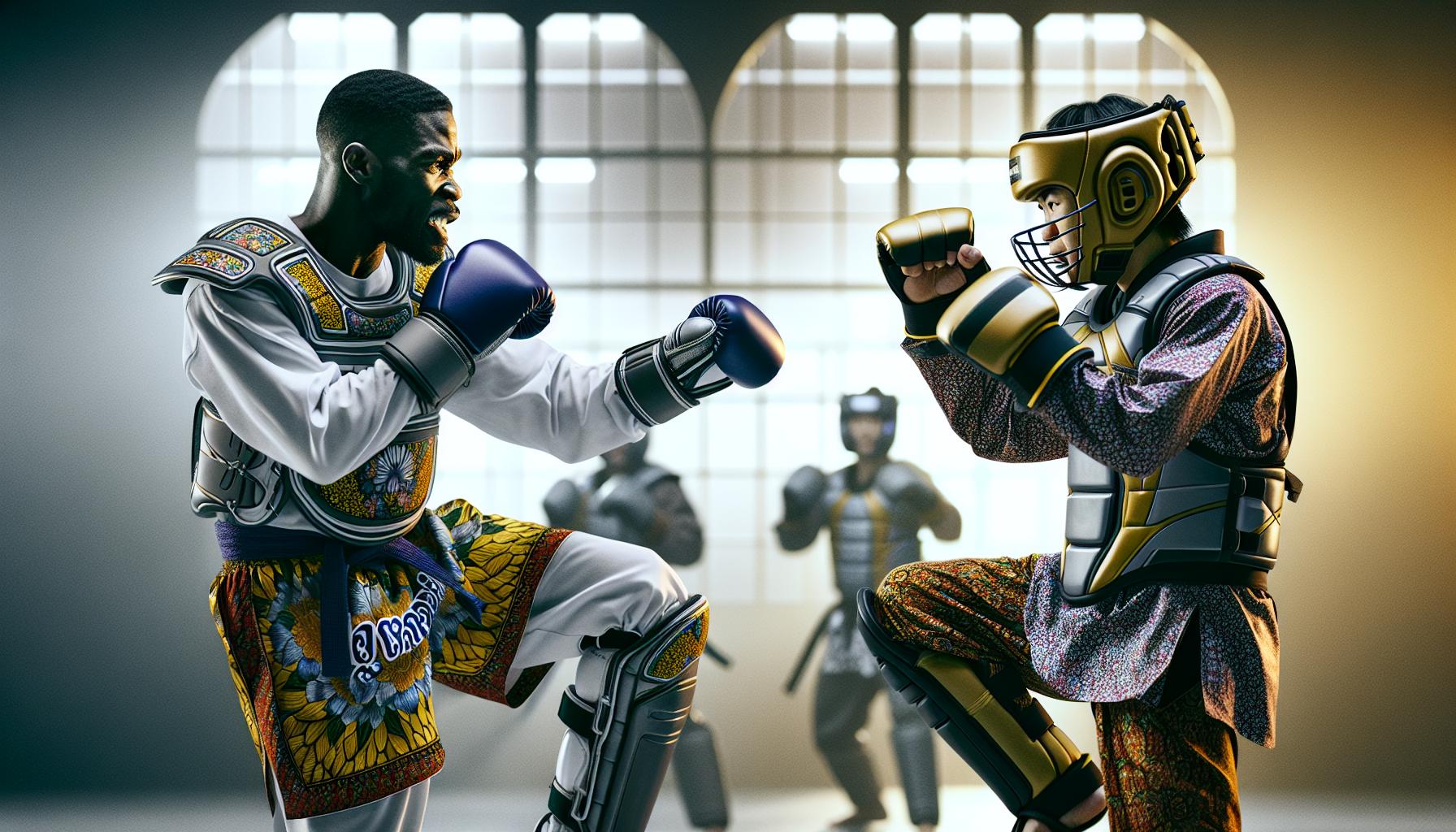
Muay Thai: Striking Techniques for Combat
Striking is a vital component of self-defense, and Muay Thai excels in teaching effective striking techniques that can help individuals defend themselves in real-world scenarios. This martial art, often referred to as the “Art of Eight Limbs,” utilizes punches, elbows, knees, and kicks, allowing practitioners to engage an opponent while maximizing their offensive and defensive capabilities. Its effectiveness lies not just in the power of the strikes, but in the comprehensive training that develops timing, distance, and accuracy.
One of the critical aspects of Muay Thai for self-defense is its emphasis on close-range combat. Practitioners learn to use their bodies as weapons, delivering powerful strikes that can deter or incapacitate an attacker. The incorporation of elbows and knees offers distinct advantages in a confrontation, particularly when grappling occurs or when striking from within a close distance. For example, if an attacker closes the gap, a well-timed knee strike can be devastating, providing the defender an opportunity to escape.
Key Techniques and Concepts in Muay Thai
To effectively utilize Muay Thai in self-defense, a few fundamental techniques should be mastered:
- Roundhouse Kick: A powerful kick that targets the opponent’s legs, torso, or head, it can be devastating and provides a quick option for distance management.
- Elbow Strikes: These short-range strikes can be used effectively in close quarters, allowing practitioners to maintain control and deliver forceful hits to an aggressor.
- Knee Strikes: Similar to elbows, knee strikes are effective when facing an opponent head-on or in grappling situations, delivering significant impact to the abdomen or face.
Legal Considerations and Safety Protocols
Understanding when and how to apply Muay Thai techniques responsibly is essential. Self-defense laws vary significantly by location. Practitioners must adhere to principles of proportionality-only using the necessary force to deter a threat. For example, if faced with an unarmed aggressor, responding with strikes that could cause serious injury may exceed legal limits and lead to personal liability.
Practicing situational awareness is equally vital. Effective self-defense begins with avoiding confrontation whenever possible. Muay Thai training also includes drills designed to simulate real-life situations, helping practitioners develop instincts about when to engage or disengage. Empowerment through knowledge is key; understanding the legal landscape surrounding self-defense actions can help individuals navigate potential situations more safely.
In summary, Muay Thai offers valuable striking techniques that can enhance personal safety. By emphasizing responsible use of force, legal considerations, and awareness of surroundings, practitioners are better equipped to protect themselves and handle confrontations ethically and effectively. Engaging in continued training not only builds physical skill but also instills a deep understanding of the martial art’s philosophy of respecting oneself and others in the context of self-defense.
Boxing: Footwork and Defense in Self-Protection
Boxing is often lauded not just for its striking techniques but also for its exceptional focus on footwork and defensive maneuvers, which are crucial elements in self-protection. Many people underestimate the power of movement; however, in a confrontation, being able to position oneself effectively can be just as important as delivering a strong punch. Proper footwork allows practitioners to evade attacks, create distance, and set up their own offensive moves. Additionally, boxing teaches valuable defensive skills, including head movement, blocking, and counterattacking, all of which can significantly enhance personal safety.
A cornerstone of effective boxing is understanding the dynamics of distance and timing. By developing these skills, practitioners can respond more efficiently to an aggressor’s movements. For instance, using lateral movements to sidestep an opponent can create openings for counterattacks while minimizing the risk of getting hit. Here’s a breakdown of key boxing techniques that emphasize footwork and defense:
Essential Techniques for Self-Defense in Boxing
- Jab: The jab isn’t just an offensive tool; it’s also critical for maintaining distance and gauging an opponent’s reach.
- Footwork Drills: Practicing shuffling, pivoting, and lateral movements can dramatically improve agility and response times in stressful situations.
- Defensive Maneuvers: Techniques such as slipping and parrying teach how to evade attacks effectively while remaining in a position to counter.
Legal Considerations and Ethical Self-Defense
As with all forms of self-defense, understanding the legal limits of using boxing techniques is vital. Practitioners must remember that any response should be proportional to the threat posed. For example, retaliating with excessive force against an unarmed assailant could have serious legal consequences. It’s essential to train under the guidance of experienced instructors who emphasize not only technical skills but also the importance of legality and ethical considerations. Legally, self-defense actions must reflect minimal force necessary for protection.
The most effective self-defense often starts outside of physical confrontation. Engaging in de-escalation techniques-such as communicating calmly or finding an exit-may prevent the need for physical engagement altogether. Empowering oneself means understanding both how to react physically and the legal and moral implications of those actions. As practitioners refine their skills in the ring, they also build confidence and a clear understanding of when to engage, when to disengage, and how to navigate potentially dangerous situations respectfully and wisely.
Karate: Traditional Techniques for Modern Safety
Karate is a martial art steeped in tradition, yet its principles and techniques are remarkably applicable to modern self-defense scenarios. Originating from Japan, Karate emphasizes striking techniques such as punches, kicks, and knee strikes, as well as strong defensive postures. One of the key aspects of Karate that makes it suitable for self-defense is its focus on quick, powerful movements that can incapacitate an aggressor without excessive force, embodying the principle of proportionality which is crucial in self-defense situations.
A fundamental component of Karate training is the development of situational awareness. Practitioners learn to assess their environment and potential threats before a confrontation escalates. This proactive approach includes recognizing aggressive behavior and employing de-escalation techniques such as calm communication and positioning. However, if verbal tactics fail, Karate forms a strong foundation for physical self-defense. Techniques such as the front kick or side punch can be delivered swiftly to create distance or disable an attacker. Moreover, Karate training also includes blocking and evasion techniques, which are vital in avoiding confrontation altogether.
Key Karate Techniques for Self-Defense
- Front Kick: Effective in keeping an aggressor at bay, this technique targets the abdomen and can create space for escape.
- Side Block: A crucial defensive maneuver that allows practitioners to deflect incoming attacks while positioning themselves for a counter.
- Kiai: A spirited shout used during techniques can intimidate an opponent and reinforce the practitioner’s confidence.
Understanding the legal implications of using Karate for self-defense is equally essential. Self-defense actions must always be proportionate to the threat encountered. For instance, responding with an incapacitating strike against an unarmed assailant could lead to legal repercussions, emphasizing the importance of training under qualified instructors. They can guide students not only on the physical aspects of Karate but also on the moral and legal responsibilities that come with self-defense.
In today’s world, the effectiveness of Karate extends beyond physical confrontation. Practitioners are often empowered with the confidence to de-escalate potential conflicts before they become physical, along with the skills to protect themselves should the need arise. This duality makes Karate a well-rounded martial art for those seeking to improve their self-defense capabilities while maintaining a respectful and cautious approach to conflict resolution.
Aikido: Using Opponent’s Energy for Self-Defense
Aikido stands out as a unique martial art focused on harmonizing with an opponent’s energy rather than meeting force with force. By redirecting an assailant’s aggression, practitioners can neutralize threats without resorting to excessive violence, making Aikido a powerful tool for self-defense. This principle of using an attacker’s momentum is not only effective but also reflects the art’s philosophy of peace and respect, which encourages the avoidance of conflict when possible.
The fundamental techniques of Aikido, such as joint locks and throws, leverage an opponent’s own strength. For example, during an attack, rather than blocking or countering with force, an Aikido practitioner might pivot out of the way while simultaneously applying a locking technique that uses minimal effort. This approach allows practitioners to defend themselves while maintaining a stance of non-aggression, which is key in understanding the legal and moral responsibilities involved in self-defense.
Practitioners of Aikido also develop a heightened sense of awareness and spatial relations, which are critical in assessing threats. This training resembles the principles found in other martial arts but emphasizes the importance of mental readiness and peaceful resolution. Effective de-escalation techniques, such as verbal communication and positioning, are integral to Aikido training. It’s important to consider not just how to physically defend oneself, but also how to prevent confrontation in the first place.
Real-world scenarios can illustrate the effectiveness of Aikido techniques. For instance, if approached aggressively, an Aikido practitioner may use a simple technique, like the ikkyo (first control), to immobilize an opponent while presenting themselves as non-threatening. This blend of assertiveness and restraint makes Aikido relevant in today’s self-defense landscape, particularly for those who prefer methods that align with a philosophy of non-violence. Practicing under the guidance of experienced instructors can further aid in understanding the nuances of timing, distance, and the legal parameters that ensure action remains within the bounds of self-defense.
Comparing Effectiveness: Striking vs. Grappling Arts
In the realm of self-defense, the debate between striking and grappling arts is crucial for anyone considering martial training. While both approaches have their strengths, understanding their applications can significantly impact your self-defense efficacy. Striking arts, such as boxing and Muay Thai, emphasize powerful hits and mobility, allowing practitioners to disable an opponent quickly. These martial arts train individuals in effective footwork and distance management, enabling them to strike from a safe range. For instance, a well-timed jab can create enough space to escape or disengage from a confrontation.
Conversely, grappling arts like Brazilian Jiu-Jitsu (BJJ) focus on ground fighting and submissions, teaching practitioners how to dominate an opponent when the situation goes to the ground. Grappling techniques can be invaluable in close-quarters scenarios, especially against larger or stronger attackers. In a real-world situation, a smaller defender with BJJ training may use leverage and technique to control an aggressor, preventing escalation. Furthermore, grappling disciplines promote physical fitness and situational awareness, reminding practitioners that self-defense can also involve controlling the pace of a confrontation.
When comparing these two styles, consider the context of potential confrontations. Striking might be more effective in situations where space is available, and an immediate response is necessary. In contrast, grappling techniques could be more applicable in confined spaces or when an altercation ends up on the ground. Ultimately, a well-rounded self-defense strategy may incorporate both striking and grappling, providing versatile options for different scenarios. Above all, practitioners must prioritize de-escalation techniques and responsible engagement to ensure their defensive actions remain within legal and ethical boundaries.
Legal Considerations in Self-Defense Situations
In self-defense situations, understanding the legal framework is crucial to ensure that actions taken in the heat of the moment are justified and do not lead to legal repercussions. Laws regarding self-defense vary by state and can significantly affect the decisions made during an altercation. Generally, you are allowed to use reasonable force to protect yourself from imminent harm, but what constitutes “reasonable” can be subjective and is often scrutinized in court.
Key legal considerations include:
- Imminence of Threat: Self-defense is justifiable only if there is an immediate threat to your safety. If a threat is not imminent, responding with force may be seen as excessive.
- Proportionality: The level of force used in self-defense must be proportional to the threat faced. For instance, using lethal force against a non-lethal threat can lead to severe legal consequences.
- Duty to Retreat: Some states have a ‘duty to retreat’ law, meaning you must attempt to escape the situation if it is safe to do so before resorting to physical force.
- Stand Your Ground Laws: Conversely, other jurisdictions have laws allowing individuals to use force without retreating, even in public spaces, if they reasonably believe they are under threat.
It’s essential to be aware of these differences in local laws and keep them in mind when training in martial arts. For instance, practitioners of Krav Maga often focus on effective, decisive techniques meant to neutralize a threat quickly. Still, they must understand that overreacting can lead to significant legal repercussions. Training sessions should incorporate scenarios that involve the use of proportionate force, emphasizing de-escalation tactics alongside physical techniques.
By preparing for real-life situations, martial artists can practice not just their technical skills but also develop a strong understanding of the ethical and legal implications of their actions. Engaging in self-defense training with a focus on these principles helps cultivate responsible practitioners who are empowered to protect themselves while respecting the law.
Training for Real-Life Scenarios: What to Expect
In the realm of self-defense, the focus on training for real-life scenarios can be a game changer. Many practitioners often find themselves caught off guard by the unpredictability of an actual confrontation. Therefore, training must transcend traditional techniques, integrating realistic situations that prepare individuals for unpredictable circumstances. This approach not only hones physical skills but also cultivates mental readiness and awareness.
When engaging in training, expect to encounter a variety of simulations that mimic real-life threats. For instance, classes may include drills that involve spontaneous attacks, scenarios with multiple attackers, or confrontations that require quick decision-making under stress. Practitioners learn to assess their environment, evaluating potential threats and determining when to escalate or de-escalate the situation. This emphasizes the importance of situational awareness, fostering an understanding that avoiding physical confrontation is often the best outcome.
Incorporating legal and ethical considerations into training is also crucial. As each region has distinct laws surrounding self-defense, it is vital for participants to understand their rights and responsibilities. During training, instructors should stress the importance of employing proportional force. For example, a defensive tactic utilized to disarm an attacker in a controlled set-up might differ significantly from what is necessary in a real altercation, where the urgency and instinct to protect oneself can lead to confusion about the extent of force to use.
Moreover, practicing de-escalation techniques should be a fundamental component of every training session. These might involve verbal techniques or body language strategies designed to defuse potential conflicts before they escalate into violence. Practitioners can learn how to project confidence and authority while maintaining a non-threatening demeanor, thus minimizing the chances of confrontation altogether.
Ultimately, effective self-defense training should empower individuals by balancing skill development with a profound understanding of the social and legal context within which they operate. Participants leave training not just equipped to defend themselves, but also with a clear perspective on the implications that their actions carry in real-world situations.
Empowerment Through De-Escalation: Techniques to Avoid Fights
In the world of self-defense, the ability to de-escalate a potential conflict is often more valuable than physical prowess. Many confrontations can be diffused before they escalate into violence, highlighting the importance of communication skills and emotional intelligence. Effective de-escalation techniques empower practitioners to manage potentially dangerous situations safely and peacefully.
- Stay Calm and Confident: Your demeanor can greatly influence the outcome of a tense situation. Projecting confidence can deter aggressors. Use a steady, calm voice and maintain an open posture. This approach not only keeps the situation from escalating but also conveys authority without aggression.
- Use Verbal Techniques: Engaging an aggressor with calm, reassuring dialogue can often defuse hostility. For example, phrases like “Let’s talk this out” or “I don’t want any trouble” can minimize the tension. Avoid provocative language or anything that could escalate the situation further.
- Active Listening: Acknowledging the other person’s feelings can take the wind out of their sails. Listening actively and validating their feelings can make them feel heard and reduce their anger. Simple acknowledgments like, “I understand you’re upset,” can open pathways to resolution.
- Assess and Create Distance: If possible, remove yourself from the immediate area of aggression while still maintaining communication. Creating physical distance can provide both parties with space to cool down, reducing the likelihood of escalation.
In addition to these verbal strategies, practitioners should understand legal implications surrounding self-defense situations. Laws can vary significantly by state, so it’s crucial to be informed about the legal limits of self-defense in the event that verbal de-escalation fails. For example, using proportional force is essential; going beyond what’s legally acceptable can turn a defensive maneuver into unlawful aggression.
Effective training in self-defense should incorporate these de-escalation techniques, fostering the skills necessary to navigate conflicts with awareness and respect for the legal and ethical context of any encounter. By appreciating that avoiding violence is often the most empowered stance, individuals can leave training equipped not only with physical techniques but also the wisdom to handle confrontational scenarios intelligently and effectively.
Faq
Q: What is the most effective martial art for self-defense?
A: The most effective martial art for self-defense often cited is Krav Maga due to its focus on real-world situations and practical techniques. It emphasizes instinctive movements and aims to neutralize threats quickly in life-threatening scenarios. Explore more about its techniques in our section on Krav Maga.
Q: How does Brazilian Jiu-Jitsu help in self-defense?
A: Brazilian Jiu-Jitsu (BJJ) is effective for self-defense as it teaches individuals how to control an opponent on the ground. This grappling art emphasizes leverage and technique, enabling smaller individuals to defend themselves against larger attackers. Learn more in our overview of BJJ and its applications.
Q: Is boxing good for self-defense?
A: Yes, boxing is beneficial for self-defense as it develops footwork, speed, and striking power. The ability to evade attacks and deliver punches effectively can create opportunities to escape dangerous situations. For more details, refer to our section on boxing techniques.
Q: What martial arts should beginners learn for self-defense?
A: Beginners seeking self-defense should consider Krav Maga, boxing, or basic martial arts classes. These provide practical skills and confidence without requiring extensive training. Check our article for insights on starting your self-defense journey.
Q: How important is physical fitness for learning self-defense?
A: Physical fitness is important for learning self-defense, as it enhances agility, strength, and stamina. However, self-defense techniques often prioritize skill over brute strength. Focus on techniques tailored for your fitness level, as highlighted in the training sections of our article.
Q: Are there legal considerations to consider in self-defense situations?
A: Yes, legal considerations are crucial in self-defense situations. Understanding your local laws regarding the use of force can prevent legal repercussions. Always aim to de-escalate if possible, and review the legal framework discussed in our legal considerations section for more information.
Q: Can martial arts training help with personal empowerment and confidence?
A: Absolutely! Martial arts training enhances personal empowerment and confidence by teaching self-discipline and real-life self-defense skills. Many practitioners report increased self-esteem and the ability to handle confrontations more effectively. For more on empowerment through training, see our section on emotional benefits.
Q: How can I choose the right martial art for self-defense?
A: To choose the right martial art for self-defense, consider factors such as your personal interests, fitness level, and training goals. Experiment with different styles like Krav Maga, BJJ, or boxing to find a fit that feels comfortable and effective. Our overview section can guided you further in making the right choice.
The Way Forward
Choosing the right martial arts style for self-defense can profoundly impact your confidence and safety. Remember, effective self-defense is about understanding your options and applying them wisely. Styles like Brazilian Jiu-Jitsu and Krav Maga offer practical techniques that can be learned quickly, equipping you with the skills needed to respond in real situations. Don’t wait-take the first step today by exploring our comprehensive guides on further enhancing your self-defense knowledge and skills.
Interested in real-world scenarios? Check out our in-depth articles on the legalities of self-defense and how to effectively de-escalate tense situations. Join our community, and subscribe to our newsletter for expert tips and updates on self-defense training. Empower yourself with the knowledge to protect yourself while navigating the legal and ethical considerations surrounding self-defense. Your safety journey begins now-engage, learn, and share your experiences with us!