

In today’s world, personal safety is a growing concern for many individuals. With self-defense keychains emerging as a popular choice for protection, understanding their legality across different states becomes essential. Are these handy tools truly a legal means of defense, or could they land you in legal trouble? This article explores state-specific laws regarding self-defense keychains, providing clarity while emphasizing the importance of using such tools responsibly. By delving into the legal parameters and best options available, we empower you to make informed decisions that enhance your personal security without crossing legal boundaries. Continue reading to discover how to protect yourself effectively while remaining within the law.
Understanding Self Defense Keychains: Overview of Legalities
While self-defense keychains can provide an accessible means of protection for individuals, it’s crucial to navigate the complex legal landscape surrounding them. The legality of these tools varies not just from one state to another, but sometimes even within local jurisdictions. Understanding the specific laws in your area is paramount for ensuring compliance and safe usage.
Self-defense keychains come in various forms, from kubotans to striking tools, each with its own legal implications. In many states, the use of a keychain as a weapon can be contentious; certain designs may be classified as illegal weapons, especially if they are viewed as intended for harm rather than simple self-defense. Laws regarding the carry and use of self-defense tools often stipulate that they must be used proportionately against a perceived threat, meaning that individuals must clearly define whether their situation justifies the need for such a tool.
Moreover, keychains designed for self-defense should not only be effective but also legal. Some states may have restrictions governing the types of weapons that can legally be carried or employed in self-defense. Therefore, it is advisable to research local laws, potentially consulting a legal expert, to understand your rights and responsibilities regarding self-defense devices. Always remember that the intent and circumstances surrounding the use of these tools can significantly affect legal outcomes.
In summary, while self-defense keychains can be practical tools for personal protection, fundamental awareness of your legal responsibilities is essential. By educating yourself about state and local laws, choosing the right self-defense keychain for your situation, and preparing to use it within legal boundaries, you can ensure that you are both safe and compliant.
State-Specific Laws on Self Defense Keychains
The legality of self-defense keychains varies widely across the United States, influenced by state laws that dictate what constitutes a legal self-defense tool. In many jurisdictions, items such as kubotans-simple sticks that can be used for striking-are permissible, but nuances in the law can change everything. Understanding these specific regulations is essential for anyone considering carrying a self-defense keychain.
For instance, some states such as California categorize self-defense keychains as weapons if they are designed for harm, which can result in legal ramifications if used improperly. On the contrary, states like Florida have more lenient laws, allowing a broader range of self-defense tools provided they are employed for protection rather than aggression. This distinction emphasizes the importance of considering not just the intent behind carrying these tools but also how they could be perceived legally.
When choosing a self-defense keychain, it’s critical to familiarize yourself with local ordinances. For example, the legality of concealed carry differs greatly; in some regions, carrying certain types of defensive keychains might require a permit or be outright prohibited. Therefore, individuals should proactively seek guidance from local law enforcement or legal resources to ensure compliance. Taking the time to understand these laws can empower you to protect yourself while minimizing the risk of unintended legal consequences.
Remember, while your intention may be self-defense, the context in which you use any keychain can significantly affect legal outcomes. Proper education around state-specific laws not only enhances personal safety but also reinforces the ethical considerations that come with carrying a self-defense tool. Always be mindful that the appropriateness of your response in a confrontational scenario is paramount.
Types of Self Defense Keychains: Features & Uses
Self-defense keychains come in various designs, each equipped with unique features tailored to offer protection while still being practical for everyday use. These tools allow individuals to carry personal safety measures discreetly, blending into everyday life without drawing unwanted attention. When considering self-defense keychains, it’s vital to understand both their features and applicable legal implications, ensuring responsible use aligns with the laws of your state.
One of the most common types of self-defense keychains is the kubotan. Small and typically made of hard materials such as plastic or metal, kubotans can be used for striking or applying pressure to sensitive areas of an attacker’s body. Another popular option is the self-defense keychain flashlight, which not only helps illuminate dark areas but can also be used to temporarily blind an assailant, providing a crucial opportunity to escape. Some keychains incorporate pepper spray, compact and effective, allowing the user to defend themselves from a distance.
Understanding the use cases for these tools is essential. In urban environments, a discreet self-defense keychain can serve as a confidence booster while walking alone at night. For instance, when waiting for public transport, having a kubotan at hand provides a sense of security. However, it is crucial to remember that the effectiveness of such tools often relies on proper training. Many self-defense instructors emphasize that practical knowledge of how to use these tools can significantly impact their effectiveness in a high-stress situation.
While the types of keychains vary, the legal nuances surrounding their use remain critical. Some states may classify certain self-defense keychains as weapons, which could lead to legal ramifications if deployed inappropriately. Before selecting and carrying a self-defense keychain, individuals should thoroughly research state-specific regulations, ensuring they are informed about what is permissible in their jurisdiction. Ultimately, carrying a self-defense keychain should be part of a broader approach to personal safety, emphasizing de-escalation techniques and awareness of one’s surroundings.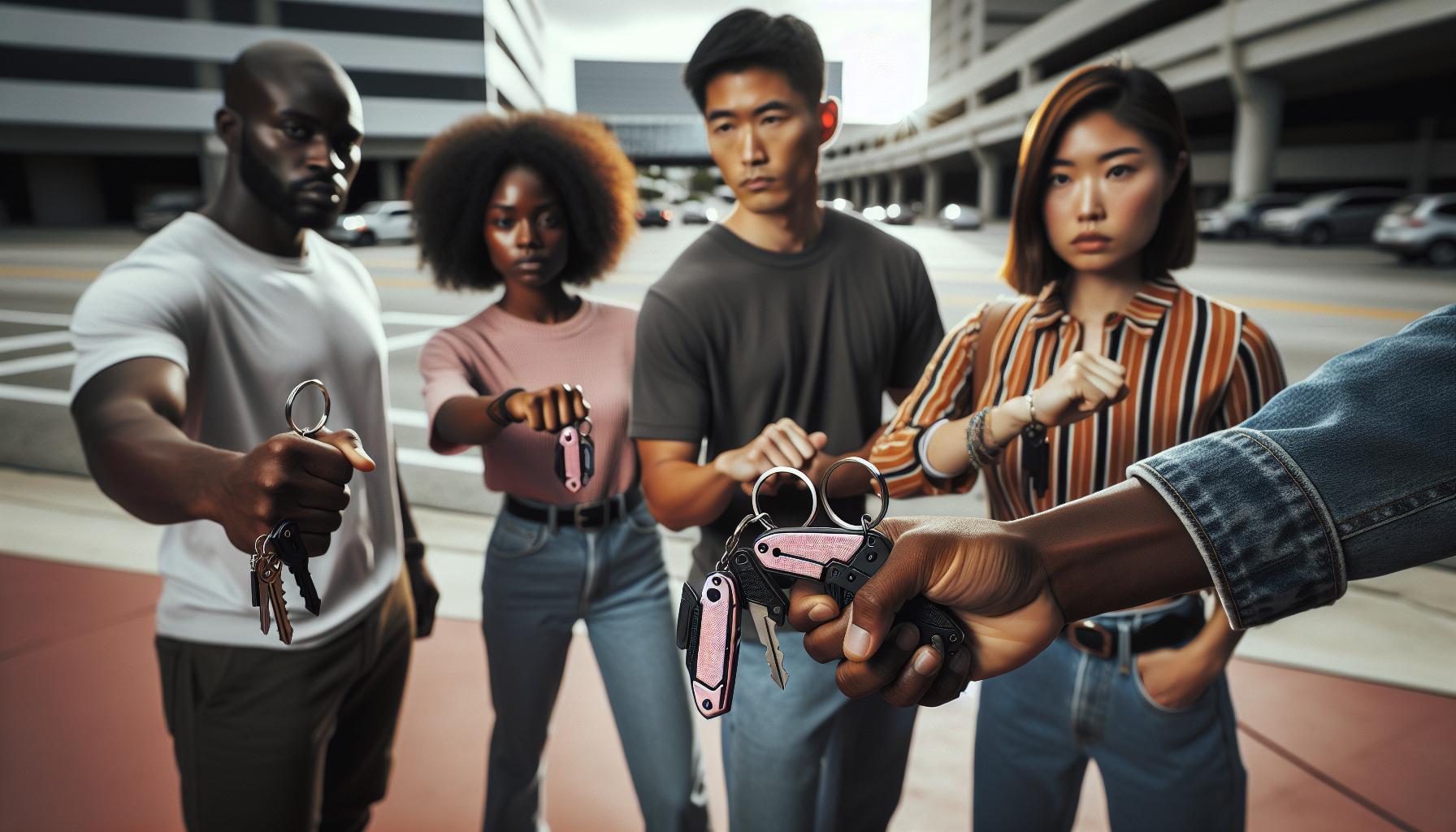
How Effective Are Self Defense Keychains in Real Situations?
In high-stress situations where personal safety is compromised, the effectiveness of self-defense keychains can be paramount. These compact tools, such as kubotans or pepper spray keychains, are designed to provide users with a quick means of protection. However, their efficacy largely depends on three primary factors: practical training, user confidence, and situational awareness.
Training is crucial. Just possessing a self-defense keychain does not guarantee safety; understanding how to effectively deploy it under pressure is fundamental. Engaging in self-defense classes that focus on practical uses of these tools can prepare individuals to respond decisively when faced with an attacker. For example, knowing how to leverage the kubotan for strike points or pressure application can significantly increase one’s chances of diffusing a threat. Many martial arts instructors recommend practicing these techniques in safe environments to build muscle memory, which becomes invaluable during real confrontations.
Confidence plays a critical role as well. A person equipped with a self-defense keychain must feel assured in their ability to use it effectively. This psychological preparedness can be cultivated through both training and positive reinforcement. Users often report feeling more secure when they carry self-defense tools, as this sense of safety can alter how they present themselves in potentially dangerous environments. For instance, a confident demeanor while waiting for public transport can deter potential attackers, as they may sense an unwillingness to be an easy target.
Lastly, situational awareness cannot be overstated. Being alert to one’s surroundings allows a person to identify potential threats before they escalate into confrontations. Self-defense keychains serve as a supplementary measure to proactive safety strategies, such as avoiding poorly lit areas or recognizing the warning signs of aggressive behavior. In practice, relying solely on these tools without cultivating an awareness of the environment would be a missed opportunity for effective personal safety.
In summary, while self-defense keychains offer a practical means of protection, their true effectiveness is realized only when users are trained, confident, and aware. Integrating these elements creates not just a tool but a holistic approach to personal safety that respects the ethical considerations surrounding the use of force. By prioritizing de-escalation and understanding legal implications, individuals can carry self-defense keychains responsibly and effectively.
Guidelines for Choosing the Right Self Defense Keychain
Choosing the right self-defense keychain involves understanding personal needs, the legal landscape, and the intended use of the tool. With a wide variety of options available, it’s vital to select one that not only fits your lifestyle but also complies with local laws.
Start by considering the laws in your state regarding self-defense tools. Some states have specific regulations on the types of defensive items that can be carried, such as kubotans, pepper spray, or alarm keychains. Research your local regulations through government resources or legal guides applicable to self-defense tools to ensure compliance. Many areas allow non-lethal options but may restrict items that are classified as weapons, so keep this in mind as you evaluate choices.
Next, think about the features and usability of the keychain. An effective self-defense keychain should be easy to carry and simple to use under stress. For instance, kubotans can be used for striking or pressure points, while personal alarms may help attract attention during an emergency. Consider ergonomic designs that fit comfortably in your hand and are not cumbersome to carry on your keyring. An ideal choice would be one that you can quickly access and deploy without fumbling.
Additionally, training and comfort with the tool are equally important. It’s advisable to select a keychain that you feel confident using. Engage in practice sessions if opting for tools that require technique, like the kubotan. Some manufacturers offer training guides or videos, which can help you become familiar with best practices. Moreover, understanding the importance of situational awareness when carrying these items cannot be ignored. The keychain should be seen as a component of a broader safety strategy, which includes personal vigilance and de-escalation techniques.
Ultimately, the focus should be on empowerment without glorifying violence. Equip yourself with knowledge, practice regularly, and develop an understanding of the legal implications of carrying self-defense tools. By doing so, you’ll ensure that your choice of a self-defense keychain not only provides a means of protection but also aligns with a responsible and informed approach to personal safety.
Safety Protocols for Carrying Self Defense Keychains
Carrying a self-defense keychain effectively requires an understanding of both safety protocols and the legal considerations surrounding these tools. Keychains designed for self-defense, such as kubotans or personal alarm systems, are valuable tools when used appropriately. Improper handling or a lack of situational awareness can lead to unintended consequences, making it essential to implement strict safety guidelines.
First and foremost, familiarization with your specific keychain is crucial. Each type serves different purposes and has various uses that require practice to master. For example, if you carry a kubotan, regularly practice its defensive techniques to ensure you can wield it effectively under potential stress. Incorporating realistic scenarios during your practice sessions can also enhance your reflexive responses in emergencies. Always prioritize safety by learning how to de-escalate situations and use your tool only as a last resort.
Equally important is understanding the legal landscape of self-defense tools in your state. Each jurisdiction has distinct laws that dictate what can be carried and under what circumstances. Some areas may classify certain keychains as weapons, while others do not. Thus, before you carry any self-defense keychain, perform thorough research to know your rights and responsibilities. Online databases, legal resources, and local law enforcement can provide vital information that helps ensure you’re on the right side of the law.
When carrying a self-defense keychain, consider the following safety protocols:
- Accessibility: Keep your keychain readily accessible in a pocket or purse, avoiding settings where it could get tangled or hidden.
- Visibility: Be aware of your surroundings; having situational awareness can prevent conflict before it escalates.
- Discretion: While it’s important to have your keychain at the ready, avoid brandishing it unless absolutely necessary, as this could escalate a situation unnecessarily.
- De-Escalation: Always attempt to de-escalate confrontations verbally before resorting to physical measures.
- Review Local Laws: Stay updated on self-defense laws that may change periodically in your area.
These guidelines empower you to carry self-defense keychains responsibly while remaining legally compliant. Using these tools with a mindset focused on de-escalation and ethical self-defense will not only enhance your personal safety but will also reflect a mature understanding of the weighty implications associated with such tools.
Comparing Self Defense Keychains: Best Options Available
The world of self-defense keychains offers a variety of options designed to enhance personal safety in an increasingly unpredictable environment. From kubotans to personal alarms, understanding the features and uses of each type can help you choose the right one that aligns with your safety strategy and local laws.
Kubotan: The Classic Self-Defense Tool
A kubotan is a lightweight, handheld self-defense tool, typically made from hard plastic or metal. It can serve as a striking weapon or a tension tool in an emergency. Its compact size makes it easy to carry on your keychain, but effective use requires some training. Practicing basic strikes and pressure point techniques can maximize its potential, allowing for a quick, safe response when confronted with a threatening situation.
Personal Alarms: Sounding the Alarm
Personal alarms are devices that emit a loud sound when activated, effectively drawing attention to your situation and potentially scaring off an attacker. Many models are compact and easy to integrate into keychains. They can serve as a deterrent by alerting unlikely bystanders during an attack, providing an opportunity for escape. Make sure to choose a model that is easy to activate but also secure enough to prevent accidental triggering.
Multi-Tool Keychains: Versatility with Safety
Some keychains come equipped with multiple functions, combining everyday practicality with self-defense features. These can include mini-flashlights, bottle openers, and even discreet sharp edges. While they offer additional utility in daily situations, it’s vital to understand their legality in your jurisdiction, as some may be considered weapons under state law.
Evaluating Effectiveness in Real Situations
The effectiveness of any self-defense keychain ultimately depends on the holder’s familiarity with its use and the specific situation. While they can aid in self-defense, it’s crucial to prioritize de-escalation strategies and situational awareness. Regular practice not only builds confidence but also enhances your ability to respond appropriately should a real threat arise.
In summary, choosing the right self-defense keychain involves balancing functionality, legal compliance, and personal comfort with the tool’s use. As with any self-defense mechanism, continuously reassessing your options and refining your skills is essential to ensure you’re prepared for potential confrontations while staying within legal boundaries. Prioritize ongoing education and self-defense training to complement the tools you choose to carry.
Legal Implications of Using Self Defense Keychains
The legality of self-defense keychains varies significantly across different states, influenced by local laws and regulations governing defensive tools. Understanding the legal context is crucial not just for compliance, but also for ensuring that you can effectively use these tools without facing legal repercussions. Many people assume that carrying a self-defense keychain, like a kubotan or personal alarm, is universally acceptable. However, the reality is much more nuanced, and ignorance of the law can lead to serious consequences.
Keychains with self-defense capabilities, such as kubotans, are viewed differently depending on state statutes. For example, in some states, a kubotan may be classified as a weapon, thus requiring a permit to carry. In other jurisdictions, it might be regarded as an innocuous personal item, making it lawful to carry without restrictions. Similarly, personal alarms are largely legal, but how they are used in a confrontation could lead to legal scrutiny, especially if the situation escalates into violence. Always check local laws pertaining to self-defense tools, as even the intent behind carrying such items can have legal implications.
When examining self-defense options, realize there are practical dimensions to consider. For instance, during a confrontation, using a self-defense keychain effectively requires not just possession of the tool but also a thorough understanding of appropriate usage and the potential legal ramifications of those choices. Acting in self-defense doesn’t grant automatic immunity from legal action; therefore, training in situational awareness and de-escalation tactics should parallel the acquisition of a self-defense tool. It is vital to recognize that while self-defense is a right, the application of force must be proportionate to the threat faced. Missteps in either understanding the law or following appropriate defensive strategies can lead to criminal charges or civil liability.
In conclusion, equip yourself not just with tools but also with knowledge. Stay informed about the nuances of self-defense laws in your state, commit to ongoing education regarding safe usage, and make it a habit to practice realistic scenarios. By doing so, you can enhance your preparedness while minimizing legal risks. Ensure your self-defense strategy is robust, informed, and respects both ethical considerations and legal boundaries to safeguard your rights and well-being.
Practical Scenarios for Using Self Defense Keychains
During unexpected confrontations, having a self-defense keychain readily accessible can make a significant difference. These tools are not just about physical force; they exemplify preparedness and awareness of one’s surroundings. Consider a woman walking alone at night; she can carry a kubotan or a personal alarm securely attached to her keychain. If approached by an aggressive individual, she can quickly access her keychain to deter the attacker or draw attention to her situation with the alarm. Such scenarios emphasize the importance of quick thinking and readiness.
Understanding the context of use is crucial. For instance, if our hypothetical user deploys a keychain tool, the force must be proportional to the threat. Engaging in self-defense should prioritize de-escalation first. In situations where an attacker is threatening but not yet aggressive, a loud alarm might be a suitable response, aimed at attracting help rather than provoking a more violent outcome. This approach not only aids in personal safety but also aligns with legal obligations regarding the use of force.
Practicing specific scenarios could further enhance readiness. These might include role-playing situations with friends where one acts as the assailant and the other uses the self-defense keychain. This practice can help in refining reaction time and decision-making under pressure. Additionally, familiarizing oneself with local laws regarding self-defense tools is vital. For example, a kubotan might be legal to carry in one state but viewed as a weapon in another, requiring a permit. Therefore, staying informed ensures that users can act within legal boundaries while effectively using their self-defense tools. Proper training and knowledge surrounding the keychain’s use not only bolster personal safety but also build confidence to handle confrontations with a clear mind.
Ethical Considerations for Self Defense Tools
Carrying a self-defense keychain can be a pivotal decision, especially for individuals who prioritize personal safety in uncertain environments. However, the ethical considerations tied to the use of such tools are crucial to understand. Self-defense is not merely about having a means to physically confront an assailant; it encompasses a broader responsibility to assess situations, respond appropriately, and apply force in a principled manner. Recognizing the potential consequences of using self-defense tools fosters a more thoughtful approach to personal safety.
The principle of proportionality plays a vital role in ethical self-defense. Individuals must first aim for de-escalation; the ideal response to a threat should avoid unnecessary violence. For instance, if approached aggressively, activating a personal alarm to attract attention may be more effective and ethical than immediately resorting to physical force. This method not only helps to ensure personal safety but also respects the legal implications surrounding self-defense actions, emphasizing that one should act based on the severity of the threat.
Education and preparedness are essential in cultivating an ethical mindset when utilizing self-defense tools. Engaging in training to understand the proper use of keychains, such as kubotans or alarms, enables users to respond effectively while maintaining control over the situation. Practicing scenarios can expose users to various confrontational contexts, allowing them to refine their reactions and judgements in a safe environment. Furthermore, familiarizing oneself with state-specific laws regarding self-defense tools reinforces a sense of accountability and respect for legal boundaries, helping users make informed decisions that align with both personal safety and ethical responsibility.
Ultimately, understanding the moral and legal dimensions surrounding self-defense tools empowers individuals. While self-defense keychains can provide a sense of security, users should approach their use with caution and awareness. Engaging in self-defense is about more than just protection; it involves a commitment to using force responsibly, prioritizing personal safety and the welfare of others in all situations.
Common Myths About Self Defense Keychains
Self-defense keychains are surrounded by a web of myths that can mislead potential users about their effectiveness, legality, and practical application. One of the most prevalent misconceptions is that all self-defense keychains are legal everywhere. In reality, legality varies significantly between states, and some self-defense tools deemed legal in one state may be classified as weapons in another. Always check local laws to ensure compliance before carrying any self-defense keychain.
Another common myth is that self-defense keychains guarantee personal safety. While these tools can provide a sense of security and potentially assist in defending oneself, their effectiveness largely depends on the user’s knowledge and ability to employ them correctly. For instance, simply carrying a kubotan doesn’t ensure protection; proper training and understanding of when and how to use such tools are crucial for real-life effectiveness. Studies show that the most significant advantage is not the weapon itself but the user’s confidence and readiness to respond to a threat.
Additionally, many people believe that self-defense keychains encourage violence or aggressive behavior. In truth, these tools should be seen as last-resort options that ideally serve to deter an aggressor or facilitate escape. Effective self-defense emphasizes de-escalation and awareness of one’s surroundings. For example, activating a personal alarm to attract attention is often a preferable and safer action than physically confronting an attacker. This myth can perpetuate a damaging mindset towards self-defense, promoting the idea that the aim is to harm an assailant rather than to protect oneself and seek safety.
Understanding these myths allows individuals to approach self-defense more responsibly. Awareness of the intricate balance between personal safety, legal limitations, and proper use of self-defense keychains fosters a more informed and prepared mindset. Always prioritize education and ethics in self-defense practices, ensuring you remain within legal parameters while effectively prioritizing your personal safety.
Resources for Learning About Self Defense and Legal Protections
Navigating the world of self-defense, especially concerning self-defense keychains, requires an understanding of the legal landscape and available resources. Knowledge is power, and staying informed can not only boost your confidence but also enhance your safety. To start, consider engaging with local self-defense organizations or classes that focus on the legal use of personal defense tools. Many of these classes provide valuable insights into state-specific laws and realistic self-defense strategies that align with legal standards.
Another essential resource is state and local law enforcement agencies, which often have guidelines and educational materials on self-defense laws. Websites for local police departments frequently outline what is permissible in your area regarding self-defense tools, including keychains. Additionally, legal clinics and workshops conducted by law schools can offer a wealth of information on the implications of using self-defense items within your jurisdiction.
For those seeking structured learning, online platforms provide courses tailored to self-defense laws and practical applications. Reputable organizations, such as the National Self-Defense Institute, offer detailed resources and certification programs that cover essential legal concepts, safety protocols, and effective techniques for using self-defense tools responsibly.
Lastly, books and articles authored by self-defense experts can serve as valuable references. These texts not only cover practical applications but also delve into the ethical dimensions of self-defense. Understanding that self-defense should focus on de-escalation and avoidance of conflict is crucial. Remember, the ultimate goal of self-defense tools, including keychains, is to provide a means of protection while prioritizing safety and legality.
Q&A
Q: Are self-defense keychains legal in all states?
A: No, self-defense keychain laws vary by state. While most states permit their use, specific regulations can differ significantly, so it’s crucial to check local laws. For state-specific guidance, refer to the article section on State-Specific Laws on Self Defense Keychains.
Q: What should I look for when choosing a self-defense keychain?
A: When selecting a self-defense keychain, prioritize durability and effectiveness. Look for features like ergonomic design and ease of use. For detailed insights, see the Guidelines for Choosing the Right Self Defense Keychain section in the article.
Q: Can I carry a self-defense keychain on an airplane?
A: Most airlines prohibit self-defense keychains in carry-on luggage due to security restrictions. Always confirm with the airline and refer to TSA guidelines before traveling. Check our section on Safety Protocols for Carrying Self Defense Keychains for more information.
Q: How do I use a self-defense keychain effectively?
A: To use a self-defense keychain effectively, practice your grip and striking techniques. Training is essential to respond instinctively in a threat situation. For practical scenarios, review the Practical Scenarios for Using Self Defense Keychains section.
Q: Are self-defense keychains considered weapons?
A: Self-defense keychains can be classified as weapons in certain jurisdictions, depending on their design and intended use. Familiarize yourself with local laws to understand any implications related to their classification.
Q: Do self-defense keychains actually work in real-life situations?
A: Yes, self-defense keychains can be effective if used correctly. Their success often depends on the user’s training and situational awareness. Learn more about effectiveness in the section How Effective Are Self Defense Keychains in Real Situations?.
Q: Can anyone purchase a self-defense keychain?
A: Yes, typically any adult can purchase a self-defense keychain, but some states have age restrictions or require specific training. Always check local laws to ensure compliance.
Q: What are the most popular types of self-defense keychains?
A: Popular self-defense keychain types include kubotans, alarm keychains, and pepper spray keychains. Each has its unique features and uses; explore the Types of Self Defense Keychains: Features & Uses section for comparisons.
Future Outlook
Understanding the legal landscape of self-defense keychains is crucial for your safety and peace of mind. While many states permit their use for self-defense, it’s vital to check local laws to avoid any legal issues. Remember, empowering yourself with knowledge and effective self-defense tools can enhance your confidence in challenging situations. If you’re interested in more practical self-defense tips, explore our articles on legal self-defense weapons and personal safety strategies.
Don’t hesitate-take control of your safety today! Consider signing up for our newsletter for the latest updates on self-defense laws and techniques, or check out our product recommendations for the best self-defense keychains available. Your safety journey starts now; be informed, be prepared, and empower yourself with responsible self-defense knowledge. Share your thoughts or experiences in the comments below, and let’s continue this important conversation on personal safety.