
In a world where personal safety is a growing concern, many people question whether a BB gun is a viable option for self-defense. While these air-powered weapons can deter potential threats, understanding their legal implications and practical effectiveness is crucial. This article will delve into state-specific laws governing BB gun use, their appropriateness in self-defense scenarios, and essential safety protocols. Whether you’re seeking alternatives to traditional firearms or are simply curious about your options, this exploration will empower you with the knowledge to make informed decisions about personal protection. Together, we’ll navigate the fine line between safety and legality, helping you approach self-defense with responsibility and awareness.
Understanding BB Gun Legality in Self-Defense Situations
Carrying a BB gun for self-defense often raises significant legal questions that vary vastly from state to state. Understanding the laws surrounding BB guns in the context of self-defense is crucial for anyone considering them as a means of protection. Generally, BB guns are categorized differently than firearms, and many states allow their use in a broader range of circumstances. However, self-defense laws typically require that any defensive action is both proportional and reasonable. It’s essential to first establish whether a BB gun qualifies as a ‘weapon’ under local laws and under what conditions you can legally possess one.
In some states, carrying a BB gun openly might be permissible, while others may require it to be concealed. Moreover, laws might differentiate between using a BB gun for self-defense and using it for recreational purposes, which could influence your legal standing in a self-defense scenario. If you’re faced with an altercation and utilize a BB gun in a defensive manner, the consequences can be severe if determined that the force was excessive or unnecessary. It’s imperative to be aware of your state’s regulations, including age restrictions, licensing requirements, and rules regarding transport. Always consult the updated laws in your jurisdiction or seek legal advice if you’re uncertain.
Furthermore, while BB guns can deliver a strong impact, they do not carry the same weight of legal repercussions as a firearm when used for self-defense. Nonetheless, the legal latitude provided can also be a double-edged sword: misusing a BB gun can still lead to charges ranging from brandishing a weapon to assault. Proper training and a thorough understanding of both the physical and legal implications of using such a weapon are crucial for ensuring safety in self-defense situations. In challenging scenarios, prioritize de-escalation and the use of proportional response-as the use of any weapon, even a BB gun, can have long-lasting effects on your life and the lives of others involved.
State-Specific Laws on Carrying BB Guns
Carrying a BB gun for self-defense can be fraught with legal complexities, varying significantly from state to state. In many jurisdictions, BB guns are classified under different laws than traditional firearms, which means the legal implications of carrying and using them in self-defense scenarios can differ. Some states may allow the open carry of BB guns, while others might mandate that they be concealed. Understanding the specific classification and legal allowances in your state is crucial as it shapes your rights and responsibilities.
In states like California and New York, you may encounter stricter regulations regarding the carrying of BB guns, often treating them similarly to firearms, which might necessitate age restrictions or specific permits. Meanwhile, states such as Texas often provide broader leeway, allowing BB guns to be carried more freely. Nonetheless, even in permissive states, utilizing a BB gun in self-defense must adhere to the principles of proportionality and reasonableness. Engaging in a confrontation with a BB gun can lead to severe legal consequences, akin to those faced with real firearms if deemed excessive force is used.
It’s essential to stay informed about local laws concerning the transport and use of BB guns. This includes understanding whether certain locations, such as schools or government buildings, prohibit BB guns, which could influence your ability to carry one for defensive purposes. Always consult state-specific legal resources or seek legal counsel when in doubt, as misinterpretations can lead to serious legal ramifications.
Ultimately, equipping yourself with knowledge regarding these laws not only helps you comply with regulations but also significantly impacts your safety. Being prepared is key; engaging in self-defense situations is rarely straightforward, and understanding how the law applies to your actions with a BB gun can significantly affect both your legal standing and personal safety during confrontations.
Effectiveness of BB Guns for Self-Defense Purposes
In any self-defense situation, the effectiveness of a BB gun as a deterrent or defensive tool hinges on several critical factors. While BB guns can deliver a sting that might dissuade an assailant, their capabilities are significantly limited when compared to traditional firearms or even some non-lethal options like pepper spray. Understanding both the physical impact of BB guns and the psychological effects they may impart on a potential attacker is essential.
BB guns generally fire projectiles at lower velocities than standard firearms, typically ranging between 300 to 600 feet per second. While this is enough to cause pain or discomfort-especially at close range-it generally does not produce incapacitation. In a confrontation, using a BB gun may momentarily surprise or scare off an aggressor, yet it may fail to establish the level of immediate threat perceived by the attacker. This reality emphasizes the need for clear legal and ethical considerations: employing a BB gun in a self-defense scenario must always adhere to the principle of proportionality. It’s vital that you assess the threat level accurately before resorting to any form of defensive action.
Moreover, the effectiveness of BB guns can vary greatly depending on the context of the encounter. In situations where an assailant is armed or highly aggressive, the use of a BB gun might escalate danger rather than defuse it. The legal ramifications of using a BB gun for self-defense can mirror those associated with lethal weapons, particularly if the force used is deemed excessive. Thus, it becomes crucial for individuals considering BB guns for protection to prioritize de-escalation techniques and situational awareness over reliance on these weapons.
Understanding how to use a BB gun effectively involves not just marksmanship but also strategic planning. Training in de-escalation techniques can often provide safer resolutions in potential confrontations than relying solely on a BB gun. Ultimately, the goal of self-defense is not just to react but to create space, egress, and safety. Each encounter carries unique variables, and a well-rounded approach towards personal safety requires a keen understanding of when and how to use any defensive tools judiciously, with an emphasis on legality and ethics at every stage.
Comparing BB Guns to Other Self-Defense Weapons
In the realm of self-defense weapons, BB guns hold a unique place, often sparking debate about their practical effectiveness when compared to other common self-defense tools. While they can deliver a sting and may act as a deterrent under the right circumstances, their limitations become apparent when contrasted with firearms, pepper spray, or even personal defense techniques. Understanding these differences is essential for anyone considering a BB gun for self-defense.
First, let’s consider traditional firearms. Firearms are designed to incapacitate an assailant via lethal or non-lethal force, depending on the specific type of ammunition used. They offer significant stopping power and a greater psychological impact on potential threats. In contrast, BB guns typically fire small metal or plastic balls at relatively low velocities (300 to 600 feet per second). This lower impact often results in pain but generally not incapacitation. Consequently, in a life-threatening situation with an aggressive assailant, a BB gun might fail to provide the necessary deterrence, possibly escalating the confrontation instead.
Another alternative is pepper spray. This non-lethal defense tool is specifically formulated to incapacitate attackers temporarily by causing severe eye and respiratory irritation. Unlike BB guns, which are primarily useful for intimidation or as a last resort, pepper spray allows for more effective disengagement from a threat without the risks associated with projectiles. While carrying pepper spray is subject to state regulations, it is often seen as a safer option due to its less lethal nature and higher likelihood of effectively deterring an assailant.
When comparing defensive techniques, martial arts systems like Krav Maga or Brazilian Jiu-Jitsu prioritize situational awareness, self-control, and de-escalation strategies, often empowering individuals to resolve conflicts without the use of weapons. These disciplines emphasize evasion and conflict resolution skills, equipping practitioners with the ability to escape potentially dangerous situations rather than confront them head-on. In juxtaposition, reliance on a BB gun could inadvertently lead to a confrontational mindset, where individuals might feel emboldened to use it even when de-escalation would be a more appropriate approach.
In summary, while BB guns may serve as an option for self-defense, they are often overshadowed by firearms and other non-lethal alternatives in terms of effectiveness and safety. Evaluating the context, understanding the potential consequences of BB gun use, and prioritizing de-escalation can greatly enhance personal safety. Each self-defense method carries its own set of legal and ethical implications, underscoring the importance of responsible and informed choices in personal protection.
Exploring Safety Protocols When Using BB Guns
In any self-defense scenario, understanding and adhering to safety protocols can significantly enhance your effectiveness while minimizing risks. When considering the use of a BB gun for protection, it is paramount to treat it with the same respect as any weapon. The following guidelines serve as essential protocols for safe handling, legal adherence, and ethical use of BB guns.
Basic Safety Practices
Always follow the fundamental rules of firearm safety, which apply equally to BB guns. These include:
- Always treat your BB gun as if it’s loaded. This mindset ensures that you are cautious at all times.
- Never point the gun at anything you do not intend to shoot. This rule protects both you and innocent bystanders.
- Keep your finger off the trigger until you are ready to shoot. This prevents unintentional discharges caused by nervousness or distractions.
- Always store the BB gun properly. Use a lockable case and store it away from children and unauthorized users.
Understanding Legal Implications
Before considering self-defense options involving a BB gun, it is crucial to understand your state’s laws regarding their use. Many states have regulations that might restrict carrying BB guns in certain public areas or specify how they should be transported. Failure to comply with these laws could result in legal consequences. For instance, some jurisdictions classify BB guns as firearms, while others do not, impacting how they can be legally used in self-defense situations.
Ethical and Proportional Response
Utilizing a BB gun for self-defense comes with ethical responsibilities. You must evaluate whether the situation genuinely requires self-defense. Understanding the concept of proportional response is critical; using a BB gun against an unarmed person, or in a non-life-threatening situation, may lead to severe legal repercussions and ethical dilemmas. Only resort to using a BB gun if you are confident that you face a genuine threat to your safety.
Real-World Awareness and De-escalation Techniques
In high-pressure situations, maintaining situational awareness can help avoid confrontations altogether. It’s essential to assess your surroundings and recognize potential threats early. Training in de-escalation techniques can provide strategies to diffuse tense situations without resorting to force. For example, engaging in calm dialogue or removing yourself from a hostile atmosphere may be more beneficial and safe than instinctively reaching for a BB gun.
Understanding these safety protocols will not only prepare you to use a BB gun responsibly but also emphasizes the importance of self-discipline in potentially volatile situations. As with any self-defense tool, prioritizing safety, legality, and ethical considerations is vital for effective and responsible usage.
Real-Life Scenarios for Using BB Guns Defensively
In the dynamic and often unpredictable world we live in, understanding the role of a BB gun in self-defense scenarios can provide invaluable insights for those seeking alternative means of protection. It’s important to approach this topic with gravity, recognizing that using a BB gun defensively must always be tempered by legal considerations and an ethical framework.
Imagine a situation where an individual is confronted by an aggressive stray dog while out for an evening walk. In this scenario, using a BB gun to deter the animal from an attack could be seen as a reasonable application of self-defense. The BB gun can serve as a non-lethal deterrent, allowing the individual to protect themselves without resorting to more severe methods. However, the intent and circumstances surrounding the use of the BB gun are pivotal. It’s crucial to evaluate whether the situation presents a genuine threat and to choose a non-lethal means of protection whenever possible.
Another scenario may involve an individual being followed or harassed by an unknown person in a public space. In such a case, brandishing a BB gun may sometimes be enough to dissuade the aggressor from continuing their pursuit, assuming the individual is within the legal rights to carry it openly. Yet, this action should be exercised with extreme caution; escalating a situation unnecessarily can lead to serious legal consequences. It’s paramount to prioritize de-escalation techniques and personal safety over the immediate desire to assert control over a potentially threatening encounter.
In considering these scenarios, it’s essential to stay informed about state-specific laws that govern the use of BB guns. For instance, some states classify BB guns as firearms, imposing significant restrictions on where and how they can be carried or displayed. Before using one defensively, individuals must be educated about their local regulations and how they define the circumstances under which a BB gun can be justified as a means of self-defense.
Each situation that calls for self-defense is unique, with its own variables. The key takeaway is that a BB gun can be a part of one’s self-defense toolkit, but it should never overshadow the importance of understanding when and how to use it responsibly. Always prioritize non-violent resolutions, and remember that the ultimate goal is to protect oneself while adhering to the law and ethical standards.
The Ethical Considerations of Using BB Guns
In today’s world, where personal safety is a paramount concern, it’s crucial to approach the use of BB guns in self-defense scenarios with a deeply rooted ethical mindset. While BB guns are often perceived as non-lethal alternatives for protection, their use still carries significant moral and legal implications. Understanding these considerations can mean the difference between responsible self-defense and potential legal repercussions.
The Importance of Intent and Proportionality
The core of ethical self-defense lies in intent. Using a BB gun should never be about instilling fear or asserting dominance; it should solely focus on de-escalation and protection. For instance, if someone feels threatened by an aggressive animal, deploying a BB gun might be justified as a reminder of deterrent force, as long as it is proportional to the threat. This means assessing whether a non-lethal method is appropriate given the circumstances. Misjudging the situation could lead to greater harm, both physically and legally, underscoring the importance of evaluating threats carefully.
Legal Responsibility and Accountability
Ethically carrying a BB gun also means being acutely aware of local laws. The classification of BB guns varies by state; in some jurisdictions, they are treated similarly to firearms, impacting where and how you can carry them. This variance in regulation emphasizes the necessity of being informed. Knowing the laws ensures that an individual can act within legal boundaries, thus avoiding unintended legal consequences. Failure to adhere to these laws can result in criminal charges or civil liability, which further complicates the ethical landscape surrounding the use of BB guns in self-defense.
Promoting Non-violent Solutions
Another critical ethical consideration is the emphasis on non-violent conflict resolution. The mere presence of a BB gun should not escalate a situation. Instead, individuals should prioritize de-escalation techniques, such as verbal communication or retreating from confrontational scenarios. Training in conflict resolution enables individuals to defuse potential threats without the use of force. This approach not only respects the rights and dignity of all individuals involved but also fosters a safer community overall.
Ultimately, the ethical considerations surrounding the use of BB guns for self-defense hinge on intent, legal knowledge, and a commitment to non-violence. Each situation is unique, and being prepared with the right mindset and education can empower individuals to protect themselves responsibly while minimizing harm to others. By grounding their actions in ethical principles, individuals can navigate the complexities of self-defense with confidence and integrity.
Where to Legally Carry a BB Gun
Carrying a BB gun in public can be a complex issue, as legal regulations vary significantly by state and even by municipality. Understanding where you can legally carry a BB gun is crucial to ensure you comply with the law and avoid potential legal consequences. In many areas, BB guns are classified similarly to firearms, which impacts where they can be carried, how they should be stored, and whether they can be used for self-defense.
State-Specific Regulations
In the United States, laws governing BB guns differ from state to state. Some states have minimal regulations, allowing open carry without a permit, while others may require permits or restrict carry options in specific public areas, such as schools or government buildings. Always check the local laws of your state or city by consulting resources like state police websites or local legislative documents. Here are some general guidelines to consider:
- Public Spaces: Many states allow BB guns to be carried in public areas; however, these can be subject to restrictions in parks or near schools.
- Transporting: When transporting a BB gun, ensure it is unloaded and stored in a secure case. This avoids misinterpretations of intent and enhances legal protection.
- Private Property: Obtain permission to carry a BB gun on private property. Owners can set rules regarding weapons, regardless of the state’s regulations.
Effect of Local Laws
Local ordinances can impose additional restrictions that state laws do not cover. For example, some cities may have specific laws governing the discharge of BB guns within city limits, making it illegal to use them for self-defense even if you are permitted to carry them. Always research the specific locality where you reside or plan to travel.
Carrying for Self-Defense
Using a BB gun for self-defense raises additional legal scrutiny. While some may argue the deterrent effect of a BB gun, the legal standing varies significantly. In many jurisdictions, the use of any weapon-even a non-lethal one-can be subject to legal debate if it leads to injury or damage. Knowing the extent of your rights and responsibilities is essential. Consult with local legal experts or self-defense instructors who understand the nuances of the law in your area.
Remember, while BB guns can offer a sense of security, they should never replace awareness, preventative safety measures, and verbal de-escalation techniques in potentially dangerous situations. By understanding the legal landscape of where and how to carry a BB gun, you empower yourself with the knowledge needed to navigate self-defense situations responsibly.
Maintenance and Care for Your BB Gun
Maintaining a BB gun is essential not only for ensuring its reliability but also for promoting safe usage practices, especially when considering its role in self-defense. A well-maintained BB gun performs better, thus enhancing accuracy when it matters most. Regular care can also extend the life of your equipment and minimize the potential for malfunctions during critical moments.
To start, it’s essential to understand that BB guns, like any mechanical device, require frequent cleaning and inspection. After each use, clean the barrel to remove any debris or residue left from BBs, ensuring a clear path for future shots. Use a cleaning rod with a suitable cloth or patch, applying a small amount of lubricant designed specifically for BB guns. Avoid harsh chemicals, which could damage the internal components. Regularly checking the seals and O-rings helps prevent air leaks in pneumatic models, which can affect performance and accuracy.
- Storing Properly: Store your BB gun in a dry, cool place, ideally inside a protective case. Humidity can cause metal components to rust, leading to degradation over time. If you’re transporting your BB gun, ensure it’s securely packed, ideally in a sealed case to prevent accidental discharge or damage.
- Regular Maintenance Checks: Schedule regular checks for wear and tear, particularly on moving parts. Inspect the mechanism for any signs of damage. If you’re unfamiliar with the mechanical aspects, consider taking your BB gun to a qualified technician for a servicing at least once a year.
Lastly, consider the type of BBs you’re using. Quality BBs can affect performance significantly, so choosing high-grade options will result in better velocity and accuracy. Also, keep in mind the need to adhere to local laws related to BB guns, including storage practices. Reinforcing good maintenance habits ensures that your BB gun remains a safe and reliable option for personal defense, should it ever be needed. Understanding and respecting the legal and ethical issues surrounding BB gun usage can lead to responsible ownership and enhanced safety for yourself and those around you.
Training Tips for Responsible BB Gun Use
Understanding the effective use of a BB gun for self-defense starts with proper training. Responsible use of any weapon, even one that may not be lethal, requires a comprehensive understanding of both its operational mechanics and the legal frameworks surrounding its use. Training isn’t just about marksmanship; it’s also about technique, safety, and ethical considerations.
Firstly, familiarize yourself with the mechanics of your BB gun. Regular practice is crucial. Spend time at a local shooting range where you can safely practice aiming and shooting under controlled conditions. This will enhance your comfort level with the weapon. Consider enlisting the guidance of a qualified instructor who can provide practical tips tailored to the specific model of BB gun you have. They can teach you about loading, unloading, and the proper cleaning techniques, ensuring your gun is always in top condition.
Equally important is understanding the legal nuances of using a BB gun in your state. Laws vary widely regarding carrying and using BB guns for self-defense. Research local regulations thoroughly to grasp where and when you can legally carry your BB gun, and under what circumstances it is permissible to use it. Ignorance of the law can turn a self-defense situation into a legal nightmare.
Safety protocols must always be prioritized. Never point your BB gun at anything you are not prepared to shoot. Always treat it as if it is loaded, ensuring your finger remains off the trigger until you are ready to fire. Practice de-escalation techniques regularly; these skills will help you assess situations more effectively, allowing you to resolve conflicts without resorting to the use of your BB gun.
In real-world application, consider participating in workshops or training programs that focus on defensive tactics rather than aggressive confrontation. Engaging in scenario-based training can provide valuable insights into the dynamics of real confrontations, helping you understand the appropriate response to various threats. Remember, the goal is to protect yourself while maintaining ethical standards in the heat of the moment.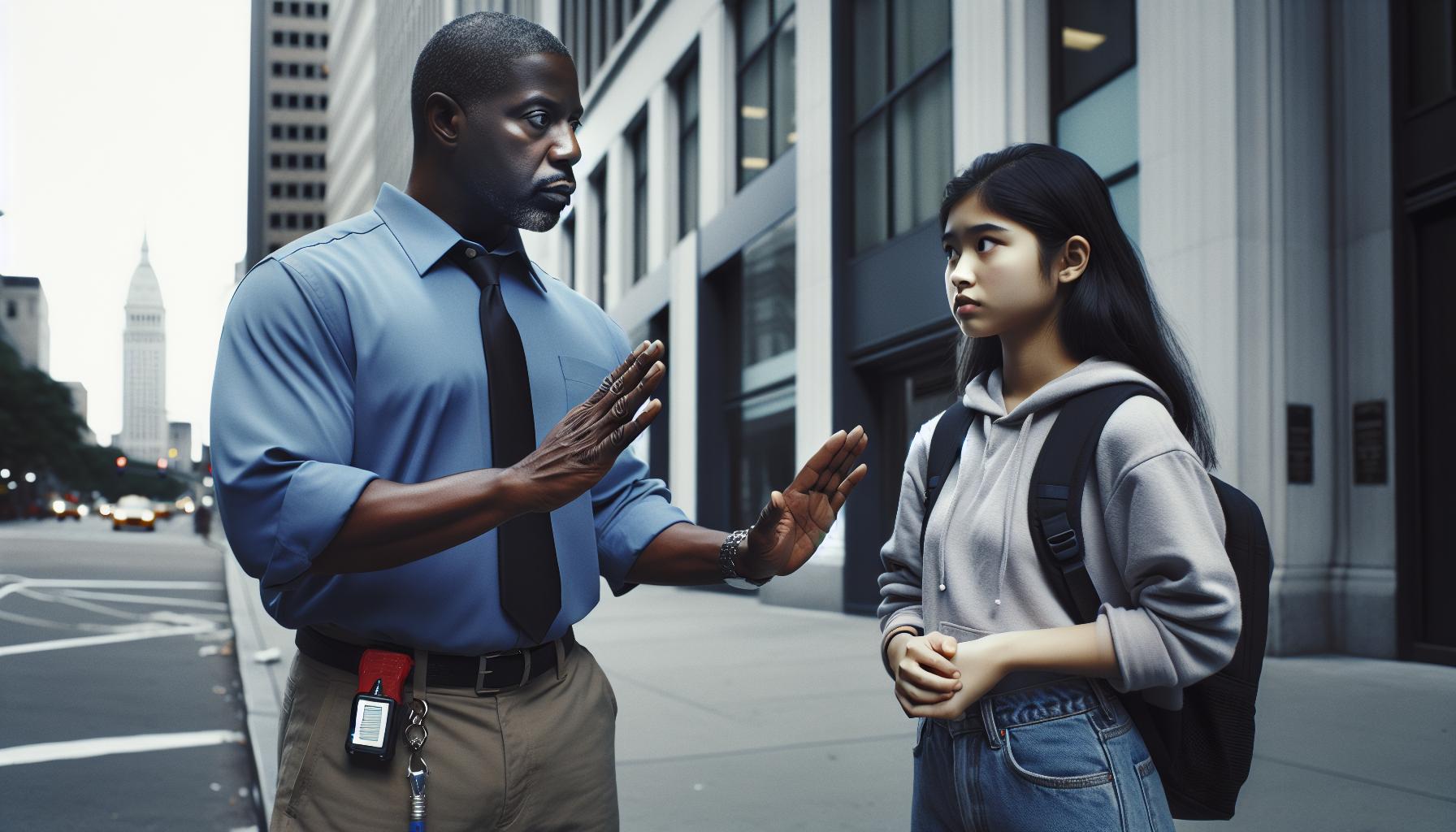
De-Escalation Techniques in Self-Defense Situations
In a tense situation, the ability to de-escalate conflict can be a critical skill. While BB guns may be seen as a non-lethal alternative for self-defense, understanding how to diffuse a situation without resorting to physical force is essential. Effective de-escalation techniques not only help avoid confrontation but also protect your legal standing should you find yourself in a conflict where the use of force is even considered.
One fundamental strategy is to maintain a calm demeanor. This involves using a soft tone of voice and open body language to convey non-aggression. Acknowledge the other person’s feelings and express a willingness to listen. Phrases such as “I understand you’re upset” or “Let’s talk this through” can help reduce tension. Additionally, avoiding provocative language or gestures is key; escalate your movements or tone, and the situation may spiral out of control.
Another effective technique is to create physical space between you and the other person. By stepping back and giving them room, you communicate that you do not wish to engage in a physical confrontation. This physical distance can often lessen the perceived threat and can lead to a more rational discussion. Coupled with this, asking open-ended questions can encourage the other party to express their concerns, potentially leading to a resolution. For instance, asking “What can we do to fix this?” fosters cooperation rather than conflict.
Lastly, it’s vital to recognize when a situation is beyond de-escalation efforts and to retreat if possible. Understanding your limits and prioritizing safety is paramount. A mental preparedness to disengage not only safeguards your safety but also reinforces the idea that self-defense is a last resort, not a first response.
Understanding the Risks of BB Gun Use in Confrontations
In the realm of self-defense, the use of BB guns can introduce a range of risks that must be carefully navigated. While they’re often perceived as non-lethal options, one must recognize that their use in confrontational situations carries potential legal consequences, safety concerns, and ethical dilemmas. Understanding these risks is crucial for anyone considering a BB gun for self-defense.
Firstly, legal repercussions can arise from the discharge of a BB gun in a confrontational setting. Many jurisdictions classify BB guns as firearms, which means the laws governing their use can mirror those of traditional guns. Acting in self-defense with a BB gun can still lead to criminal charges such as assault, especially if there are witnesses who misinterpret the situation or if the BB gun is perceived as a real firearm. Hence, it is crucial to be aware of the local laws regarding self-defense and the use of BB guns in your state.
Additionally, while BB guns are designed to inflict less harm than traditional weapons, they can still cause significant injury and evoke strong reactions. A BB gun discharge may provoke an aggressive response from the target or bystanders, potentially escalating the altercation rather than diffusing it. Misunderstandings regarding the weapon’s lethality can lead to severe situational consequences, including injury to the user or others.
Moreover, ethical considerations are paramount. Utilizing a BB gun should never be seen as an invitation to violence; etching out a clear boundary on when and how to engage is fundamental. Maintaining a non-aggressive demeanor and focusing on de-escalation is essential in avoiding confrontations entirely. A well-thought-out approach may involve retreating from dangerous situations rather than escalating them through the display or use of a BB gun.
In summary, the use of BB guns in self-defense poses considerable risks that extend beyond the physical act of discharge. The legal implications, the risk of escalation, and the ethical dimensions of employing such a device necessitate a reflective and educated approach. Always prioritize de-escalation and safety above all, ensuring that self-defense remains a measure of last resort.
Faq
Q: Is it legal to carry a BB gun for self-defense in all states?
A: No, it is not legal in all states to carry a BB gun for self-defense. Laws vary significantly, so always check your local regulations. Some states treat BB guns similarly to firearms, requiring permits and specific carry methods. Ensure you are familiar with your state laws before considering this option.
Q: How effective are BB guns for self-defense?
A: BB guns are generally not considered highly effective for self-defense. Although they can deter an attacker, they lack the stopping power of firearms. Consider other self-defense options for greater effectiveness, and evaluate your situation carefully.
Q: What are the risks of using a BB gun in self-defense situations?
A: The risks include legal repercussions and potential escalation of violence. BB guns may not be viewed as legitimate self-defense tools, and using one could lead to misunderstanding, harm to yourself, or an attacker. Always assess the situation and prioritize de-escalation.
Q: Can I take a BB gun to public places for self-defense?
A: Taking a BB gun to public places for self-defense is highly regulated. Many areas have laws prohibiting the public display of BB guns, viewing them as weapons. Always check local laws and requirements for carrying in public spaces.
Q: What should I know before using a BB gun for self-defense?
A: Understand the legal implications in your area and the effectiveness of BB guns. Training and safety protocols are essential, as is knowing when to retreat. Focus on de-escalation techniques to avoid confrontation.
Q: How can I maintain my BB gun for potential self-defense use?
A: Proper maintenance involves regular cleaning and inspection. Ensure the barrel is clear, check seals, and keep the mechanism functional. A well-maintained BB gun is crucial for reliability if ever needed.
Q: Are there better alternatives to BB guns for self-defense?
A: Yes, options like pepper spray, personal alarms, or self-defense classes can be more effective. Weigh the benefits of each method according to your comfort level and the legal landscape in your area.
Q: What self-defense training should I consider if I plan to carry a BB gun?
A: Consider self-defense classes that focus on situational awareness and de-escalation strategies. Training with the BB gun itself is also important, so you understand its operation. Explore options that emphasize responsible and legal use.
Wrapping Up
Understanding whether you can legally carry a BB gun for self-defense is crucial, but it’s just the beginning of your self-defense journey. Remember, the effective use of such tools must always prioritize legality, proportionality, and ethical responsibility. Having this knowledge protects not just you, but also those around you. For deeper insights, check out our articles on self-defense laws in your state and tips on choosing the right self-defense tool for your needs.
Don’t wait until it’s too late-explore these resources and empower yourself today. If you have questions or experiences to share, drop a comment below! Sign up for our newsletter for ongoing guidance on self-defense strategies and legal updates. Your safety is paramount, and being informed is your first line of defense.